When it's cold outside, many of us battle with condensation and even mould and damp patches in our homes. The internet and social media are awash with claims that houseplants can help beat condensation and mould by reducing humidity in the air. But is this true?
More on house plants
Most of the articles online – if they cite any evidence at all – claim that houseplants can absorb moisture in the air through their leaves.
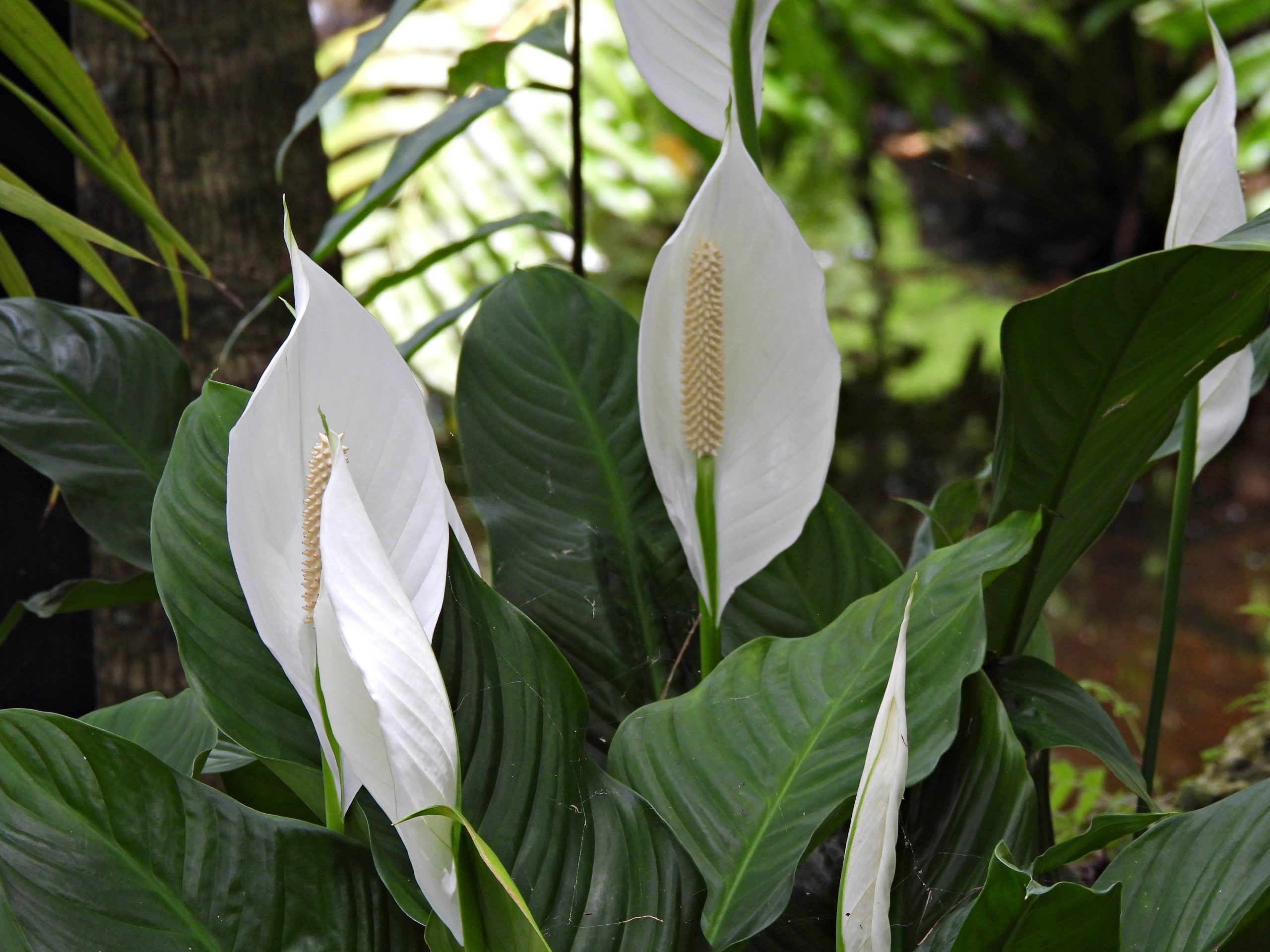
Ivy (Hedera helix) highlighted as being particularly good at this, along with peace lily (Spathiphyllum), Boston fern (Nephrolepsis exaltata), Devil’s ivy or pothos (Epipremnum aureum), spider plant (Chlorophytum comosum), snake plant or mother-in-law’s tongue (Sansevieria), palms and orchids.
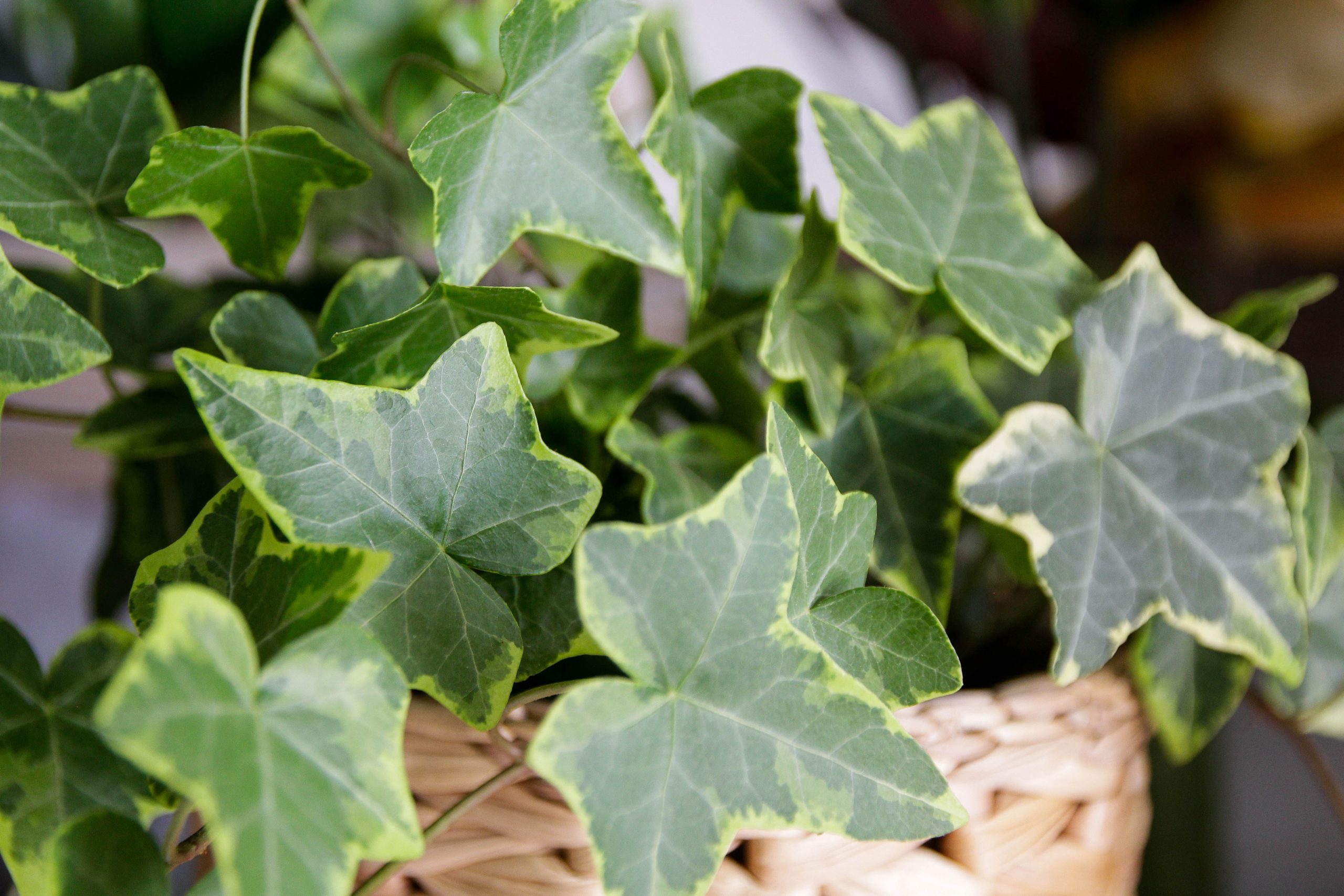
Among some of the claims in press releases from suppliers that we have received here at Gardens Illustrated are that “certain houseplants are known for their ability to absorb moisture through their leaves”, that “peace lilies and the bird of paradise are particularly effective at removing excess moisture in the air, which can help lower humidity levels” and that “Incorporating a few houseplants can make a real difference in controlling moisture and mould in your home, particularly during the cooler months. They do more than just look pretty, they actively help regulate indoor humidity.”
We have also been informed that “English ivy and orchids can naturally bring down moisture levels in the air”, “Some houseplants like the peace lily will absorb moisture through its leaves which will then travel through to their roots”, “English Ivy removes airborne mould”, “Palms are a great choice to help control humidity and keep mould at bay, absorbing moisture through their leaves” and that the snake plant is "mould-loving".
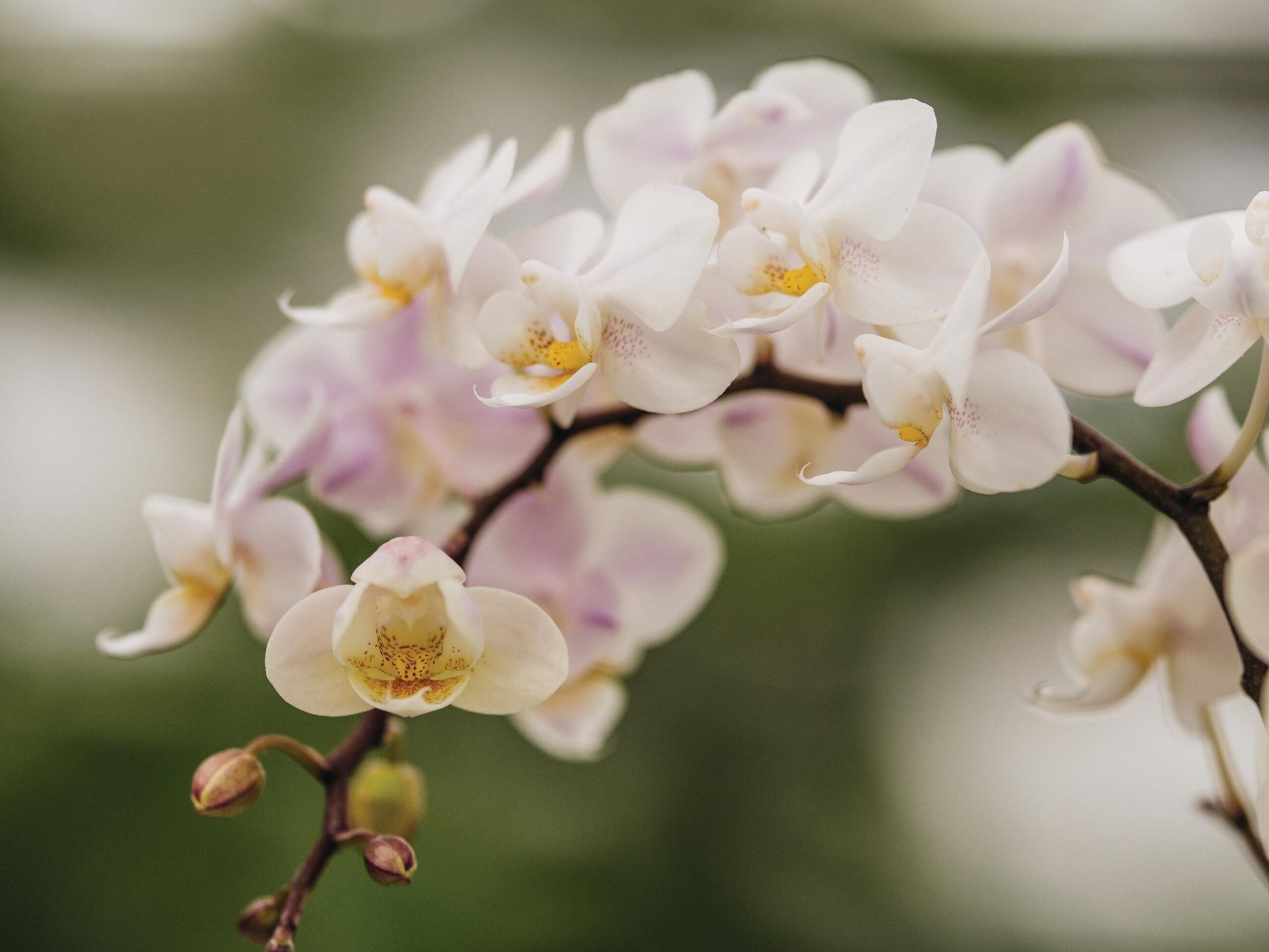
Claims that we have seen on websites include “certain varieties of tropical plants absorb water directly through their leaves, a process that pulls excess humidity out of the air” and so on – so much so that even Google’s AI overview seems to believe that houseplants can act as natural dehumidifiers.
But despite these claims being repeated across dozens of websites, we could have sworn that we did not learn about this at school, or indeed in our horticultural training. So we contacted some houseplant experts for their opinion.
What the experts say about houseplants and mould
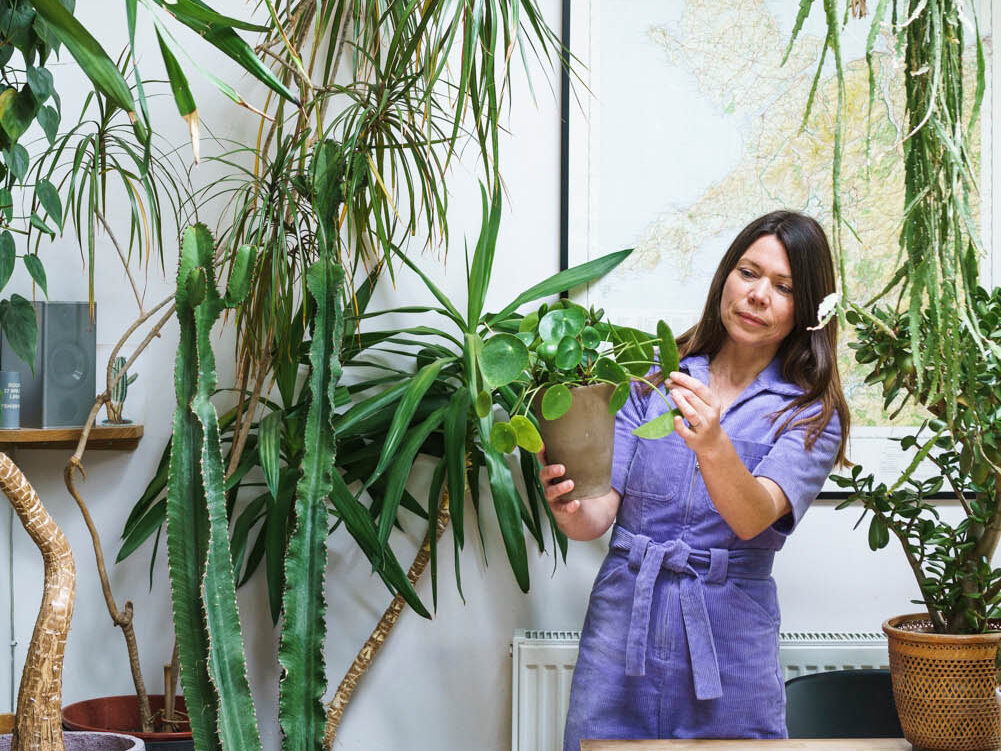
Sarah Gerrard-Jones, AKA The Plant Rescuer, told us: “I can categorically state that houseplants do not remove mould or condensation from a room. How do I know? Because I have hundreds of houseplants, condensation, and some mould in one of my rooms. I hope that tells you all you need to know about this myth.”
Plants don't suck moisture or mould spores out of the air.
She added: “At the root of this being factually incorrect is science. Plants transpire – ie they release water vapour into the air from tiny mouth-like holes on their leaves. They don't suck moisture or mould spores out of the air.”

Guy Barter, chief horticulturalist at the RHS, echoed Sarah’s comment. "Some internet sources suggest that plants absorb water thorough their leaves. This, I’m afraid, is fanciful. It would save a lot of watering were it true."
Guy points out that houseplants, if anything, could contribute to humidity. "Houseplants emit water vapour during transpiration, an unavoidable part of photosynthesis, necessary for the plant’s existence. This will contribute in a very small way to condensation in houses."
And this leads to another common claim also doing the rounds online – that houseplants can actually increase humidity in homes. But as Guy points out: “Most domestic condensation will come from washing, cooking and people breathing."
Guy also pointed out that in centrally heated homes, the air tends to be rather dry and some moisture in the air is more comfortable for people and indeed for plants. "To this extent, plants make houses more comfortable."
He concludes: "Insulation, heating and ventilation are more effective at controlling domestic excess humidity, condensation and mould."
So there you have it - houseplants do not beat condensation or mould. If you have these problems in your home, try Guy's suggestions above, get a dehumidifier or call in the experts.