The RSPB has changed its guidance on feeding garden birds, warning against some of the feeders, foods and practices bird lovers have used for decades. As many gardeners rush to send their bird feeders to the wheelie bin, and the Royal Horticultural Society (RHS) announces it will no longer sell bird seed mixes and peanuts during the summer, this is a change sparking a lot of conversation in the gardening world.
To avoid inadvertently harming local wildlife, it's important to understand the new guidance and recommendations. So here's everything you need to know to protect your garden birds this year.
What is the new guidance on bird feeders?
The RSPB's new guidance comes in four key parts. Make these four changes to care for your garden birds this year.
- Clean and move bird feeders weekly.
- Avoid filling bird feeders with seeds and peanuts between 1 May and 31 October. Small amounts of mealworms, fat balls and suet are fine.
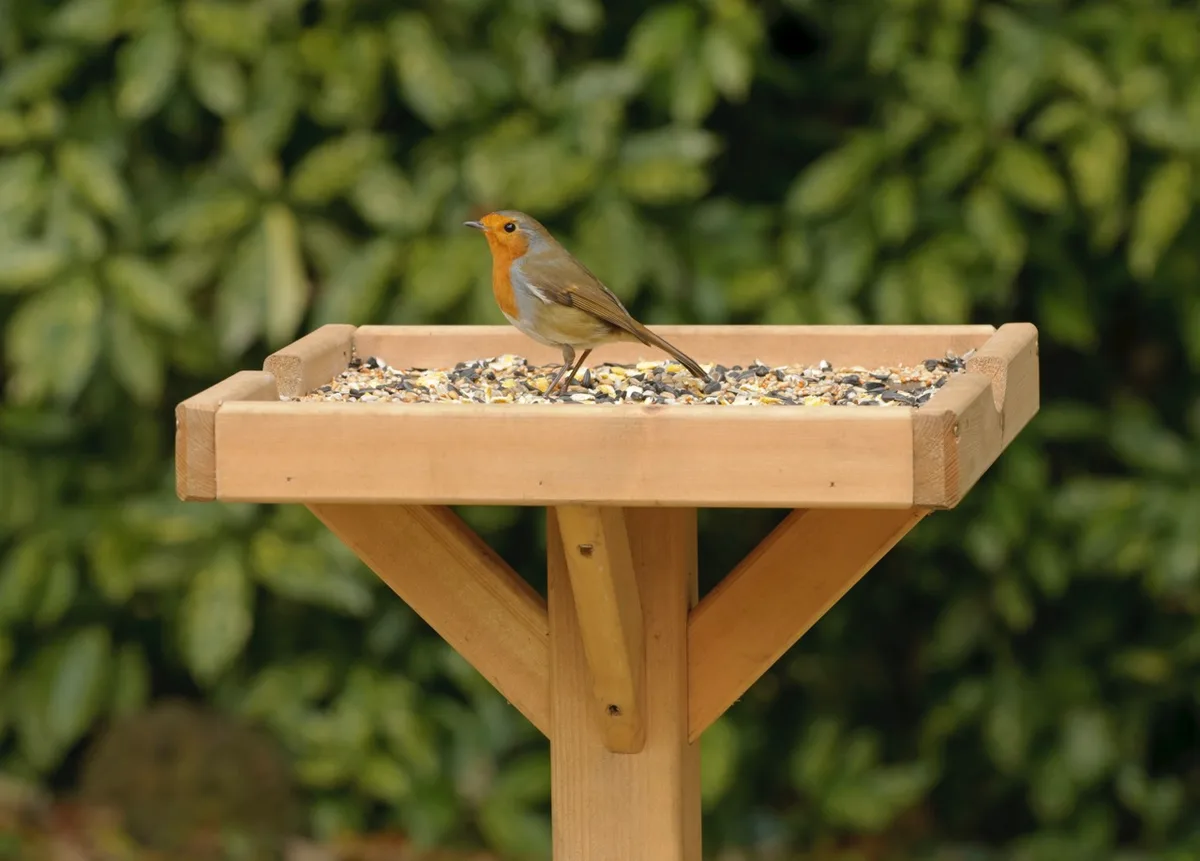
- Avoid using bird feeders with flat surfaces.
- Clean water bowls and bird baths weekly and refill them daily. Always refill them from the tap.
Why is there new guidance on bird feeders?
The purpose of this new guidance is to avoid the transmission of disease among birds, especially one called trichomonosis, which spreads easily in warmer months when birds gather around feeders.
Leaving out seeds and peanuts can encourage birds to gather in one place, while flat-surfaced food tables also increase the risk of disease spreading. Cleaning water bowls and feeders weekly and moving them to avoid debris building up underneath can help protect against diseases.
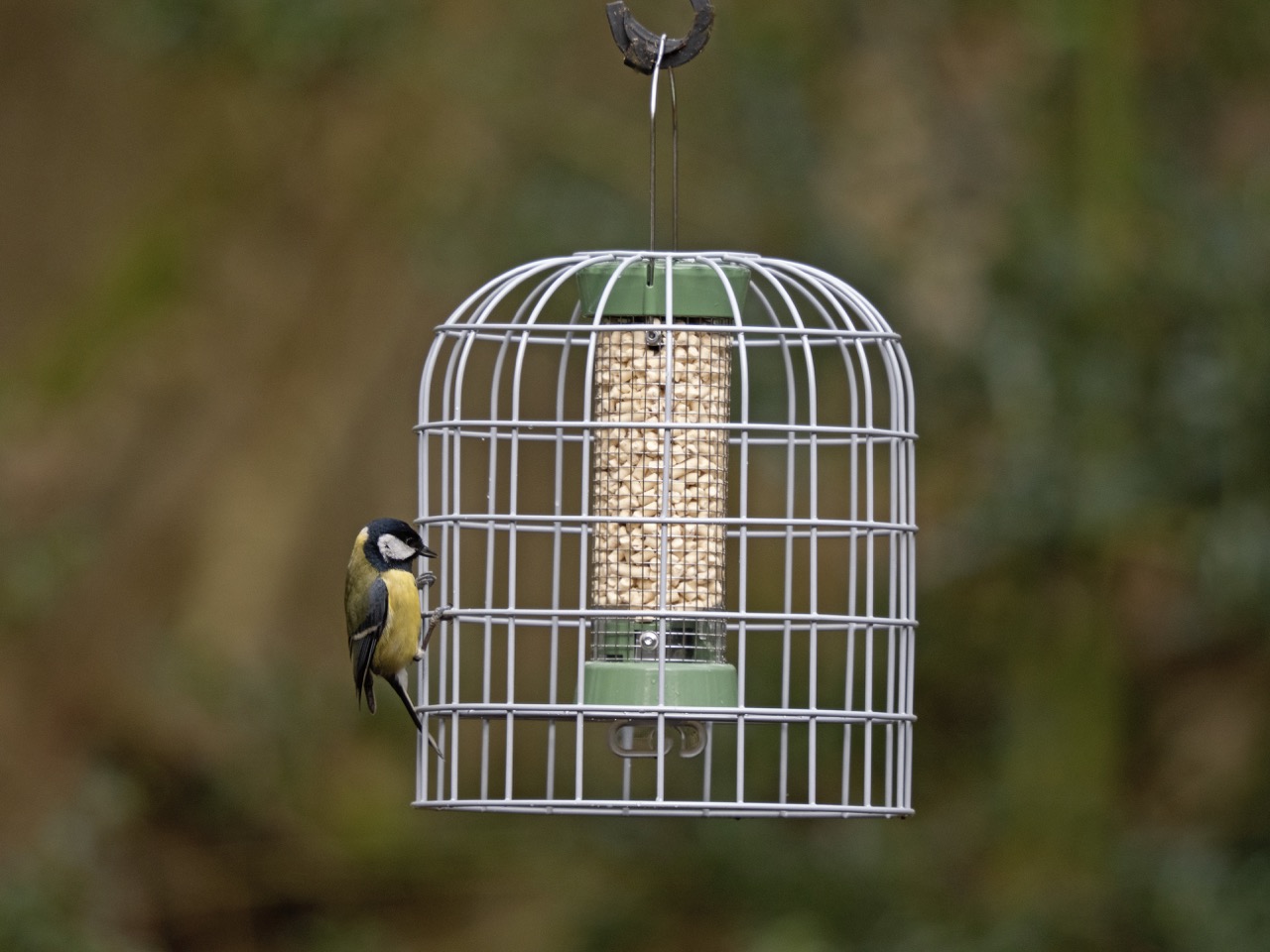
Greenfinches have been particularly affected by disease in recent years, and it is thought they become infected when using tube feeders. Since the Big Garden Birdwatch began in 1979, greenfinch numbers have dropped by 67%, which means a loss of over two million birds. As a result, they are now on the UK Red List.
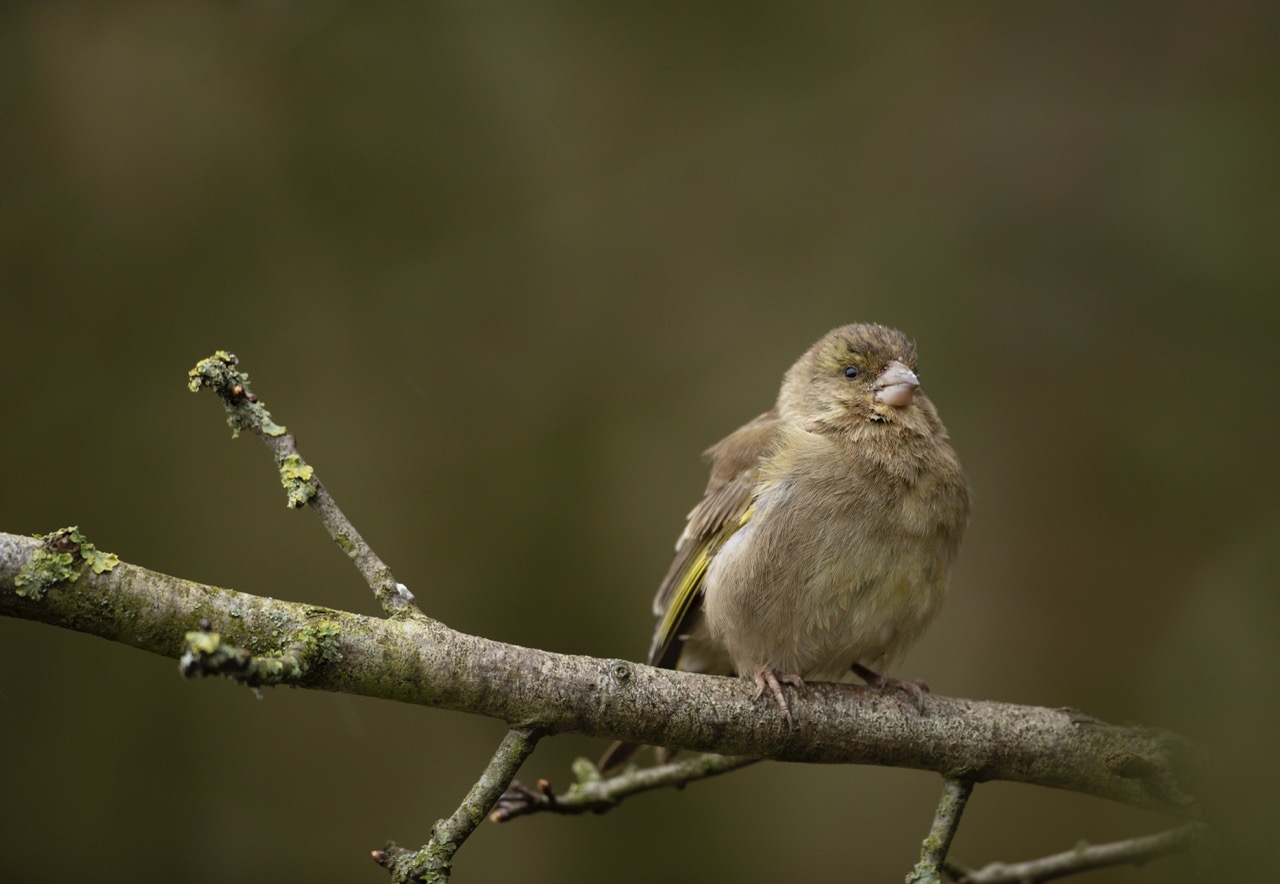
Trichomonosis is also thought to be affecting chaffinches, which feed on the ground underneath tube feeders, and bullfinches.
"Feeding birds is something millions of us love and value," said the RSPB’s chief executive Beccy Speight, "but the science shows us that birds such as greenfinches have been affected by the spread of disease at feeders.”
The Trichomonas Gallinae parasite is found in the feeders, not on them, explains Dick Woods at Finches Friend, which sells 'cleaner feeders' designed to prevent illness and death in wild birds. As infected birds bury their beaks into the food in a feeder, the parasite is transferred to it through saliva, where it will survive for a while.
If bird food is damp or wet and at a certain temperature, it recreates the conditions of a finch's digestive tract, and so the parasite is able to replicate itself.
Read more:
- 10 British birds to spot in your garden over the Big Garden Birdwatch
- The best plants for birds that you can have in your garden
- Where to go for birdwatching
Plants to grow to feed birds
The best way to support garden birds safely is to grow plants to attract insects and invertebrates - their primary food source - and to feed the birds themselves. Here's what to grow:
1. Insect-attracting plants - the RHS recommends field scabious, dog rose and lavender to bring invertebrates to the garden in the summer months.
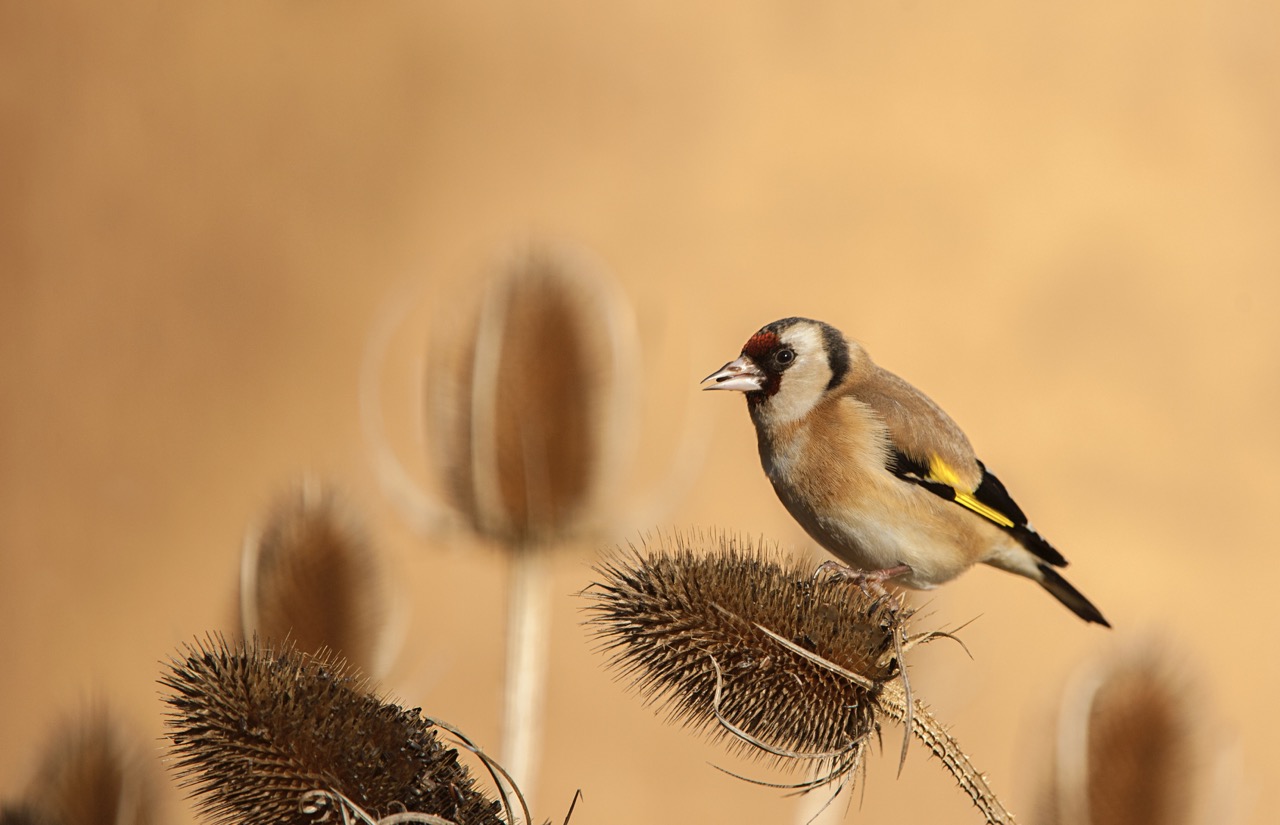
2. Colourful and seed-rich flowers to produce seedheads, which birds feed on in autumn and winter. Sunflowers, cornflowers, angelica and teasels are all good choices - and invertebrates overwinter in their stems, providing further food for birds. Just remember not to deadhead the blooms after flowering.
3. Long and short grass - birds like goldfinches love dandelions, while blackbirds, thrushes and starlings eat worms and other invertebrates in short grass.
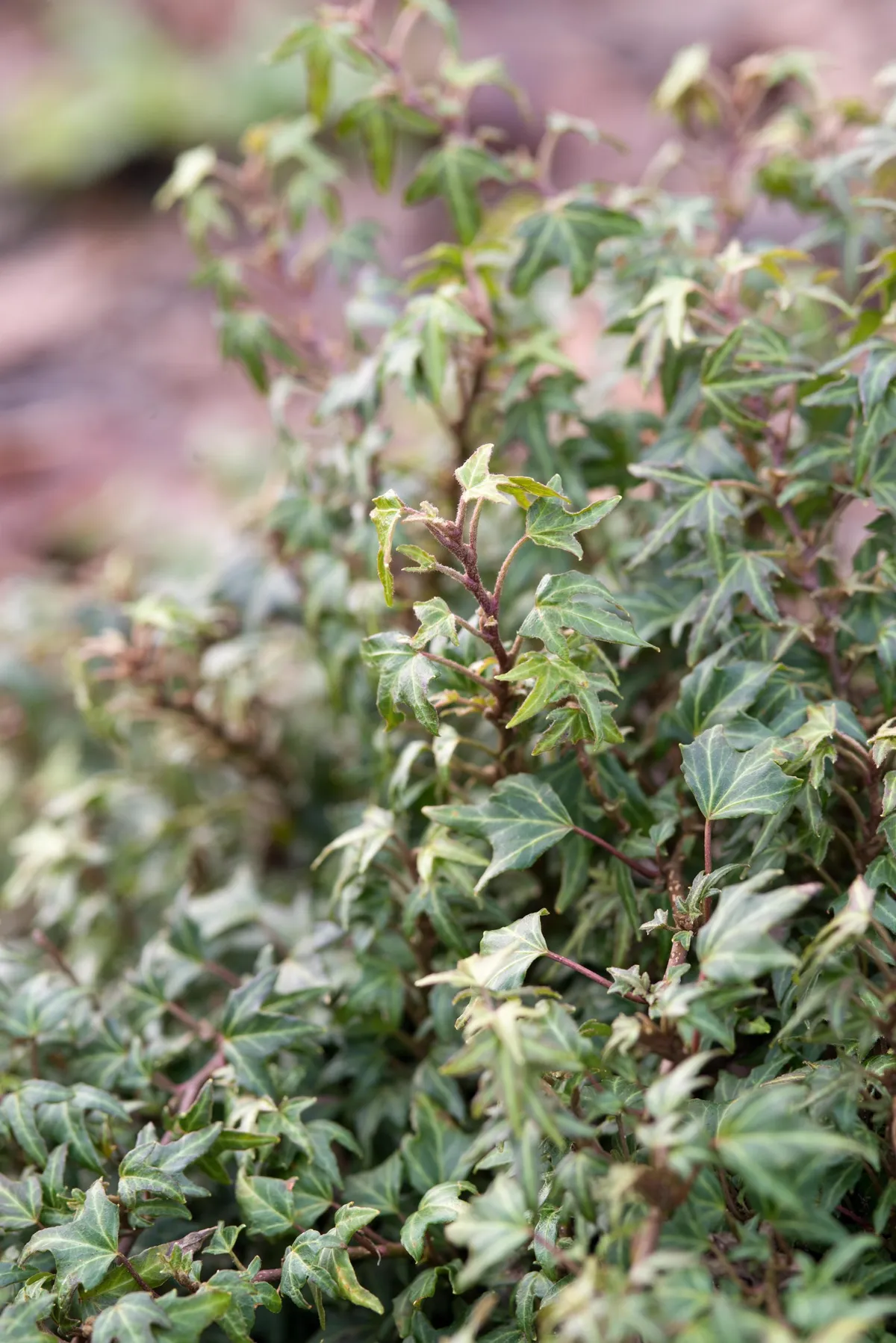
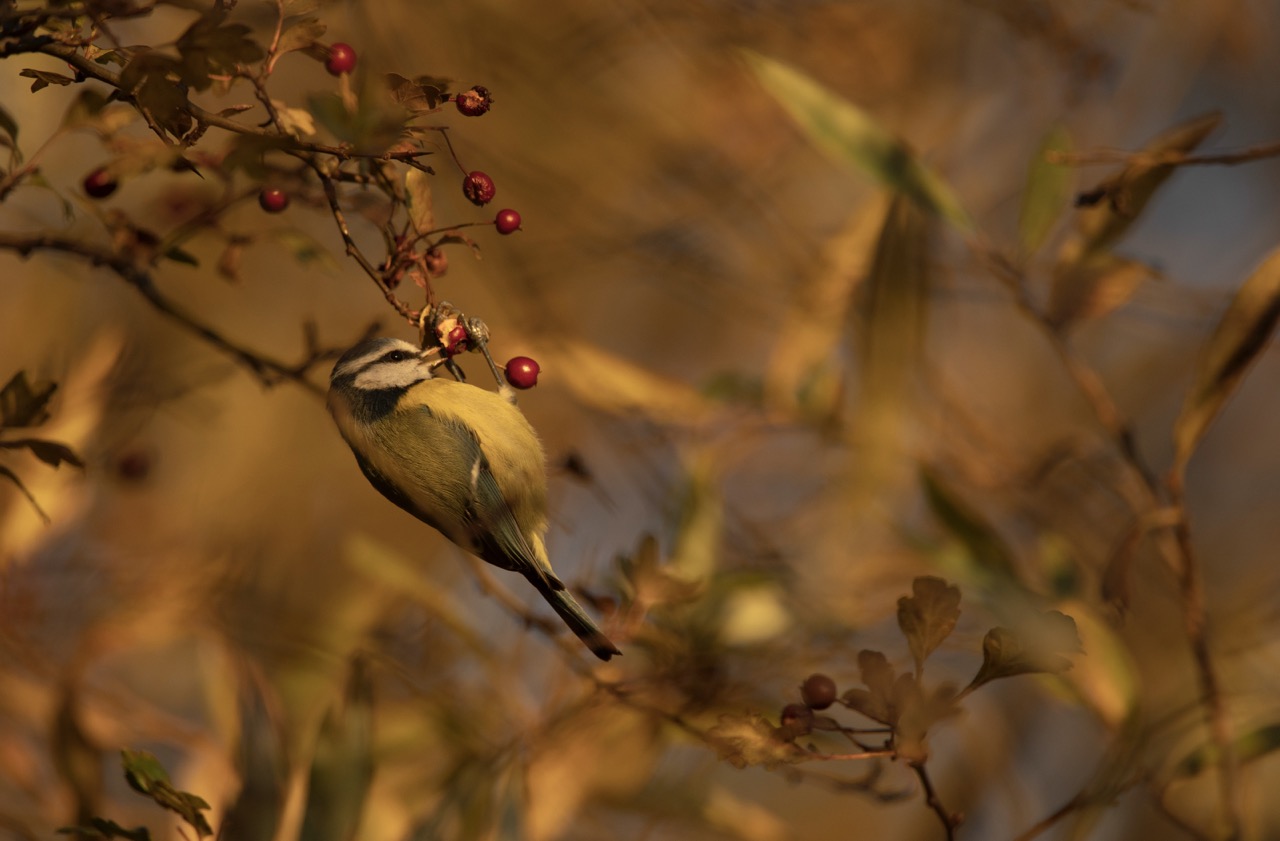
4. Berrying shrubs and trees like hawthorn, elder, ivy, viburnum, Rosa rugosa and honeysuckle, which birds feed on in autumn and winter.
"Even small changes can make a meaningful difference to local bird populations, and with spring now well underway it’s the perfect time to get sowing and planting with birds in mind," says Helen Bostock, senior wildlife expert at the RHS. "By choosing the right plants and creating a welcoming safe habitat, gardeners can help birds thrive throughout the year."
Why we need to act carefully
With this new guidance, there is the temptation to make quick changes, which may end up negatively impacting local wildlife. Finches Friend, which has worked for years to highlight the need for safer feeding design, describes the new guidance as positive moment for public awareness, but a “sledgehammer approach to a complex problem".
While some people will follow this new guidance, inevitably others will not. "Let’s make an assumption that 50% of people stop feeding," says Dick at Finches Friend. "Some birds will find healthy, natural food; others will visit feeders that are still available, increasing traffic through a given point. The higher the traffic, the greater potential for a diseased bird to share the parasite."
Plus, these changes are happening just as bird populations are expanding as chicks begin to fledge, Dick explains.
However, the RSPB is confident many birds will adapt to these changes. "Most birds will be using several different sources to feed throughout the day. For garden birds like finches, the availability of natural food peaks during summer and autumn, and most finches collect food from over quite large areas. We anticipate that finches will be able to adapt to the removal of supplementary seeds and peanuts."
The RSPB will also continue monitoring garden birds' response to the change in food supply and review its guidance in the future if necessary.
Although the charity aims to make sure its guidance reaches all bird lovers, gardeners can work together to make positive change. "If you have a good relationship with your neighbour and think they may be unaware of the change in our guidance, you might want to consider suggesting that they take a look at the RSPB’s website."
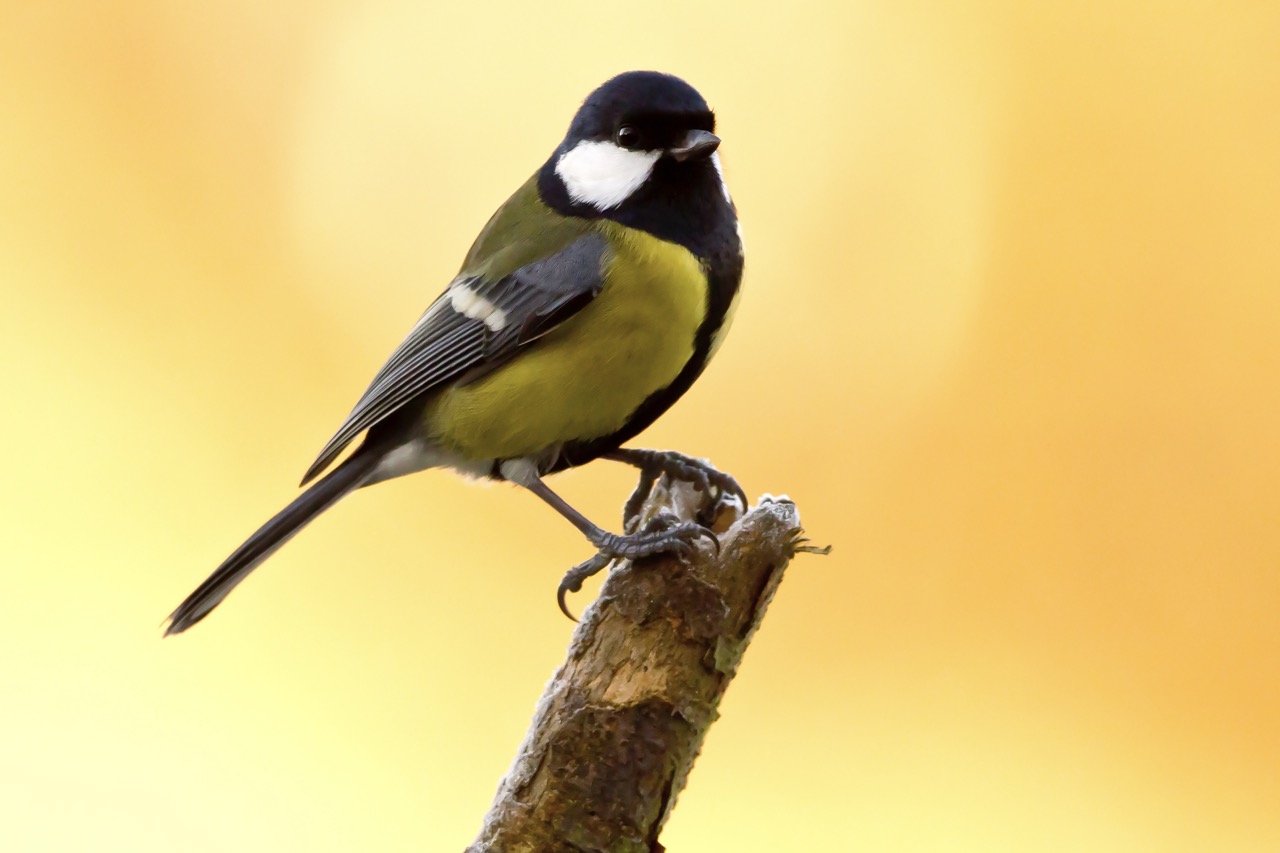
Another issue Finches Friend highlights is the targeted approaches certain birds may need. As Dick says, "Marsh and willow tits are habitat-dependent; action taken in cities are unlikely to help them at all. In many respects by the end of May the damage is already done. Blue tit and great tit populations have already built through winter support and outcompeted marsh and willow tits for nesting opportunities."
For specific situations like these, Dick says we need localised campaigns to control and reduce feeding to benefit the birds.
The long-term solution
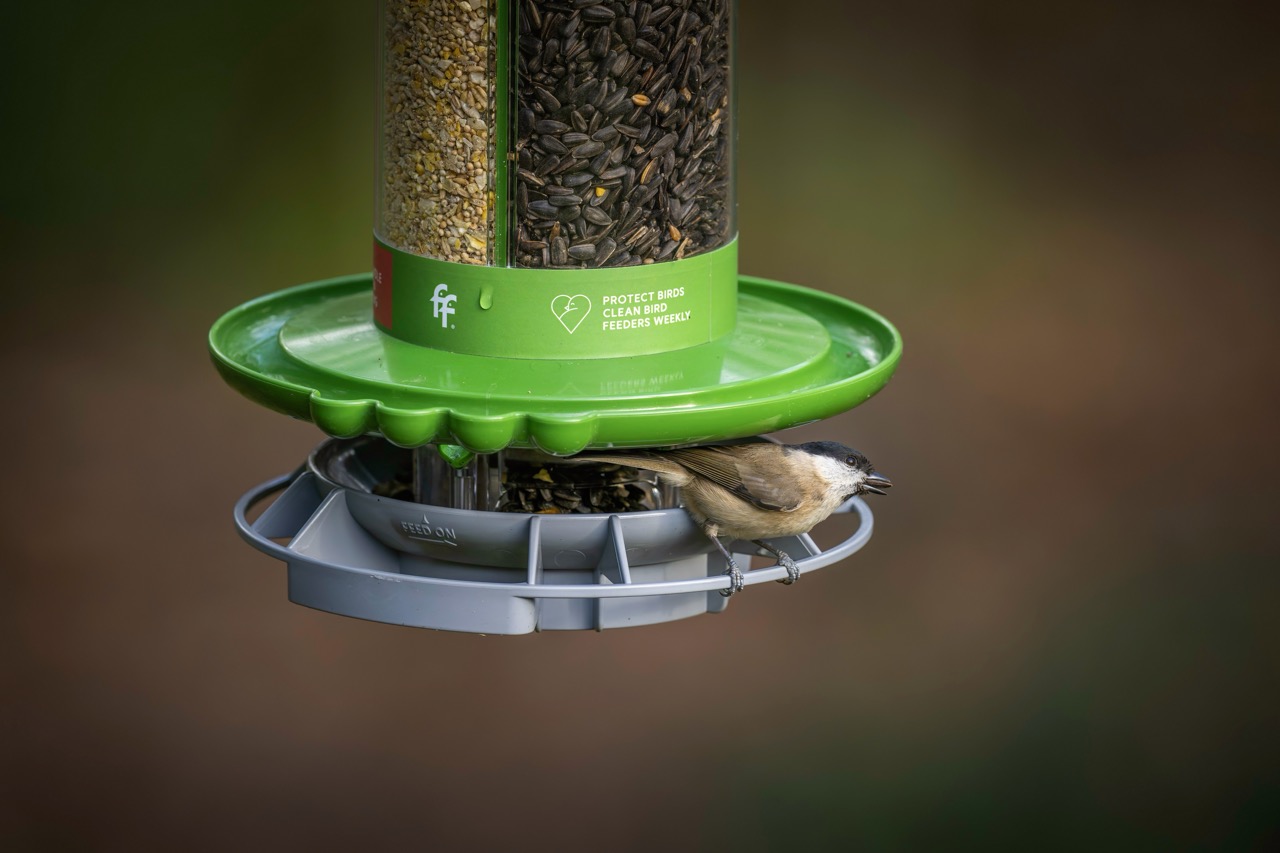
While advising customers to dramatically reduce summer feeding, the RSPB is working to test and sell safer products, which can offer dry food from a perch and be cleaned in under five minutes. Feeders may also keep food isolated from birds until they eat it and intercept dropped food, while bird baths could be replaced with water rings and dust baths.
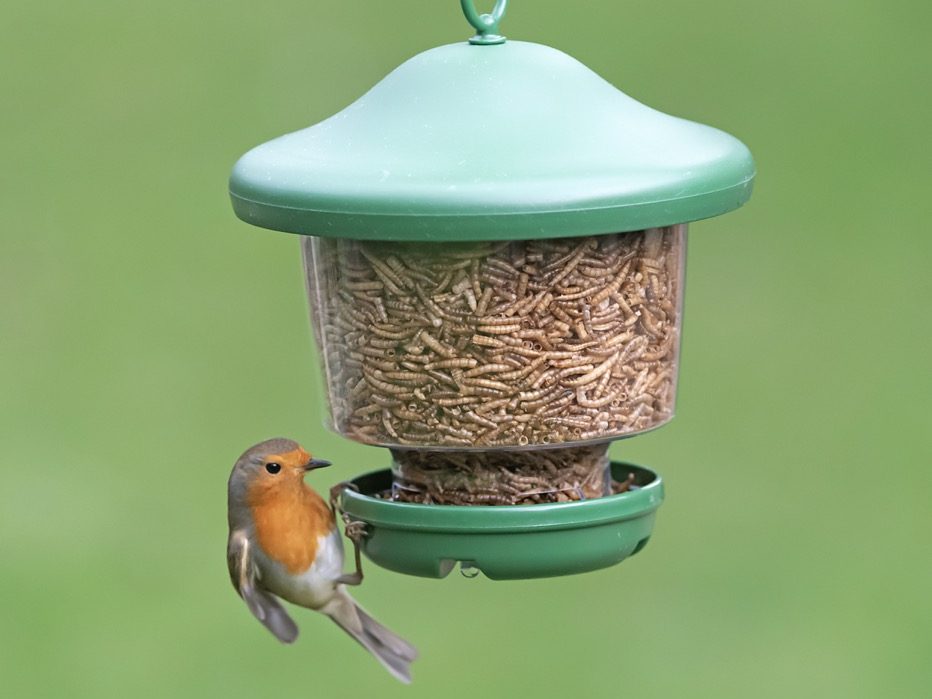
Finches Friend has also been creating feeders specifically designed to minimise disease transmission, and is a great place to shop for tried-and-tested products. Starting product development in 2016, the business released its first feeder in 2021.
"Birds deserve products that protect them, not expose them to disease," Dick says. "Feeder design must evolve, which is exactly why we built ours from the ground up to keep food clean, dry and uncontaminated.”
"We’re not asking people to stop feeding," Beccy says, "just to feed in a way that protects birds’ long-term health. By making small changes together, we can ensure garden feeding continues to be a positive force for nature."
"Safe feeding, not stopping feeding, is the goal," agrees Finches Friend.
Find more information on the RSPB website and buy 'cleaner feeders' at Finches Friend.
Read more: