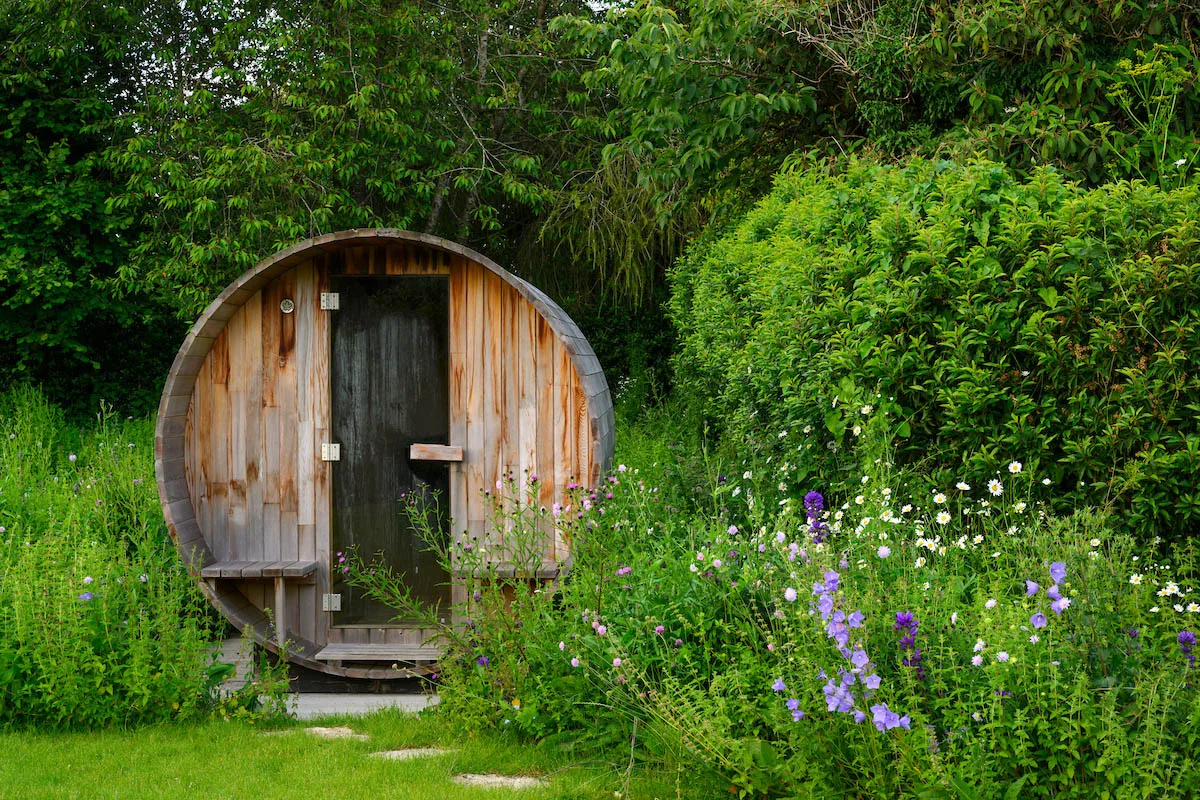
When we refer to trends in the garden world, we are actually referring more to collective shifts in mentality. 'Trend' suggests something that's popular now that won't be later, and in striving to be more sustainable and planet friendly, the last thing we want to encourage is wasteful choices.
What's heartening to see is that these shifts continue to be more thoughtful: design and ecology are no longer separate conversations, and the appetite for change is spreading well beyond the design world. These ideas will, I believe, enter the mainstream with time.
The seven top gardening trends for 2026
Wellness spaces
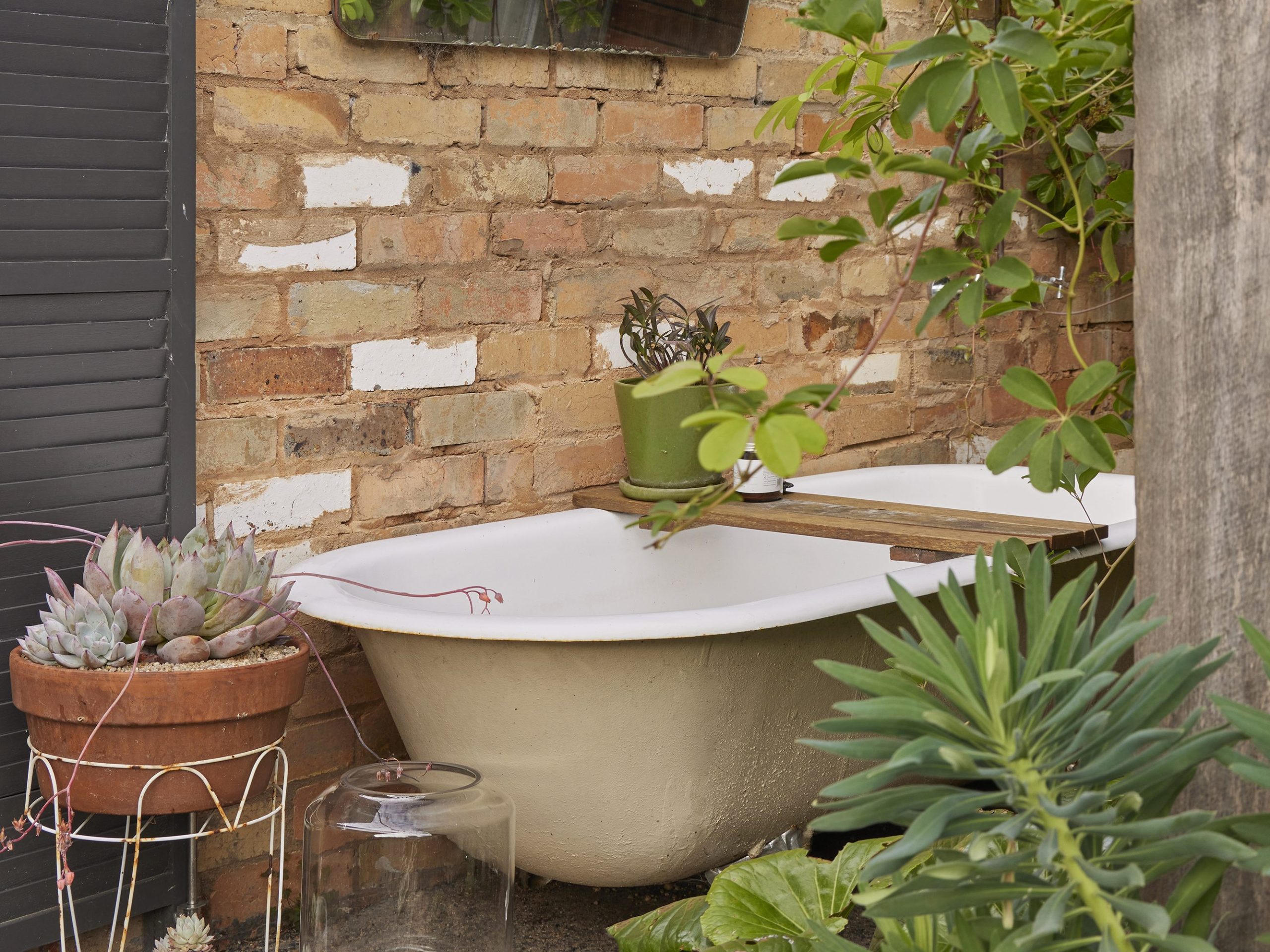
While the concept of a garden as a sanctuary is nothing new, the definition of sanctuary, and how we enjoy our gardens is evolving. We've steadily seen the ever-popular term 'wellbeing' move into the garden space via an increase in requests for saunas, yoga decks, ice baths (and regular baths), hot tubs and outdoor showers.
It seems like a positive move to want to enjoy these relaxing rituals while immersed in nature rather than cloistered indoors. Our goal with all wellbeing spaces is for them to be positively immersed in an abundance of planting, so that you feel as connected to nature as possible - often in a woodland or meadow, where these pursuits feel at home.
You may also like:
- 6 naff garden features that are making a comeback
- 10 gardening mistakes and how to avoid them
- 6 tricks garden designers to make your garden look and feel better
Small-format paving
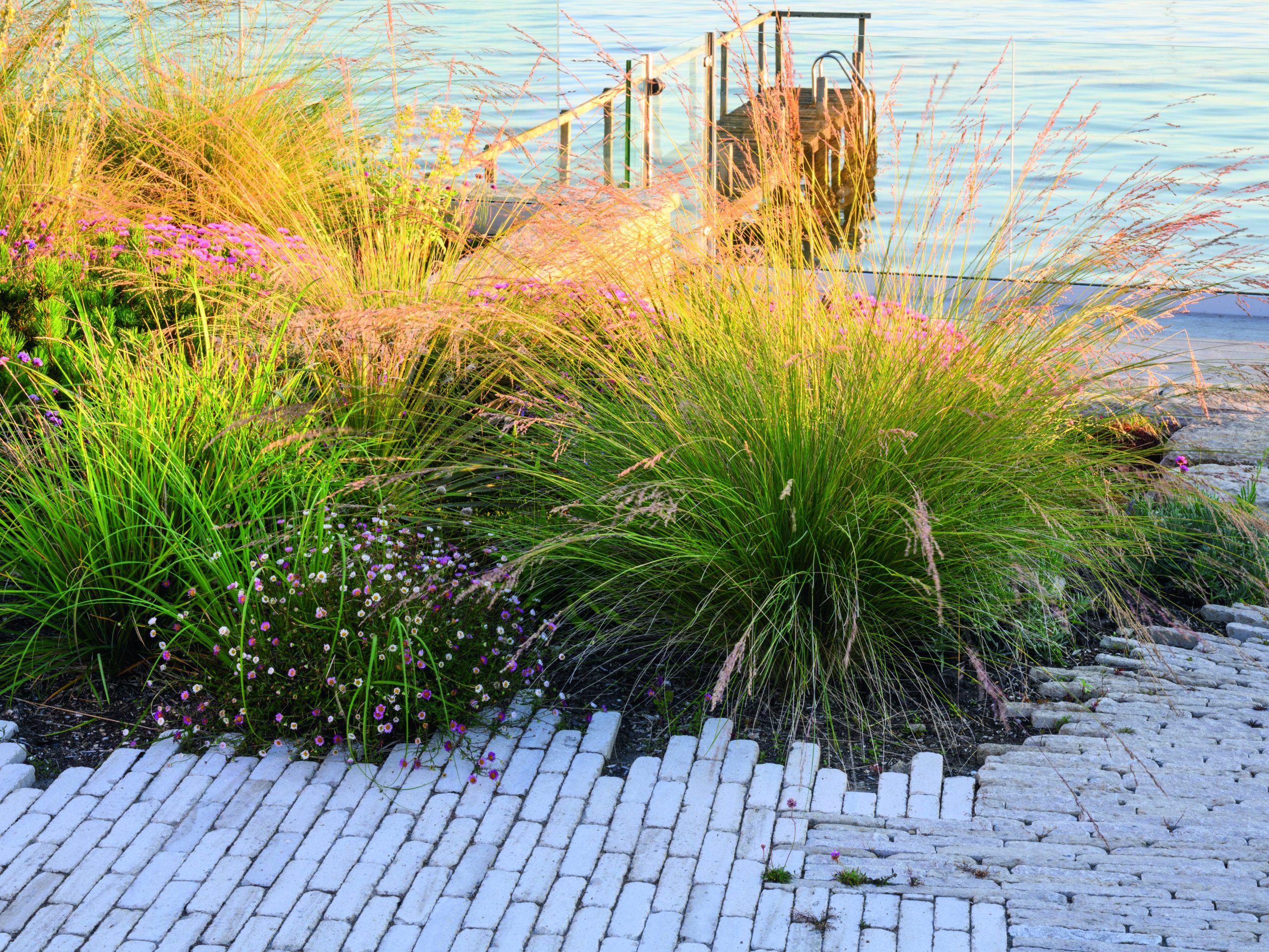
Preferences in paving styles come and go, and are arguably one of the garden elements that do have the ability to fall in and out of favour. At the moment, there is a definite move towards smaller format, permeable paving.
Whether its clay pavers, bricks or small format York stone jointed with sand, these smaller or mixed format paving styles are being seen more and more in the design world. While the enormous benefit of this is that it is beneficial for drainage and allows for spontaneous self seeders to take root - I do also think some of it is simply a shift in preferred aesthetics.
It's moving towards a more rustic, romantic and unrefined style, which reflects the overall shift to more naturalistic spaces, and I absolutely adore it. But I suspect this aesthetic may take a while to reach full buy-in more widely, as there are still plenty of people out there with an affection, rightly or wrongly, for a more polished look.
Informal planting
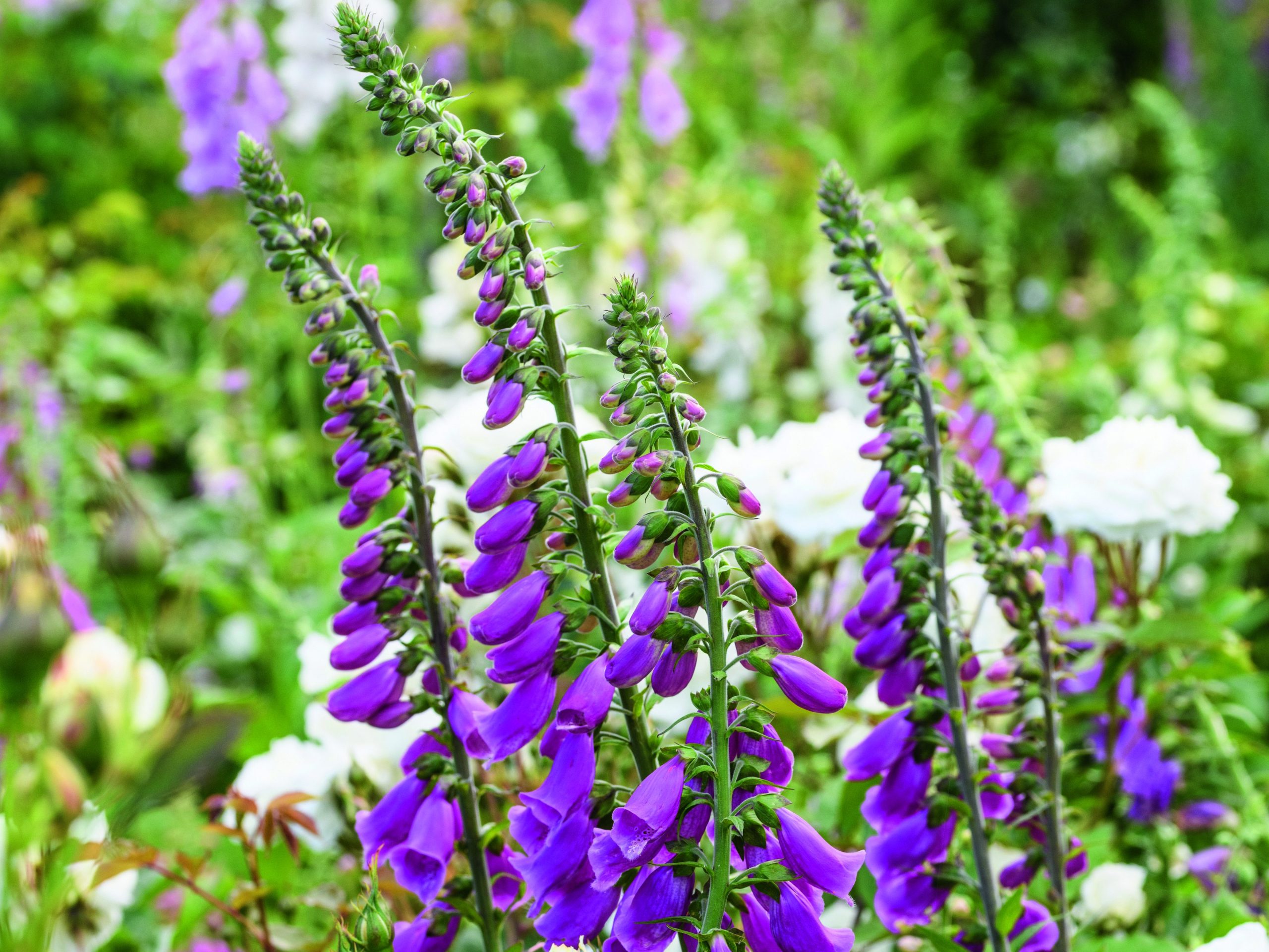
The move towards more biodiverse and sustainable gardens is also reflected in planting styles, which are embracing an informal aesthetic, replete with drought-tolerant and resilient plants.
Self-seeders, textural layers and a relaxed, wilder feel are increasingly favoured. I'm seeing a resurgence (though did it ever really go away?) of cottage-garden style planting, including self-seeding classics such as hollyhocks and foxgloves, with verbascums, nepetas and umbels such as fennel. It's a looser, more ecological take on the traditional border - still romantic in spirit but grounded in climate reality, with plants chosen for toughness, wildlife value and longevity rather than fleeting perfection.
Trees for shade
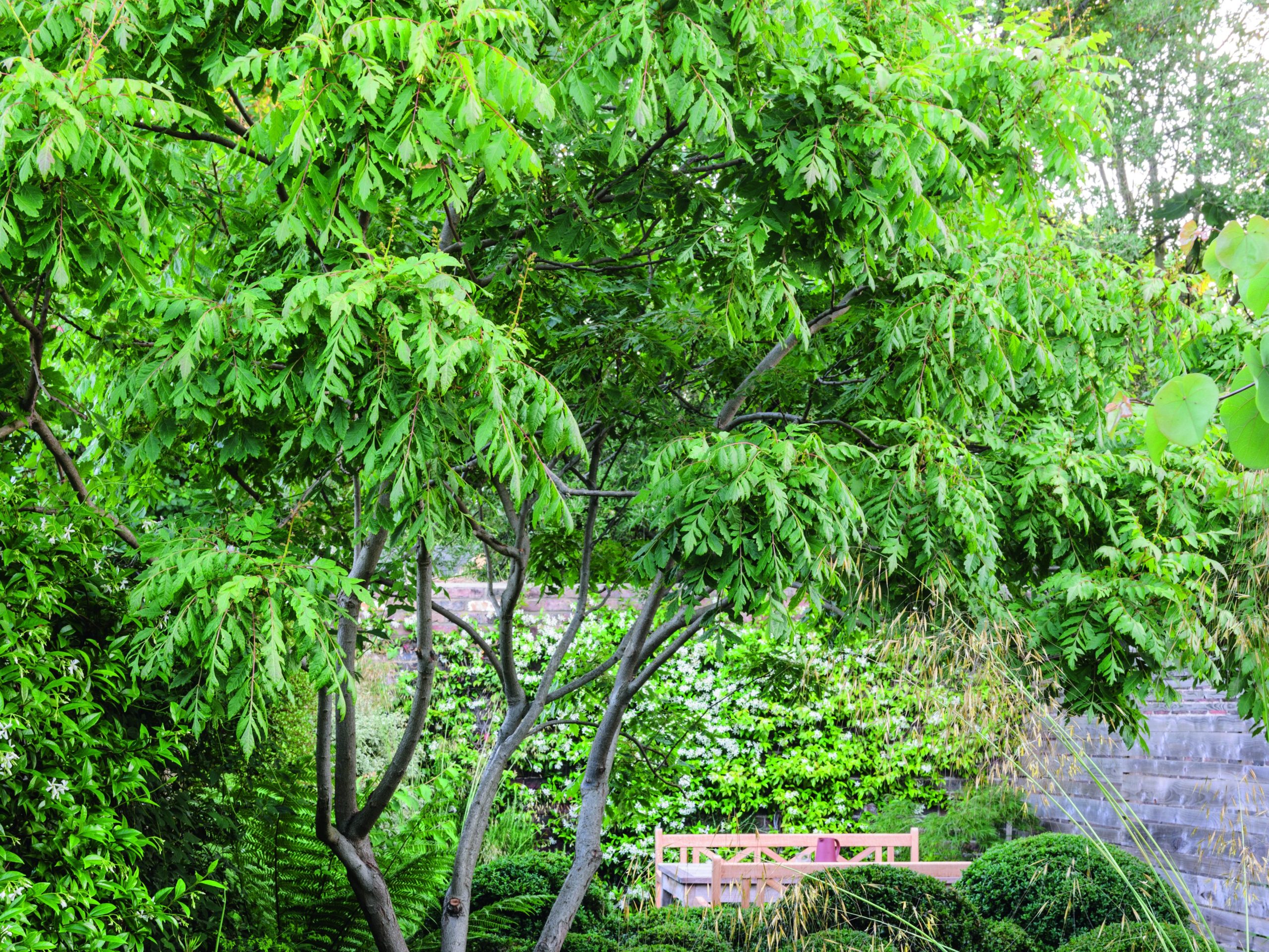
Shade is a common request for us designers, but has frequently been in the form of pergolas and parasols. Now we are more likely to be asked for the natural option of shade from tree canopies.
Adding trees to your garden for shade offers myriad benefits from lowering air temperatures to creating a wildlife habitat, and buffering your home from heat. It's a really positive move in the right direction.
You may also like
Waterwise gardens
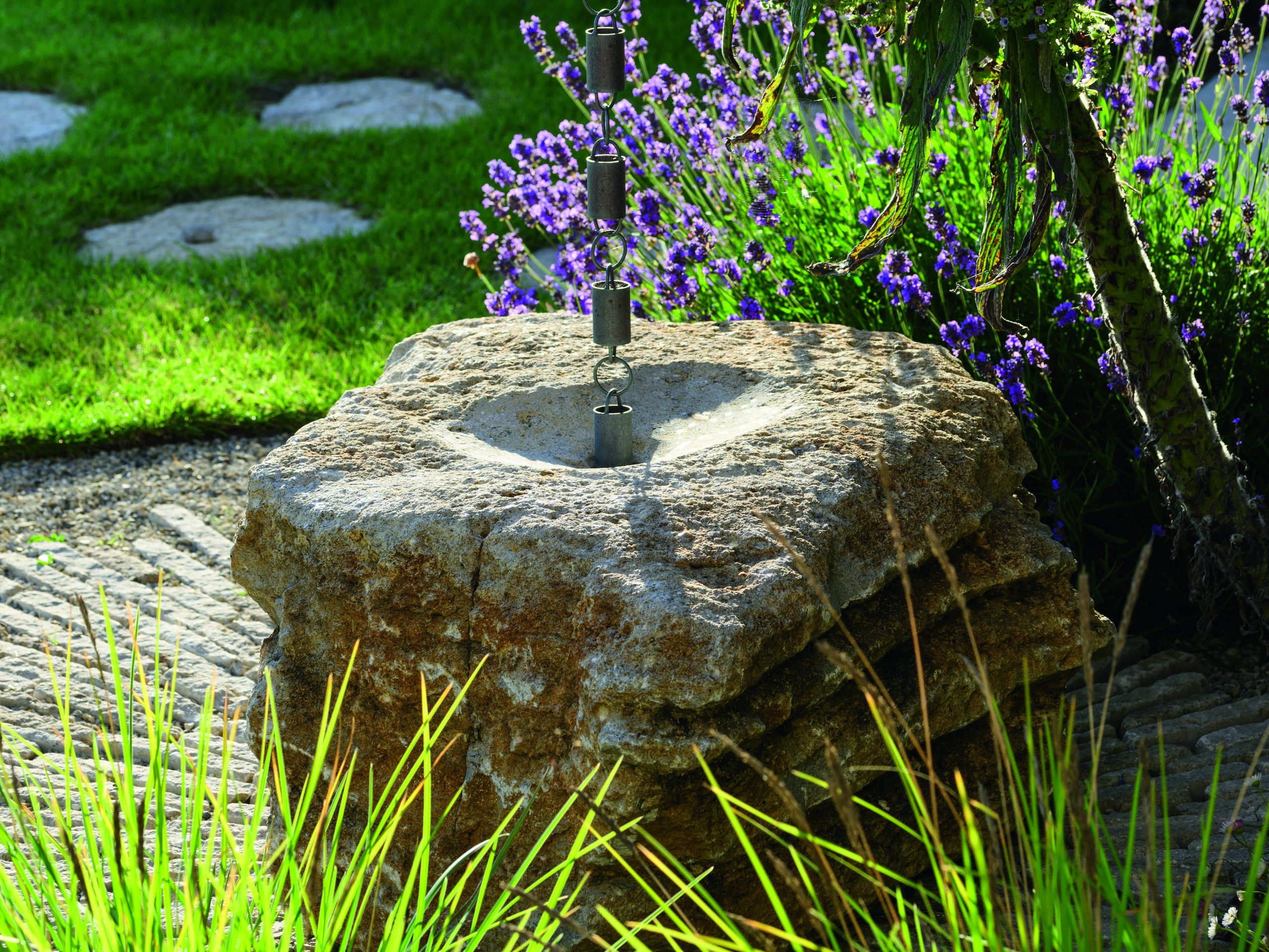
Water scarcity is reshaping how we design gardens, and after a long, dry spring and summer in 2025, it's become even more apparent how vital this is.
In larger builds, installing underground tanks for rainwater harvesting is becoming the norm, and water butts, rain chains, swales and ephemeral ponds are increasingly popular.
Pickleball
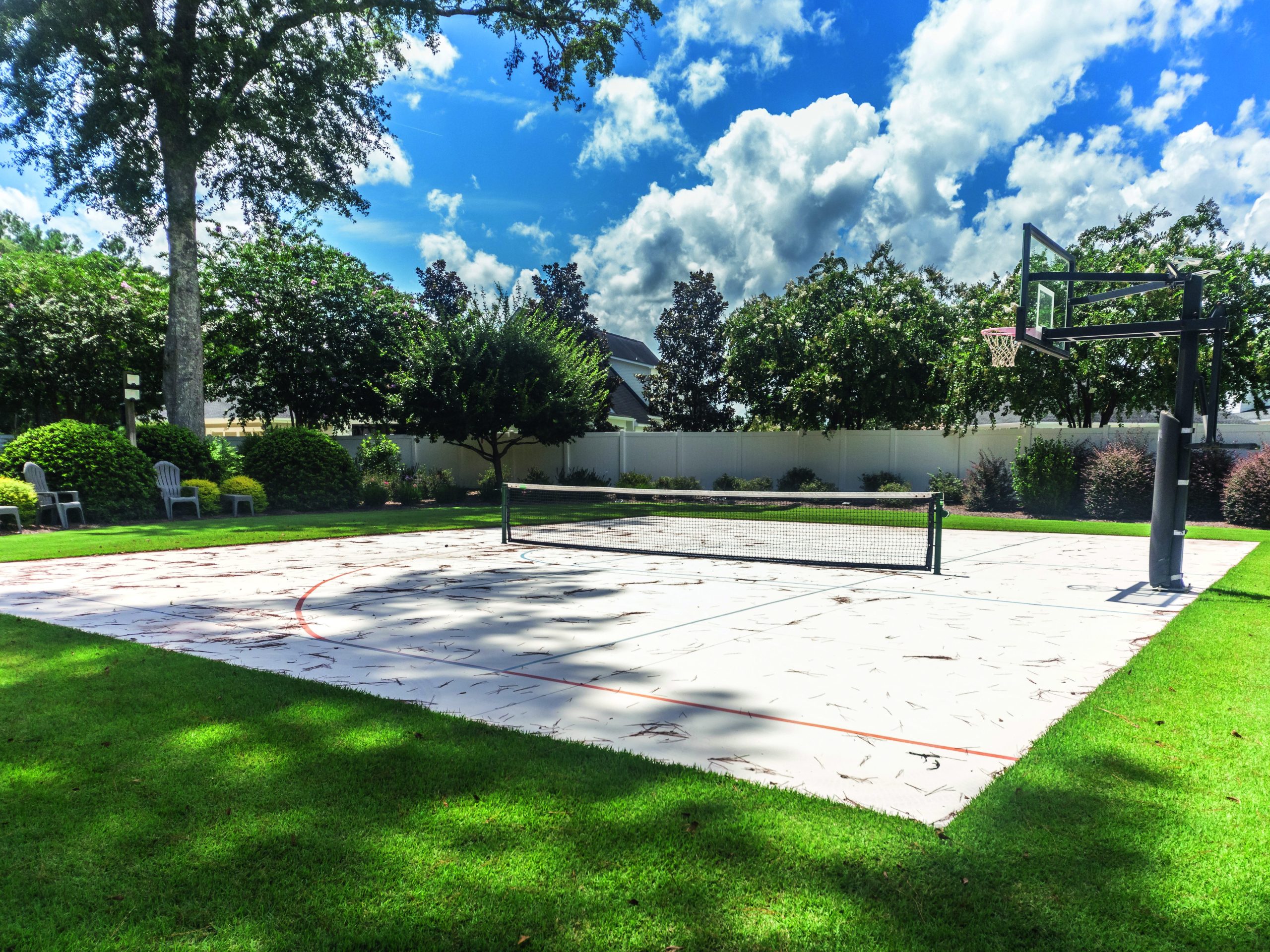
While much of this list is based on shifts in thinking, there are also new introductions to clients' feature wishlists. While saunas are the one we saw most this year, there is also a gradual increase in queries about one sporting pursuit in particular: Pickleball.
This relatively new game, once confined to US sports clubs, has been growing in popularity along with Padel, and requests for pickleball courts are on the rise as families look to include activities that focus on shared, inter-generational play.
Pocket planting
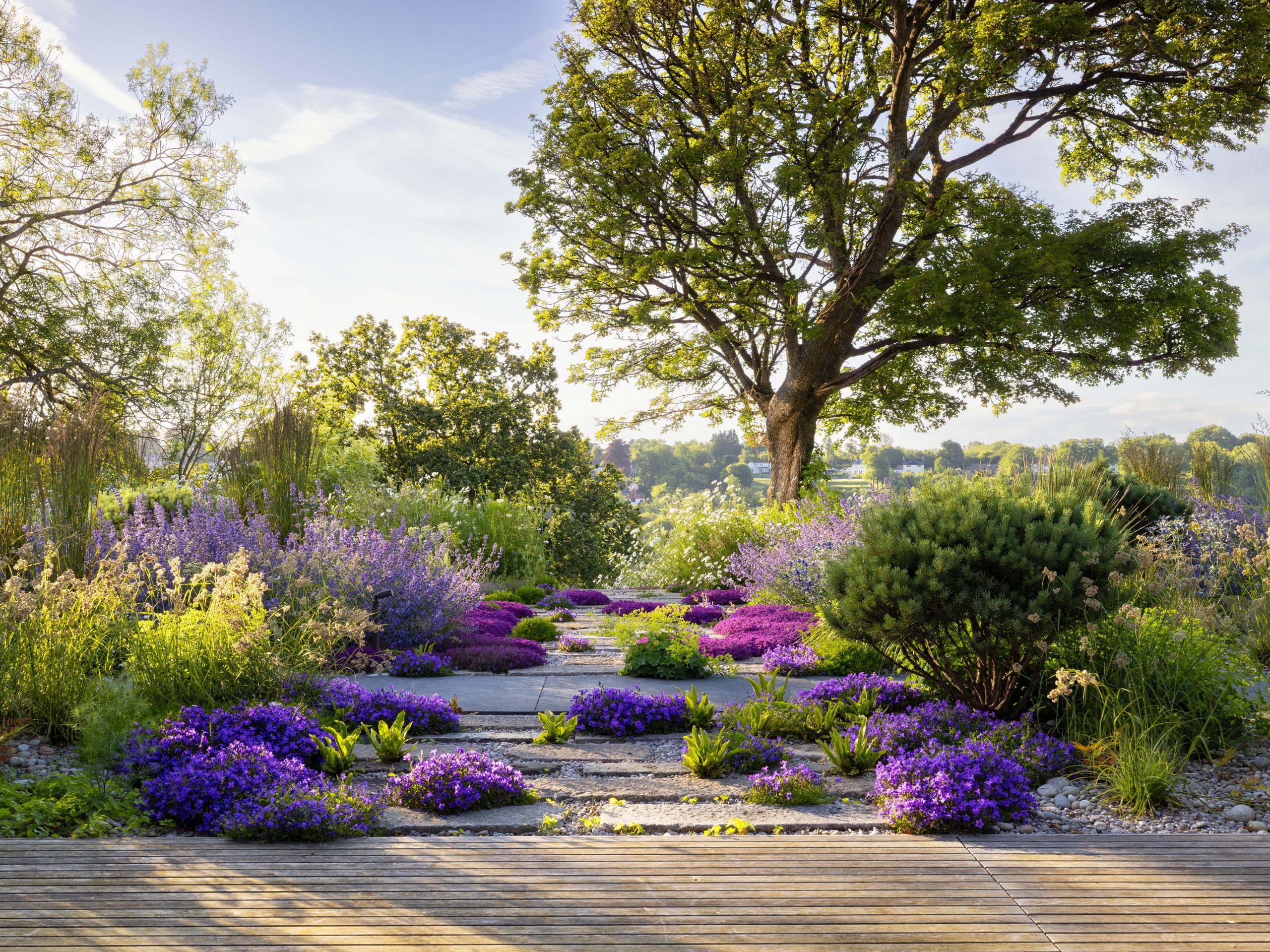
Gaps between paving are an opportunity for planting, drainage and even miniature habitats. Low-growing plants such as thyme, camomile, bellflowers, fleabane and miniature ferns add character and soul to paved spaces. They also play into that aesthetic shift to a more lived-in look.