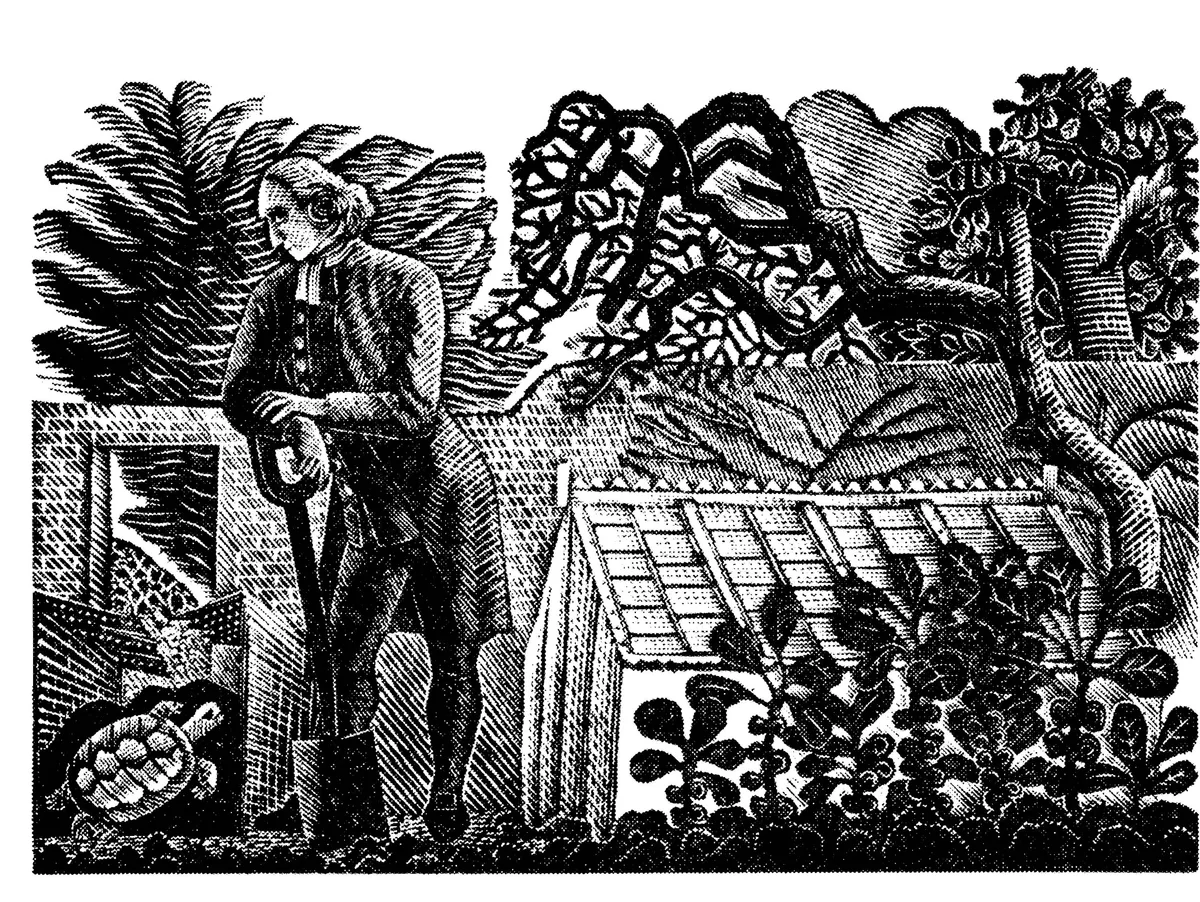
For many people, Gilbert White needs little introduction. An 18th-century naturalist and clergyman, he lived in the village of Selborne in Hampshire, and kept a meticulous nature diary, which he eventually published, along with letters to fellow naturalists, as The Natural History and Antiquities of Selborne, in 1789.
Over the years this has had several versions, but it remains one of the most celebrated nature books of out time, has never been out of print and is thought to be one of the most published books in the English language. It comes as no surprise, then, that Jenny Uglow's biography of him, as told through the pages of this book, is an absolute joy.
How do you tell the story of a man who has written his own? By bringing his pages to life, of course. Uglow starts by setting the scene: introducing us to the village of Selborne (as it is now and when he lived there – 'a busy clattering place'), the common and surrounding woods. She tells us how she will share his story, picking a year, 1781, when, she tells us, White was 60. Then, he was a 'county curate in Hampshire, comfortably off but not rich, living in a village he had known all his life, surrounded by friends and constantly in touch with his family'.
You may also like:
- Books for the ultimate horticultural library
- 10 of the best gardening books from Penelope Hobhouse
- Top ten plant books you need on your shelves
Uglow describes White as ‘wry, funny, generous’, but also ‘prickly, restless, alarmed’. He was, she tells us, a lover of music, gossip and travel writing. In her descriptions of him, which she combines with excerpts from his diaries and letters, she conjures him from his own pages, and gives him a context most readers of The Natural History – including me – would have missed.
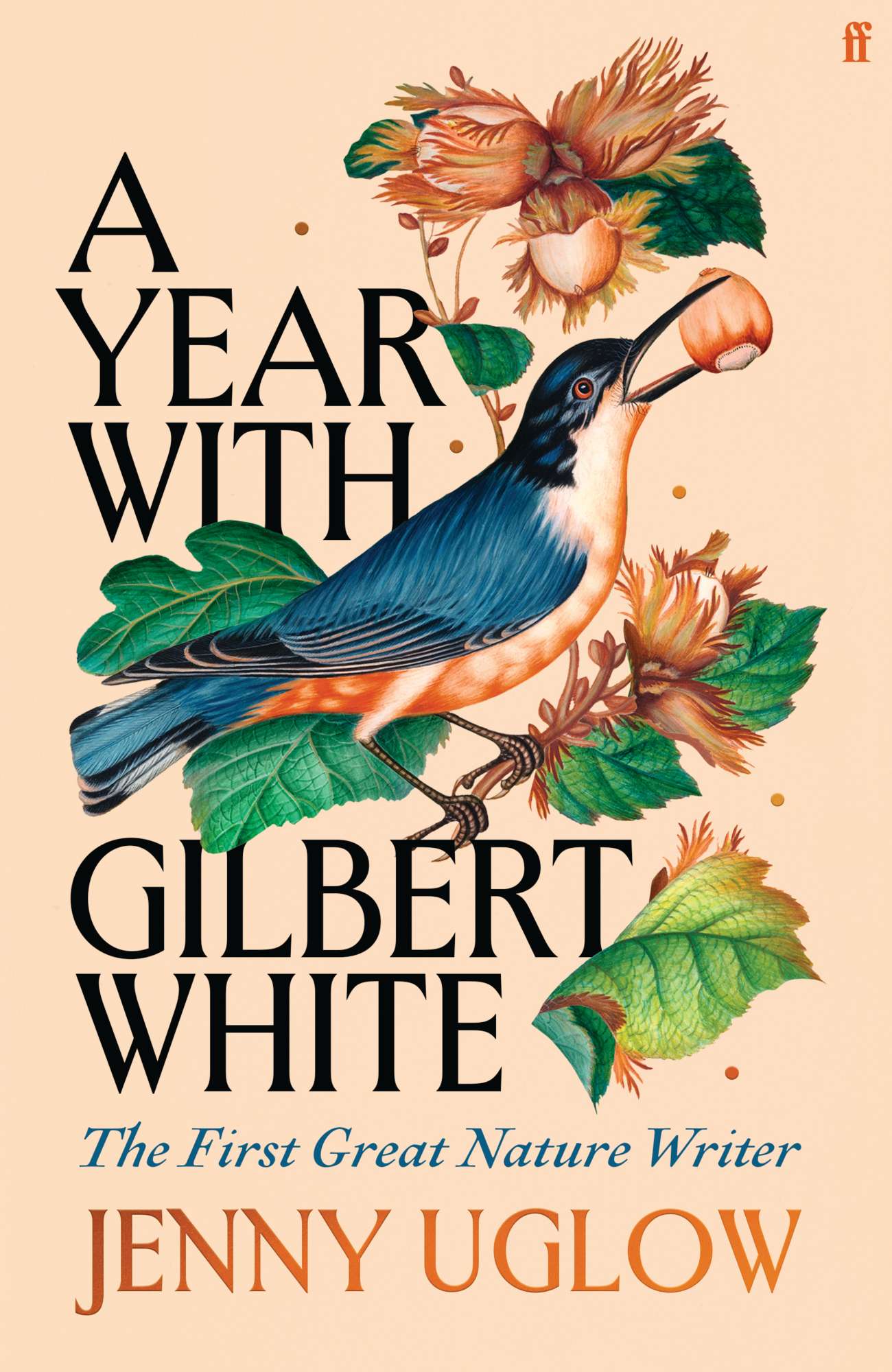
A YEAR WITH GILBERT WHITE: THE FIRST GREAT NATURE WRITER
by Jenny Uglow
Faber & Faber, £25
ISBN 978-0571354184
I love the extra details she gives to him and his writing: his short stature at 5ft 3in, which is only ‘slightly less than the [average] height for the 1780s’ but which had him obsessing over his nephews’ height, as they towered above him; his slim and wiry frame; and thoughtful imagining that he might have brown eyes and brown hair, although ‘perhaps greying slightly now’.
How do you tell the story of a man who has written his own? By bringing his pages to life.
As a gardener and nature lover, what I loved about The Natural History is that I could feel White’s excitement at the successes of the gardening year, along with his obsession with the wildlife he shared his garden with. What Uglow does, as his biographer, is bring more of him into view. In April, when he is planting potatoes, Uglow reminds us that gardeners traditionally plant potatoes on Good Friday – something many of us keep up with now – and that on Thursday 12 April 1781, ‘sure enough... tomorrow
is Good Friday’.
‘It’s like meeting someone in late middle age’, writes Uglow, ‘learning about them not in chronological stream, but bit by bit, at first in a rush, then in sporadic bursts’.
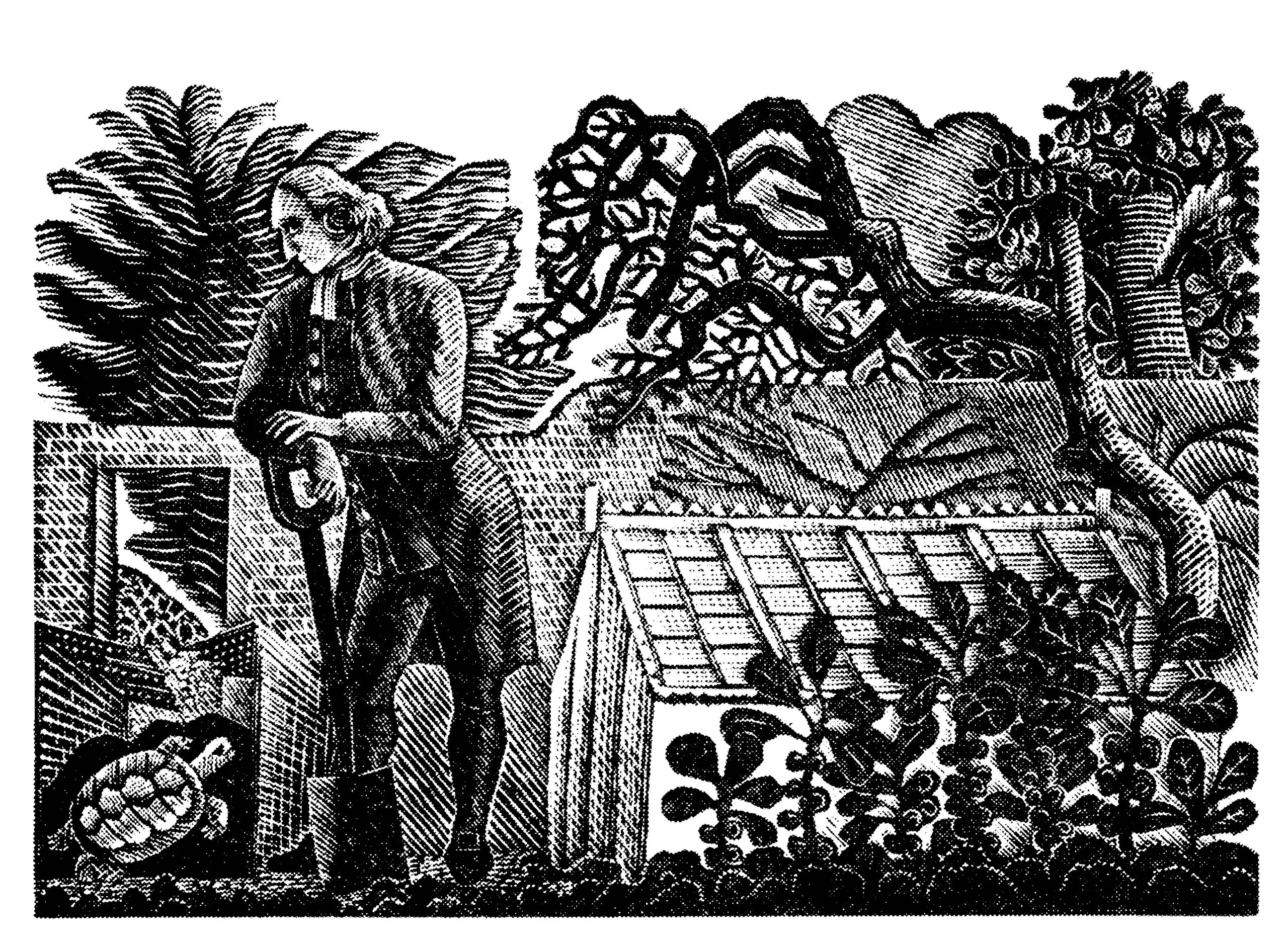
She writes about him with a fondness you would typically find only with friendship. But it seems to me that indeed she is his friend. ‘Every now and then,’ she writes, ‘I imagine him walking across the grass to the ha-ha, looking up at the wind vane, feeling the breeze on his face or the back of his neck as it swings round, and watching for those showers far away’. Suddenly I can, too.
Uglow writes from her home and garden in the Lake District, sometimes comparing White’s notes with observations of her own garden on the same date.
In doing so, she invites us to pick up The Natural History once more, and read it as she does, with a curiosity and companionship of someone who feels every word. As we will feel her words, too.
Reviewer Kate Bradbury is a garden writer and author, specialising in wildlife gardening. She lives in Brighton.