We all want a beautiful garden – preferably one that is also easy to look after – but the reality can be quite far from this fantasy. There are several common conunudrums that crop up for most homeowners, but whether it is the kids running riot, worries about privacy and security, a lack of time available to look after plants or concerns about the appearance of certain problematic areas, plants have the power to solve many of these issues for you.
With the right choices, you can sort out that shady spot, that bare wall and those boring old containers in the corner. Read on to see if any of these common problems ring true for you, and which wonderful plants can help you sort them out once and for all.
You may also like:
- 10 garden design mistakes
- Why you don't need to mow the lawn in May
- Digging is a garden job you don't need to do anymore
- 14 things you think you need to do in your garden but you actually don't
How to fix common garden problems
Your garden is a football pitch
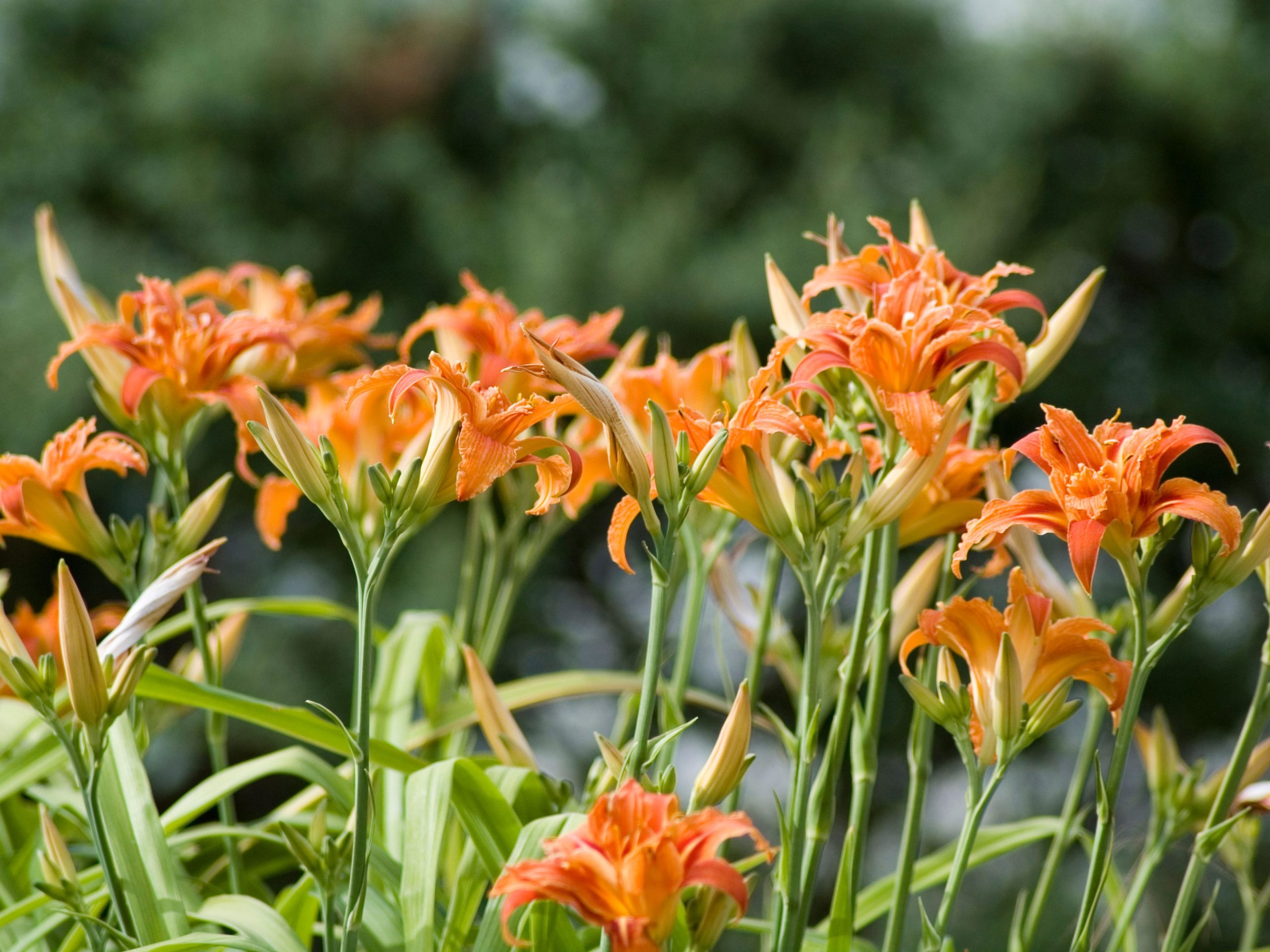
If your garden serves both as sanctuary and stadium, your selected plants will need to be able to stand up to the rigours of balls regularly bashing into them. But don’t limit yourself to supermarket ‘car-park’ shrubs – some perennials and grasses can be tough, too.
Phormium colensoi is the less commonly grown species of this New Zealand flax. It has elegantly lax leaves with a green base and stripes in pink and cream. In sun or part shade it will reach around 1.2m tall.
The key here is long flexible fibres in the leaves, which daylilies such as Hemerocallis fulva ‘Flore Pleno’ possess, too. Or try a peony - once out of bloom they are tough as old boots.
You’ve got a big patch of dry shade
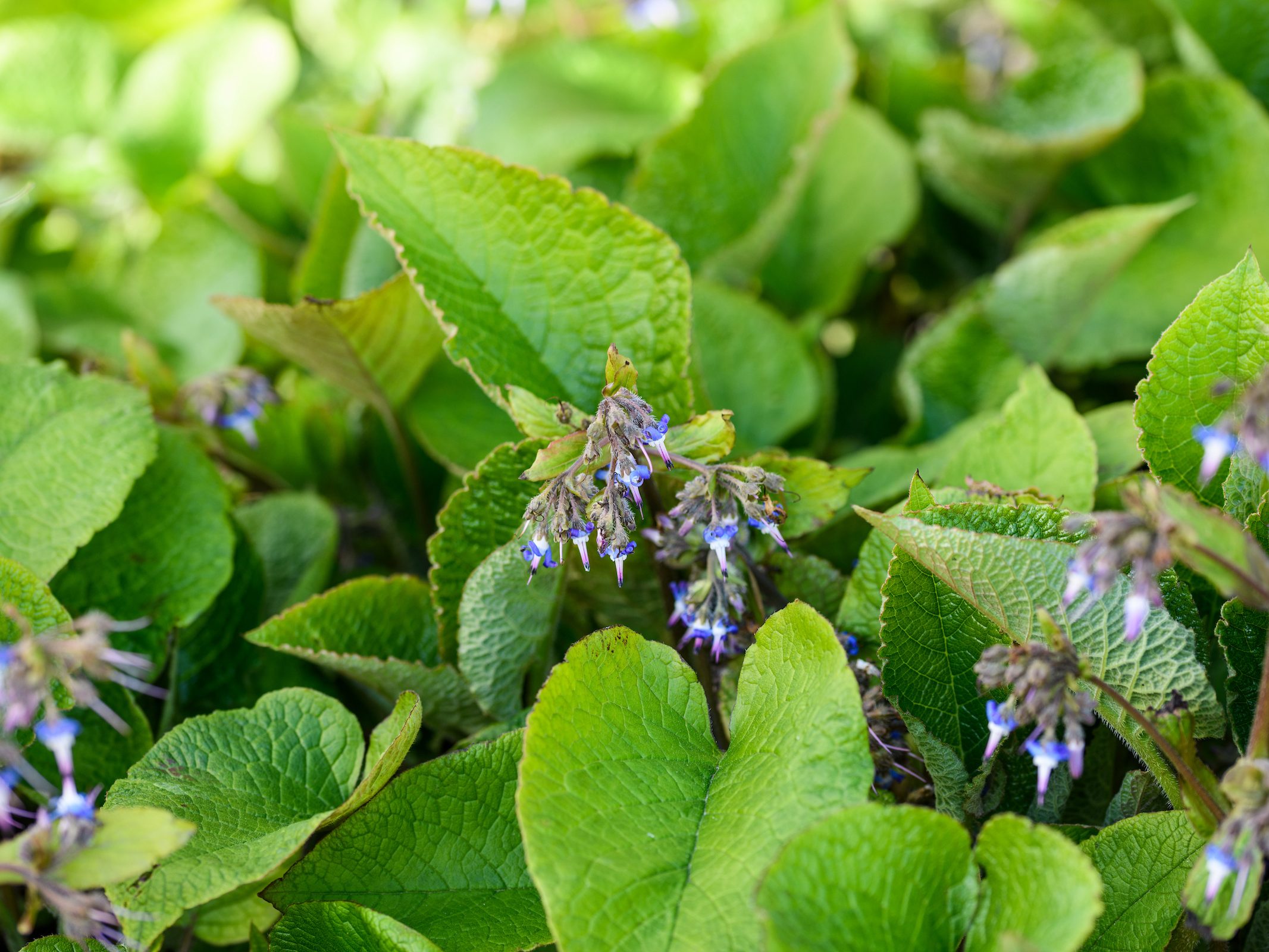
Areas of dry shade often end up looking like dusty deserts, but there are a select few plants that will grow here and thrive. Trachystemon orientalis, a borage relative with huge, lush leaves, is one such plant. Blooming in very early spring, with mauve-blue exotic-looking flowers, it reliably cloaks the earth in challenging conditions.
The easily dividable mondo grass, Ophiopogon japonicus, also does well here, along with barrenwort, Epimedium x rubrum.
You forget to water your pots
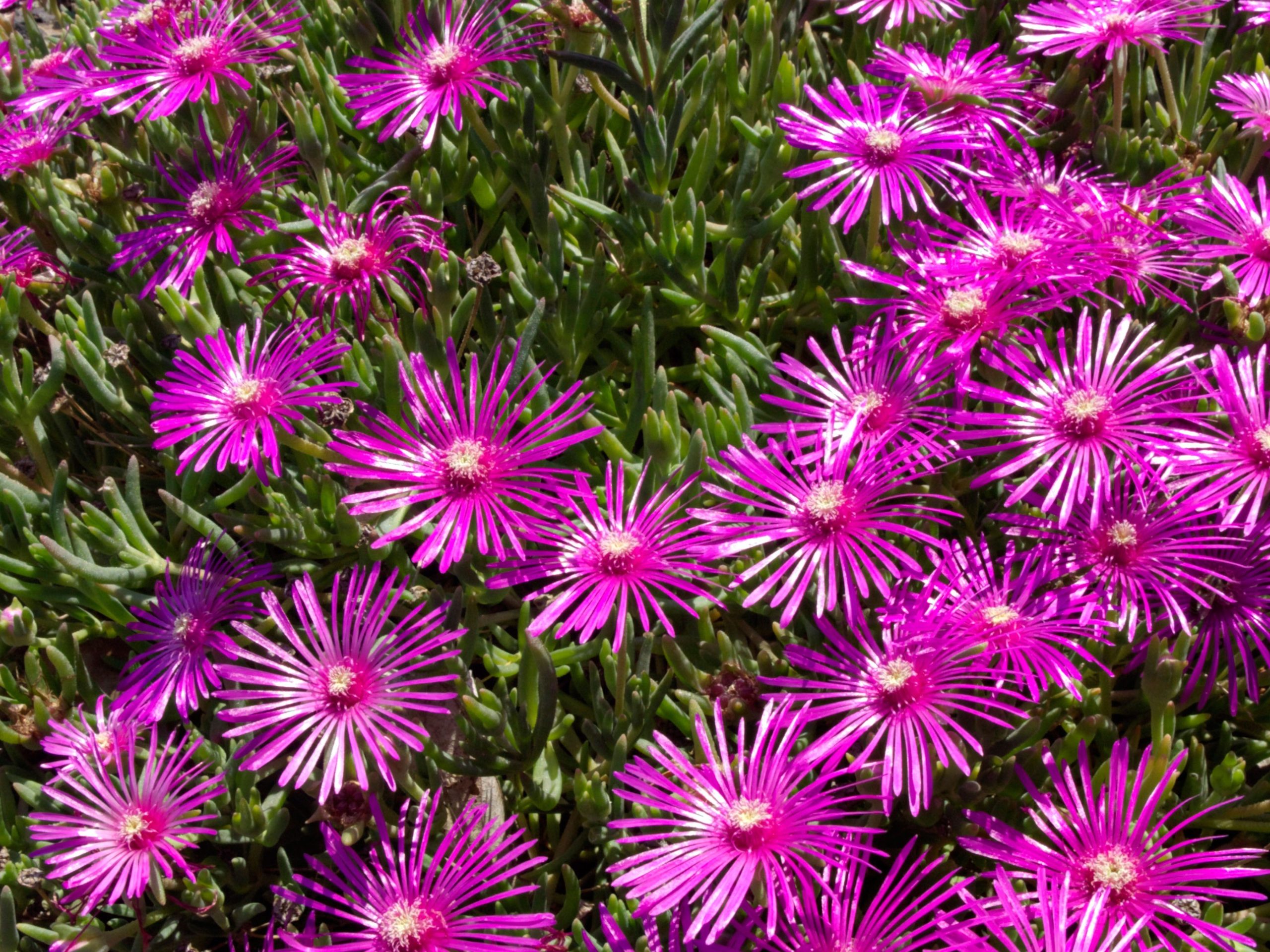
Most containerised plants will not survive on rainwater alone, but a few drought-tolerant species can survive long periods without water. Silver spear (Astelia ‘Silver Shadow’), Cooper’s ice plant (Delosperma cooperi) and Brown’s shining flower (Lampranthus brownii) can all be grown in wide containers. Just pot them up, water them in and leave them to it.
The astelia has as an eye-catching silver sheen across its sword-like leaves and reaches 80cm tall. In contrast the delosperma and lampranthus have little succulent leaves and are both little more than 20cm high. But they make up for their diminutive stature with vibrant displays of pink and red daisy like blooms, respectively.
You need a burglar-proof boundary
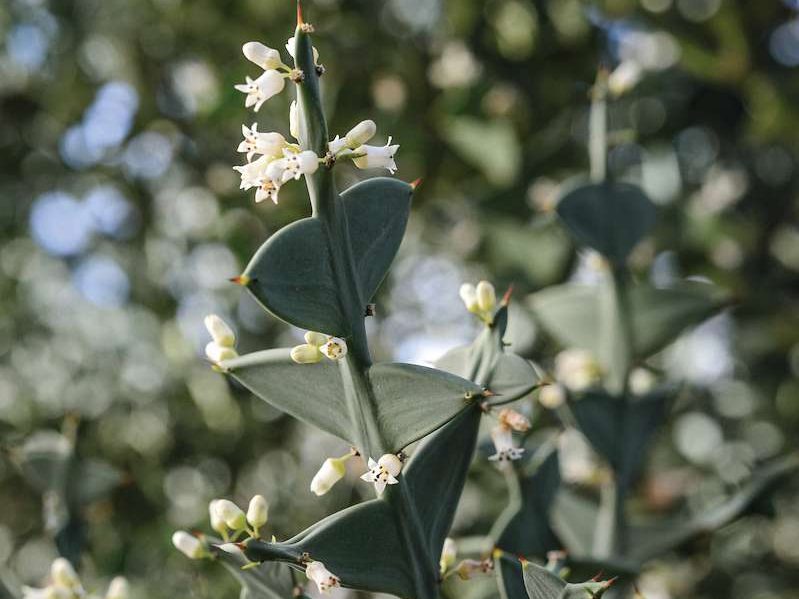
Nothing is completely burglar-proof, but a few plants have nasty enough spines to make your average swag bag carrying criminal think twice. Despite being slow growing, the anchor plant, Colletia paradoxa, is an effective barrier that does not want to be messed with. It’s a stiff shrub with quirky modifications and cladodes (leaf looking structures) tipped with rigid vicious spines.
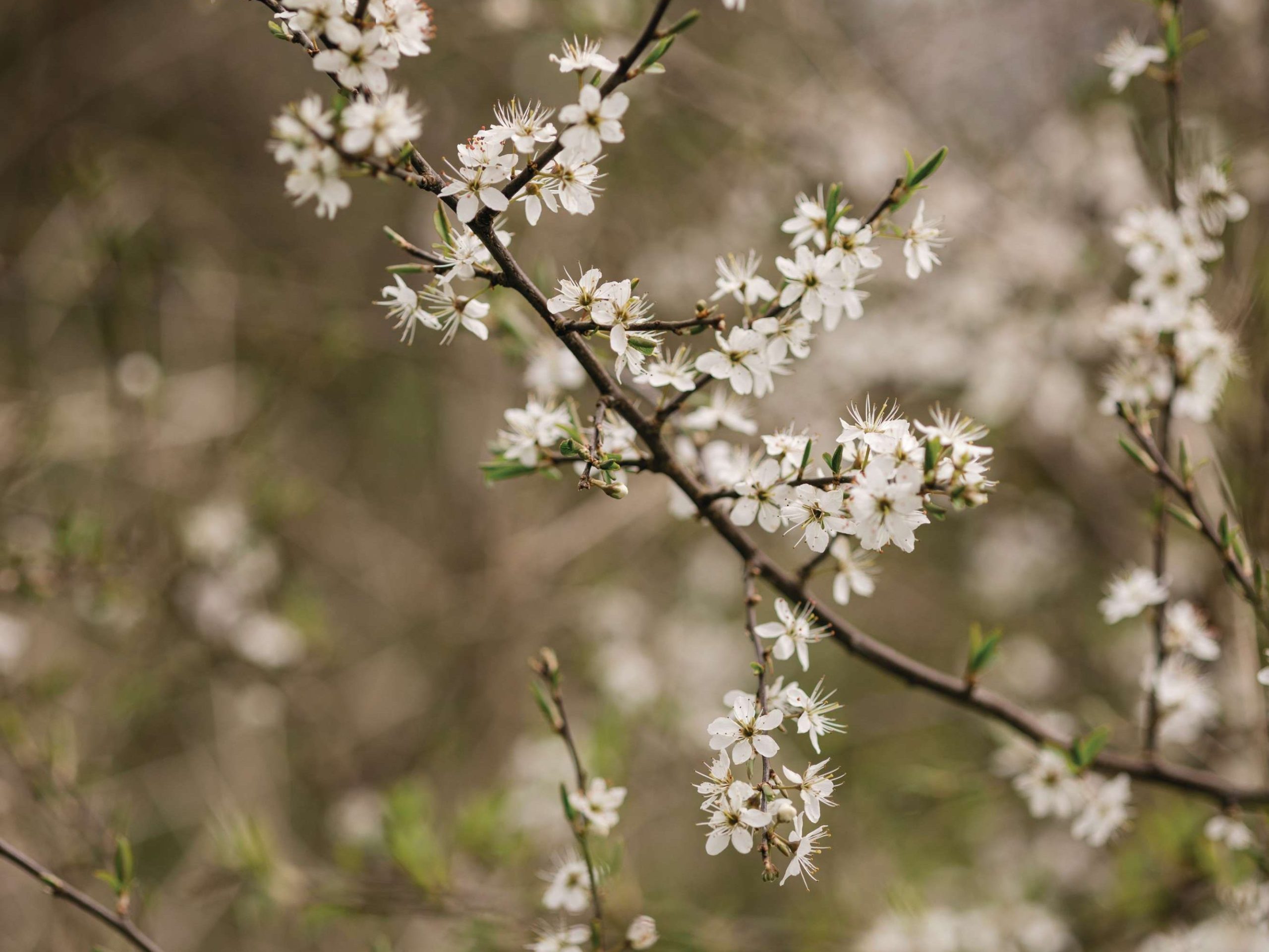
Other usefully spiny sentries include blackthorn (Prunus spinosa) which once established is impenetrable without heavy machinery, or the prettier Pyracantha ‘Orange Glow’.
You don’t have space for a tree
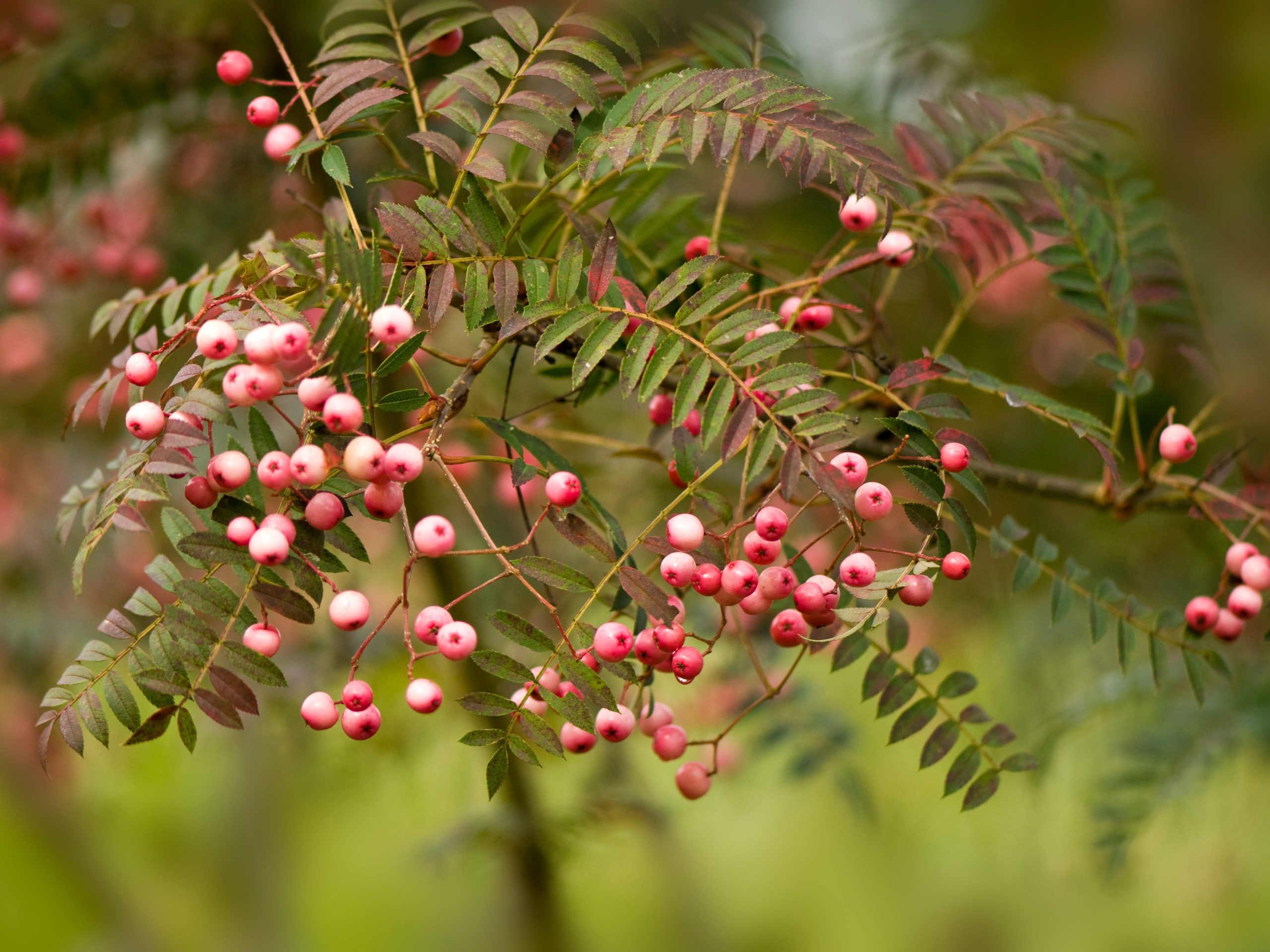
Truly small trees are a rarity, but for one under 6m, try Sorbus vilmorinii – a classic lollipop shaped mountain ash (rowan).
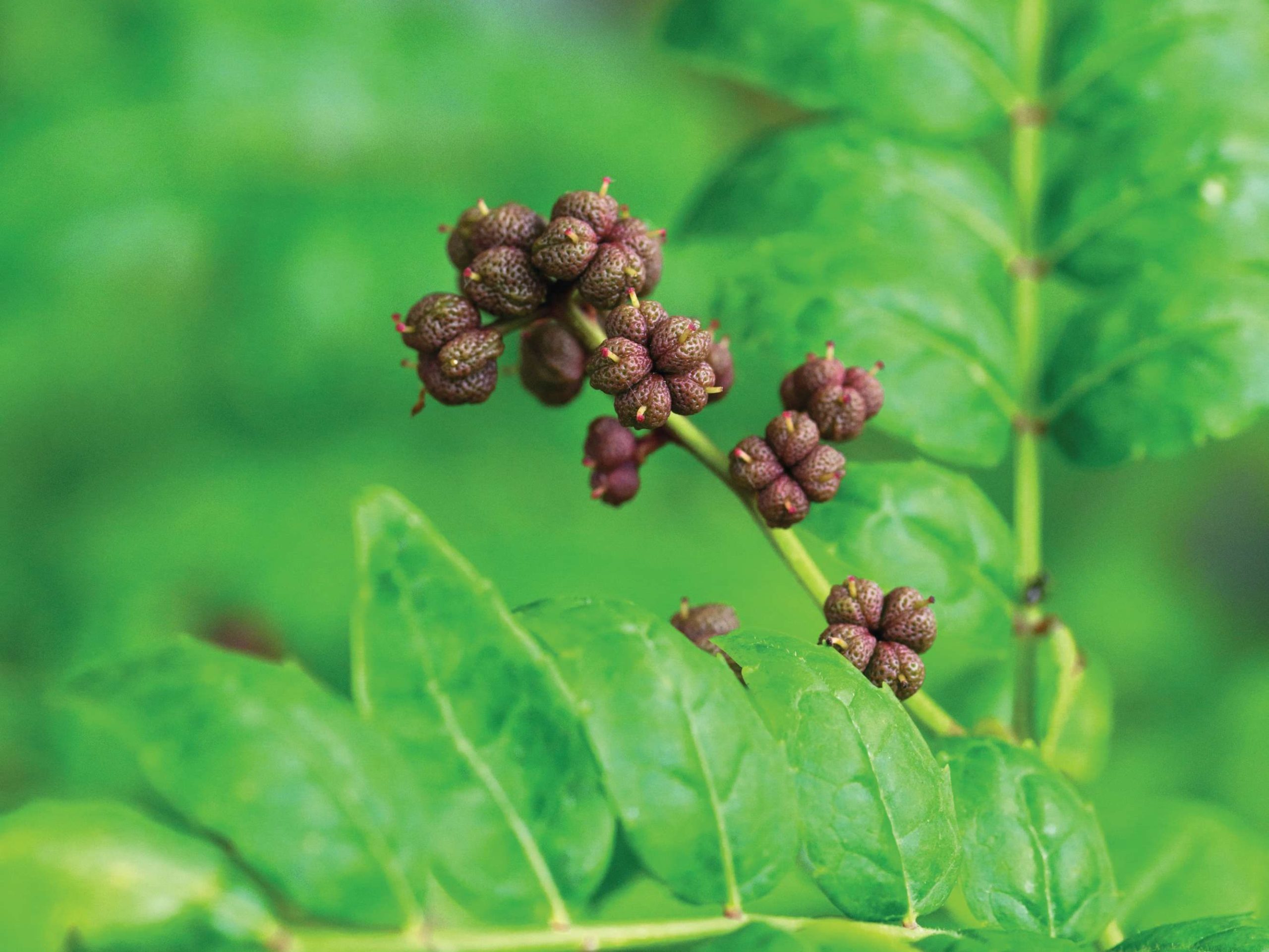
Or, for really small spaces Zanthoxylum piperitum is a total treat. Reaching three to four metres, this Sichuan pepper tree has ornamental thorns and pinnate leaves with a clear lower trunk and globular canopy.
It comes into its own in autumn when the leaves take on myriad shades and the seeds release their irresistible scent (well, irresistible if you like Sichuan pepper).
You’re staring at a big, dark, dull wall
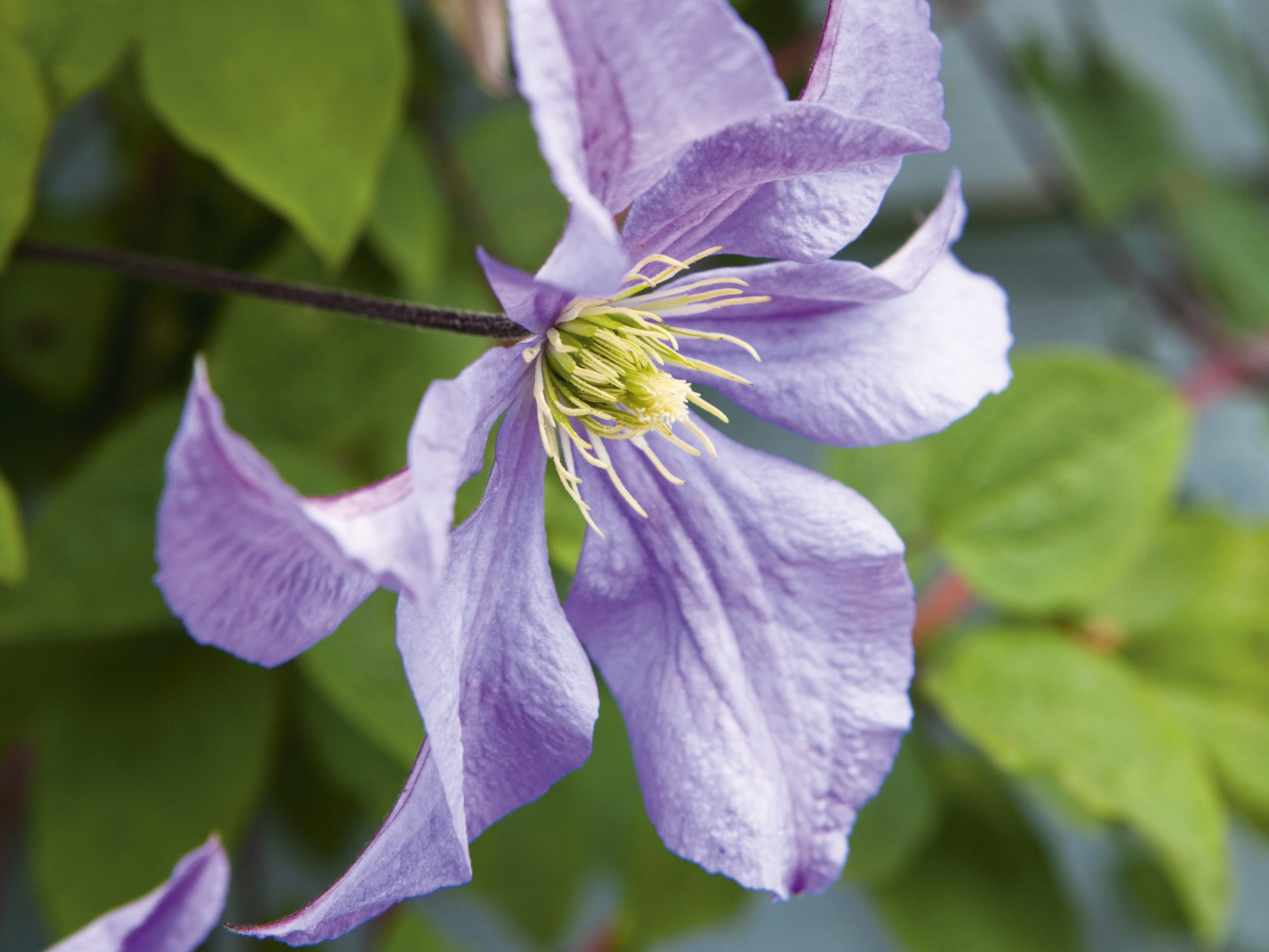
Bring life to shady north walls with Rosa ‘Ghislaine de Feligonde’ and Clematis ‘Prince Charles’. The rose is a rarity as it is a repeat-flowering rambler that will produce pale apricot blooms that fade to primrose and then white throughout summer.
Pair it with the watery blue buxom blooms of Clematis ‘Prince Charles’ for a sophisticated colour pair in a difficult spot. Give them around four to six square metres to grow in.
Your pots look rubbish most of the year
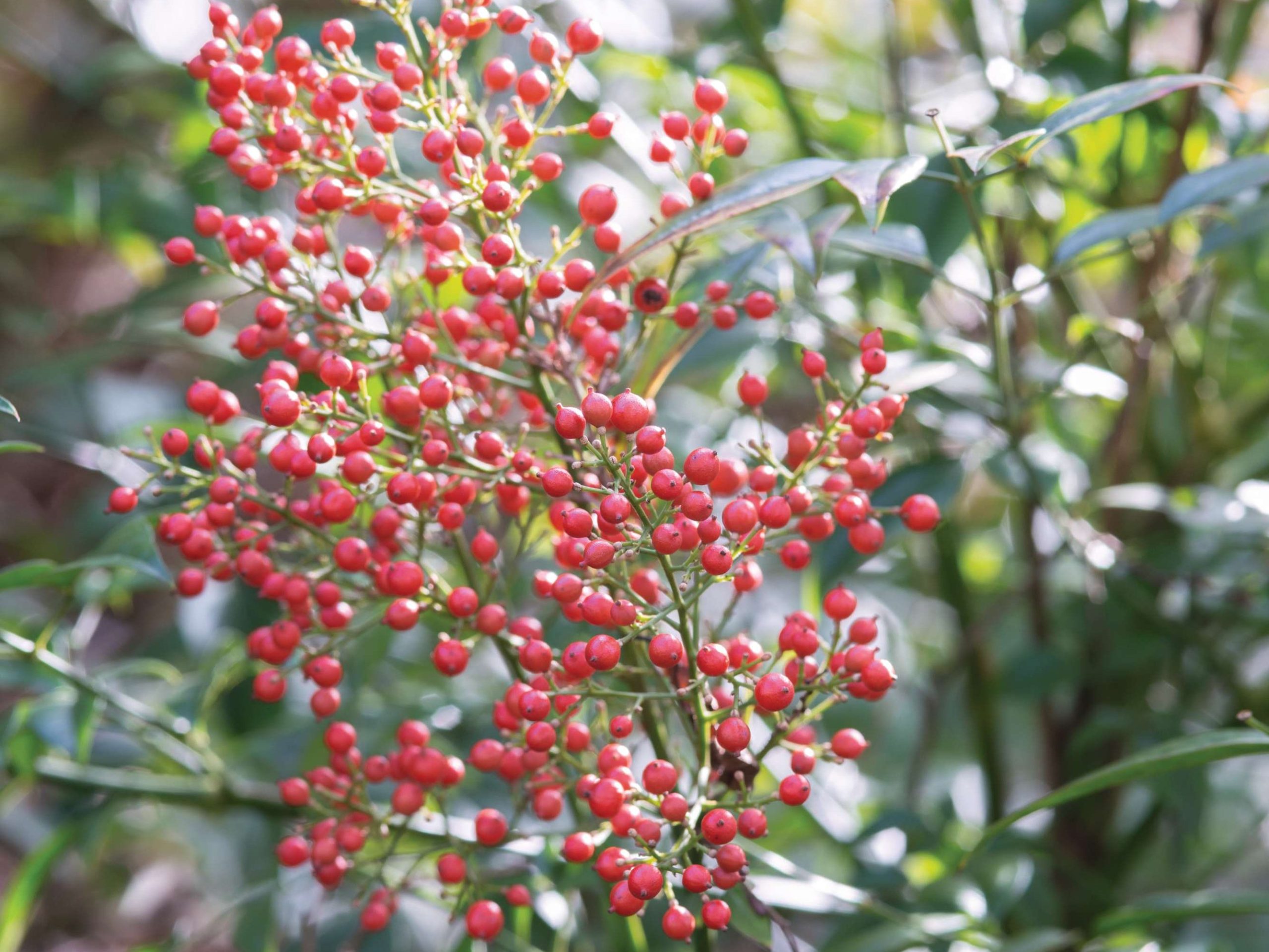
Heavenly bamboo, Nandina domestica, is a non-stop performer and perfect for a large container. It’s evergreen and upright, and across the year produces blooms, berries and a succession of different leaf colours in autumn and spring. It will reach up to two metres and requires virtually no maintenance.
But if you seek non-stop colour, then pick a perennial wall flower. These plants bloom 24/7 for three years, before fading away. Try Erysimum ‘Poem Lavender’ and keep the display going after year three by taking cuttings in year two.
Your borders only bloom for a minute
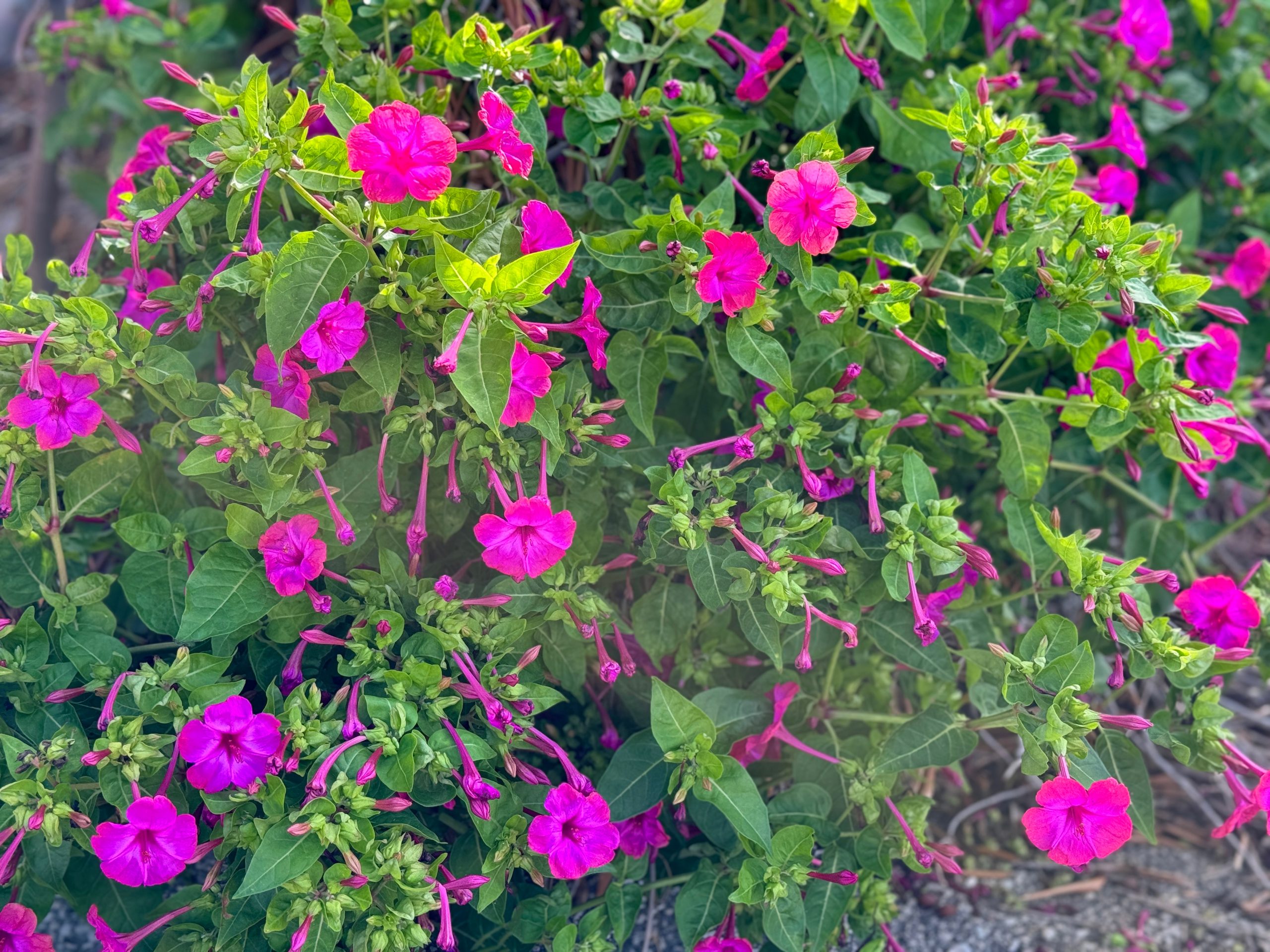
Pack a sunny border with spring bulbs, perennials and early flowering shrubs and you’ll have a dramatic display in March, April and May. But after that time such an area senesces, dies back and looks sad for the rest of the year. Cure the bare border blues with two species – marvel-of-Peru, Mirabilis jalapa; and Chilean glory flower, Eccremocarpus scaber.
The Mirabilis emerges in late May, quickly reaching 1m high and wide, speedily disguising the dying bulb leaves beneath it. It will go on to flower till the first frosts and has delicious night scent.
Or allow the delicate climber Eccremocarpus to flank one of your spring shrubs. It will bloom on its ‘climbing frame’ until October, turning a spring-flowering shrub into one that blooms for eight months.
You’re sick of looking at bare stems
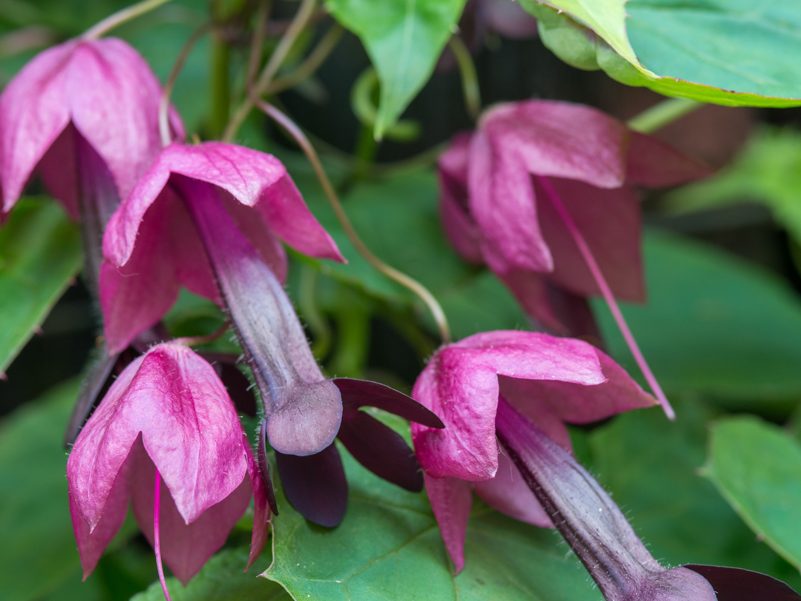
Aged climbers such as roses and wisteria bring a sense of antiquity to the garden, but their lower stems are often devoid of flowers or foliage. Resolve this by planting the evergreen winter flowering clematis, Clematis ‘Early Sensation’, at their bases.
Over several years it will flank the stems of established climbers but because it only reaches 1.8m, it won’t compromise its host. Expect dazzling white blooms in very early spring.
Self-twining annual climbers can work here, too. Try the delicate purple bell vine, Rhodochiton atrosanguineus, for its exotic pendulous blooms in plum and dark grape tones or black-eyed Susan, Thunbergia alata ‘Sun Eyes Red’, both of which will continue to bloom long after their host has stopped.