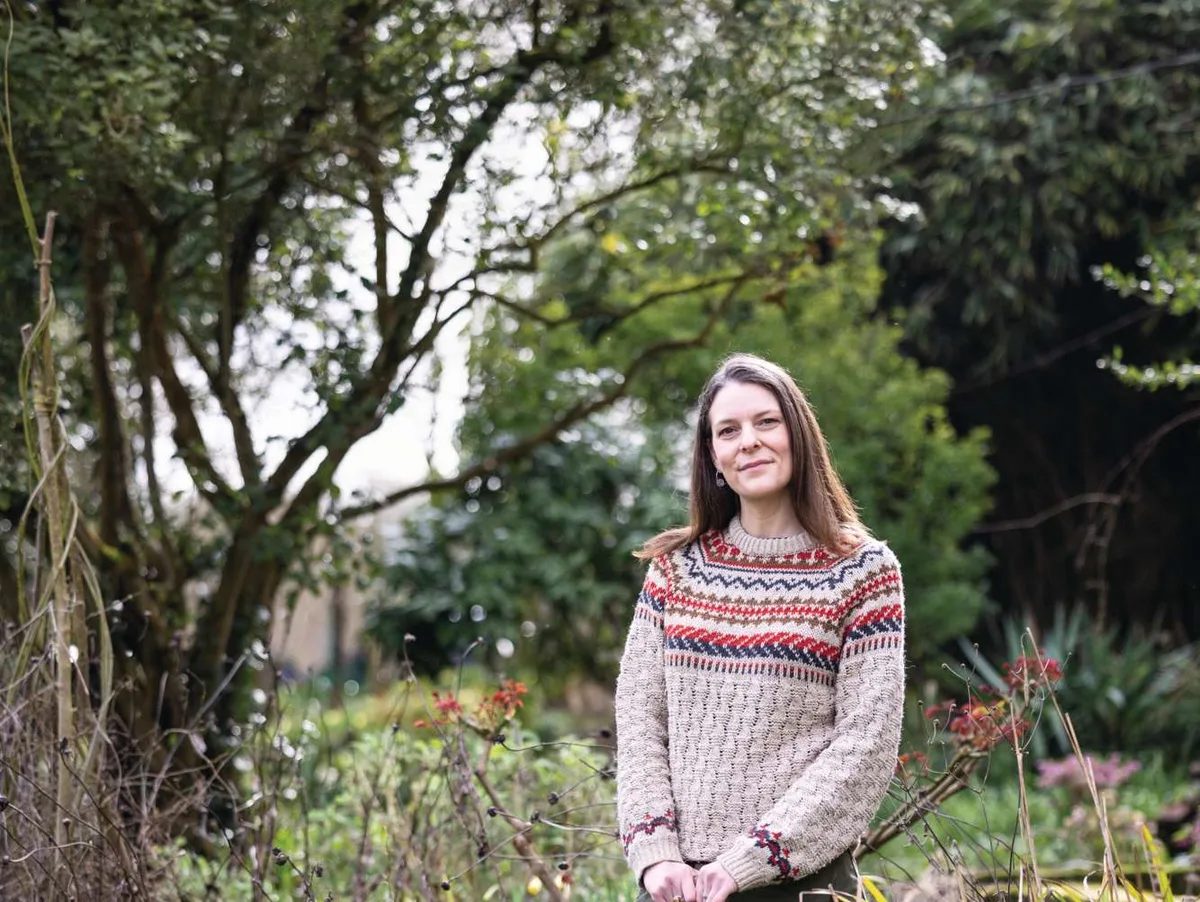
Earliest garden memory Making mud pies with my sister in my grandad’s garden; decorating them with flower petals and leaving them in the sun. His garden was magical; one I recall vividly and with great fondness.
First plant love Simple old foxgloves (Digitalis purpurea). I love the way the buzzing of bees is amplified when they go inside to find nectar, and the delicate spots on each flower lend them an ethereal quality.
Horticultural heroes? I really admire John Little and Benny Hawksbee. They’re both doing inspiring things for the future of horticulture: John in his tireless work to equip gardeners with skills for a changing world; and Benny in changing views on how we can garden in alignment with nature to support declining wildlife.
Have a go at propagation. The reward from making new plants for nothing is immense, and if it fails, you haven’t lost anything
Favourite garden Great Dixter, for the feeling of being immersed in the plants as you follow the narrow paths around the garden. It made me want to touch it all, and I love the freedom to interact with the plants in that way. It’s something you don’t get in more formal gardens.
Three most worthwhile tips Compost. A must for any gardener. Home-made compost is teeming with micro-organisms that you just can’t get in shop-bought bags, and best of all it’s free. Secondly, take the time to look at the garden from ground level; notice the insects, moss and minute flowers. You get a different appreciation of the garden. And third, have a go at propagation of all kinds. The reward from making new plants for nothing is immense and if it fails, you haven’t lost anything.
Favourite ‘weed’ Meadow bindweed (Convolvulus arvensis). I know it can be the scourge of many gardeners, but I let it run rampant in my front lawn with its pink and white flowers, in which I often find iridescent thick-thighed flower beetles. That’s enough reason to let it stay.
I love the freedom to interact with the plants in that way. It’s something you don’t get in more formal gardens
One easy way to be more sustainable Leave perennials standing until spring. Not only do the structural stems and seedheads look stunning crystalised by frost, but they provide invaluable protection for over-wintering insects and small mammals and a food source for birds.
Guiding principles? Gardening for biodiversity and achieving a balance with nature. Chemical-free management; creating space for and accepting all creatures as part of the garden ecosystem.
Instagram @sarah_byham_gardener
USEFUL INFORMATION
Benton End House, Benton Street, Hadleigh, Ipswich, Suffolk IP7 5JR. gardenmuseum.org.uk
With special thanks to Bottengoms garden in Essex where this portrait was taken


