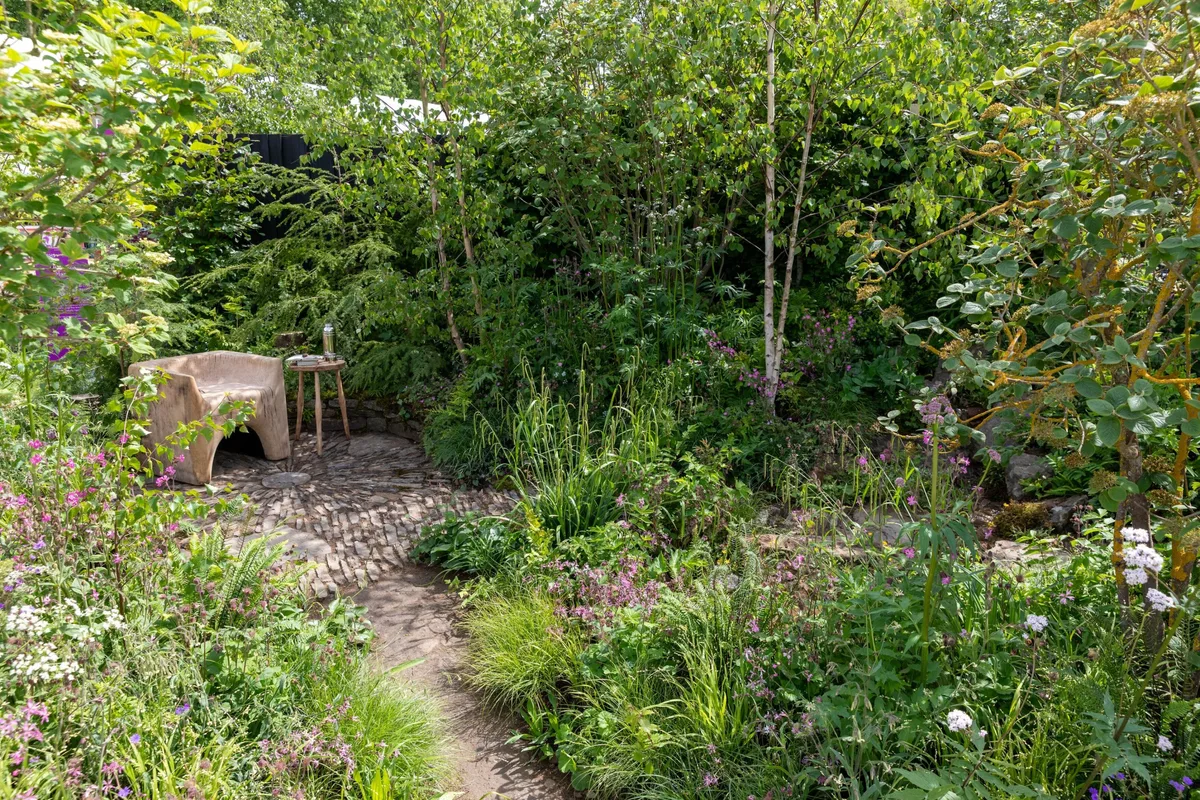
One of the questions I was asked more than almost any other at this year's RHS Chelsea Flower Show was surprisingly simple: Can you really create a woodland in an ordinary garden?
You may also like
People weren't usually asking about a particular plant. Instead, they wanted to understand why the Woodland Trust's Forgotten Forests Garden seemed larger than its modest footprint and how a space measuring little more than eight by six metres could evoke the atmosphere of a much larger and older woodland.
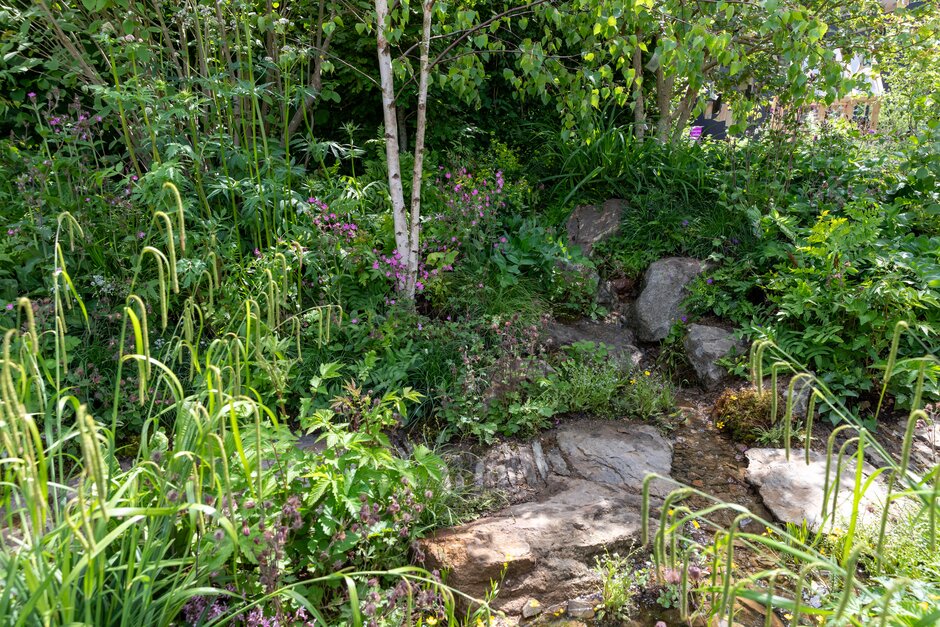
The answer, I realised, had very little to do with the number of trees.
I spent many hours wandering through ancient woodlands while designing the garden, and what it taught me is that creating a woodland isn't about planting more trees; it's about choosing the right ones.
That became one of the guiding principles behind our Chelsea garden.
Rather than filling the space with trees, we selected a small number of native specimens that already created a sense of age and permanence. A weathered wayfaring tree clothed in lichens became an instant focal point, while a multi-stemmed guelder rose softened the woodland edge and hinted at decades of slow, natural growth.

Together they created the impression of a woodland that had been evolving for generations, even though the garden itself had only just been planted.
You may also like
- Best birch trees for your garden
- Evergreen trees for gardens: the best ones to grow
- Limited space? You probably still have room for a tree - discover the best trees for small gardens
Whether your garden has room for a small copse or just a handful of carefully chosen specimen trees, the same principle applies. The native trees and shrubs I've chosen below are the ones I return to time and again, not only for their beauty, but for the way they bring atmosphere, character and ecological richness to a woodland garden.
7 trees to create a forest garden at home
Wayfaring tree (Viburnum lantana)
No tree shaped the atmosphere of our Chelsea garden more than the wayfaring tree. The specimen we chose was cloaked in lichens, with its branches giving the impression it had stood there for generations. What I love most about Viburnum lantana, though, is that even relatively young plants seem to possess that same sense of age.
Its softly textured, grey-green foliage creates a gentle backdrop through summer before turning buttery yellow in autumn, while creamy spring flowers are followed by berries that ripen from red to black, providing food for birds well into the season.
Wild service tree (Sorbus torminalis)
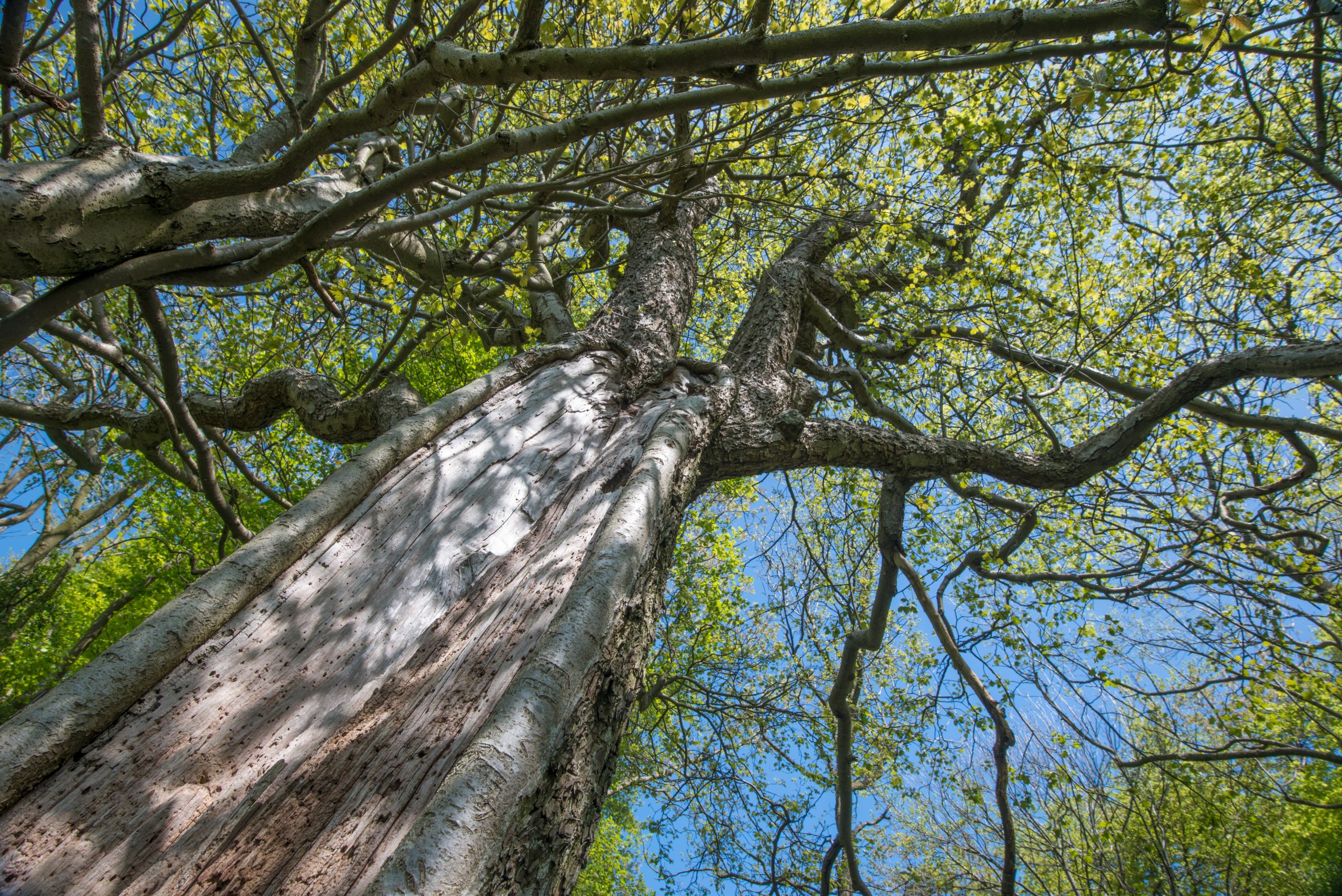
If there is one tree I'd love to see planted more often, it's the wild service tree. Sometimes described as Britain's forgotten native tree, it remains surprisingly scarce in cultivation despite being one of the characteristic trees of ancient woodland.
Fresh green, maple-like leaves emerge in spring before turning rich shades of crimson, amber and russet in autumn, while mature trees develop wonderfully chequered bark that only improves with age.
Field maple (Acer campestre)
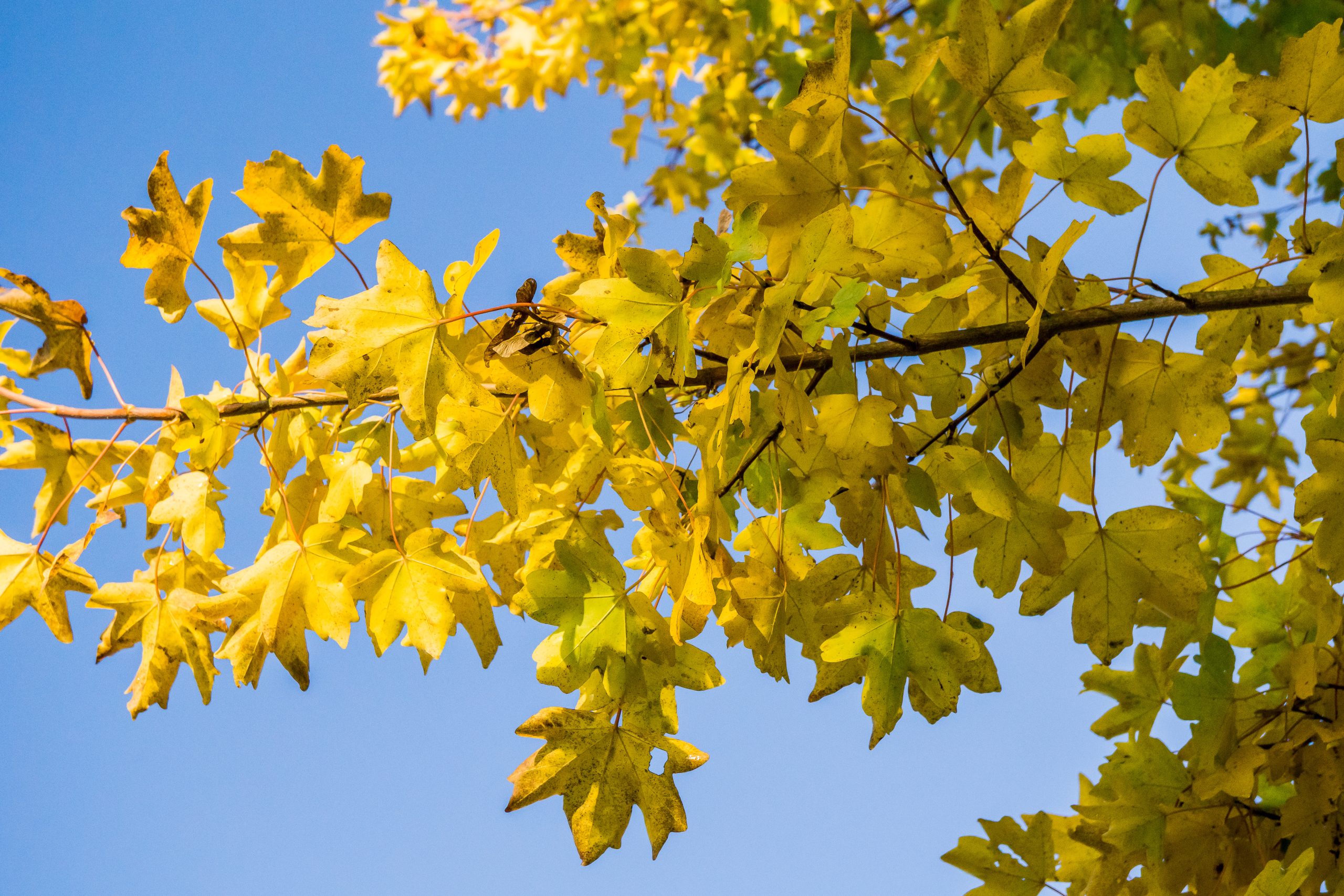
Field maple is rarely the tree people remember first, but it is often one of the trees that makes a woodland feel complete. Common along ancient woodland boundaries and hedgerows, it has a softness that helps stitch different layers of planting together. Its open canopy casts light shade, while autumn transforms the foliage into clear shades of buttery yellow. I often use field maple as a bridge between larger canopy trees and the woodland edge, where its modest scale and natural form makes it suitable for gardens of almost any size.
Yew (Taxus baccata)
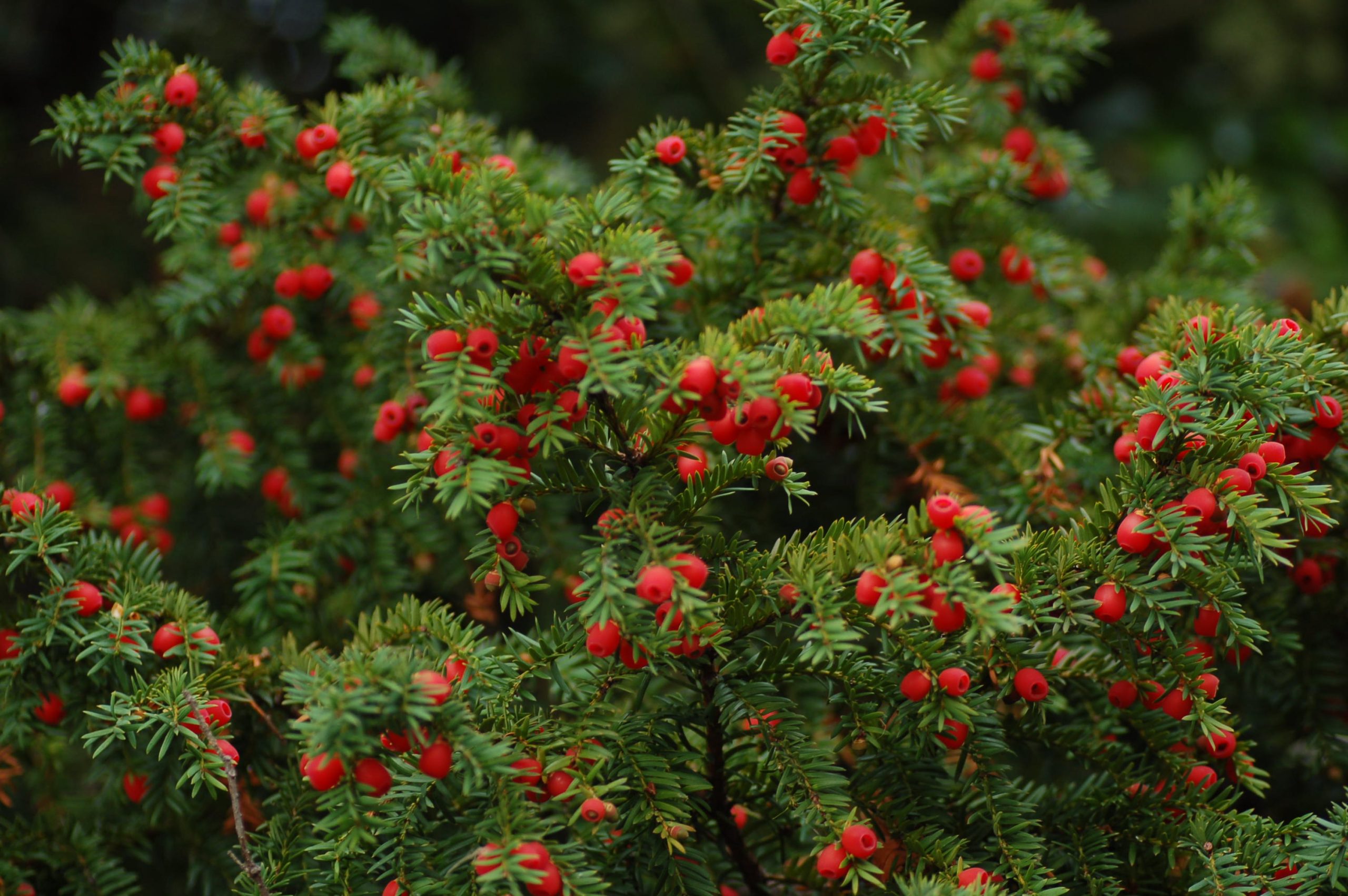
As autumn fades and the deciduous canopy begins to thin, yew comes into its own. Its evergreen nature makes it perfect for dotting through a woodland, where it helps maintain the woodland's structure through winter, providing a deep green backdrop that allows bark, seedheads and low winter light to shine.
Don't be intimidated by its eventual size either. Yew responds beautifully to careful pruning, making it one of the most adaptable native trees for gardens of every scale.
Guelder rose (Viburnum opulus)
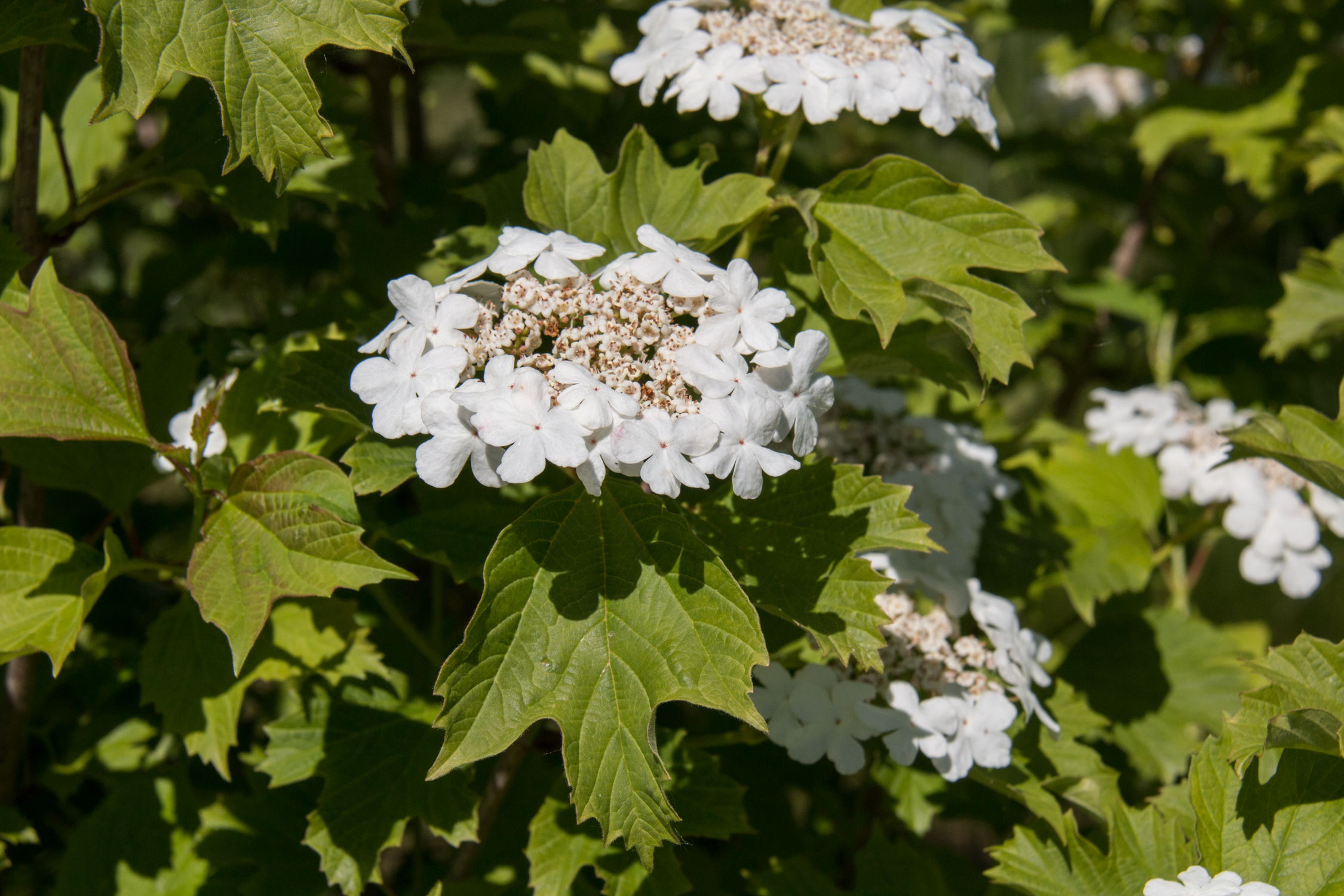
Although often thought of as a large shrub, Guelder rose deserves to be considered alongside our smaller native trees. Not every garden has space for an oak or beech, and species like this become invaluable when you're trying to create layers within a compact space.
Creamy white flowerheads appear in late spring before giving way to clusters of translucent scarlet berries that glow through autumn. I often use it to soften the transition between taller canopy trees and the woodland floor, where its loose, multi-stemmed habit feels completely at home.
Spindle (Euonymus europaeus)
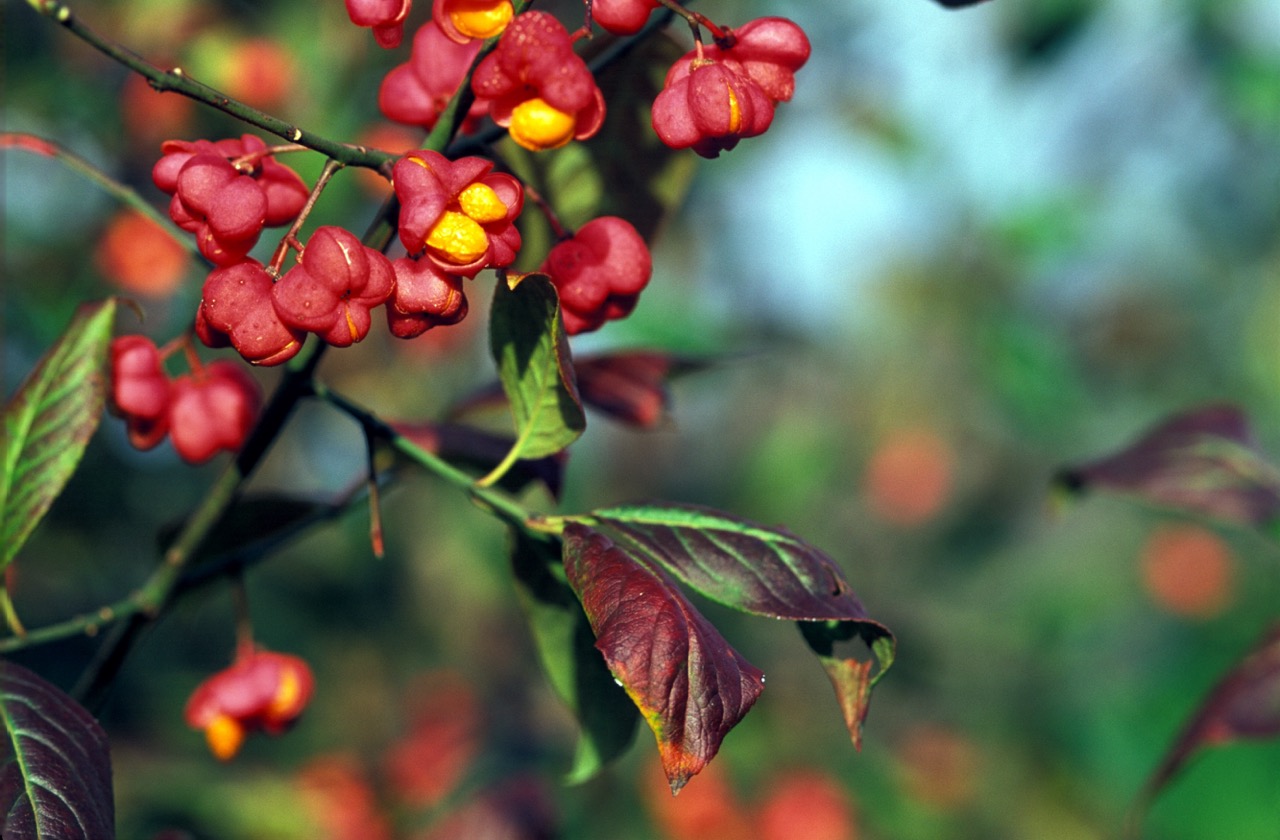
Spindle spends much of the year quietly supporting everything around it before suddenly stealing the show in autumn. Its extraordinary pink fruits split open to reveal vivid orange seeds, glowing against soft yellow foliage. I always try to position it against a darker backdrop, where those colours become even more dramatic. Usually reaching just 3–6 metres, it's perfectly suited to smaller gardens and woodland edges.
Silver birch (Betula pendula)
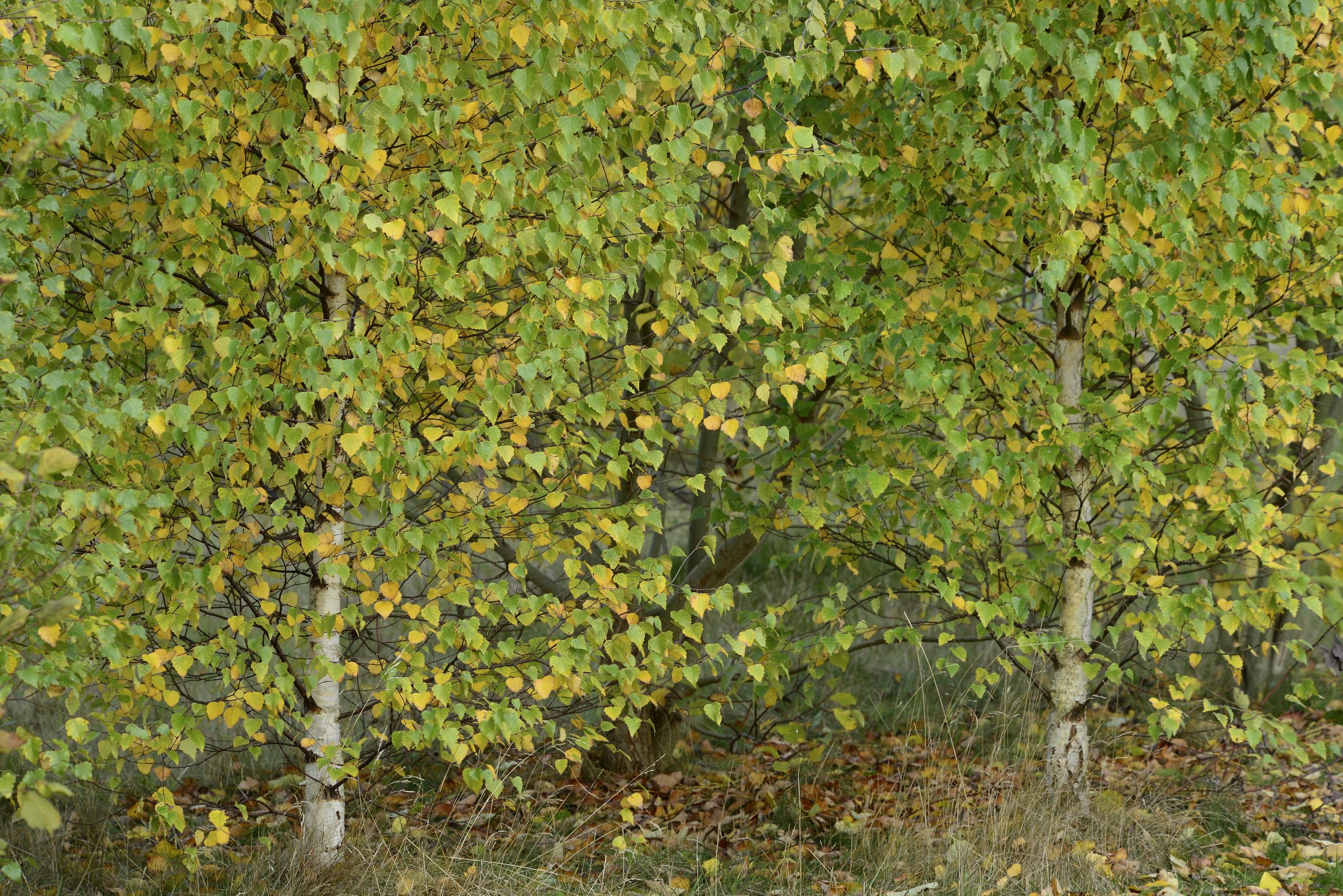
If one tree captures the optimism of woodland restoration, it's silver birch. As one of Britain's great pioneer species, silver birch is often among the first trees to colonise open ground, casting a light, dappled shade that allows more delicate woodland plants to establish beneath. I often use silver birch to guide movement through a garden, planting them beside paths so their white trunks draw the eye onwards into the garden. Its pale bark catches the low winter sun beautifully, while its light, airy canopy never feels imposing.
But woodland isn't defined by trees alone. Next month, we'll step beneath the canopy to explore the understorey. From shrubs and woodland perennials to the ground flora that carpets the forest floor, I'll share the plants and combinations that create the softness, diversity and quiet atmosphere that make ancient woodlands so unforgettable.