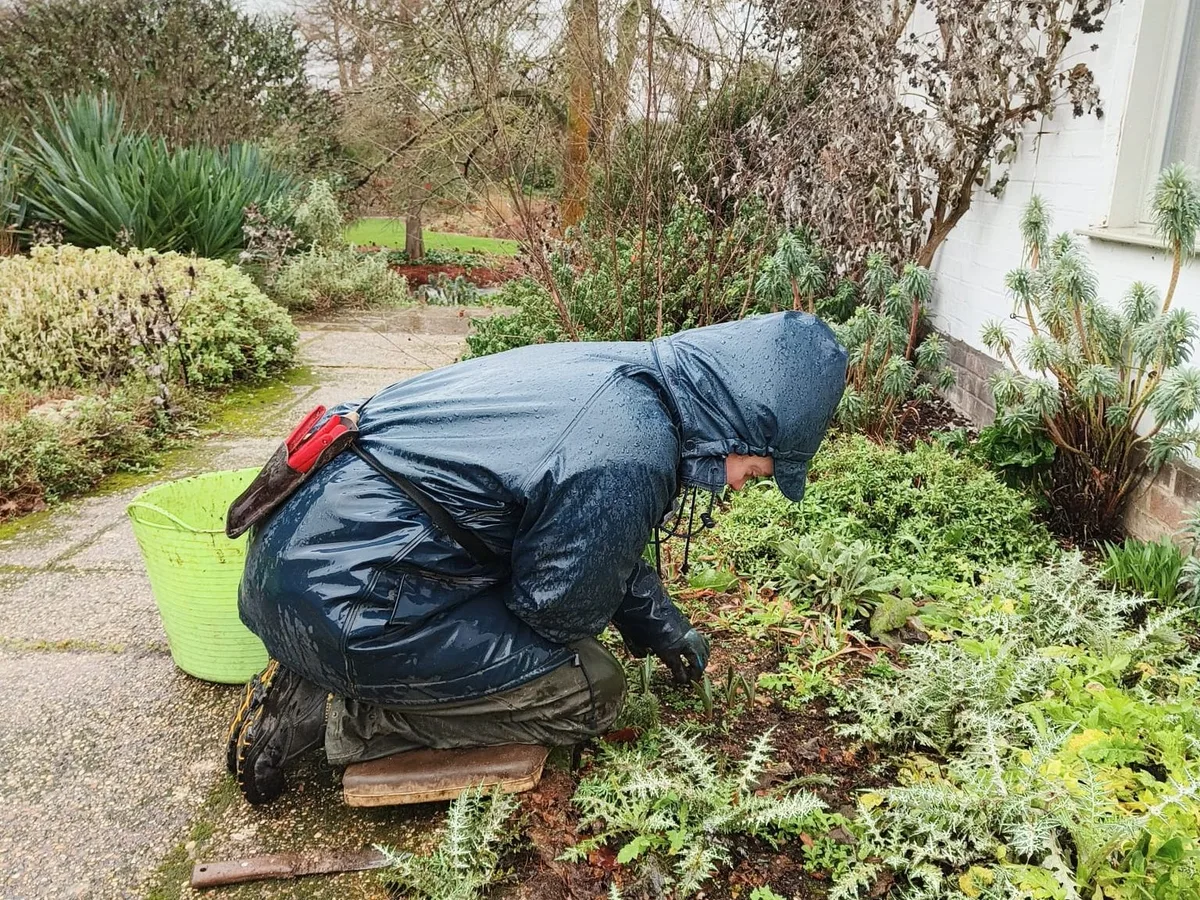
Here in Bristol, it feels like it started raining in January and hasn't stopped since. The wet weather has felt pretty relentless, leaving many gardeners wondering whether their plants will survive the deluge.
One Gardens Illustrated follower on Facebook said, "I haven't needed to water my plants since October 2025. Have now booked them in for swimming lessons." Another, who keeps bonsai, is concerned about root rot. Many mentioned that mud had made gardening, or even stepping outside, practically impossible.
You may also like:
The 2026 gardening season is off to a very wet start
Is it raining more than usual?
According to the Met Office, the wet weather is all to do with the jet stream. "This powerful ribbon of air, flowing several miles above the Earth’s surface, has often been strong and positioned further south than we typically expect at this time of year," says the Met Office on its blog. "When the jet stream shifts south across the Atlantic, it tends to funnel low-pressure systems directly towards the UK, increasing the frequency and intensity of rain-bearing weather fronts."
The rain has been particularly persistent in some parts of the country. Cornwall and County Down had their wettest Januarys on record. Northern Ireland saw the wettest January in 149 years and Reading University's Atmospheric Observatory recorded the longest ever rain spell - 25 consecutive days - on campus.
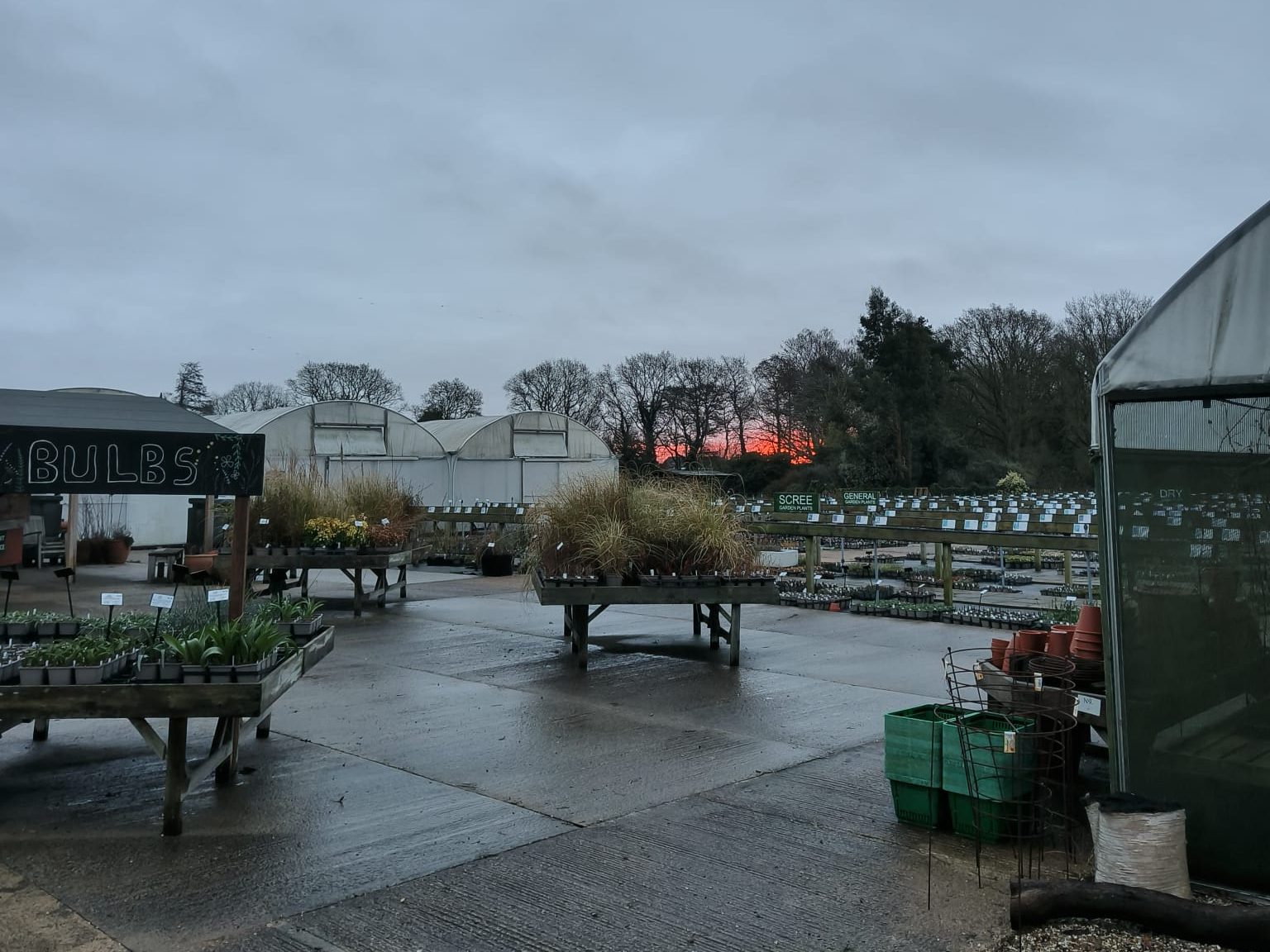
The Met Office also stated that "2026 has started not just wetter than average, but with rainfall intensities and frequencies that rival some of the most notable periods in the observing record."
Unfortunately, just over one week into February, things do not seem to be drying up just yet. Provisional Met Office figures for February show that rainfall has continued to run ahead of schedule in many parts of the UK.
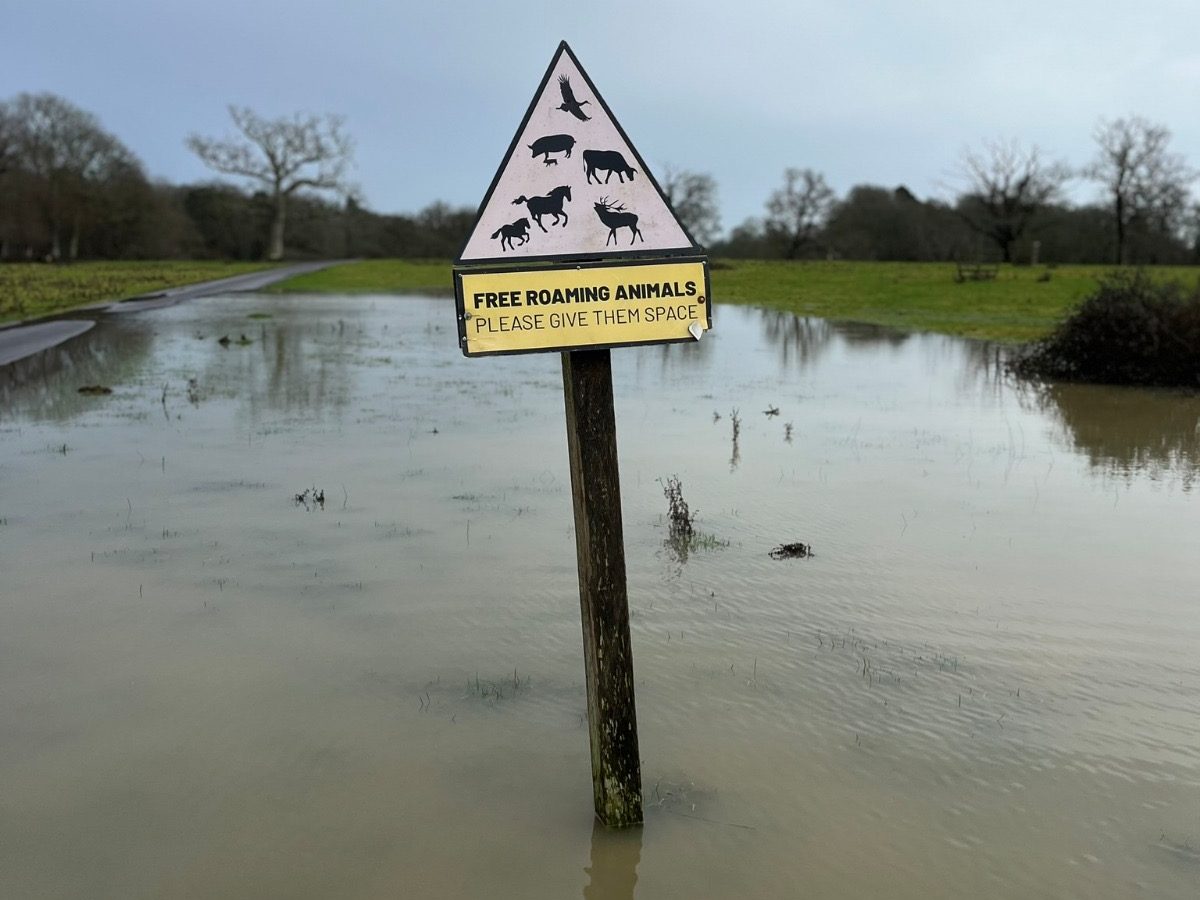
The UK has already seen 37 per cent of the average rainfall expected for the whole of February, while England has already reached 59 per cent of its monthly average, with the south of the country much wetter than the north. Some locations across the UK have surpassed an entire month's rainfall in the first eight days - Aberdeen has reached 180 per cent of its February average and the Isle of Wight has reached 108 per cent.
You may also like:
- How to make the most of rainfall in the garden
- How to collect rainwater
- Plants for wet gardens, chosen by an expert
How are gardens coping with the rain?
"We had 177mm of rain in January, which is definitely the wettest month we've had in the last five years," says Mattie O'Callaghan, who works as a gardener at Beth Chatto Gardens in Essex, a county generally considered to be one of the driest in the UK. "We have certainly felt it right into our soaked skin."
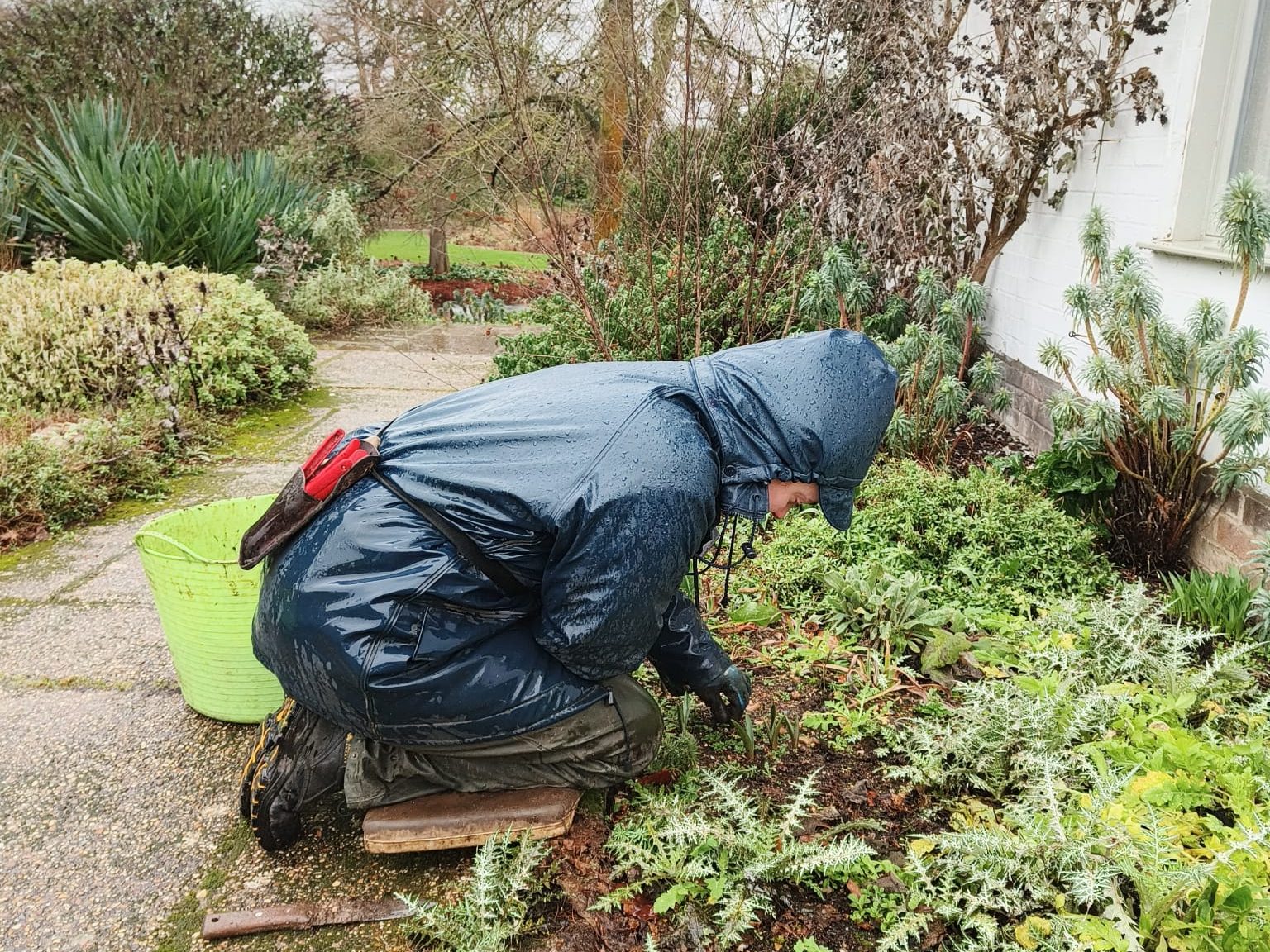
In spite of this, Mattie says that the garden is coping well. "At the moment nothing in terms of the plants has been impacted," they say. "I think maybe because the plants are put in their right place and we have quite free-draining soil; things seem to be coping so far."
Charlie Harpur, head gardener at Knepp Walled Garden, has heavy clay soil to contend with. "As you can probably imagine the whole thing is a little damp," he says.
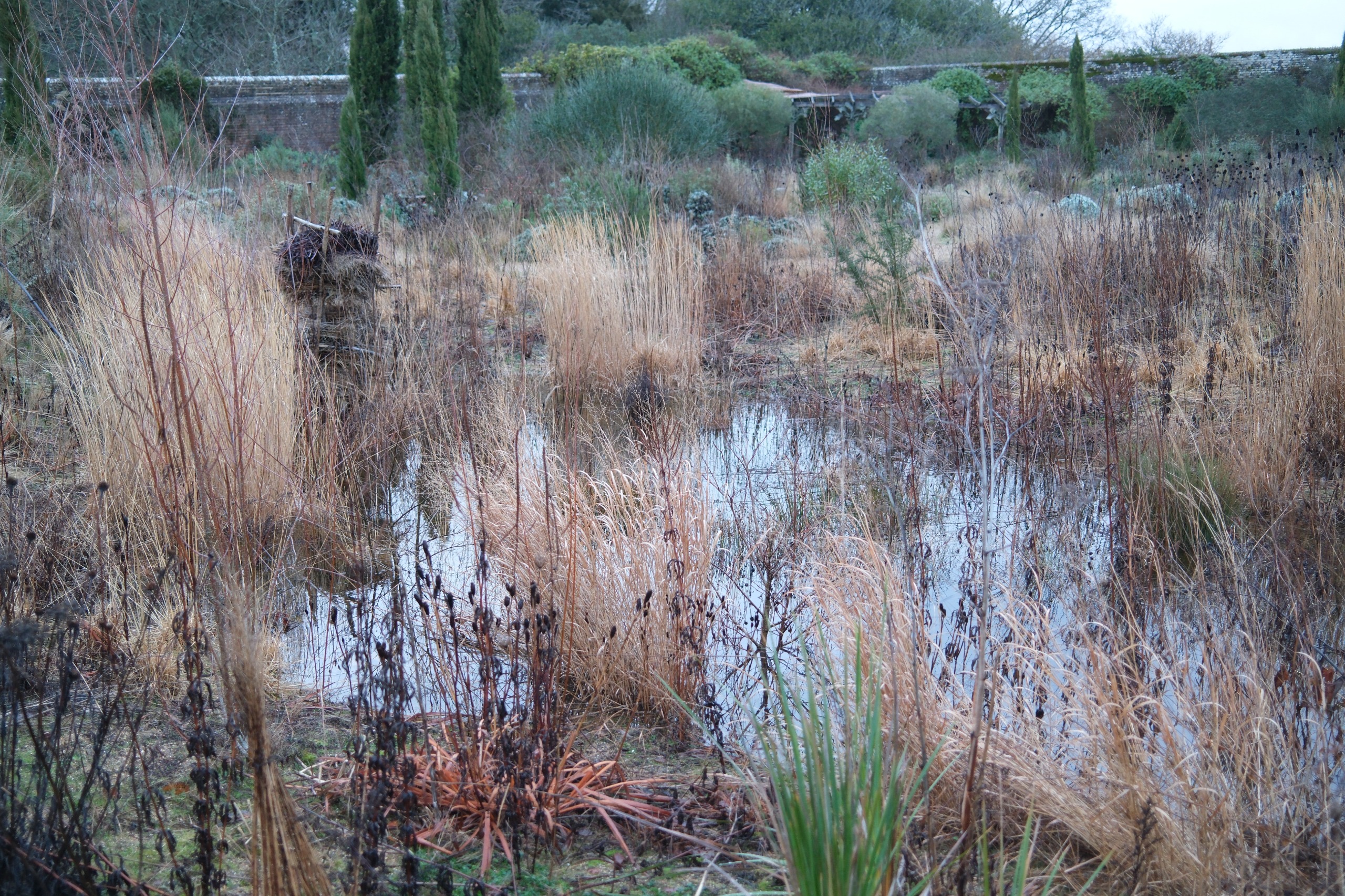
"From a rainfall point of view, we've had nearly 230mm of rain in January," he adds. "And last January was 16.9mm. It's a lot wetter this year; it's the highest rainfall in the last 25 years according to local records. So it is a record breaker for us, it will be interesting to see how the garden reacts."
How are gardeners working with the weather?
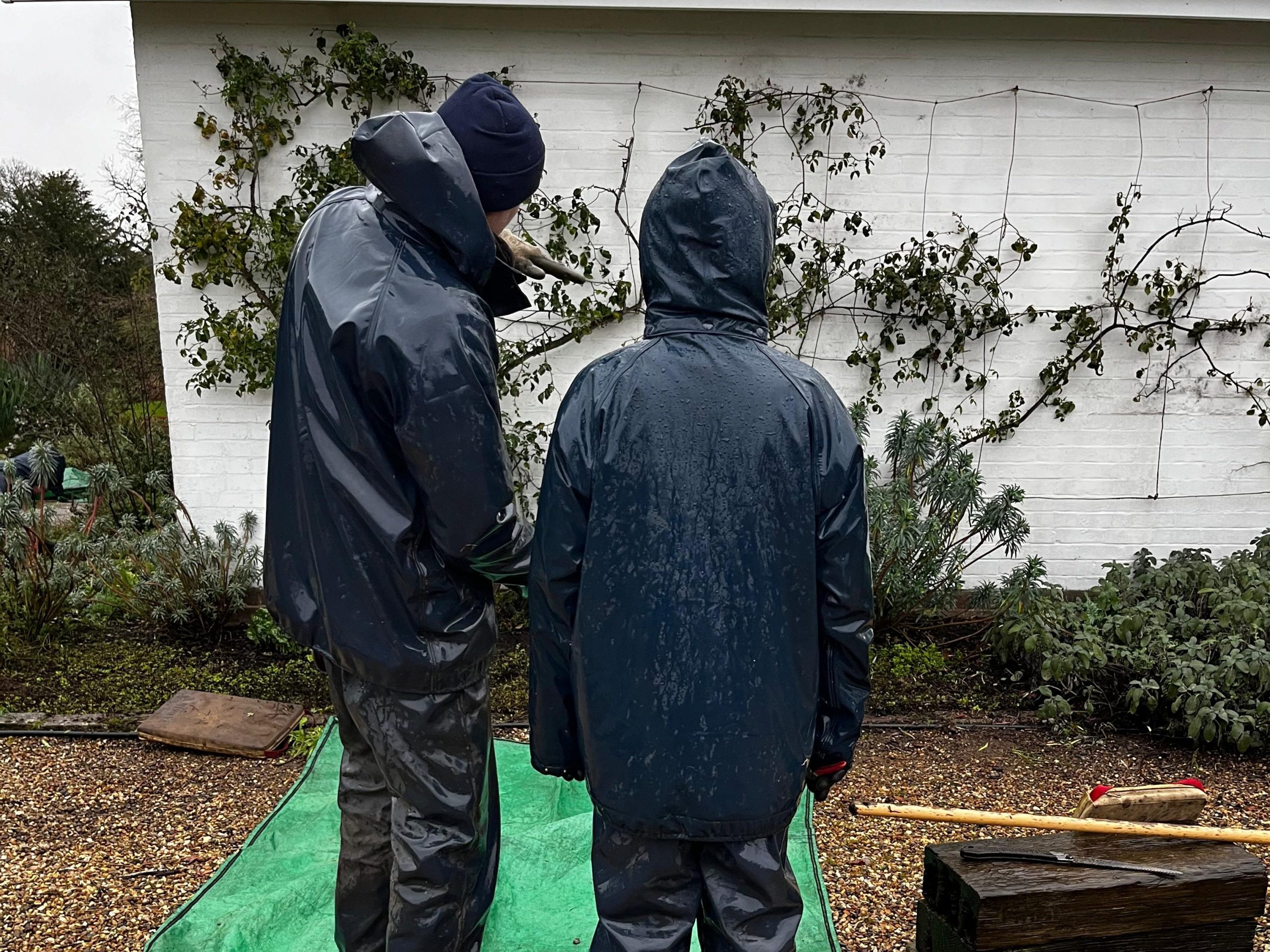
"People always say winter is a time when you can relax and there's not much to do," says Charlie. "We've actually got a hell of a lot to do. So we're out there in all weathers, and trying to keep the morale fairly high, which is sometimes easier said than done."
He adds: "from a work point of view we've got to be out there. There's no hiding in offices really; we've been doing a lot of rose pruning; we've got orchards to prune."
The rain has also provided new opportunities for wildlife encounters at Beth Chatto Gardens. "Recently we've had an otter in the reservoir," says Mattie. "When it's wet and raining that softens the sounds around it so the otter isn't as aware of people nearby. It's interesting to notice these bits of wildlife as well."
"One of the special things about it having rained is having the opportunity to observe and think and reflect," says Mattie. "When you're hunkered down in the garden you're a bit more focused on what's going on."
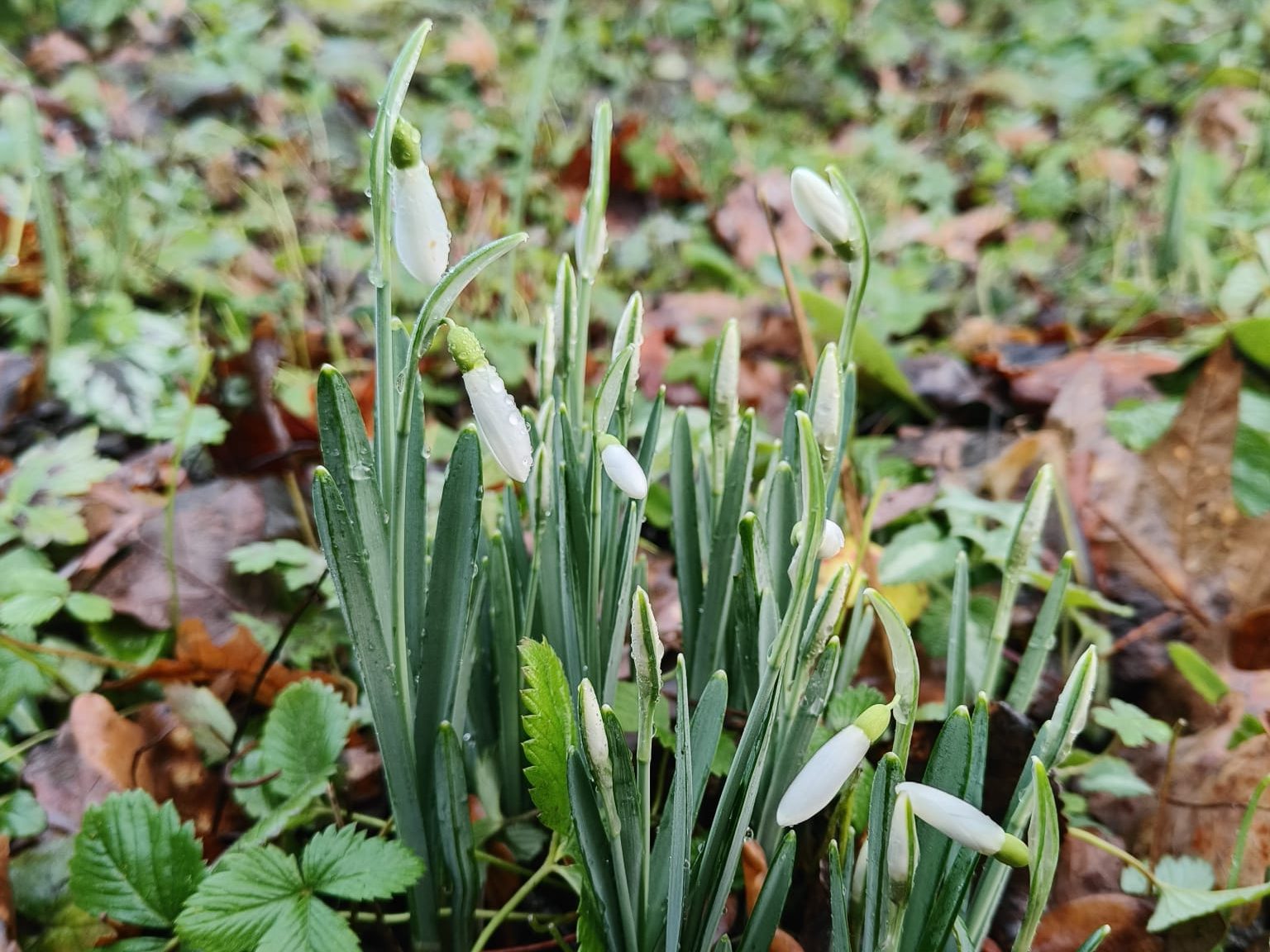
Mattie hasn't let the weather dampen their enjoyment of the garden. "There are snowdrops, winter aconites, Salix buds coming out, Hamamelis and Cornus mas. Spring is coming," they say.
Are gardeners worried about the impact of the weather?
Gardeners are used to working in all kinds of weather. Even if the rain has felt relentless to us, they know that everything could still change in the weeks to come. "We're not worried," says Charlie. "The landscape will be what it will be and I think that will be very interesting. Last year was so dry, and that favoured particular types of plants and we didn't see those plants that need a wetter spring to germinate. It will be a totally different year this year and I'm looking forward to seeing what happens."
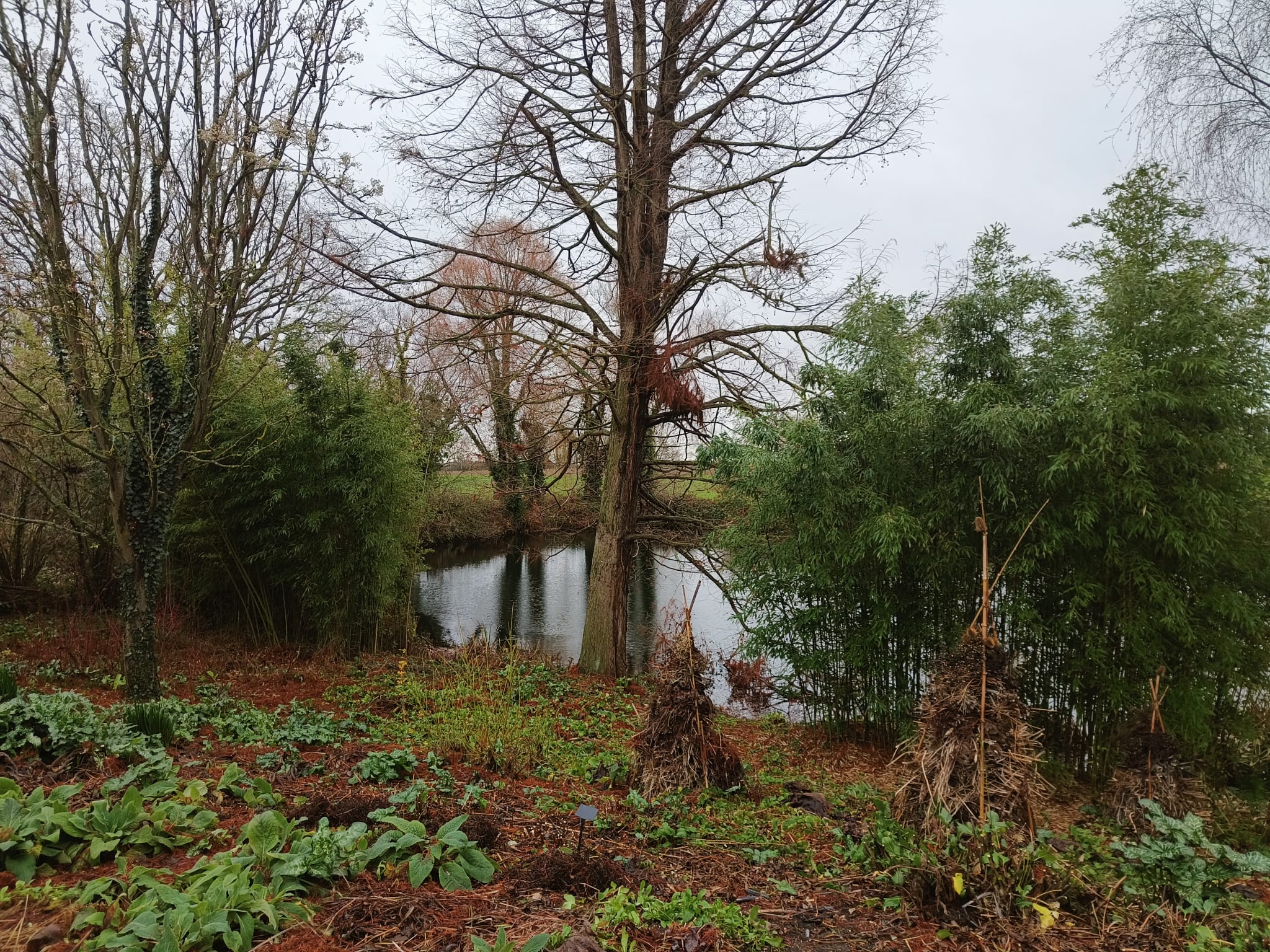
"Of course we don't know how this wet will continue and affect the garden," says Mattie. However, they're also more focused on the year ahead. "Look forward to the future," they say. "In this moment now you're laying the groundwork for what will happen later in the season."
Advice for home gardeners
If you're feeling stuck inside due to the bad weather, there are plenty of jobs you can do to get the gardening season off to a good start. We recommend:
- Tidy sheds and greenhouses
- Sow seeds undercover
- Make a note of areas prone to waterlogging
- Plan for the year ahead
- Tend houseplants
- Buy some forced bulbs for early indoor blooms
For more ideas on what to do this month, you can read our jobs for February piece and our list of things to plant this month.
Although the wet weather is frustrating as gardeners, spring is certainly on the way. Magnolias are in bud, snowdrops and crocuses are flowering and longer (hopefully drier) days are on the horizon.