Regal and fabulously fruitful with an irresistible charm, the sight and fragrance of citrus instantly transport you to warmer climes. Exquisitely fragrant flowers and attractive, colourful, edible fruits all year round combine to ensure that these spiny, evergreen large shrubs and small trees are highly desirable. The influence of citrus is widespread, with well over 1,000 cultivars and counting. Fruits vary in size from the kumquat and calamondin, which are just a few centimetres in diameter, to 30cm-long citrons and the truly enormous ‘Nine Pounder’ lemon, which can be seen growing in Disney’s Epcot Park in Florida.
You might also like:
- Are we growing lemon trees instead of apples now? The climate conundrum
- 15 inspiring Mediterranean gardens
- A sunny Mallorcan garden by Tom Stuart-Smith
- Sissinghurst's Mediterranean-inspired Delos garden
Citrus is thought to have originated mainly in Southeast Asia and the citron (Citrus medica) was probably introduced into Europe in the fourth century BCE. It has since inspired nursery rhymes, become a status symbol, enabled imperial dominance by sea and flavoured everything from marmalade to limoncello.
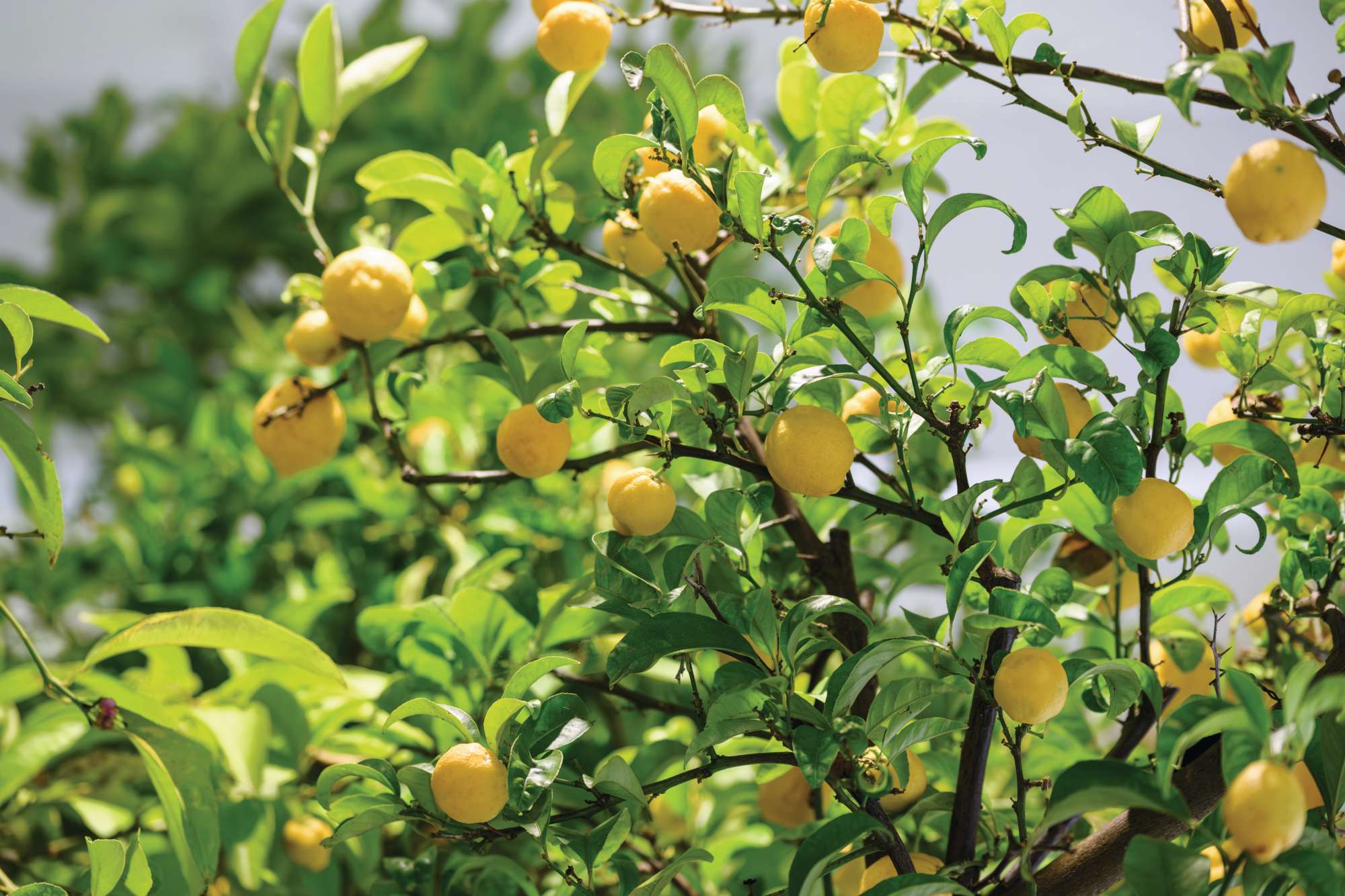
In the UK, citrus will need overwintering in a greenhouse, but climate change has encouraged some outdoor plantings in favoured microclimates. The Isle of Wight off the coast of southern England has become a centre for experimentation. Both a Citrus x limon ‘Garey’s Eureka’ and a Citrus x aurantium ‘Bergamot de Versailles’, which were planted in 2000 and 2002 respectively, flower and fruit prolifically against a wall at Osborne House, and at nearby Ventnor Botanic Garden, a 15-year-old collection of six calamondins and one lemon fruit regularly. In 2025, a new grove of mandarins, oranges, grapefruit and other species, including Buddha’s hand, Citrus medica ‘Fingered’, was added, with more to follow.
If you’re tempted to experiment with outdoor plantings, make sure you have a favourable, sheltered, sunny, warm, frost-free microclimate in a southern location. Outdoors, the UK’s only truly hardy species is Citrus trifoliata, which makes an excellent deer- and intruder-proof hedge. The small fruits can be turned into marmalade, but thorny stems make them challenging to harvest, so it’s best grown for its white flowers and novelty value.
Most citrus fruits can stand outdoors in summer, once the danger of frost has passed, but will need bringing back into the greenhouse well before first frosts. One of the most popular is Citrus x limon ‘Lunario’, known as the four seasons lemon, which has attractive deep-pink buds and offers year-round interest through flowers and fruit at various stages of maturity.
Although they are usually displayed as stand-alone specimens in traditional terracotta pots or Versailles planters, on terraces or edging paths in formal gardens, there is anecdotal evidence to suggest that plants are happier when their branches are touching, as they would in a grove.
While cold temperatures, lack of nutrients and drought can all affect citrus trees, by far the biggest killer in the UK is overwatering.
You might also like:
Here is our advice on growing citrus trees, including suggestions of the best varieties to grow.
How to grow citrus
How and when to plant citrus
Plant trees in spring, at the same depth that they were in the nursery pot, to give them time to settle before winter. The roots are delicate, so tease out with care.
Grow in peat-free John Innes No.3 compost with 20 per cent added grit or sharp sand. Raise pots on feet or stand on a permeable surface to avoid waterlogging and subsequent root rot. Repot into fresh compost in late spring and into pots one size larger.
Pinch out shoot tips in spring to encourage branching. Ensure good air circulation by removing dead, diseased, weak, thin or crossing branches.
How and when to water citrus
To water, soak the root-ball thoroughly using tepid water, especially in winter, and allow the excess to drain away. You can reduce the effect of hard tap water on compost by applying sulphur three times a year for a slightly acidic pH; don’t use softened water.
Keep the compost on the drier side if temperatures remain low. Leave plants to almost dry out before rewatering. Water if the leaves are lacklustre or the developing fruit becomes soft.
Citrus trees like water on their leaves, so mist or spray with tepid water, preferably early in the morning, once a week, all year. Indoor calamondin can stand on a tray of aggregate filled with water, or be lightly misted every few days.
When to feed citrus
Citrus need feeding every time you water, ideally using a year-round formulation. A monthly foliar feeding at the same time and during winter is highly beneficial and supplementary feeds of specific nutrients, such as urea to provide nitrogen, can be used if necessary.
Where to position citrus
Provide as much light as possible in winter – 12-hour days using LED lights have a dramatic effect on health and growth. The glasshouse should also be ventilated on warmer days, to avoid widely fluctuating temperatures on sunny days.
Increase ventilation in spring to prevent day and night temperature fluctuations and acclimatise plants to the outdoors.
Despite the temptation, less hardy citrus should not be brought into centrally heated houses over winter as they suffer in dry air.
When to bring citrus plants outdoors
Move citrus outdoors in late spring or early summer, initially to a slightly shaded spot, then to their final position in a sheltered, open sunny site. Or place in their final position and wrap with horticultural fleece for ten to 14 days.
Harvesting citrus fruit
Fruits take up to 12 months to ripen and are best stored on the plants and eaten freshly picked. Ripe fruits detach easily from the stems if lifted and gently twisted.
Problems to look out for on citrus
Red spider mite, aphids and scale insect can be managed with organic sprays or biological controls. While leaf yellowing can be caused by lack of nutrients, low temperatures, waterlogging or drought, and leaf loss by low temperatures and waterlogging, particularly in winter.
The best citrus to grow
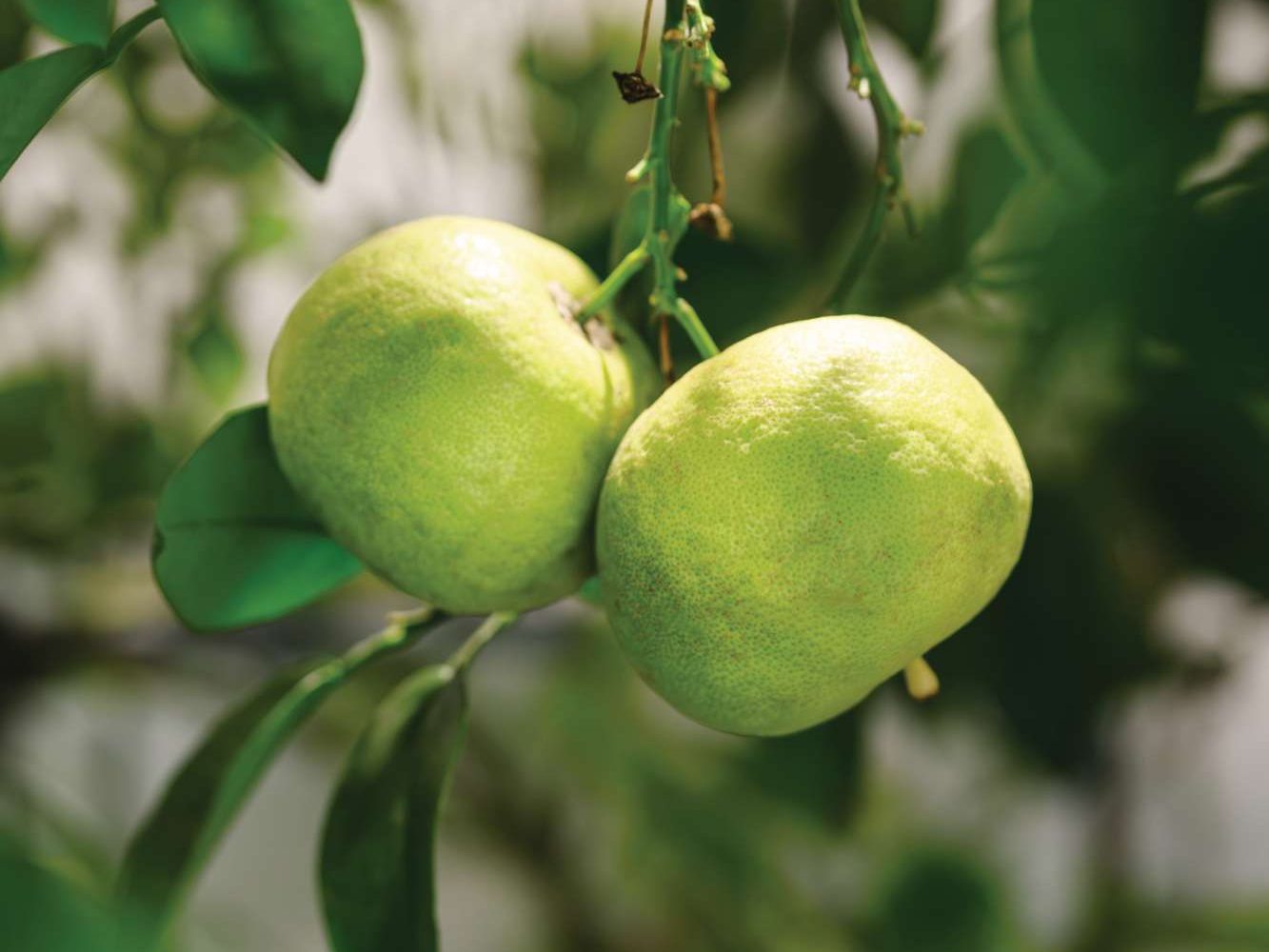
Citrus x taitensis ‘Otaheite’
Known as the rough lemon, this cross between the original wild mandarin and the citron is extremely vigorous and productive. Its small, round, juicy fruits have a bumpy texture to the rind.
Height and spread: 5m x 5m. RHS H1C, USDA 9a-11†.
Citrus x limon ‘Garey’s Eureka’
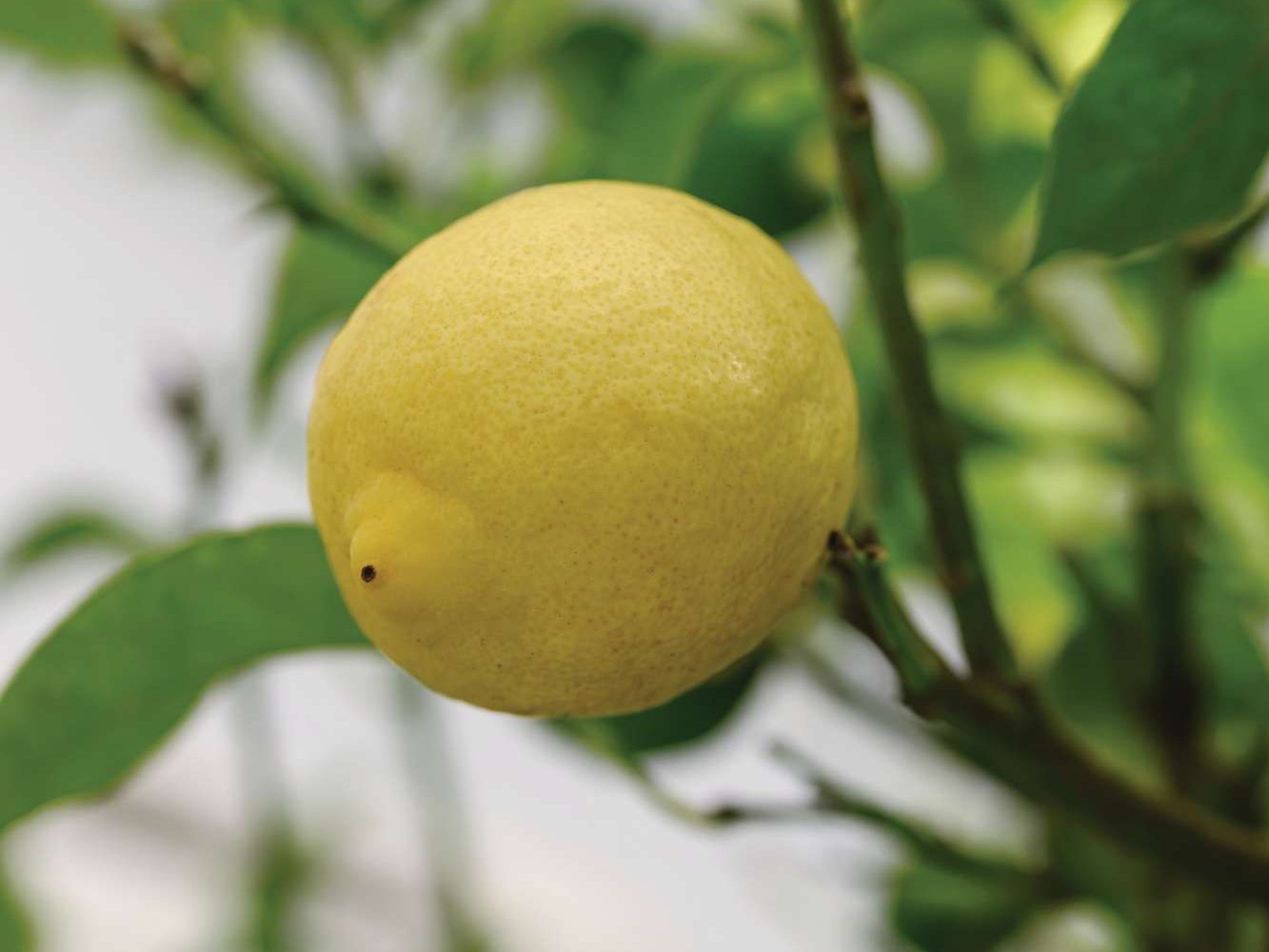
Believed to descend from ‘Lunario’, the lemon of supermarkets. It flowers and fruits prolifically all year round, and is seedless and vigorous with few thorns.
Height and spead: 5m x 5m. RHS H2, USDA 9a-11.
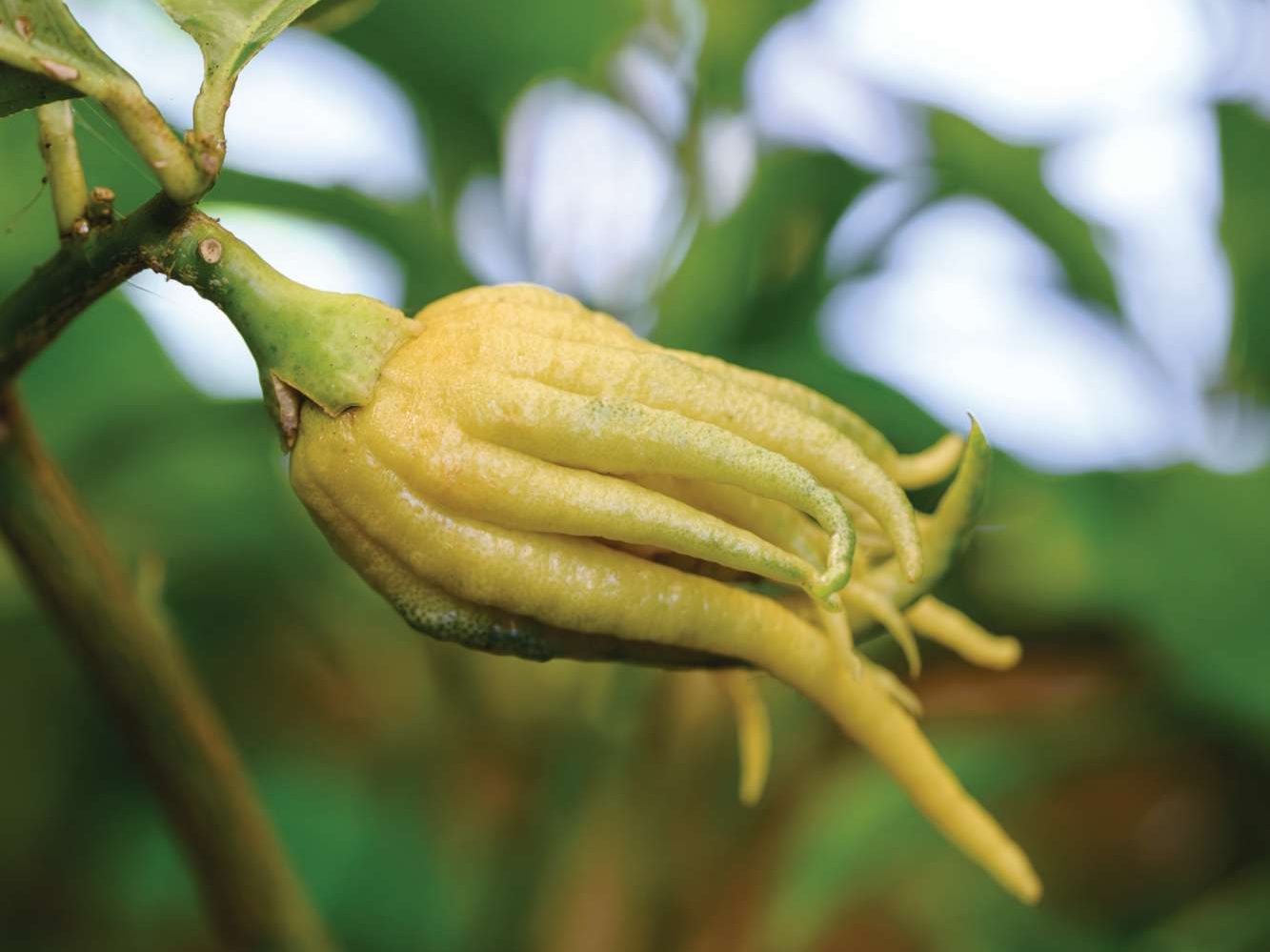
Citrus medica ‘Fingered’
Prized for its ornamental value, the Buddha’s hand lemon produces fruits that contain no juice or pulp and is grown mainly for the exquisite fragrance of its flowers and fruit.
Height and spread: 5m x 5m. RHS H1C, USDA 9a-11.
Citrus medica
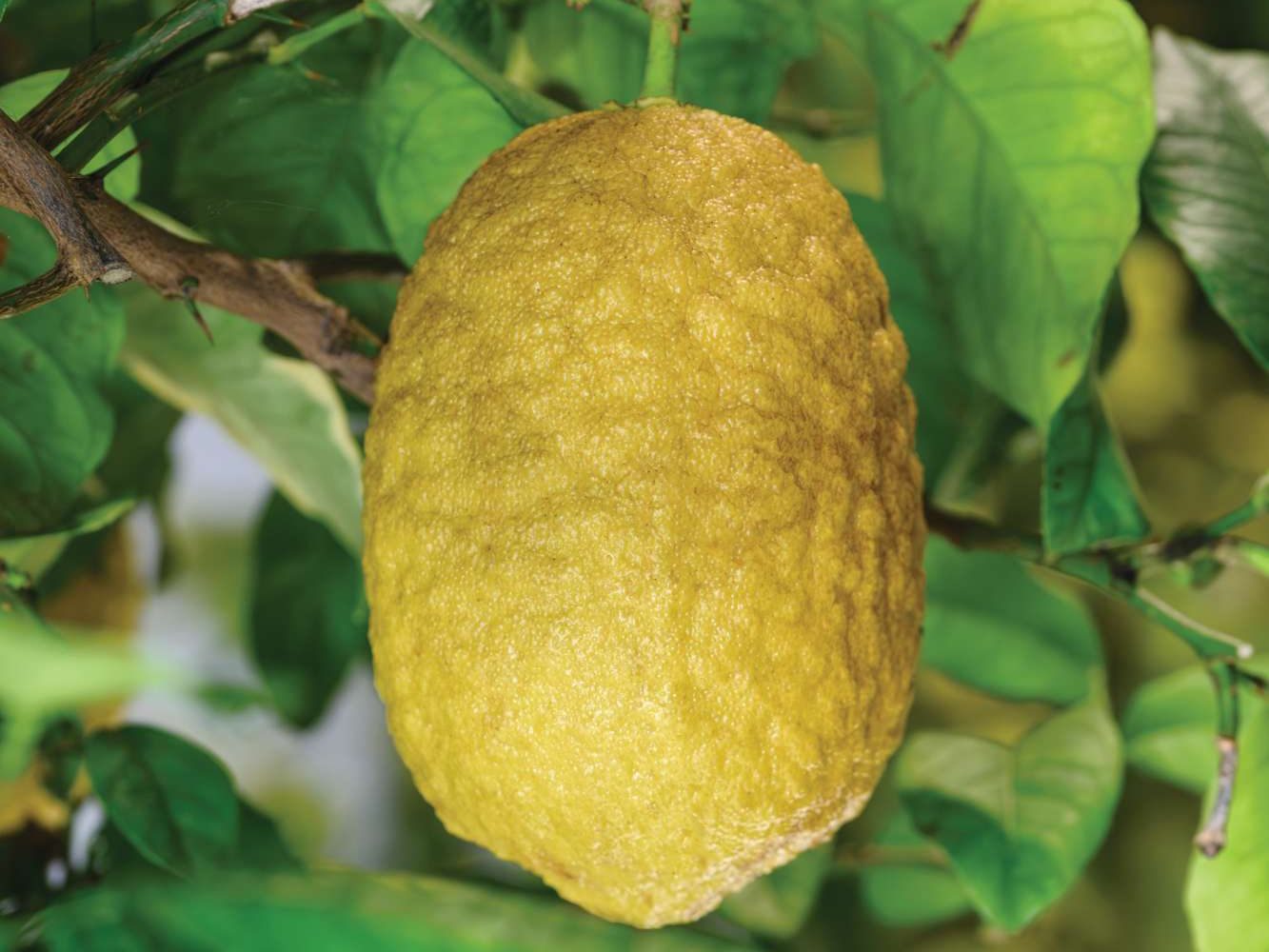
The citron, one of the original ancestral species, has been cultivated since ancient times. Wonderfully fragrant flowers are followed by large fruits with thick bumpy yellow peel.
Height and spread: 5m x 5m. RHS H2, USDA 9a-11.
Citrus x aurantium
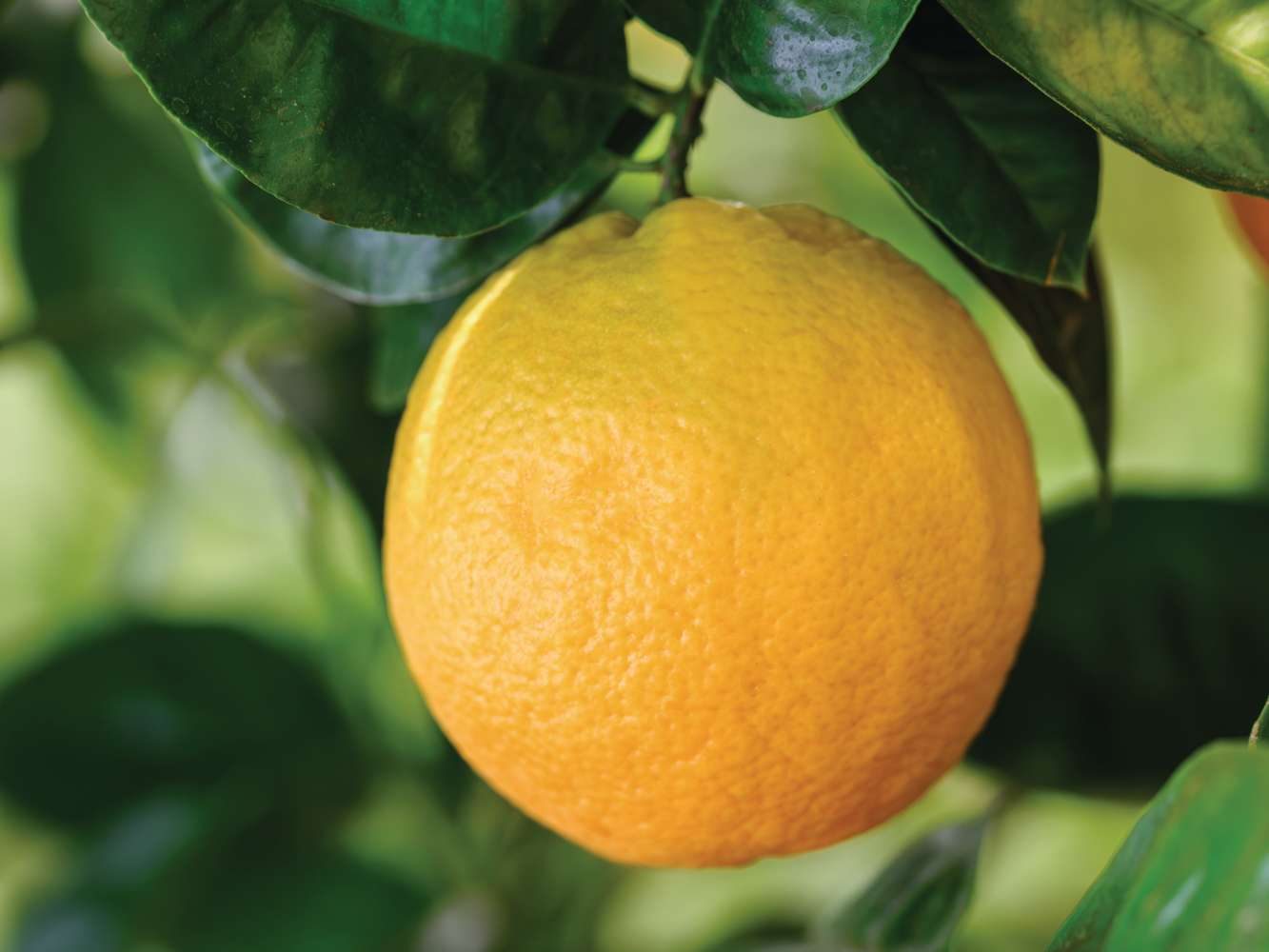
The Maltaise sanguine is a partial blood orange with medium-sized fruit. Almost seedless, it’s juicy and perfect for eating straight from the tree. Regarded as one of the world’s best oranges.
Height and spread: 5m x 5m. RHS H1C, USDA 9a-11.
Citrus x aurantium Tangelo Group
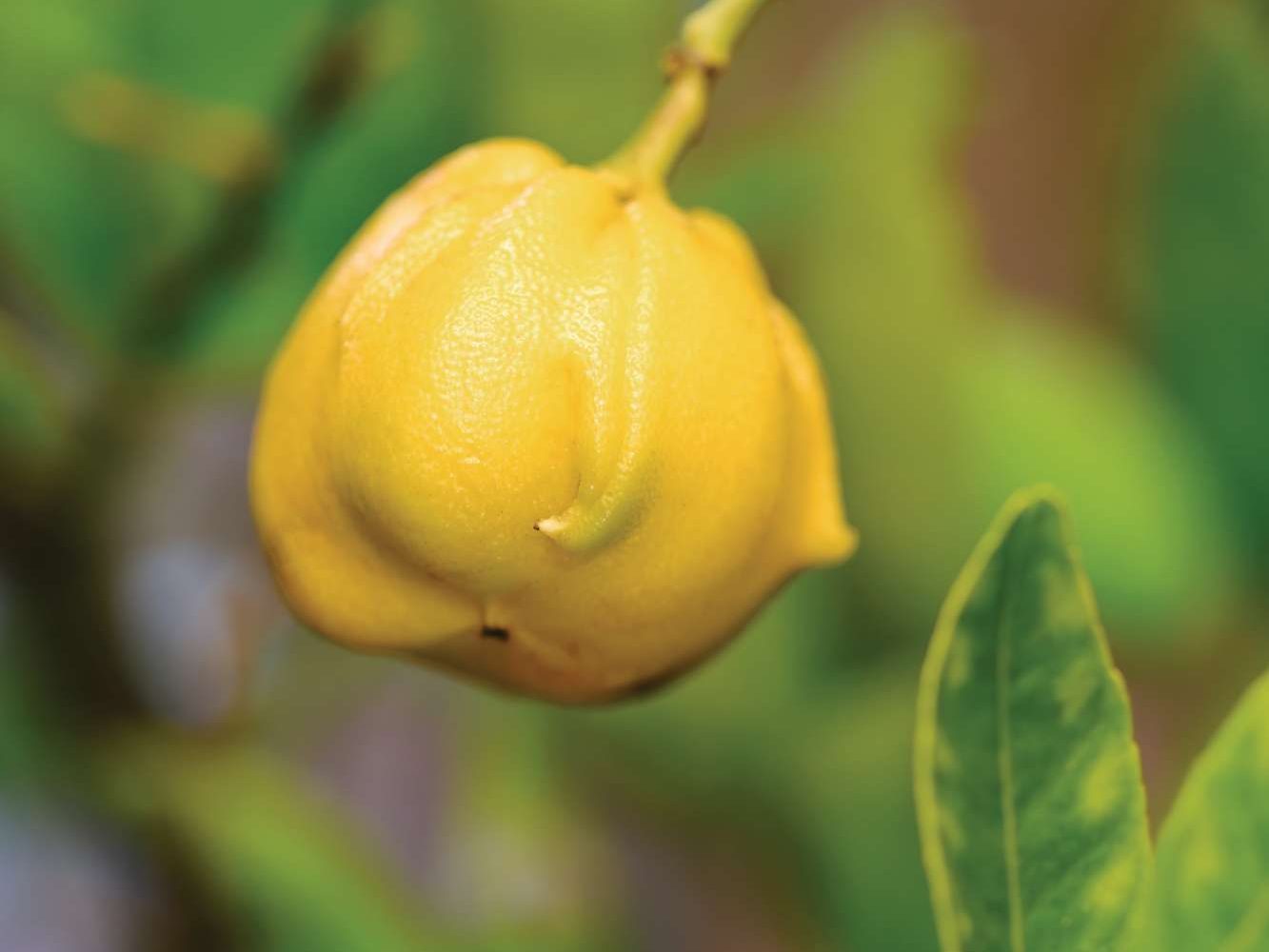
Known as the ugli fruit, the knobbly tangelo is a hybrid of grapefruit and commercially grown mandarin. Its rind is yellow or green and its juice has hints of grapefruit and mandarin.
Height and spread: 5m x 5m.
RHS H1C, USDA 9a-11.
Citrus x limon ‘Meyer’
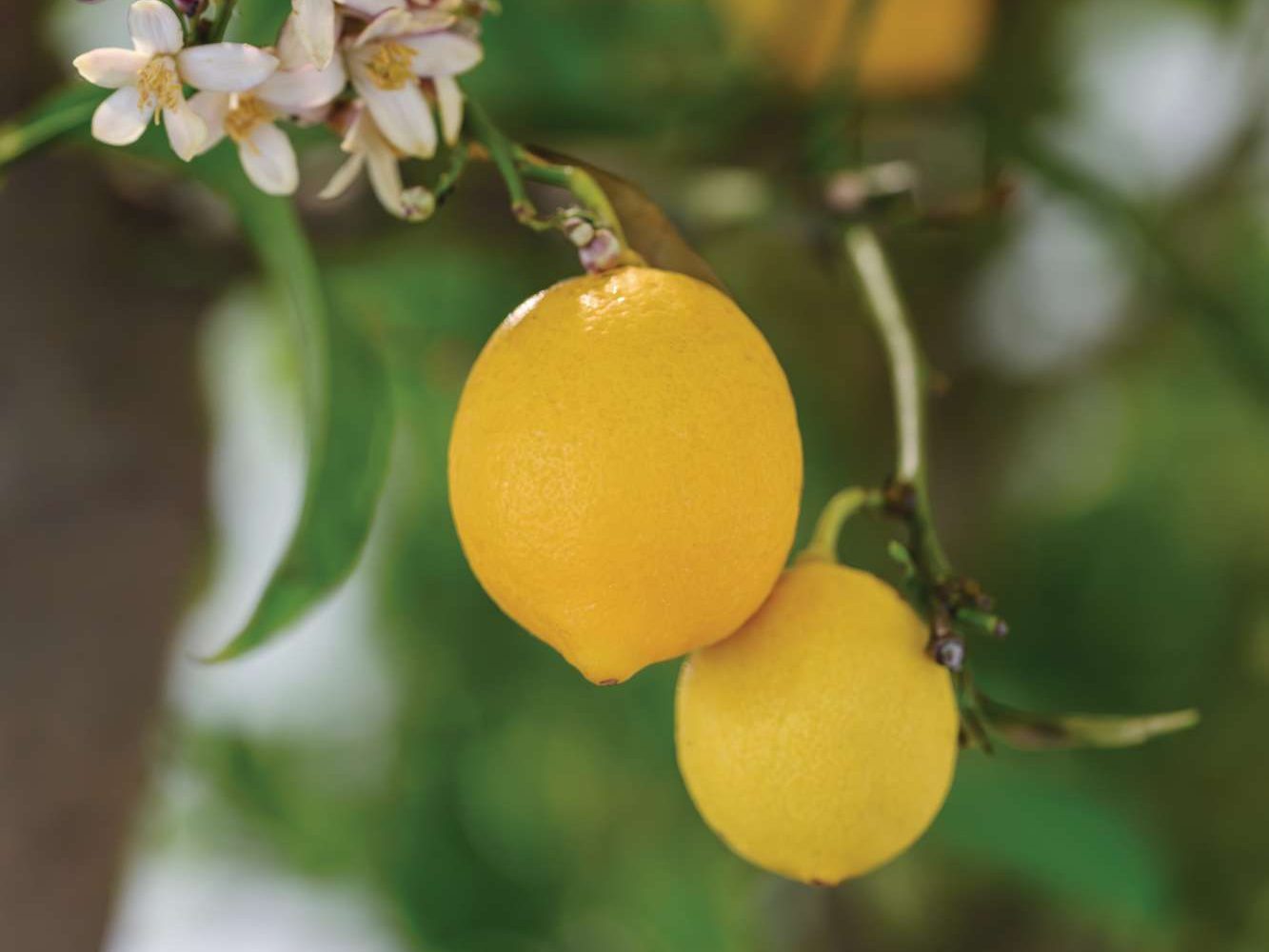
The Meyer lemon’s small fruits have thin, orange-yellow skin and sweet juice with a slight mandarin flavour. Highly productive, and small and bushy, it can be grown as fruiting hedges where conditions permit.
Height and spread: 5m x 5m.
RHS H2, USDA 9a-11.
Citrus x taitensis
A hybrid between a mandarin and citron, with small, bright-orange fruits and aromatic leaves. Known as the Rangpur lime, it’s not a real lime, but its juice is very acidic so it’s often used as a lime substitute.
Height and spread: 5m x 5m.
RHS H1C, USDA 9a-11.
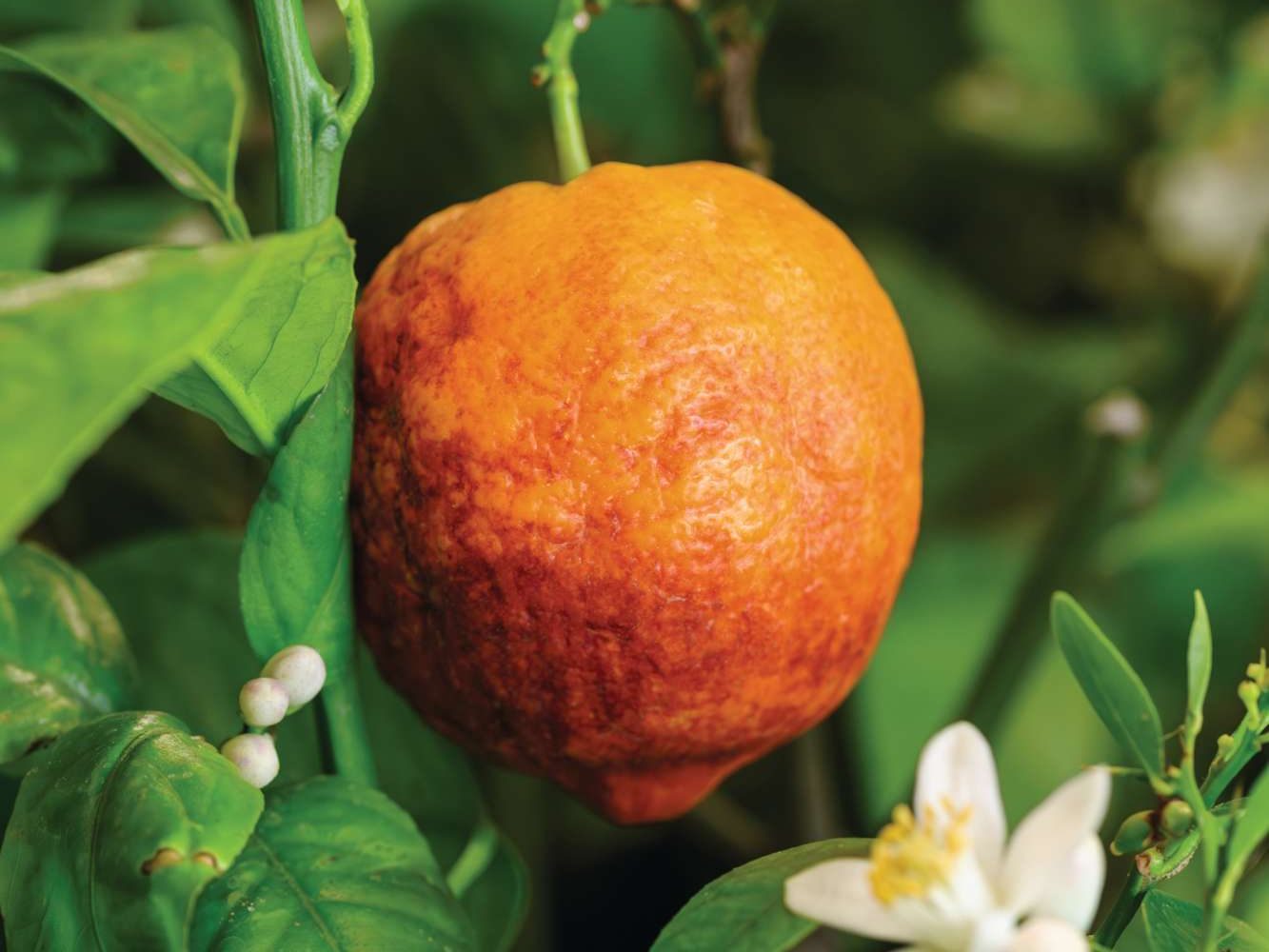
Citrus ‘Arcobal’
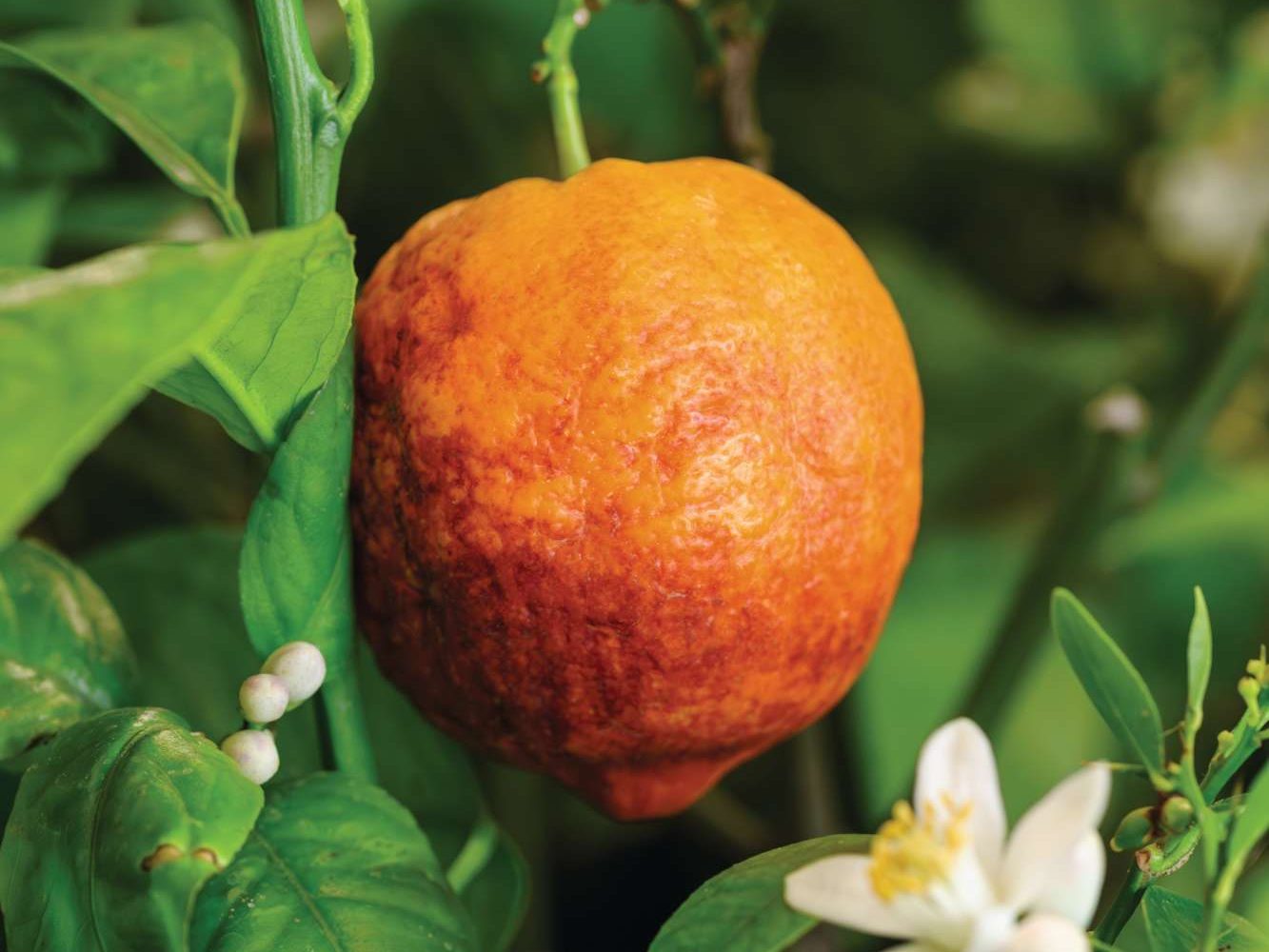
This hybrid between the Meyer lemon and a blood orange has orangeshaped fruits, with striking orange and red markings on the skin. The flavour is not as sweet as an orange. Trees are not overly thorny.
Height and spread: 5m x 5m.
RHS H1C, USDA 9a-11.
Citrus x microcarpa
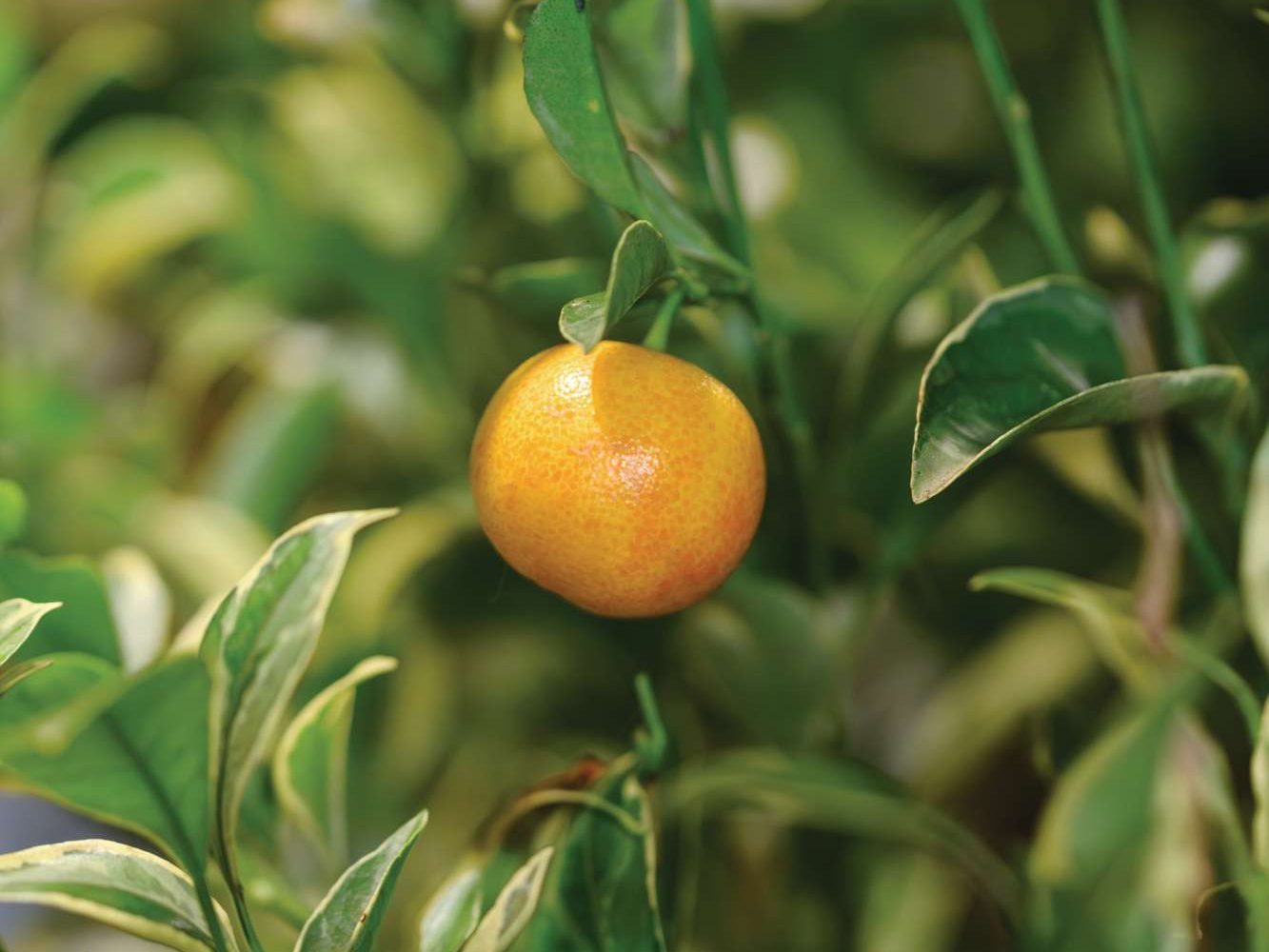
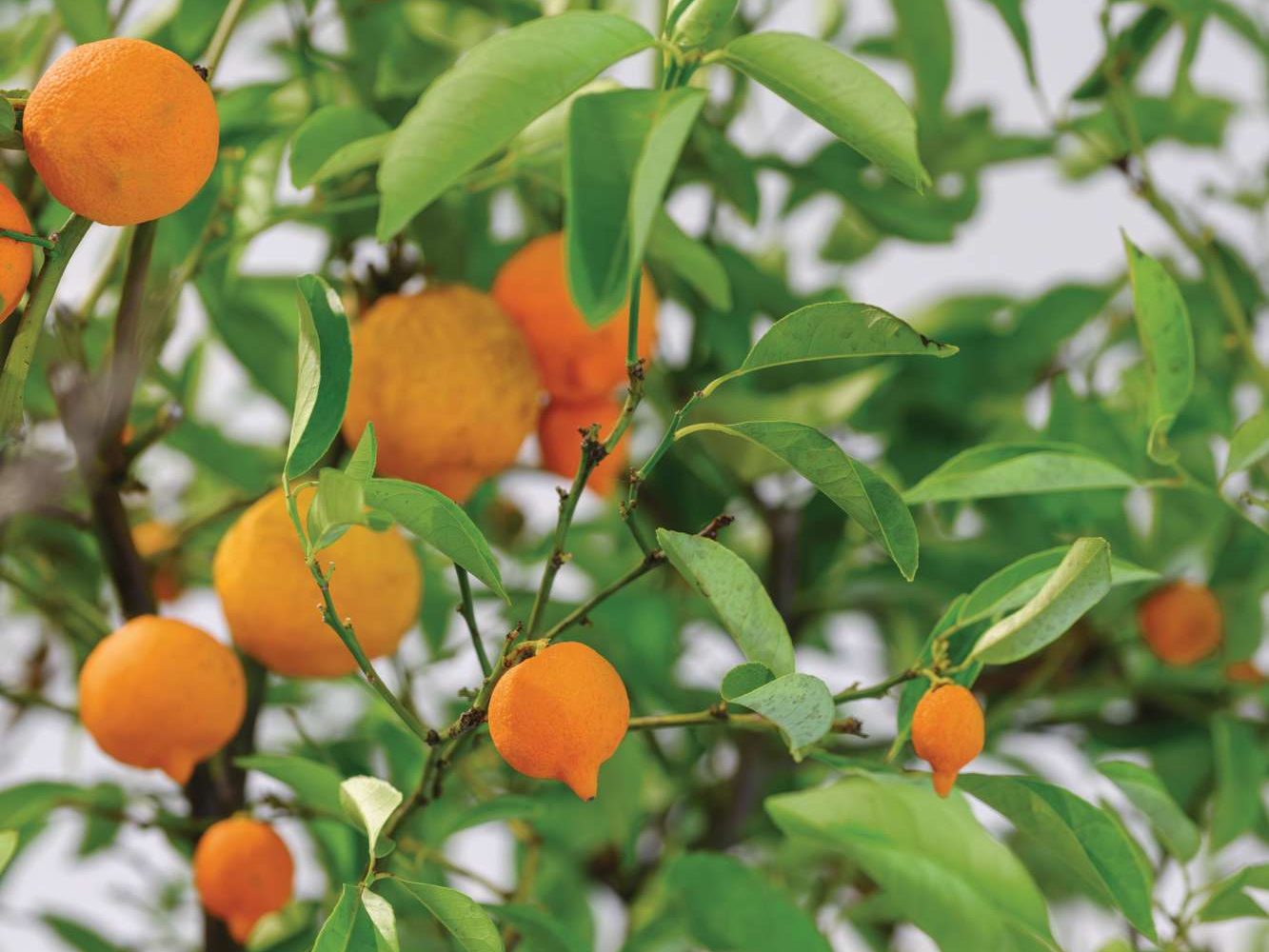
The calamondin is a small, sour, orange-like fruit often used for jams and citrus flavouring. It is very productive and constantly in flower and fruit, so highly ornamental.
Height and spread: 5m x 5m.
Award of Garden Merit.
RHS H3, USDA 10a-11.
Citrus australasica
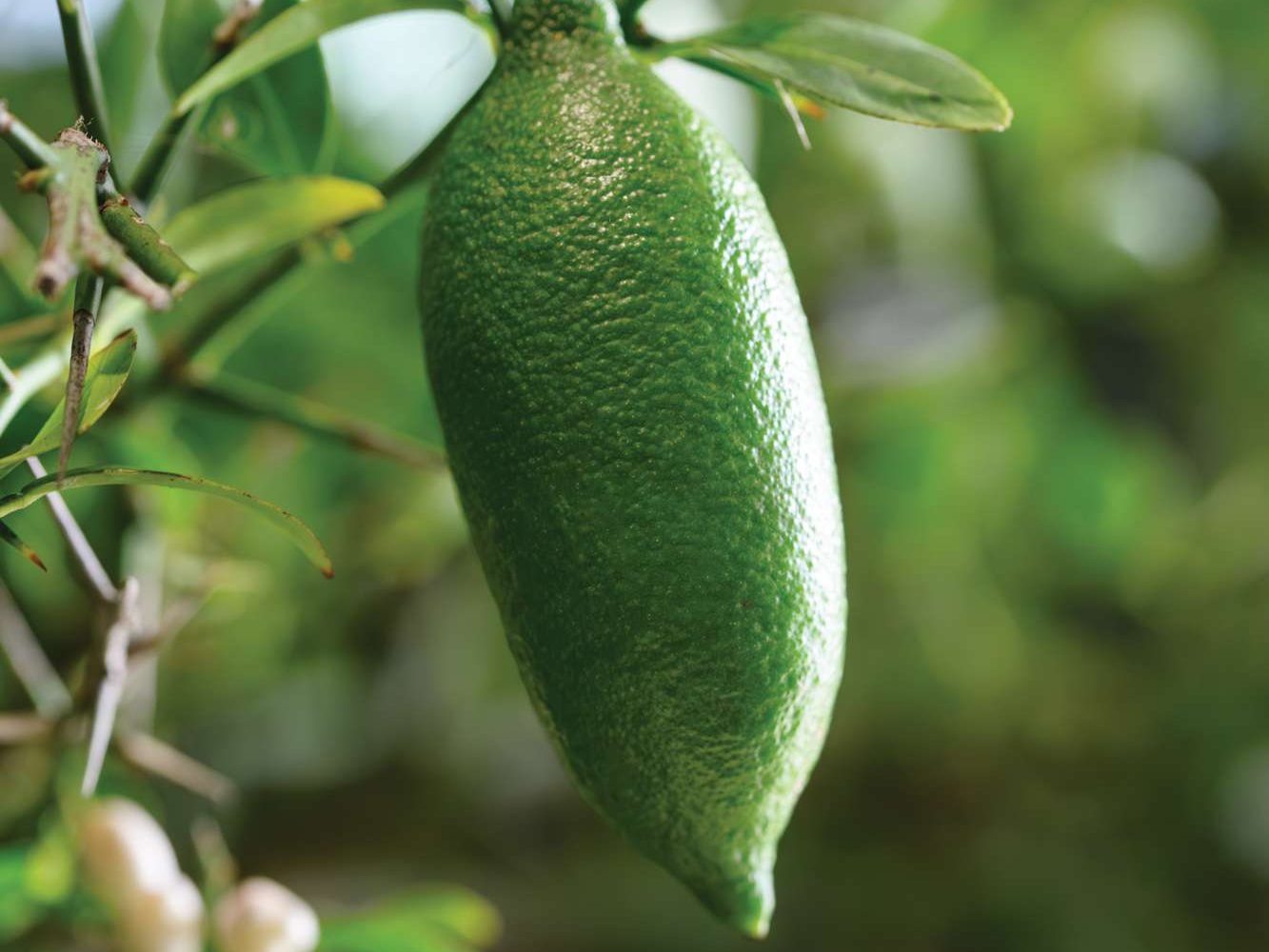
Known as the caviar lime for its rounded vesicles that pop, releasing a tangy and acidic flavour. Extremely thorny, its sausage-shaped fruits can be green, pink, red or yellow.
Height and spread: 5m x 5m.
RHS H3, USDA 9a-11.
Citrus x junos
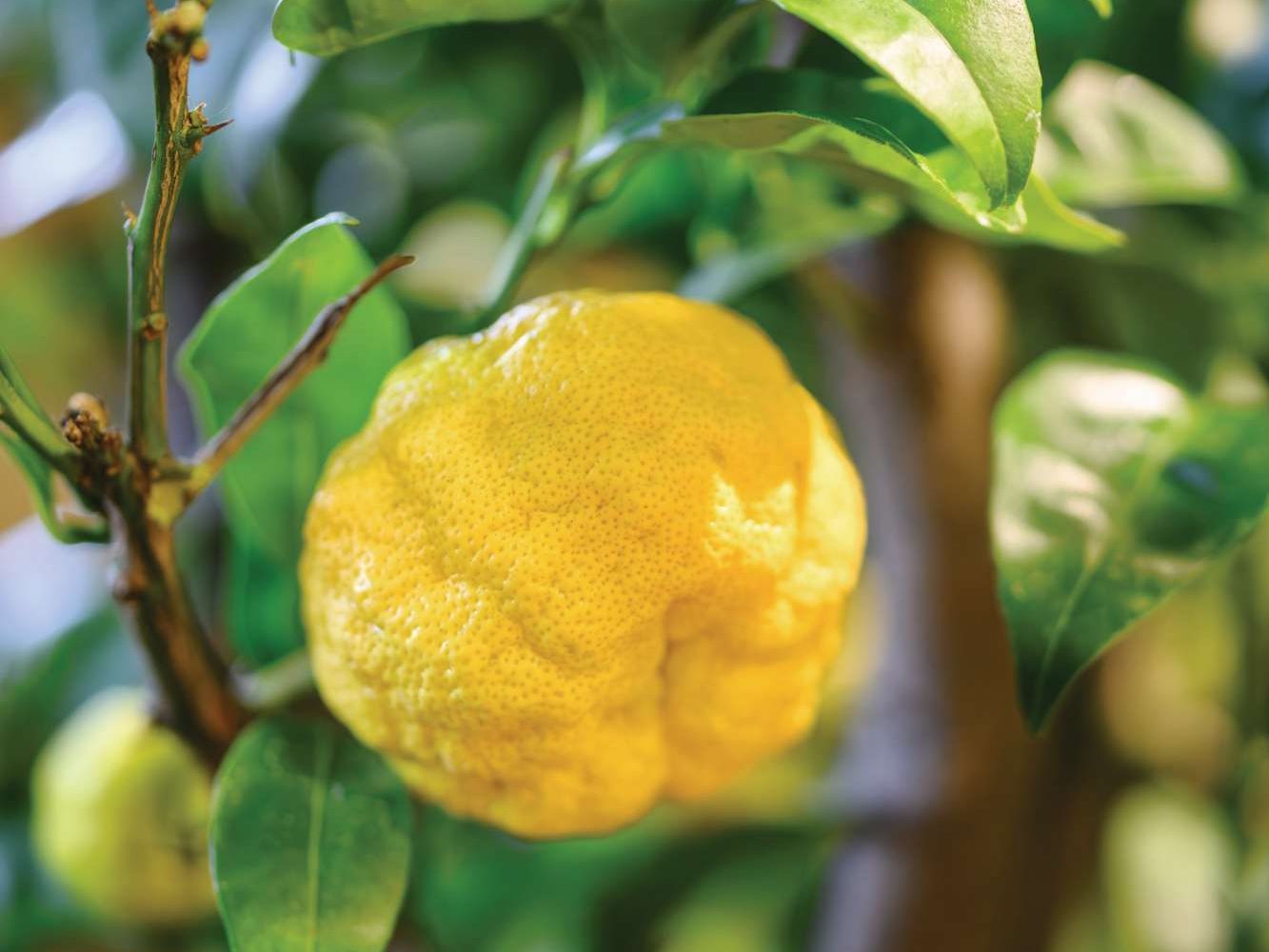
A small orange-shaped fruit, the yuzu contains three times more vitamin C than a lemon. The unique flavour, similar to mandarin, has a spicy bitterness and intense aroma.
Height and spread: 5m x 5m.
RHS H3, USDA 7a-10b.
Citrus x aurantium ‘Oroblanco’
This Californian hybrid between a pomelo and a grapefruit is less bitter than most grapefruits and potentially more successful in cooler climes.
Height and spread: 5m x 5m.
RHS H1C, USDA 9a-11.
Citrus x latifolia
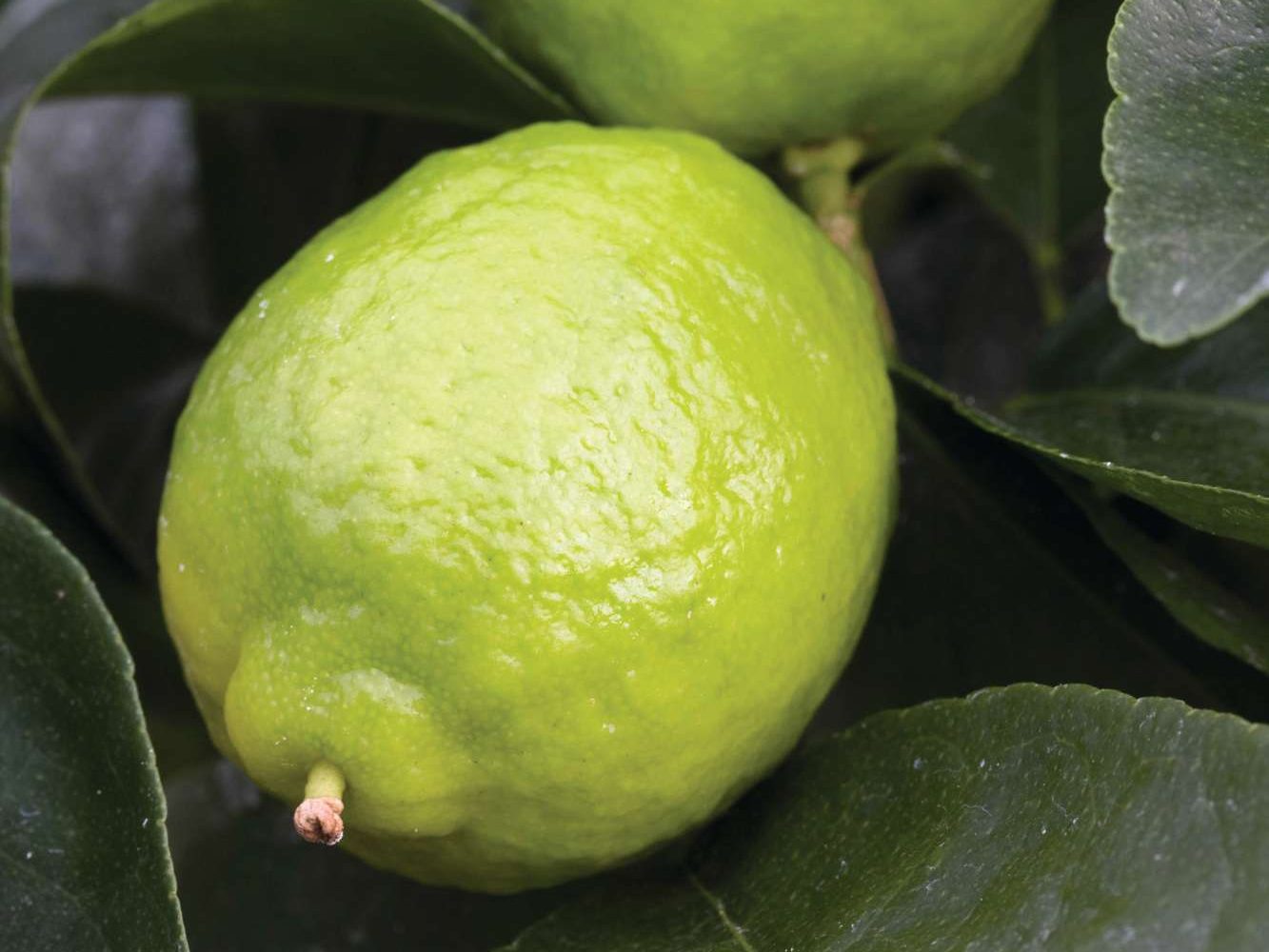
A widely cultivated commercial crop with exceptionally fragrant leaves, peel and fruit. Fruits are generally yellow when ripe; trees are vigorous and almost thornless.
Height and spread: 5m x 5m.
RHS H1C, USDA 9a-11.
Citrus x limon ‘Limetta’
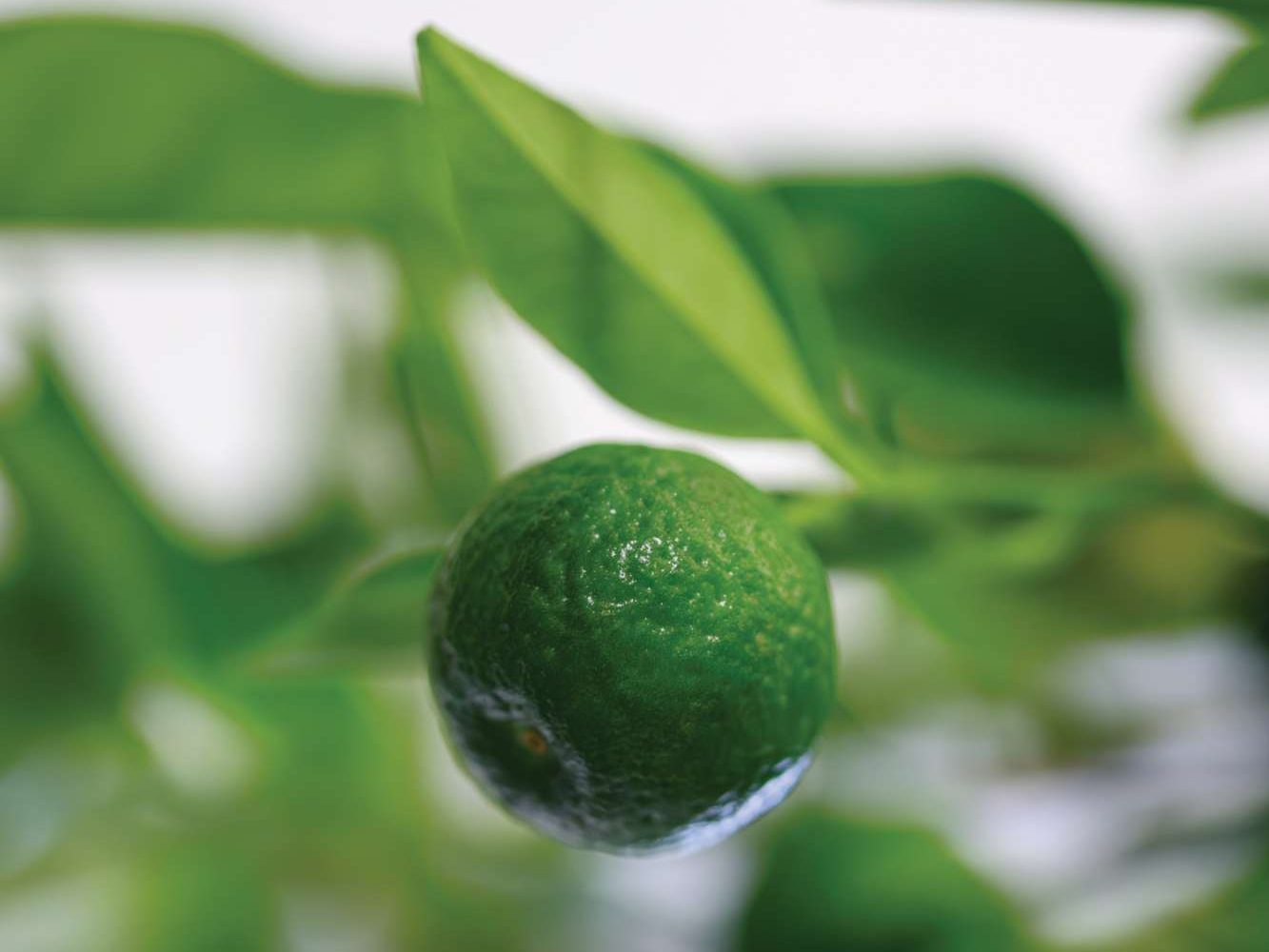
Compact growth and abundant cropping make the Pursha lime an ornamental favourite. The small, round, juicy fruits have a pleasant bittersweet flavour, with sugary undertones. Ideal for desserts.
Height and spread: 5m x 5m.
RHS H1C, USDA 9a-11.
Citrus x limon ‘Variegata’
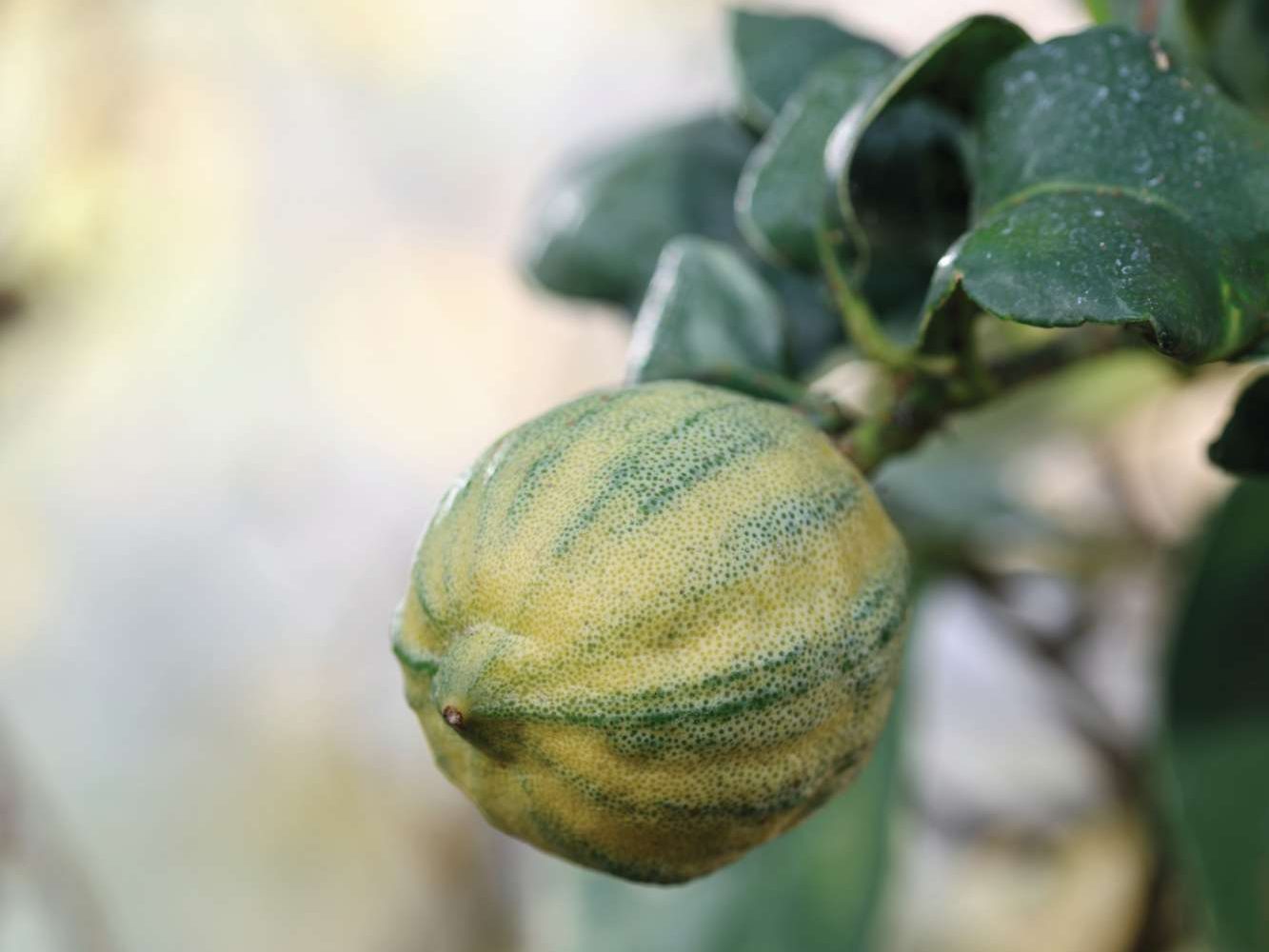
This striking lemon provides year-round interest through yellow variegation on the leaves and oval, green-striped fruits that gradually change colour over time, until they become almost completely yellow.
Height and spread: 5m x 5m.
RHS H2, USDA 9a-11.
Photos Jason Ingram