People are fascinated by plants, not just for their form or their scent – but for their danger. Of the 350,000 visitors to Alnwick Castle in Northumberland every year, a not insignificant number aren’t coming for the Harry Potter location, but to see its famous Poison Garden.
Kept carefully under lock and key, the garden hosts around 100 toxic, intoxicating or narcotic plants. Many you certainly wouldn’t expect to find at the garden centre – some even need protective suits to handle them!
Most people are aware of a handful of plants that it pays to be cautious around – with deadly nightshade the clue is in the name and yes, you can easily buy it to sow in your garden if you wish. However, there are some really common garden plants and shrubs that many of us have that we could all do with taking a little extra care around.
Happily, when you buy your plants from the garden centre, most of them will carry labels to let you know exactly how they should be handled. How the garden centres know what to label is down to a list updated every year by the Horticulture Trades Association, or HTA. A version of this is available to the general public from the HTA’s website, listing a wide variety of commonly used plants and bulbs.
The secret to coexisting happily alongside our more hazardous plants is, says broadcaster, plantswoman and HTA’s chief horticulturalist, Pippa Greenwood, largely down to some common sense.
“You have to look at your garden, and who is going to use it. If you’ve got cats and dogs, you can’t communicate with them in the same way. Similarly, if you have someone who isn’t as mentally capable you have to be more cautious,” she advises.
What this means in practice is moving things out of easy reach by prying fingers and grazing cats and dogs.
“Perspective is important and you need to look at what you can do to reduce risk,” Pippa insists. “If you have something that is a bit hazardous but a generally OK risk, you could plant it at the back of the border and put something in front that is a bit prickly.”
You may also like
Perhaps you may have to exercise a bit of restraint. If there are plants that are particularly tempting – privet, holly, cotoneaster and elder all carrying juicy-looking berries – and that you know no amount of prickly hedging will deter, simply put off planting them until children are a little older and can make the right decision for themselves.
Or, in the case of pets, you may have to come to terms with avoiding certain plants in their lifetime. Cats are particularly adept at getting into all sorts of strange places, so even if you’ve got your Hemerocallis in a pot, up high and out of the way, they could still get the pollen on their fur which can be a significant danger to their health if they ingest it through grooming.
Do your research, Pippa says, “ask questions when you go shopping, read the labels, don’t put something very hazardous next to something that looks similar but is not. Make logical decisions.”
While the HTA’s list is extensive, we’ve compiled a selection of potentially hazardous plants that are commonly available or found in and around our gardens. In some cases, different parts of the plant – seeds, leaves, flowers, berries, sap – vary in toxicity but the safest practice would be to assume that the whole plant is hazardous. To find out more, read on… if you dare!
You may also like
Lily of the valley (Convallaria majalis)
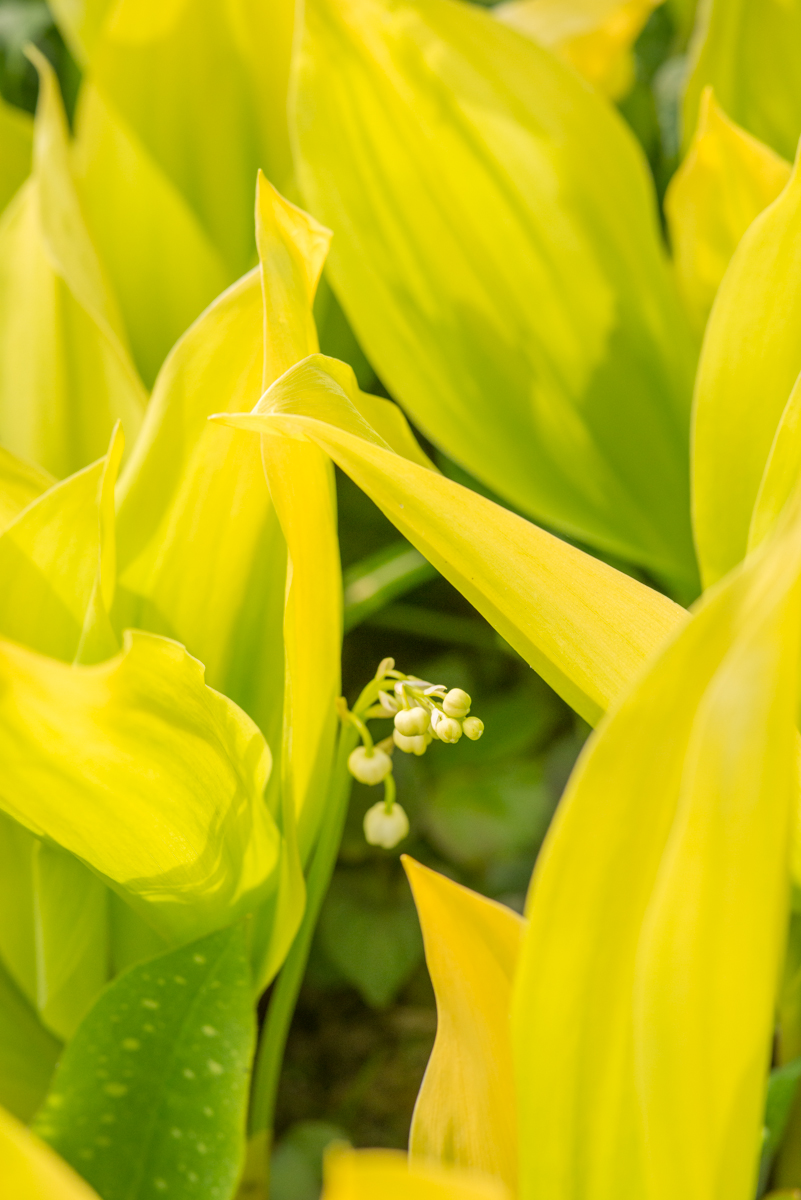
Sweetly scented and a popular inclusion in wedding bouquets, Lily of the valley can cause nausea, vomiting, confusion and an irregular heartbeat if ingested. It can be mistaken for wild garlic.
Foxglove (Digitalis purpurea)
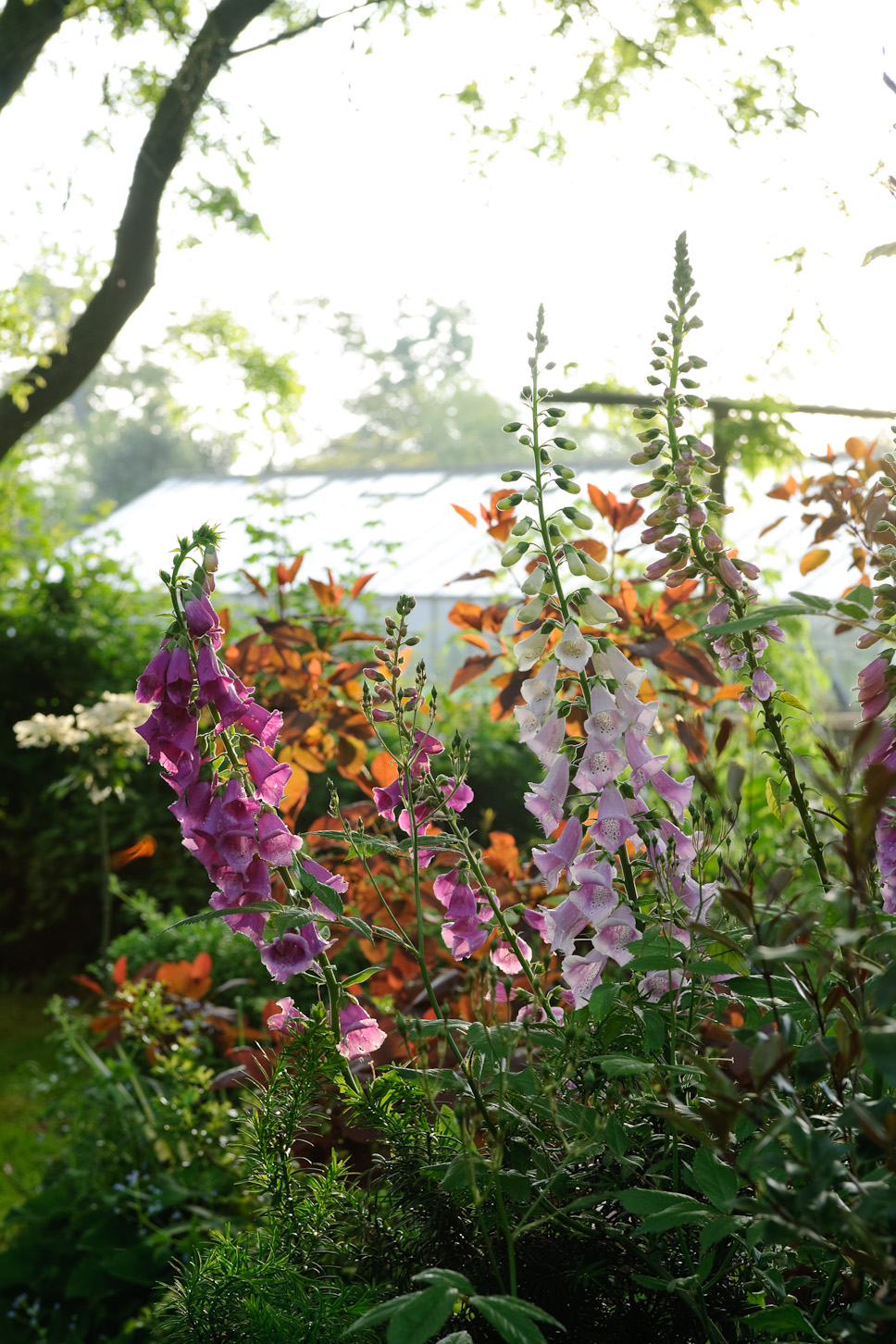
A popular cottage garden plant and self-seeder, can cause dizziness and vomiting if there is hand to mouth ingestion.
Daffodil (Narcissus spp.)
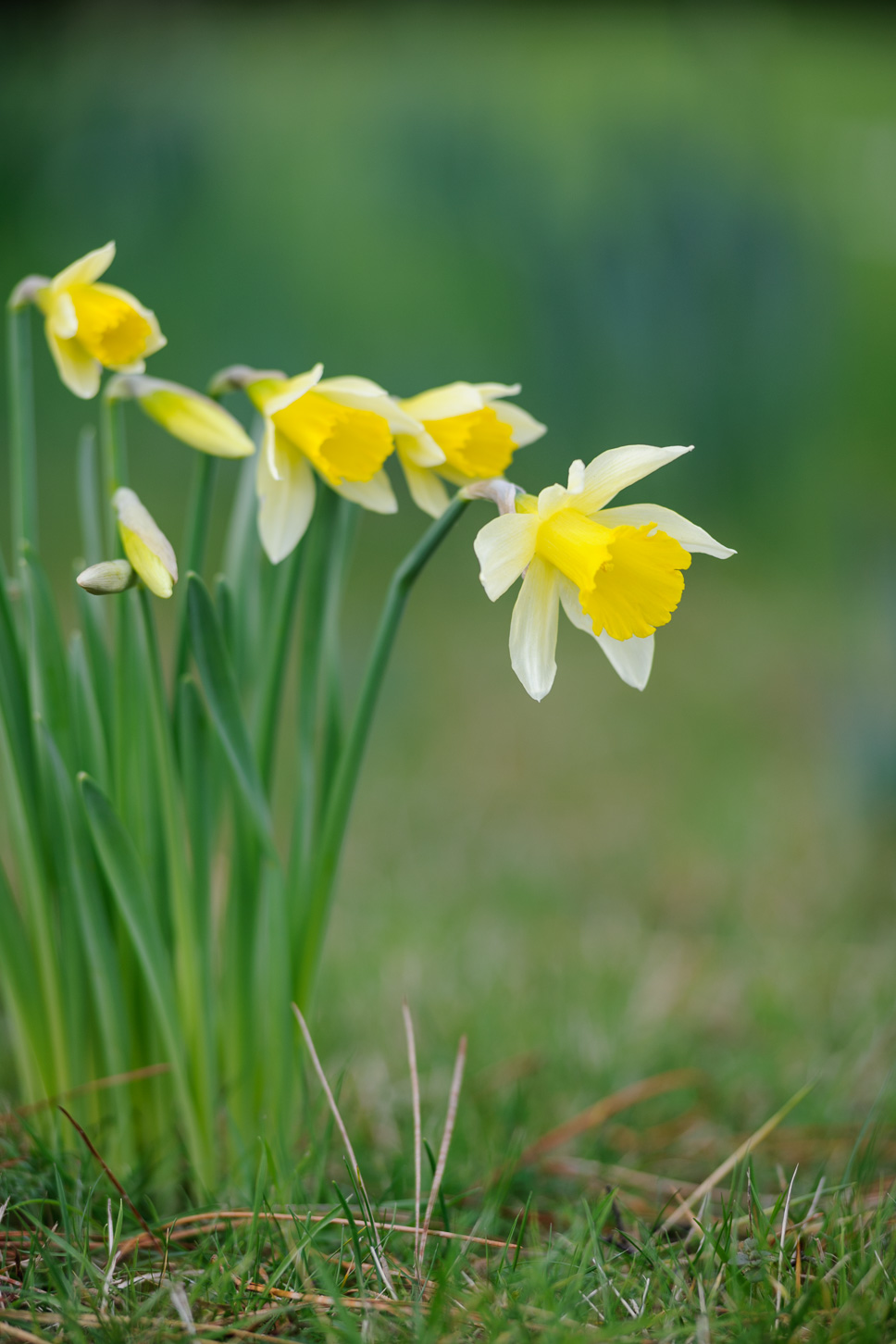
A spring staple, the bulbs are highly toxic and swallowing parts of them can cause heart rhythm problems, vomiting and abdominal pain. Curious pets may dig them up.
Iris (Iris spp.)
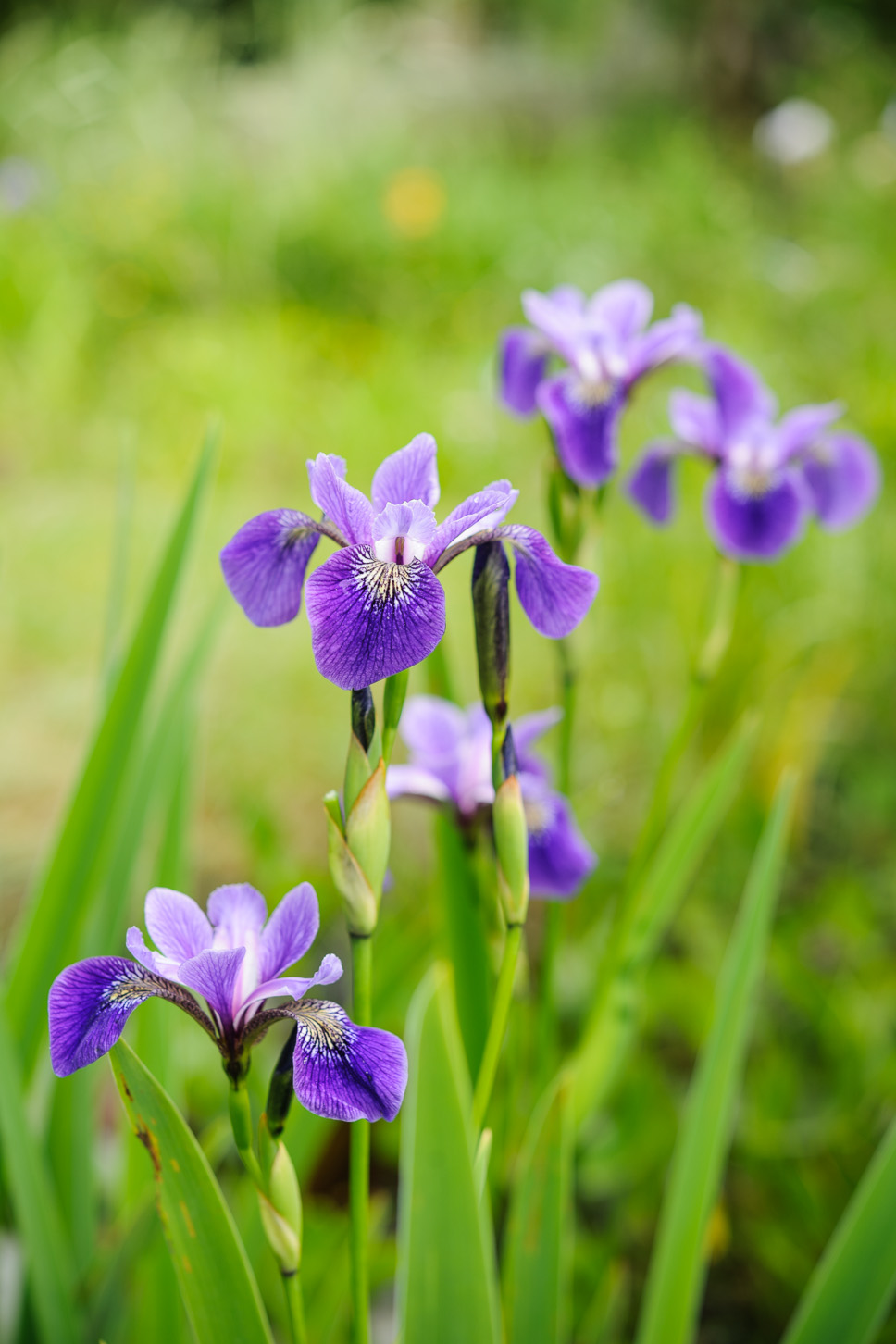
The roots of this delicate spring plant can cause irritation. Dogs may dig up and chew rhizomes which can cause drooling and vomiting.
English yew (Taxus baccata)
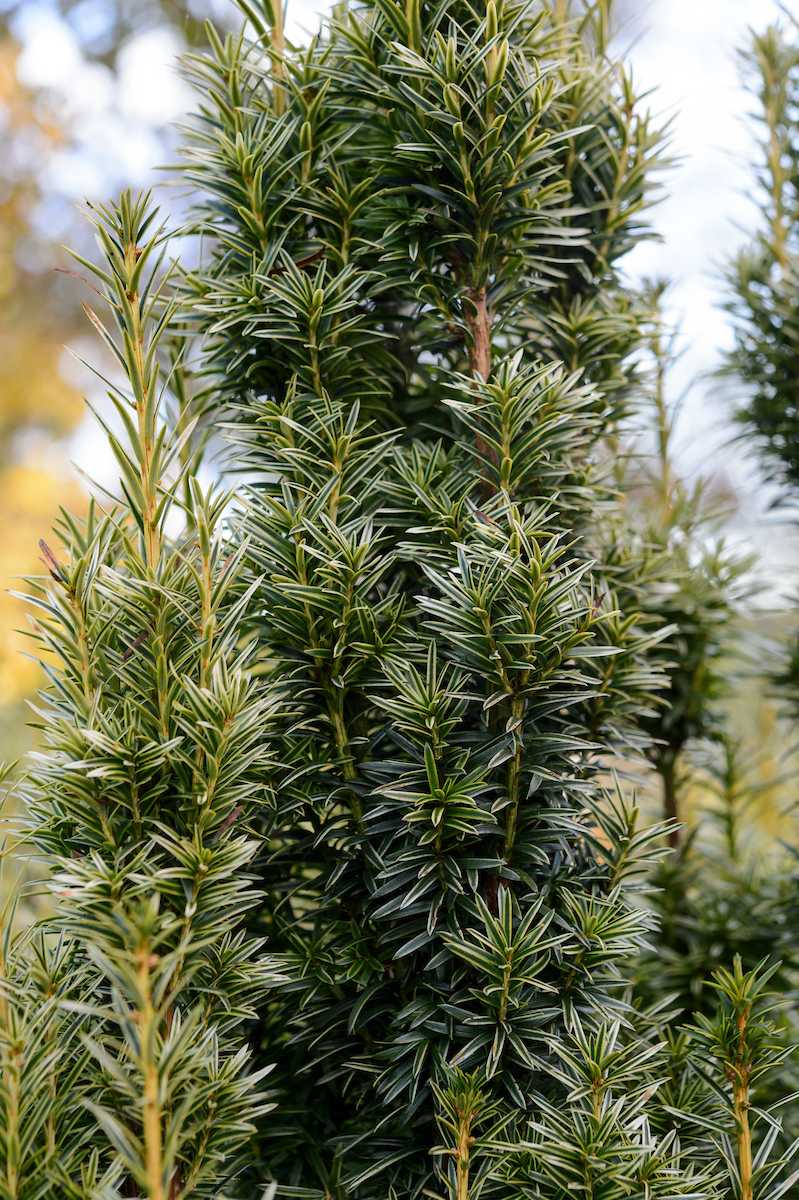
Clippings of this common garden hedge could be chewed by pets and ingestion can cause tremors or seizures that could be fatal in pets. Berries may be attractive to young children with the seeds being the most toxic part.
Wisteria
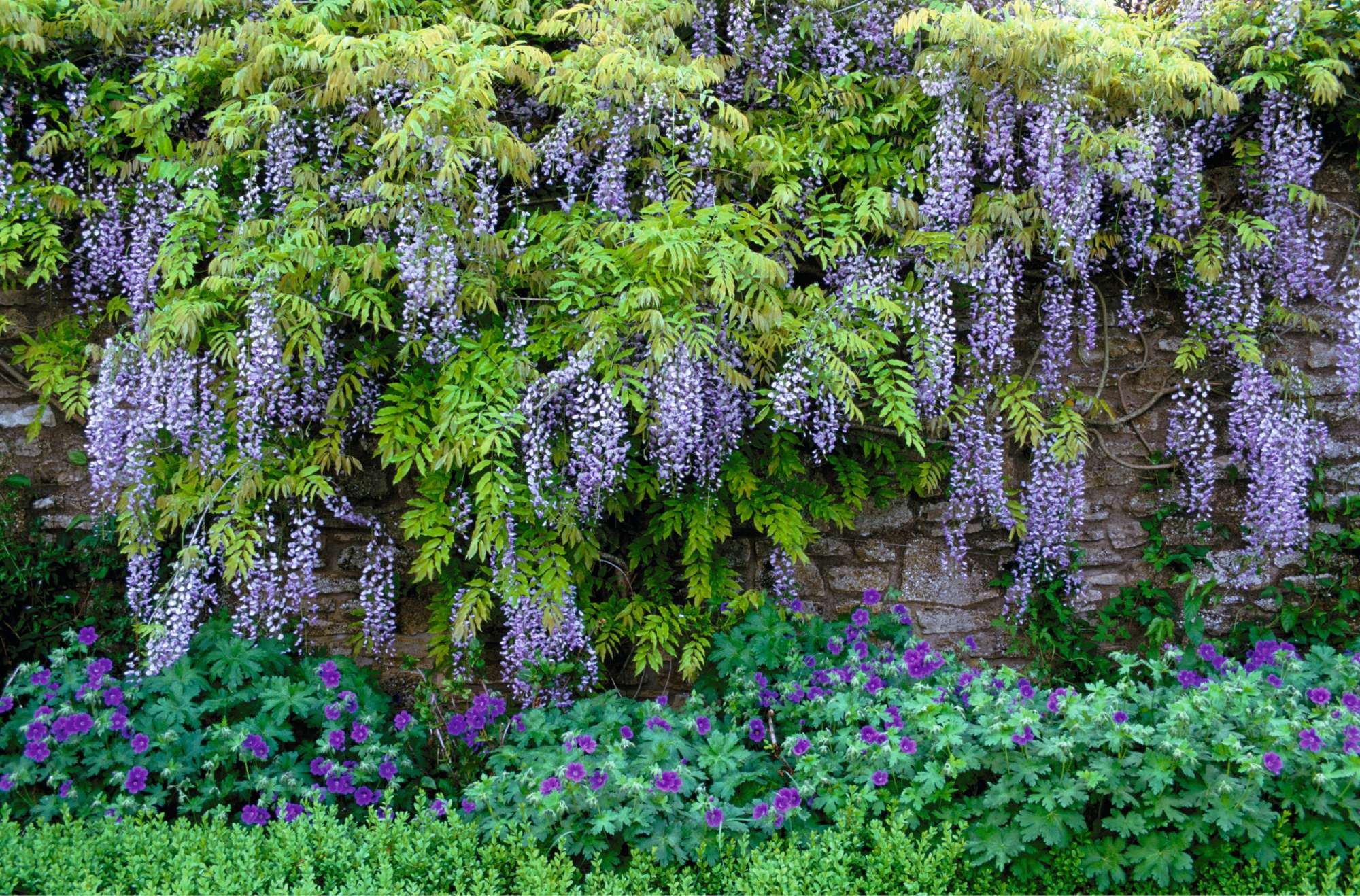
It’s not the flowers but the seeds that are most likely to cause trouble with this typical spring and summer plant as they dangle or drop to the ground. Can cause vomiting and diarrhoea.
Hydrangea
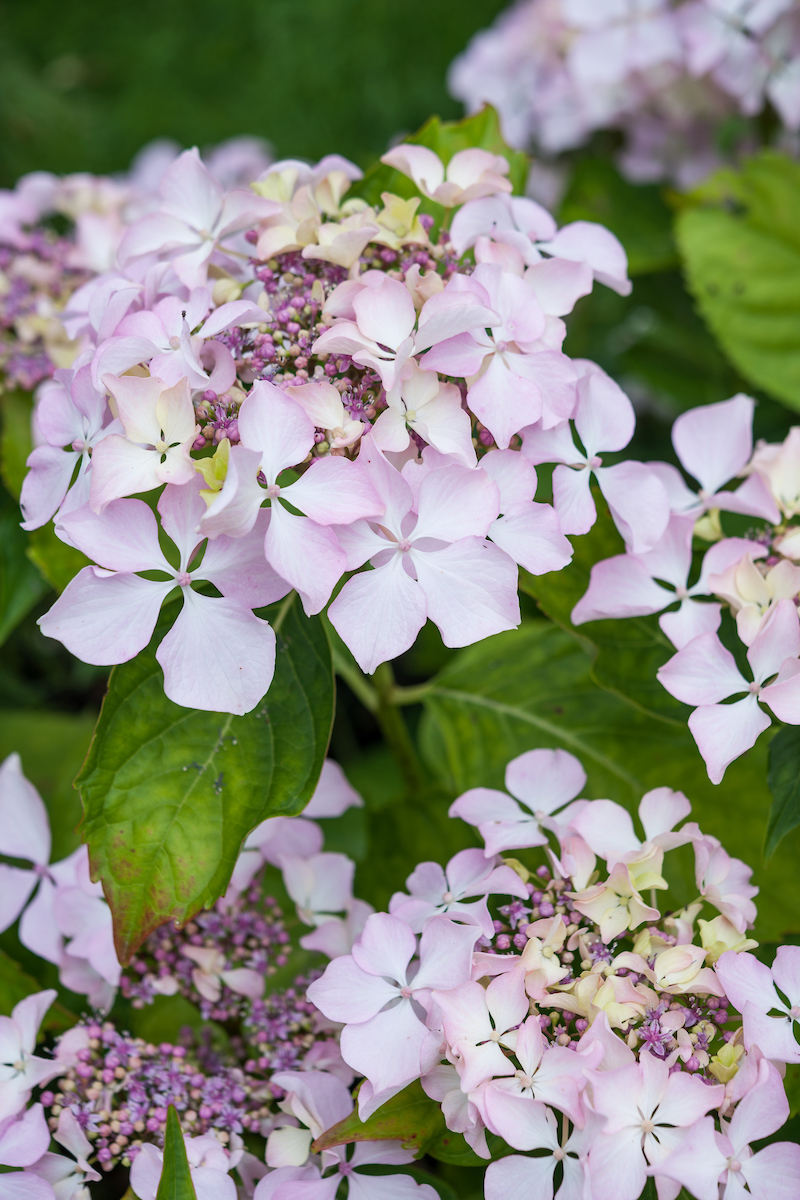
Pets may chew the leaves or flowers of this plant but the risks of significant harm are quite low. Vomiting is possible but if large amounts are consumed it could lead to lethargy and confusion.
Rhododendron / Azalea
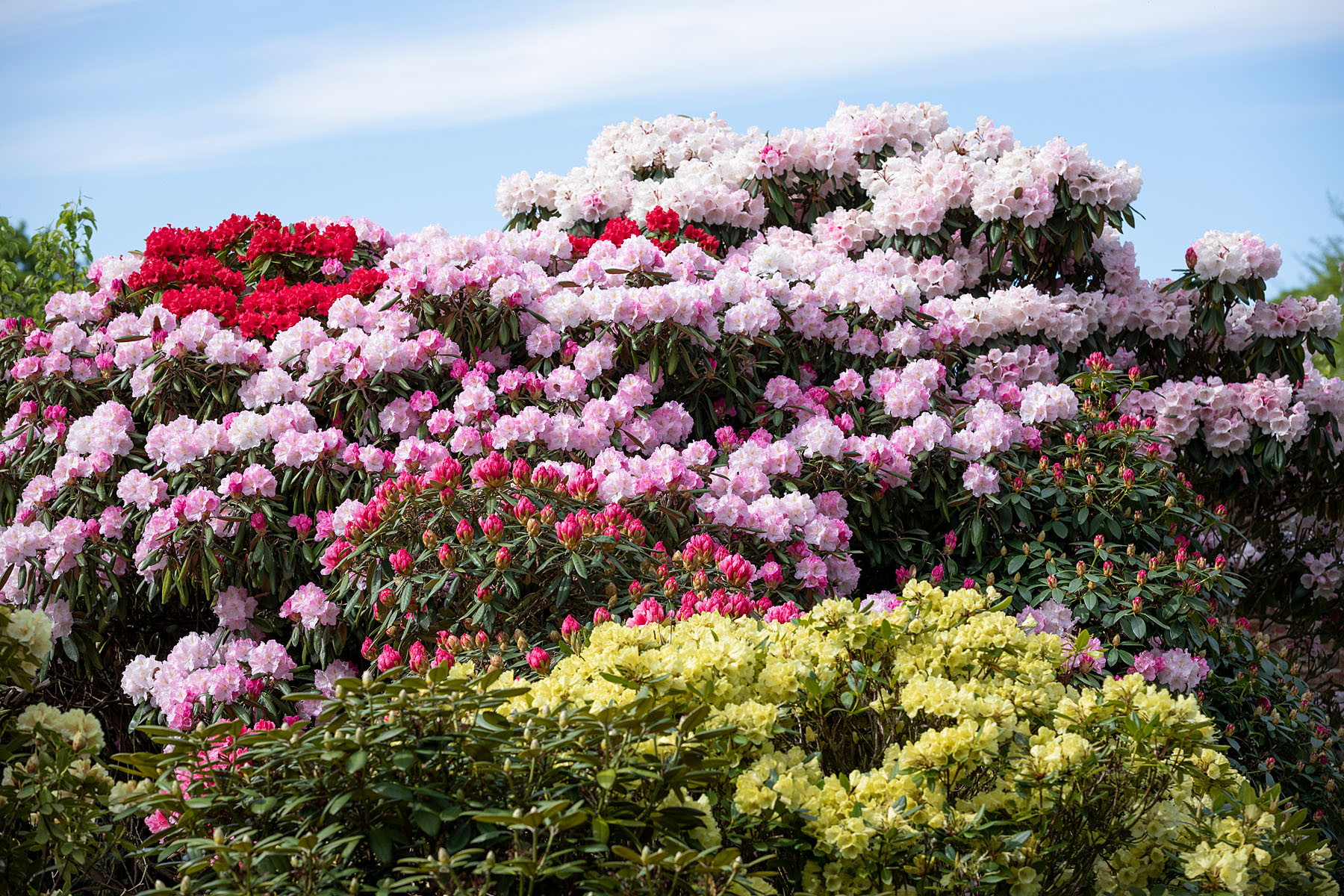
Unlikely to be consumed by humans, pets grazing these woody plants are the biggest danger. If animals eat the leaves, it could result in drooling, vomiting and low blood pressure.
Ivy (Hedera helix)
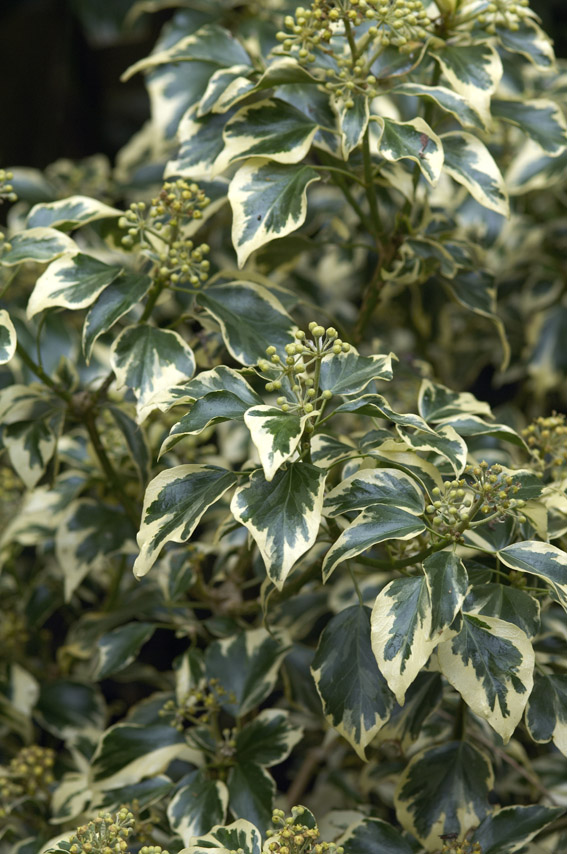
The bright berries on this plant are the biggest risk for attracting children while pets may chew the leaves. Can cause mouth irritation, drooling or vomiting while skin contact may cause a rash.
Laburnum
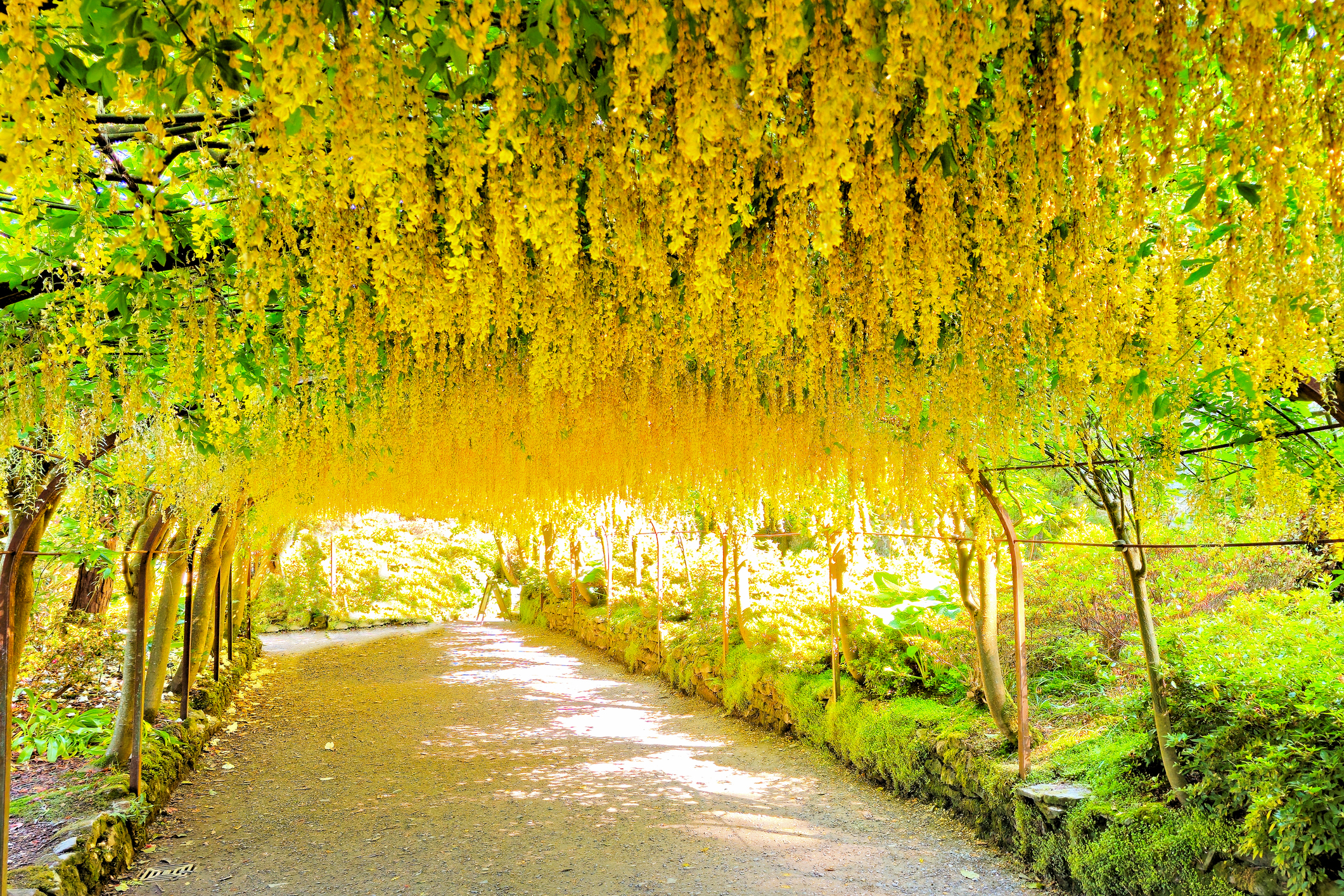
Similar to wisteria, growing high off the ground is a benefit but the pea-shaped seed pods and seeds may be confused by children. Could cause vomiting or breathing problems.
Privet
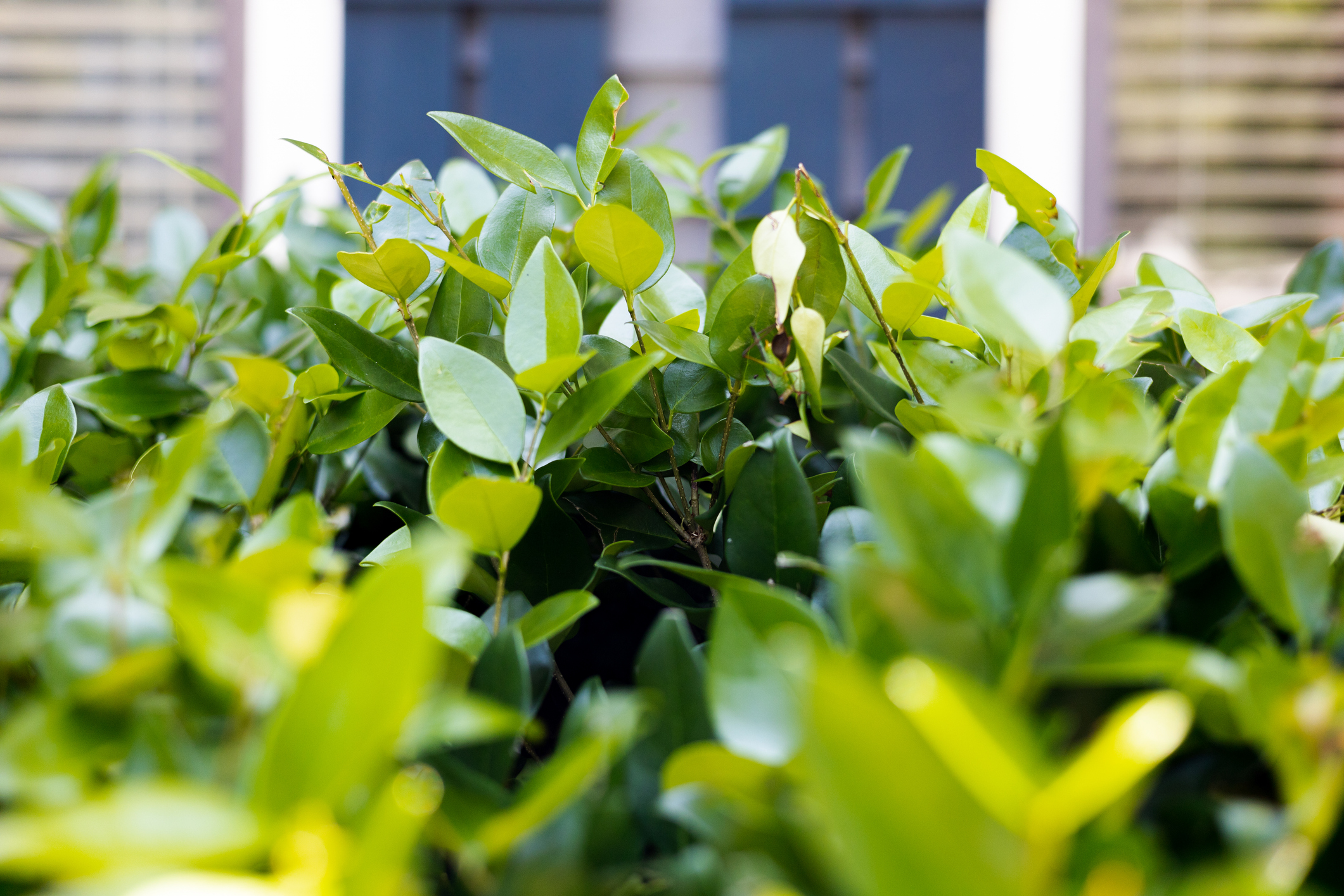
Another berry producing shrub that may prove attractive to children or pets, large doses could suppress the nervous system.
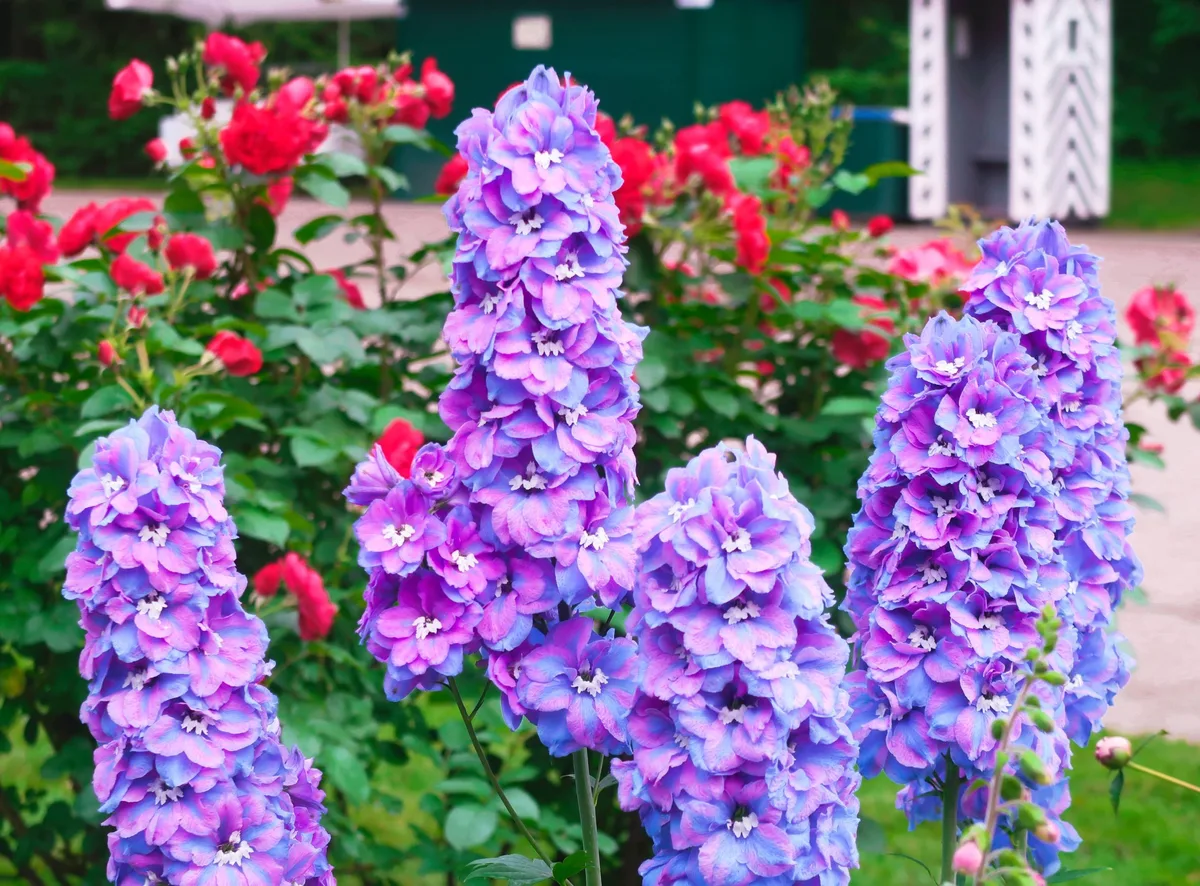
Larkspur (Delphinium spp.)
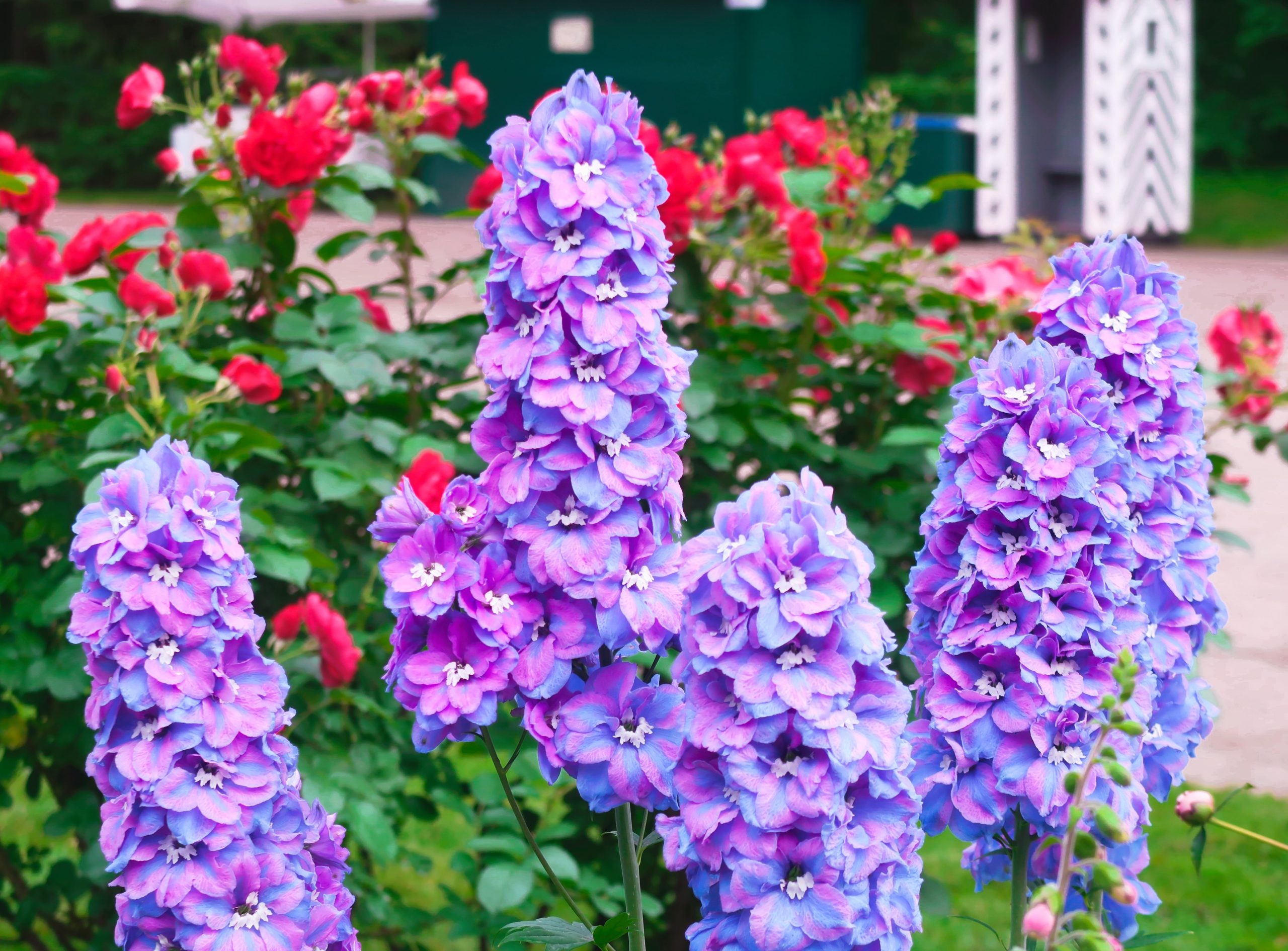
These elegant spires reaching out of the border put a smile on everyone’s face, but they can still be a danger to our fluffy friends if they decide to chew on the leaves and stems, with muscle weakness and breathing difficulties the chief hazards.
Holly (Ilex aquifolium)
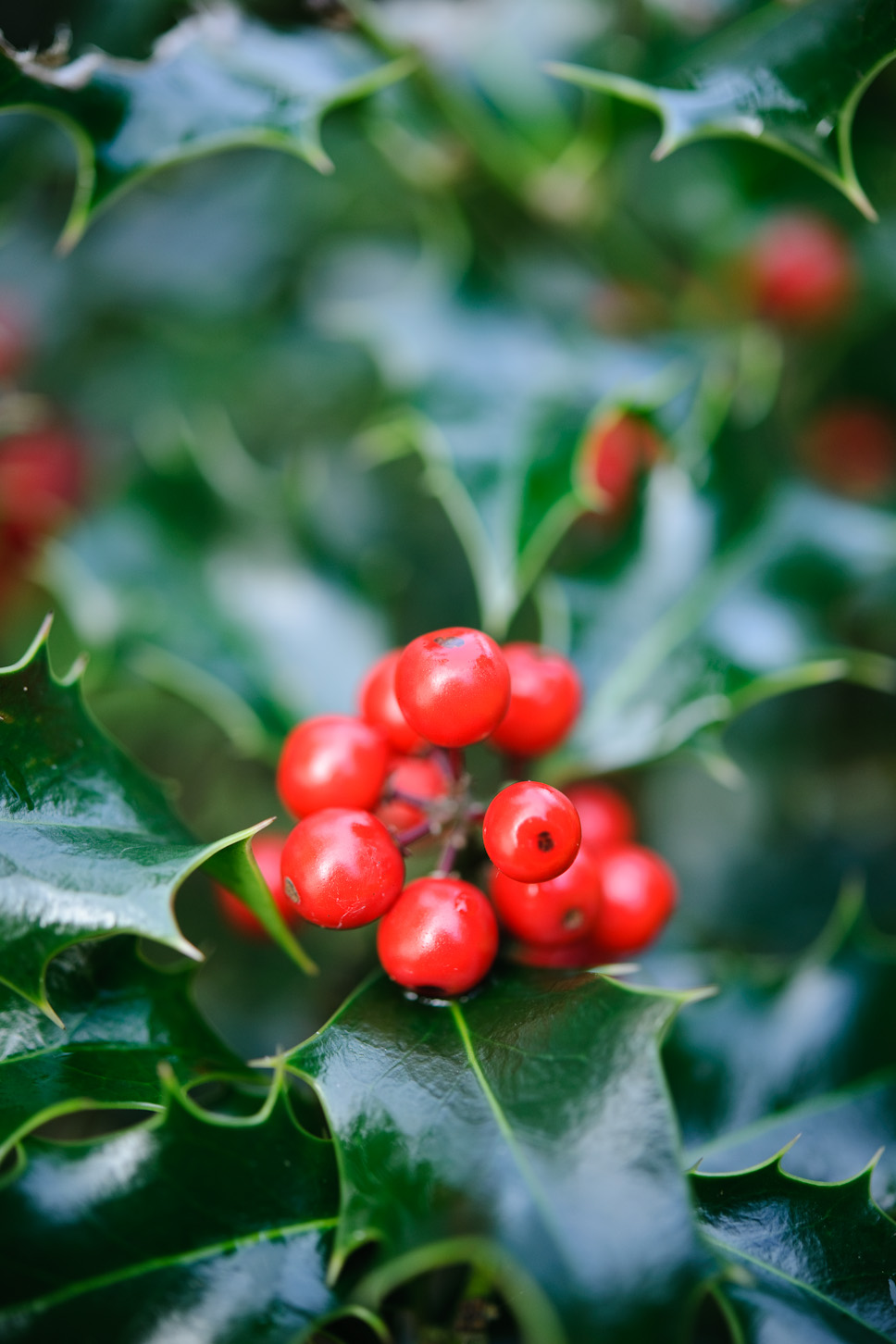
The ill effects of consuming holly berries are usually mild but still not particularly pleasant, with vomiting and diarrhoea the two most common symptoms.
Lupin (Lupinus spp.)
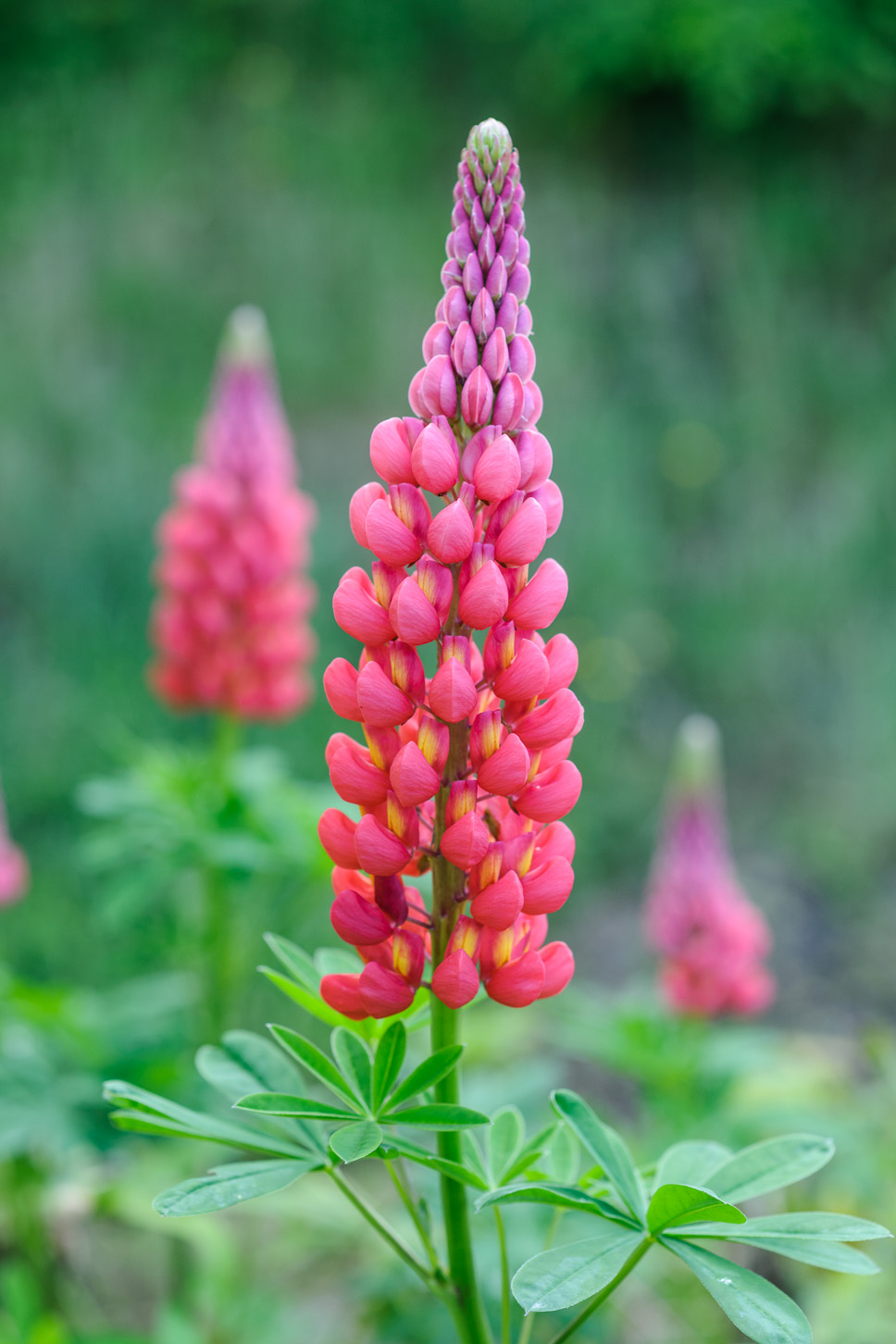
Not an especially likely scenario but if children and pets were to eat lupin seeds, they could possibly suffer tremors and confusion, with very severe cases resulting in breathing difficulties.
Euphorbia
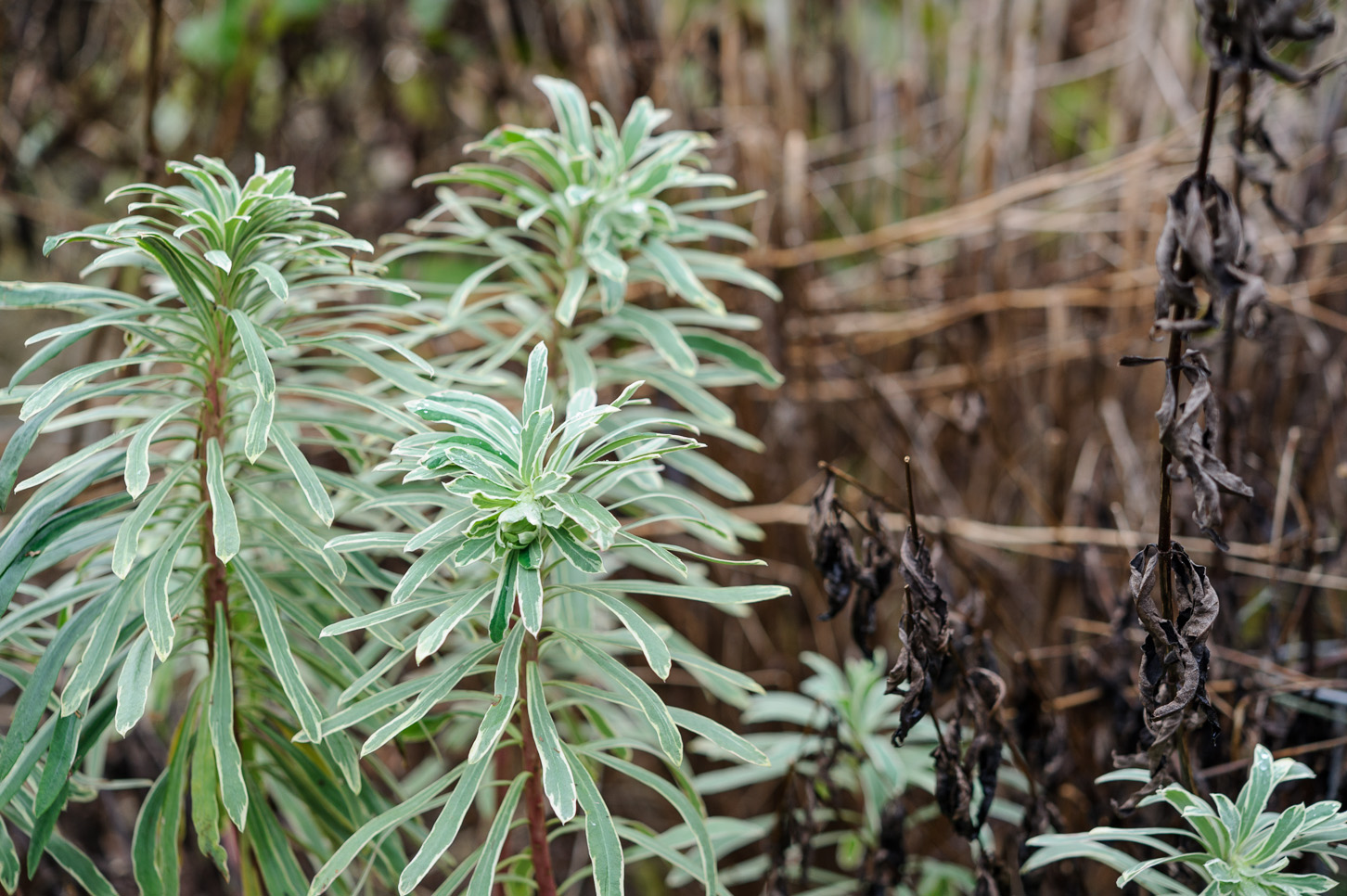
Taking care when trimming is the most important factor when dealing with euphorbia as the irritant latex sap can burn skin and cause blistering, as well as pain and potentially temporary blindness if exposed to eyes.
Cotoneaster
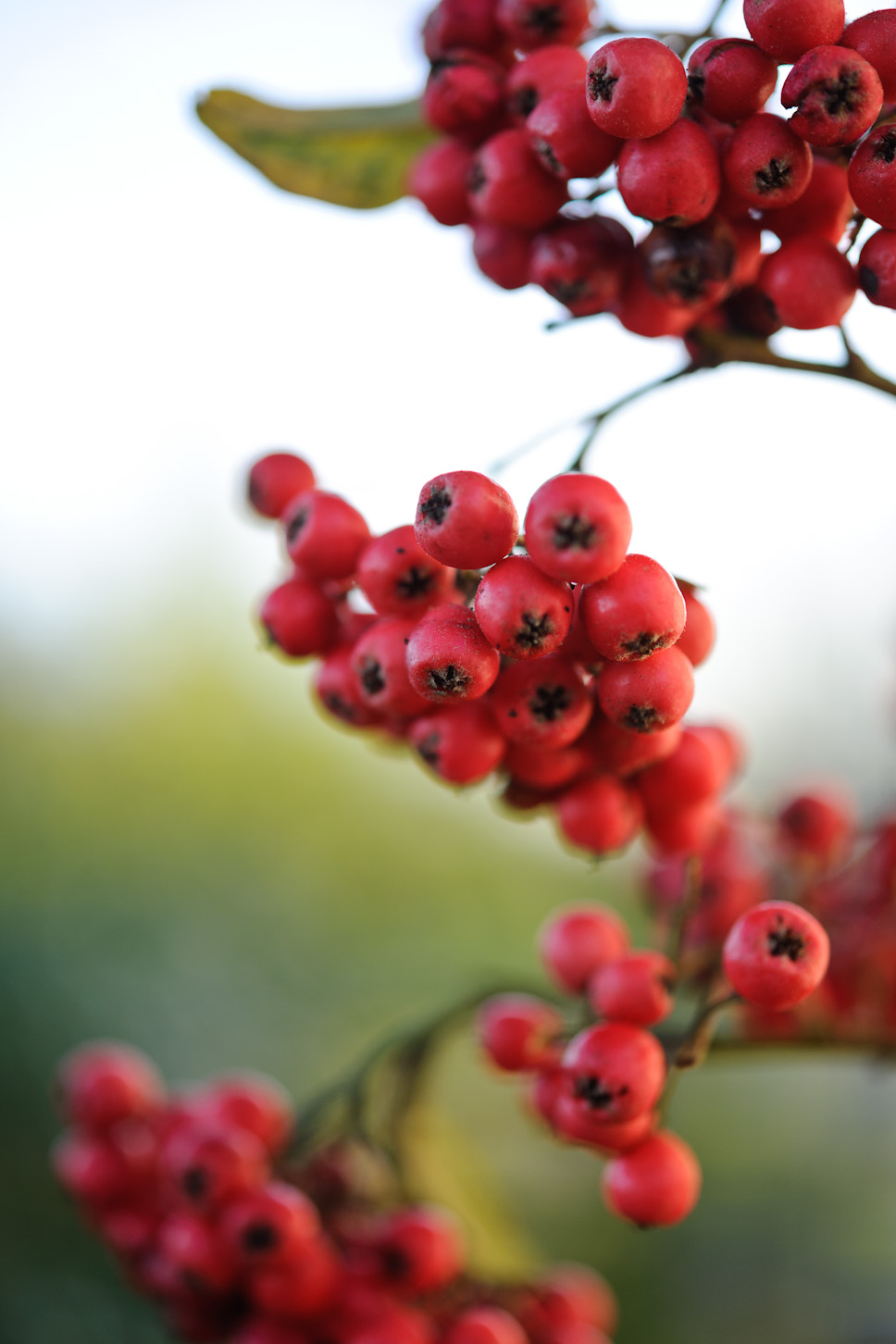
The profusion of bright berries on the cotoneaster bush could look like tempting snack to pets and children however the low level of cyanogenic compounds mean the most common side effect would be mild stomach upset.
Hyacinth
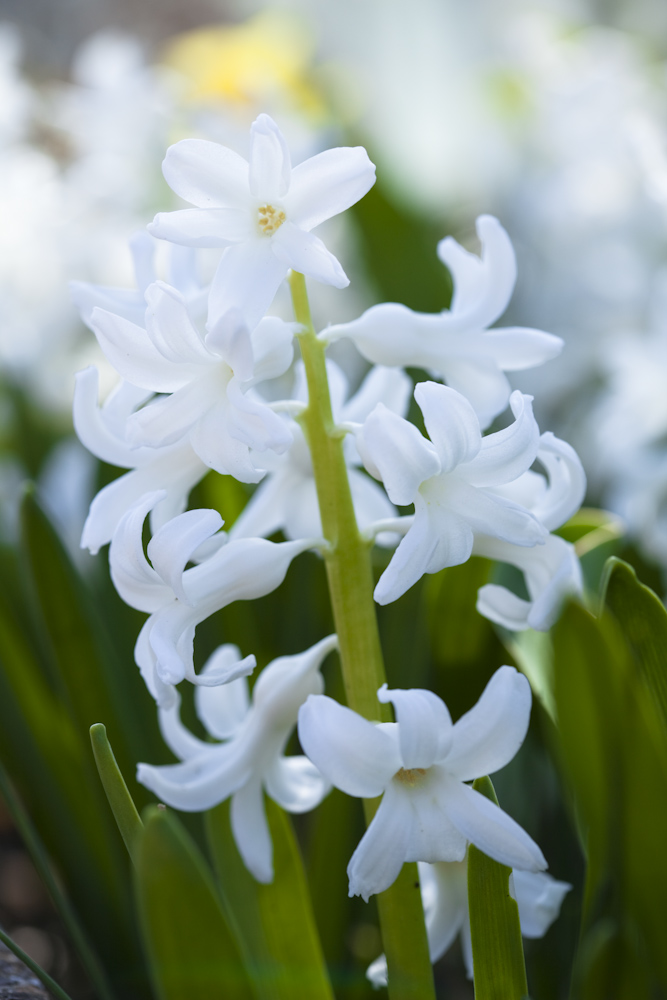
Not easily mistake for food by humans, dogs can and do dig up the bulbs. If eaten, they can cause sever mouth irritation or vomiting.
Rhubarb (Rheum rhabarbarum)
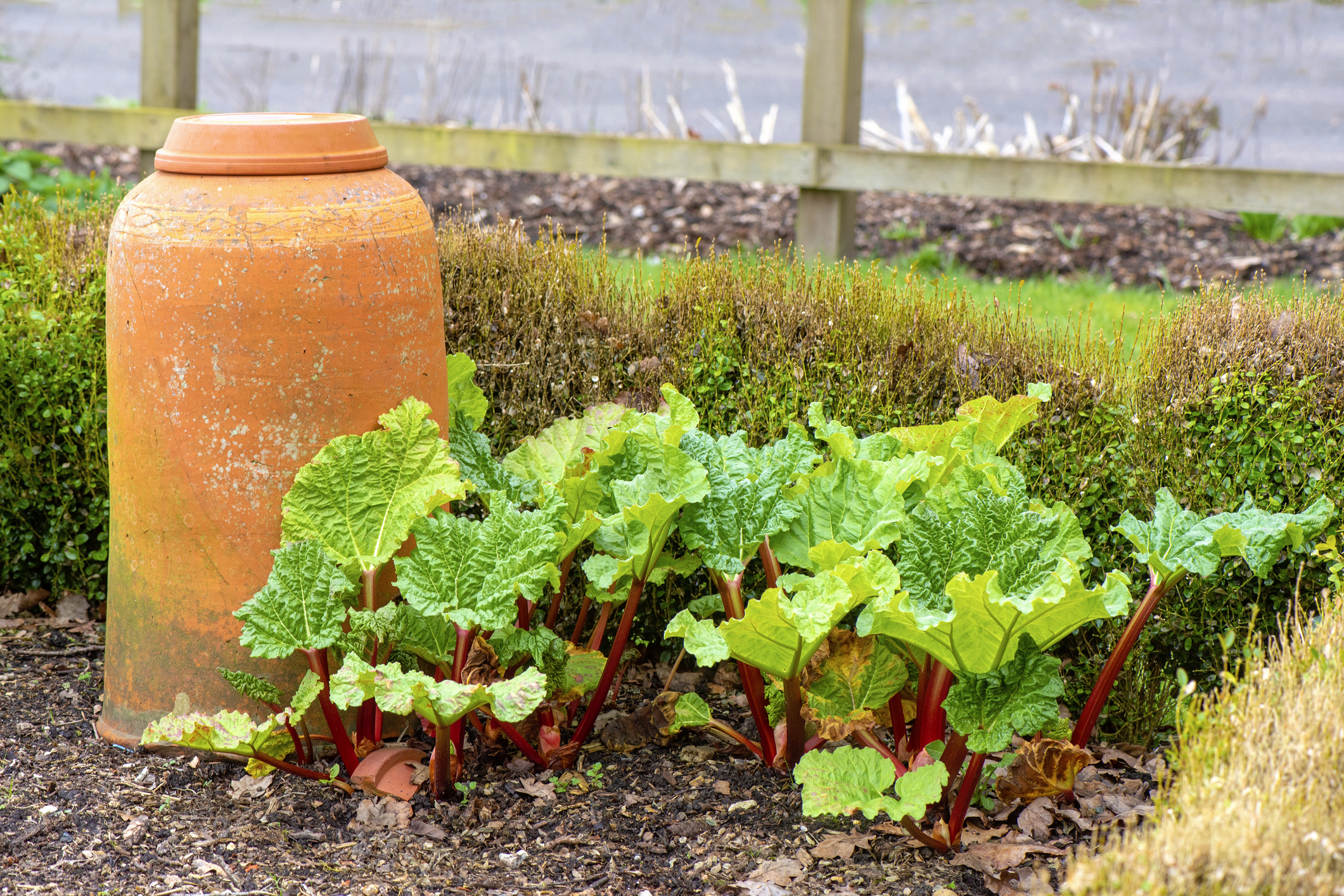
While the stems of the rhubarb plant make delicious treats in everything from pies to flavoured spirits, the leaves should go firmly onto the compost heap. If eaten, they can cause kidney irritation and tremors.
Autumn crocus (Colchicum autumnale)
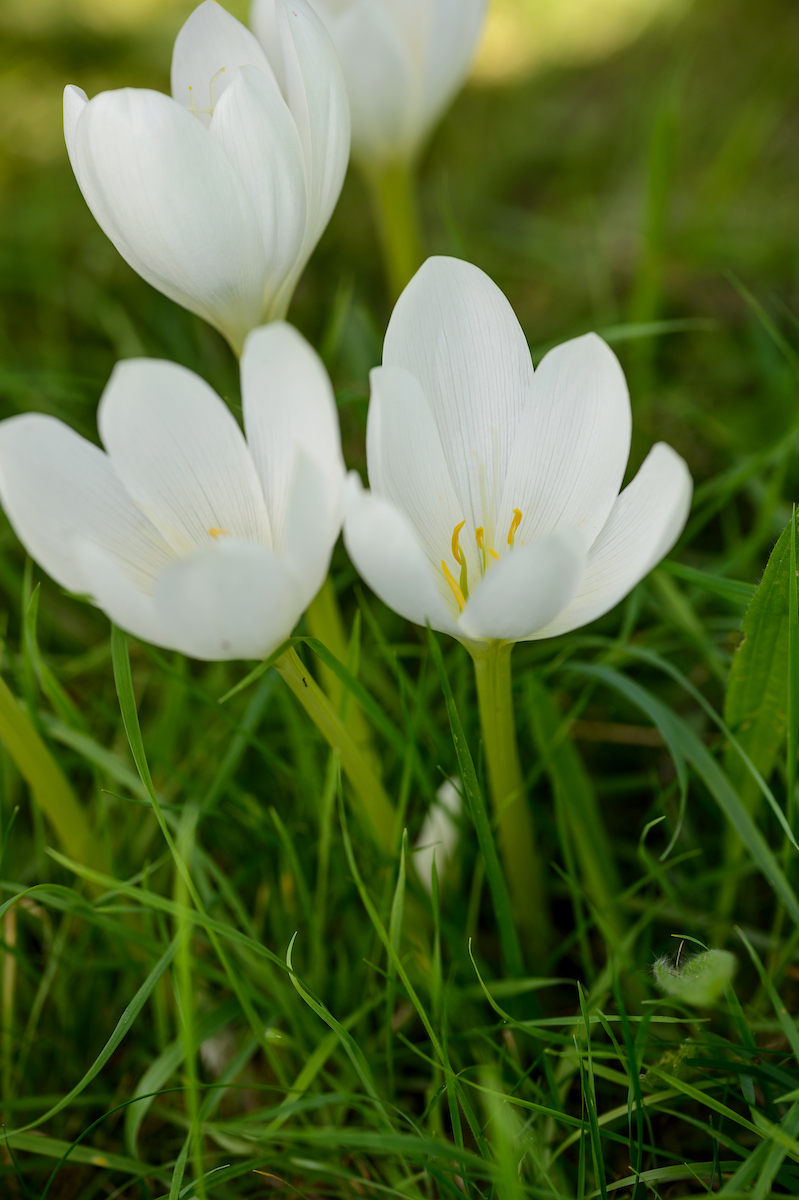
Just as pretty as its spring counterparts, unlike the Crocus sativus whose stamens give us saffron, the autumn crocus is highly toxic. It can cause severe vomiting and may lead to organ failure or bone marrow suppression. Ingestion can be fatal.
Arum maculatum
Otherwise known as lords and ladies, this plant can cause a great deal of burning pain if swallowed and all parts are toxic. The sap can cause skin irritation so care must be taken when digging around it.
Bluebells
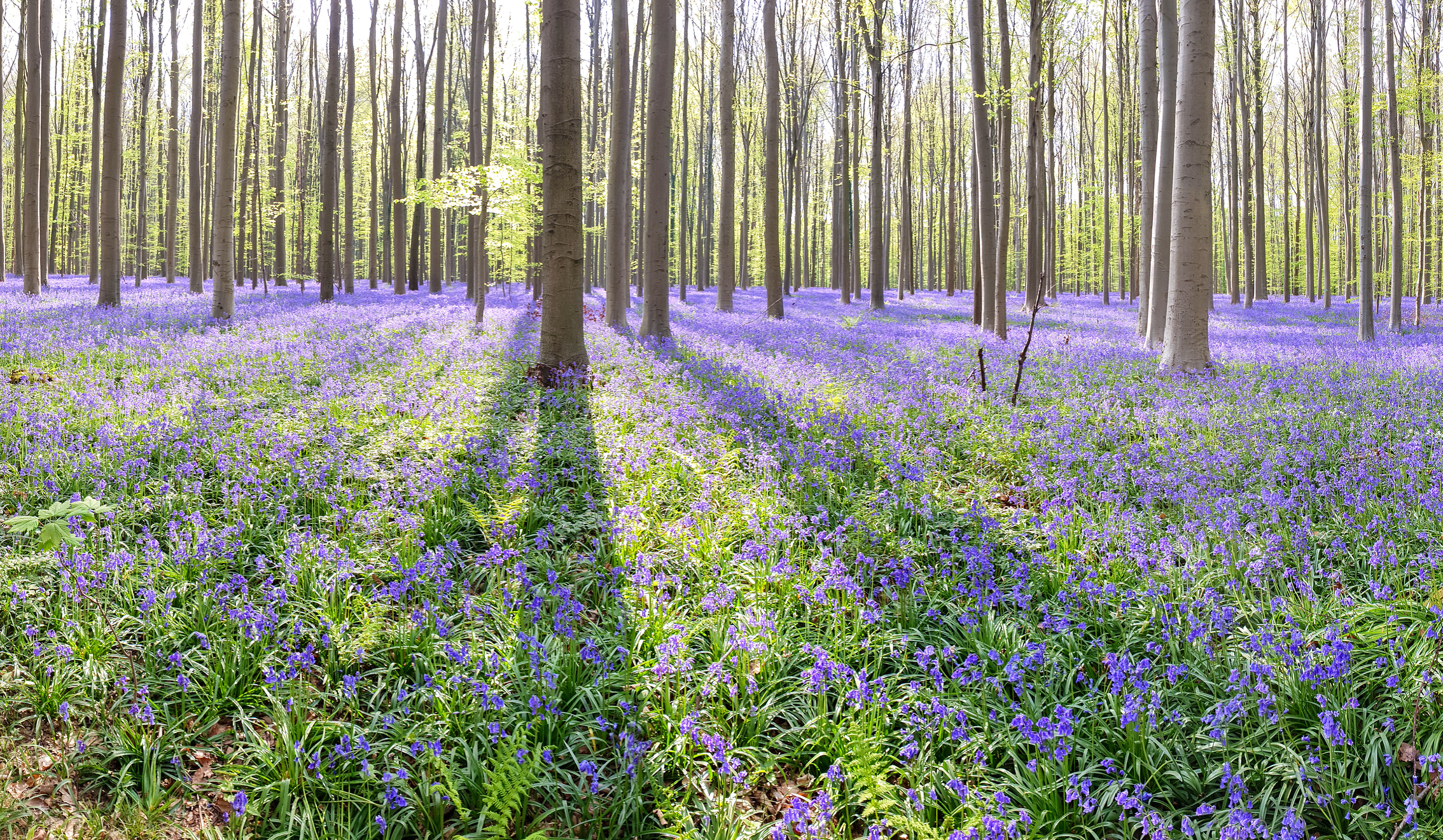
There’s little to beat a carpet of spring bluebells either at home or in the wild. Not commonly eaten by mistake, if they are ingested, they can cause vomiting and a slowed heart rate.
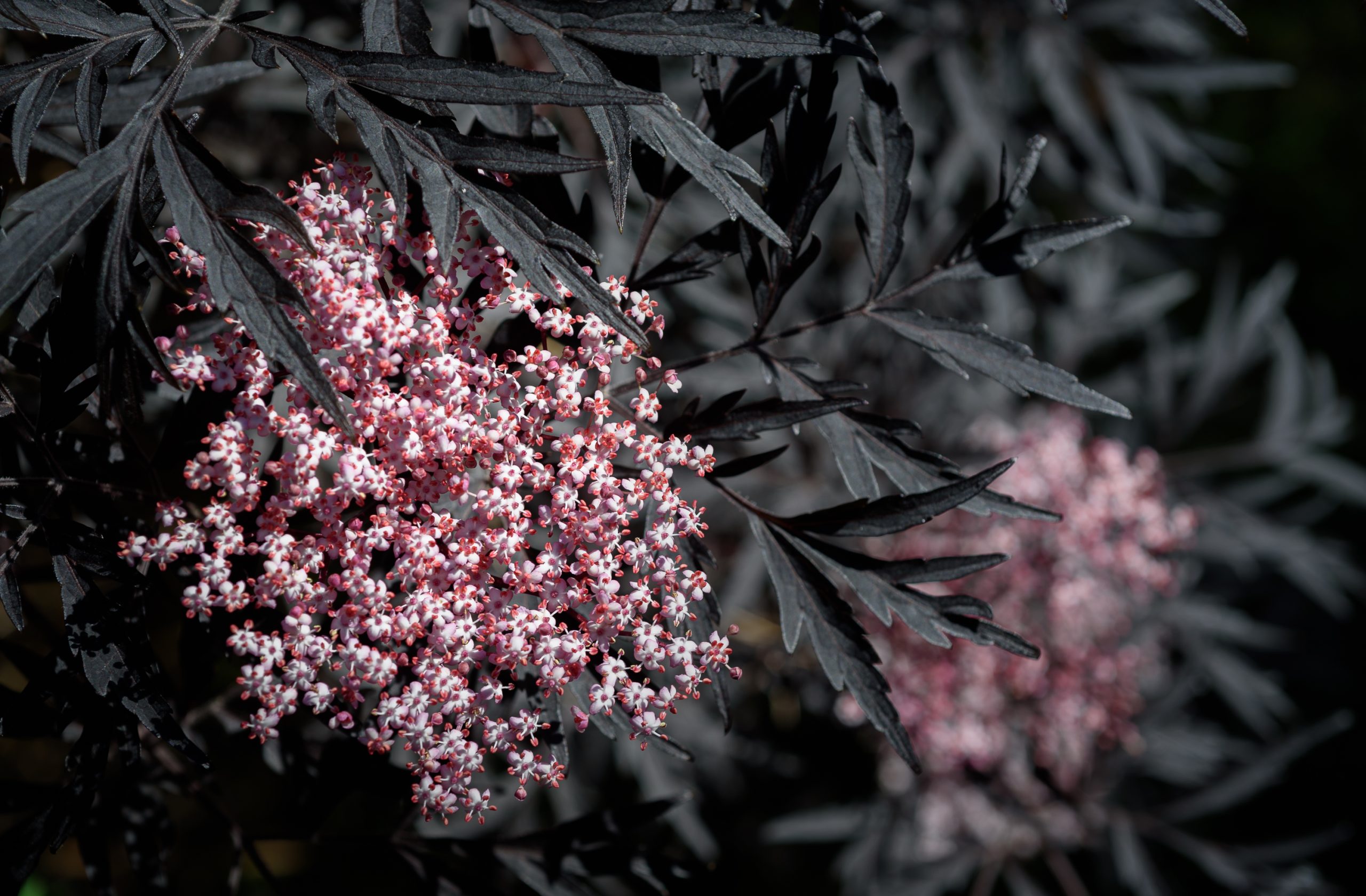
Elder (Sambucus nigra)
Contributing to both delicious syrups and jellies, it is nevertheless important to make sure elder berries are prepared properly in the kitchen. When they are eaten raw they can create cyanide-like poisoning.
Buttercup (Ranunculus spp.)
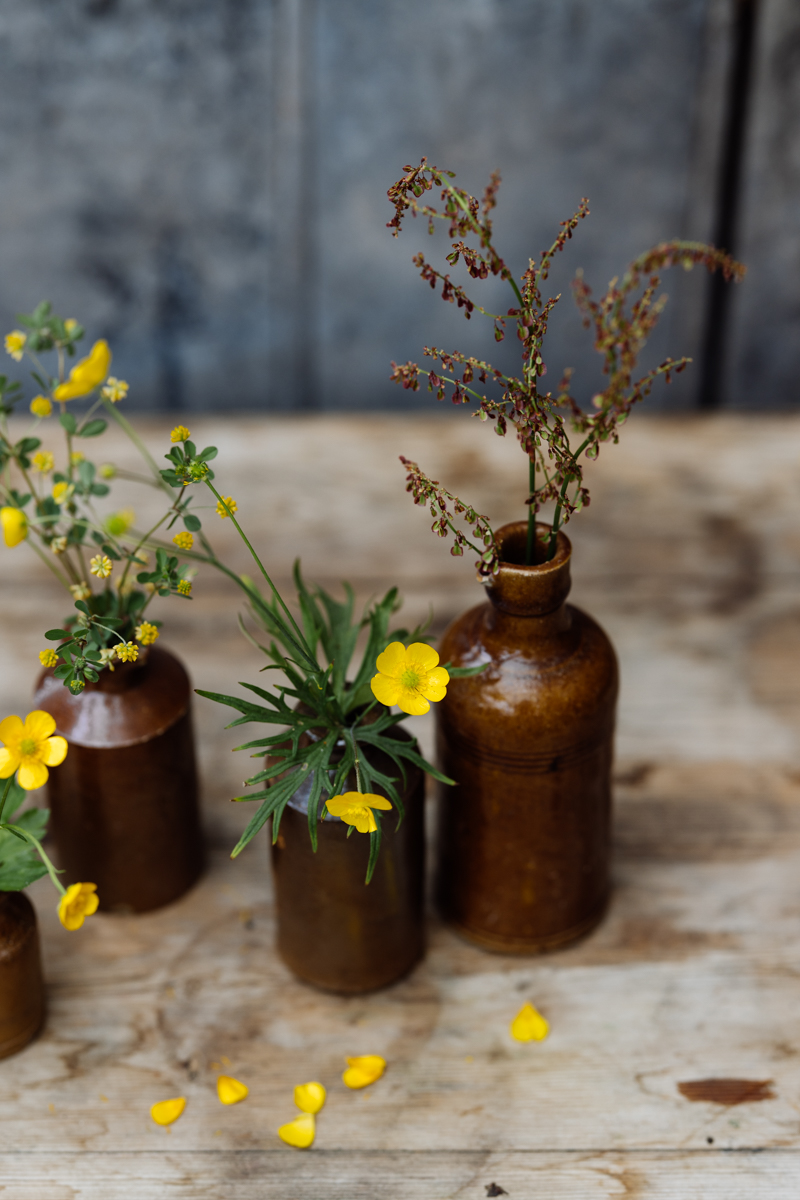
This seemingly innocent little flower still packs a punch if it gets in the wrong places. Its sap can cause skin blistering while, if consumed, it can cause mouth irritation or stomach issues.
True lilies (Hemerocallis and Lilium)
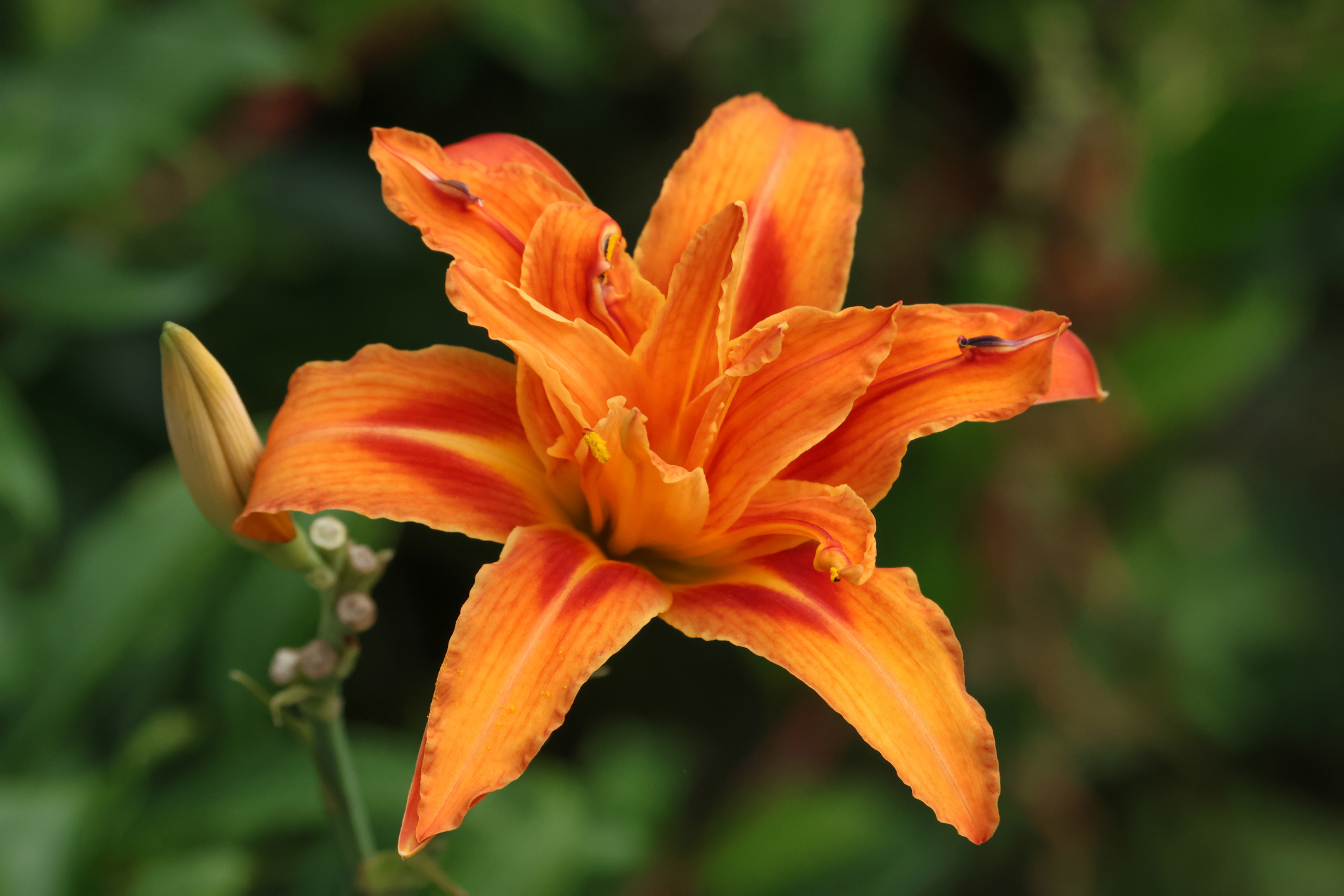
Gorgeous, blousy blooms hide a deadly secret for our feline friends. While the pollen may be annoying for humans with its potential to stain clothes with the merest brush, if cats get a sprinkling as they walk past there is a distinct danger of kidney failure and even death if untreated as they ingest the pollen by grooming.
Monkshood (Aconitum napellus)
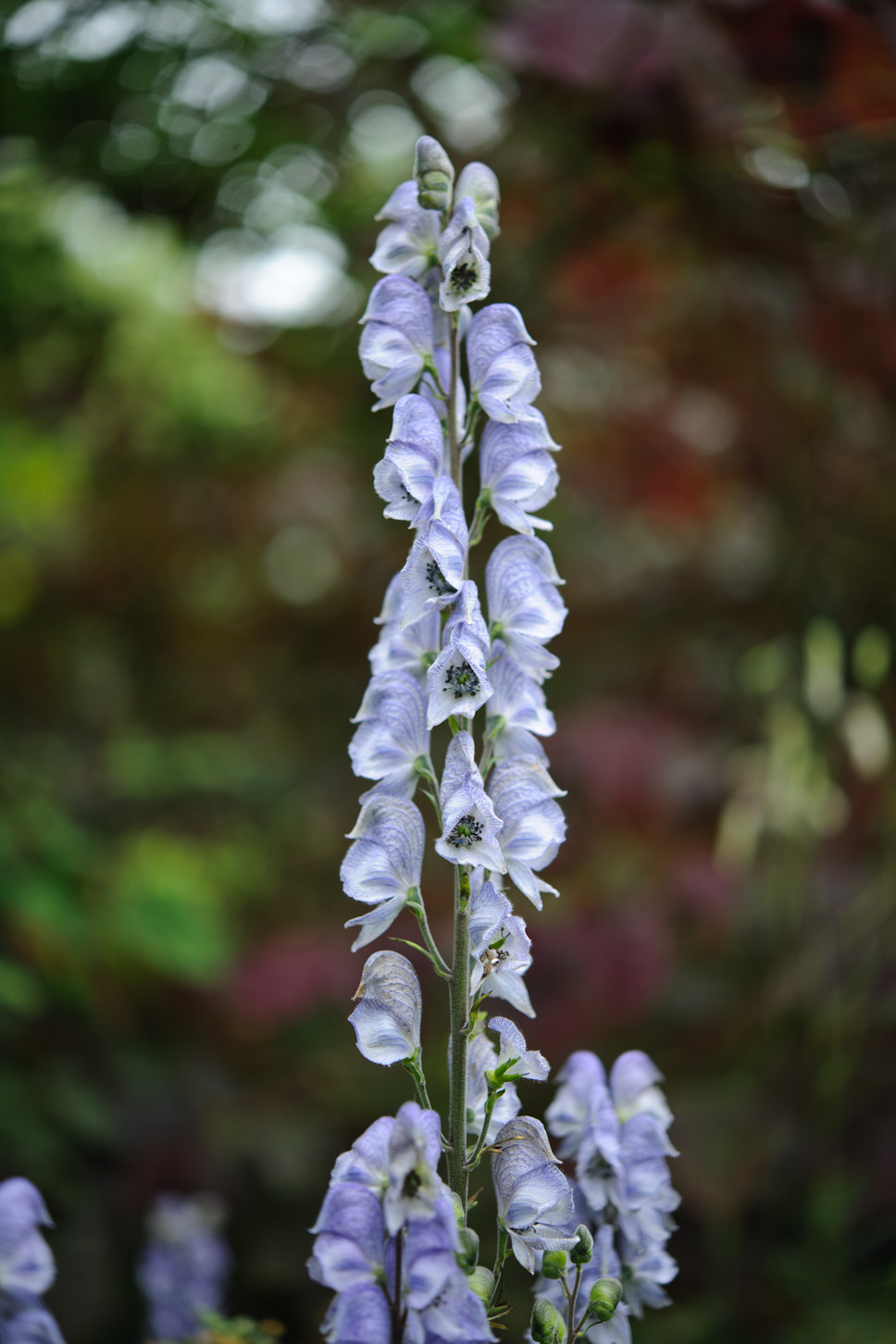
With a similar look to delphiniums and a range of enticing colours, it could be tempting to include monkshood in your border, certainly for the rarity value. But people don’t tend to have it in their gardens for good reason – its neurotoxin can cause numbness, heart rhythm disturbances and even paralysis – and is easily absorbed through skin contact alone.
Angel’s trumpet (Brugmansia)
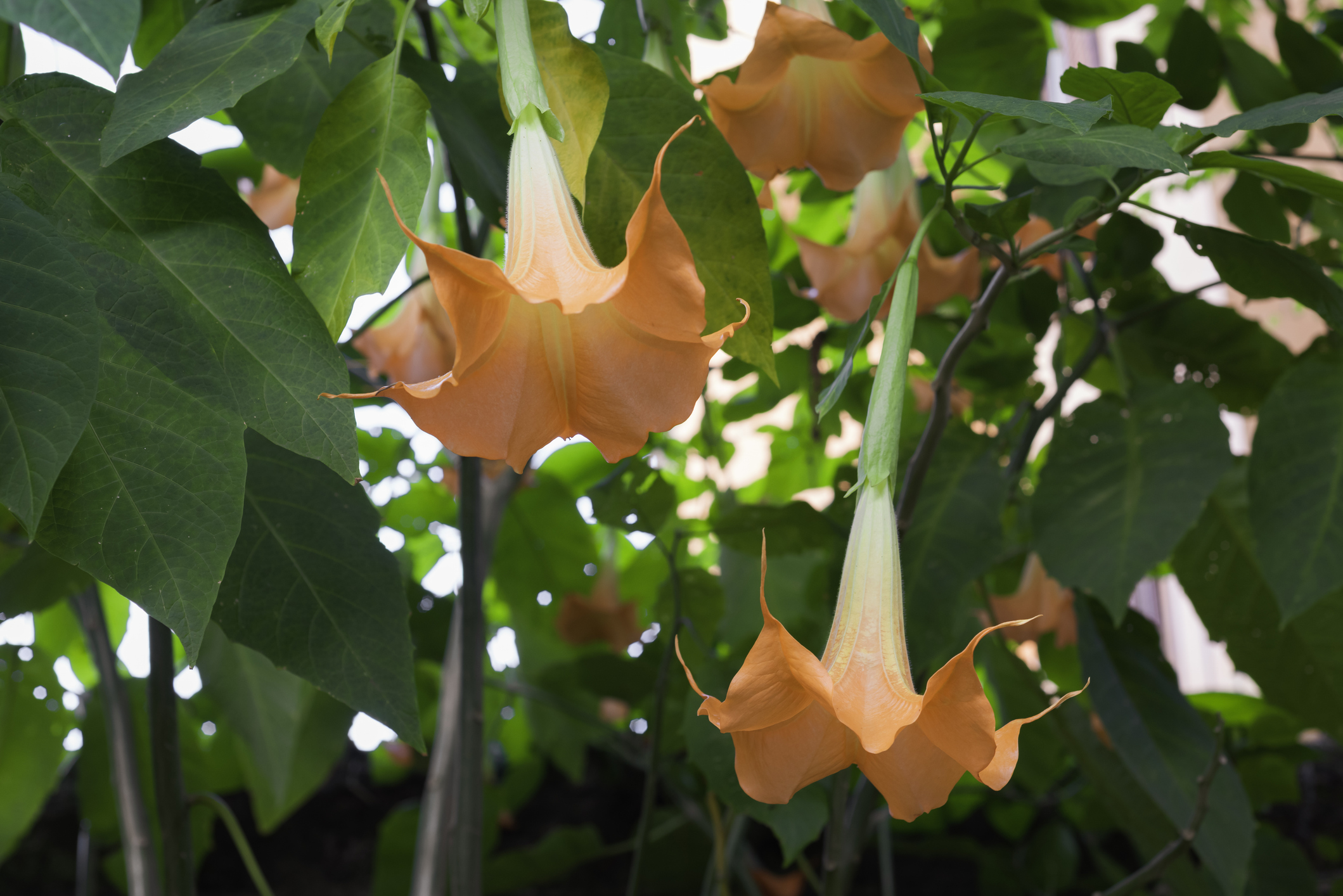
An exotic-looking plant that can be tricky to grow in the UK so is often confined to conservatories over winter, the Angel’s trumpet is no angel when it comes to hazards. Ingestion can lead to hallucinations and rapid heart rate and poisoning is potentially fatal.
Chinese lantern (Physalis alkekengi)
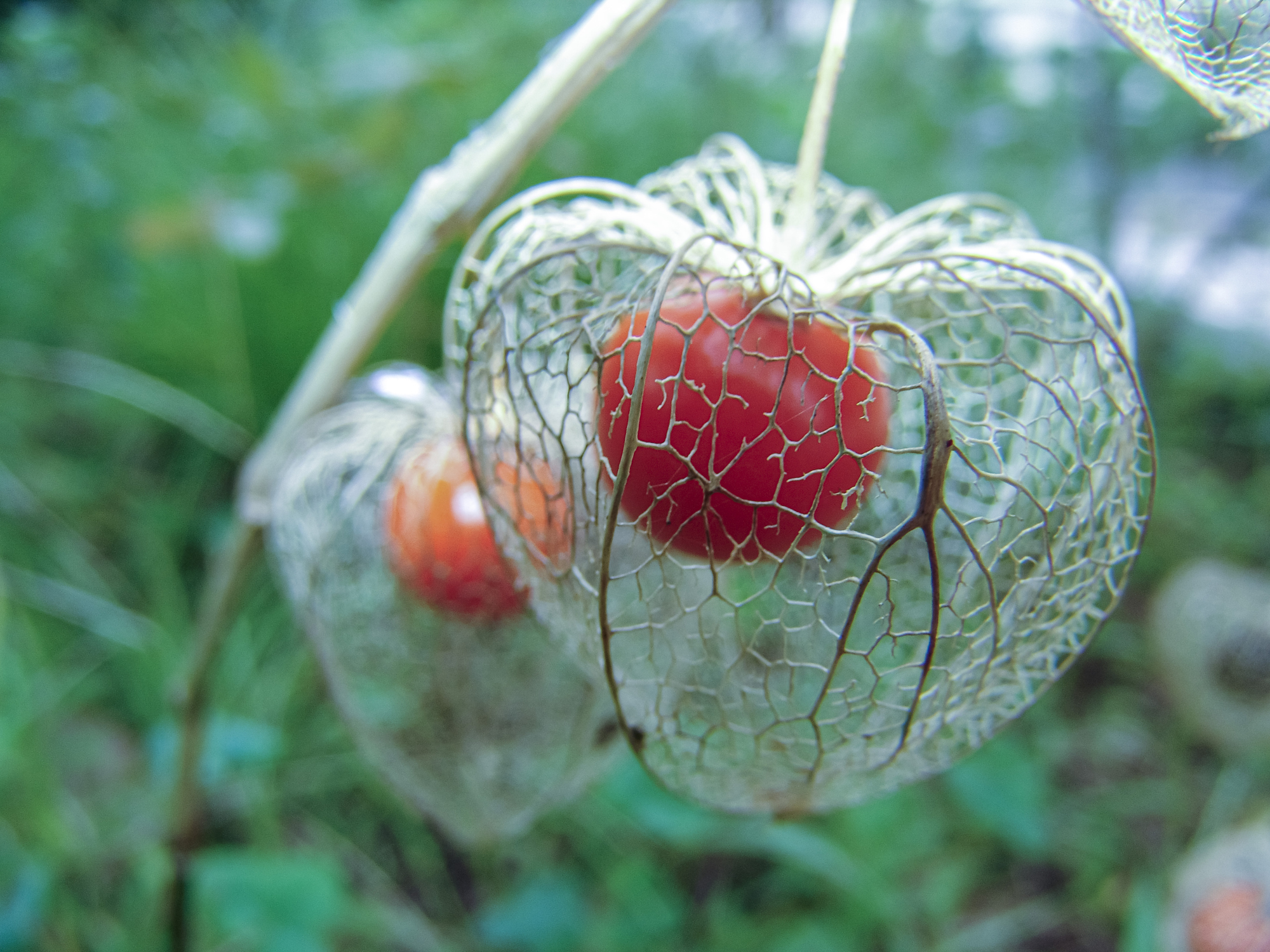
Delicate flowers giving way to cages around ripe berries, there should be caution not to eat unripe fruit which is toxic. The alekekengi is more decorative than an edible, and shouldn’t be confused with the peruviana, otherwise known as the sweet cape gooseberry.
Mistletoe (Viscum album)
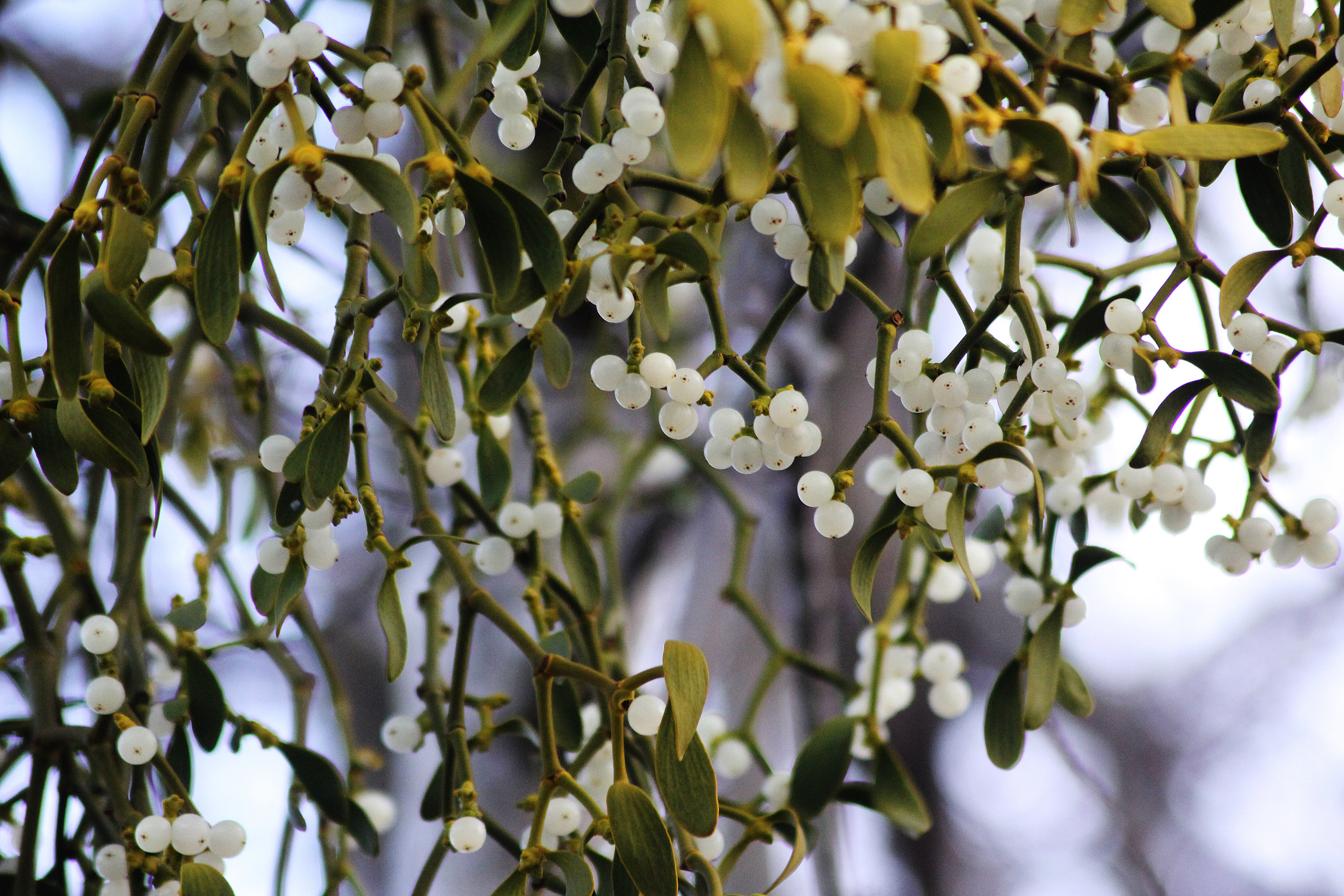
The season of goodwill starts to look anything but when you realise it focuses on holly and ivy, two already on this hazardous plants list, and then revolves around mistletoe. If you somehow ingested parts of this plant, you could experience upset stomach, slow heart rate and confusion.