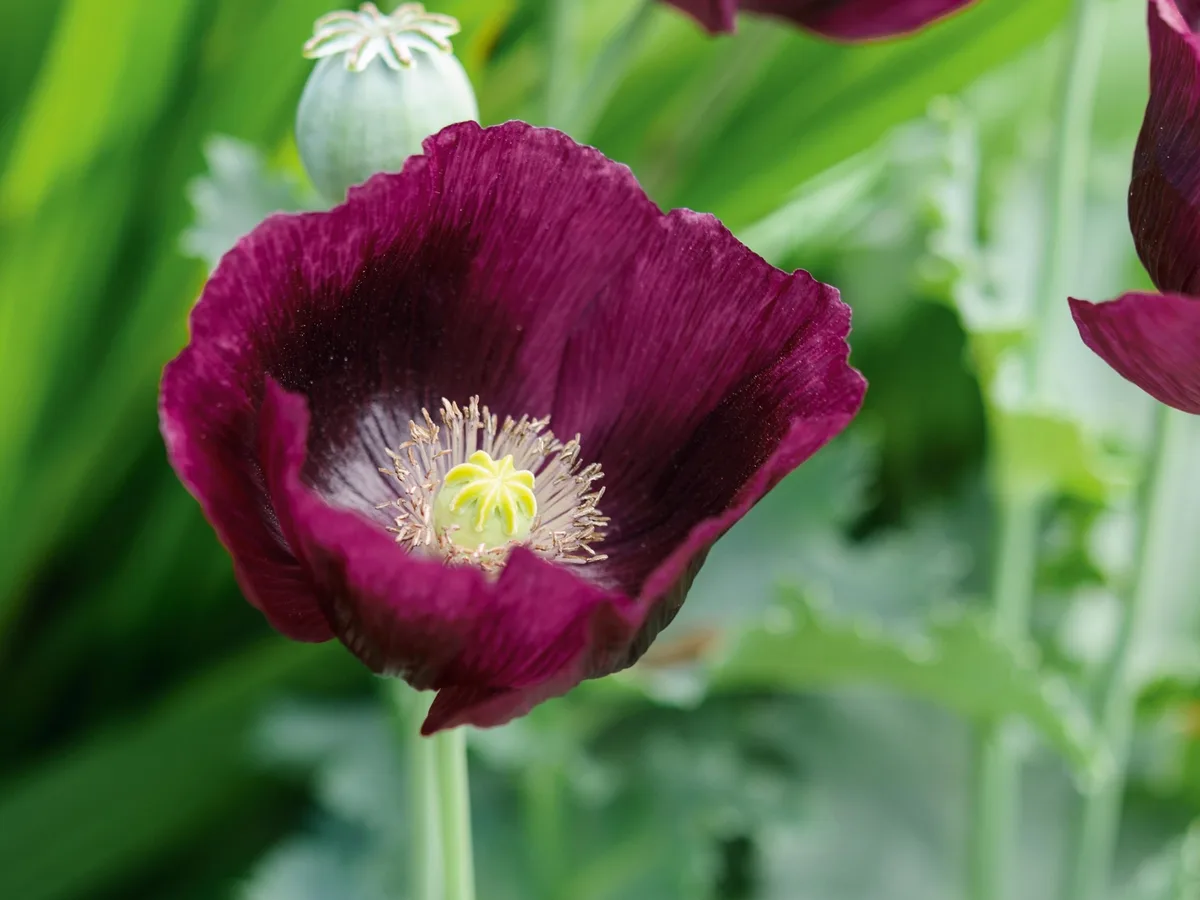
Sowing seeds is cheap, easy and fun – and if you choose flowers that are "self seeders" or "self sowers", you'll only need to do it once. The flowers themselves will carry on doing the work for you, producing lots of seeds that will sow themselves around the garden, filling gaps and creating spontaneous flowery combinations in your borders the following year. You should never need to sow a packet of seeds again.
How to choose self seeders
“The best self-sowers are those that reproduce liberally but not so profusely that they crowd other plants out,” says nurserywoman Derry Watkins. “A good self-sower should be easy to pull up, so you can edit your garden without effort.”
As you will likely have these flowers in your garden for years, Derry advises choosing the very best or favourite plants. “A self-sower, by definition, is a survivor, so you should have it for life. Search for your personal favourite, and only let that one in."
She also advises planting only one plant each of type. “If you want your self-sowing plants to come true each year, without changes to their colour or form, don’t plant more than one cultivar of the same species in your garden, or they will hybridise. If you grow only one cultivar, the following year’s self-seeded plants should all be the same.”
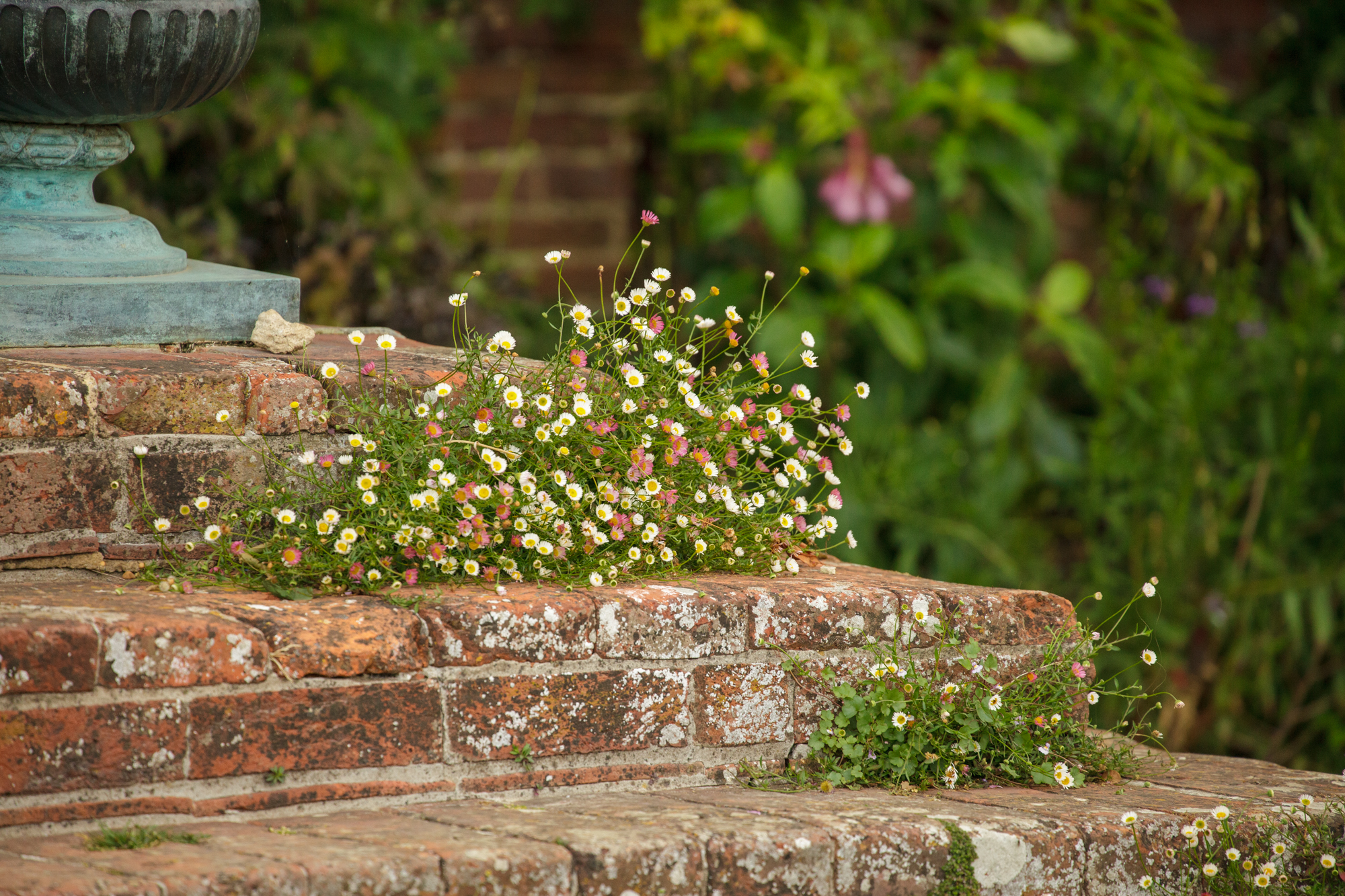
You may also like
- Annual climbers: 21 of the best annual climbers to plant
- Our guide to annual plants and flower and 33 of the best to grow
How to sow self sowers
If you are introducing a self-sower to your garden, Derry recommends starting seeds in pots or plug trays and planting them out as small plants. Annuals can be sown outside or under glass in spring or autumn. They will flower by midsummer and many will carry on flowering until the first frosts of autumn. Biennials (sown in midsummer) will flower the following year.
"If you have handfuls of seed, you can simply sow direct – but remember that nature tends to broadcast with an abandon that is hard to match," says Derry. If you do show direct, she recommends learning to recognise seedlings at an early stage so you don’t weed out all your favourites. “Conversely, it is important to recognise weed seedlings early so you can get rid of them before they take hold.”
To sow seeds direct, simply scatter the seeds on prepared soil (raked to a fine tilth beforehand), or on the top of a large container filled with compost. Check the sowing instructions on the packet for depths and spacing.
Keep an eye out and simply weed out the seedlings you don’t want, dig them up and move them to a different spot in the garden. Or pot up spares and pass them on to your friends and neighbours.
Almost all self-sowing plants like a sunny spot and good drainage. You can help the seeding process along by waving spent seedheads over your borders.
Here are some of the easiest annual and biennial self-seeders to sow.
10 of the best self seeders to grow
Love-in-a-mist (Nigella)
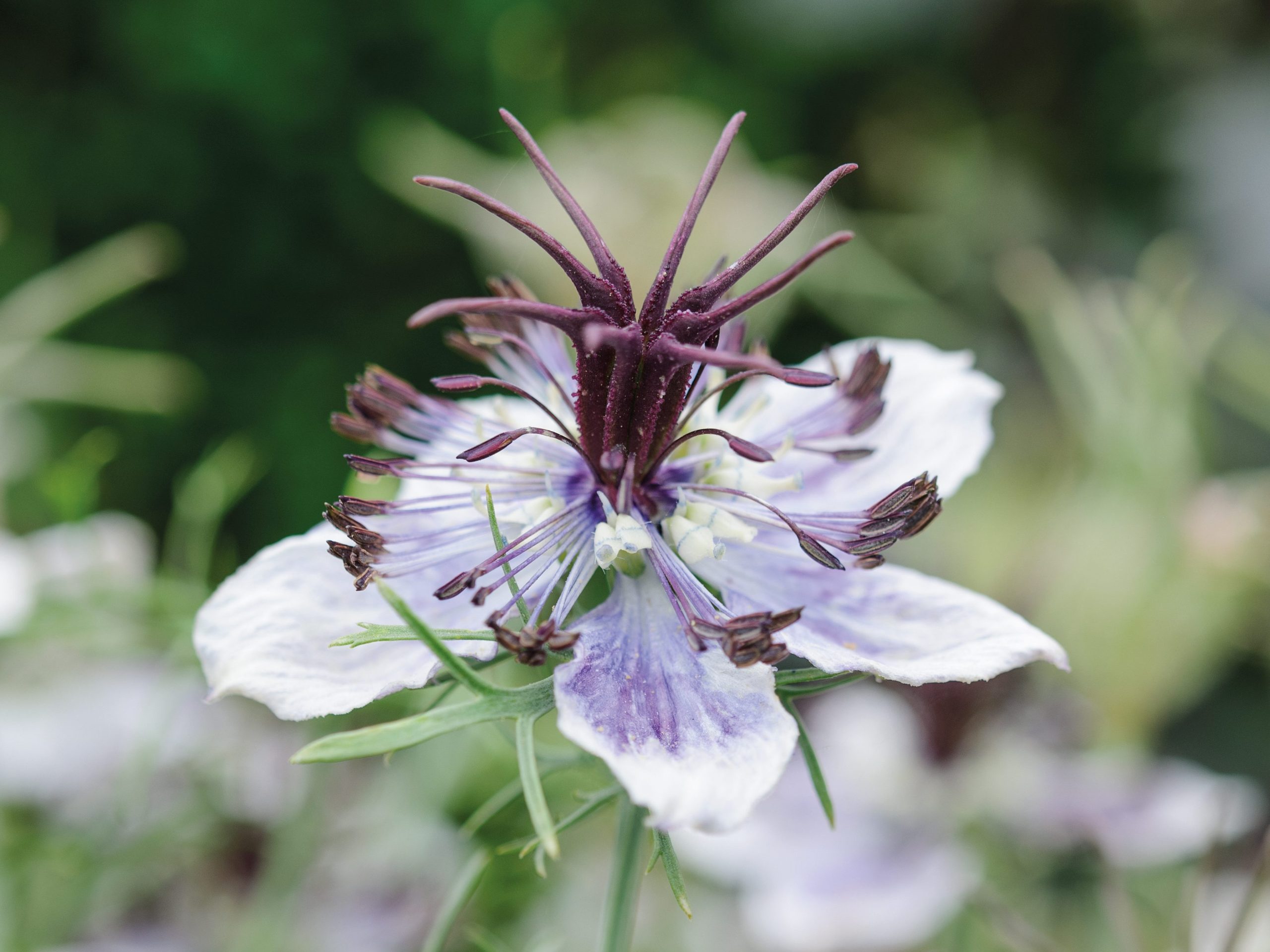
Nigella damascena is easy to grow from seed, and comes in the traditional sky blue but also white, purple and pink. The dried seedheads make a striking winter display in a vase. It usually reaches a height of around 30cm.
For something a bit more unusual and striking, try Nigella papillosa. "Once you’ve tried growing Nigella papillosa cultivars you may not want to return to the more familiar Nigella damascena," says head gardener Tom Brown, head gardener at West Dean Gardens. "The beauty of the papillosa nigellas lies both in their exaggerated flowers and their subsequent seedheads, which are simply stunning in their own right and look great in borders."
Tom recommends Nigella papillosa 'Delft Blue': "The flowers are unusual with bicoloured blooms of white and deep blue on sturdy stems," he says. Nigella papillosa ‘African Bride’ is also popular with gardeners and designers. “It’s dramatic, with unusual, black seedpods surrounded by a white ruff of petals and deep-purple anthers. It looks delicate but is as tough as old boots. Beloved by bees, it is a great addition to borders or wildflower meadows,” says plantswoman Jenny Barnes.
California poppy (Eschscholzia californica)
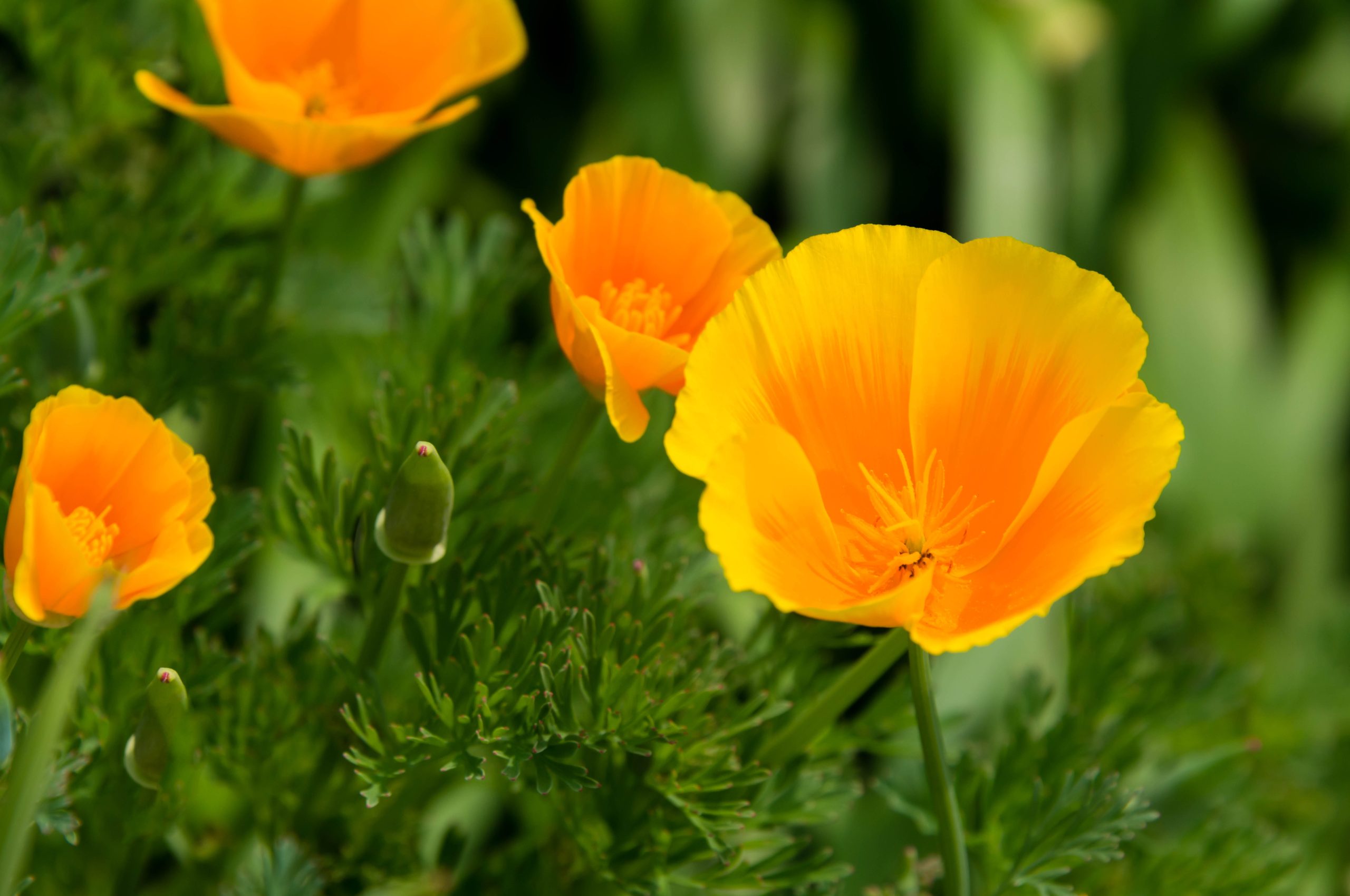
“Can anyone resist the dramatic tangerine pop of California poppies?” asks Charlotte Harris, who loves Eschscholzia californica 'Orange King'. “Perfect for weaving through sunny spots, seeding through gravel or softening hard surfaces such as cracks in paving, and also good in pots. I love them because they are so joyous and assiduous at colonising and brightening up even the grittiest, poorest of soils with a profusion of colour from June right through to September.” 45cm. Meanwhile Derry Watkins recommends the white variety, ‘Alba’.
Opium poppies (Papaver somniferum)
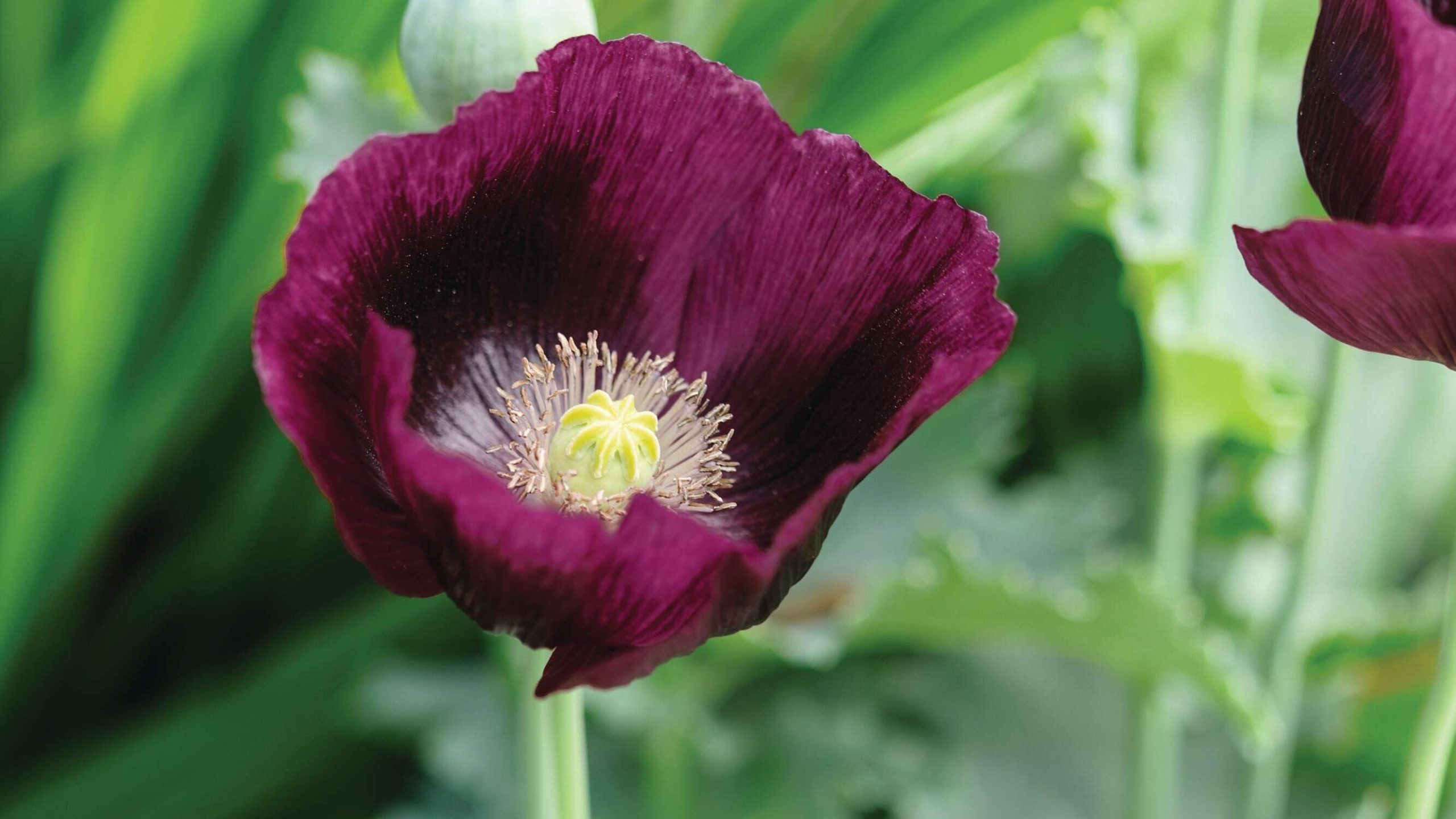
Opium poppies add a touch of drama to the garden, and their stunning open flowers in a range of colours are popular with pollinators. Papaver somniferum ‘Lauren’s Grape’ is a favourite with designers and its plum-purple blooms are often spotted at the Chelsea Flower Show. “These opium poppies deliver a beguiling combination of delicate, papery petals and a bold punch of colour. Thereafter, enjoy the architectural qualities of the seedpods both in the garden and in a vase,” says Charlotte Harris. 90cm. Derry Watkins recommends the white flowered Papaver somniferum 'Single White-Flowered'. "This icy, laundry-white form shines out across the garden.” 1.2m.
Common or pot marigold (Calendula officinalis)
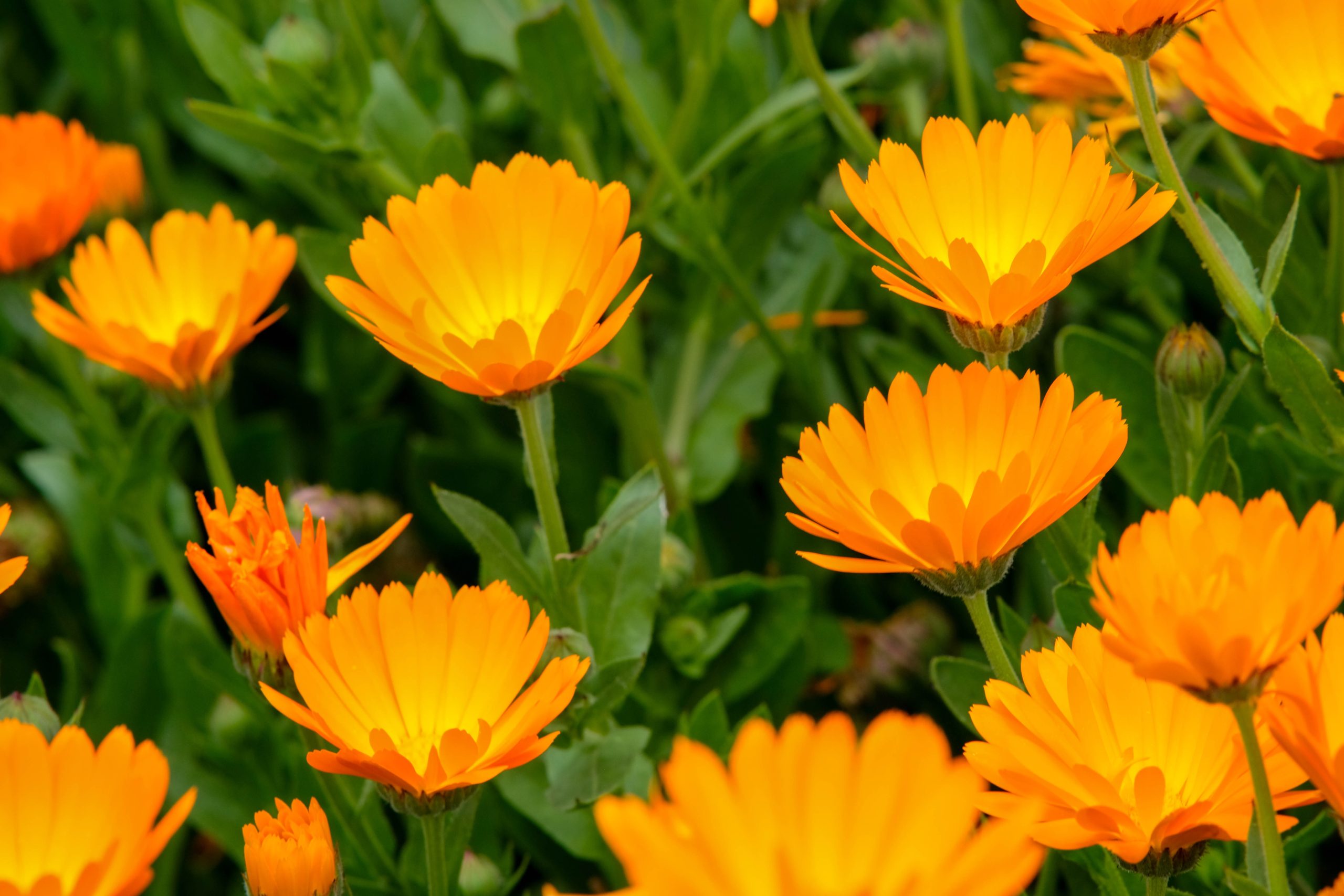
The common marigold is easy to grow from seed. The most familiar types have orange flowers and Derry Watkins recommends Calendula officinalis ‘Orange King’: “It has a bright-orange, double flower, which was a favourite of Gertrude Jekyll who used it in large drifts in the garden on Lindisfarne,” she says. “Simple to grow, it self-seeds gently and keeps on producing flowers if it is regularly deadheaded.” Then leave the seedheads at the end of the season so that it can self seed. 45cm. By contrast, 'Orange Flash', despite its name, is a more subtle apricot-buff colour, with darker, bronze shades on the reverse of the petals.
Toadflax
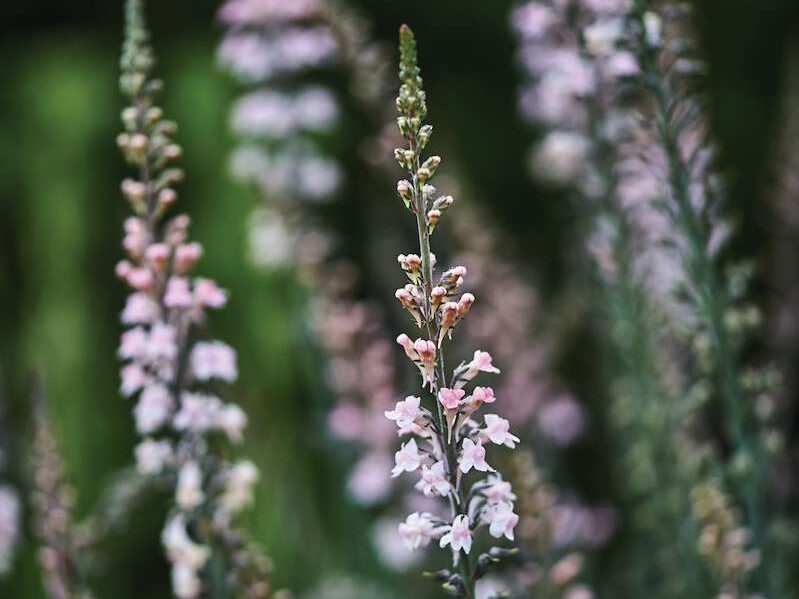
Derry Watkins recommends Linaria purpurea ‘Canon Went’, the pale pink form of the purple toadflax. There are deep rose and white forms, too. Meanwhile, cut flower grower and author Arthur Parkinson recommends Linaria maroccana ‘Little Sweeties Mixture’. "It germinates like mustard and cress, so sow lightly by the pinch,” he advises. “The flowers are like miniature snapdragons, and thrive on little attention, so are ideal seeds to gift to children for them to try.”
You may also like
- Pink flowers for the garden that you'll love
- Fast growing flowers: quick perennials to grow from seed
Honesty
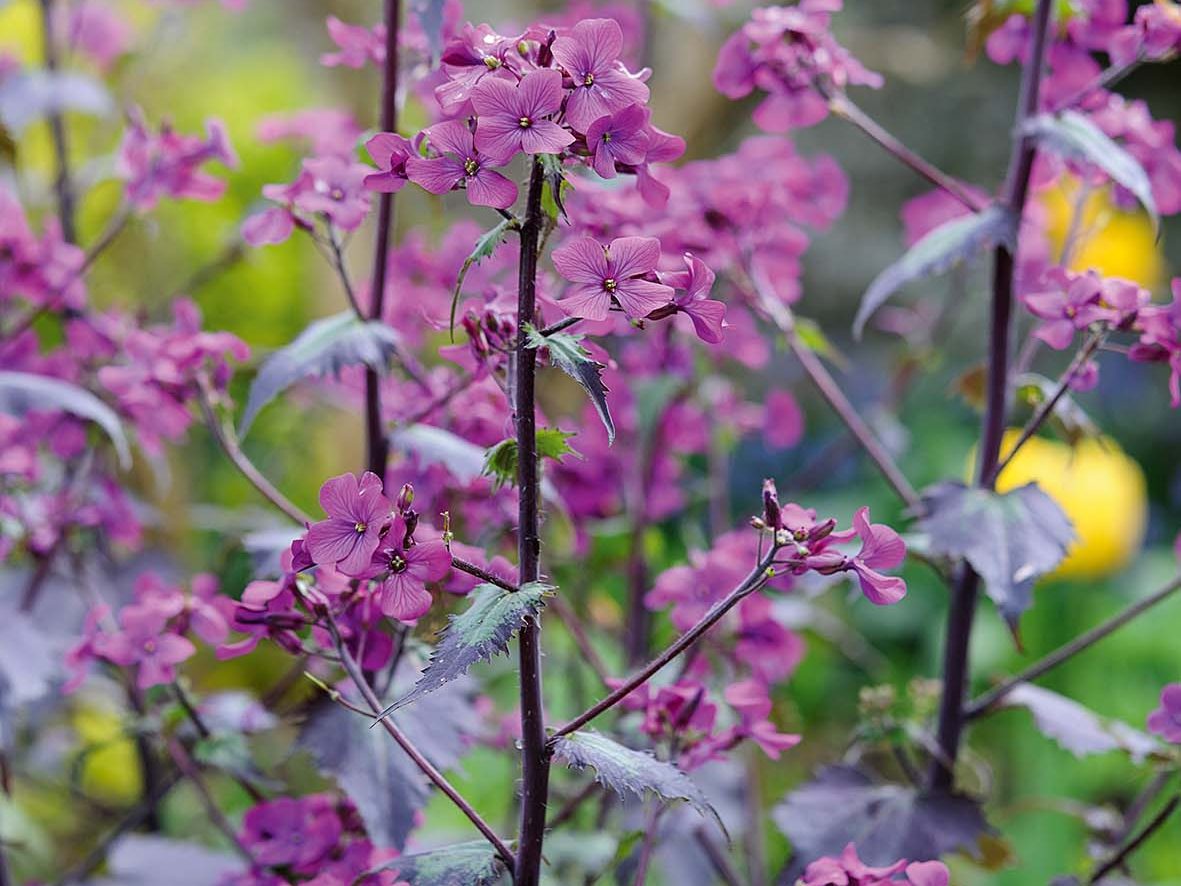
Honesty is one of the first spring biennials to appear blooming in late April or early May, followed by wonderful seedpods in autumn. Designer Stefano Marinaz recommends Lunaria annua ‘Chedglow’: “It has spectacular purple leaves. After flowering, the stems start desiccating and it is beautiful to see the skeleton of the flowering stem still standing in the middle of winter. It self-seeds easily but not aggressively.” Troy Scott-Smith, head gardener at Sissinghurst, loves it too: “Try combining it with tulips of a similar colour palette, such as ‘Havran’, ‘Ronaldo’ or ‘Negrita’. For designer Charlotte Harris, Lunaria annua ‘Corfu Blue’ is a May/June highlight. “It is an unusual cultivar with bluer flowers and purple stems, and is popular with pollinators. The papery, round seedheads are as attractive as the flowers.” 80cm.
Honeywort (Cerinthe major ‘Purpurascens’)
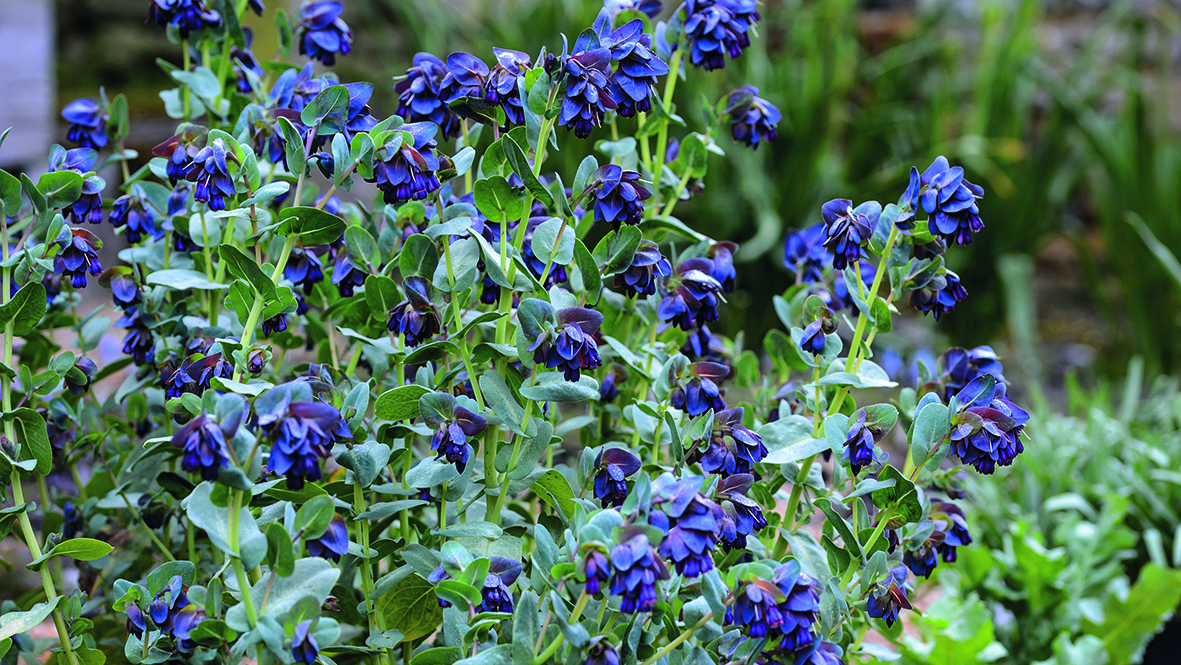
This hardy annual is a wonderful foil to other flowers looks lovely in its own right, too. It will happily self seed in a sunny border. It also makes a wonderful cut flower. 60cm.
Hollyhock (Alcea rosea)
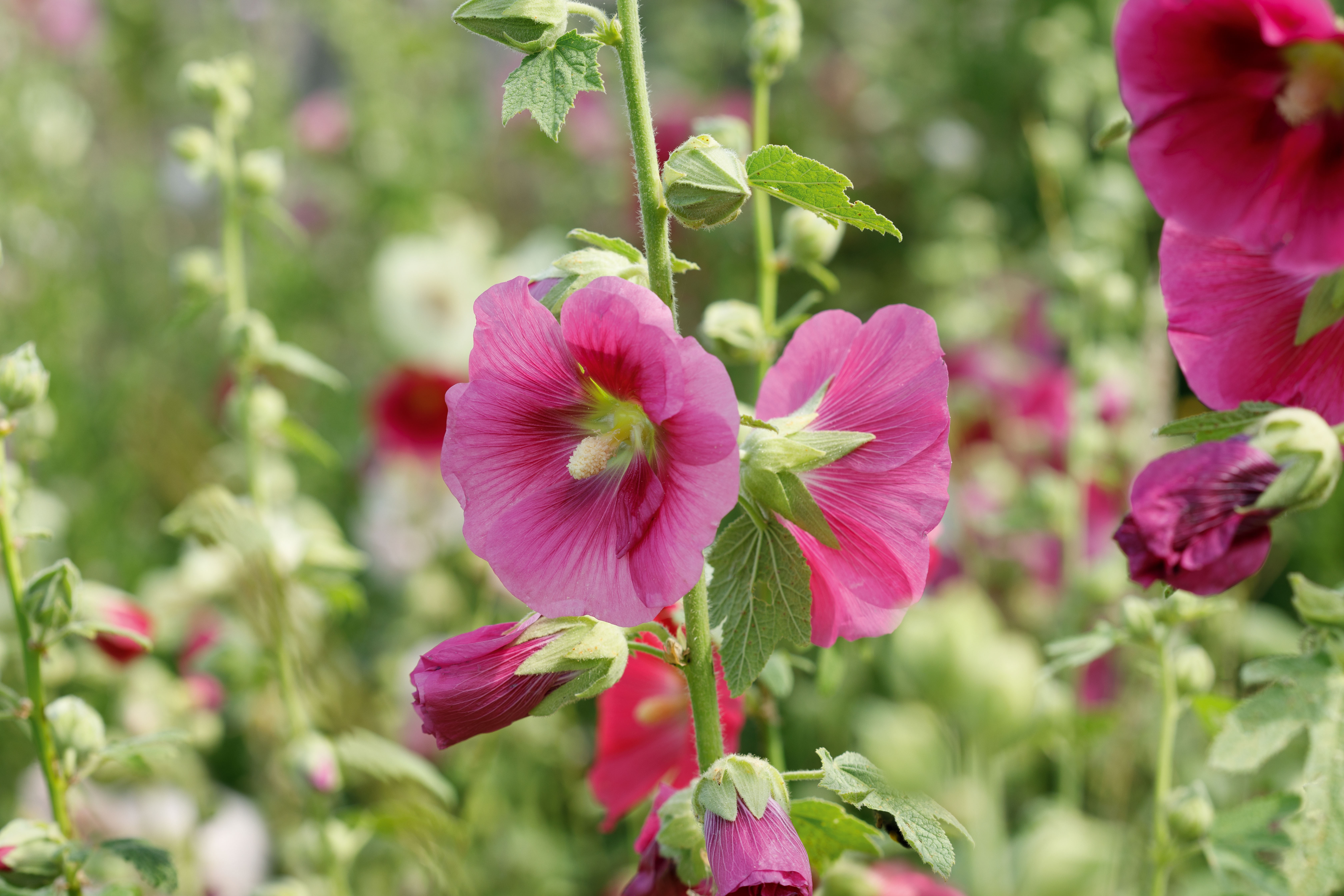
One of the quintessential cottage-garden plants, towering hollyhocks are a firm favourite with many gardeners, and come in a range of colours, from white and pale pink to red and almost black. “Their slightly intangible, fairy-tale quality is one reason I always include hollyhocks in gardens I make, says garden maker Becky Crowley. “I treat them as biennials by sowing fresh seed each year during May or June.” They can grow in a range of growing conditions from well-drained fertile soil, to gravel paths and cracks in paving.
Foxglove
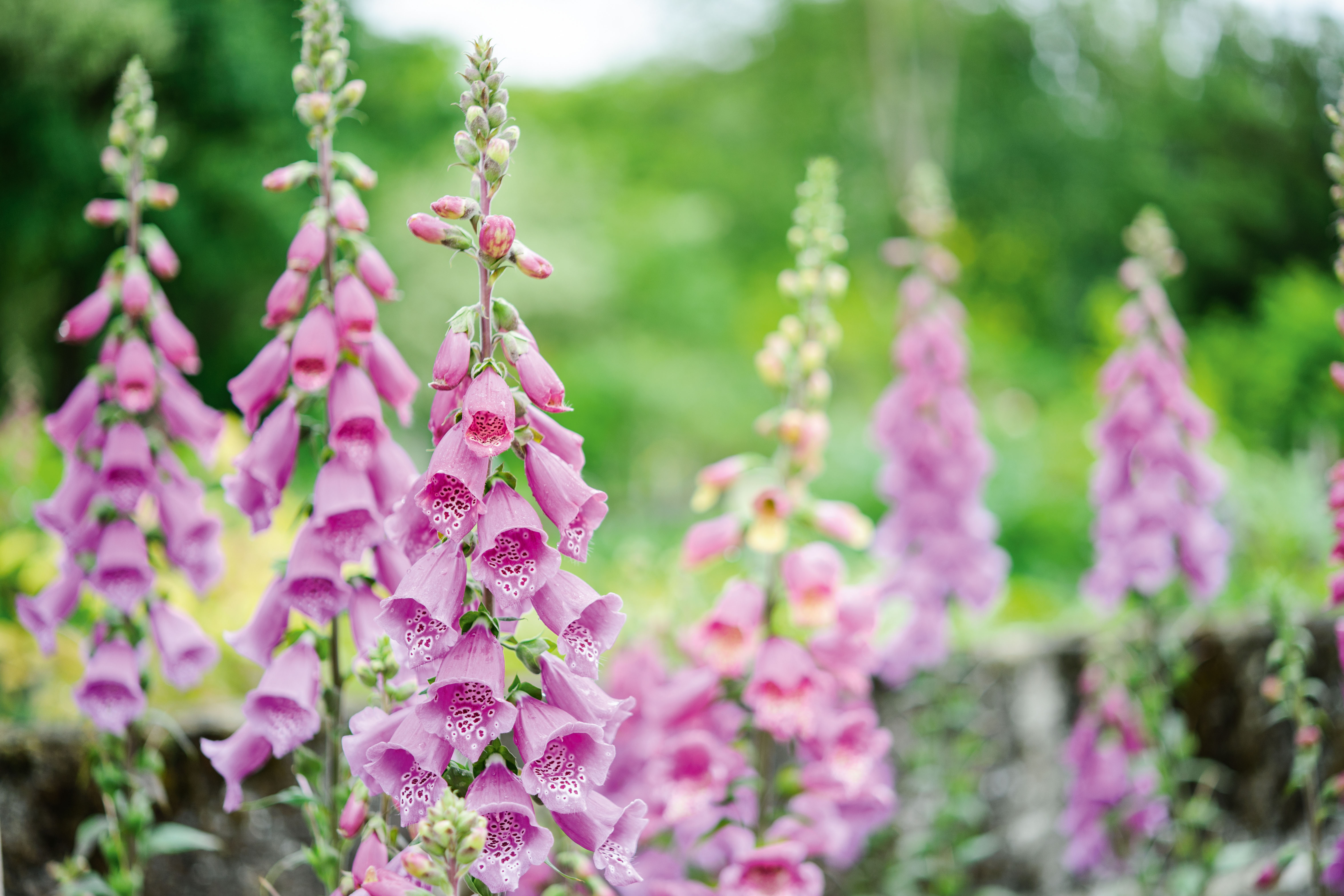
Foxgloves are another classic cottage garden plant. They can be biennial or perennial, and self seed freely in undisturbed soil. They flourish in sun or part shade. You can encourage self seeding by waving the spent seedheads around your borders in summer. Foxgloves also make excellent cut flowers. 1.2m.
Field poppy (Papaver rhoeas)
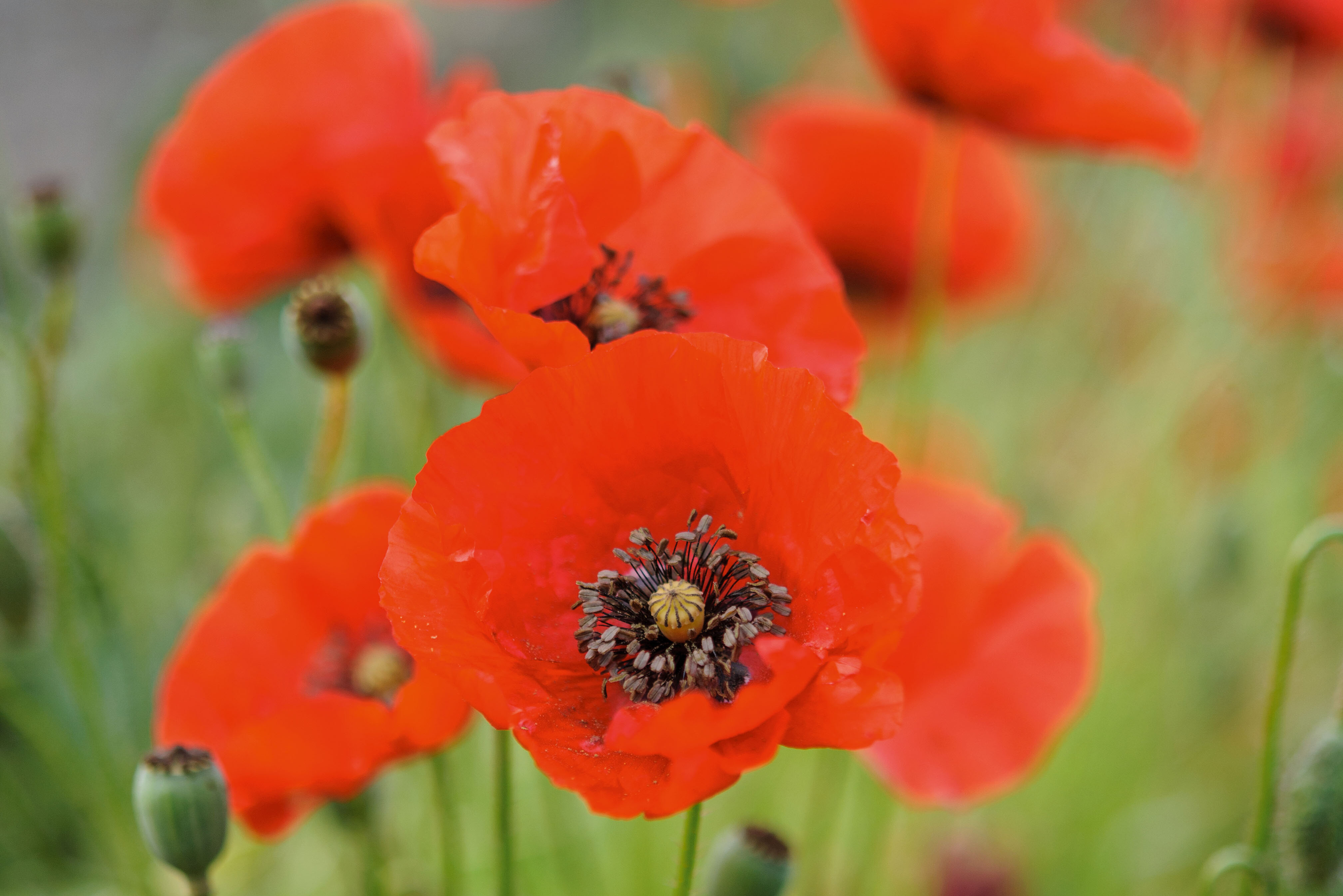
Field poppies, once sown, will pop up in your garden every year. Opt for the traditional red, or choose something more subtle; Derry Watkins recommends Papaver rhoeas Mother of Pearl Group, a strain of the wild corn poppy selected by artist Cedric Morris. "Subtle grey, lavender, pink and white, the colour appears to be stippled on with a fine paintbrush,” she says. 30cm.
Subscribe to Gardens Illustrated for inspiration dropped on your doorstep every month.