Who can resist dahlias in their diversity of colour, size and style? Late summer just wouldn't be the same without at least one dahlia in the garden somewhere. They are great plants to grow in a cut flower garden and their beautiful flower heads often last well into the autumn, extending the flowering season.
To mark the season, here's a list of interesting facts about dahlias.
They were discovered by the Spanish
It was 16th-century Spanish botanists who noted dahlias growing wild on the hillsides of Mexico, although paintings and illustrations suggest that native civilisations had been cultivating and breeding them much earlier.
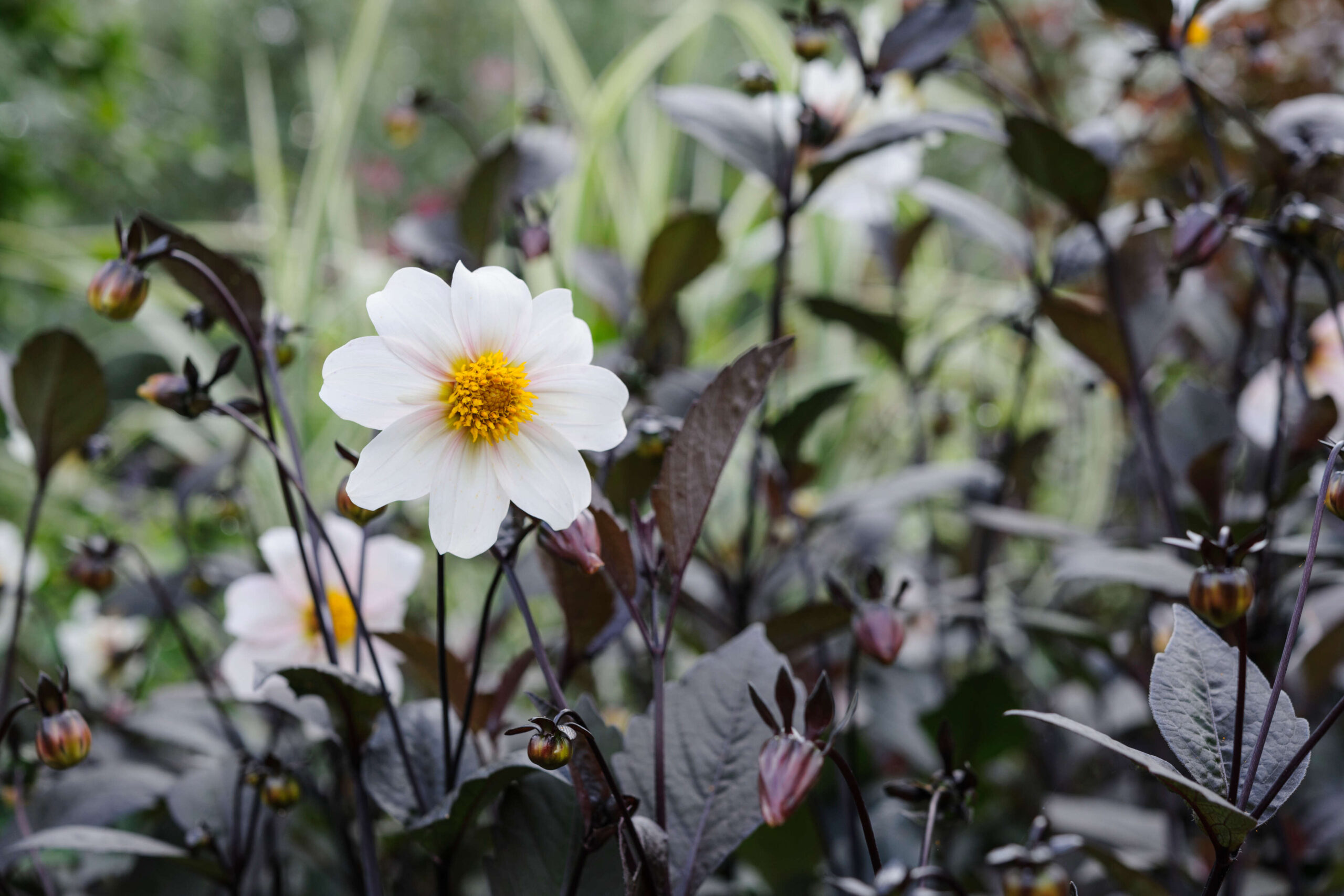
Some dahlias are edible
Dahlias were originally grown as a food crop for their edible tubers. Gardener and television presenter James Wong suggests they taste like a cross between carrot, celery and potatoes.
More on dahlias:
Early botanists admired their mystic appeal
In 1776, the French botanist Nicolas-Joseph Thiéry de Menonville was sent to Mexico. His papers stated that he was in search of the botanicals used in the treatment of gout but in fact he had been charged with stealing the cochineal insect valued for its scarlet dye.
As well as collecting the insect and the prickly pear they depend on, his notes tell of the strangely beautiful flowers he had seen growing in a garden in Oaxaca – dahlias.
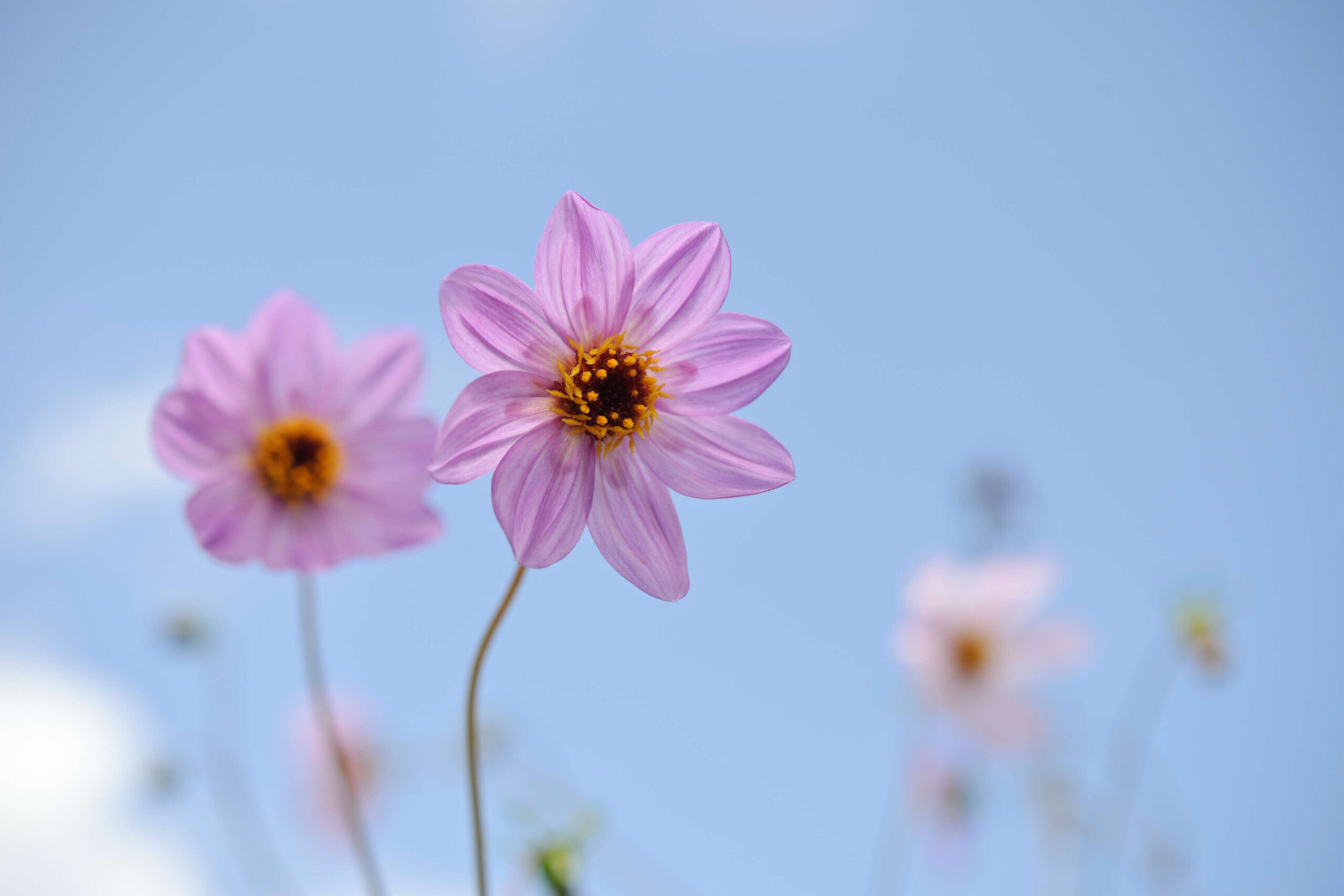
Dahlias were one of the first plants to be brought to Europe
Dahlia coccinea was one of the first species to be introduced into Europe from Mexico in 1789, to the Royal Botanic Gardens in Madrid.
They have a Swedish link
Abbe Cavanilles, director of Real Madrid Botanical Garden, named the dahlia after Anders Dahl, the Swedish botanist, who had died two years previously.
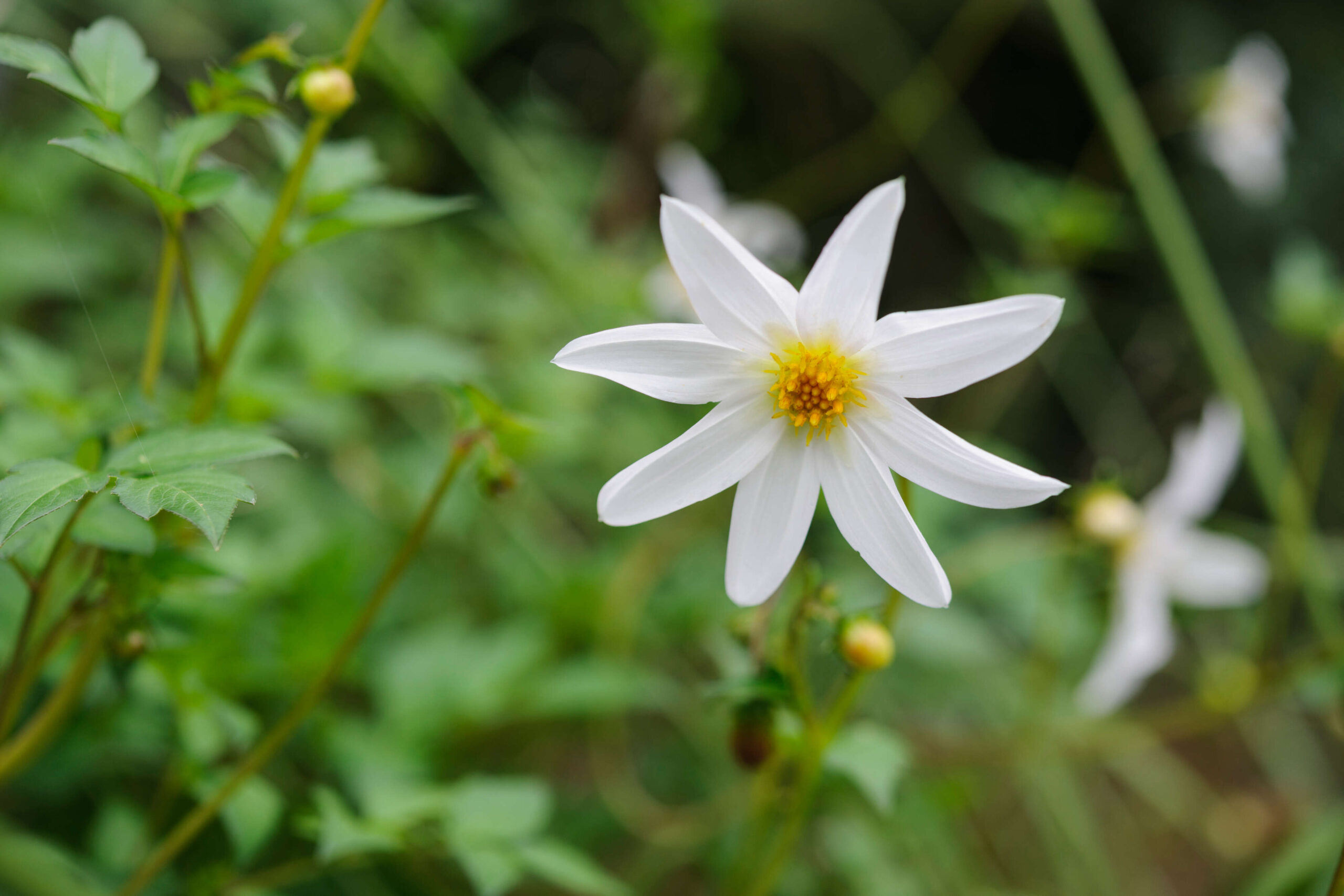
They are part of the daisy family
Dahlias belong to the Asteraceae (Aster) family, along with daisies and sunflowers.
Dahlia cultivars have grown rapidly
Abbe Cavanilles of Real Madrid Botanical Garden noted three dahlia cultivars: Dahlia pinnata, Dahlia rosea and Dahlia cochinea. Today, there are over 7,600 records (including species and cultivars) on the RHS’s horticultural database, with new cultivars constantly being bred.
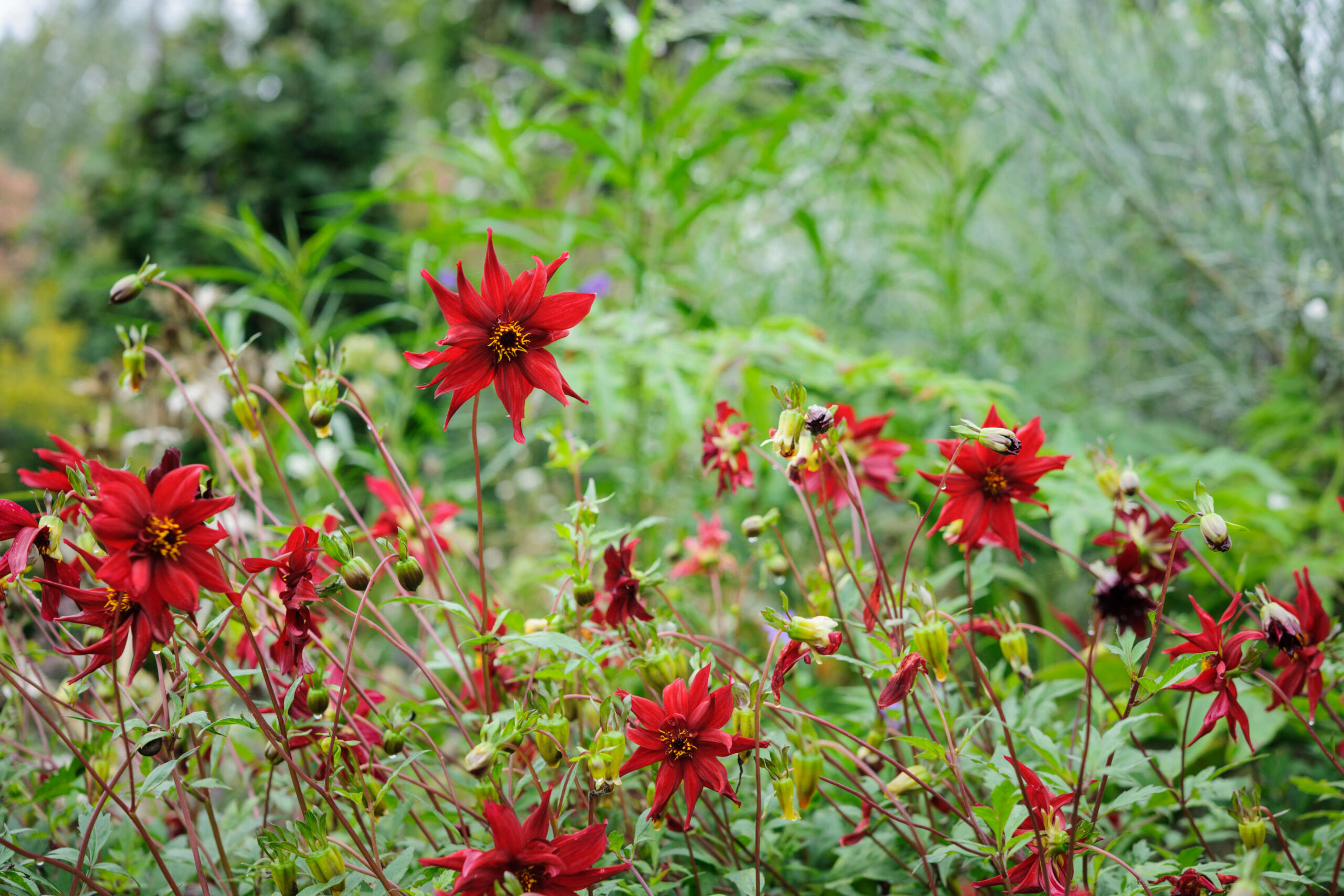
Dahlias come in all shapes and sizes
Dahlias range from dwarf plants ideal for bedding, to giants such as Dahlia imperialis found growing in the wild from Guatemala to Colombia, where it can grow upwards of 6m tall.
More on dahlias:
- Expert grower Sarah Raven picks seven of her favourite dahlias
- Four key tips on growing brilliant dahlias
Some dahlias are huge!
Some cultivars have flowers that reach beyond dinner plate size at 35cm across.
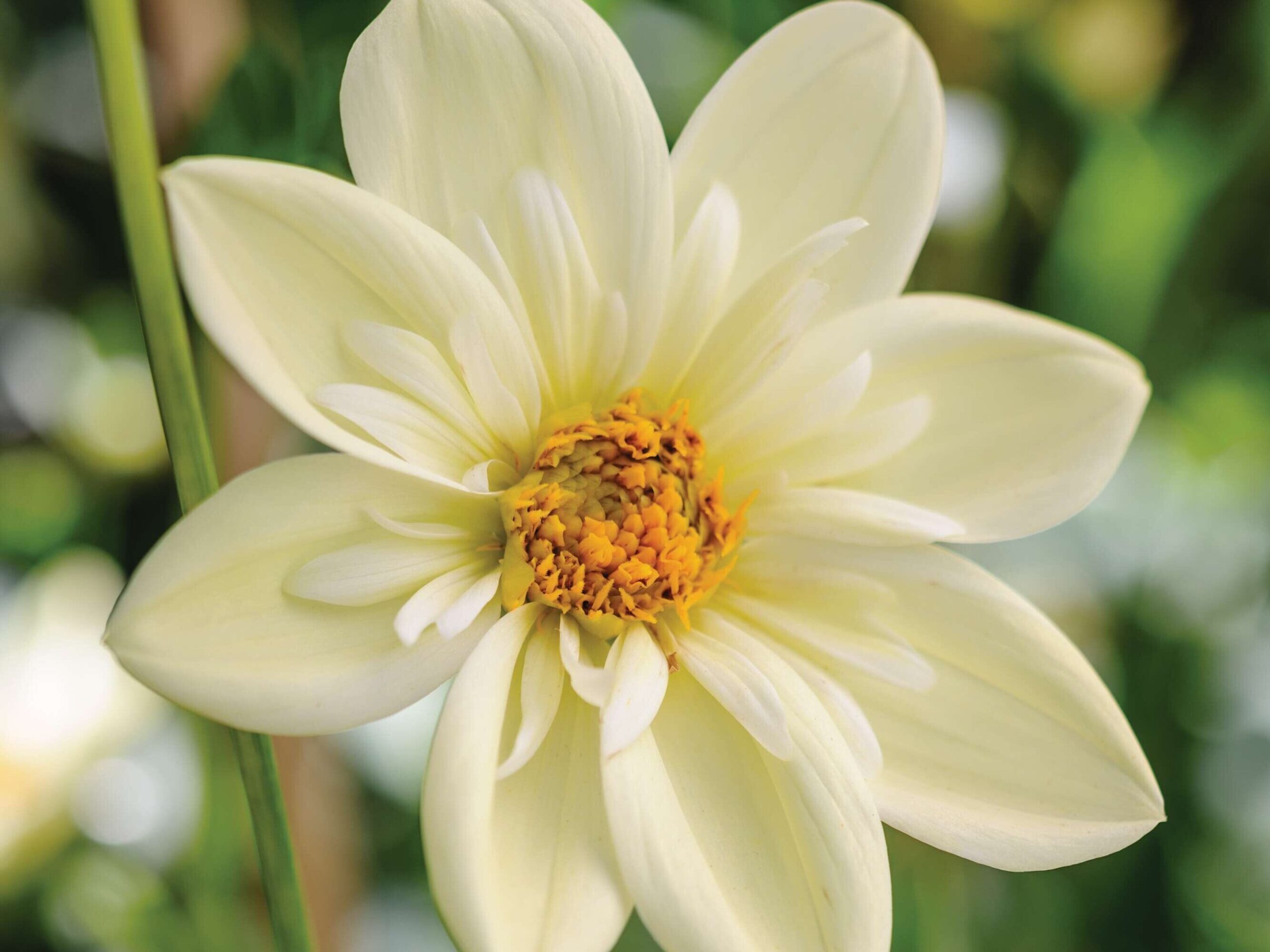
Dahlias are an award-winning garden plant
To date, the Royal Horticultural Society (RHS) has given 141 dahlias an Award of Garden Merit, noting them as particularly garden-worthy.
• For a practical guide to growing dahlias, try The Plant Lover’s Guide to Dahlias by Andy Vernon (Timber Press, £17.99. ISBN 978-1604694161). The book gives growing tips, ideas on planting combinations, advice on how to undertake your own breeding and a good listing of suppliers and where to see dahlias at their best.
SQUIRREL_14001423
Editor's note: This feature was originally published on 15 August 2024 and was updated on 28 July 2026.


