The Chelsea Flower Show is a showcase of the best in garden design, but the expertise and big budgets on display can leave gardeners wondering how on earth they can translate the ideas from the show into their own smaller spaces.
Discover more about the gardens at Chelsea 2026
Winners announced at Chelsea Flower Show 2026
The 2026 Garden of the Year at Chelsea Flower Show
10 inspiring small-space gardens at Chelsea 2026
But fear not – we've scoured the show gardens large and small and picked out some features that would work beautifully in the average garden. And five of them won't cost you a penny...
Take-home inspiration from Chelsea 2026
Unusual pergolas
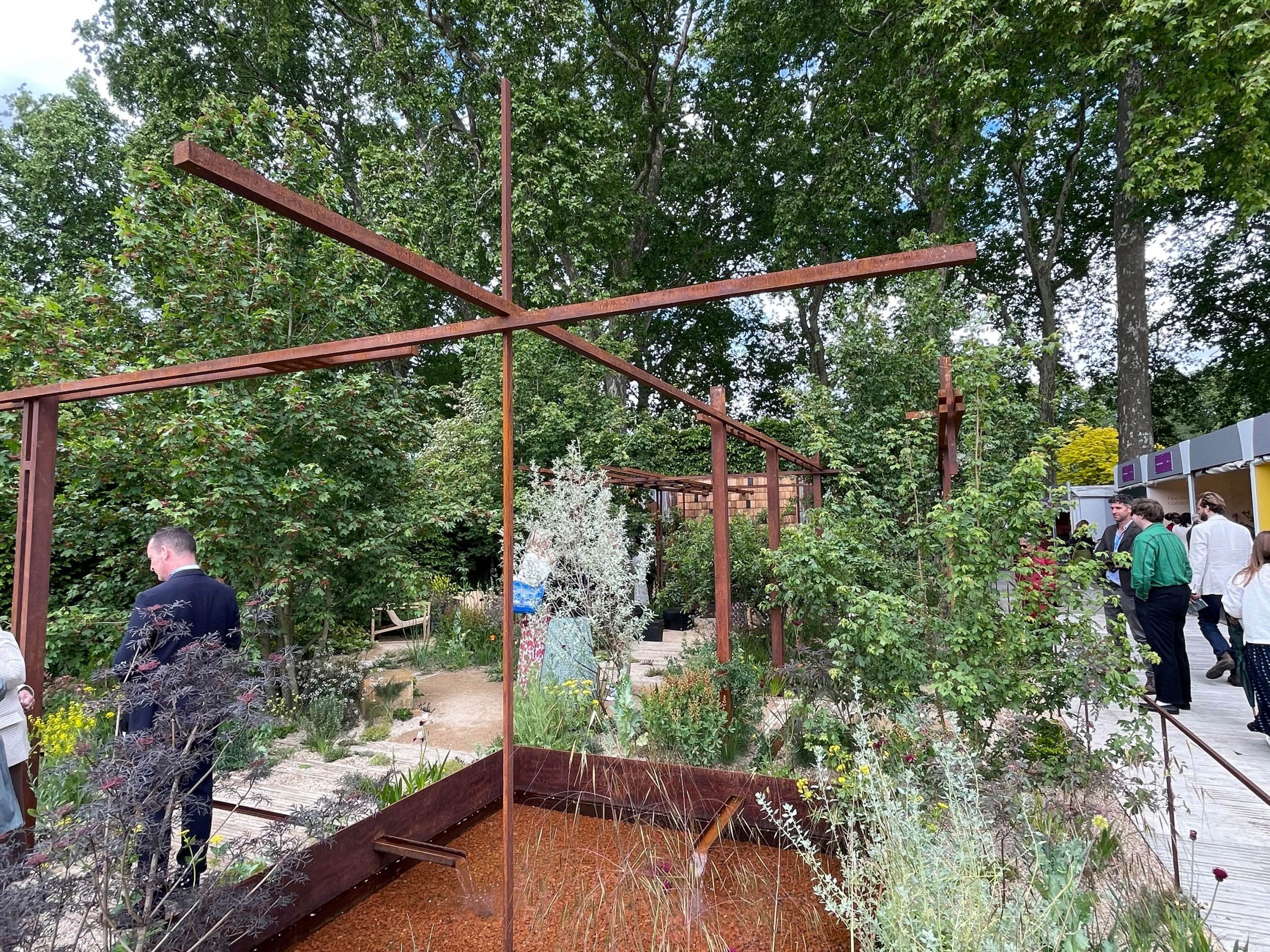
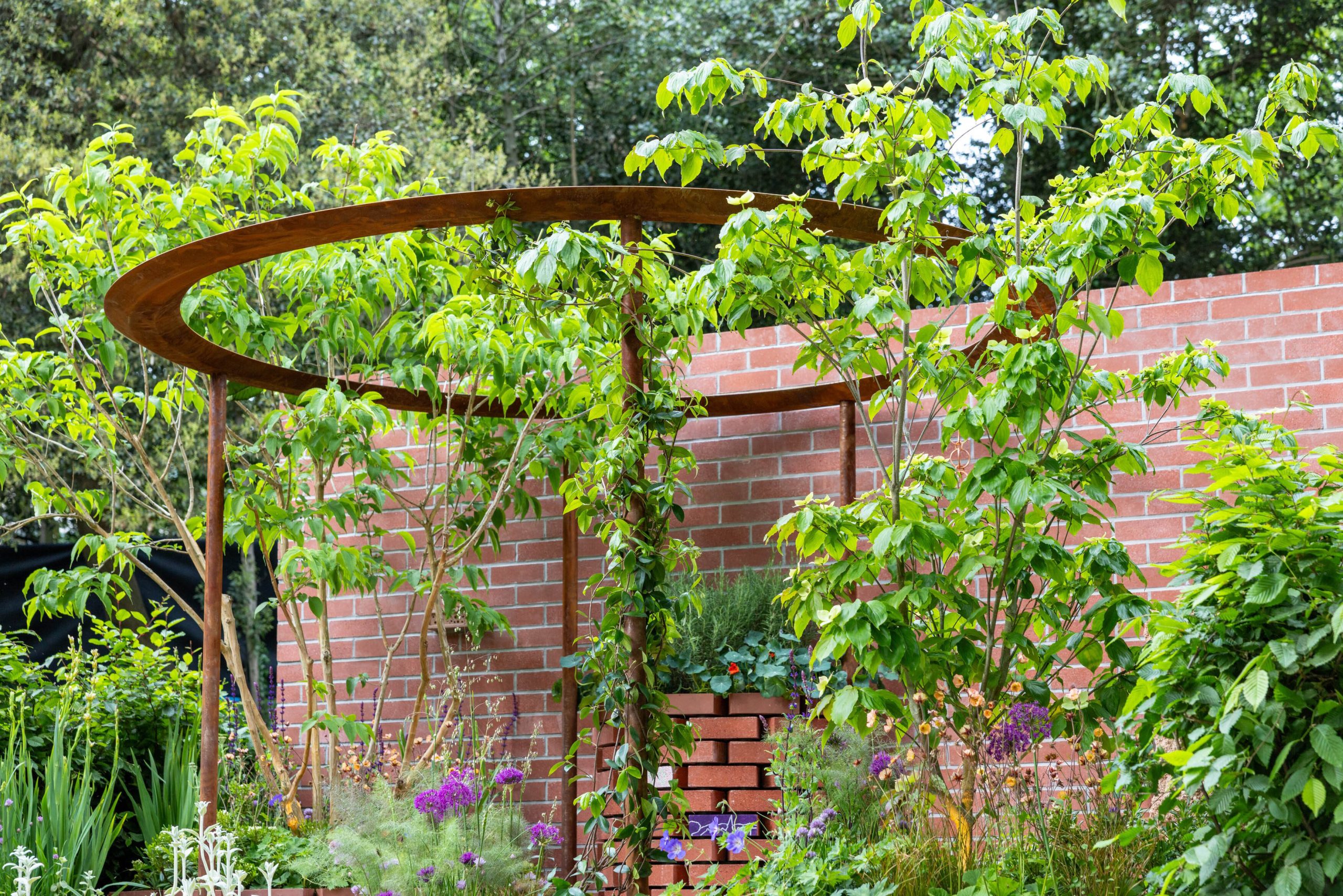
There were several pergolas at the show that served more as an interesting structure and focal point, than to provide shade. We liked these two simple Corten examples, in the Children's Society garden (above) and the Sightsavers Garden (below) - who says a pergola has to be round?
Dead hedge border edge
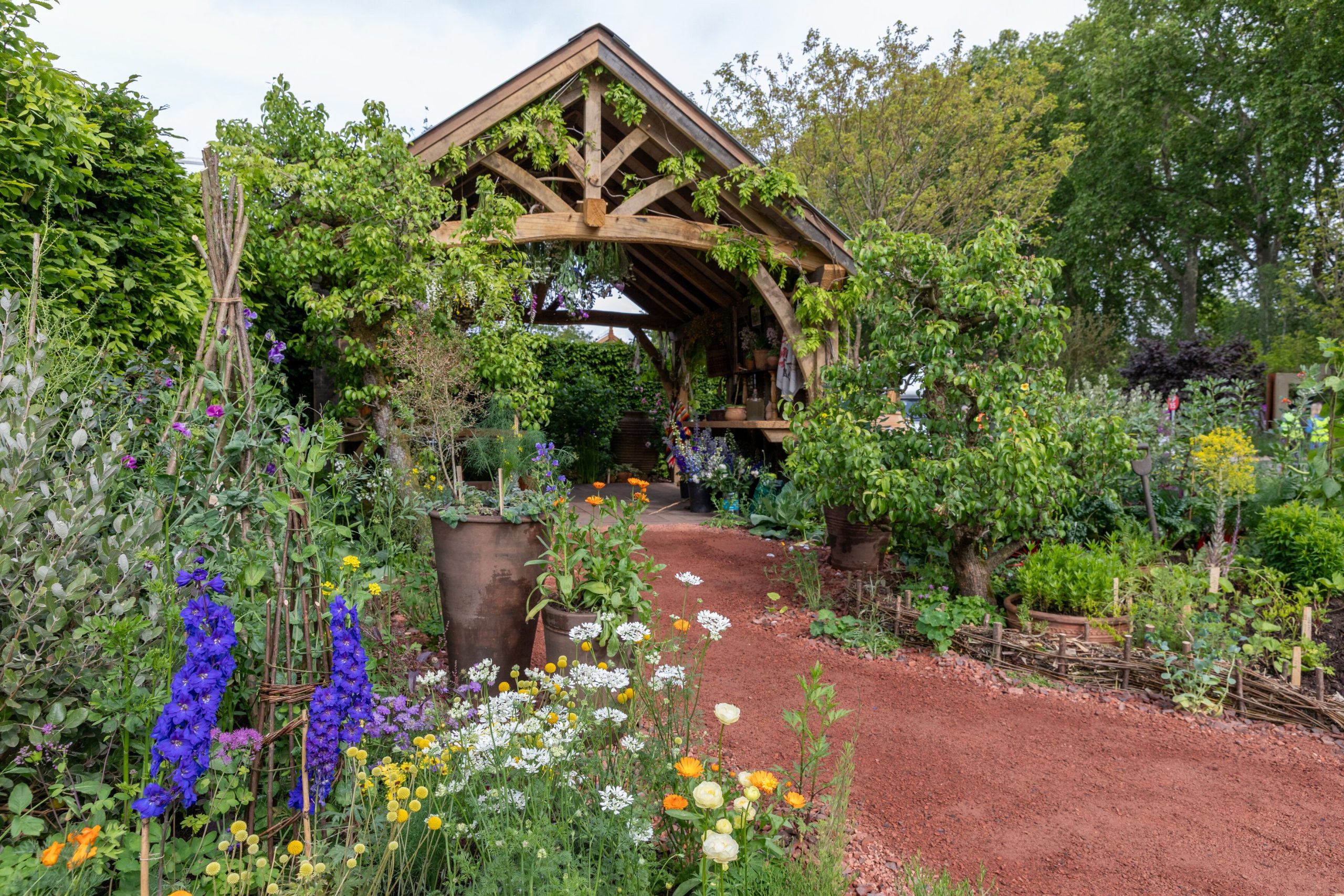
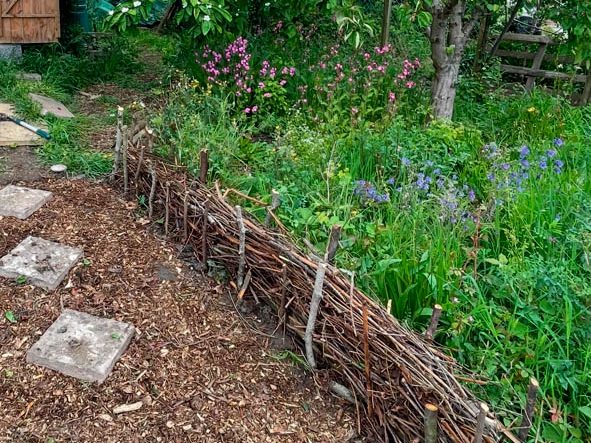
Frances Tophill included a woven 'dead hedge' as a border edge in the RHS and The King's Foundation Curious Garden and our art director, David, was chuffed when he saw it, as he has this very thing on his allotment (see below). He weaves in any waste material, such as brambles, and prunings from his fruits trees, between stakes. "Anything that falls off the trees - after a storm or in the wind, I put it in there. It tidies the site and puts the waste to good use," he says.
Mounded borders
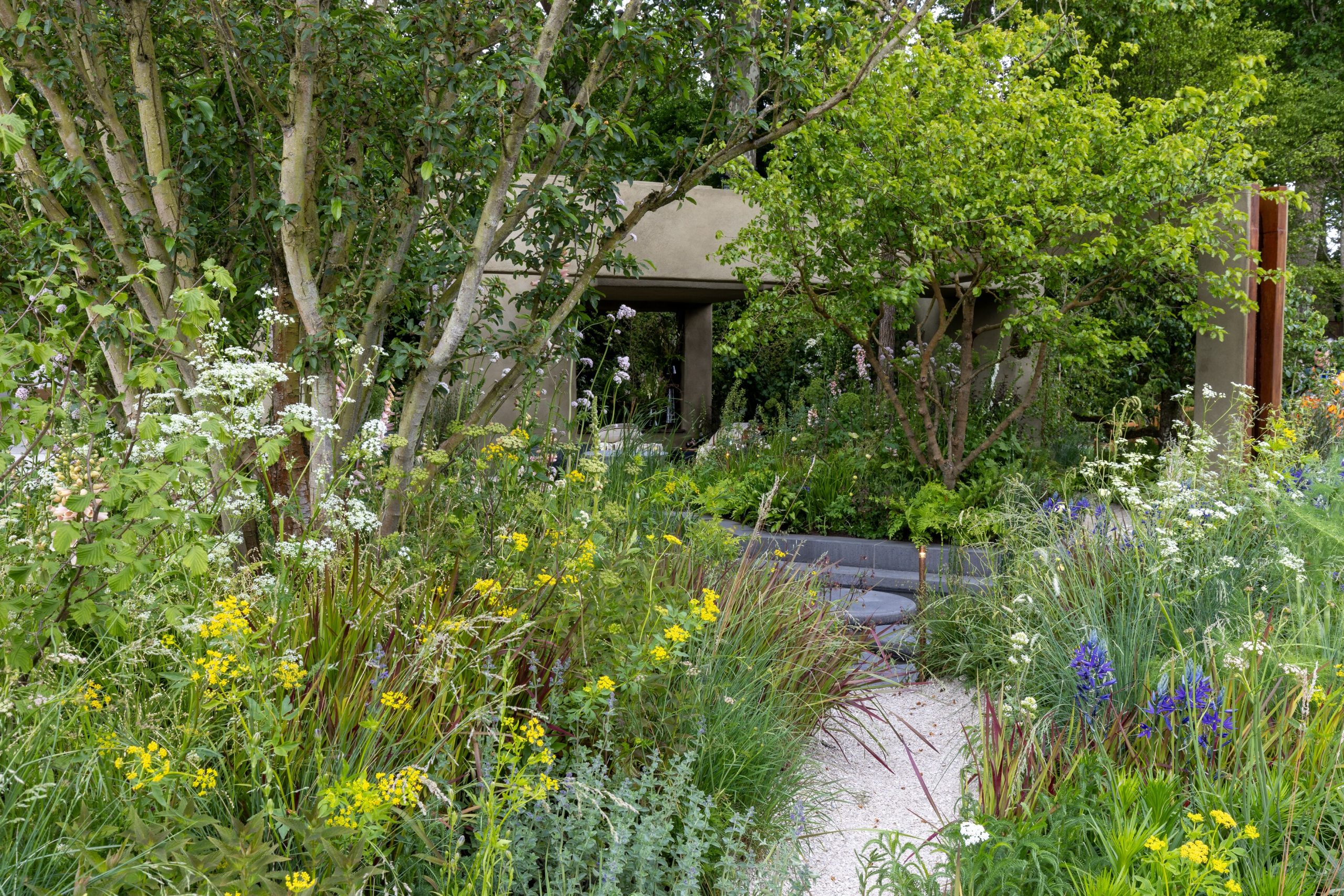
Baz Grainger has included mounded borders that are taller in the middle than they are at the sides in his 'A Seed in Time' garden for Killik & Co. He got the idea from a visit to the renowned rewilded garden at Knepp. He explained that not only does it add height to the planting, making it feel generous and immersive, but most importantly, it instantly creates two different ecosystems - one side is hot, the other cooler.
If you're wondering how to do it, Charlotte Harris explained how in her recent design series for Gardens Illustrated: "We like to ensure there are slight contours on all of our beds, rather than them being dead flat. I’m not talking about land-forming or significant groundworks here; anything from 100mm to 300mm will make the difference, especially in a setting where the plot is flat. A gently convex ‘back of a spoon’ profile to the bed means that you help your planting with a bit of extra oomph, enhance the visual impact and help with drainage."
Woven birds' nest
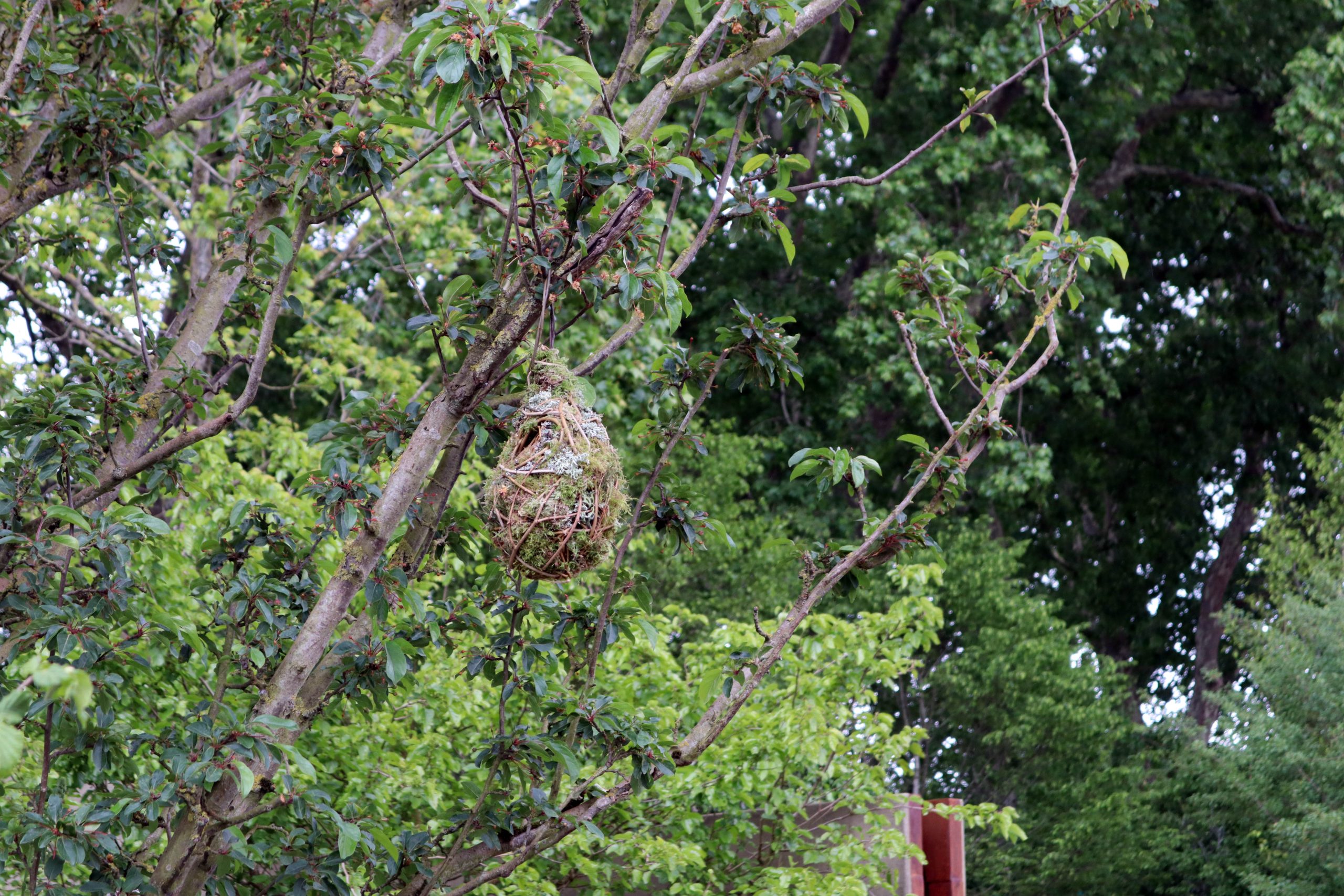
Also spotted in the Killik & Co garden - beautiful woven kokedama-style willow and moss bird's nests, nestled in the trees. They were made by Norfolk-based designer and maker, Karen Bek.
Kadai bowl of houseplants
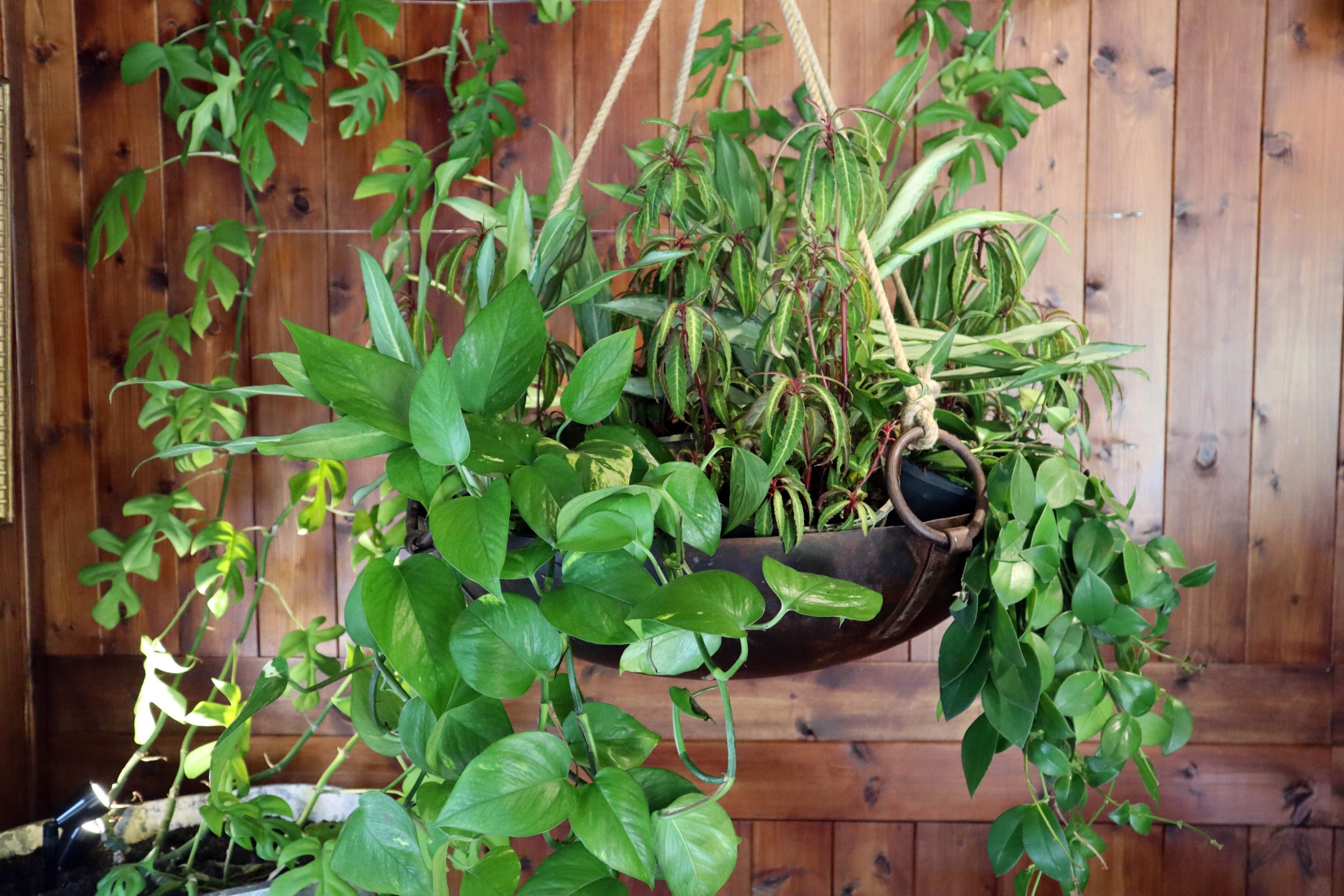
In the Houseplant Studios, Martha Krempel's delightful Composer's Cabin highlighted some clever ways of showcasing houseplants, including huge planters filled with a variety of large-leaved houseplants and this shallow bowl filled with trailing houseplants. Martha told us that it's actually a kadai bowl, used in Indian cooking. A really neat way of creating impact and giving a lush feel, with loads of bitty smaller pots.
Tiny water feature
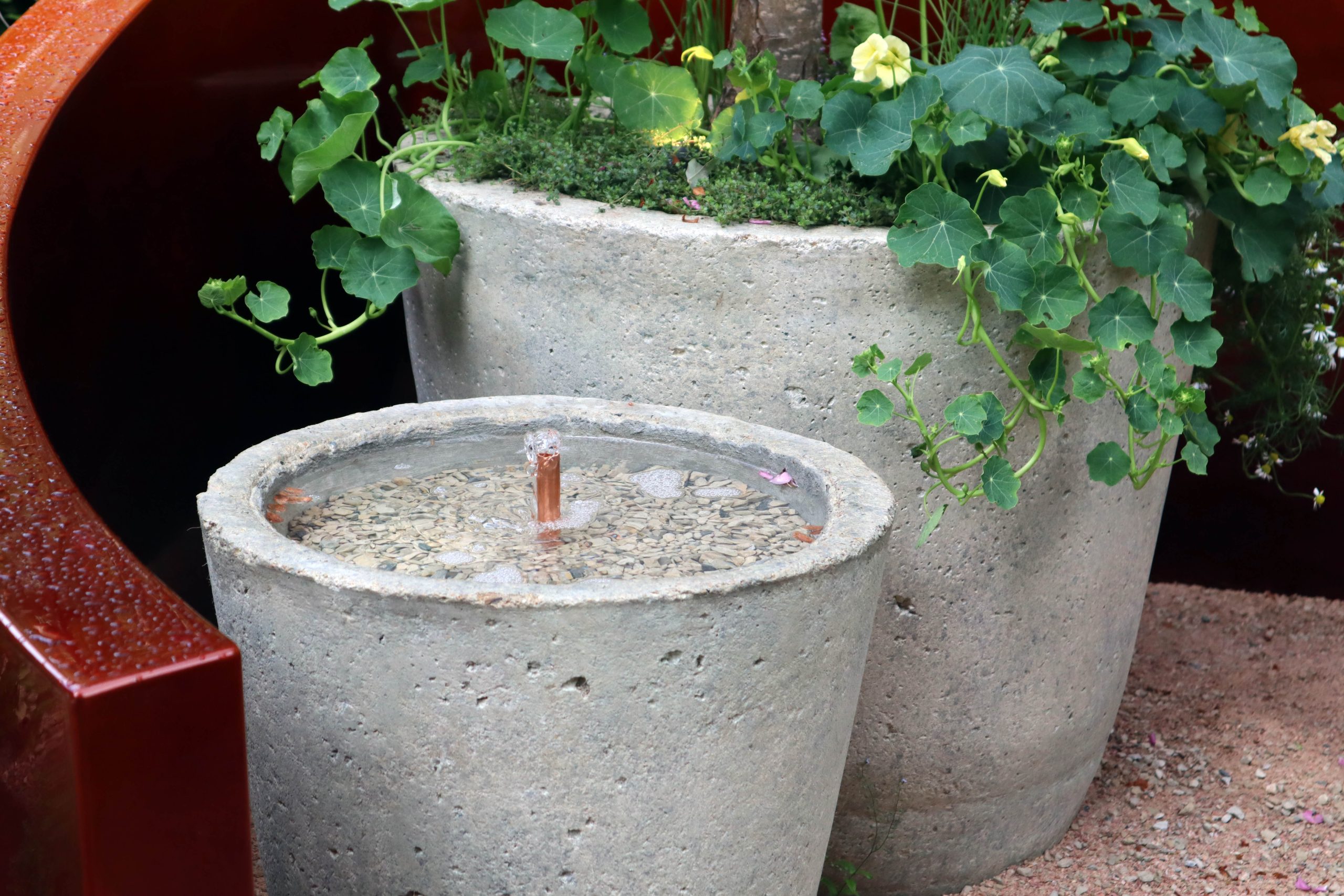
This water feature in a stone planter seen in the Alzheimer's Society: Microbes and Minds garden is a great reminder that you don't need a huge amount of space – or a pond or a rill – to enjoy the sound of gently bubbling water in your garden.
You may also like
- Vote for Gardens Illustrated Readers' Choice from RHS Chelsea Flower Show
- RHS Chelsea Garden of the Year 2026 winner announced at Chelsea Flower Show
Planting at the base of a planter or raised bed
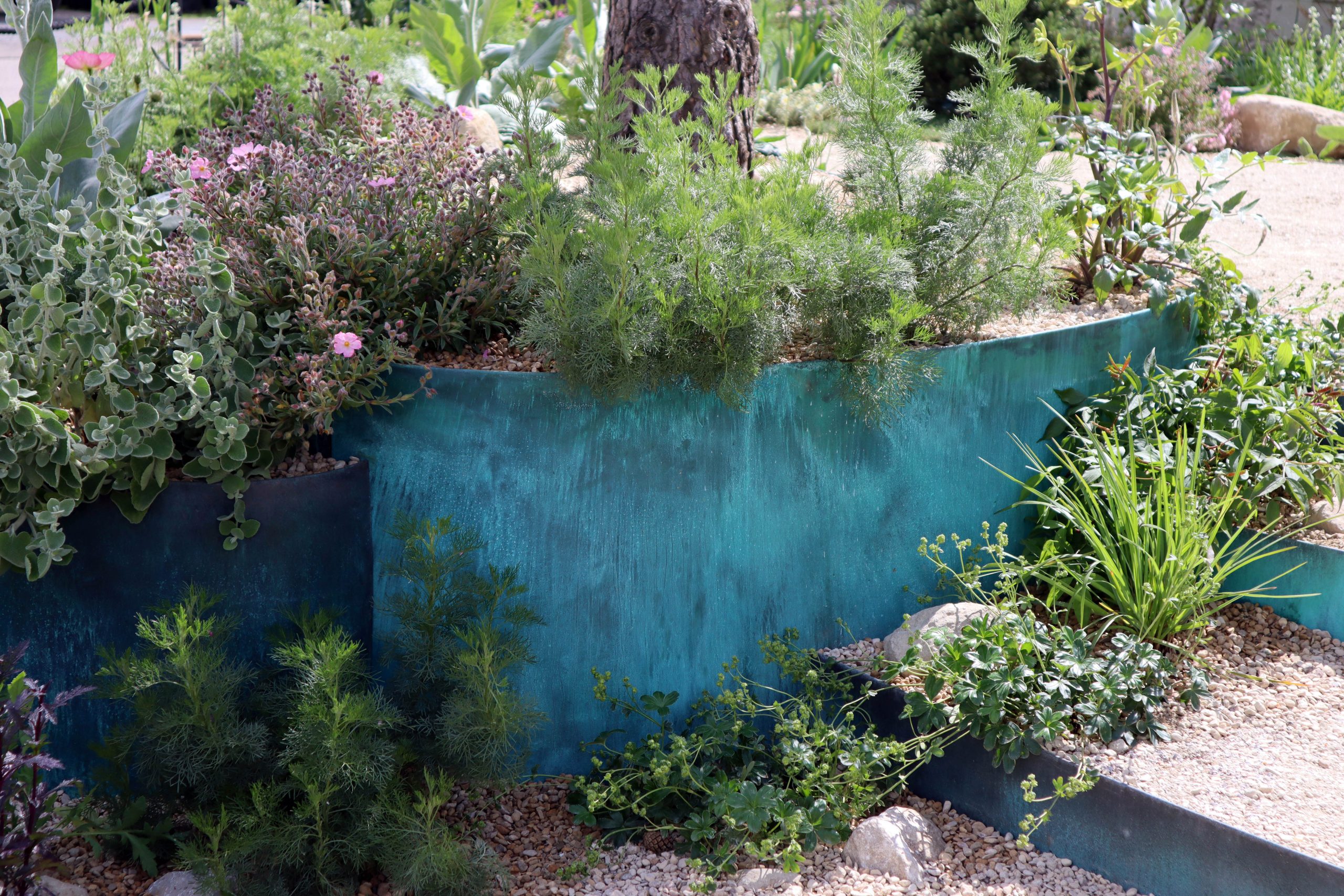
The planting in the gravel at the bottom of this raised bed on the Addleshaw Goddard garden is a timely reminder to plant around (or allow self seeders to establish themselves) around the base of pots or raised beds. Here, Laura Carey's clever planting means that the plants stud the gravel, softening the whole look, providing habitat and nectar for wildlife and helping to nestle the raised bed among the planting.
Interesting raised beds
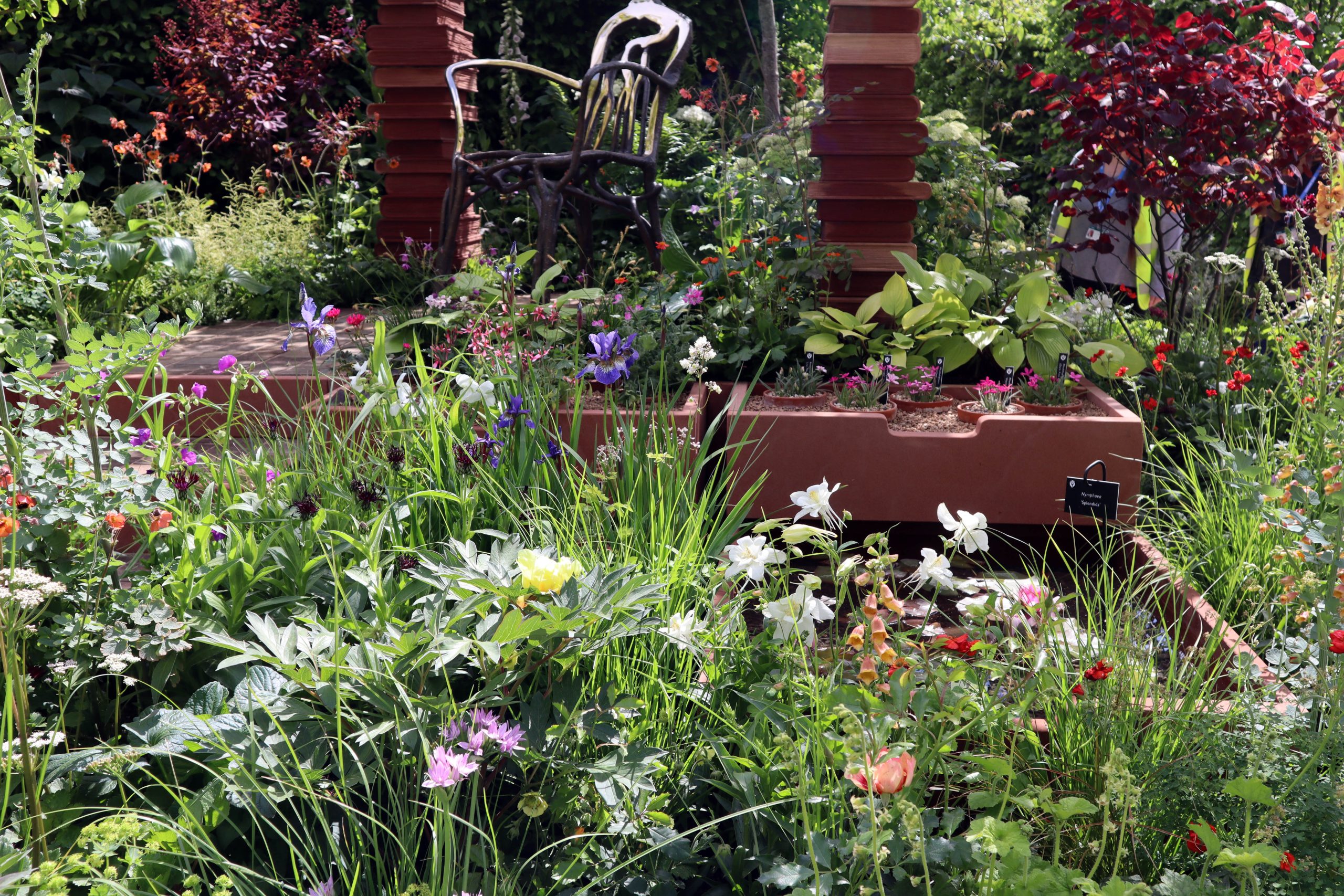
In the tiny Plant Heritage Missing Collector garden designed by the Planting Design Collective, stone 'drawers' contain rare and interesting plants; one is actually a pond filled with aquatic plants. A delightful and space-saving way of creating raised beds and displaying plants that warrant a closer look.
Rain chain and water feature
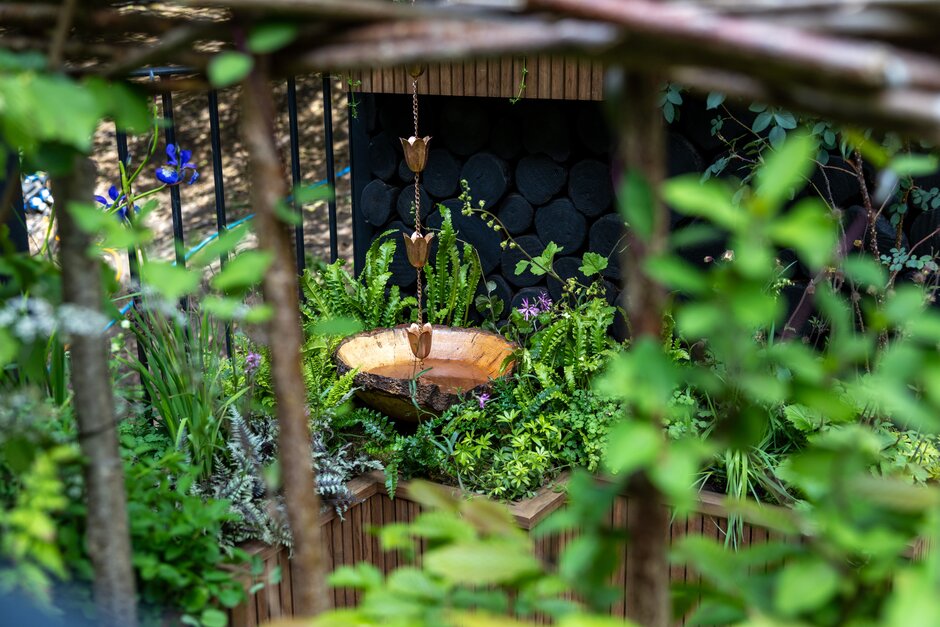
This delightful rain chain and water feature in the Hedgerow in the Sky - Tech Mahindra balcony garden, designed by Sarah Mayfield and Monika Greenhough, shows that you don't have to settle for an ugly downpipe and an unsightly water butt or bucket, even in a small space.
Walkthrough greenhouse
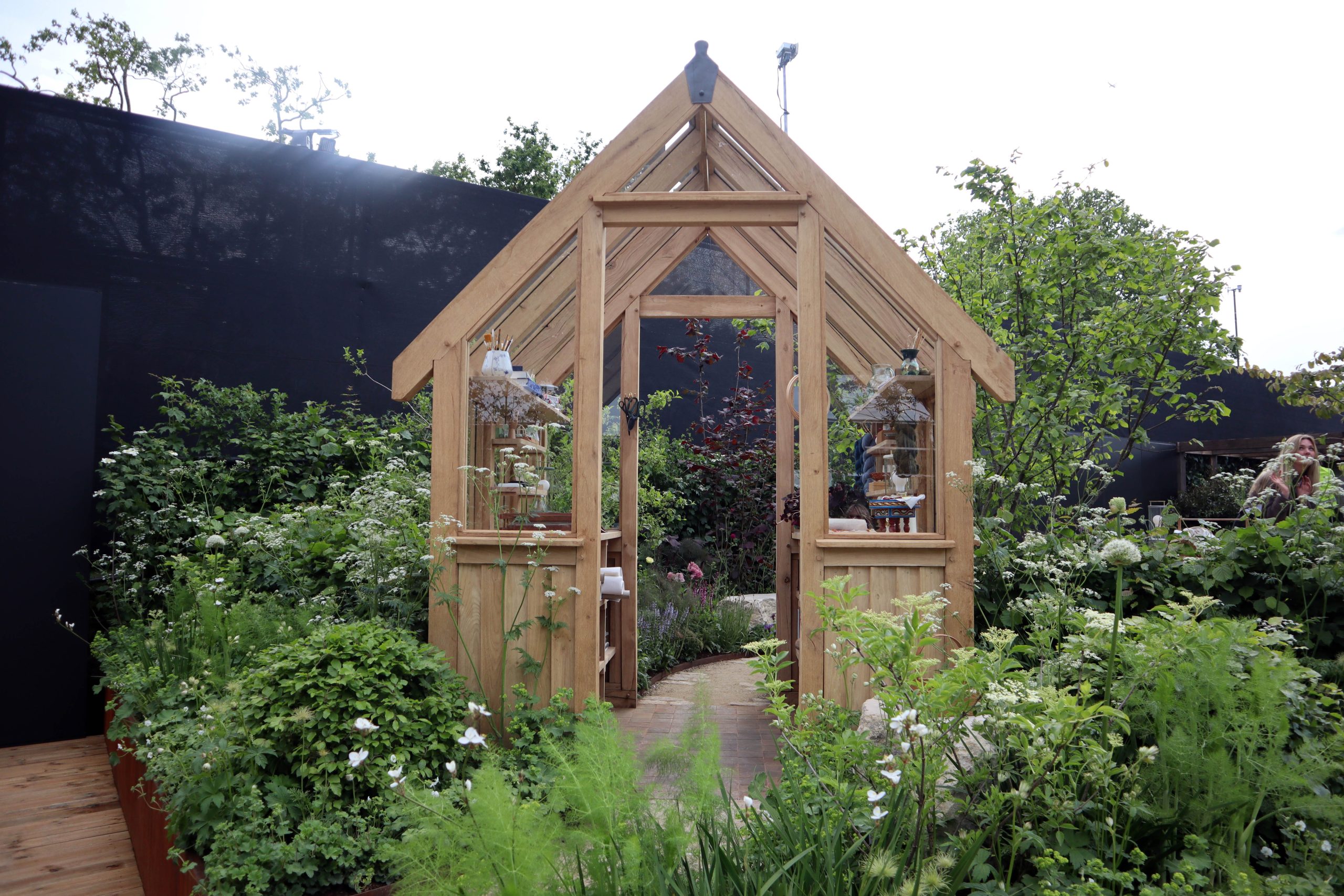
Not a budget option, but if you're considering a greenhouse and feel that you don't have room for one, why not put it centre stage make it a 'walkthrough' one? Designer Mary Keen has a wonderful example in her own garden, and visitors were swooning over this handmade example in Christina Cobb's Cleary Gottlieb 'Time for Creativity' garden. It is a 'walkthrough' greenhouse as you have to walk through the greenhouse in order to move through the garden. This one is stacked with books, paints, papers, fabrics and threads, encouraging you to linger and do something creative for a while, but it could of course be fillled with plants.
Circular seating with raised beds
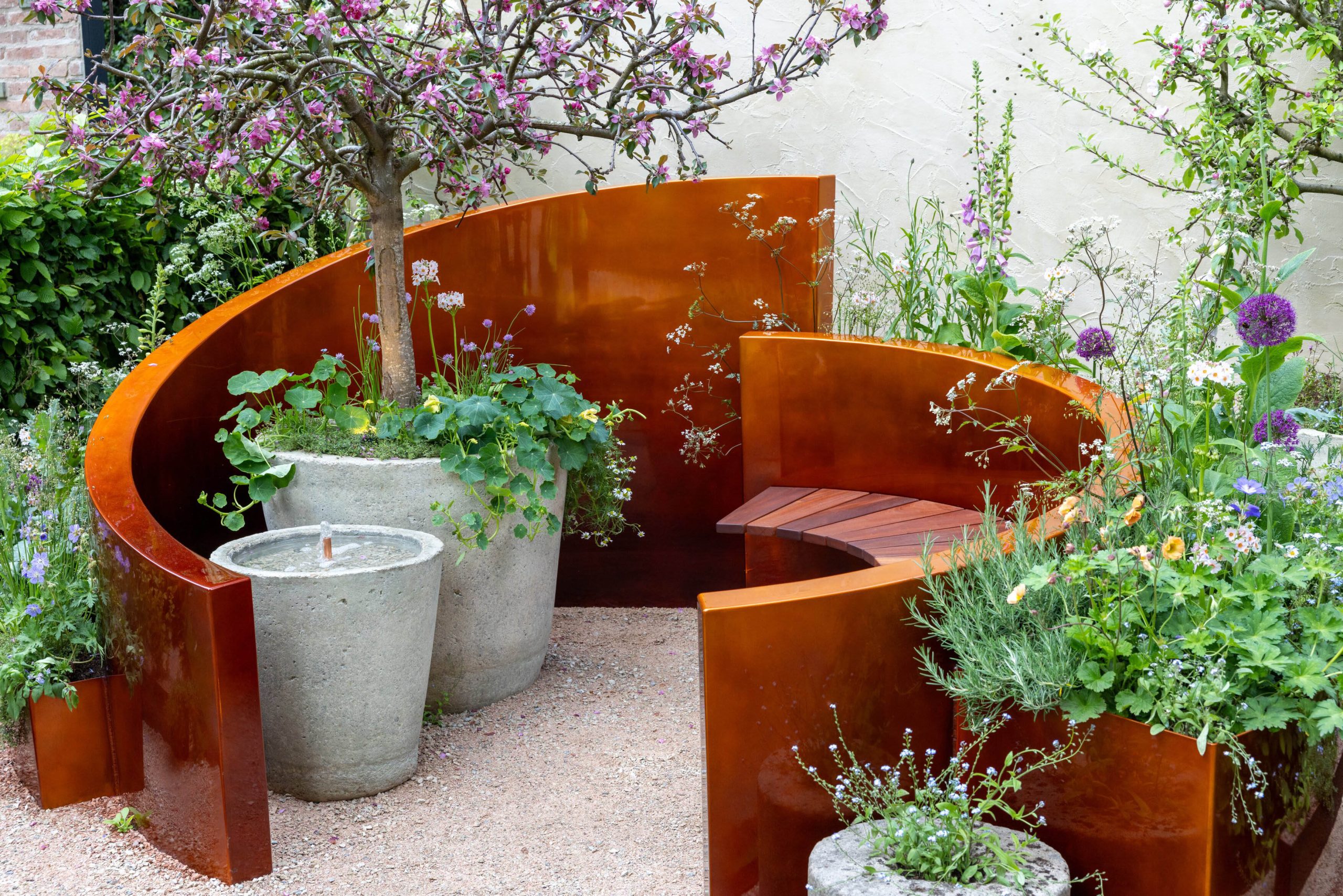
The Alzheimer's Society: Microbes and Minds garden designed by Tina Worboys is a masterclass in fitting seating into a small space, and giving a sense of enclosure. The raised beds behind the walls make the seating area feel nestled into the space, immersing it within the planting, without taking up a huge amount of room.
Planted pergola
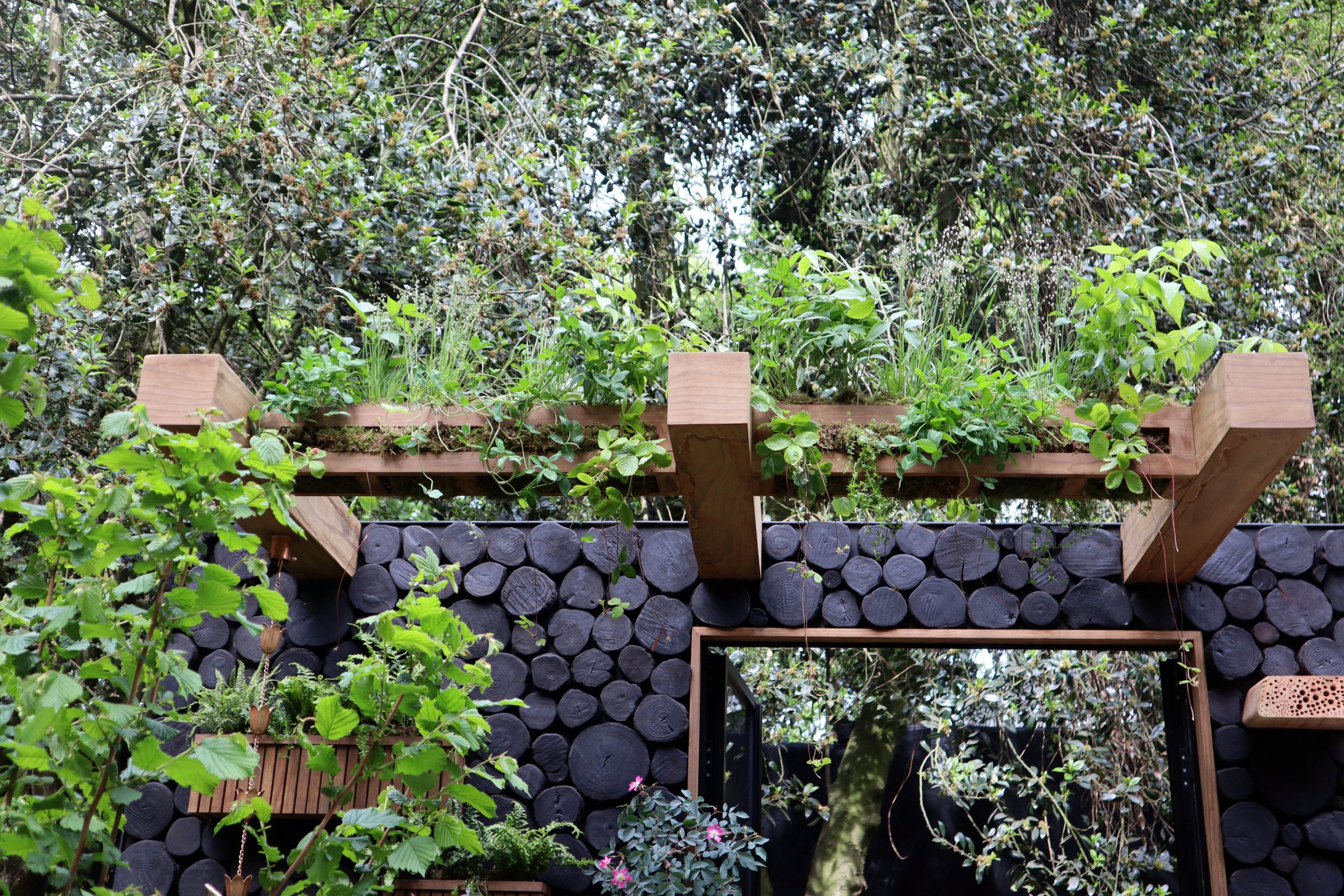
We're used to seeing plants climbing up a pergola, but on the Hedgerow in the Sky - Tech Mahindra balcony garden, the pergola itself was cleverly planted - an idea we have not seen before.
You may also like
- Nigel Slater was asked to name a sweet pea, which launched at Chelsea Flower Show - here's why it's not as simple as it sounds
- Get the Chelsea look: 19 standout plants from this year's Chelsea Flower Show
Brutalist bug hotel
Look closely and these diminuitive wooden 'brutalist bug hotels' could be spotted on Baz Grainger's Killik & Co garden - proof that even the tiniest of spaces can harbour shelter for insects. Something to do with any offcuts of wood you have left over from DIY projects - just drill in holes of varying sizes.
Grass bundles
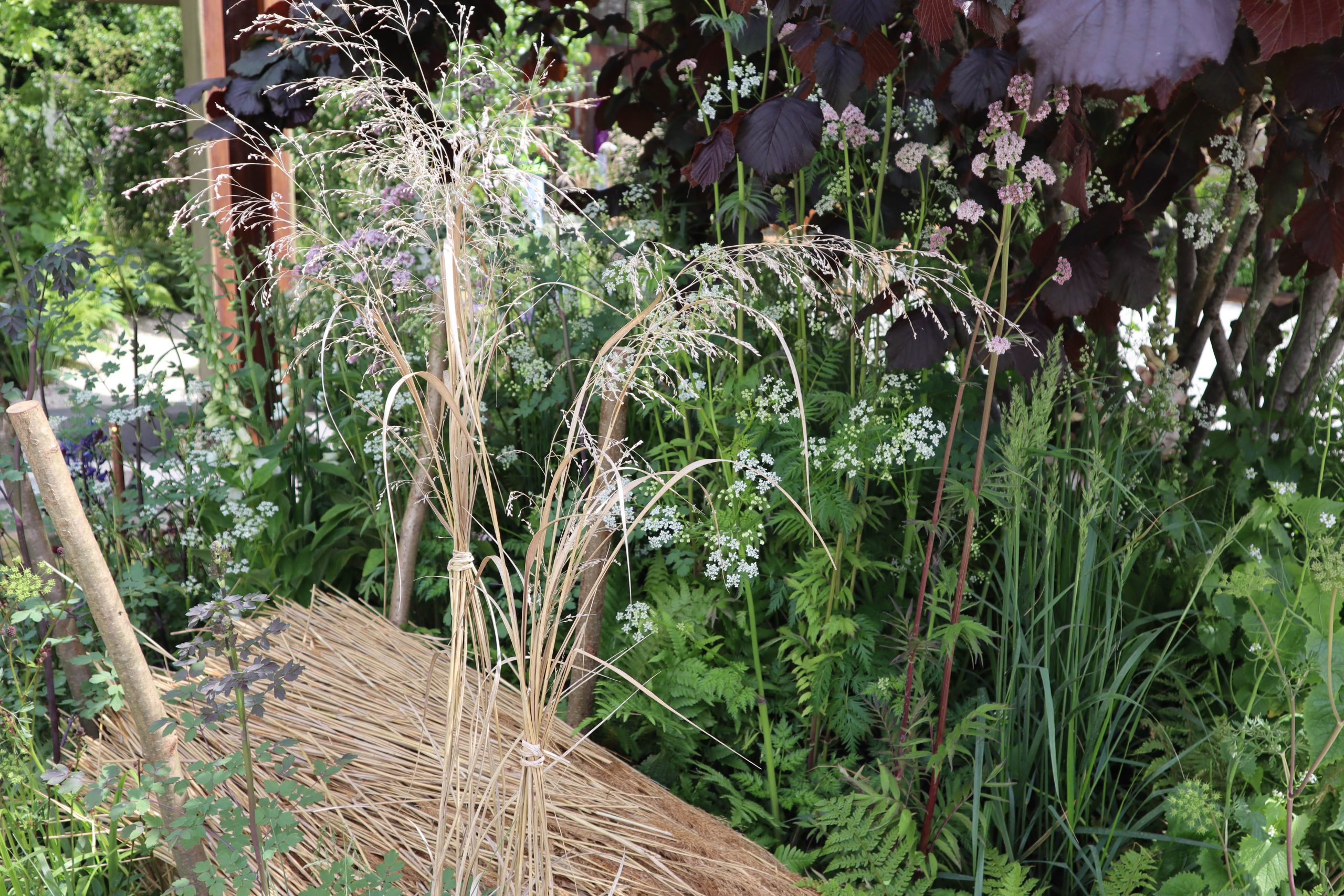
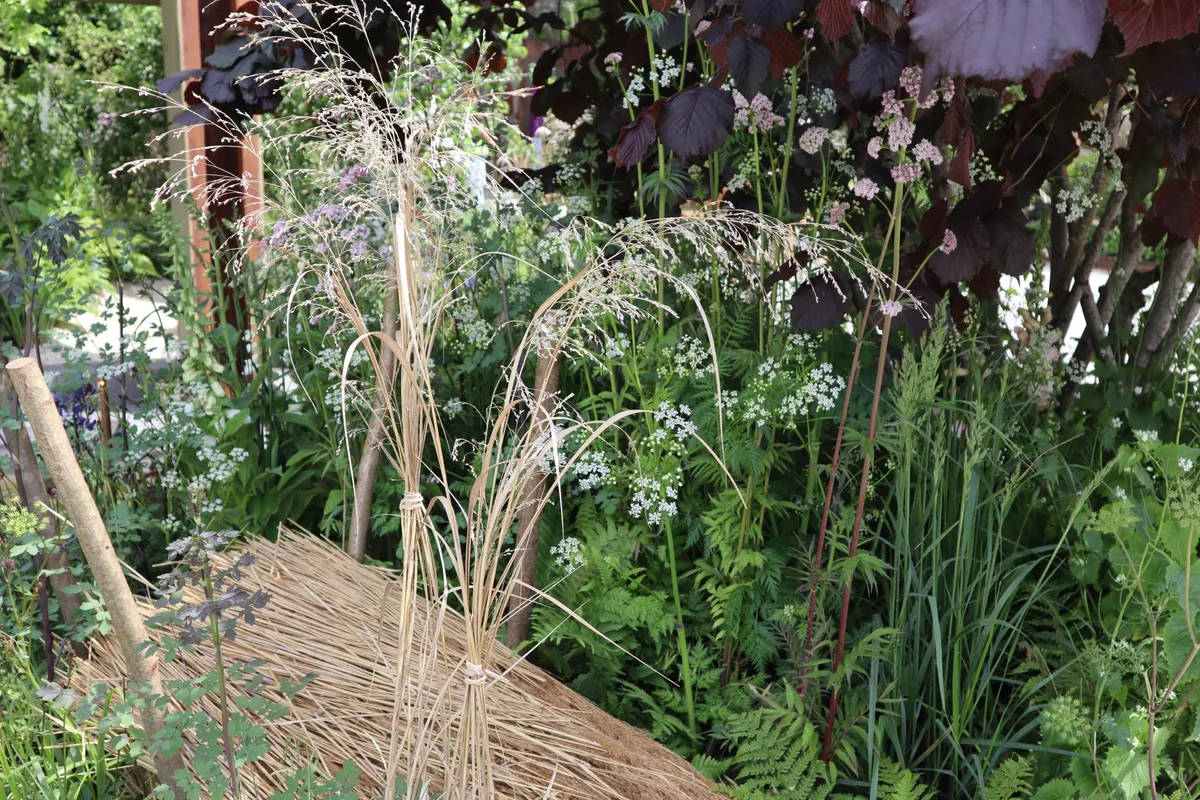
Ornamental grasses are usually left standing over winter in the garden, as they can provide interesting structure and also shelter for wildlife. They are cut down in February when new growth appears at the base. In Baz Grainger's 'A Seed in Time' garden there were attractive bundles of cut grasses, which provide habitat for a range of wildlife – another idea that Baz told us was inspired by Knepp. We also loved how some of last year's grasses were tied up, making them easier to cut down - but they also looked really pretty in their own right, gently swaying in the breeze. Baz explained that the space within the stems could also be filled with dead plant debris over winter, providing habitat for wildlife.
Native hedge in a container
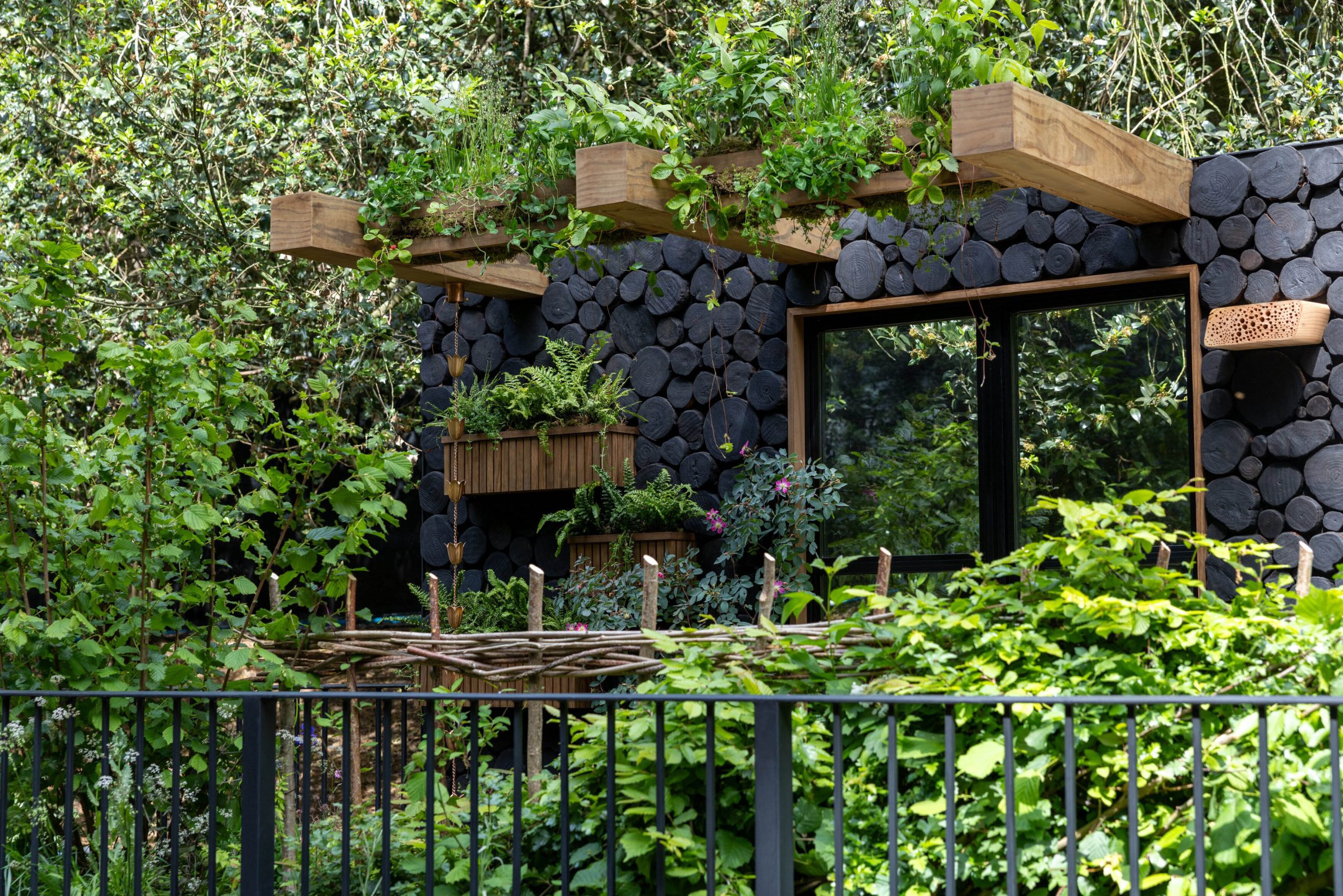
Most of us would think that we couldn't include a native hedgerow in a small garden, but the Hedgerow in the Sky - Tech Mahindra balcony garden showed that you could even have one on a balcony. Its informal native hedge in a container was supplied by hedging specialists Practicality Brown. All kinds of wildlife will be attracted by the food and shelter opportunities it provides.
Sunken pond
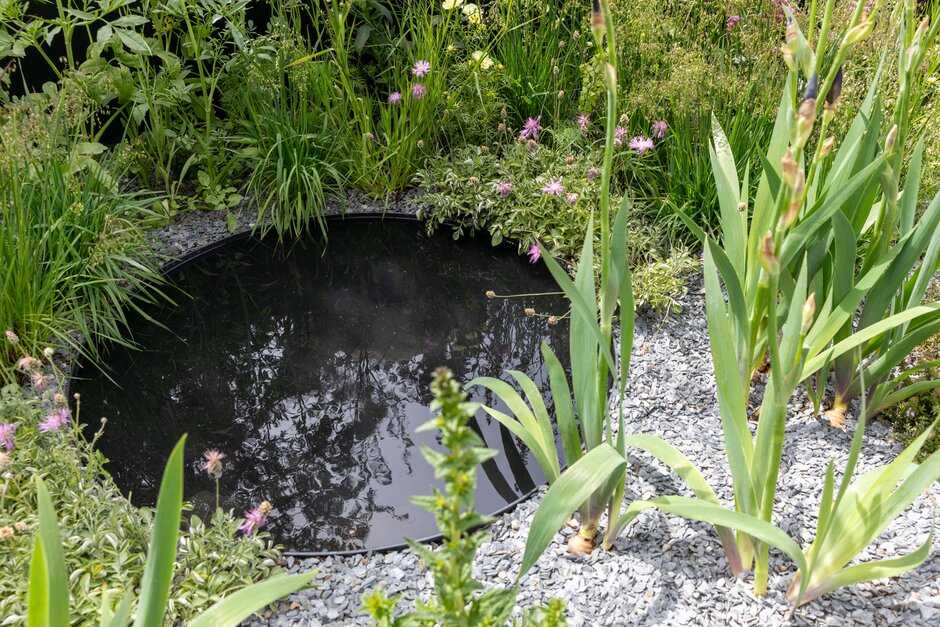
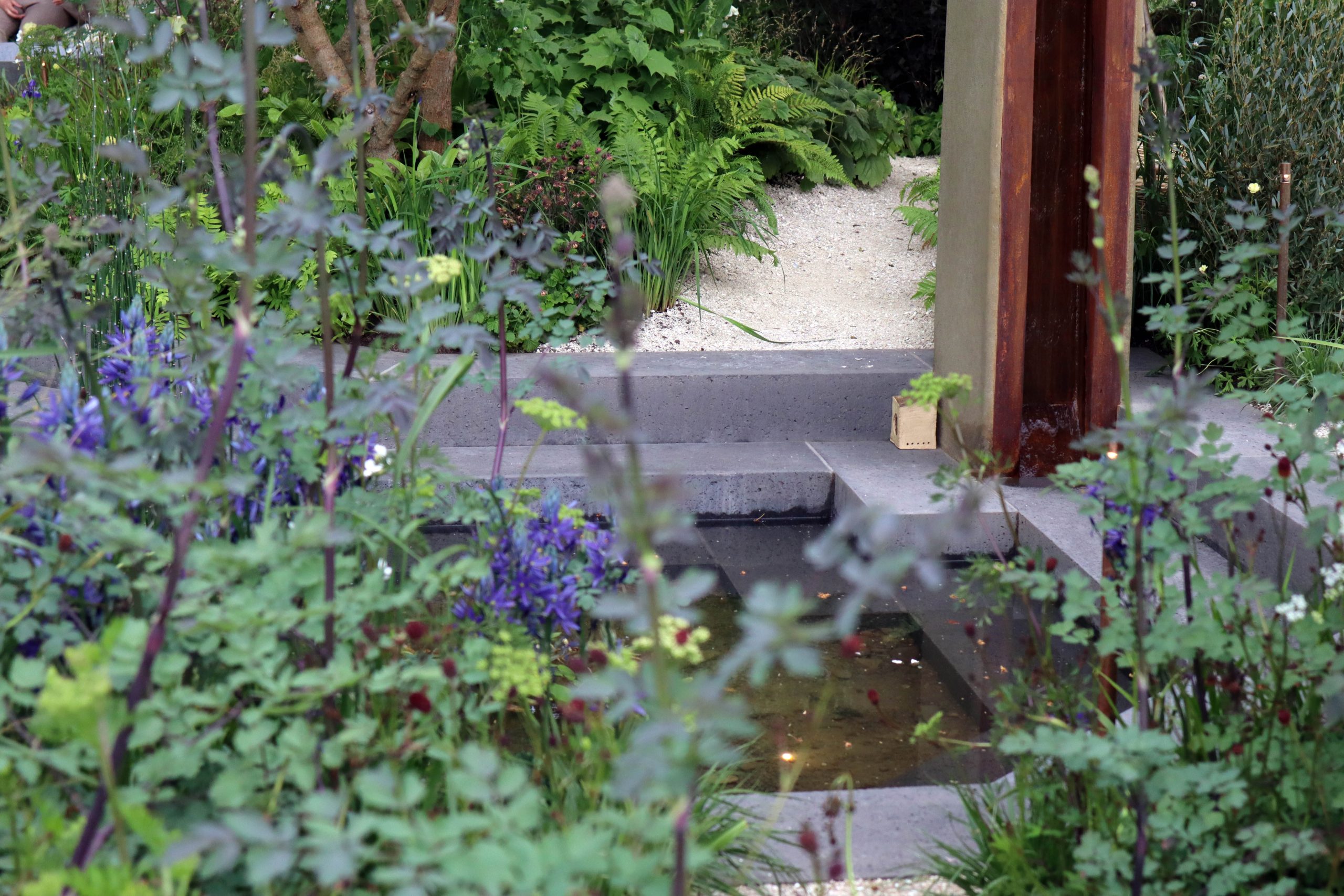
Think you don't have room for a pond? This tiny sunken dark water pool at the heart of the Bat Conservation Trust garden is proof that one really can be incorporated into the tiniest of spaces, providing a reflective and tranquil resting spot for humans as well as important water for wildlife.
You may also like
- Listen to Talking Chelsea, the special podcast miniseries from the Gardens Illustrated team
- "Creativity and expression of freedom are alive and well in Chelsea 2026" - discover the hot topics from the show with our first look from Chris Young
Wildlife-friendly lighting
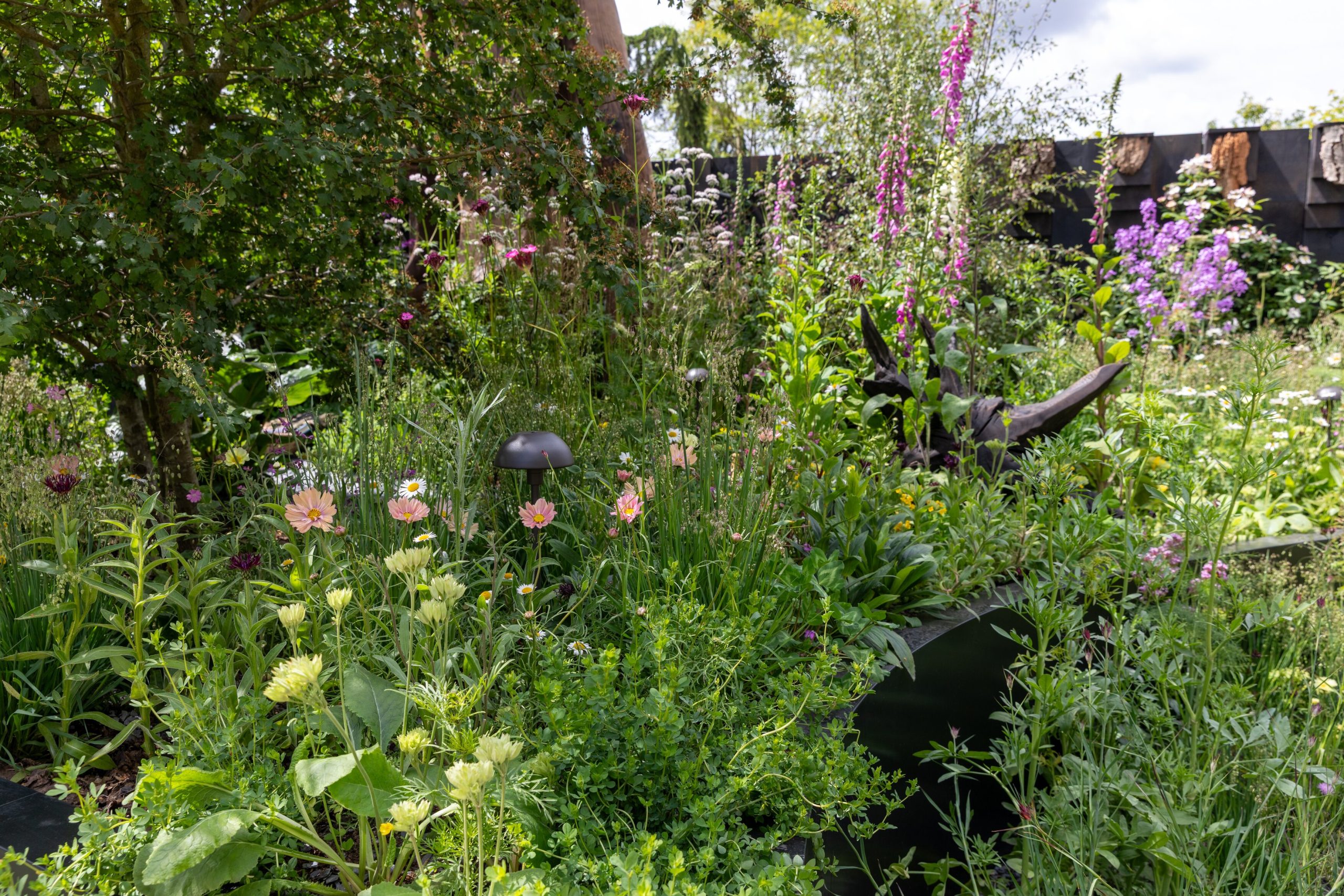
Both the Bat Conservation Trust’s Nocturnal Garden by Melanie Hick and Baz Grainger's A Seed in Time garden included restrained garden lighting that does not disturb nocturnal wildlife. The Bat Conservation Trust garden's lighting scheme was designed by Hudson Lighting and includes ideas that we could all adopt. Every light operates at 1800K - a deep, warm amber that eliminates the blue-spectrum light that disrupts bat foraging patterns, insect navigation, and circadian rhythms across nocturnal species (most garden lighting sold in the UK operates at 3000K or 4000K, but it is possible to find those at 1800K). The lights are also pointed downwards at below 2m, and there is no uplighting. The lighting also only switches on when there are humans in the garden – it is not on permanently from dusk until dawn, again minimising disturbance to wildlife.