Since it began in 1913, The RHS Chelsea Flower Show has always been a great place to see the newest and most interesting plants. Over the years, the show has been the launchpad for new plants, and many of them are still firm favourites in our gardens. Chelsea Plant of the Year was launched in 2010, and several of the winners have gone on to become garden classics.
You may also like
- Chelsea Flower Show 2026: where to get tickets, dates and what's on - everything you need to know
- 10 essentials for visiting the Chelsea Flower Show
Eight popular garden plants that have been showcased at Chelsea
Geranium ‘Rozanne’ (= ‘Gerwat’)
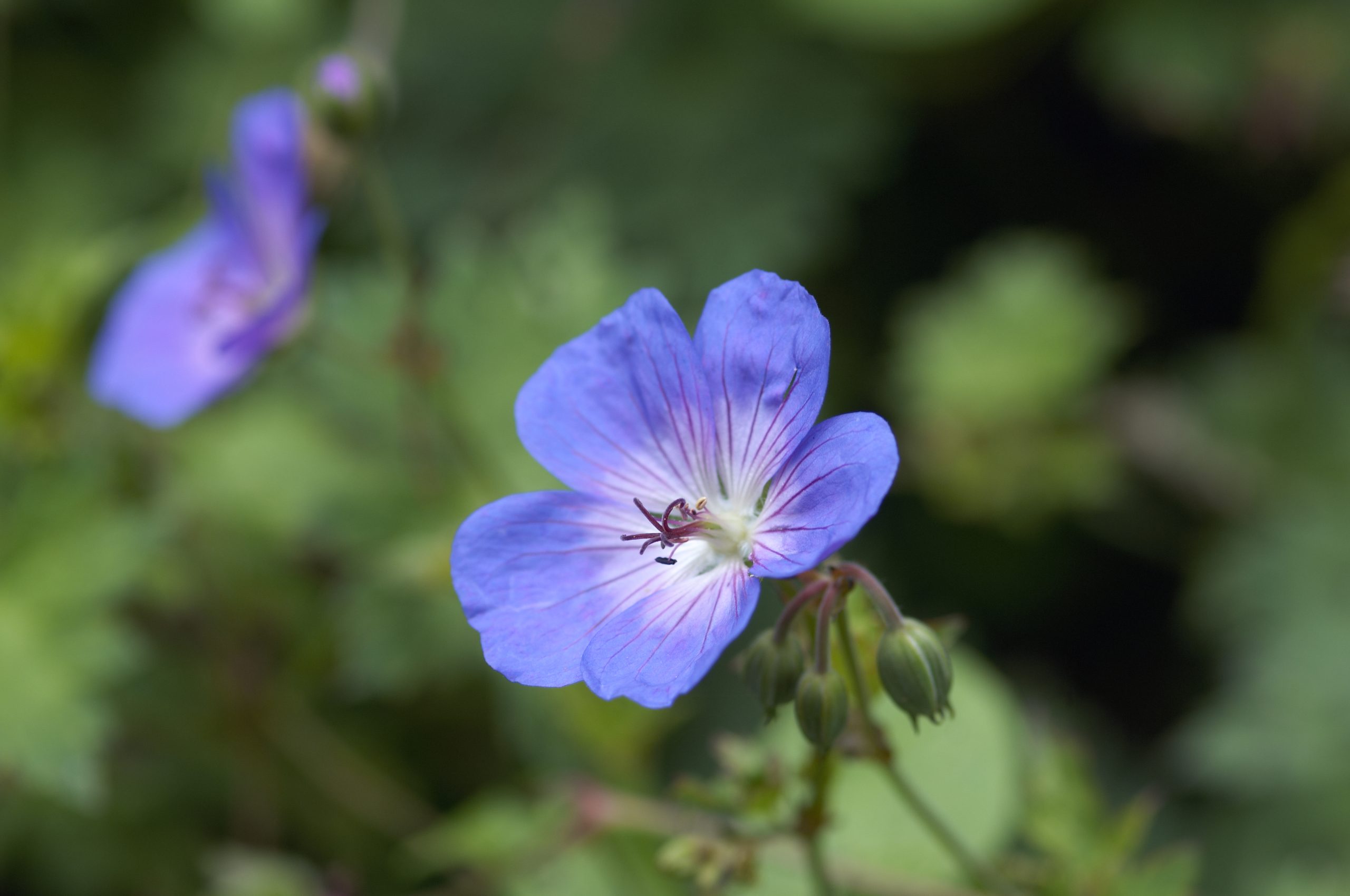
At the centennial Chelsea Flower Show in 2013, visitors voted Geranium ‘Rozanne’ (= ‘Gerwat’) the Plant of the Centenary. It’s a favourite with designers for its incredibly long flowering period - it produces a mass of flowers from June to October and forms a wide, neat clump.
Geum ‘Totally Tangerine’
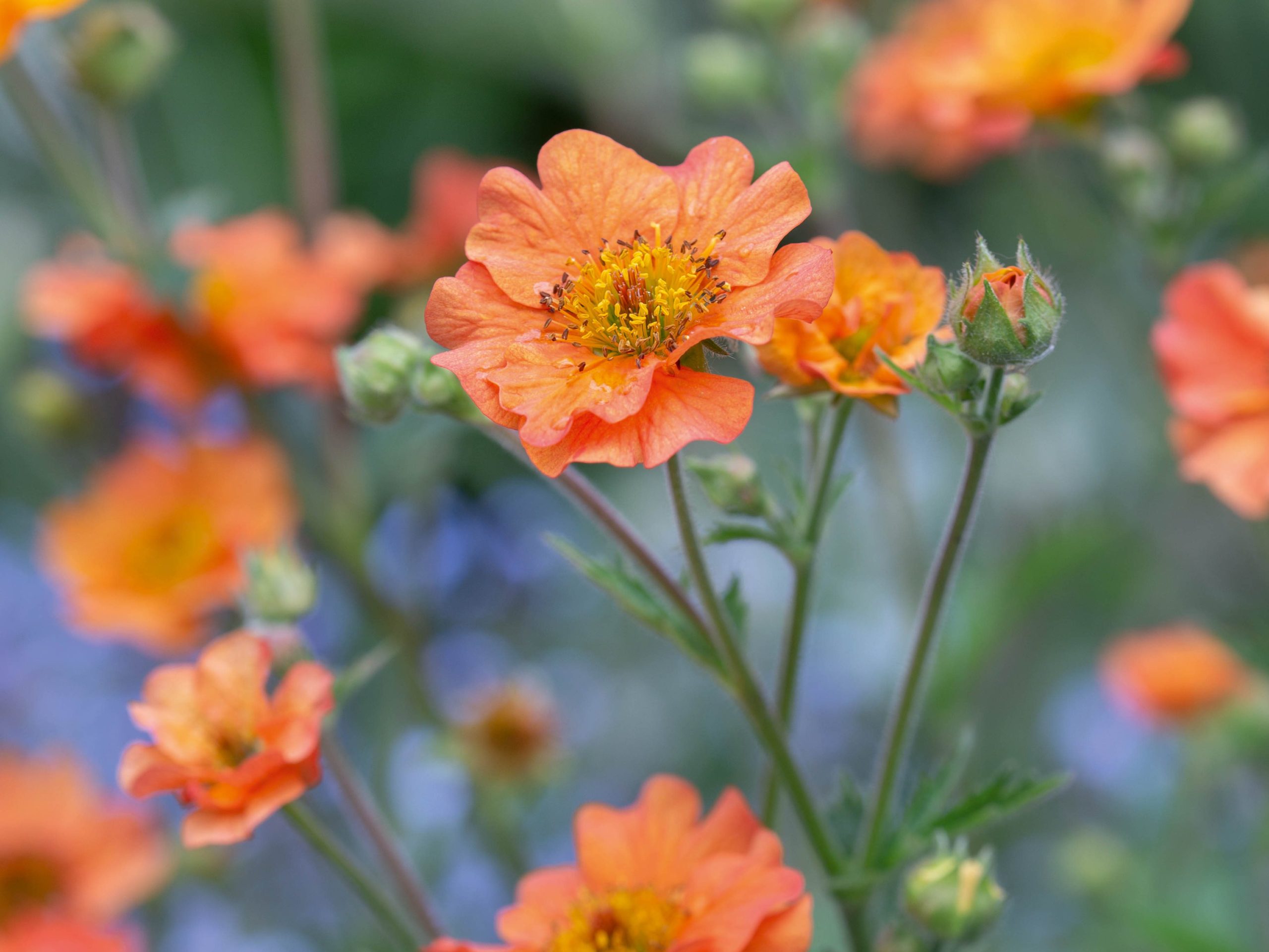
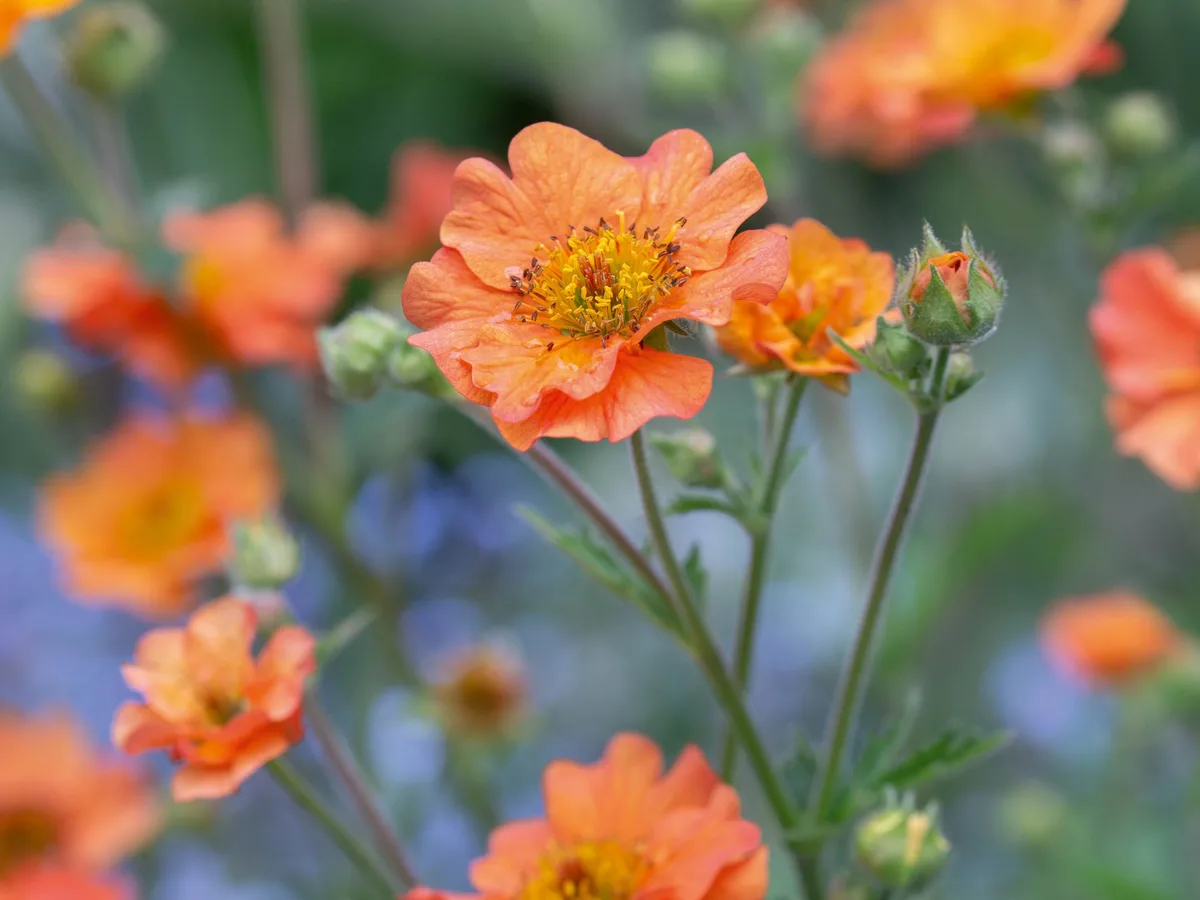
Geum 'Totally Tangerine' was introduced by Hardy's Cottage Garden Plants in 2010, on behalf of the breeders at Walbertons Nursery Sussex. It has become a fixture at the show ever since, as it flowers at exactly the right time, and also thanks to its orange flowers that seem to go with pretty much everything and are produced prolifically over a very long period. It enjoys a sunny spot but will tolerate part-shade.
Mahonia eurybracteata subsp. ganpinensis ‘Soft Caress’
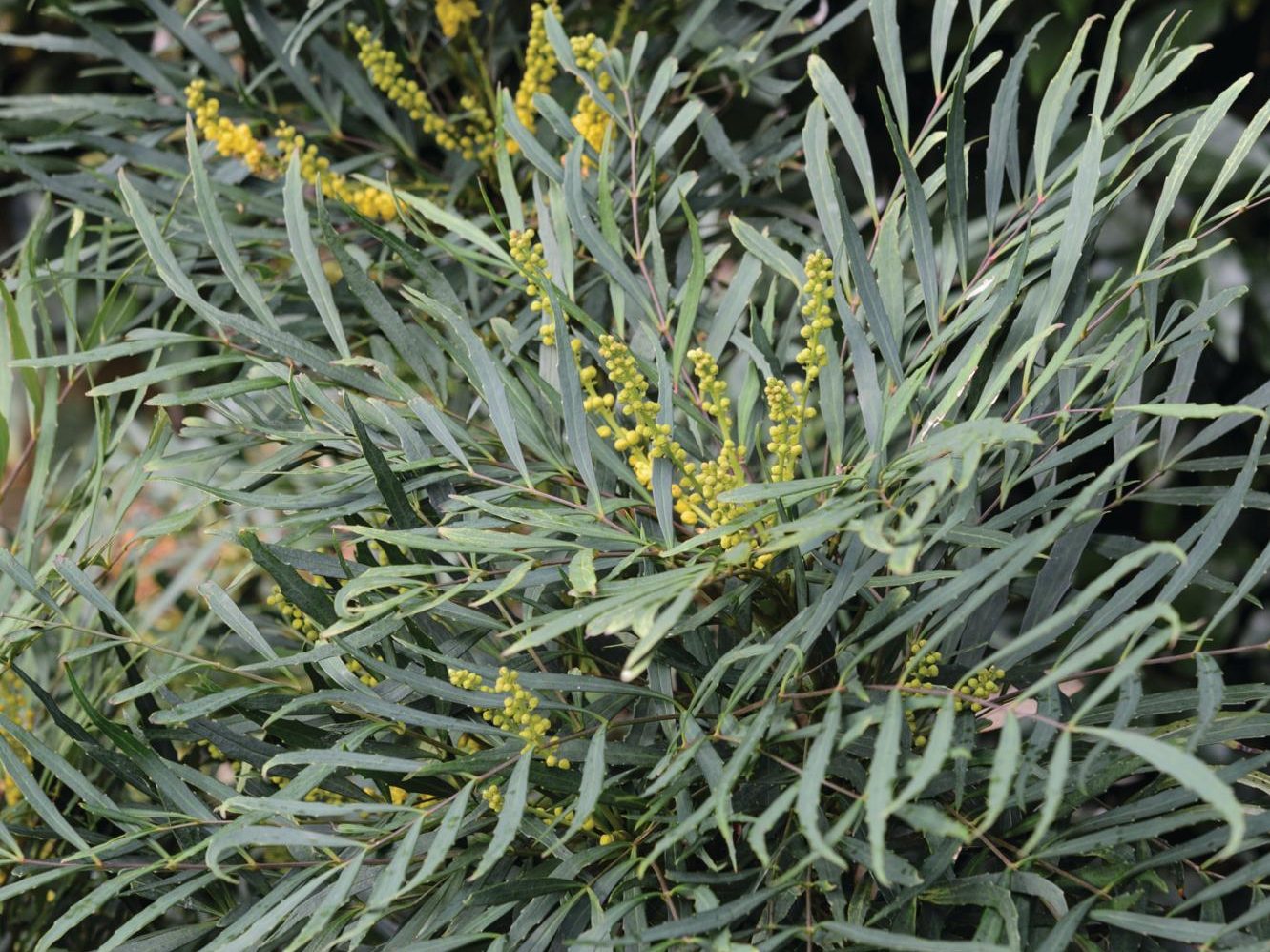
Voted Plant of the Year at the RHS Chelsea Flower Show in 2013, this evergreen mahonia has unusual, feathery leaves and yellow flowers in autumn. Thanks to its compact size, it’s ideal for courtyards and containers. It is a favourite with garden designers thanks to its evergreen textured foliage, and the fact that it's low maintenance and thrives in shady corners.
Digitalis × valinii Illumination Pink (='Tmdgfp001') (PBR) (Illumination Series)
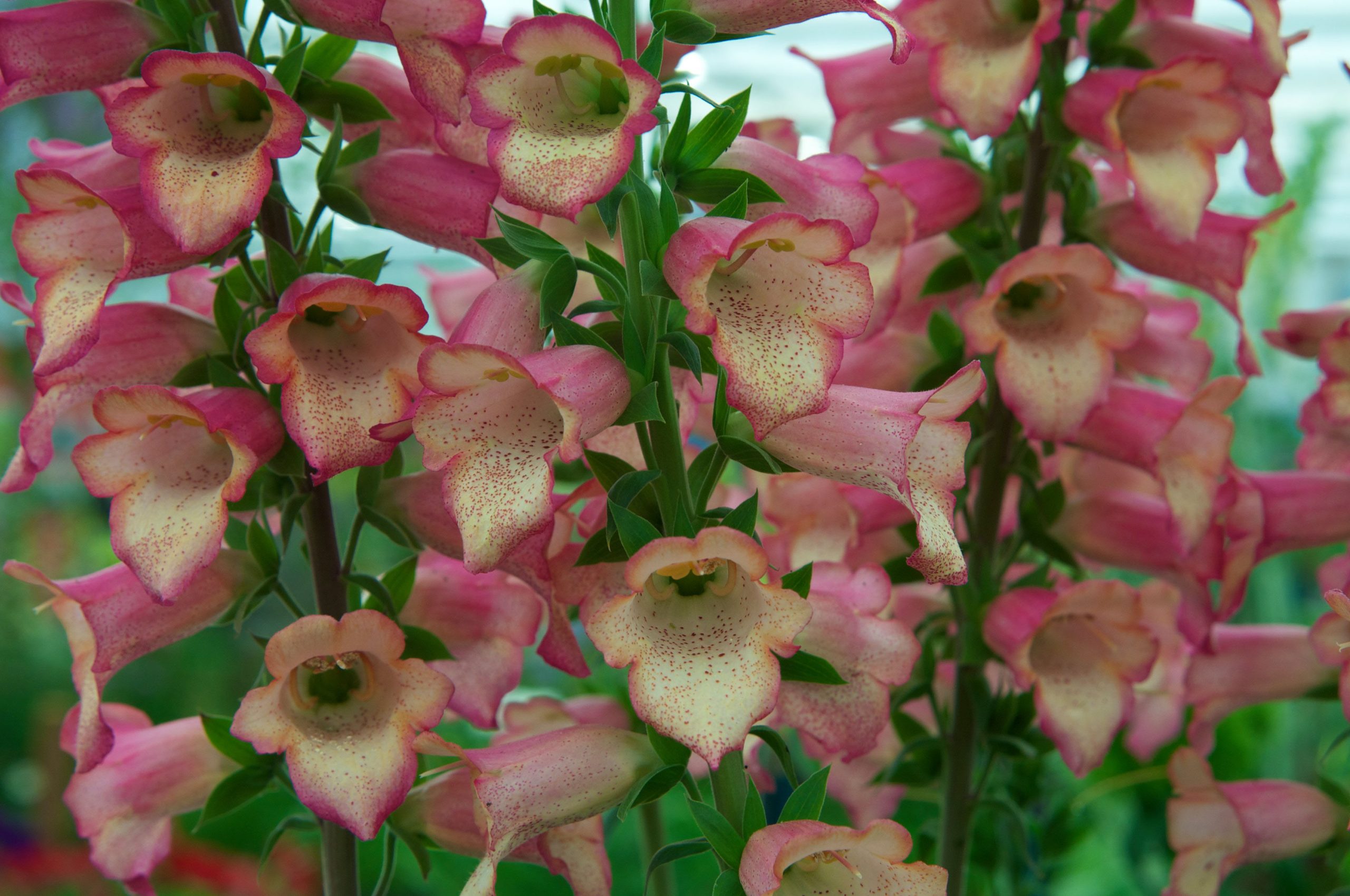
Often sold simply as Digitalis 'Illumination Pink', this showstopping foxglove was Plant of the Year and it's easy to see why, as it has stunning flowers in apricot, mauve and pink. A hybrid of D. canariensis and D. purpurea, it is perennial, unlike the biennial common foxglove. It is hardy in most regions and grows in sun or light shade. No seed is set but the plant still produces nectar, feeding pollinators. Best in a sheltered spot.
Anemone ‘Wild Swan’
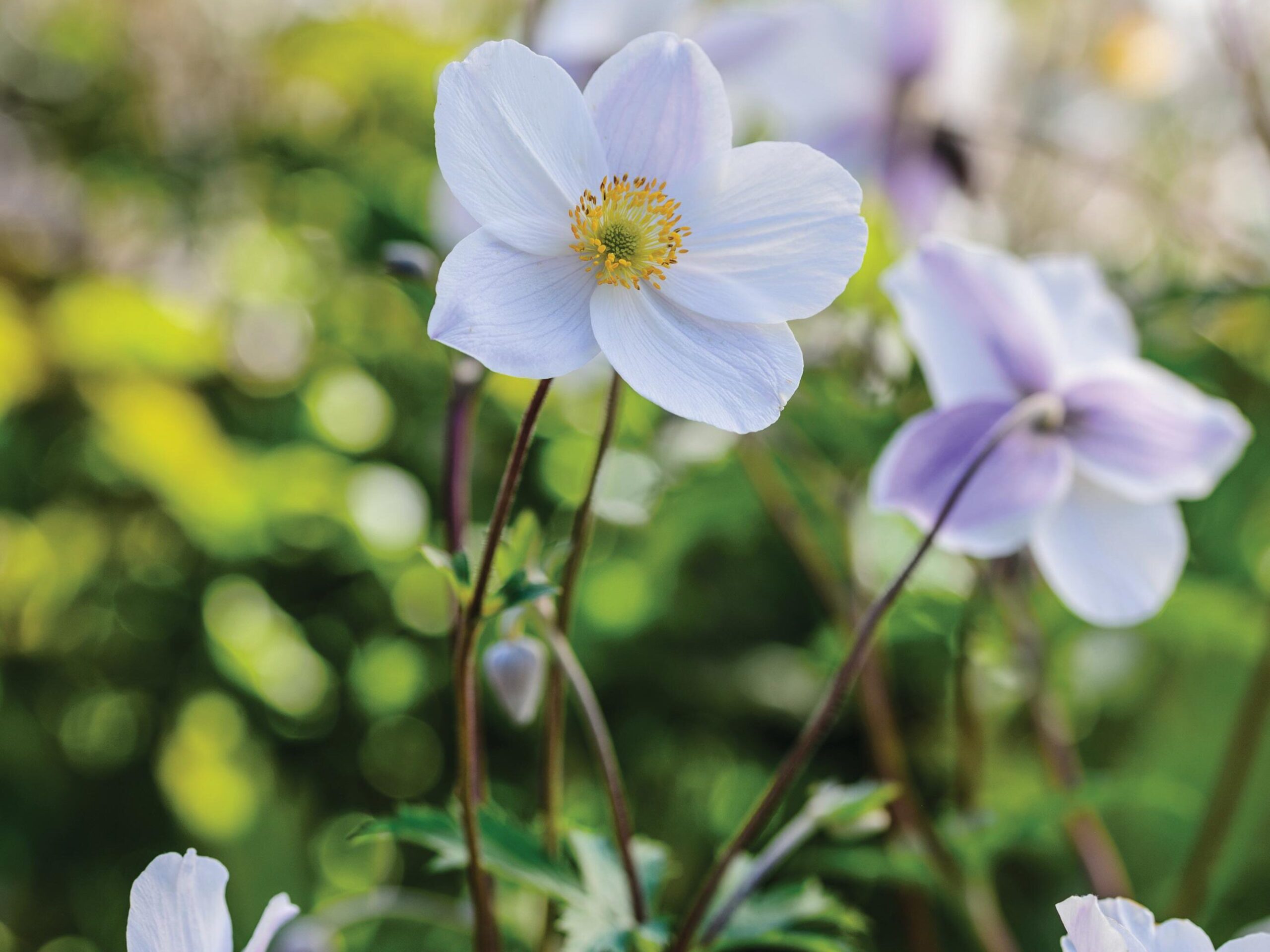
The first of the Swan Series, this Japanese anemone was Chelsea Plant of the Year in 2011. Large, cupped, white flowers, each with blue banding on the backs of petals, close at dusk and reopen in the morning. It is not as vigorous and indeed therefore not as invasive as other herbaceous anemones. It does best in moist and is lightly shaded soil.
Hydrangea ‘Runaway Bride’
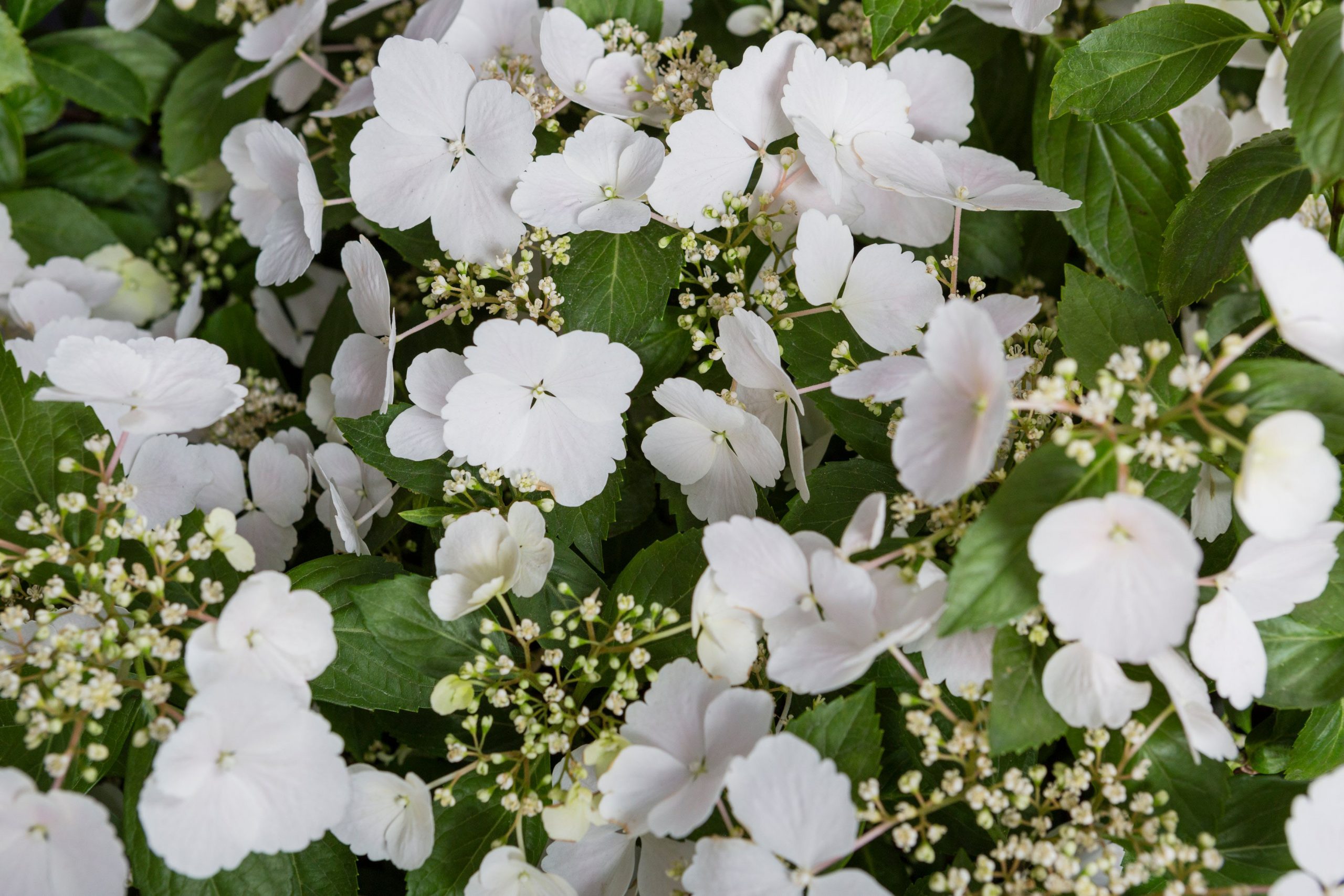
This hydrangea has been a runaway success since it won Plant of the Year in 2018. It flowers abundantly all summer, bearing white or pink lacecap flowers on side shoots and shoot tips on trailing stems growing up to 1.2m. It grows well in a container.
Rosa 'Olivia Rose Austin' (=Ausmixture)
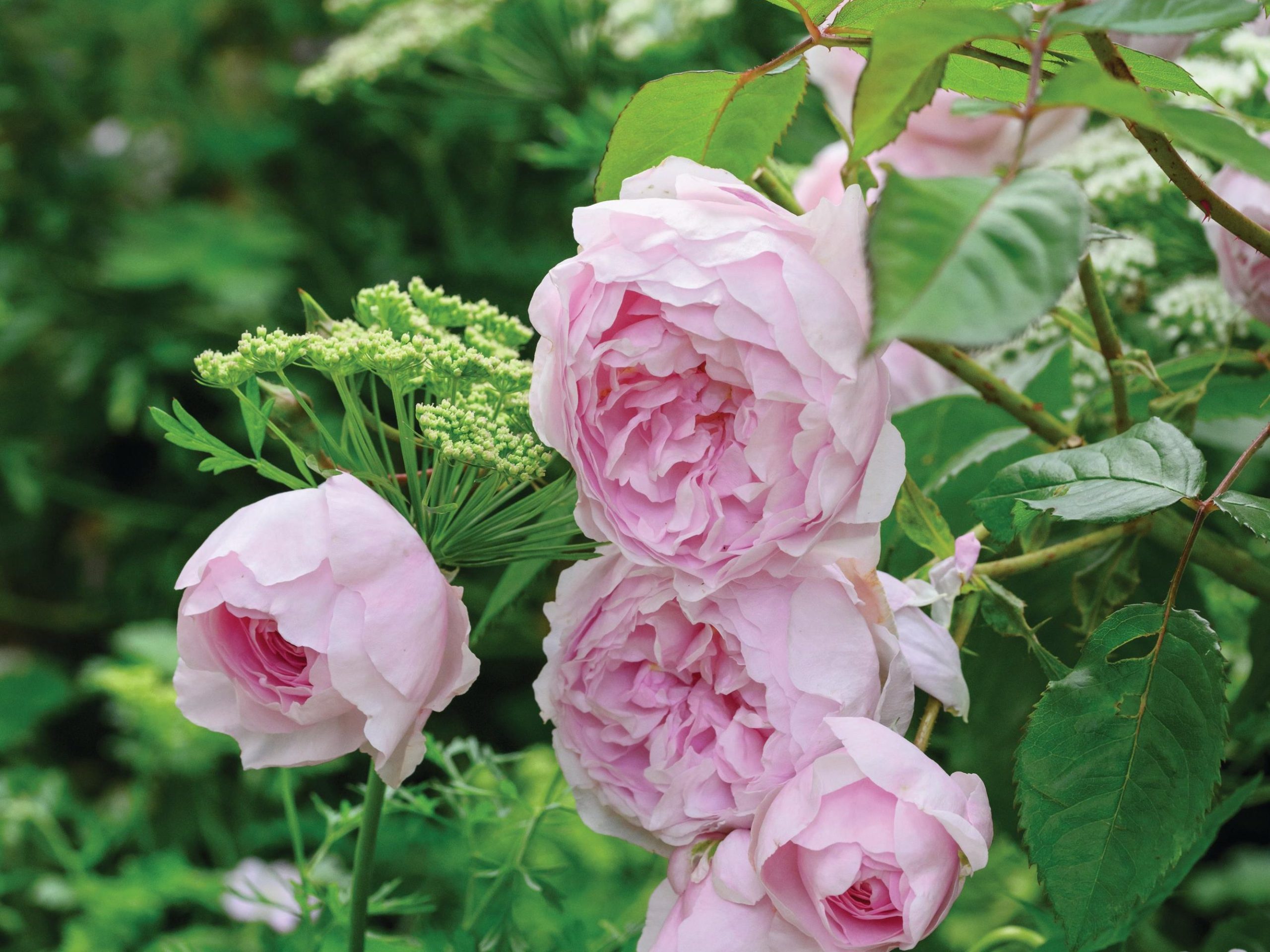
David Austin Roses introduces at least one new rose at the show every year - this year it is the hotly anticipated rose named after David Beckham. The company has launched many notable roses in recent years, including 'The Generous Gardener' in 2003, 'Munstead Wood' in 2008 and 'Claire Austin' in 2010. 'Olivia Rose Austin' was launched in 2014. Named after the daughter of David Austin Junior and granddaughter of David Austin Senior, it was an instant classic, with cupped rosettes of mid-pink flowers that begin exceptionally early in the season and continue in flushes into the autumn.
Discover more about the gardens at Chelsea 2026
- First details of the gardens at the Chelsea Flower Show 2026: discover who is designing what
- RHS announces five All About Plants gardens for Chelsea Flower Show 2026
- Chelsea Flower Show 2026: balcony and container gardens announced
Viburnum plicatum f. tomentosum KILIMANJARO SUNRISE
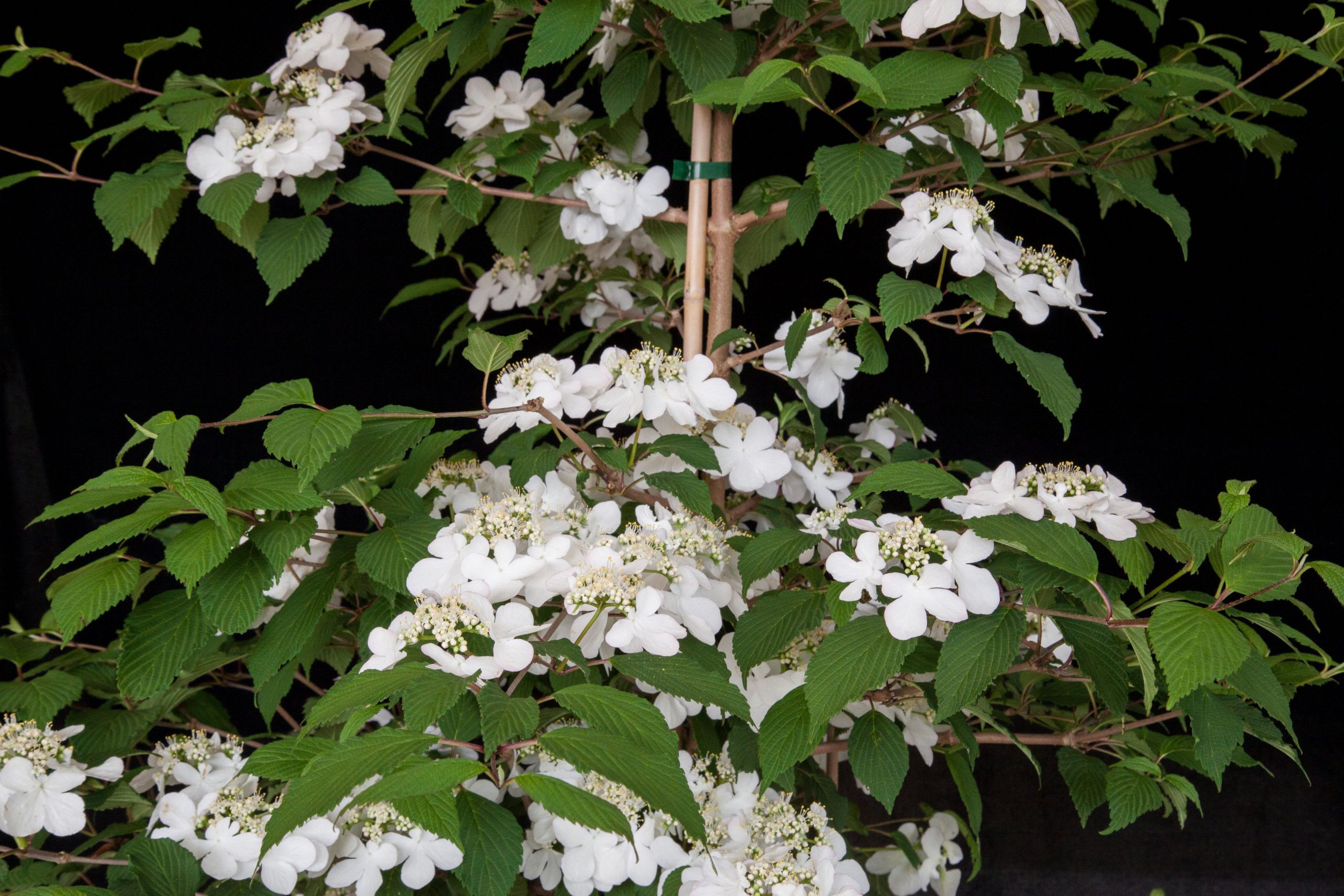
A multi-stemmed, upright, compact, slow-growing shrub viburnum that is suitable for smaller gardens, exhibited by Burncoose Nurseries and winner of Plant of the Year in 2015. It has pretty, white-lacecap-like flowers that become pink-tinted as they age, appearing on tiered branches in early summer. The foliage turns red and orange in autumn, and birds love the berries.
When you become a Gardens Illustrated member today, you will receive 20% off of the shop price - paying £66.99 for 13 issues, plus for a limited time receive our new member's gift, a waterproof canvas Gardener's Pail, worth £38, with six pockets and a strong jute handle.