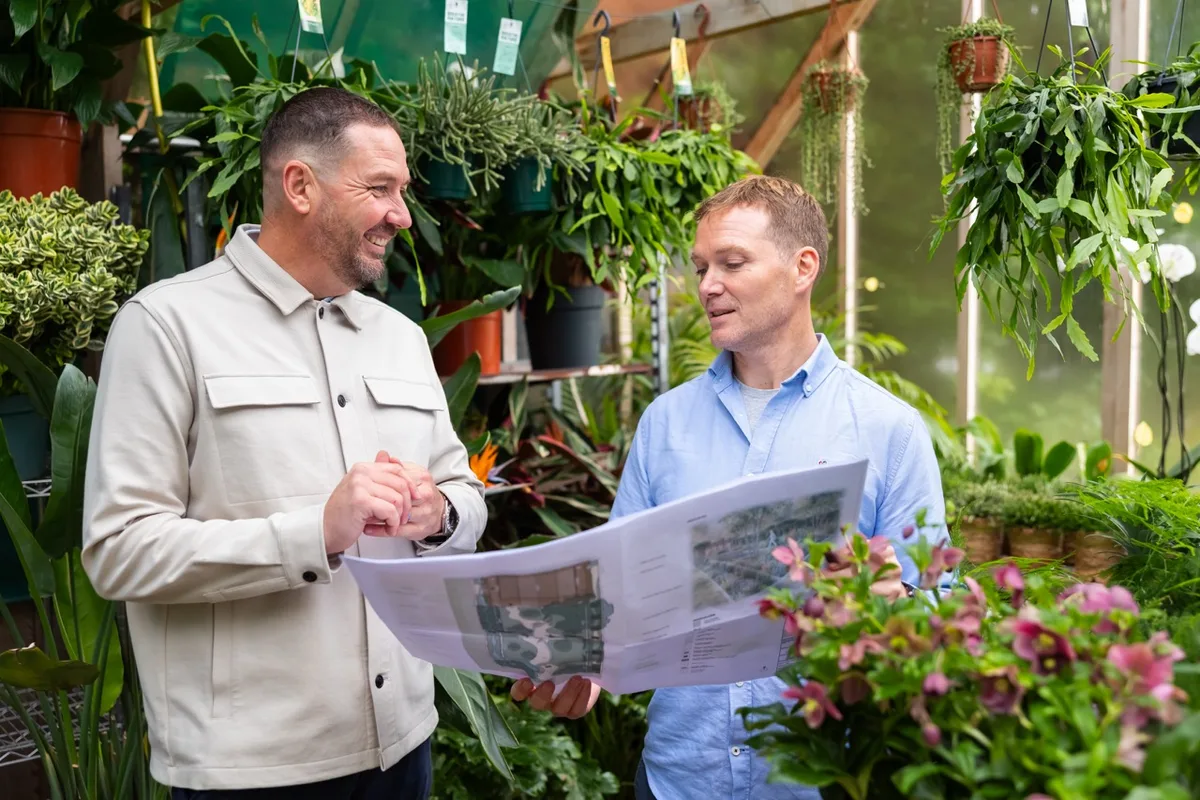
The Royal Horticultural Society has announced the first Show Garden of the 2027 RHS Chelsea Flower Show.
The Wimbledon Garden: Nature in Play, designed by Joe Perkins, brings Wimbledon's long-standing ethos of 'tennis in an English garden' to Chelsea as The Championships celebrates 150 years. The garden is sponsored by The All England Lawn Tennis Club and reimagines the tradition of tennis in the garden for the future.
Joe, a three-time RHS Chelsea gold medal winner, says: "We wanted to challenge some of our assumptions about what an English garden should look like, while retaining the qualities that make them so beloved."
The planting, gravel, water features and pavilion have all been considered as part of one design, with beauty and practicality working together. From managing rainwater to reusing materials on site, the aim is to show how carefully considered choices can help a garden work with its environment, without compromising on character or visual impact.”

You may also like
- Chelsea Flower Show 2027: where to get tickets, dates and what's on - everything you need to know
- 10 essentials for visiting the Chelsea Flower Show
The Wimbledon Garden: Nature in Play
The design
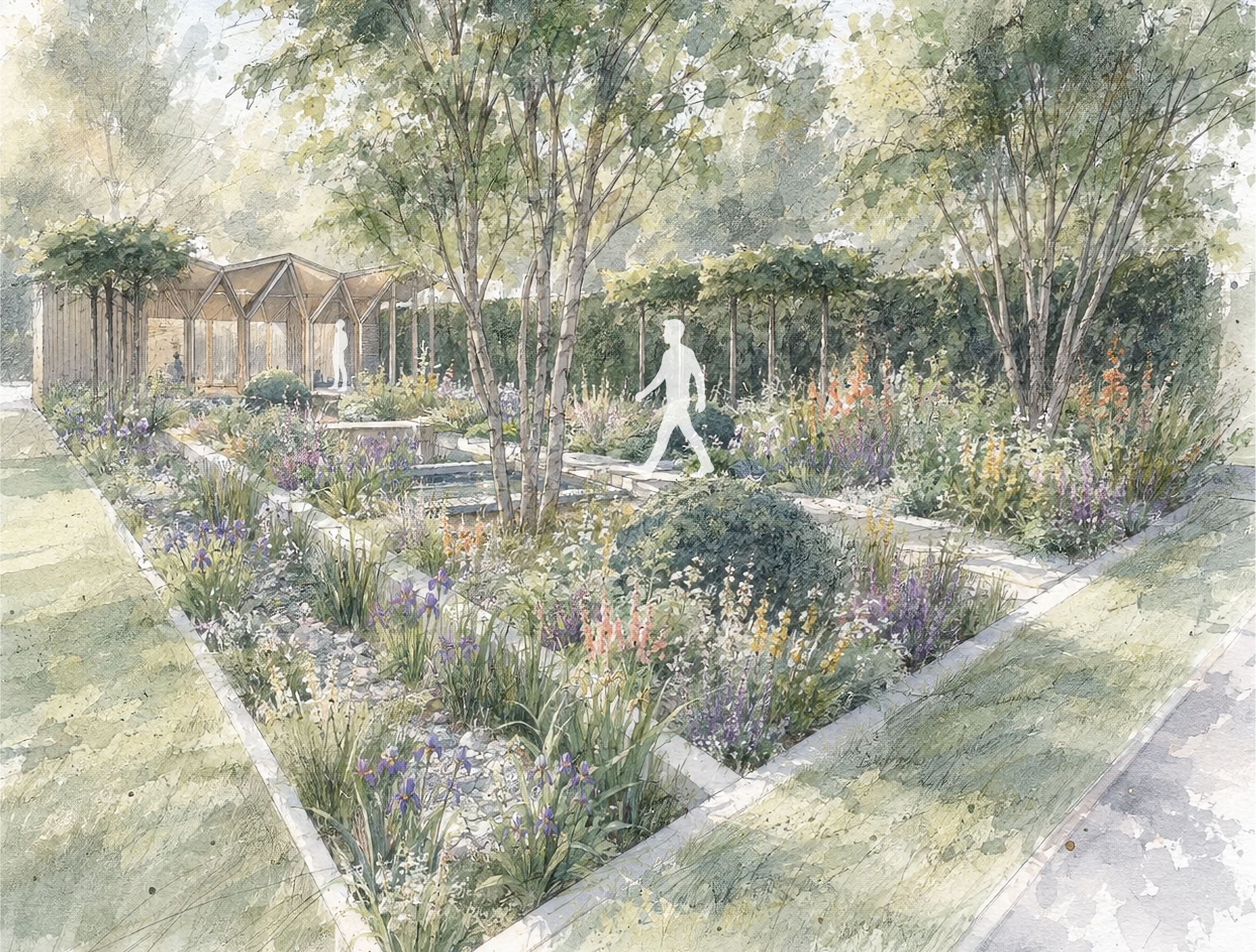
The Wimbledon Garden: Nature in Play will be a tennis court-sized landscape that brings together distinctive planting, thoughtful water management and resource-conscious construction. The garden’s design explores how a familiar horticultural tradition can adapt to changing weather patterns, where rich textures, climate-adaptive planting and striking trees take centre stage. By combining carefully chosen material choices - such as gravel mulch - with planting suited to the conditions, the scheme shows how gardens of the future could look and how well they can work.
Wimbledon and rain have a longstanding association, but in this garden, water is more than something to be tolerated, it is something to be put to work. Sculptural stone rills guide rainwater through the landscape towards retention basins, with Sustainable Drainage Systems (SuDS) integrated into the design. The garden is intended to manage heavy rainfall while making the most of available water during drier periods.
At the heart of The Wimbledon Garden: Nature in Play stands an open pavilion, inspired by elements of Wimbledon’s rich historical archive, referencing how tennis has evolved and innovated over the years. Its form echoes the iconic Centre Court roof while referencing the ingenuity of early tennis racket design.
You may also like
- Garden events and festivals to go to this year
- See who won the show at last year's Chelsea Flower Show
The planting
The planting will combine deep purples with yellows and white, grey foliage, soft greens and warm pale apricot blooms to create a layered landscape of colour and movement. Hardy, drought tolerant perennials and grasses, including Salvia, Verbascum and Briza media will be woven through a gravel planting matrix alongside herbs and small shrubs such as ballota, oregano and thyme.
This planting demonstrates that choosing species suited to their growing conditions need not mean sacrificing colour, texture or seasonal interest. For gardeners looking to adapt their own spaces, it offers inspiration to consider how planting choices can respond to local conditions while remaining visually generous and inviting.
Six parasol trained trees will provide a further, subtle reference to Wimbledon’s unique heritage, representative of the teams of six Ball Boys and Girls on each court at The Championships.
You may also like
The construction
The garden is being brought to life on site by Jake Catling and the team at The Landscaping Consultants, working alongside specialist teams on elements such as the pavilion. Excavated soil from the rainwater basins will be reused on site to create micro-mounds and subtle changes in level, avoiding the significant cost and environmental impact of transporting soil off site while adding depth and variation to the landscape. It is an approach that illustrates a wider principle for garden-making: working with readily available materials can reduce waste and costs while creating opportunities in the design.
After the show
Following RHS Chelsea Flower Show 2027, elements of the garden will be relocated to create community garden spaces, local to Wimbledon, extending the project’s legacy beyond the show.