Weeding is gardeners most hated task, according to a recent Gardens Illustrated survey. However, a rebrand by the RHS calling them ‘hero plants’ and their appearance in many gardens at the Chelsea Flower Show is changing perceptions. What do we do with 'weeds' now – pull them out, or leave them alone?
It’s a burning hot topic in horticulture, with much debate around the pros and cons of so-called ‘wild’ gardening. While big names like Alan Titchmarsh and Monty Don are coming out in favour of more traditional gardening, new faces are favouring the newer, more naturalistic approach – and that includes cultivating, not killing, 'weeds'.
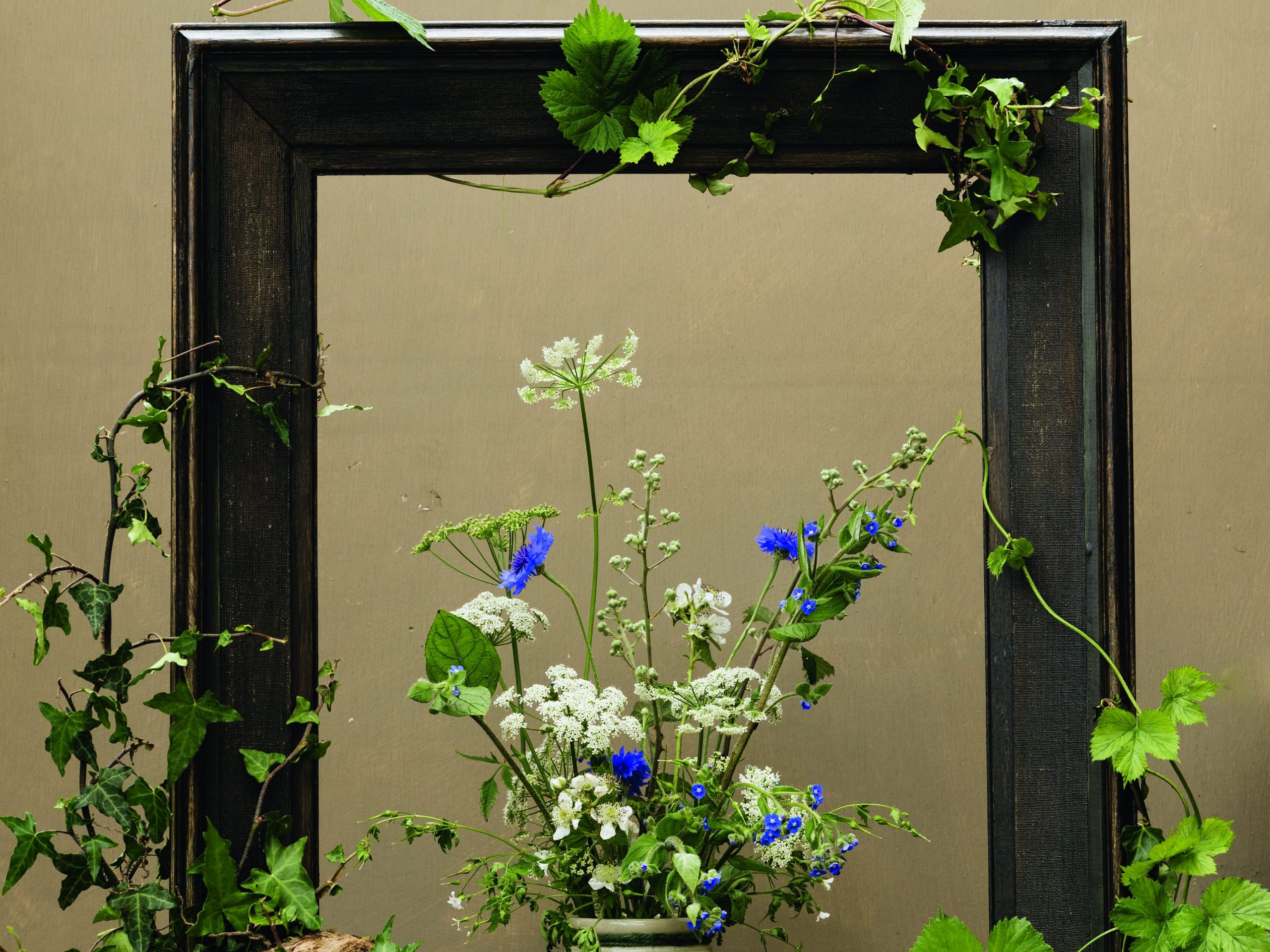
To offer a fresh perspective, we created some stunning cut flower displays to showcase the hidden beauty of these much-maligned plants, inspired by Old Masters paintings, with one using foxgloves, brambles and buttercups (see above) and another using ground elder and ivy.
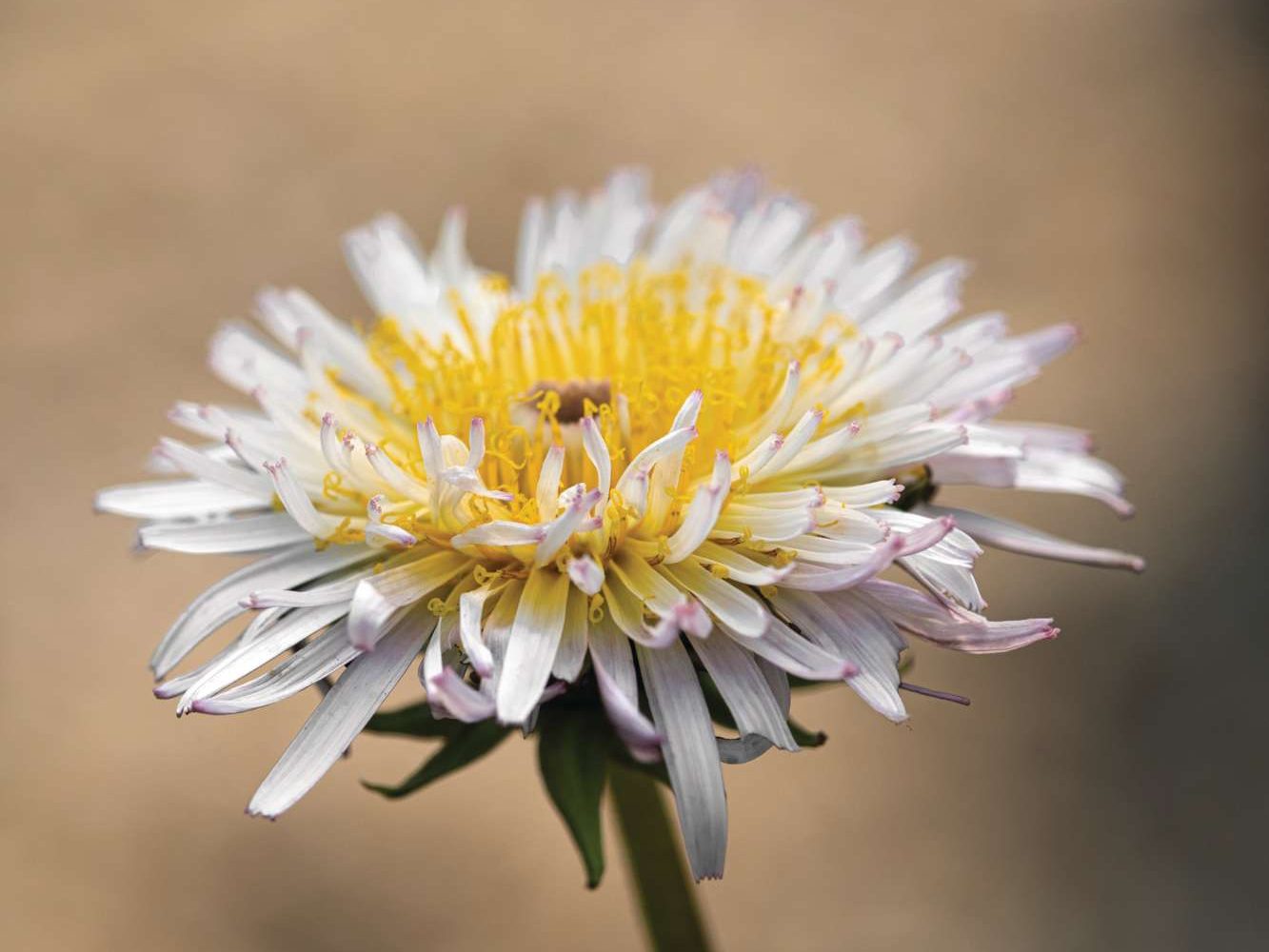
Nowadays there are even plant nurseries selling ‘fancy’ forms of dandelions, thistles and nettles, such as Growild in Scotland. And there are whole gardens dedicated to creating habitat for wildlife, such as Knepp Castle in East Sussex.
You may also like
Biodiversity is also a hot topic for Gardens Illustrated readers. Our survey asked people to rank the top factors in their gardening practice and they overwhelmingly chose attracting wildlife and biodiversity as most important factor (49%).
Many 'weeds' can be excellent nectar sources for native pollinators including bees, butterflies and moths, or great forage plants for their hungry caterpillars to munch on. These insects will in turn attract birds and other larger wildlife, helping to create a special habitat for all of these creatures in your garden.
But, like any plant, a little intervention may be required, such as deadheading the worst offenders as their flowers go over, to prevent them setting seed.
If you are considering turning some of your plot over to native wildflowers formerly known as 'weeds', here is our top 10 of the prettiest and most wildlife friendly.
You may also like
10 beautiful weeds not to kill in your garden
Buttercups
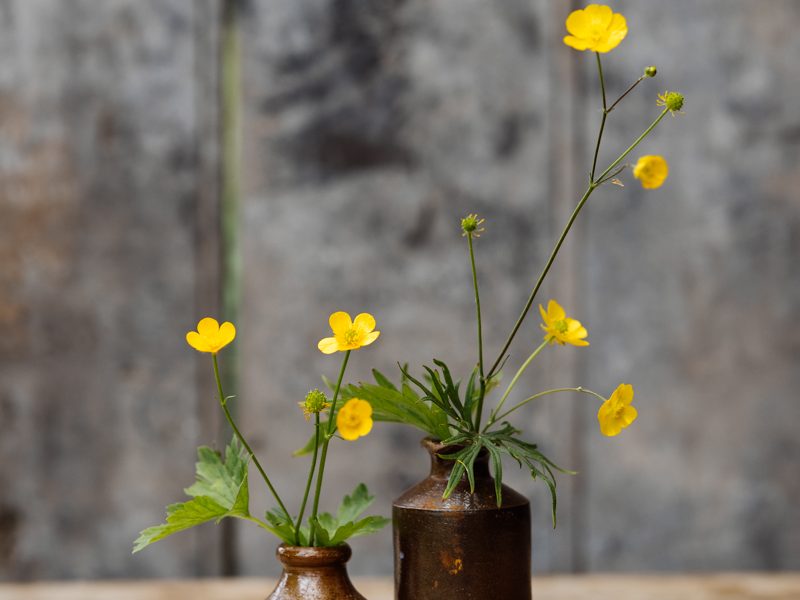
Buttercups are a part of the Ranunculus family, with bowl-shaped flowers and yellow or white flowers. Flowering in summer, varieties can grow to around 90cm tall, or creep along the ground.
You may also like
- Spend less time and effort gardening with these tips
- Naked space between garden plants has become unfashionable
Herb robert
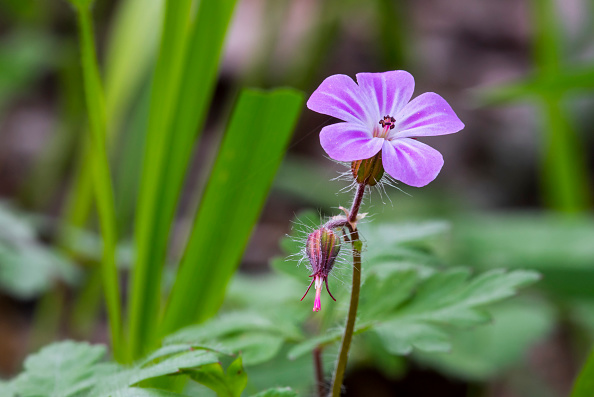
One of the RHS’s Wildflower Plants for Pollinators, herb robert or Geranium robertianum got its name from its past as a traditional herbal remedy for stomach ailments. It spreads freely however shallow roots make it easy to pull or hoe out if it’s in places where it is not wanted.
Dandelions
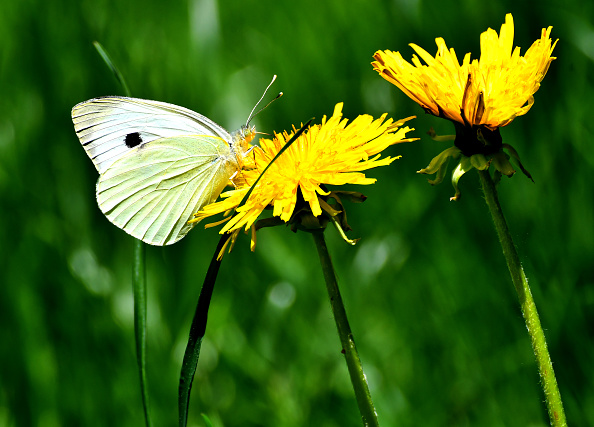
The humble dandelion comes from the 200-strong Taraxacum genus. Long the bane of gardeners in pursuit of the perfect lawn, when cultivated, dandelions can make an excellent addition to salads, while its root makes an excellent syrup.
Cow parsley
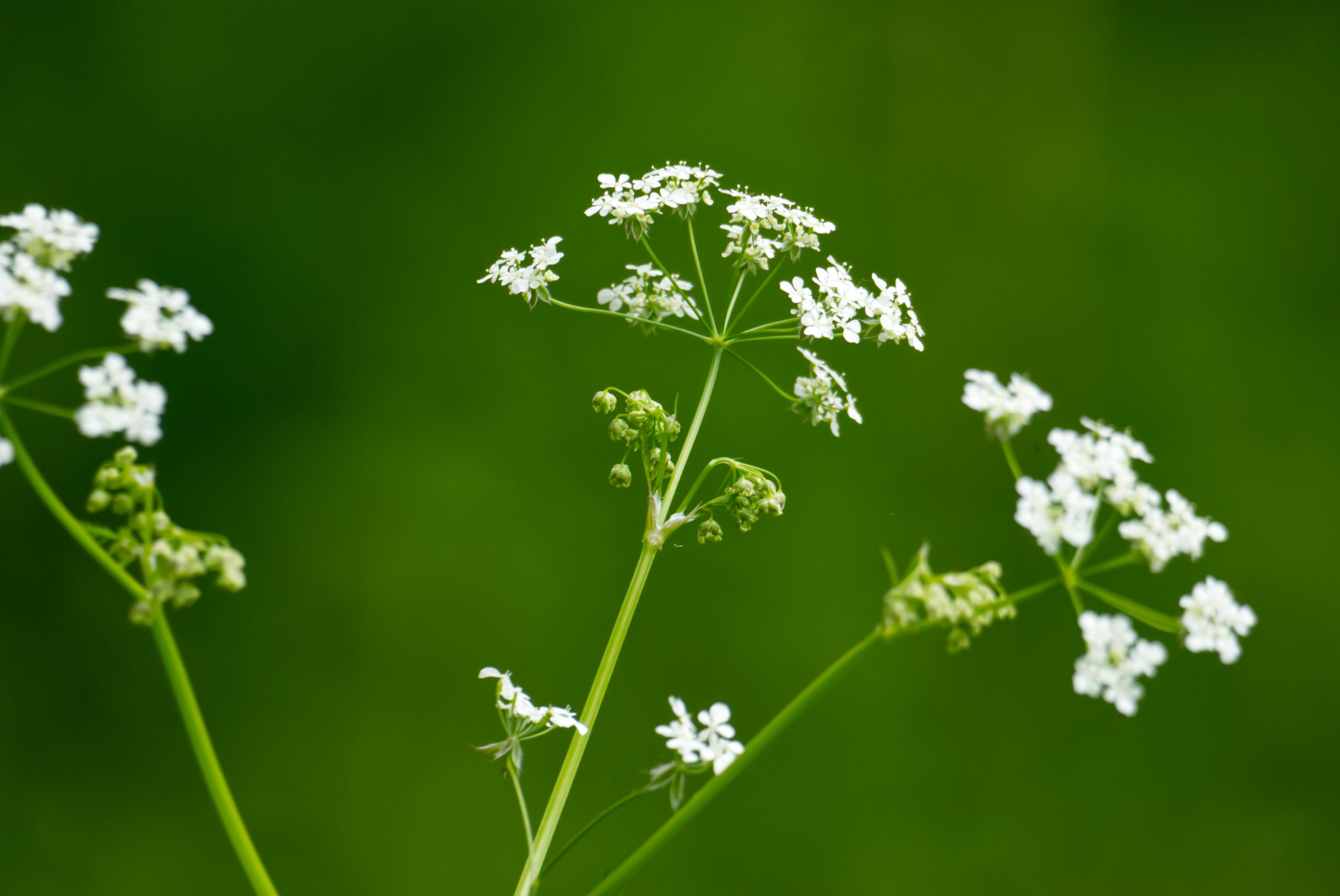
A floaty, ethereal umbellifer, cow parsley is at home in a hedgerow as it is in a garden. Swaying gently in the wind, they bring height to a border without blocking the view. Not to be confused with giant hogweed, whose sap can cause phytophotodermatitis if exposed to the sun on skin.
You may also like
- Why skilled gardeners are worth their weight in gold
- These perennial foxgloves are fast-becoming designer favourites
Rosebay willowherb
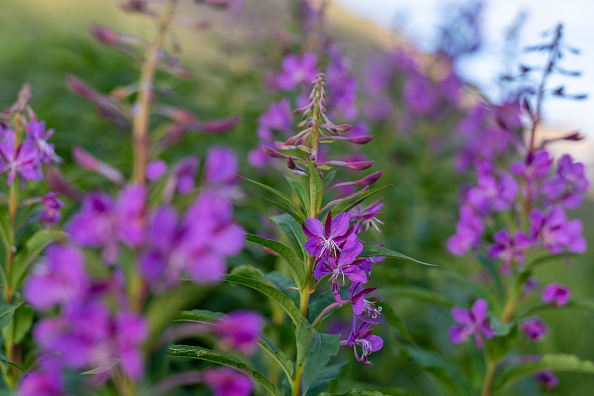
Often bringing a shock of cheery pink to abandoned wastelands or verges, rosebay willowherb is euphemistically called a ‘successful coloniser’ by the wildlife trust. Varieties such as the pale pink Chamaenerion angustifolium 'Stahl Rose' can be bought to grow in gardens.
Ground ivy
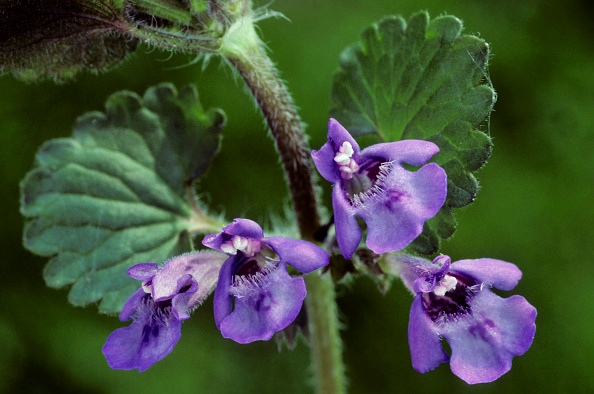
Ground ivy is not like typical ivy at all, belonging to the Glechoma or ‘dead nettle’ family of herbs. It is a mat-forming, evergreen perennial with small, violet-blue, white or pink flowers in spring.
Speedwell
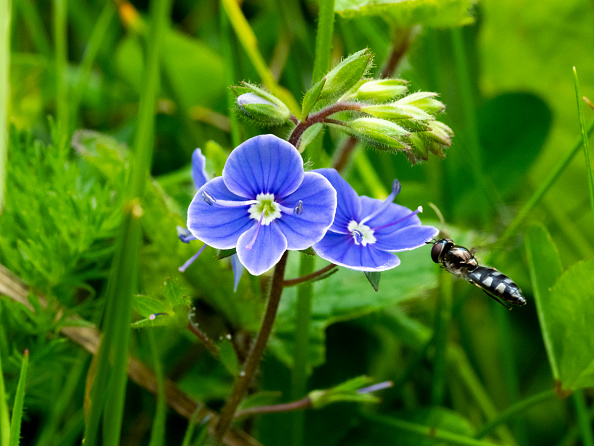
Typically a low-growing, mat-forming plant, it is fond of creeping through wild flower lawns. It can annoy gardeners as it roots happily in standard lawns and is low enough to avoid the mower but germander speedwell, Veronica chamaedrys, is more upright than the others. Speedwell can combat soil erosion and provides nectar for solitary bees and caterpillars.
Clover
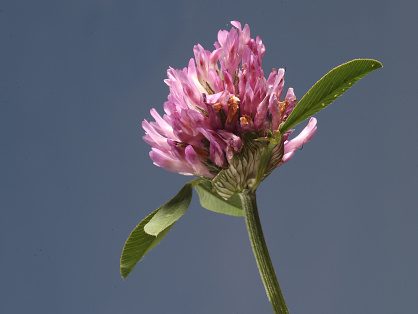
An absolute boon for bees and butterflies, clover is easy to grow and thrives in a wildflower or ornamental border. Unlike some other native wildflowers in this list, Trifolium ochroleucon is becoming increasingly rare in the wild and gardeners can sow it to help preserve the species.
Red campion
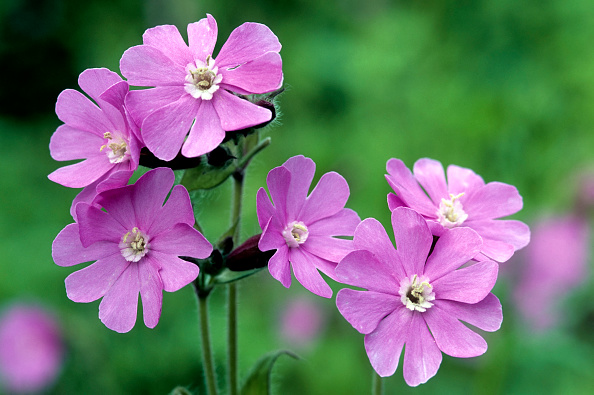
Decidedly more pink than red, if you find clumps of these happily at home in your garden, you have well-drained, moderately fertile soil as red campion doesn’t like getting its feet wet. Will also enjoy coastal gardens.
Red valerian
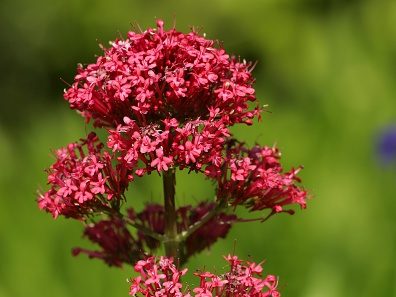
Originally a Mediterranean plant, red valerian or Centranthus ruber has thrived in the UK since the 1600s. With a long flowering period it is hugely attractive to a wide variety of insects and can find its way into all sorts of nooks and crannies, self-seeding easily around the garden.


