Over the years, gardening for wildlife has swung in and out of fashion – a tug of war between tidy style versus messy habitat. I’ve always wondered, why can’t we have both? Well, that is what’s now happening. The consequences of the things we do are becoming much better understood, and today’s gardeners are part of a movement that sees the convergence of design and conservation.
Today we recognise that some long-standing garden practices are harmful, especially the use of pesticides and excessive clearing of plant material. Instead, we’re rediscovering low- intervention approaches such as no-dig and chop-and-drop that echo older ways of working with nature rather than against it.
You may also like
- Garden designers share their tips on creating biodiverse gardens
- How to do a biodiversity audit in your garden
For me, gardening organically with nature in mind has always been more enjoyable. Less digging, more observation, and a growing understanding of the garden as an intricate ecosystem – what’s not to love? While some worry about aphids and slugs, they bring me joy because my A-Team of birds and insects eat them. The birds may also gobble winter seedheads faster than I can say Piet Oudolf, but they repay in song and movement.
Research is beginning to show that biodiverse environments are not just better for wildlife, but for people too
Technology has played a significant role by unlocking hidden lives. Apps such as Merlin can identify birdsong, and birdbox cameras promise glimpses into nests. Blue tits nested next to, rather than in, ours, but even that rejection made me smile.
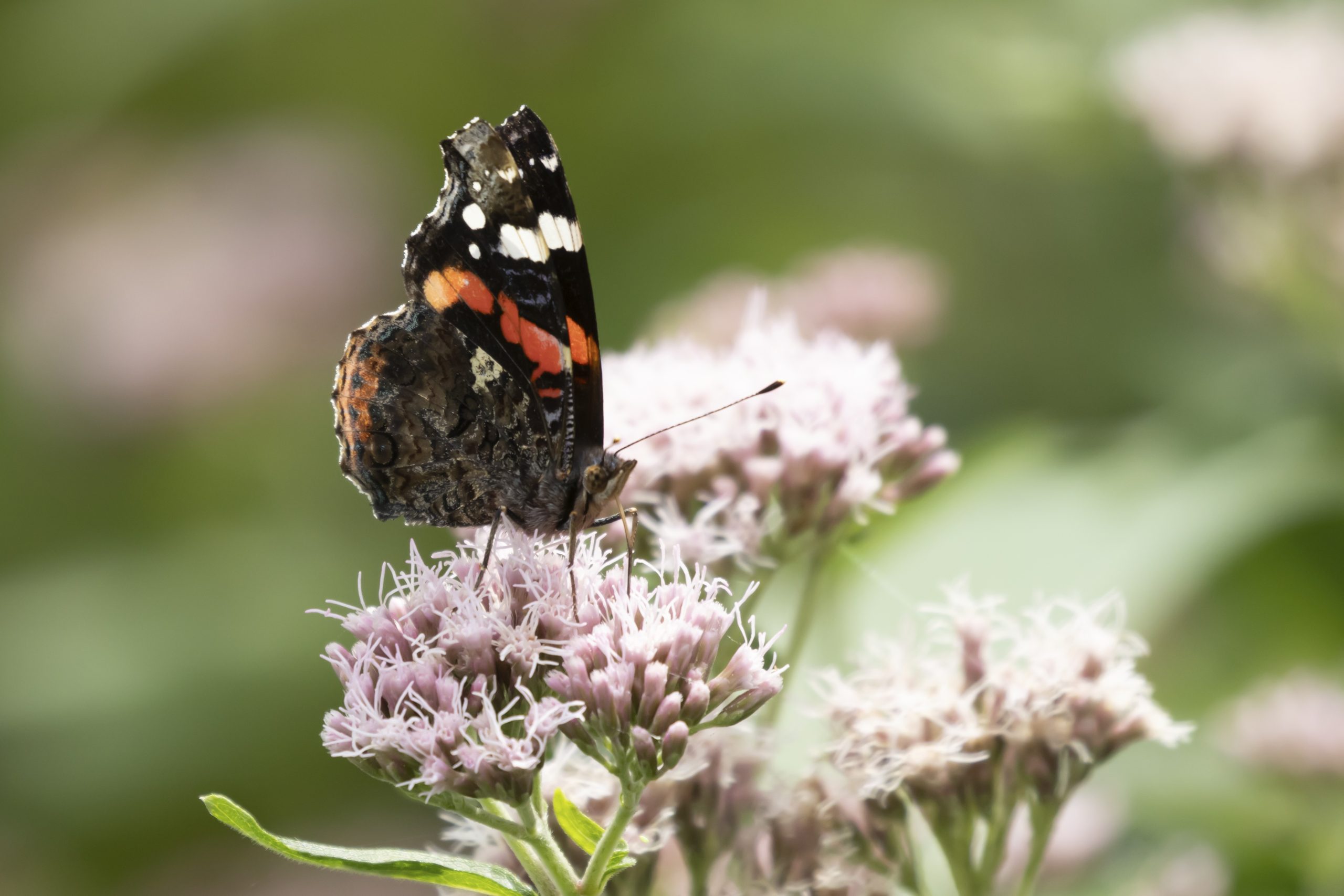
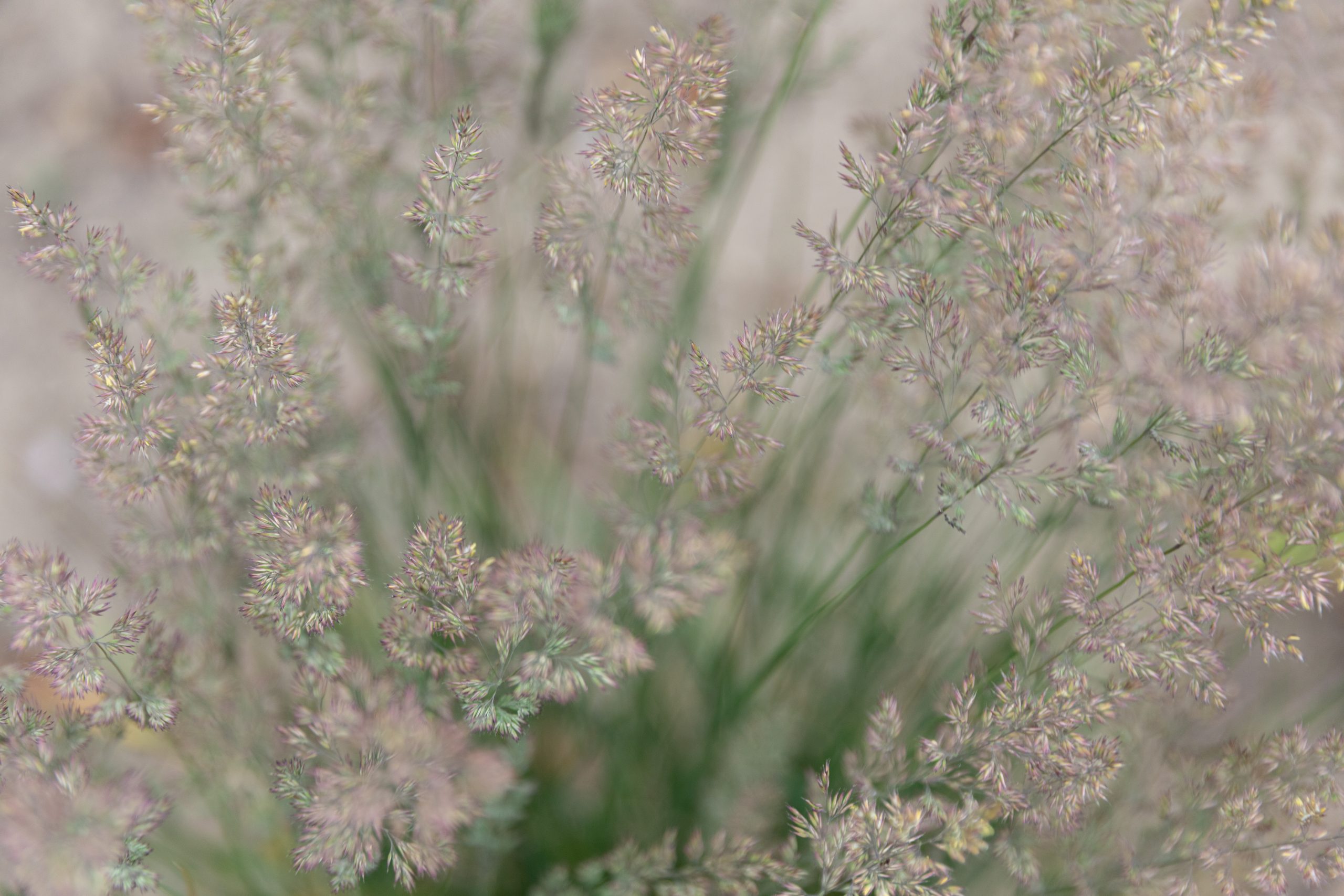
At the same time, we’re beginning to understand the ecological richness of the ‘woodland-edge’ mosaic habitat in our gardens. These days I choose plants informed by the wildlife they support; Deschampsia grasses feed caterpillars of the stunning antler moth and Eupatorium provides a late-summer nectar buffet for butterflies.
But while doing the right thing is our motivation, it’s our experience that makes wildlife gardening stick. It turns out that supporting life is deeply rewarding and good for us too.
Research is beginning to show that biodiverse environments are not just better for wildlife, but for people too. One German study found psychological benefits increased with the number of plant and bird species present. Another from King’s College London tracked nearly 2,000 people in their daily lives and found around a quarter of nature’s mental health benefits were linked specifically to biodiversity: the presence of birds, plants and other living complexity. We don’t only respond to greenery, we respond to life. The more alive a garden is, the more it gives back in every way.
Our garden helps me switch off through distraction as much as when I’m in a flow state thinking about plant combinations. I often lose myself sowing seeds or observing different species of insects, watching their behaviour and colours. I laugh at the adorable way hedgehogs hide their faces in the grass, convinced I can’t see them. All of this takes me away from the stresses of the day.
Another reason for this permanent change is generational. Not because young people care more – older generations clearly do – but new generations are growing up in a world where nature’s loss is the baseline of their worldview. No longer an abstract concept, it is their reality. Also a reality is society’s growing understanding of mental health and the importance of supportive environments, of which nature is increasingly recognised.
You may also like
If there is an Achilles’ heel to this utopian vision, it is that many gardens are still managed in ways that leave little room for wildlife. Four-fifths of gardeners may have ditched pesticides in 2024, but millions of bottles still fly off shelves without checks, turning gardens into wildlife black holes.
For those who do make the shift, gardening with nature is remarkably simple: don’t use pesticides; don’t over tidy; do grow lots of different plants. Sounds good to me. It’s then easy to go further by adding a pond and native wildflowers, and working with neighbours for cross-boundary habitats.
When it comes to design, it seems that gardening for wildlife isn’t the restraint some thought it would be. Gardens created from this wildlife-first perspective appear freer and more confident; perhaps even more artful and exquisite.
Dare I say it, they just feel right. In fact, if I stop to think about gardening’s past and future, working with wildlife actually feels less a radical shift and more a simple reversion to what we’ve always known. Perhaps we will look back on the eras when we tried to control nature in gardens as a curious and momentary blip.


