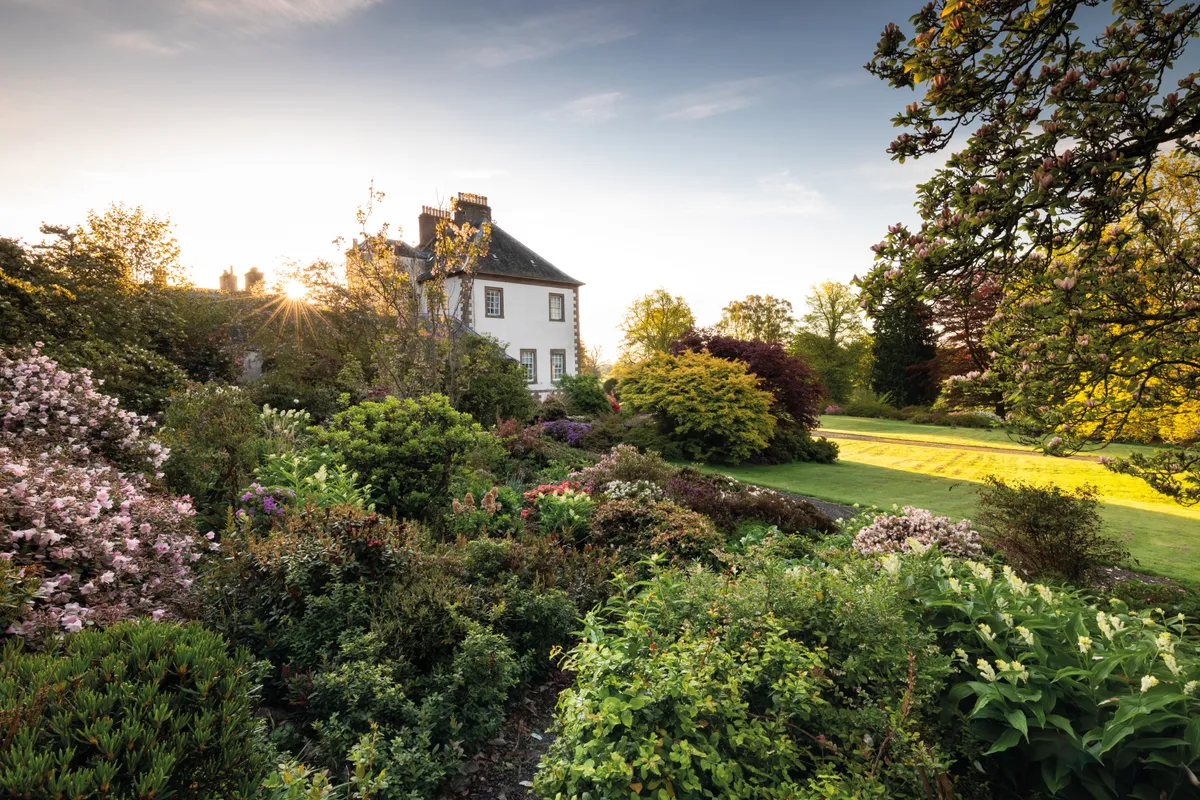
We’re used to hearing Sir David Attenborough narrating the hunting and mating rituals of wildlife in far-flung places such as Antarctica and the Serengeti. But in a new series, he is focusing on the animals right outside our front doors here in Britain. From Bristol to the Western Highlands, this new BBC TV programme called Secret Garden will explore the remarkable role that gardens play in supporting wildlife in the UK. Narrated by Sir David Attenborough, in his 100th birthday year, the show will demonstrate that we can see amazing wildlife in our own gardens.
You may also like
- Should wildlife conscious gardeners own cats?
- Simple and effective ways to attract wildlife to your garden

"While many wildlife programmes focus on exotic species in far-flung locations, we wanted to reveal the extraordinary world much closer to home," says series producer Bill Markham. "We wanted this series to be relatable and meaningful. For many of us, the animals that live in our gardens are the first animals we ever lay eyes on, and yet as we grow up we take them for granted and know so little about them."
"We want people to look at their gardens in a new light - to realise that they are full of amazing wildlife… or if they’re not, they can be!" he added. "Around 80% of us have access to a garden - which means nearly all of us can play a role in supporting struggling wildlife."

The gardens featured range from small urban spaces to sprawling country gardens. The first garden featured, in Oxfordshire, straddles a tributary of the River Thames. Owners Henry and Sara allow much of the garden to grow wild, attracting a range of wildlife including kingfishers, bank voles and otters.
Yearly floods pose a challenge for the animals that call this garden home, and the episode will explore the resilience of garden wildlife in the face of unpredictable changes. "British weather is predictably unpredictable," says Bill, series producer. "But none of us foresaw how wet it would be in our main filming year. We experienced record-breaking rains in many of our gardens - meaning many animals failed to breed, and many more remained hidden. And when it wasn’t raining it was often cloudy - the papers called it an 'anticyclonic gloom'. But sometimes this made for good stories - the flooding in our Oxfordshire garden was pretty dramatic! And the sun just about came out in the end."

The team also filmed in an urban garden in Bristol. Just ten metres across and surrounded by streets and traffic, this garden has become a haven for local wildlife. Foxes make the garden home, while baby blue tits battle with the neighbourhood cat Mr Fluffy.

"I’ve been working in my garden from the moment we bought the house in 2001," says owner Louise Vergette. "The very first thing I did before any of the renovation work was to build a pond at the bottom of the garden. I’m not a very knowledgeable gardener, and half the time I accidentally pull out stuff that I’ve previously planted, but being in my garden and doing a little bit to help wildlife gives me joy."
You may also like
- Gardening for wildlife doesn't have to mean untidy - meet designer Will Tomson
- 'The wildlife doesn't care what it looks like, but you should' - your garden can be beautiful and biodiverse

That pond became a key focus of the episode about Louise's garden, with frogs and tadpoles as well as dragonflies all using the space. "My happiest memories from working on my garden have been when you make some small change and the wildlife appears," says Louise. "When I built my pond, the following season I had frogs and toads. Very quickly after opening up our gardens with the hedgehog highways we saw hedgehogs for the first time since 2001. When wildlife responds to these changes it’s wonderful and shows how if you give nature a home it will come in."

Filming wildlife is always challenging as you're working with a living ecosystem that won't always do what you would like. But this turned out to be particularly true in a garden setting.
"Perhaps I should have known that our animal stars would be secretive - the clue is in the series title," says Bill. "But I had hoped they would be a bit more relaxed in our presence. I guess the problem is that in a garden you’re never that far away from the action, so the animals know you’re there."
You may also like
- Want to know just how wildlife friendly your garden is? Here's how to do a biodiversity audit
- Are 'wildlife gardens' passé? Why the whole idea is outdated, and doesn't go far enough
"This was most evident in our Bristol garden, which is just 10 metres across," he adds. "Even when our wildlife cinematographer hid away in a filming hide on the patio, the foxes and hedgehogs weren’t fooled. Fortunately, we could resort to remote cameras and camera traps, which took on a larger-than-usual proportion of our work."
The series also heads up into the Lake District, where keen gardeners Chris and Liz do everything they can to encourage wildlife into their garden. Bees, newts and barn swallows will all feature in this episode, as well as field mice and kestrals.

Located in Cumbria, the wettest county in England, the wildlife in this garden has to battle the elements to survive. Swallow chicks go hungry when rain forces insects away, further highlighting the crisis of our declining insect populations on the food-chain.

When you become a Gardens Illustrated member today, you will receive 20% off the shop price - paying £66.99 for 13 issues, plus for a limited time receive our new member's gift, a waterproof canvas Gardener's Pail, worth £38, with six pockets and a strong jute handle.

In the penultimate episode of the show, the team filmed a garden in Wales. In amongst the woodlands of the Wye Valley, a garden that experiences four months without direct sunlight over winter plays home to a hibernating dormouse as well as tawny owls on the hunt. In spring, wild garlic carpets the woodland floor and a queen buff-tailed bumblebee is filmed emerging to build a new colony. Filming the growth of a bumblebee nest presented its own challenges.

"The vast majority of scenes were filmed in the wild, but for some smaller animals, carefully designed sets were essential to film their behaviour without disturbance," says Bill. "To observe life inside a bumblebee nest, we worked with an entomologist to create a replica nest with discreet viewing windows and a natural entrance to the garden. This allowed us to capture intimate behaviour without harming the animals."
The final garden in the series is in the Western Highlands. Owner Matt Wilson is a passionate naturalist and has spent forty years shaping the space to be a sanctuary for wildlife. This episode sees notoriously elusive pine martens using the garden, as well as buzzards, barn owls and reptiles.

The gardens for the series were chosen after hours of research. "We scoured social media, gardening magazines, RHS handbooks; we sent emails to Wildlife Trusts across the country; we sought personal recommendations," says Bill. "In the end, one garden came through an online gardening magazine, and the others through word of mouth from colleagues and friends."
You may also like
- These plants will support butterfly and moth caterpillars and help your wildlife garden thrive
- How a former pig farm became a tranquil garden that's a haven for wildlife

The team wanted to showcase a diverse range of spaces across the country. "They needed plenty of animals - although this was hard to really judge until we started filming - and to be beautiful. And crucially their owners needed to be open to having various crew members visiting for days or even weeks at a time, working day and night."
David Attenborough will narrate the show, which is in part a celebration of the broadcaster's 100th birthday in May. "I was absolutely chuffed to bits to know that David Attenborough was going to be narrating Secret Garden," says Louise, owner of the Bristol garden featuring in Episode 2. "He has probably done more for wildlife awareness and understanding than anyone else in this country. To have him on board was such a huge compliment and privilege."