Wouldn’t it be wonderful if everything in the garden was rosy? Unfortunately, among our carefully tended beds, there are always a few features that are, to put it plainly, ugly. Whether it’s a chunky heat pump or LPG tank, a crooked drain cover or your neighbour’s swing set, eyesores are something we feel we just have to live with, as much as we hate looking at them.
But what if you could distract from or disguise these despised view-wrecking elements? We’ve discovered clever ways to hide the horrible, hated things that are spoiling your outdoor space.
You may also like
- Ahead of the Chelsea Flower Show, top designers share their tips for creating biodiverse spaces
- David Attenborough on gardens: behind the scenes of his new TV show on the hidden wildlife in our plots
Top designer tips for hiding 8 common garden eyesores
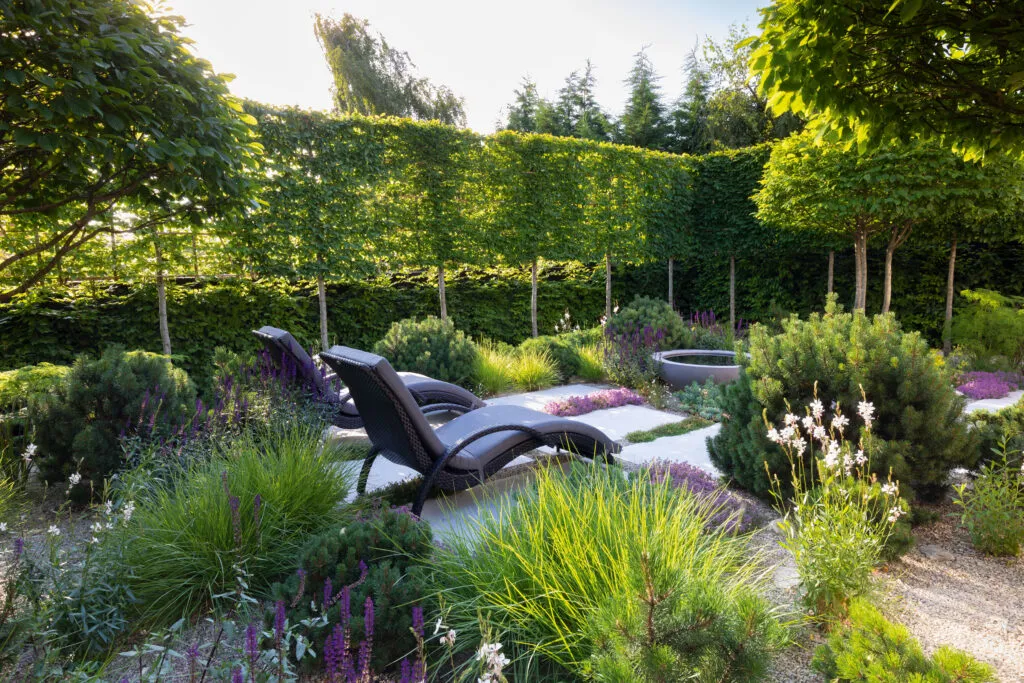
Designer Charlotte Harris is often asked to hide unwanted elements in gardens or views in her work. “Whether it is screening a heat pump, softening the impact of your neighbour’s latest questionable ‘sculpture’, or filtering views to disguise a pylon, road or new development, the key is to shape sightlines, combining strategic zoning, planting, structures and materials to create a garden that feels both protected and expansive,” she says.
“Wall-top trellises increase privacy without adding bulk or weight to a space – a rough rule of thumb for good proportions is one-third of the height of the wall.”
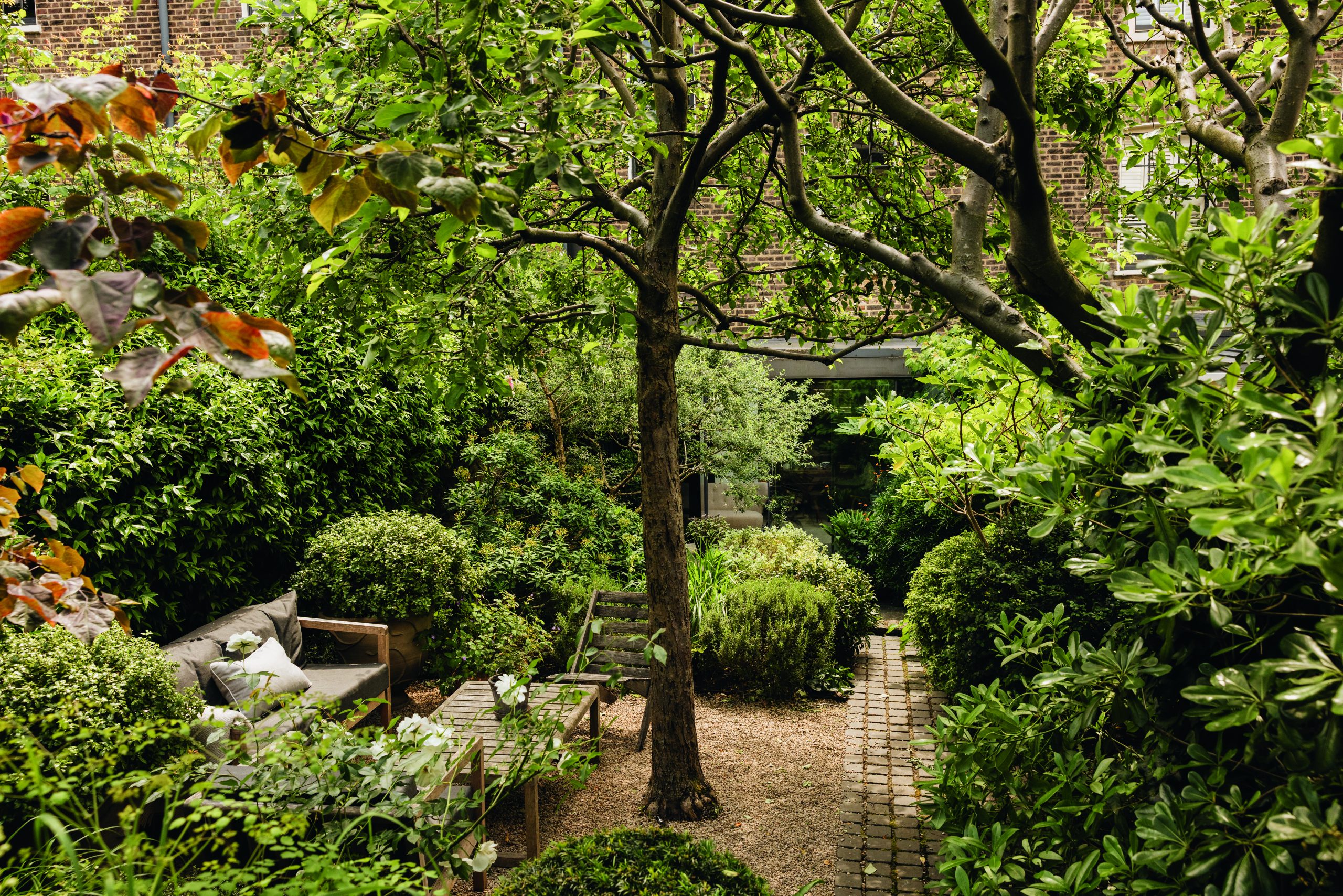
"Diagonal and oblique views change as you move through a space, she says, so positioning trees away from the boundary and closer to the centre can help break up sightlines further. “Staggering trees along the boundary, rather than planting them in a straight line like soldiers, also creates a more natural, relaxed feel.”
Heat pumps
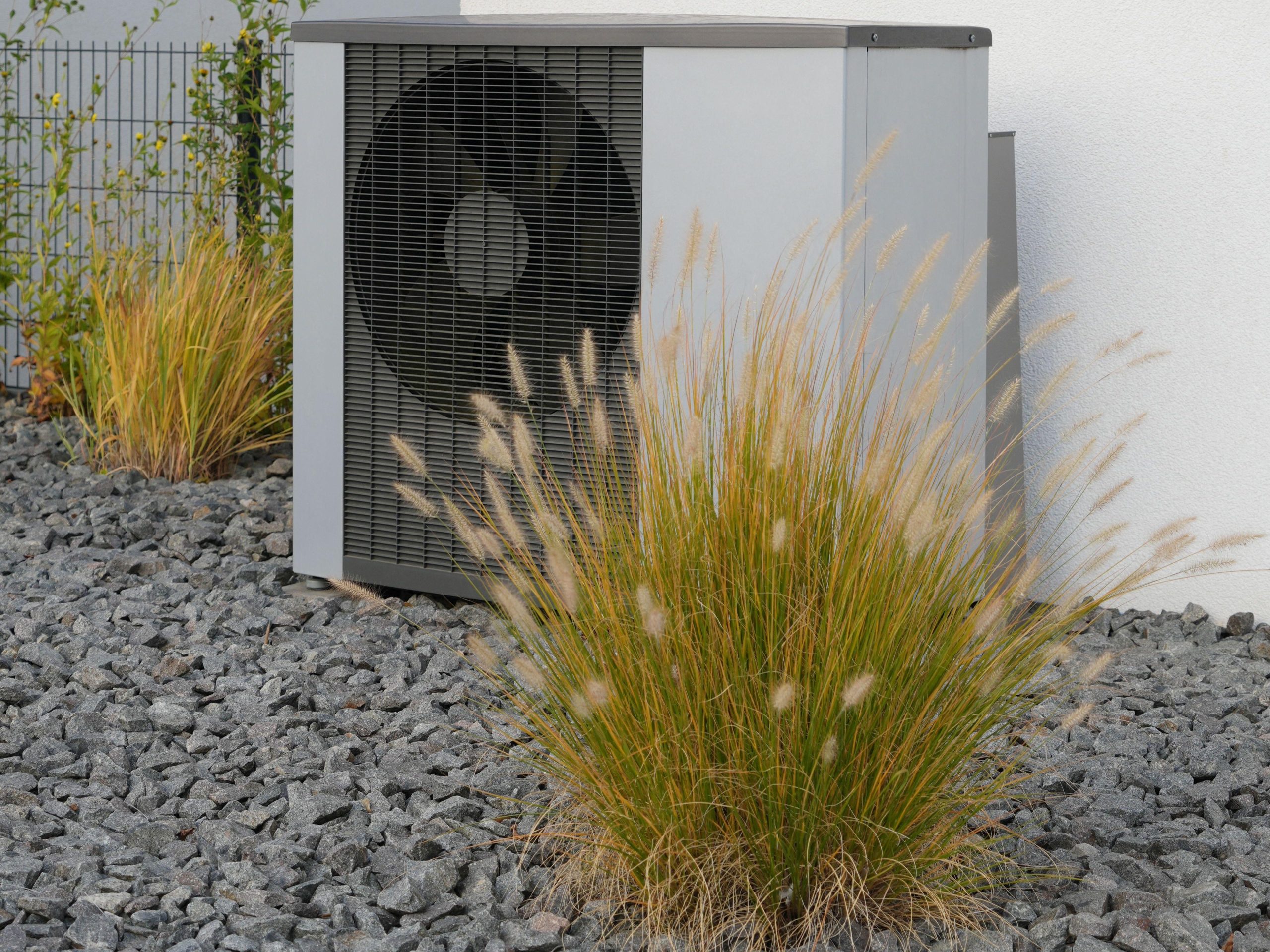
Households are being encouraged to switch to heat pumps as a cleaner, more efficient alternative to gas. More than 60,000 were installed in 2024, an increase of more than 40% on the year before, and that growth is expected to continue. But while they may deliver more efficient, cheaper heating for the home, there is no getting away from the fact that they are hulking, great ugly boxes attached to the side of your house.
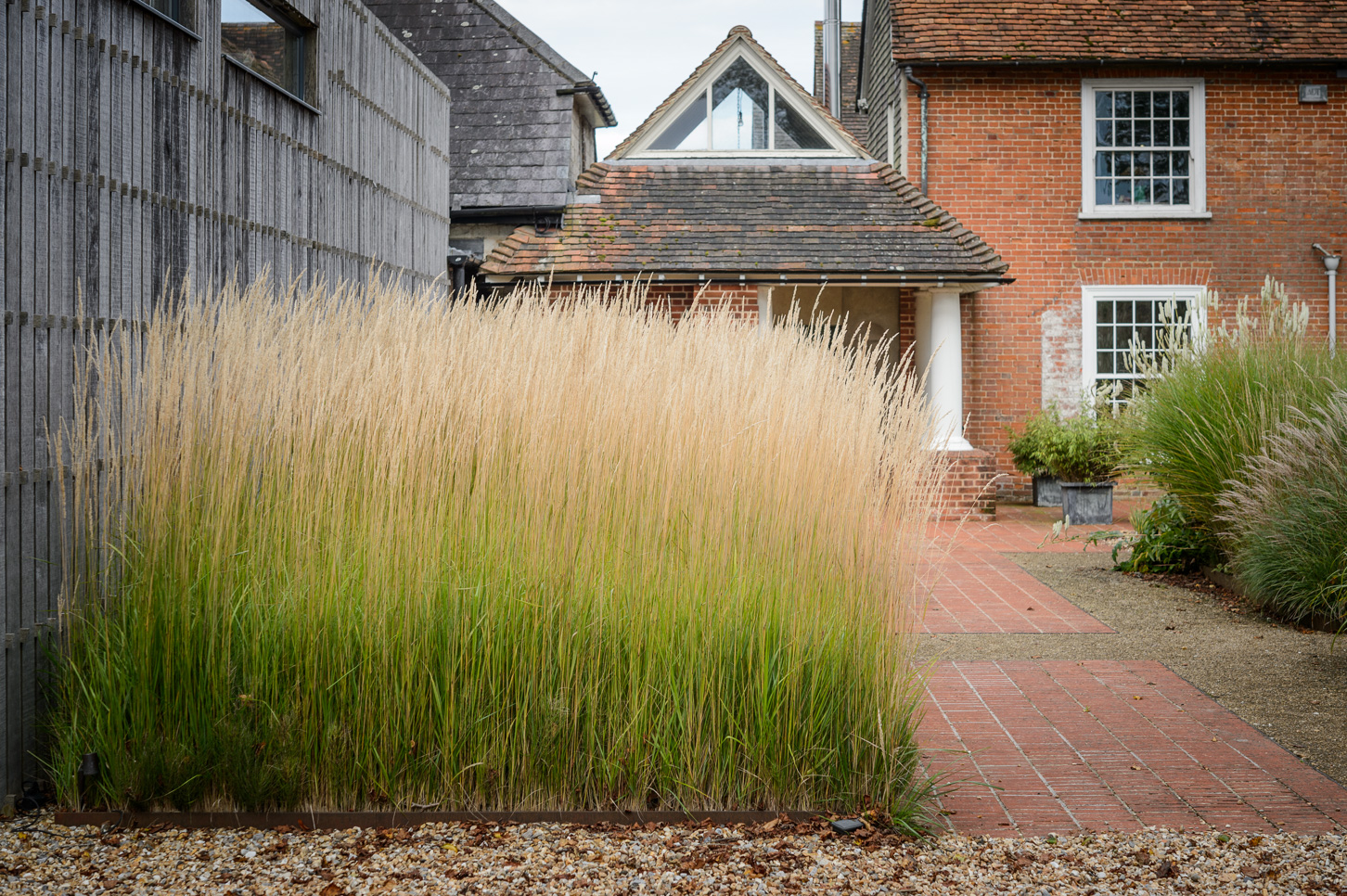
To disguise these, or their smaller and decidedly less green cousin, the air conditioning unit, gardeners must plant cleverly. Due to their size, you don’t want to add anything that will eat up even more of your outside space, but you still have to be careful not to put anything too close to the pumps as that could stop them working properly.
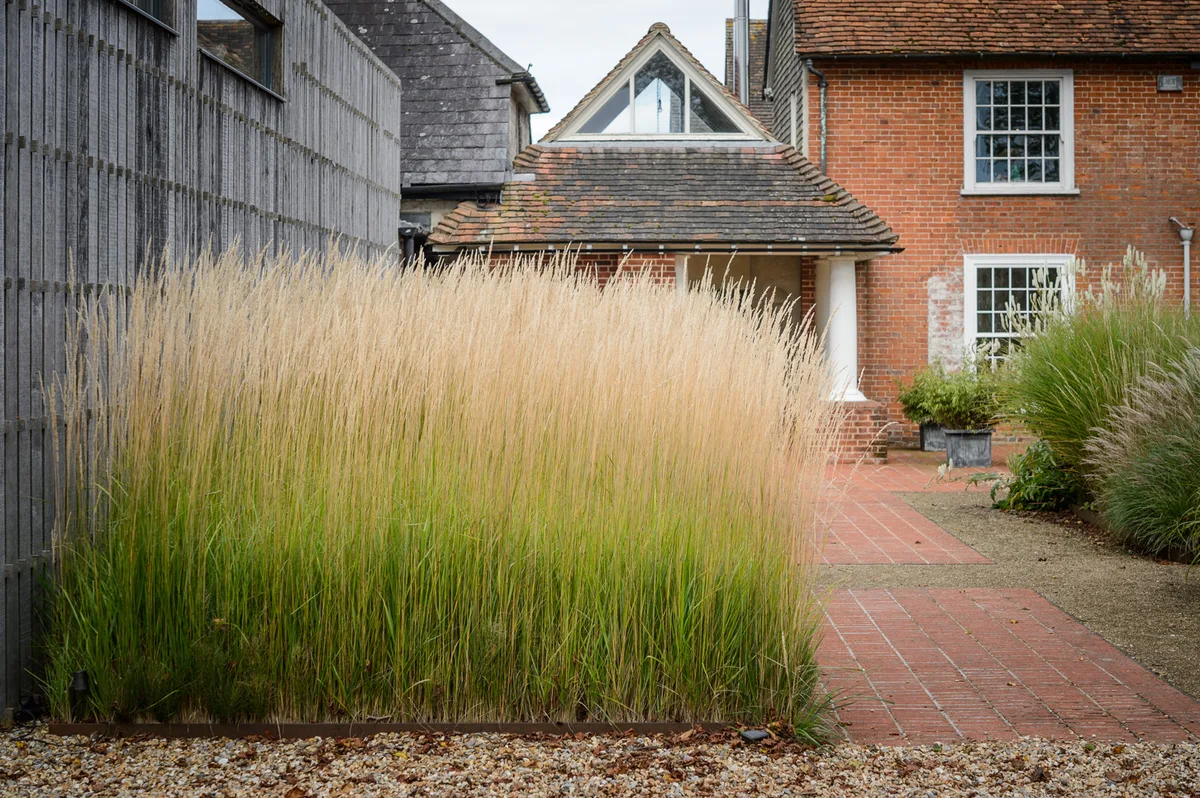
Experts recommend keeping items at least 1m away on all sides. Heat pump manufacturer Vailant recommends tall shrubs, bushes or trees, but close to the house, grasses like Calamagrostis x acutiflora 'Karl Foerster' can screen admirably. Plant a ‘hedge’ of this and it will offer almost year-round coverage, if you leave the buff, tawny-coloured stems up over winter, while also allowing air flow around the area.
Bins
Very much a necessary evil and one that seems to multiply every year - some residents in Wales have to contend with up to 10 different bins at a time. When screening your bins off, you must think of practicalities. How many do I need to conceal? How tall are they? But perhaps more importantly, once they’re screened off, how easy is it to get them in and out? You don’t want to fight to extract your recycling every week.
One answer is to create a screen with tall plants that don’t take up too much space around them. If you put the plants in containers, they’re also easy to relocate if your bin situation changes.
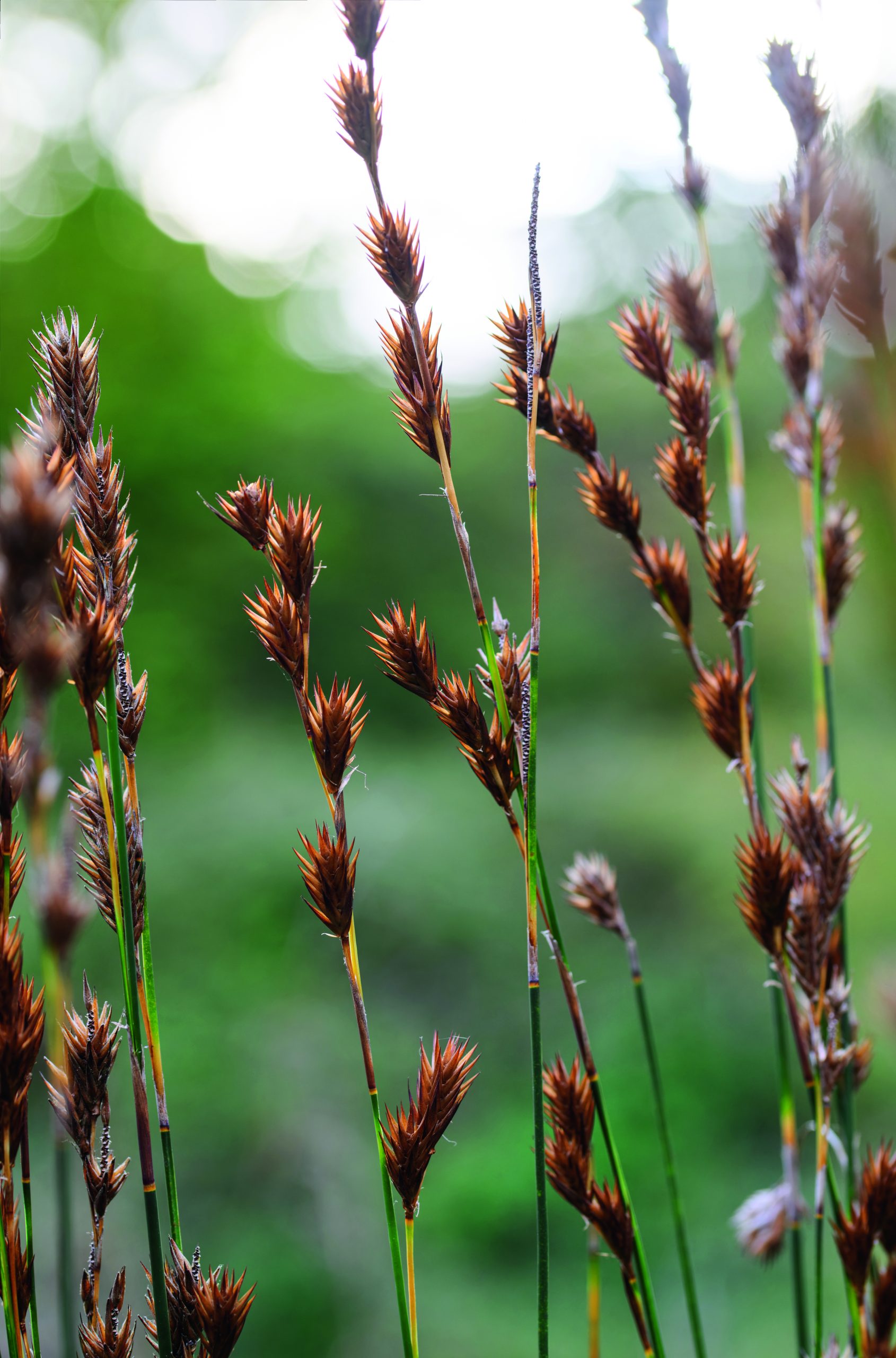
Bamboo may be an option but some varieties can thuggish and difficult to contain if planted direct into the ground. An alternative is the better-behaved Restio family of plants. While not all are completely hardy in the UK climate, Thamnochortus insignis is hardy to -10C, can be grown in a pot while young, and can reach 2m tall and 1m wide.
And there is something to be said for a spiffy-looking bin store, perhaps with a green roof of sedum matting and a set of doors to keep it all out of view. If you are really clever, make it so there is access to the store both from the garden to fill the bin, and from the street to empty it, making the most of the small space.
The driveway
Ever-rising car ownership means few of us are likely to get rid of our driveways any time soon (and many are levelling their front gardens to squeeze in another vehicle). But that doesn’t mean we’re destined to forever endure a swathe of blank gravel or concrete next to our homes.
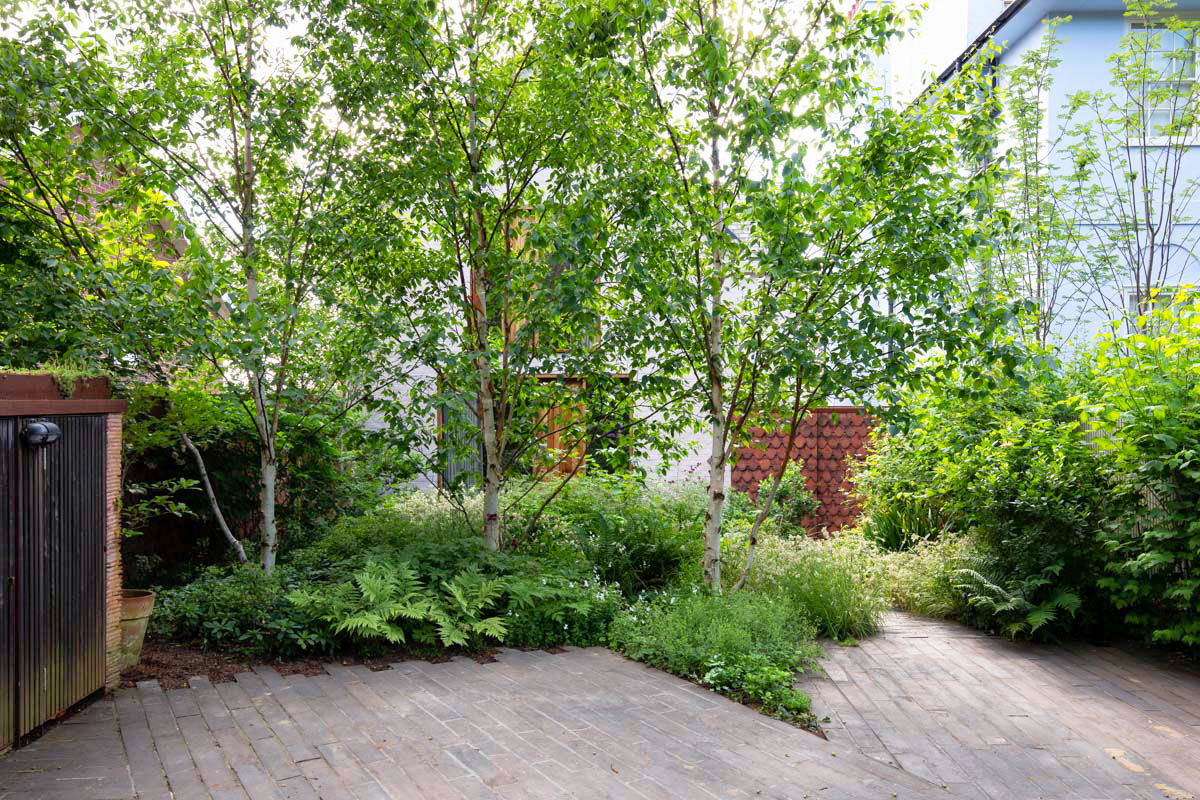
Designer Jane Brockbank created a practical parking area but screened it with birch trees and then underplanted with ferns (Polystichum setiferum) and a range of evergreen groundcover, including Pachysandra terminalis and Alchemilla erythropoda. The planting isn’t just easier on the eye, it helps mitigate some of the problems caused by paving, such as lack of drainage and air pollution.
Sheds
There have been huge advances in making utilitarian garden buildings design items in their own right but it’s a major undertaking to rebuild, not to mention costing a pretty penny too. The alternative is to either draw the eye away or try to conceal it and for this job, climbers are an ideal choice.
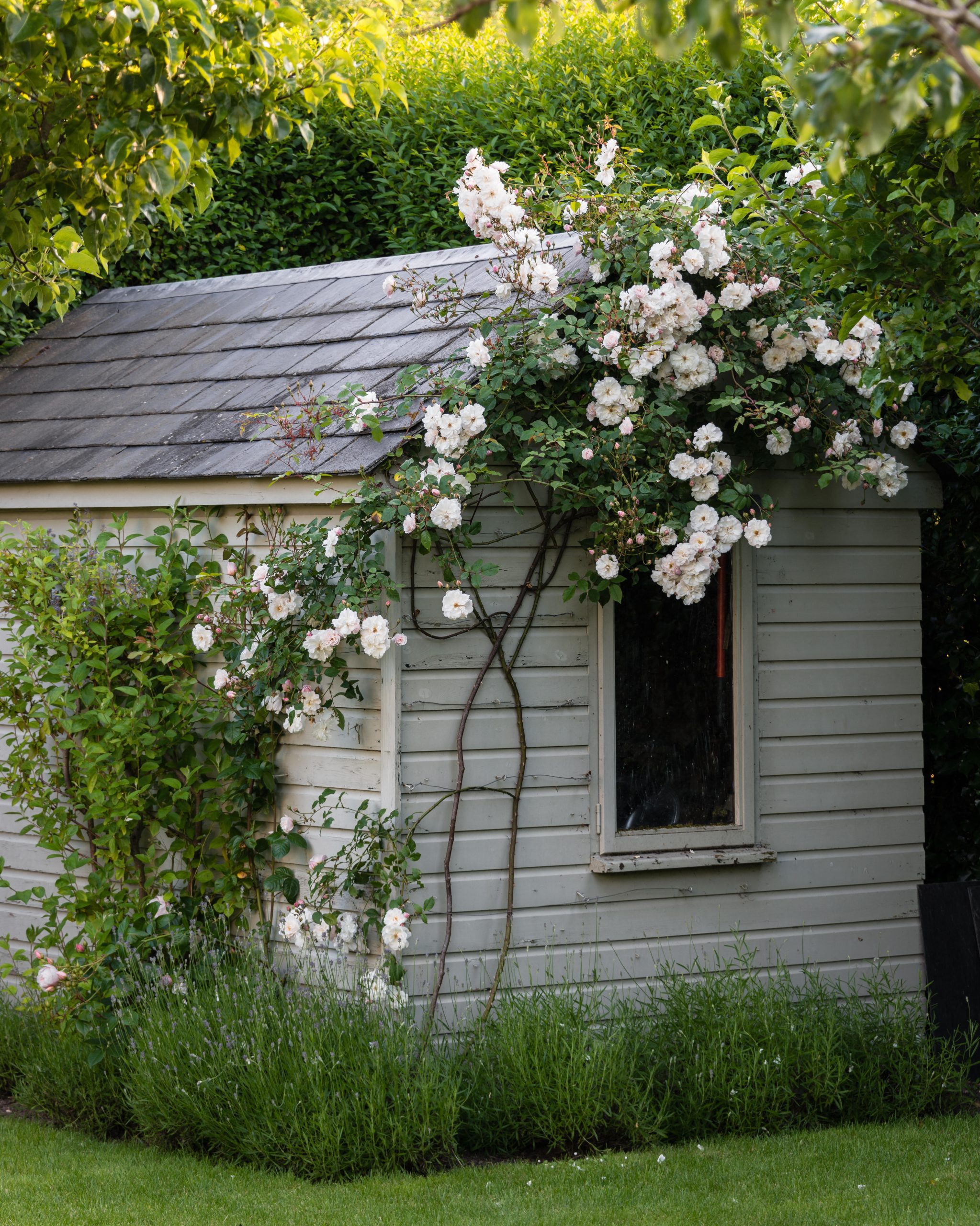
Pick a vibrant Clematis ‘Rebecca’ for a splash of summer colour, or the vigorous Clematis montana ‘Grandiflora’ for quick and comprehensive coverage in late spring, providing a mass of white blooms with the occasional second flush later in the year. Rambling roses such as Rosa ‘Paul’s Himalayan Musk’ will quickly envelop a small building and give you oodles of pretty, scented blooms in summer. Pair with evergreens like ivy or Trachelospermum jasminoides (star jasmine) for year-round coverage.
You may also like
- These delicate, single-flowered roses are perfect for a natural feel in the garden - here's which to grow
- Roses: Our ultimate jargon and myth-busting guide and 49 of the best ones to grow
Drain covers
Like bins, drain covers are at the whim of the utility companies and access to them is key so you can’t simply deck over them or bury them in a border. You can disguise them quite easily, however, with a judiciously-placed pot or two. Something with year-round interest saves you changing the contents every couple of months, or you may enjoy a seasonal refresh.
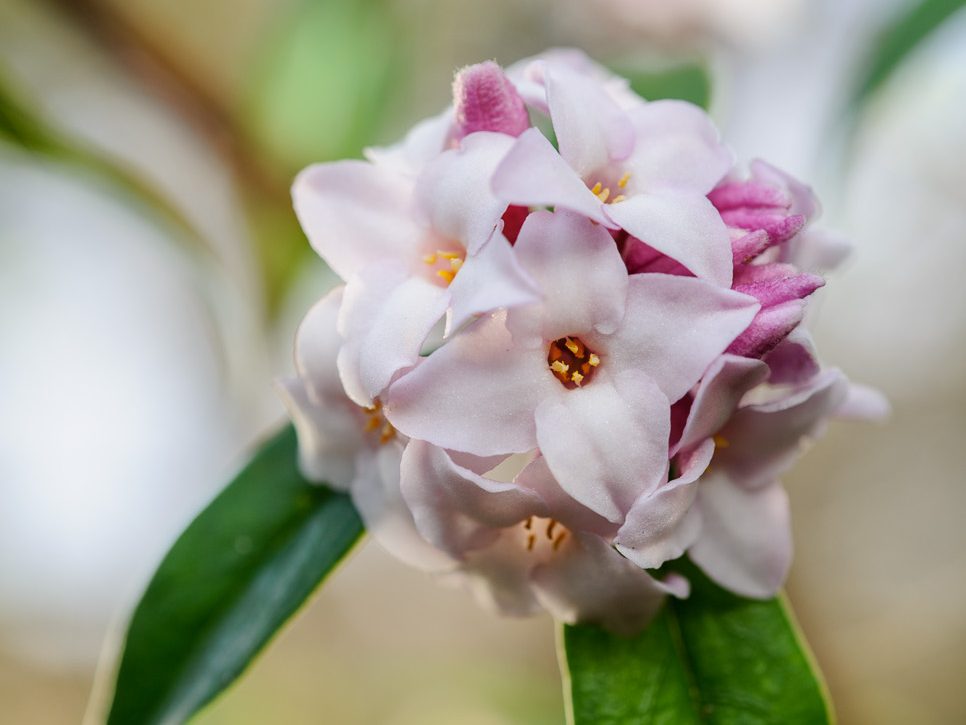
A sweet treat in winter is always welcome, and Daphne bholua 'Jacqueline Postill' can be grown in a largish pot. Just remember not to place any heavy pots (remember the watering!) fully on the cover in case it cracks and consider using a wheeled plant stand to make it easy to move out of the way when access is required.
Frazzled front gardens
A recent RHS survey found that more than half of the UK’s front gardens are paved over, with most of us focusing our attention on what goes on at the back of the house. A dumping ground for bins, paved for extra parking space or hiding behind a big hedge to screen out nosey passers-by, the front garden has more potential than it’s given credit for.
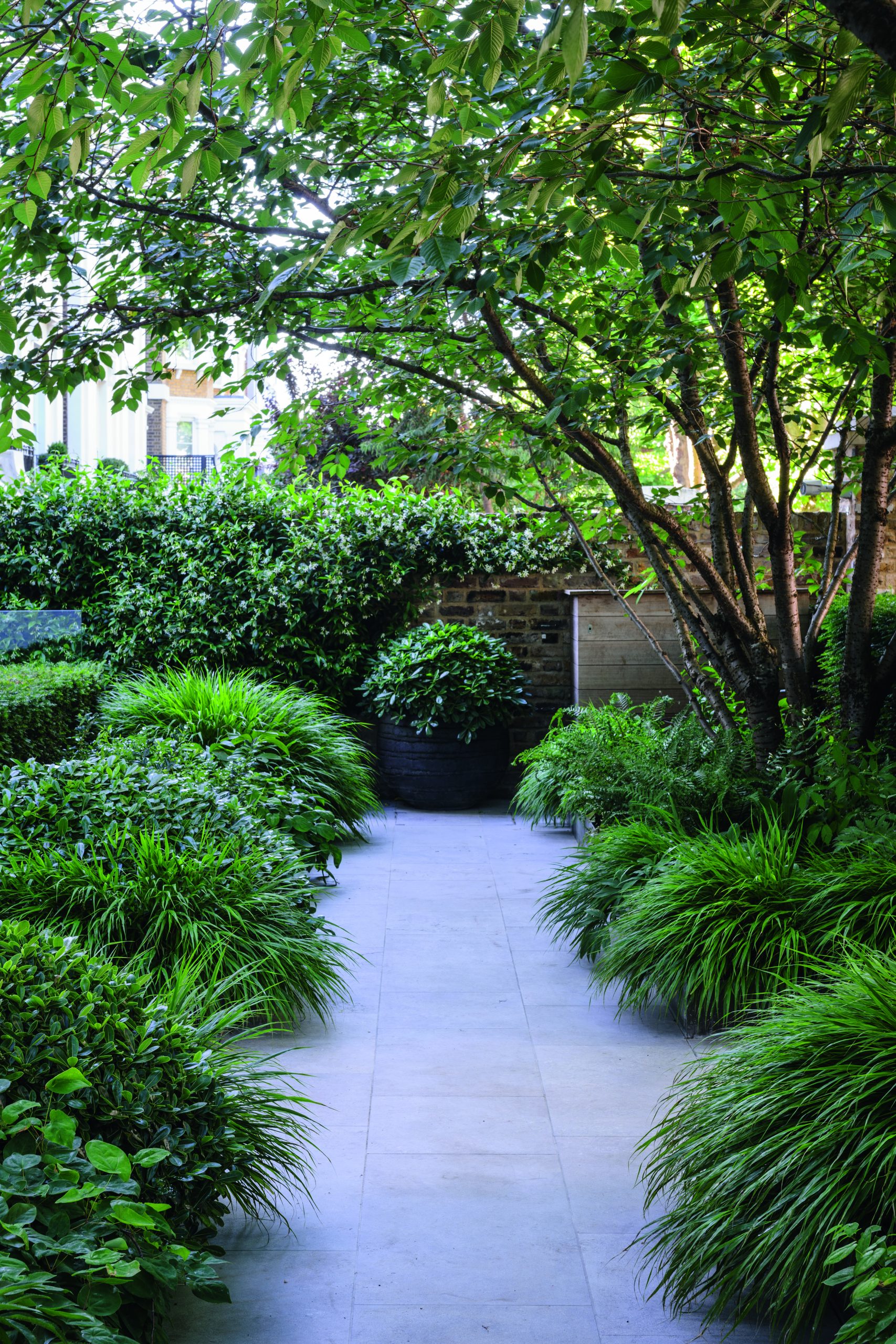
Turning it from an eyesore to an idyll needn’t be hard work or expensive. Fill a border or pots with plants that suit the aspect. A north-facing garden is likely to be cool and shady, eminently suited to this planting scheme from Harris Bugg Studio where a narrow passage is lined with clipped Pittosporum tobira ‘Nanum’ which delivers a wonderful mock orange scent for visitors in early summer, and perennial grass, Hakonechloa macra.
Paving
Crazy or otherwise, paving is often a feature in gardens and one that is not always welcome. Standard, grey concrete slabs may be functional, but they don’t contribute a great deal aesthetically. Digging up a whole patio may not be practical but slicing out the odd slab here and there can break up the concrete monotony, introduce some much needed diversity for wildlife and simply bring joy to the eye.
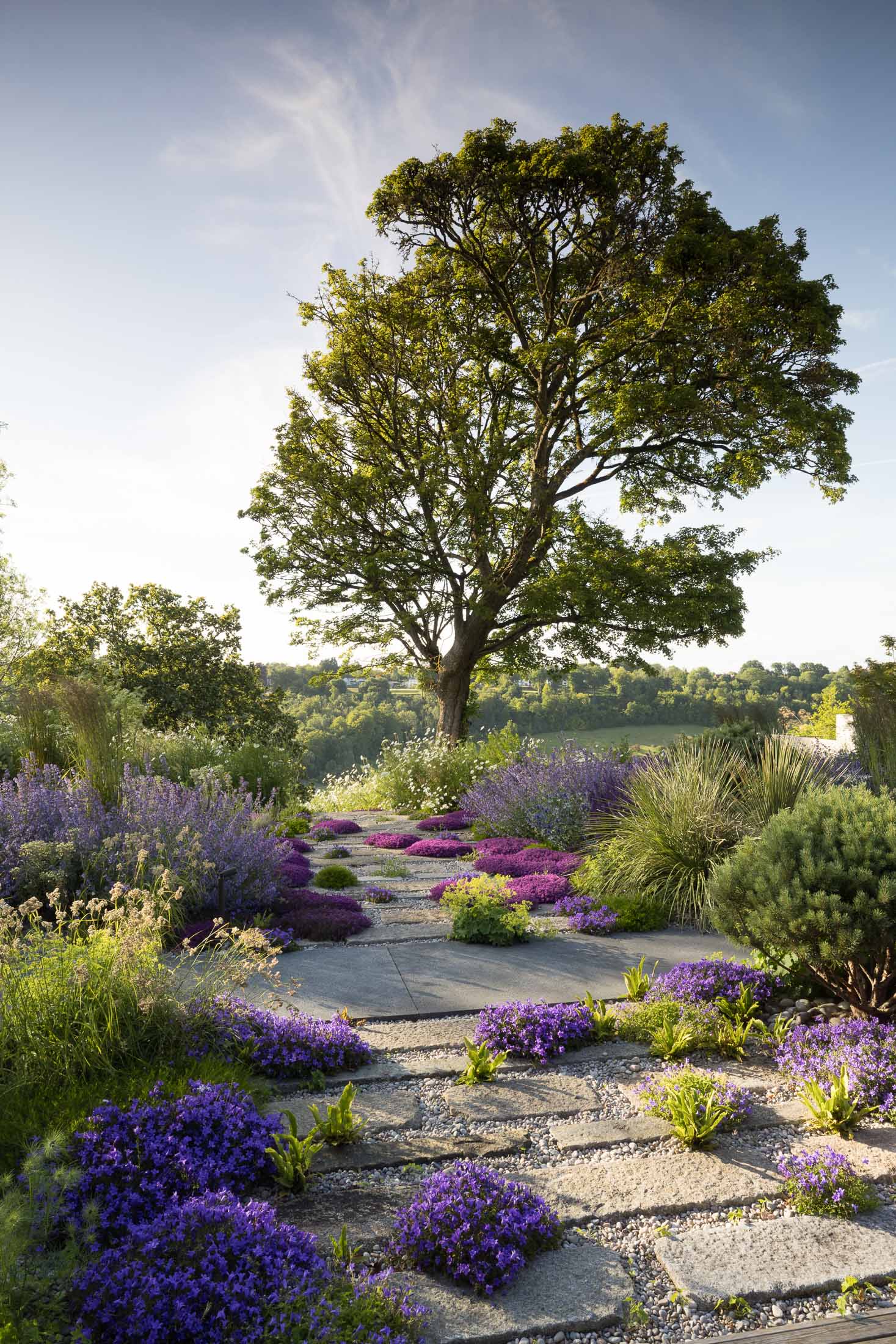
In this dry garden, designer Matthew Wilson has taken out as much paving as possible, replacing it with gravel and plant suited to poor conditions, such as purple flowering thyme (Thymus serpyllum).
Water butts
Collecting rainwater is essential, especially if you are a gardener. But standard water butts can be a bit trying to look at and, because they’re perched next to a downpipe, quite hard to avoid. Instead of plumping for a large, black plastic canister, consider alternative water collection and storage vessels.
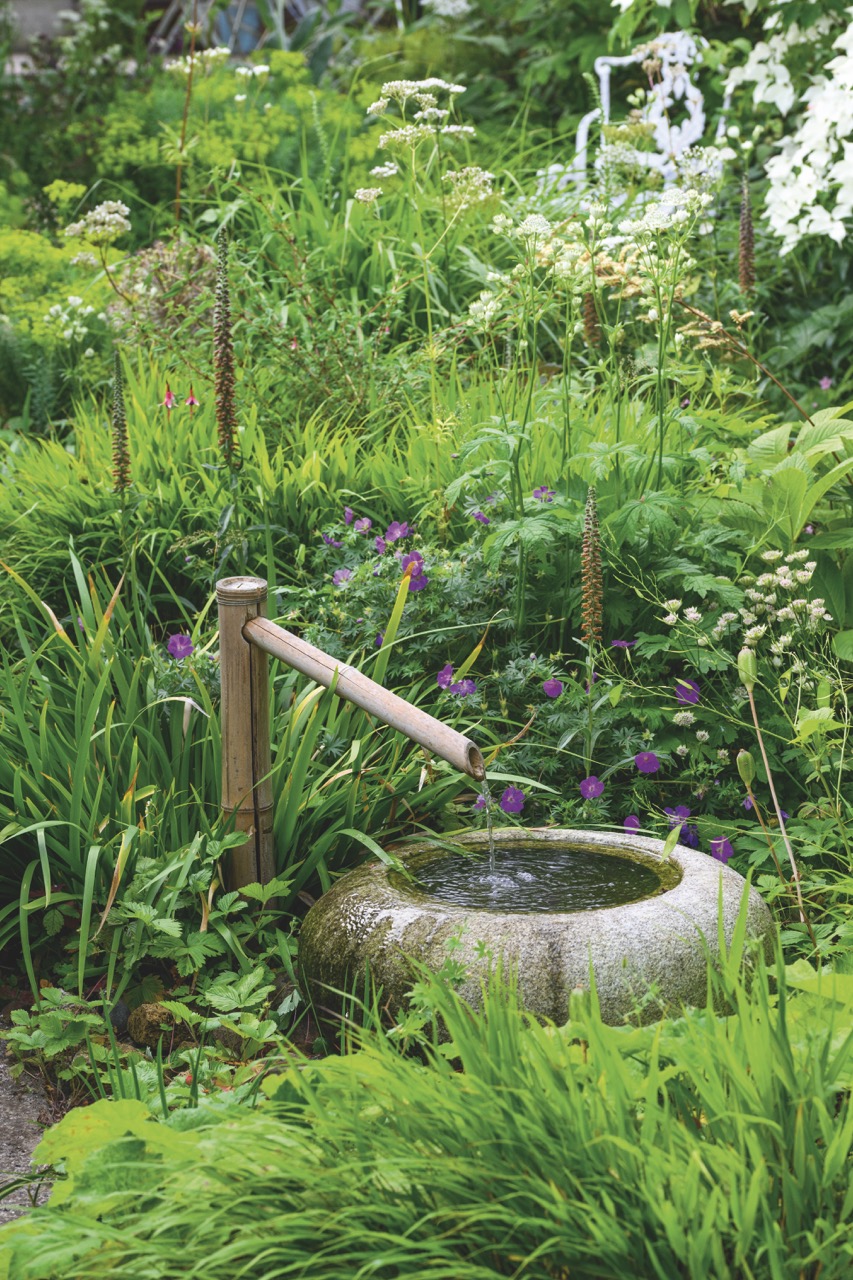
Galvanised metal troughs are certainly in vogue and as a ‘dippy bucket’, much quicker to fill the watering can. Or you can go for a series of smaller bowls and have them double up as a water feature.
The tetsu-bachi stone basin above forms part of a tsukubai-style water feature in landscape architect and plantsman Matt Evans’ garden in Bath. The bamboo pipe would normally draw water from a nearby spring but you can mimic the effect with a simple pump.
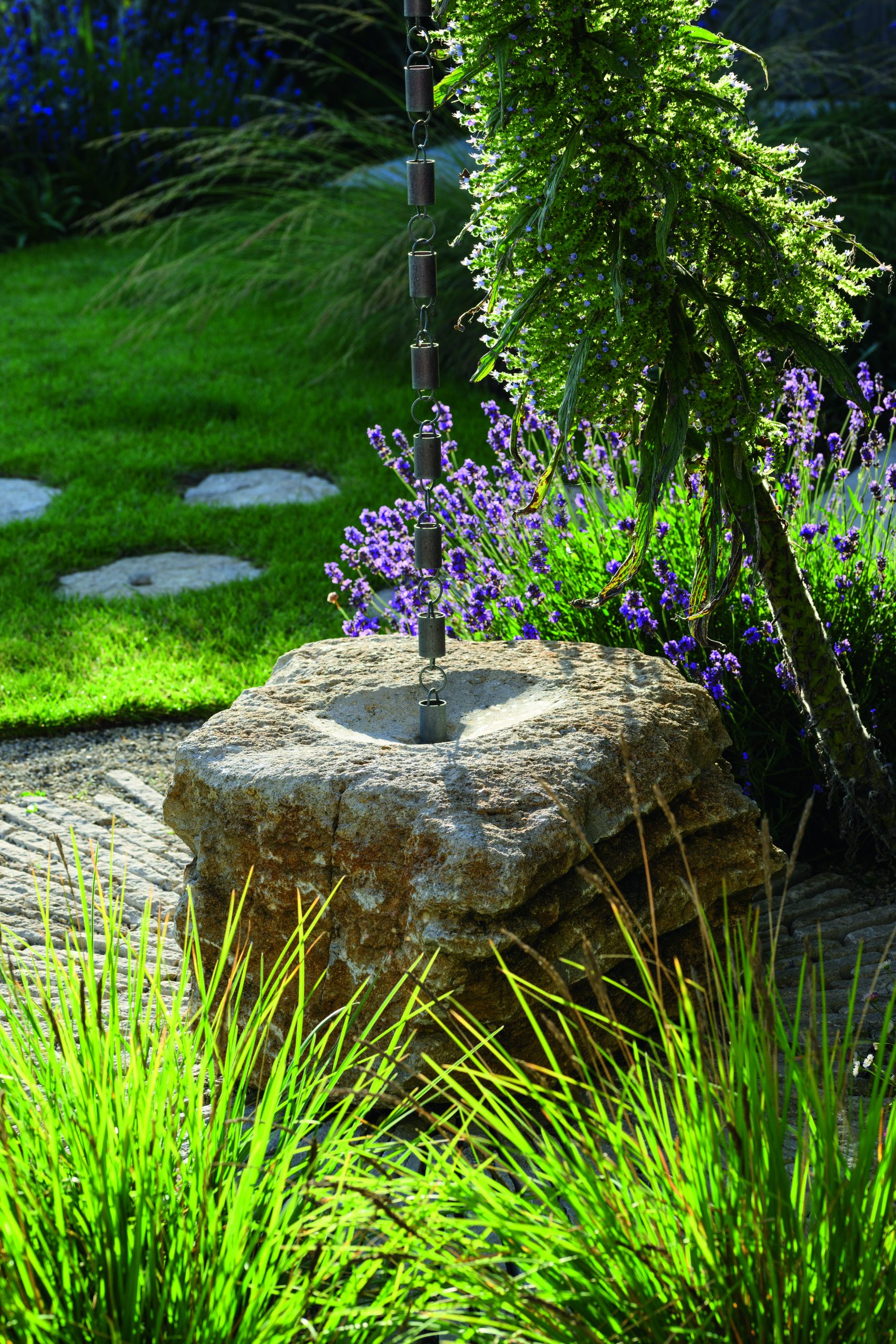
Consider an alternative to the drainpipe too with a rain chain like this one in a garden designed by Helen Elks-Smith, which funnels the water away from the house into a stone basin with rainwater reservoir beneath.
Subscribe to Gardens Illustrated for inspiration dropped on your doorstep every month.