Some 42 per cent of the UK’s garden land area has been paved. That's the shocking statistic from the recent RHS State of Gardening report. The state of gardens, then, is that they’re quietly disappearing. Land is a finite resource and gardens are reducing in size. Unless we all do something, that percentage will rise.
First, we must understand why so many gardens are being paved. Let’s break it down. Gardens in the UK make up approximately 4.9 per cent of total land. It sounds like a small percentage, but as a proportion of an entire country, that is significant. More than 20 million residential front and/or back gardens make up just over half of the area (around 1.2 million acres). The rest is gardened parkland or managed green space.
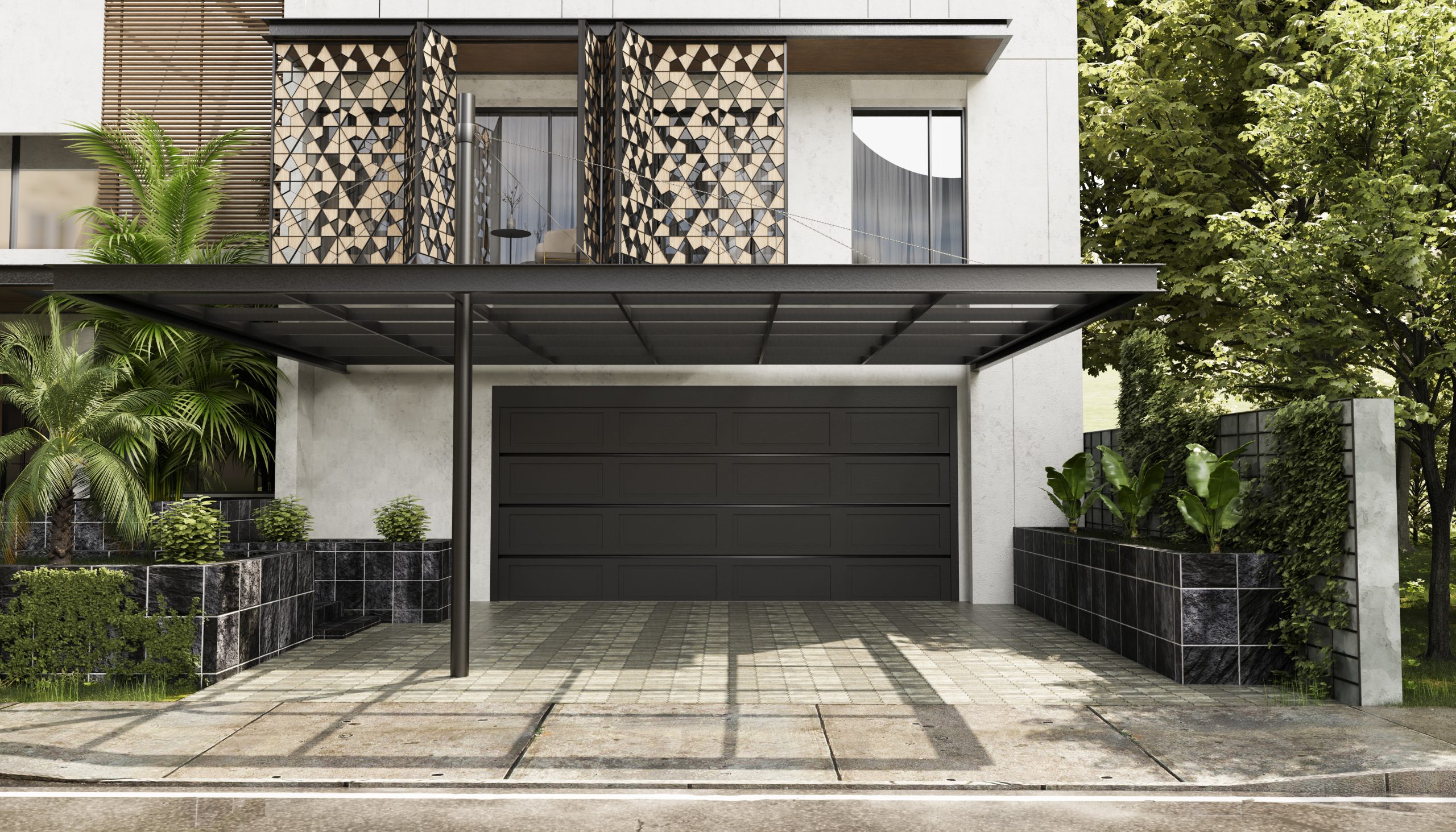
Evidence suggests one culprit is the gradual transformation of front gardens into driveways. As far back as 2005, around two-thirds of London’s front gardens were already fully or partially paved, covering more than 7,900 acres – almost 23 times the size of Hyde Park. But the problem is not confined to urban areas.
Gardens are shrinking, which poses a problem for patios, because we certainly aren’t getting smaller
Busier lifestyles with less time or interest in maintenance have seen a societal shift toward zero maintenance, resulting in more households completely paving gardens. I’m a garden designer and feel the design profession has been unfairly blamed for this – I’ve actually taken out more paving than I’ve put in. Every designer and gardener I’ve met– in the hundreds – intrinsically wants to balance patios with planting. It’s when garden planners aren’t involved that things appear to go awry.
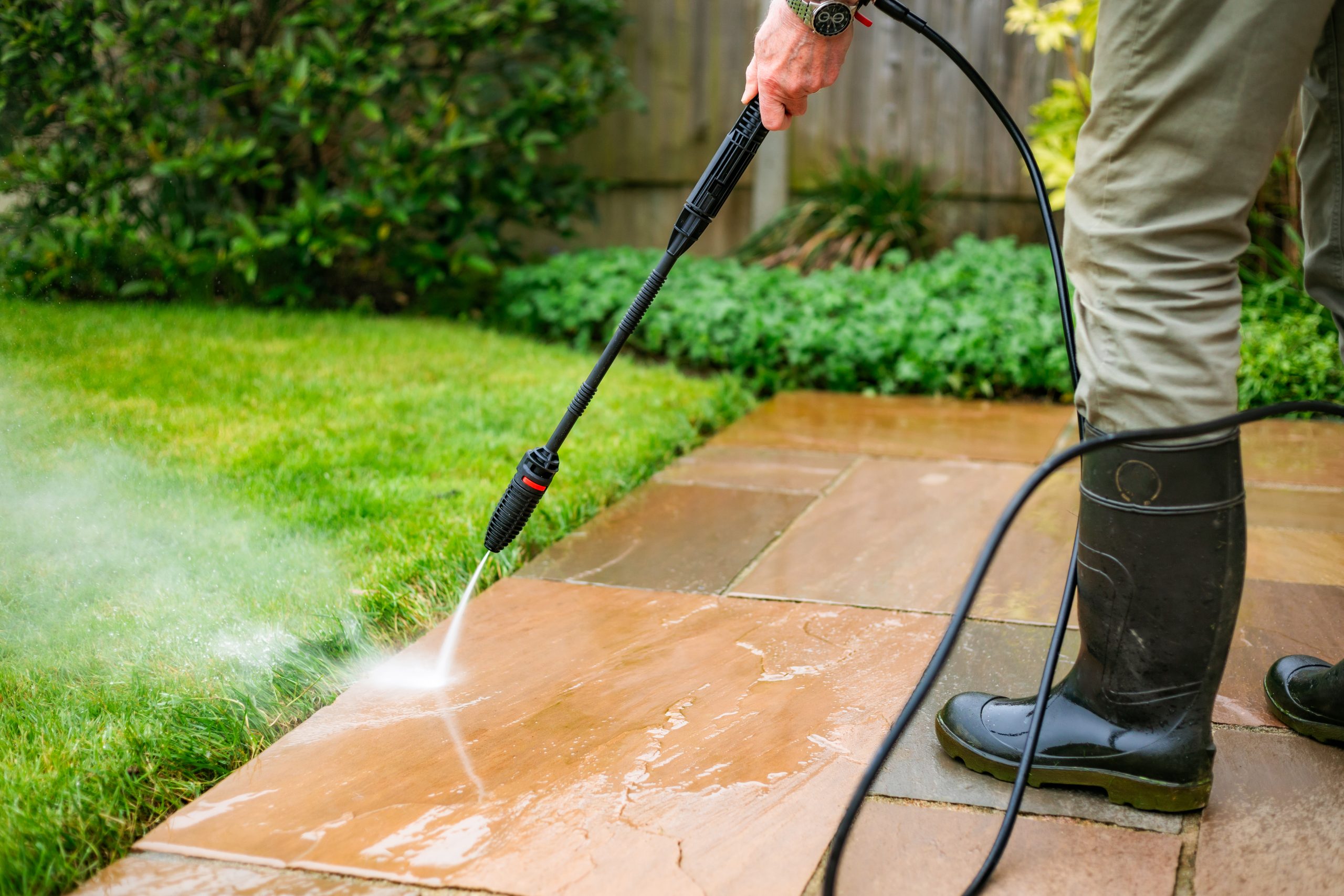
Of course, another elephant in the garden is the gradual reduction of access to gardens themselves. Although the average garden size in the UK is still 250 square metres, today that must be inflated by a percentage of large to supersize gardens. Most residents of towns and cities can’t afford a large garden, and many can’t afford a garden at all. Gardens in general are shrinking, which poses a problem for patios, because we certainly aren’t getting smaller (I, for one, am definitely getting larger). There is only so much we can minimise patios and maintain usability, leading inevitably to less green stuff per plot.
Hardscaping is on the radar of policy makers. In 2008, it became a requirement to have planning permission to install impermeable paving in front gardens exceeding five square metres. This is largely to reduce water runoff rather than protect wildlife habitat, but it’s something to slow the concrete tide. We need planning legislation to further protect gardens from excessive paving, to benefit wildlife and us. And I’d suggest as part of the drive for affordable homes, gardens are included with an agreed minimum size of unpaved outdoor space for new builds.
Excessive paving of gardens is obviously now a national issue. It seals soil, removes life above ground and damages the vast unseen ecosystem below it – along with soil’s ability to store carbon and absorb water. It contributes to hotter urban environments too, by replacing cooling vegetation with hard surfaces. Surely this cannot be good for our wellbeing either? Time spent outside, surrounded by plants and wildlife, is essential to all of us – and hard to replace once it’s gone.
How about a campaign to highlight the issue from within the gardening industry, to change the nation’s mindset? Perhaps it’s time we follow the lead of Dutch gardeners with an annual ‘tile whipping’ competition, where communities in the Netherlands compete to remove the most paving and replace it with planting.
It is possible to strike a balance between patio and planting. Updated guidance for patio sizes would help people calculate the best minimum size for dining or lounging so they pave only what they need. Ribbon driveways with strips for wheels surrounded by planting are often mooted as a good solution for parking.
A return to furniture that works on lawns would be helpful too; lawn being a living, permeable and usable surface. Where paving is unavoidable, permeability and a focus on climbers, shrubs and trees to maximise vertical greenery in small spaces feels essential.
We face tough questions. Do we need to be realistic about how much gardens can help wildlife? Gardens are vital – I’m a wildlife garden advocate – but they cannot save nature alone. Conservation charities such as The Wildlife Trusts, Woodland Trust and RSPB are proactively buying large amounts of land for nature. Should more of our resources be focused on them?