If there’s one weed that strikes fear into the hearts of gardeners and homeowners, it’s Japanese knotweed. This perennial weed can wreak havoc, growing through cracks and weaknesses in paving, tarmac and asphalt. It can damage property and if can also affect the value of your home.
Fallopia japonica (or Reynoutria japonica) hails from Japan and was originally introduced to the UK in the 1800s as an ornamental plant and cattle fodder. By the late 19th century it had escaped from gardens and had become naturalised along railways, canals, rivers and roadsides, Initially it was found mostly in South Wales, but it is now found throughout the UK, where much of it has grown from fly-tipped plant material and contaminated soil.
You may also like
- Invasive plants: here's what not to plant and how to avoid a fine
- 10 weeds you need to worry about in your garden
Japanese knotweed spreads via invasive roots that can be at least 1m deep. It is listed as an invasive non-native plant on Schedule 9 of the Wildlife and Countryside Act 1981. It is not an offence to have Japanese knotweed growing in your garden, but it is an offence to plant it or cause it to grow in the wild. It can grow from a tiny (1cm) fragment of its rhizome (root).
Japanese knotweed is a particularly aggressive plant which requires specialist treatment. Eradicating it can cost several thousand pounds.
Everything you need to know about knotweed
How to know whether you have Japanese knotweed
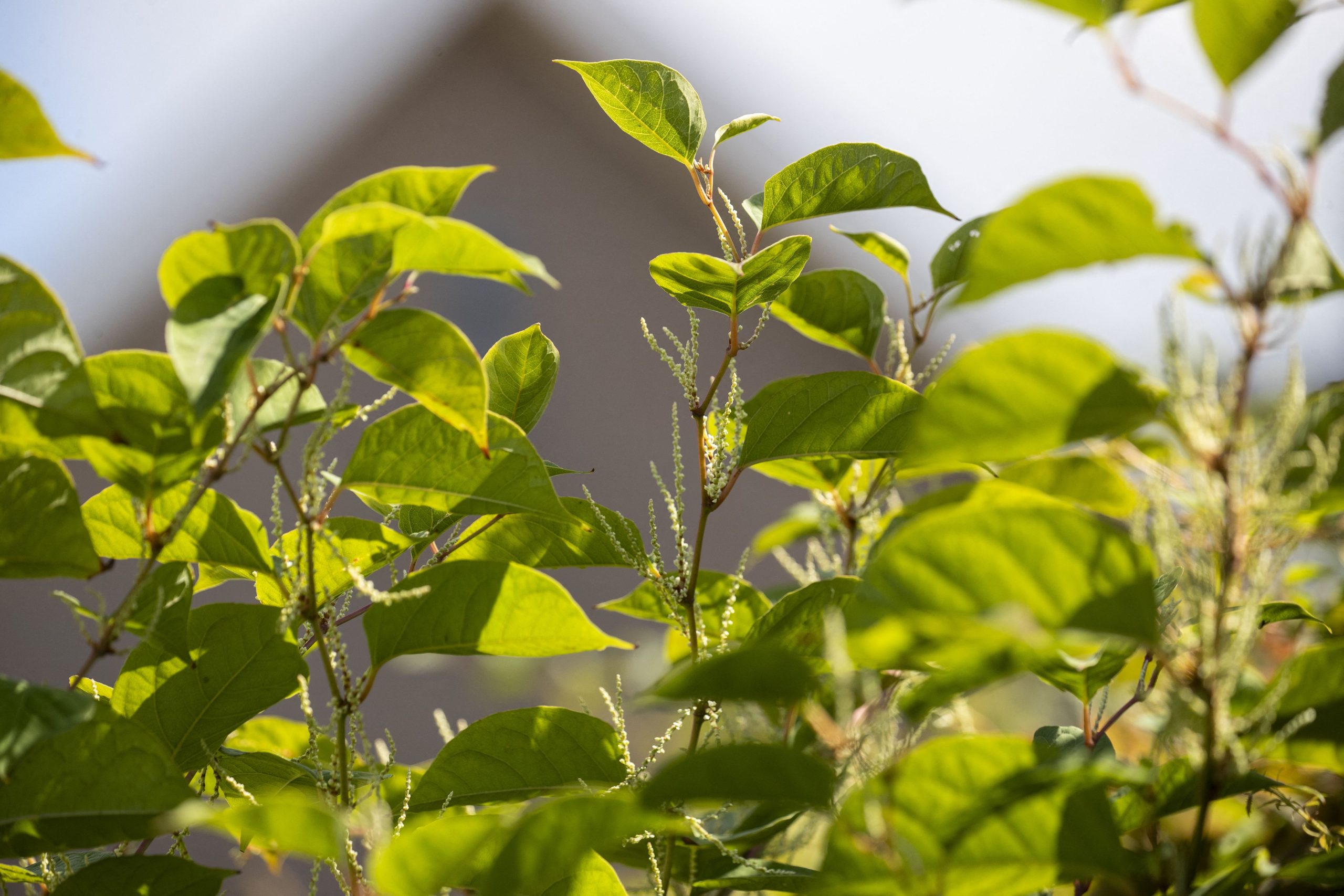
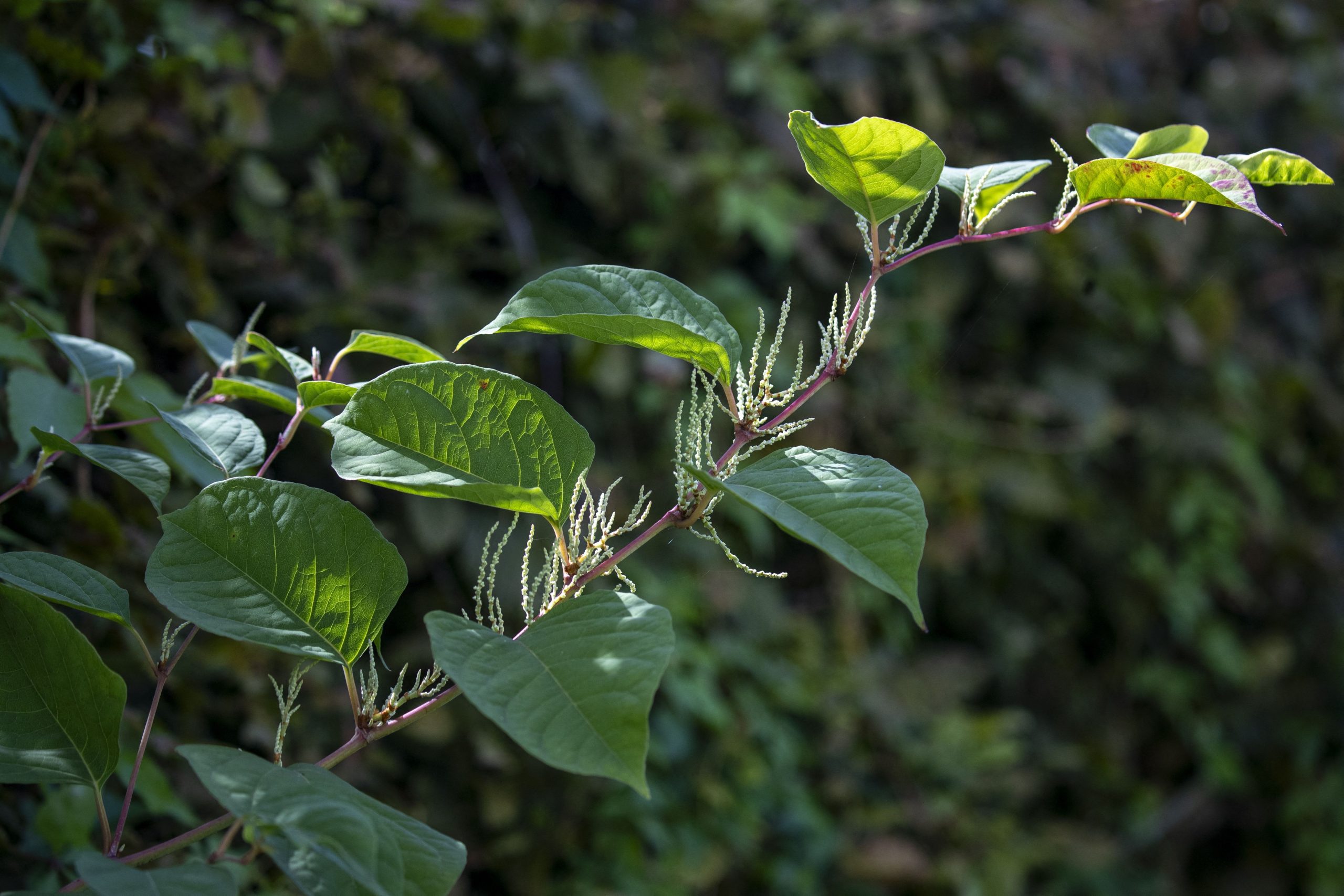
Japanese knotweed has bamboo-like stems that reach at up to 3m tall at the height of summer, heart-shaped leaves and tasselled cream flowers from August to October. Pinky-red shoots emerge in spring and grow rapidly, forming tall, dense thickets. Japanese knotweed stems die back in winter, leaving the dry, brown stems scattered on the ground. In sheltered spots, the dead stems can stay upright through the winter.
It is usually found growing in sunny spots and nothing seems to affect its growth, although there is evidence to suggest that summer drought can have a restrictive effect. The rhizomes (roots) form a deep, dense mat at least 1m below ground that can spread to be 10m wide. Rhizomes form a crown at the centre of the plant and spread outward to form dense thickets. The root system remains alive but dormant over winter, sending up new buds and shoots in spring.
You may also like
Some plants look similar to Japanese knotweed, including the mile-a-minute or Russian vine (Fallopia baldschuanica) and Persicaria microcephala (small-headed knotweed).
What to do if you find Japanese knotweed on your property
You do not legally have to remove Japanese knotweed from your land unless it’s causing a nuisance, but you can be prosecuted if you cause it to spread into the wild, with either a fine or imprisonment.
Treat knotweed as soon as you are aware of it, because the more it establishes itself, the more damage it will cause, as well as being more difficult and expensive to remove.
Getting rid of Japanese knotweed
If you plan to sell your property soon or a neighbour is threatening litigation regarding the spread of Japanese knotweed, it is best to hire a professional company that specialises in the removal of invasive weeds. They will appropriate equipment and experience to deal with Japanese knotweed, as well as approved ways of dealing with it.
Most companies offer treatment with a herbicide, which can cost between £2,000 and £5,000 or full excavation and removal, which can cost between £5,000 and £20,000.
You may also like
Do not attempt to dig the weed out yourself – it’s impossible, as the roots run so deep. Cutting the plant back is also ineffective and may actually stimulate growth. Setting fire to the plant also does not work. Do not use a lawnmower or hedge trimmers to cut down the knotweed as this can infect the surrounding areas, making the threat that much more difficult to destroy. Pulling off the stems regularly may eventually weaken the plant, but the stems should not be composted, as they will not rot down.
Make sure that any clothes and shoes that have come into contact with the weed are checked and washed thoroughly to ensure that contamination isn't spread further. Do not put any part of the weed into your compost bin, or green waste collection, as this can ignite another outbreak elsewhere, due to the resilient nature of knotweed.
Remember to check the area for up to three years after removal, ensuring that no re-growth has occurred.
Is it possible to deal with knotweed organically?
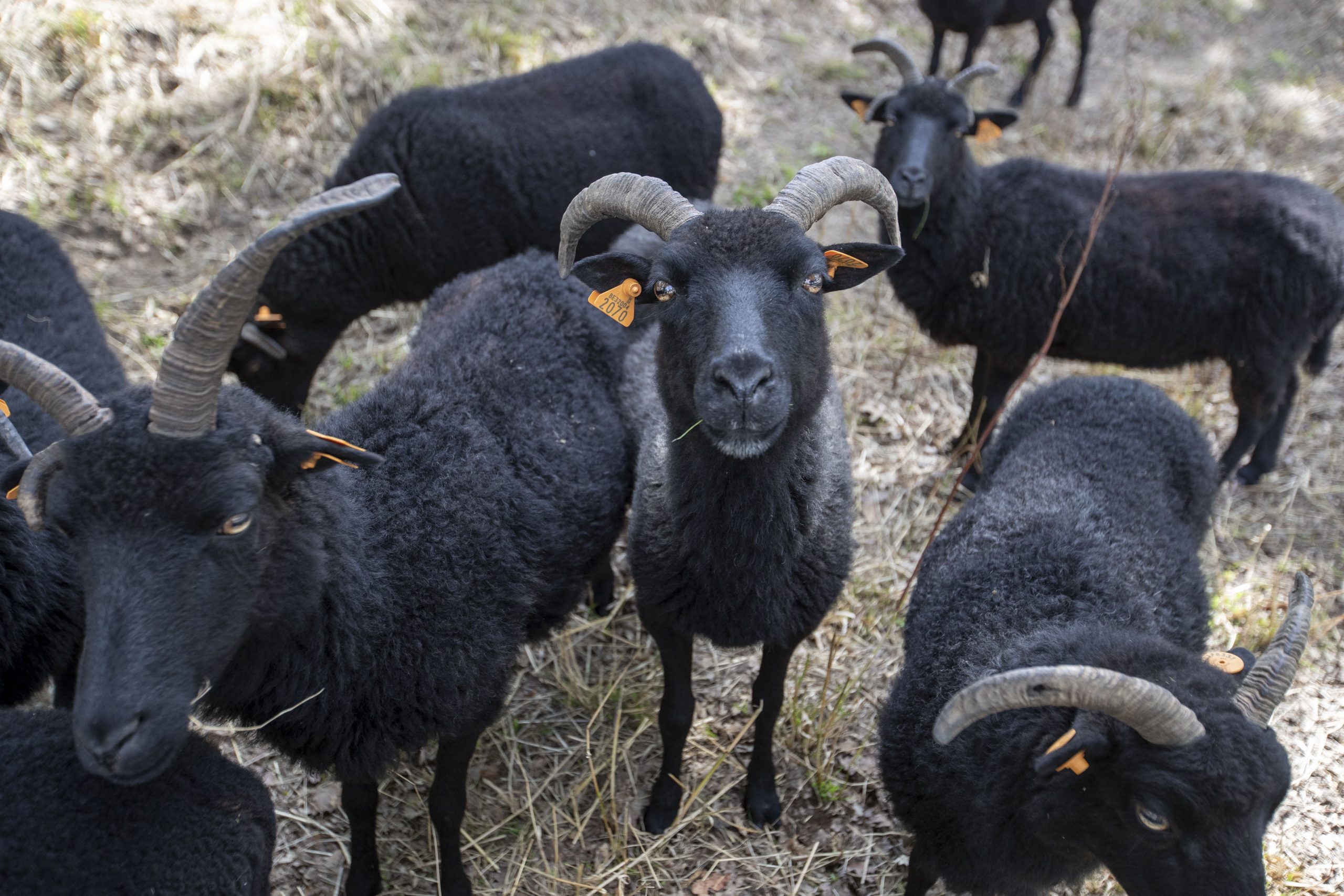
If you happen to have sheep, donkeys, goats, cattle and horses on your land, Garden Organic says that they will graze the young shoots from February to July – which will weaken the plant, but it won’t eradicate it. The charity also suggests using root barrier fabrics made from reinforced polyethylene laminate. Specialist companies offer excavation and removal.


