May in England is the most enchanting month. It is also extremely busy in the garden, so avid gardeners may not find the time to relax and enjoy it. This is the month when seedlings are jostling for position in the glasshouse and cold frames, and the temptation can be strong to plant them out too soon, just to get them out of the way.
You may also like
- Think 'No Mow May' is not for you? These neat ideas for your lawn will make your garden look amazing in May
- The ultimate list of things to plant in May
May is about final preparations and the establishment of new additions to the garden, ensuring they prove a success as the year goes on. To help you along, we asked for advice from several expert professionals in ornamental and kitchen gardening to create the ultimate list of jobs to work on this month to make your garden really amazing by the time summer arrives.
Gardening jobs for May
Job #1 Plant out tomatoes and climbing beans

Tomatoes and climbing beans need to be in the ground in May if they are to have sufficient time to mature and produce a crop. Temperatures can still drop at this time of year though, and a sudden move from a sheltered environment to the garden may prove fatal. Harden plants off by gradually increasing their exposure to the elements each day for a week or so before you plant them out, and wait until night-time temperatures have stopped dipping below around 7°C.
- How to grow your BEST EVER tomatoes this year
- Don't play it safe with your tomatoes this year – here are some new, unusual and exciting varieties to grow
Job #2 Chelsea chop perennials
Now is the perfect time to ‘Chelsea chop’ perennials such as Althaea cannabina, hylotelephium, nepeta, phlox and symphyotrichum. Cut back new growth by about a third to encourage stouter, sturdier plants.
Job #3 Get maincrop peas in the ground

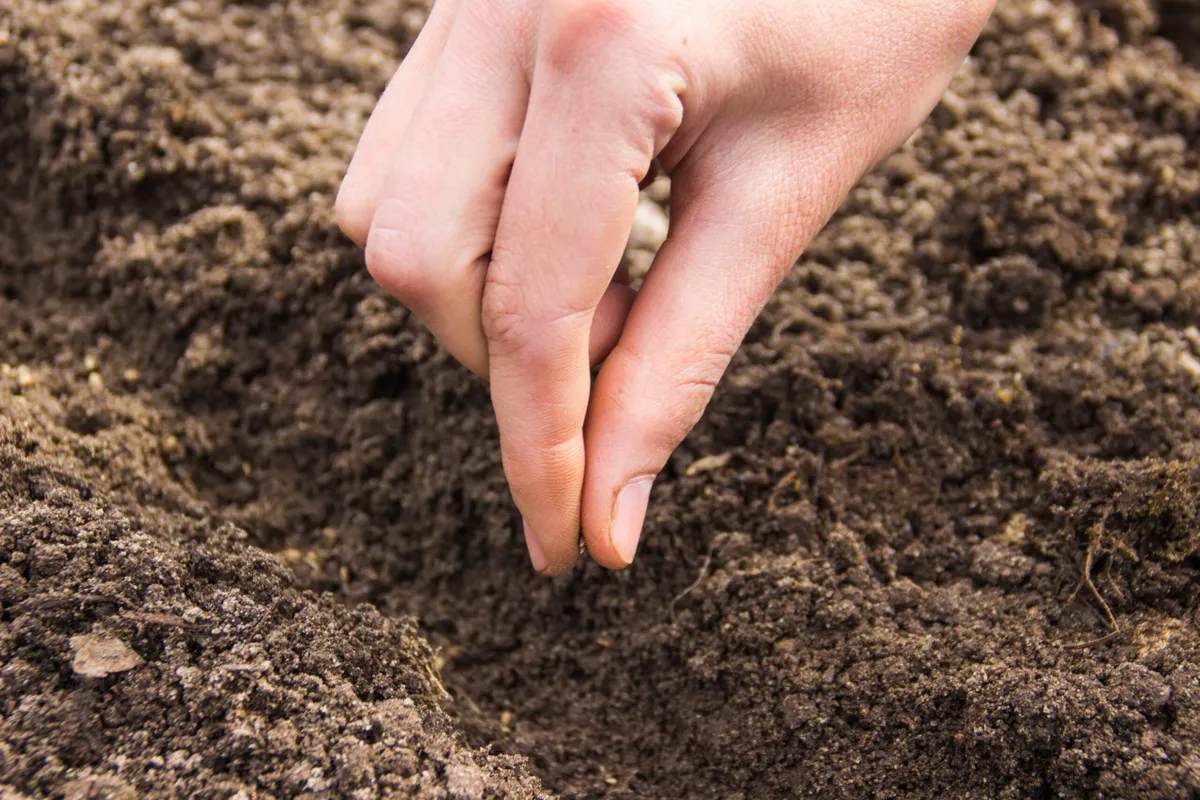
Maincrop peas should be in the ground now, whether in your vegetable patch or in a container. Good sturdy supports are essential – you can use pea sticks for the plants to scramble up – and these should be put in place before you sow so that you don’t subsequently damage the seedlings.
Job #4 Watering and feeding

You must be diligent about watering and, for plants in containers in particular, feeding. A dose of liquid seaweed once a week will work wonders. With watering, the mantra is, as ever, water well, not often. A really good soak will encourage the plants to reach their roots right down into the soil and make them less vulnerable in a dry spell.

When you become a Gardens Illustrated member today, you will receive 20% off the shop price - paying £66.99 for 13 issues, plus for a limited time receive our new member's gift, a waterproof canvas Gardener's Pail, worth £38, with six pockets and a strong jute handle
Job #5 Keep sowing salad

To ensure a succession right through the summer and into the autumn, make repeat sowings of salad. Sowing a small amount every three to four weeks should do the trick, but remember, there is no point growing more than you can eat or give away, and no point having lots of crops going to seed if you’re going to be away for half the summer.
Job #6 Sow sweet corn
Now is the time to sow sweet corn. If you have trouble with badgers, try growing it in a large fabric bag closer to the house.
Job #7 This is your last chance to sow pumpkins, squash and courgettes

These really need to be in the ground by mid-May if they are to have time to grow and ripen properly. They can also work very well grown in a pot, given adequate space, a good rich compost and regular feeding with something like liquid seaweed.
Job #8 Plant tender additions

Harden off your tender plants and get them into the garden. Traditional summer bedding, along with cannas, dahlias and hedychiums, can be planted, as too can the unusual Amicia zygomeris and Eupatorium capillifolium.
- Expert grower Sarah Raven picks seven of her favourite dahlias - here's which dahlias to grow for perfect summer blooms
- 10 remarkable facts you (possibly) didn’t know about dahlias
Job #9 This is the perfect time to sow winter brassicas.
There is little point in doing sowing these any earlier, otherwise you will have more greens coming through while the summer crops are still going strong. Some also find that crops such as a cabbages and kale taste better after a cold snap, which raises the levels of sugar in their leaves.
Job #10 Harden off plants grown under glass

Even now, with the days growing longer and the sun gaining strength, the nights can be chilly. Plants grown under glass must be hardened off by gradually increasing their exposure to the elements before they can be planted out. Start by putting them outside during the day and bringing them back in at night. Once you have done this for three days or so you can graduate on to leaving them out all night in a sheltered spot. By this time they should be ready to plant out, although crops such as beans will still be grateful for a covering of horticultural fleece if the temperature looks likely to dip below 7°C.
Job #11 Earth up potatoes
As the top growth of potatoes emerges, gather soil or apply compost to make a mound around the young stems to encourage more tubers and protect from late frosts.
Job #12 Tie in the new growth of climbers

As summer approaches, tie in young climbing plants such as clematis and sweet peas, along with crops such as tomatoes, climbing squash and beans.
Job #13 Take cuttings of perennials
Bulk up numbers of summer perennials such as anthemis, penstemons and salvias by taking stem- and soft-tip cuttings. Initially keep in a humid environment, so they root quickly and can be grown on to plant out in summer.
Job #14 Harvest and pick
If they were sown under glass or fleece this spring, fresh salad leaves, pea shoots and rocket will be ready now. Perennial vegetables, such as asparagus, garlic cress and forced sea kale, can be harvested, taking advantage of the soft new growth.
Job #15 Sow biennials

Sow biennials under glass from the end of May into June, depending on the year. However, there are subtle timing differences that matter – the first you should sow are sweet Williams, followed by foxgloves, verbascum, wallflowers and pansies last of all, perhaps as late as July. When they’re large enough to handle, prick out the seedlings into plug trays before lining them out in the biennial bed for summer. By the time they’re ready to plant in the garden, usually late October, the majority have made good strong plants and will flower from April through to June the following year.
- It's time to sow your biennials - here are 21 great flowers you'll love, chosen by Sissinghurst's head gardener
- Don't have room for seed pots and trays? Try this easy way of sowing seeds with these 21 beautiful flowers
Job #16 Start cutting flowers for the house

May brings with it many options when cutting for the house. Classics include lilac, peonies and Viburnum opulus ‘Roseum’. Along with lily of the valley, they can all be grown and cut straight from the borders. Use early perennials alongside bulbs for great combinations – other choices include Geum ‘Mai Tai’ with Camassia quamash. But don’t forget the mighty tulip.
Job #17 Redefine lawn edges
With the borders expanding and grass growing, May is a good time to redefine lawn edges using a half-moon edging tool to create a sharp line that can easily be trimmed in summer. Tackle any weeds now to prevent spread and water anything newly planted if there is a dry spell.
Subscribe to Gardens Illustrated to have inspiration dropped on your doorstep every month.
Editor's note: this feature was updated on 30 April 2026 to include advice from more experts and new images.