Welcoming wildlife and sharing your garden with pets is something that most gardeners aspire to do. Gardens offer refuge and create essential wildlife corridors for native animals. By encouraging wildlife, the garden will become a balanced ecosystem bringing in natural predators such as hedgehogs who will eat slugs.
Although it is a joy to see an animal in the garden, they can cause damage to plants so creating ways of protecting vulnerable and tempting plants is a positive way to compromise. It is essential that all methods used to protect your garden from animals are humane and within the law. Animals must never be captured and relocated.
You may also like
How to protect your garden from destructive animals
#1 Cats
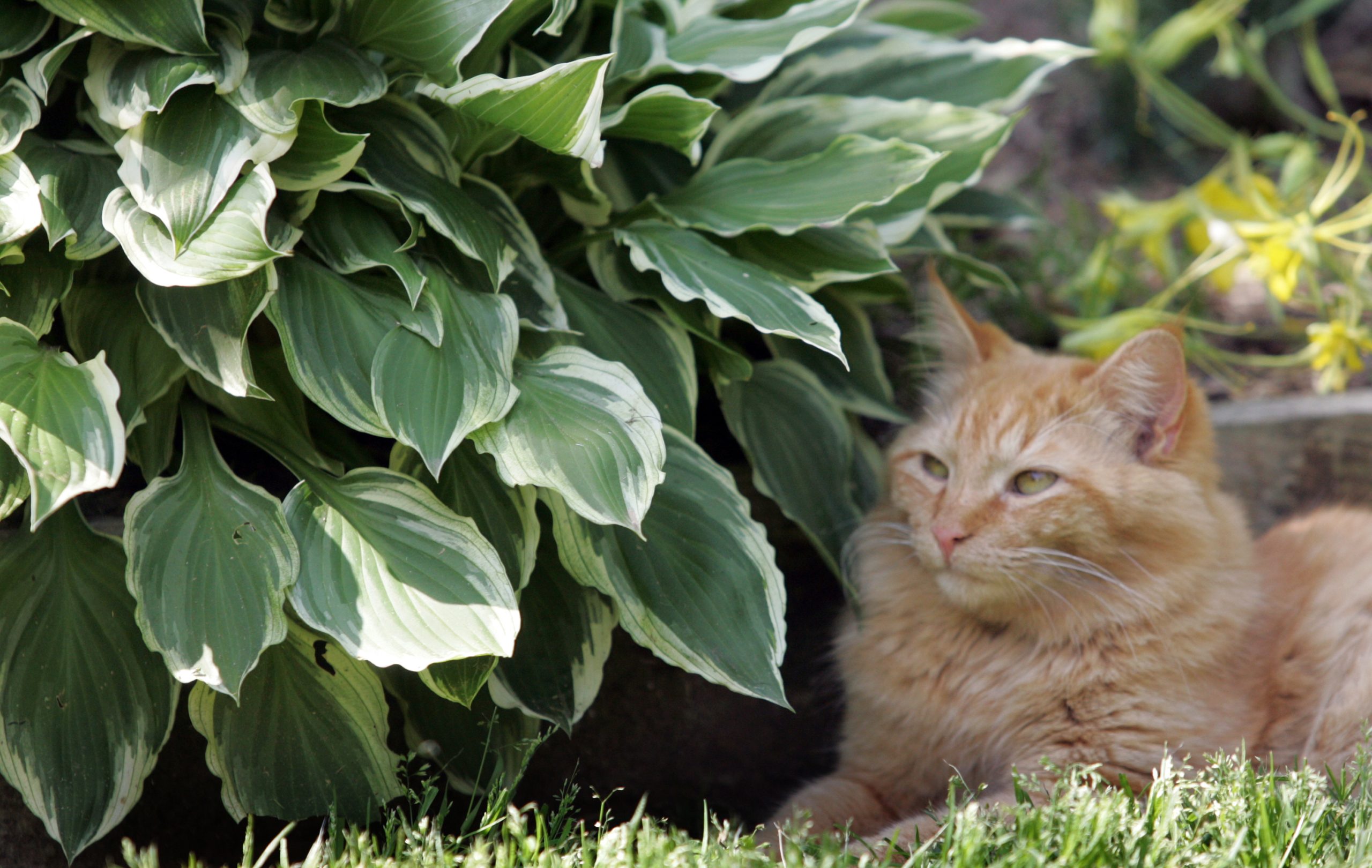
Being such agile and friendly creatures, it is tricky to dissuade a cat from visiting your garden. Cats are guilty of hunting garden birds and small mammals such as mice, voles and bats. To reduce the risk to birds, place bird tables and feeders in an open part of the garden away from fences and trees and invest in a cat collar with a bell. Cats will be tempted by fish so netting over a pond may be required.
Visiting cats often dig holes in borders to bury their excrement – it is very unpleasant to discover this when weeding. They often use fine gravelled areas as a litter tray. Highly scented plants such as lavender, rosemary and Helichrysum italicum (curry plant) act as natural cat deterrents. Placing citrus peel and coffee grounds around valuable or young plants can put off some cats, however netting off seedlings is a sensible fail-safe precaution.
You may also like
- Don't kill the wasps! They may be annoying but you need them in the garden
- 9 gardening lies you probably believe (but shouldn't)
The RSPB approve CATWatch cat deterrent which emits a series of ultrasonic sounds disliked by cats. There are liquid repellents, but these will need to be regularly reapplied.
#2 Dogs
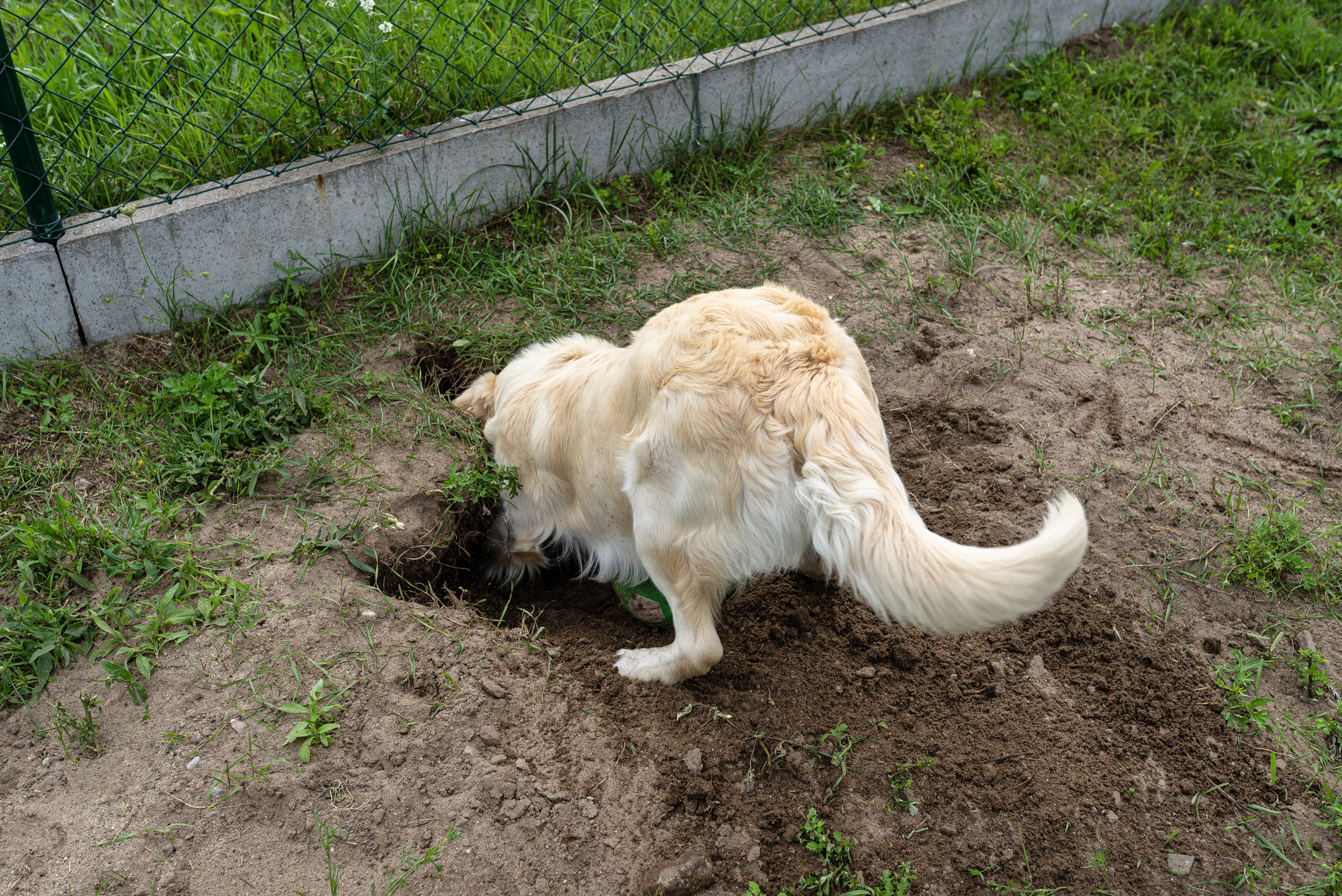
Not all dogs cause issues in the garden. Energetic or young dogs are likely to race around and dig for fun. The best solution is to fence off valuable planted areas and work on training your dog!
Dog urine causes lawns to yellow. To reduce this water down the area straight after the dog has peed. An alternative is to seed your lawn with Johnsons Tuffgrass Lawn Seed which offers dog patch resistance.
#3 Deer
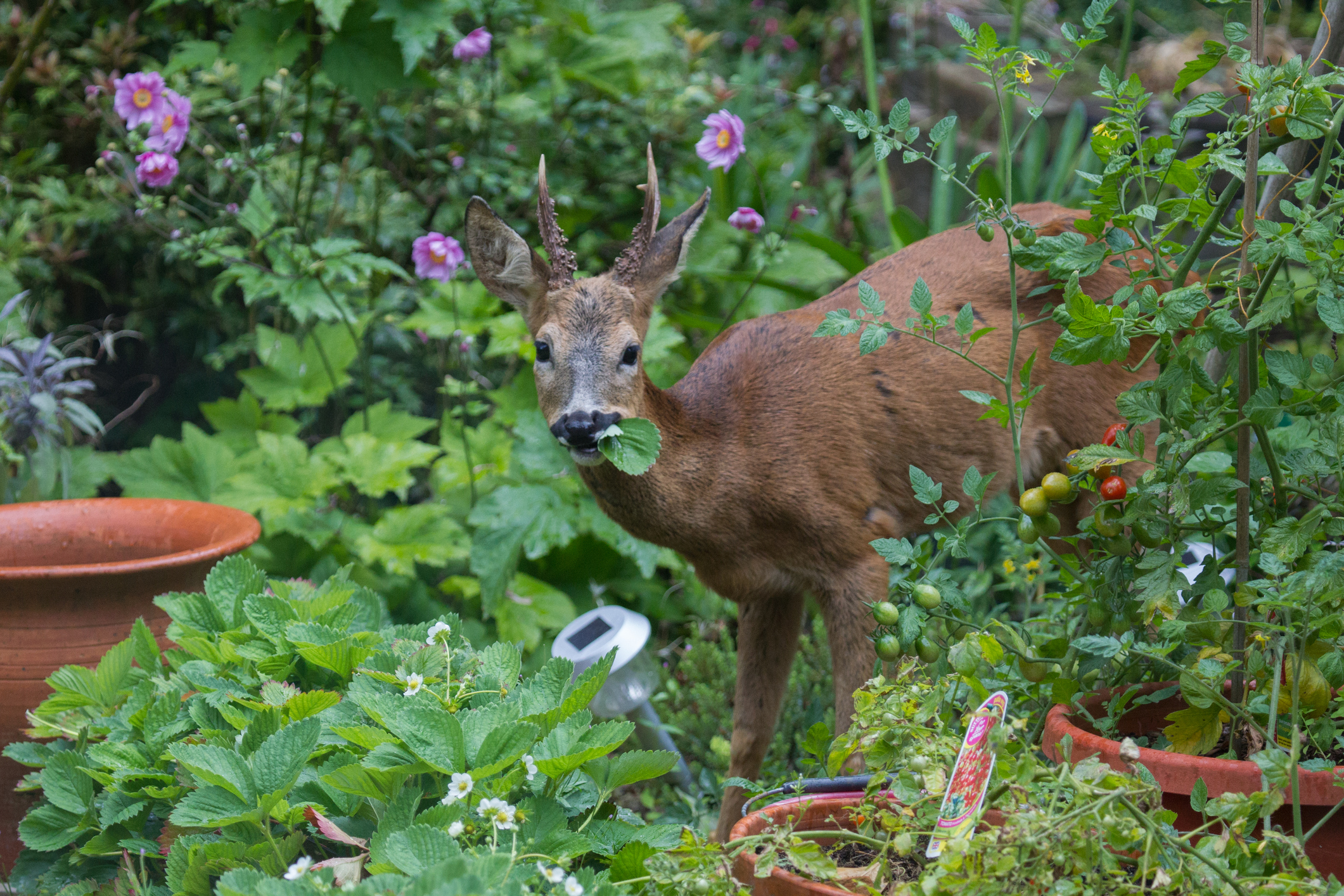
Muntjac and roe deer will eat flowers and new shoots and strip the bark from trees. They can cause untold harm to plants. The best way to prevent deer from grazing your plants is to fence the garden. This can be expensive and ideally should be installed by specialists, but it is the only sure way of preventing damage. Different deer species jump different heights so identifying the type of deer visiting is the first step.
You may also like
The Royal Horticultural Society constantly update their list of tried and tested deer resistant plant so use this list as a guide. Protecting new trees with guards is advisable. There are devices that let off ultra-sonic sound that humans can’t hear but once the deer get used to these their effectiveness can be reduced.
Placing human hair around the boundary of the garden can offer some protection as does the smell of the family dog.
#4 Rats
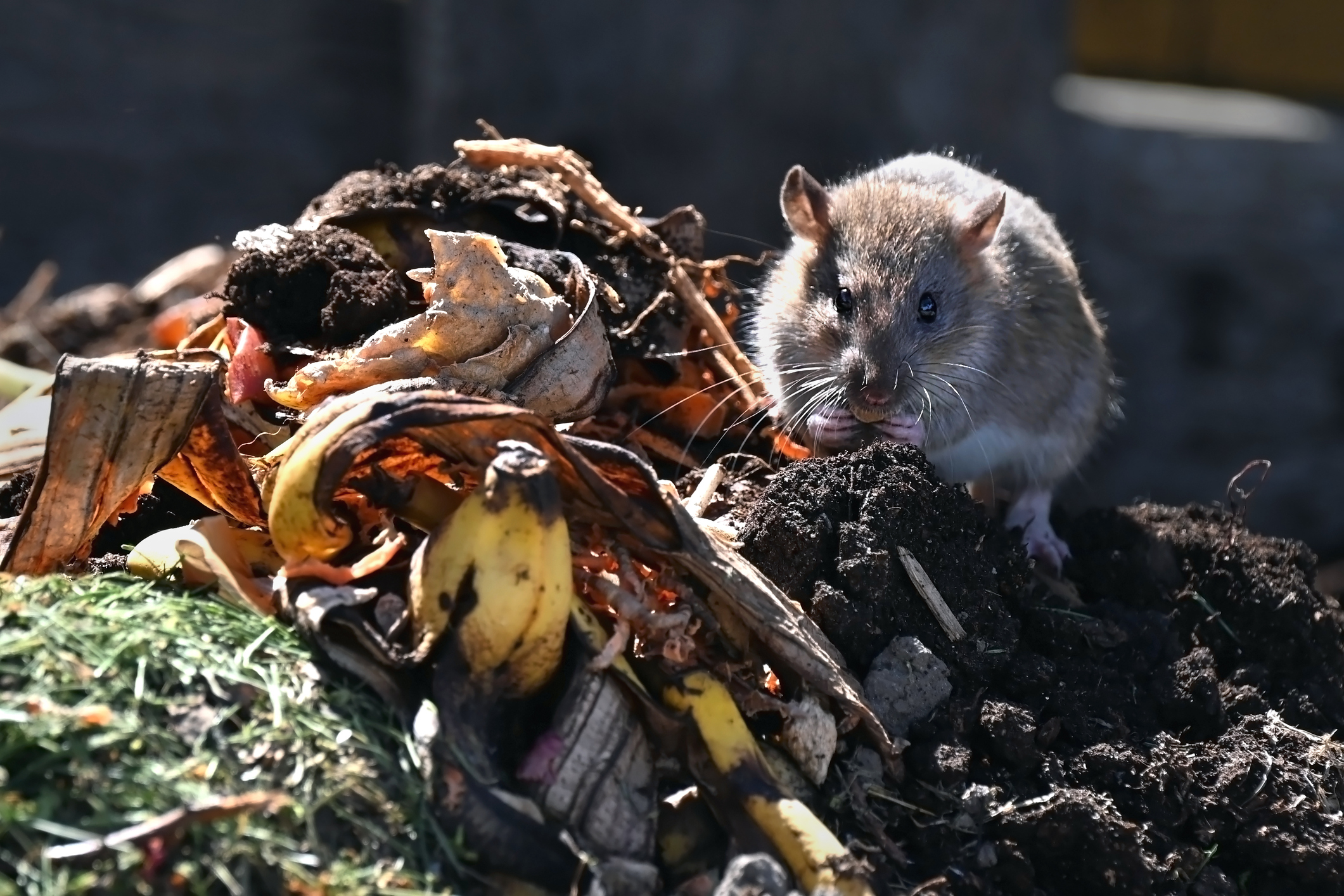
Of all the garden mammals the one that few of us want to see is the rat. They adore a compost heap thanks to the heat and potential food. To make it harder work for them to enter the heap build a compost heap with solid sides. However, little will stop them.
Never put food that has been cooked on the compost heap as this will draw them in. Rats are tempted by bird feeding stations and chicken feeders so clearing up loose feed is essential. Positioning feeders in an open place is also a deterrent. If you have a rat problem, remove your bird feeders at night and pop them back outside in the morning.
You may also like
Areas of short grass will put off rats as they prefer long grass where they can travel unseen. Rats will often use the gap under decking as a perfect hiding place. Rats are very keen on feeding on stored fruit and vegetables so ensure these are kept in a rat proof place.
#5 Foxes
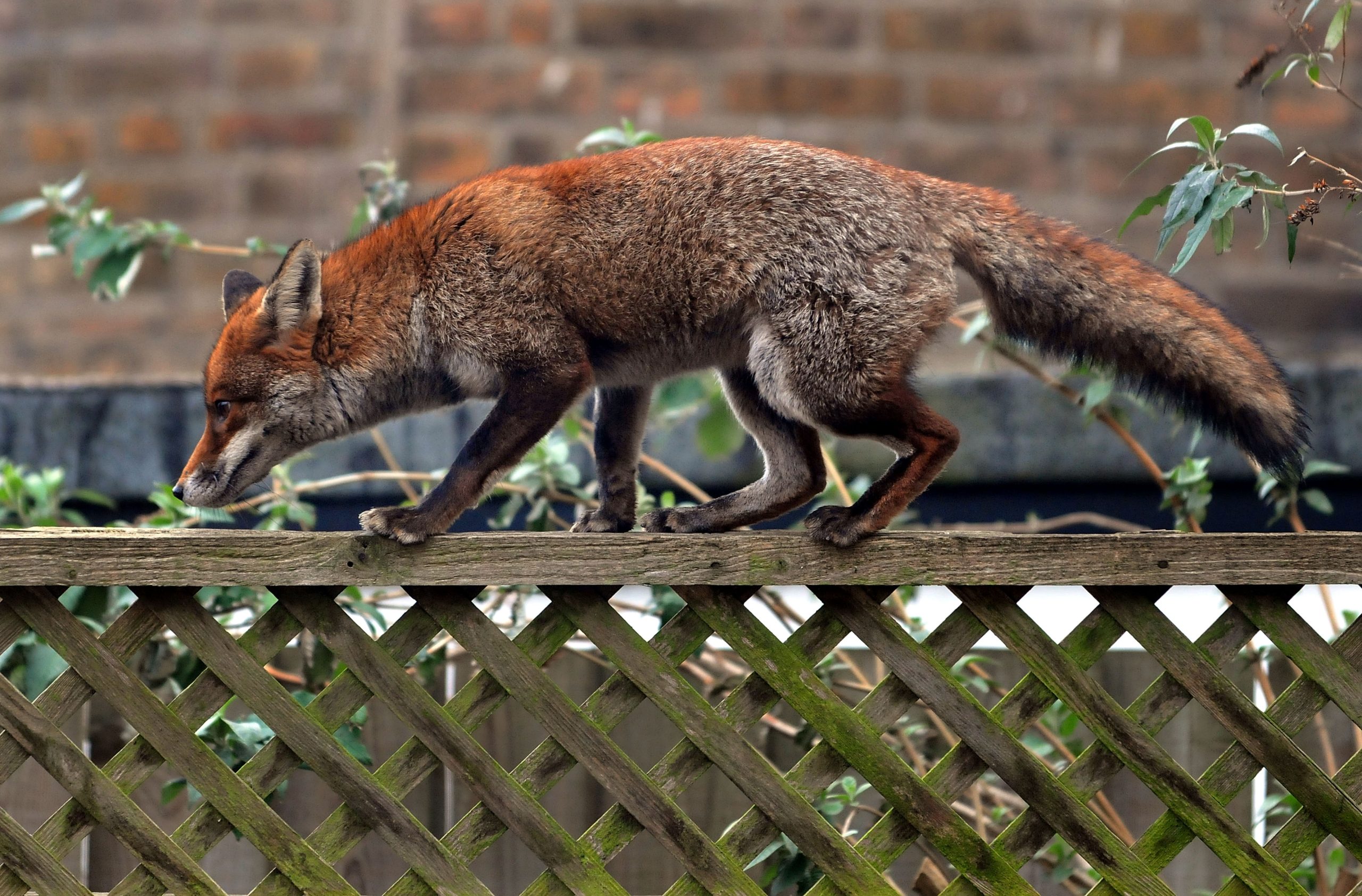
Common in urban areas the fox rarely causes damage to a garden. They are more active at night than in the day. Foxes enjoy a varied diet of fruit, small mammals and insects and can’t resist a bag of household rubbish, so a sealed outside bin is essential. You might find the remains of their supper in the garden in the morning. On occasion they will dig a hole, but this is usually in areas where bonemeal, or chicken manure has been applied. As with badgers they may rip up the lawn in the search for chafer grubs.
You may also like
- Letting a bit of wild into our gardens can only be a good thing
- Best tips and resources for peat-free planting success
Ultra-sonic devices can put them off entering your garden but even with these in place if you are keeping chickens and ducks shutting your feathered friends away before dusk is vital.
#6 Squirrels
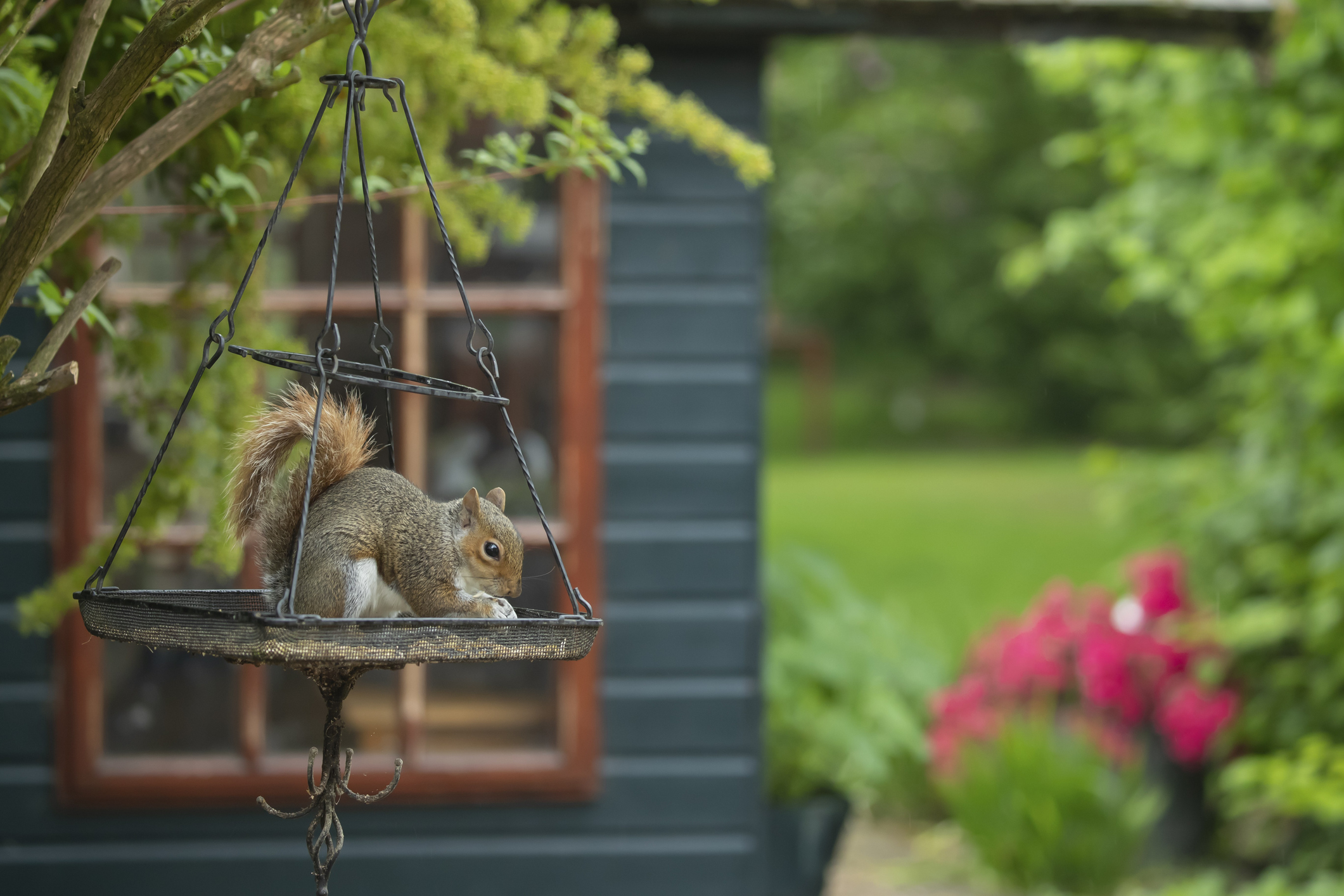
The grey squirrel is a common garden visitor, especially if your garden backs on to woodland. Their diet consists of seeds, bulbs, nuts, buds and bird feed and they can also be guilty of stripping the bark from trees.
They are accomplished acrobats so impossible to keep out of the garden. Bulbs are often dug up by squirrels so wire the top of pots to prevent this. Investing in squirrel proof bird feeders is also a sensible option.
#7 Rabbits
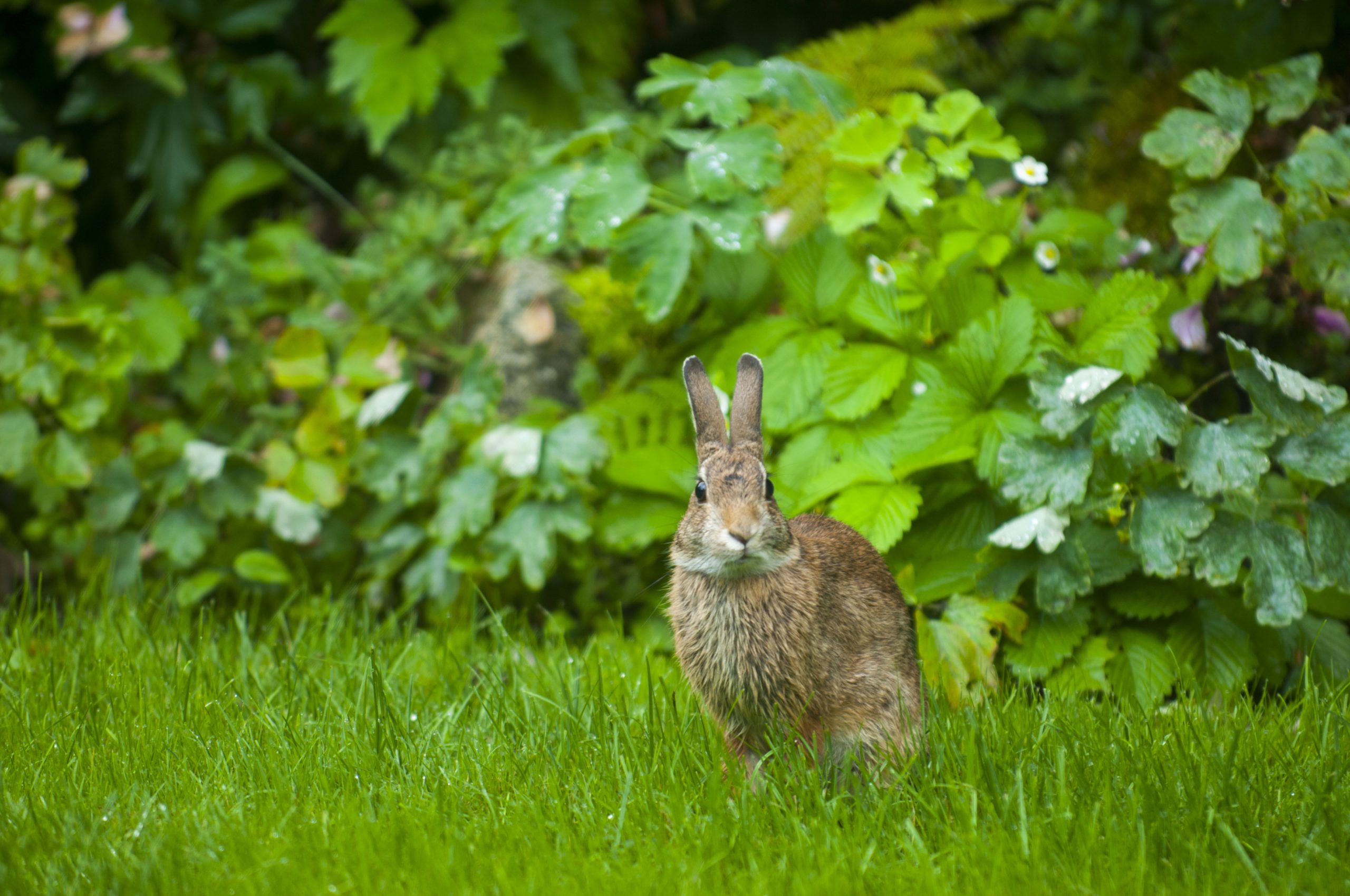
In spring rabbits are tempted into our gardens to feast on fresh plant growth. They are more likely to be a problem in rural areas where gardens back onto farm or woodland. Their spherical droppings are easy to spot so you will quickly know if a rabbit has visited.
They are often guilty of nibbling the bark of newly planted trees and shrubs, so tree guards are a sensible investment. Biodegradable tree guards are now available.
Although there are rabbit proof plants such as lavender, alliums, euphorbia and hellebores even these can be susceptible when young. The best way to keep plants safe is to fence or net off the garden or areas of the garden. Wire mesh fencing needs to have the bottom 30cm sunk below soil level. The wire below the ground must be set at an angle to make it tricky for rabbits to dig under the fence. Garden gates also need to be rabbit proof and kept shut.
Spray-on repellents are available but will need to be reapplied as instructed.
#8 Moles
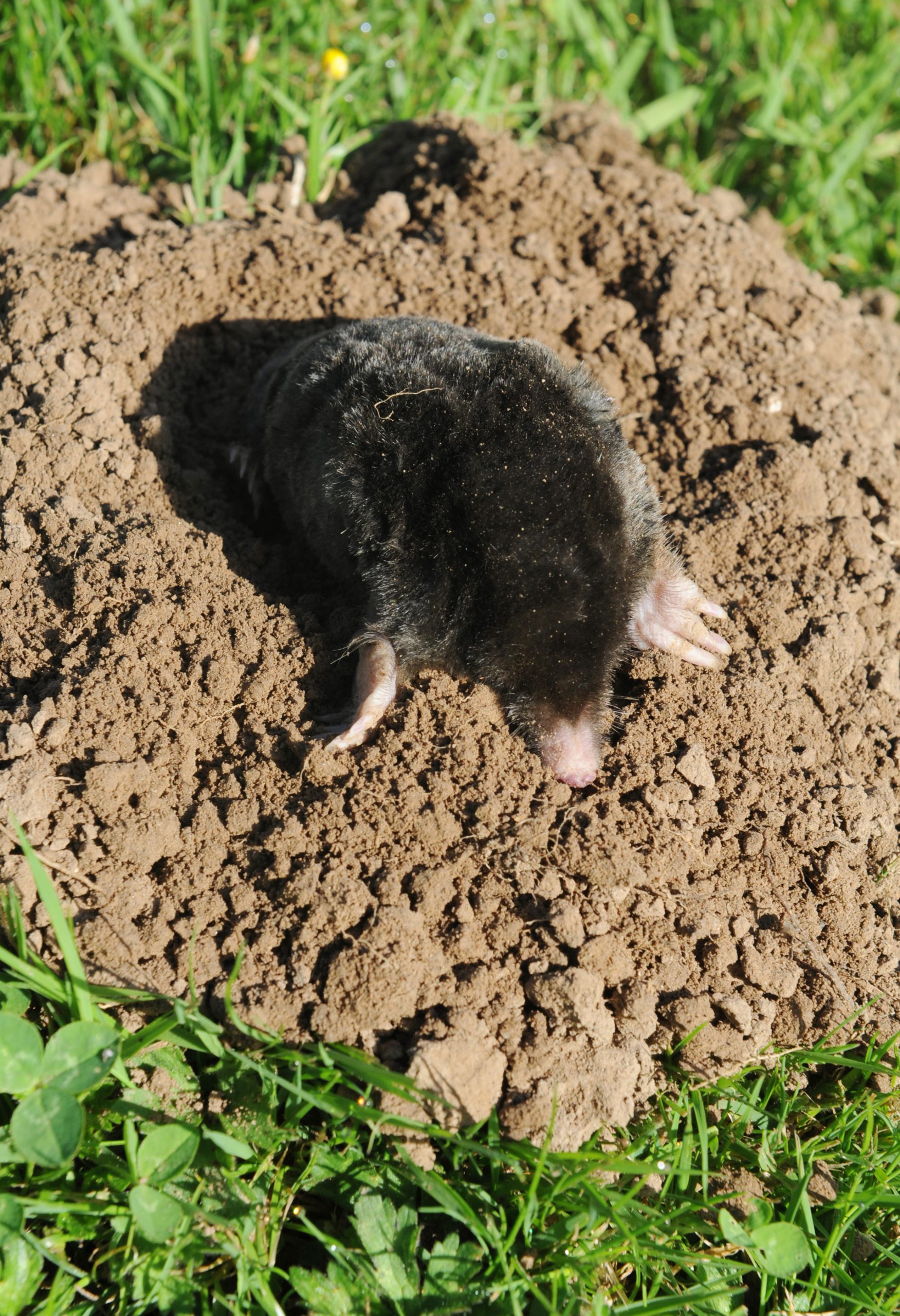
There is no disguising when a mole has visited. Moles work hard underground, digging tunnels in search of invertebrates – the result is molehills.
They are most active from late winter to early spring. Many gardeners are undeterred by having molehills in their lawn as they aren’t causing any harm. The excavated soil is very useful for potting up plants or alternatively they can be raked flat. Often the activity of a busy family garden will drive moles next door!
It is thought that planting daffodils in the lawn will deter them.
#9 Badgers
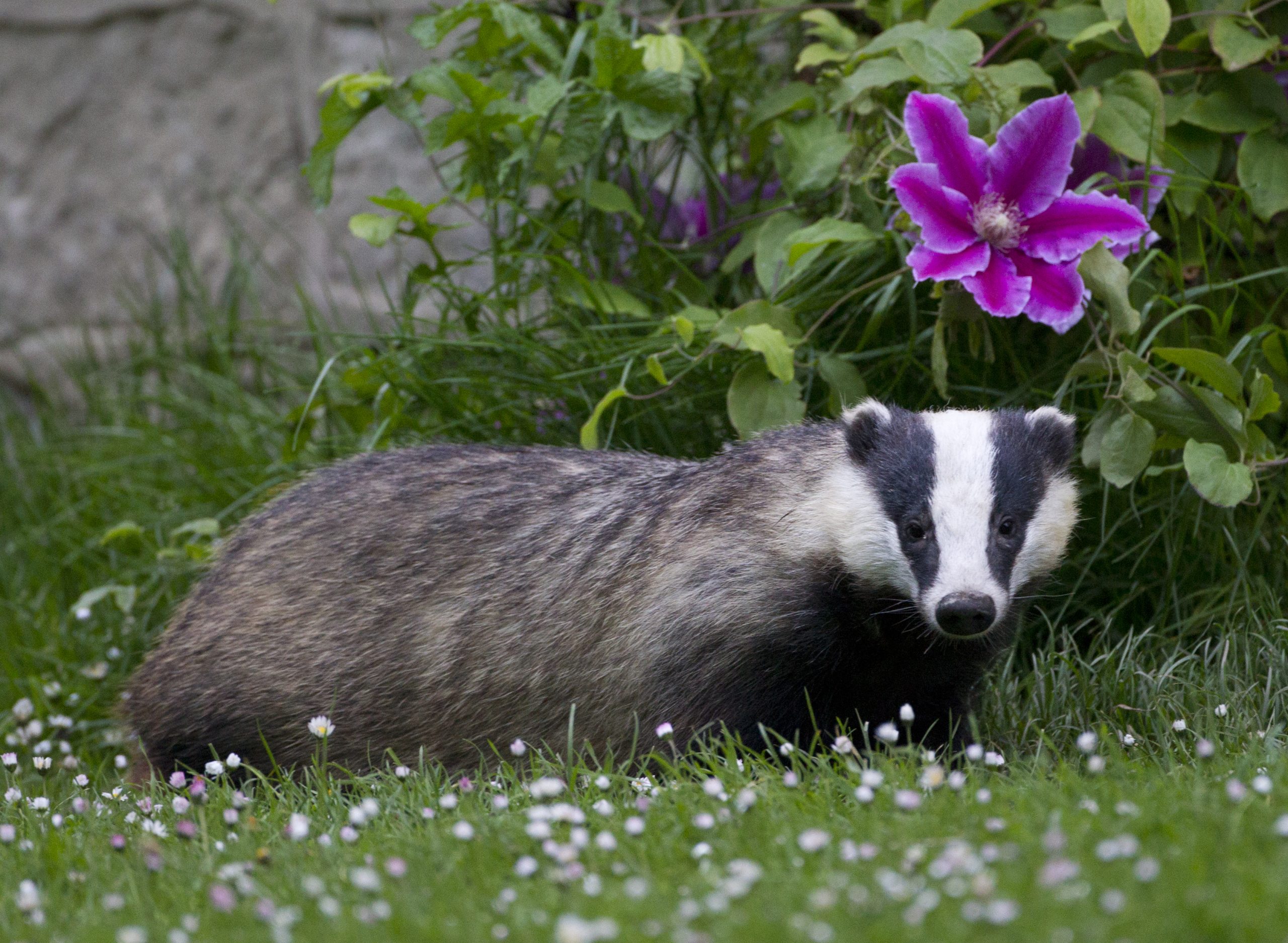
You will know if a badger has been in your garden thanks to the tell-tale signs – droppings, scratch marks on trees, ripped up turf, tracks across the garden and possibly a sett.
Many gardeners are very happy to share their gardens with these nocturnal creatures and celebrate them as part of a healthy ecosystem. They love to feast on chafer grubs which live under the lawn, hence the ripping up of turf and once they find a good supply they will keep coming back. If they want to come into your garden, they are masters of going under and over any barrier. A specialist fencing company will be able to offer the sturdiest solutions.
Your best course of action is to try and reduce the chafer grubs in the lawn by applying a nematode in spring.
Badger setts are protected in the UK, so it is an offence to interfere with a badger sett or cause any harm to a badger. Never try to approach a badger.