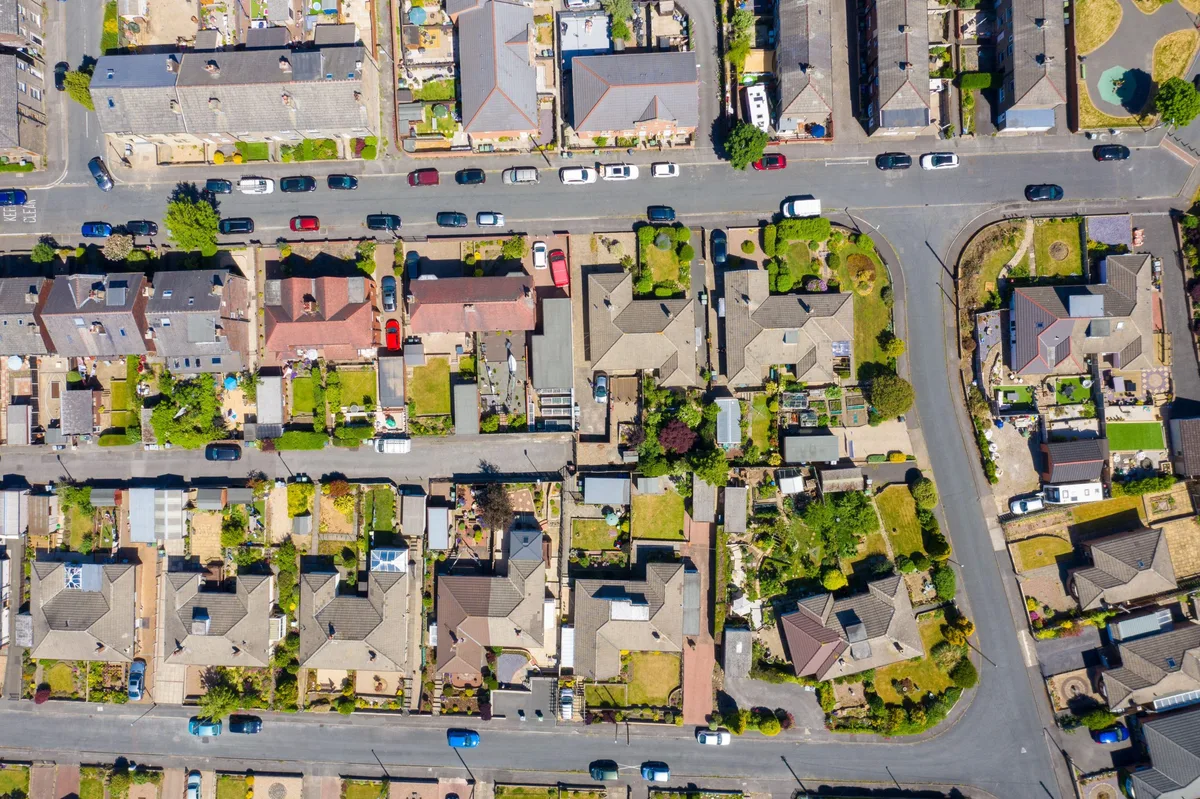
Is your yard more yawn than yay? We asked five top gardeners and designers for the uber-ubiquitous features they see all the time in people’s gardens, and some of their picks might surprise you.
Discover the top offenders, and the experts’ advice on eliminating the ennui, with some great ideas to take you from lame to lovely. It’s time to glow up your garden, and give it back some personality and soul.
Plain pergolas
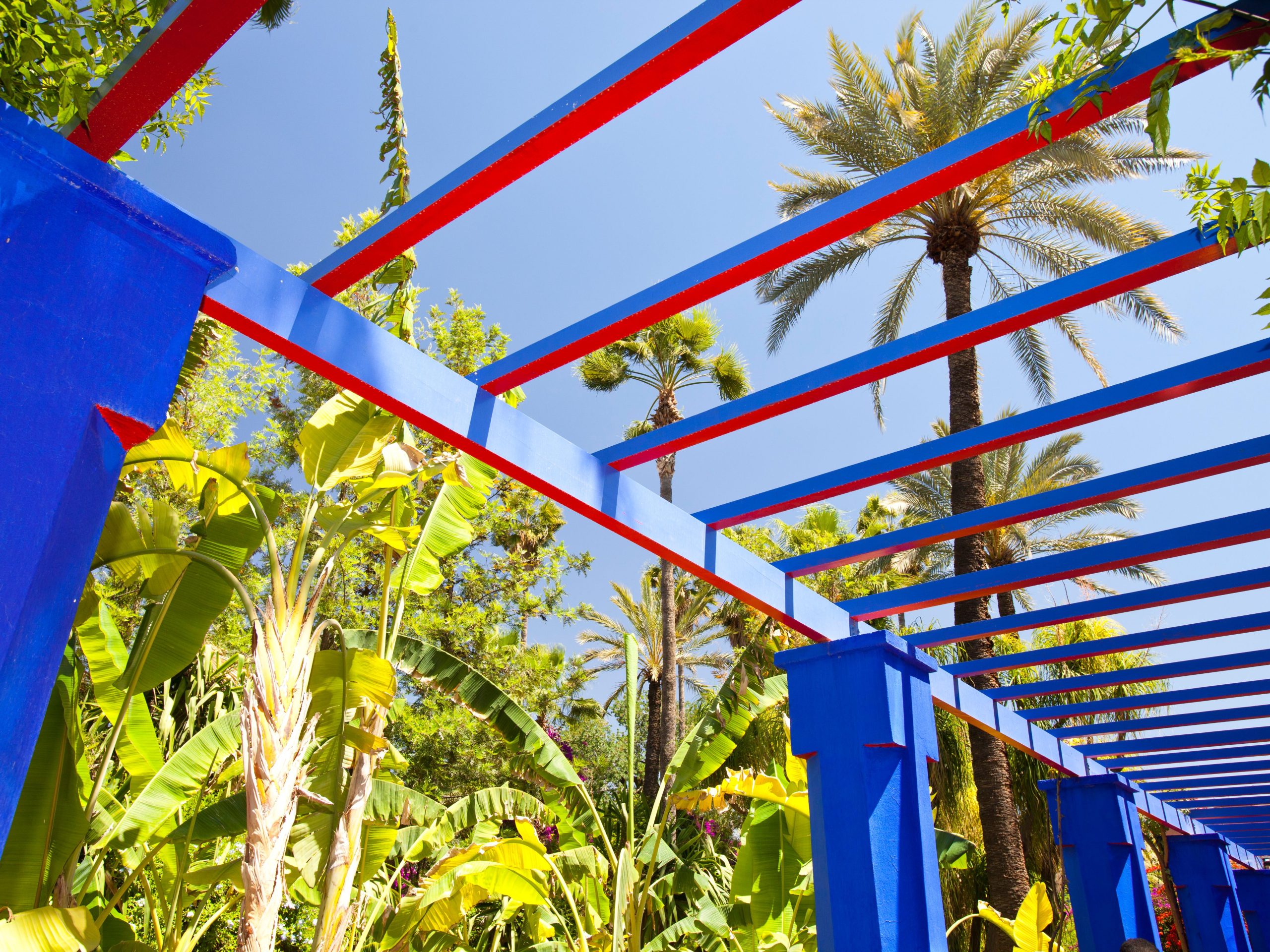
“I find bare wooden pergolas utterly sterile and boring,” says garden designer and TV Presenter Manoj Malde. “They are so ordinary, nothing to appeal or catch the eye. But just think of the possibilities! At the very least, apply a coat of paint in a gorgeous colour to make it look finished. Or do something sculptural, such as creating an overlapping, staggered L-shape, with a level change that adds interest.”
Details such as metalwork at the joints or filigree metal screens for privacy will elevate an otherwise-humdrum structure, or go for bespoke paint effects. “You can treat it as a craft project, stencilling a pattern on top of a base-coat, and carved woodwork creates something utterly otherworldly. But you can also connect the house with the garden using tricks such as draping the pergola with a pretty, gauzy, translucent fabric. This breathes life into boring, and gives it the attention and respect that it deserves.”
You may also like:
- 10 garden design mistakes and how to avoid them
- Gardening celebrities reveal their worst gardening failures
- Easy ways to rewild your garden
- How to design your garden
Sterile lawns
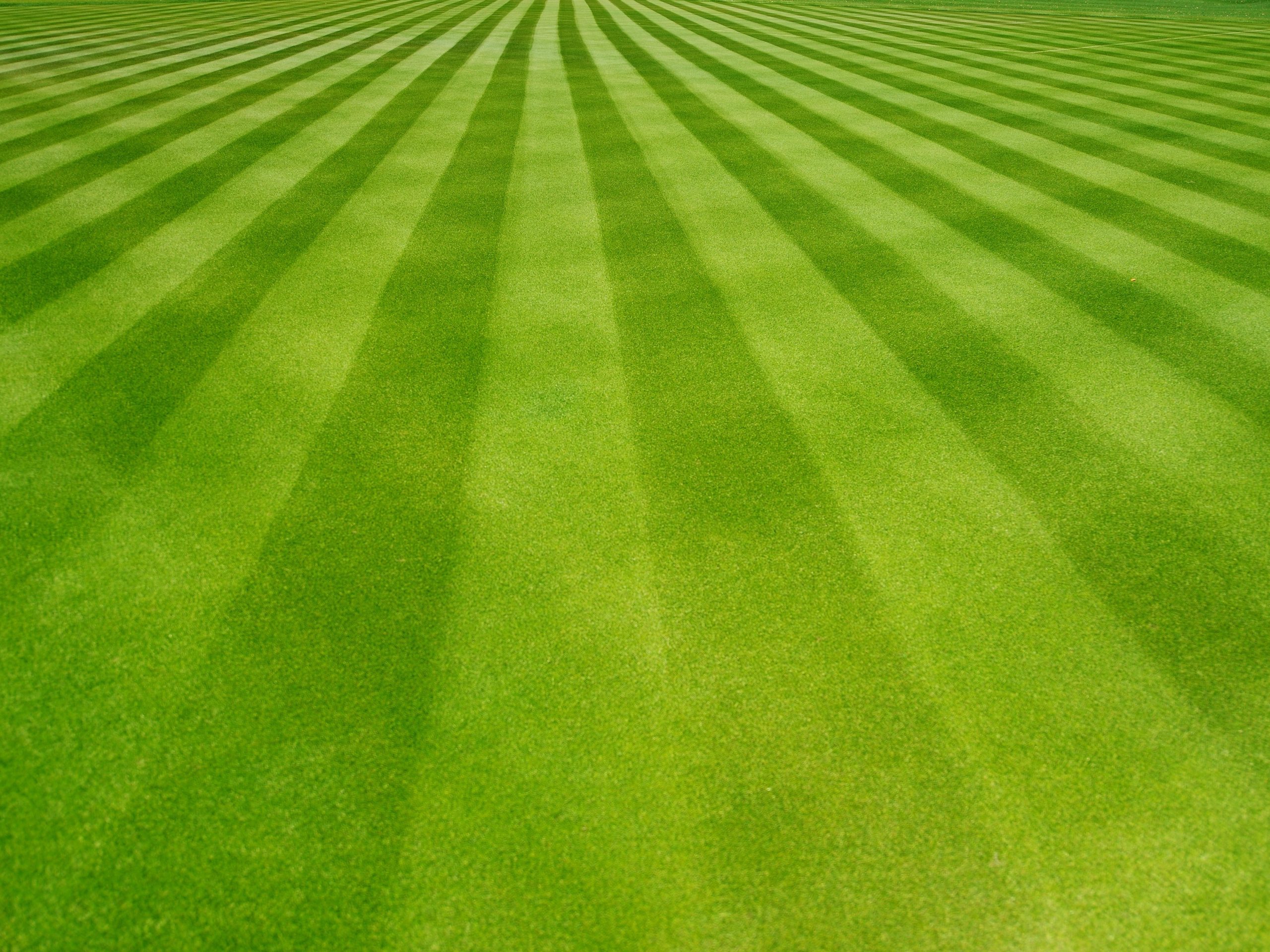
“As a nurseryman, there are a lot of plants I have seen too much of,” says Mark Straver, CEO of nursery Hortus Loci, candidly. “Things get over-used, such as white birch Betula jacquemontii and Heuchera. But my real bugbear is lawns – not just a ridiculous idea in small spaces, but massive, bright-green, immaculately striped lawns in large spaces too. They are a desolate barren wasteland of nothing!”
He is particularly offended by the maintenance schedule of regular mowing, high chemical inputs and water. “This year everyone’s lawn got hit by drought in May and didn’t sprout again until the end of August. It looked terrible.”
Stop mowing in May, then leave it all summer to begin environmental restoration at home, he advises. “Have a path through the grass and somewhere to sit, and just let the rest get long and messy. The insects, wildlife, birds and ancient forests are 95% gone; we have to think about what part we can play to get ourselves out of this and do our absolute best to restore what we have destroyed. Manicured lawns are not part of the solution.”
Spiritless sheds
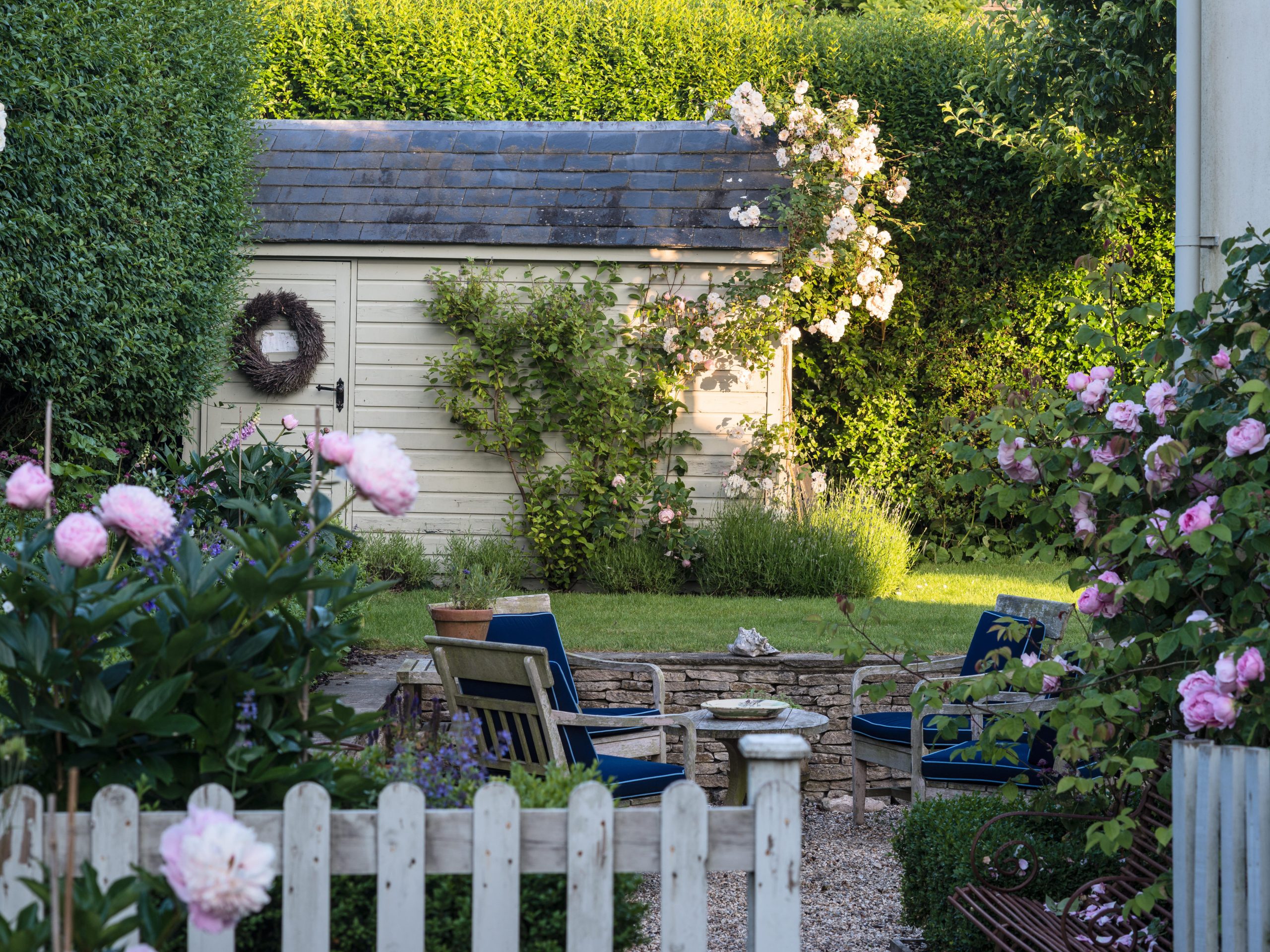
Whether plonked in the middle of a key vista, or hogging the sunniest and best seating spot in the garden, sheds have a perverse habit of sticking out like a sore thumb. “Sheds are useful but not particularly glamorous, and when it comes to hiding the quarantine zone for all your unused stuff and paint pots, plants are always the answer,” says designer Humaira Ikram.
“The plants don’t have to be ‘on’ the shed; they can be between it and the viewer – perhaps as a transparent screen that softens the focus, or a tree to distract the eye from the ugly, boring useful thing,” she advises.
Green roofs may be impractically heavy, and difficult to set up, but you can easily clothe the structure with a climber such as ivy, clematis or Campsis radicans. This will provide greenery and flowers to enjoy, as well as creating cover for wildlife. “Or use the shed as a support for a beautiful climbing rose or fan-trained tree. Gardens are about plants, being in nature and being connected to nature. It is much harder to be connected to a shed than to a rose.”
A desert of paving
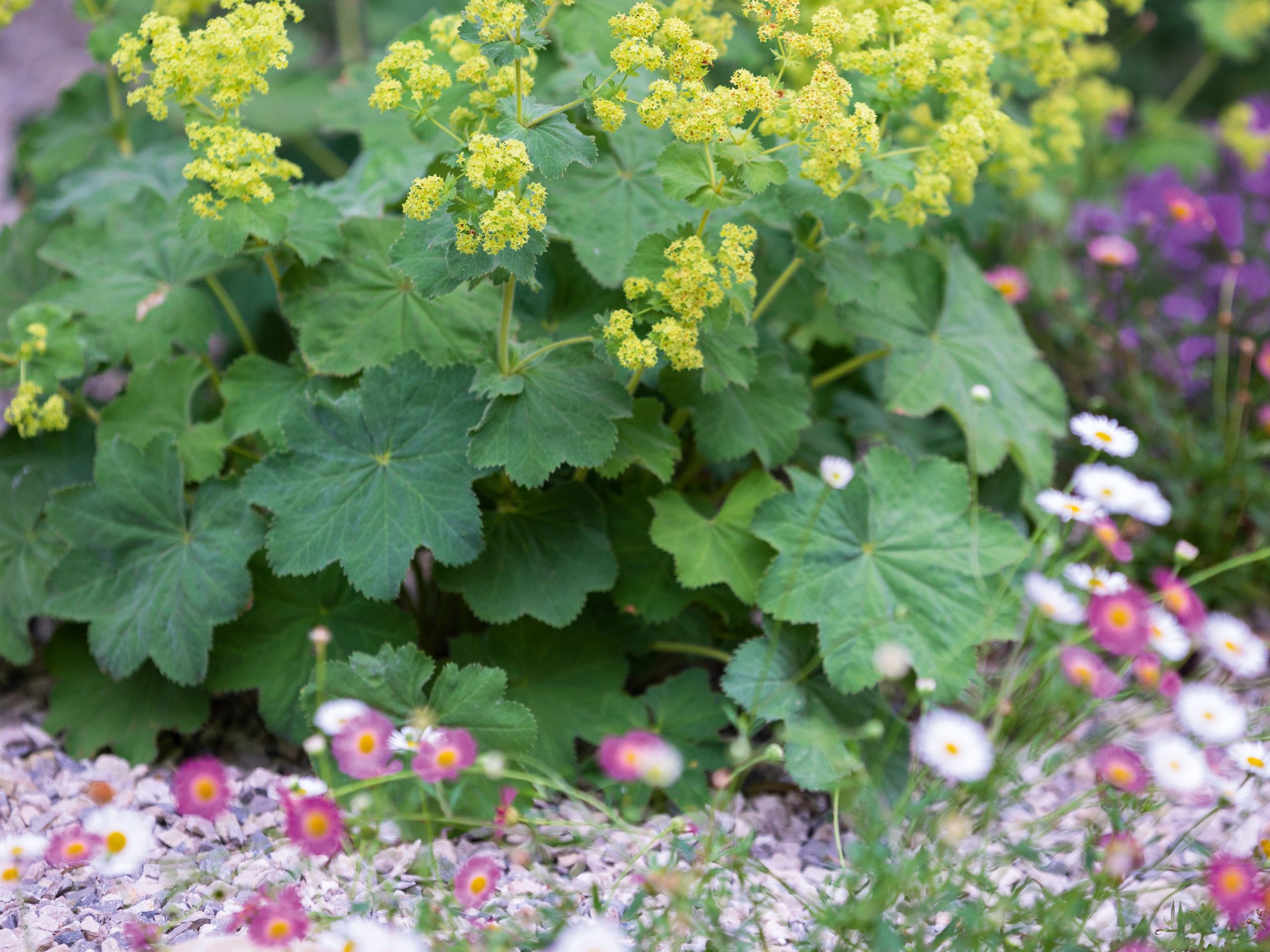
“Wasted opportunities to engage with nature are frustrating, and front gardens with fence-to-fence hard standing are the worst,” says Andrew O’Brien, gardening coach and author of To Stand and Stare: How to Garden While Doing Next to Nothing. “It’s not just boring, it’s environmentally destructive. Plus, it looks horrible. If you buy a house that’s already fronted with brick pavers, as we did, at least have the decency to subvert that sterile expanse by letting weeds and wild things grow in the gaps.”
Andrew takes his guerrilla gardening seriously, and his drive offers up a deliberately chaotic carpet of lady’s mantle, Mexican fleabane, red valerian and evening primrose. “It guarantees us beauty, biodiversity, and a stream of suspicious visitors, offering to pressure-wash our garden out of existence.”
He admits, “The neighbours might love it to be ‘tidy’, but my undisciplined greenery does far more to regulate the passage of heavy rain into the flood drains than a poorly designed urban drainage system would. Next, I’m going to start pulling up random pavers and planting into the gaps. Soon you won’t even know the hard surface is there.”
Looks good in only one season
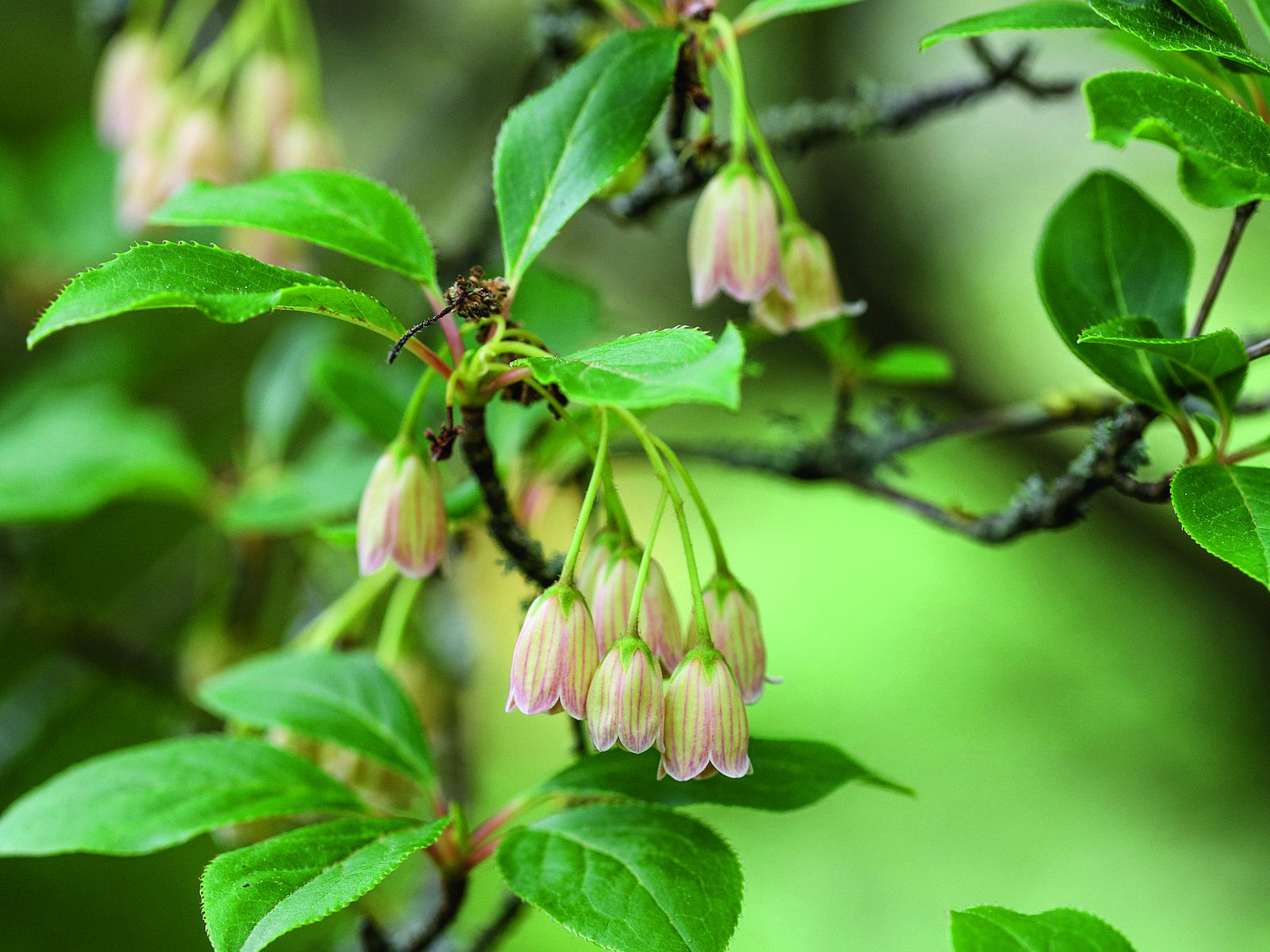
“Gardens that rely on summer flowers fade fast when the temperature drops, making for a dull autumn,” says Andrew Fisher Tomlin, author of The Modern Professional Planting Designer.
He avoids drab, uninspired autumn schemes by going large with leaves and seeking out less-familiar subjects that add sparkle. “We are tuned into using ubiquitous ornamental grasses habitually, but at this time of year, you can transform a space with fantastic foliage. Whether it’s through colour, texture or form, distinctive leaf effects can add enormous glamour to a design.”
Think about shrubs like Hydrangea quercifolia that provide long-lasting flowers and then autumn colours, he says, or consider evergreens such as Nandina or Fatshedera. “In a sheltered spot, try something unusual like Acacia pravissima or Leucadendron.
“Enkianthus campanulatus is hardier and Katsura has colour and a wonderful burnt toffee fragrance; semi-evergreen Lamium, Liriope and Bergenia make interesting groundcover, meanwhile. Getting just a few small plants now is a good investment and you’ll appreciate your new fabulous planting in years to come.”