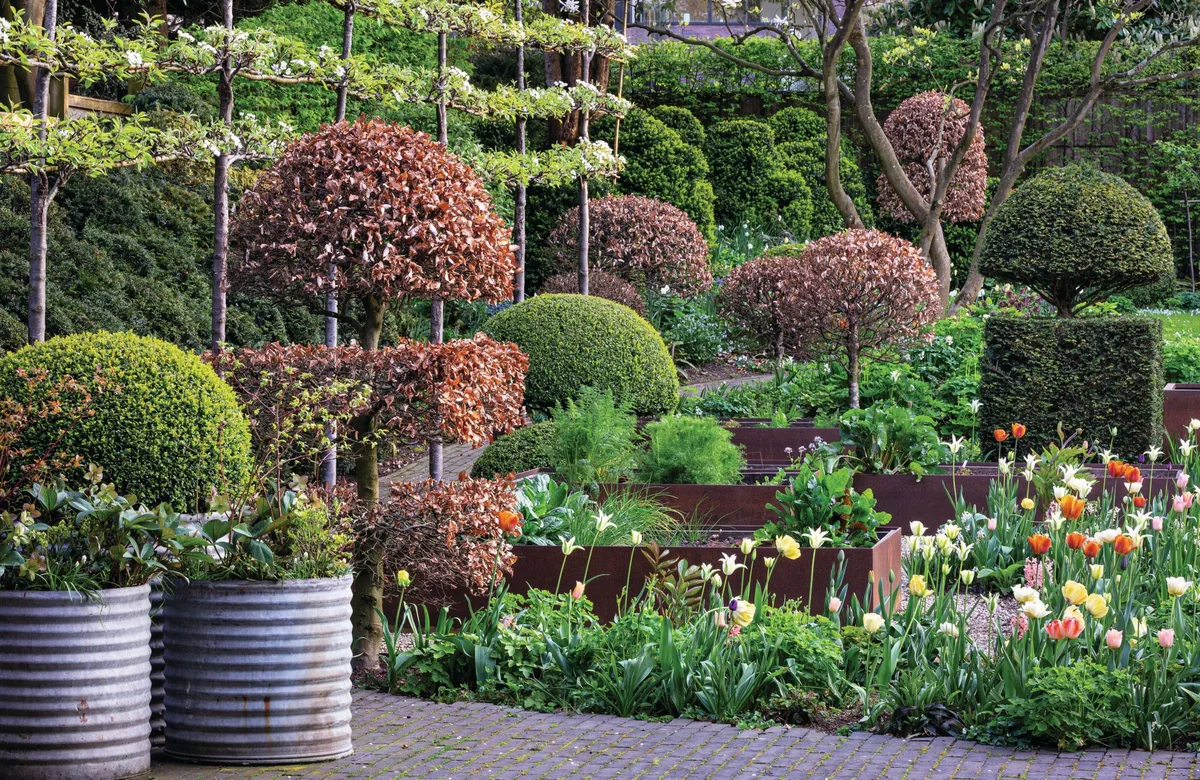
One of the great joys of plants is their optimism: elbowing their way into inhospitable places and swaggering into spots where there seems no chance of life; when the ground is hostile or paved over, when there is no soil at all.
But how do we design green spaces where there isn’t a garden, in the traditional sense? Let’s call this ‘above-ground gardening’ to cover a range of different experiences. This is not second-best gardening. It is revolutionary, bringing planting into courtyards, front gardens, balconies, pavements and rooftops; squeezing green into the smallest gaps; conjuring soils and conditions, experimenting with scale and combinations that otherwise might be impossible. Far from limiting, it is liberating, and provides flexibility; planters can be relocated, replaced or re-shaped as life changes.
Raised beds and planting in containers can be especially valuable for some gardeners, including children, those with limited mobility and older people. At Horatio’s Garden Sheffield & East, we designed three large planters, softly triangular in shape, set on inset base castors with brake locks. Made of a lightweight material, they have a dark-bronze metal effect finish and industrial detailing to complement other details in the garden. They are easy to move when needed (for example, for events) but with the castor 1 lock on, are completely stable if leaned or worked on. They allow for generous sensory and edible planting, and bring patients in beds or wheelchairs right up close to garden as part of occupational therapy, or simply to pick a strawberry when passing.
You may also like
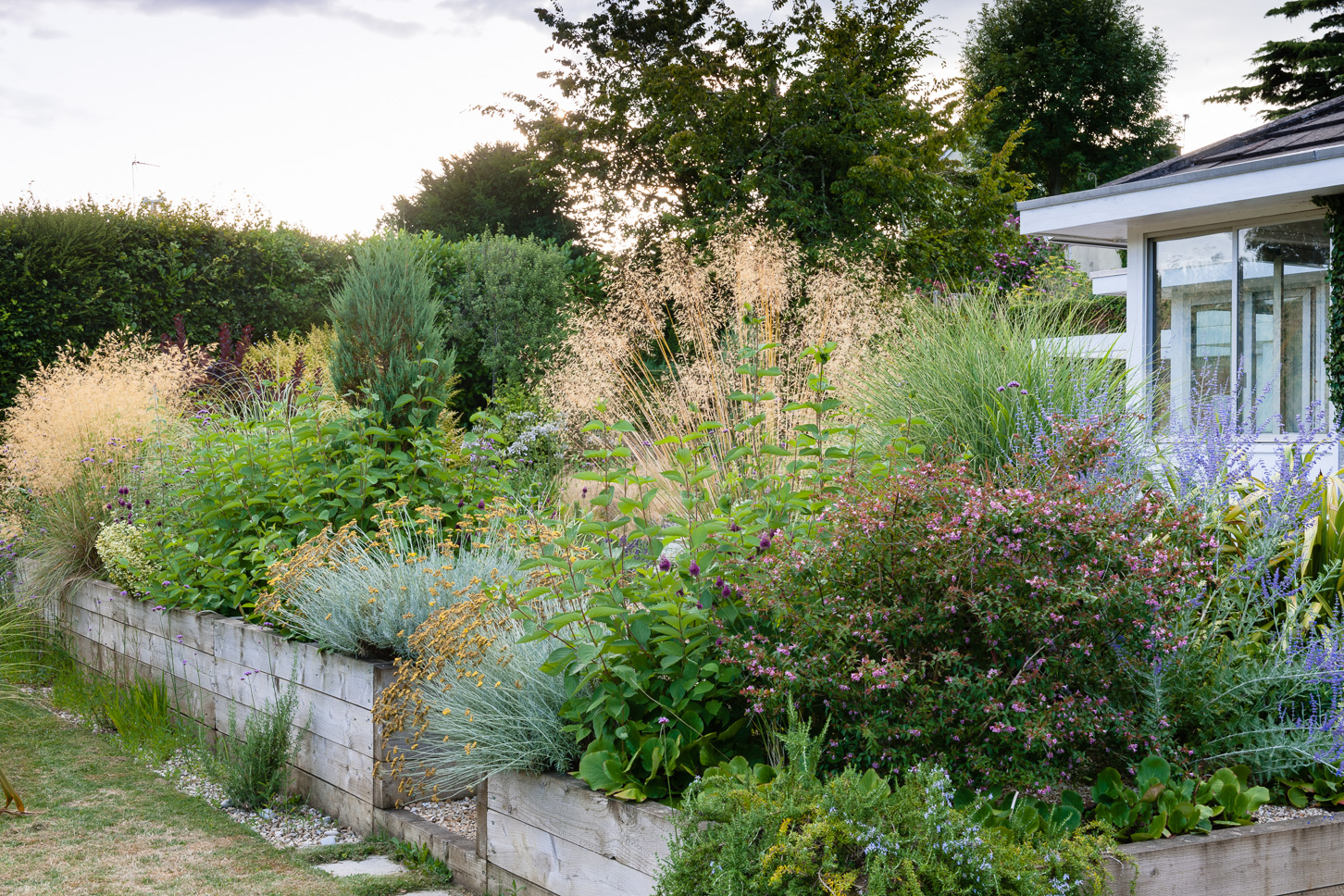
Experimentalists rejoice: you can also make conditions in raised beds that don’t occur naturally. So the stickiest clay gardens can host Mediterranean herbs, chalky plots can play host to acid-loving camellias, tender exotics can bask on a Scottish terrace or you can have a crevice garden without the heavy lifting. Depth, drainage and texture can be curated and new growing mediums tested out, without re-engineering the whole garden. Raised beds create opportunities for invention. Backfilled with rubble and gravel, they form free-draining screes for drier condition plants; filled with heavier soil, they are beds for moisture-loving species.
How to build raised beds
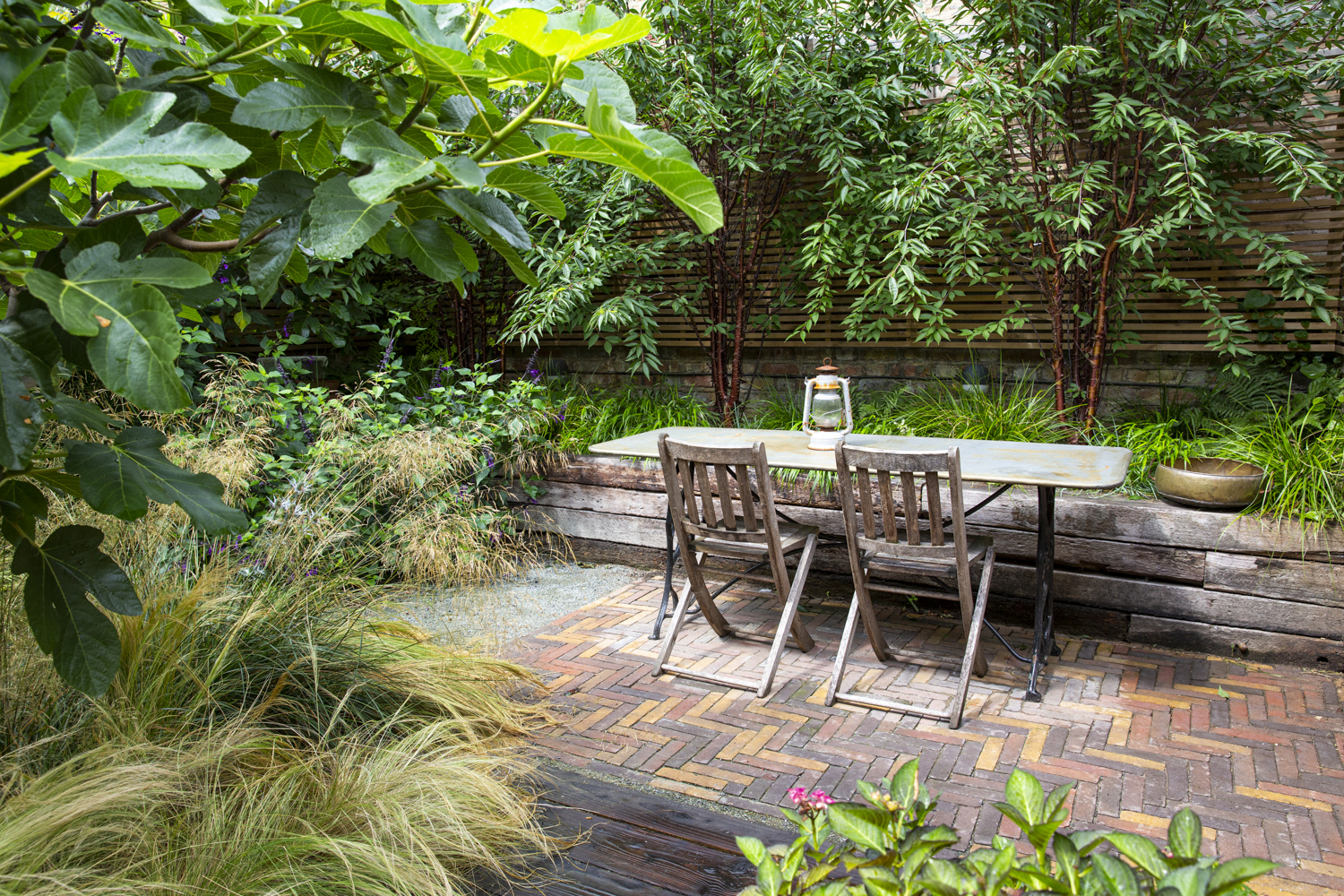
Brick, sleepers, metal, stone or blockwork are durable and can be detailed to match the wider garden. Always provide footings, drainage and weep holes; without them soil gets soggy, becomes anaerobic, and roots rot. On sloping ground, tie beds into the terrain rather than leaving them perched.
Simple raw blockwork can look effective; painted finishes require upkeep and lighter colours especially quickly show dirt. My personal bugbear is white-painted rendered raised beds, which get grubby in seconds; if they really do need painting, dark colours are more forgiving. We often use brick slips to clad the front to give the appearance of formal brickwork. Request samples to check they match with any other brick on site – and that’s a good general rule, whatever materials you use. Consider how it links or contrasts with other elements, from the style of the garden to the brick of the house, the stone of a terrace, the local vernacular or a colour already in use.
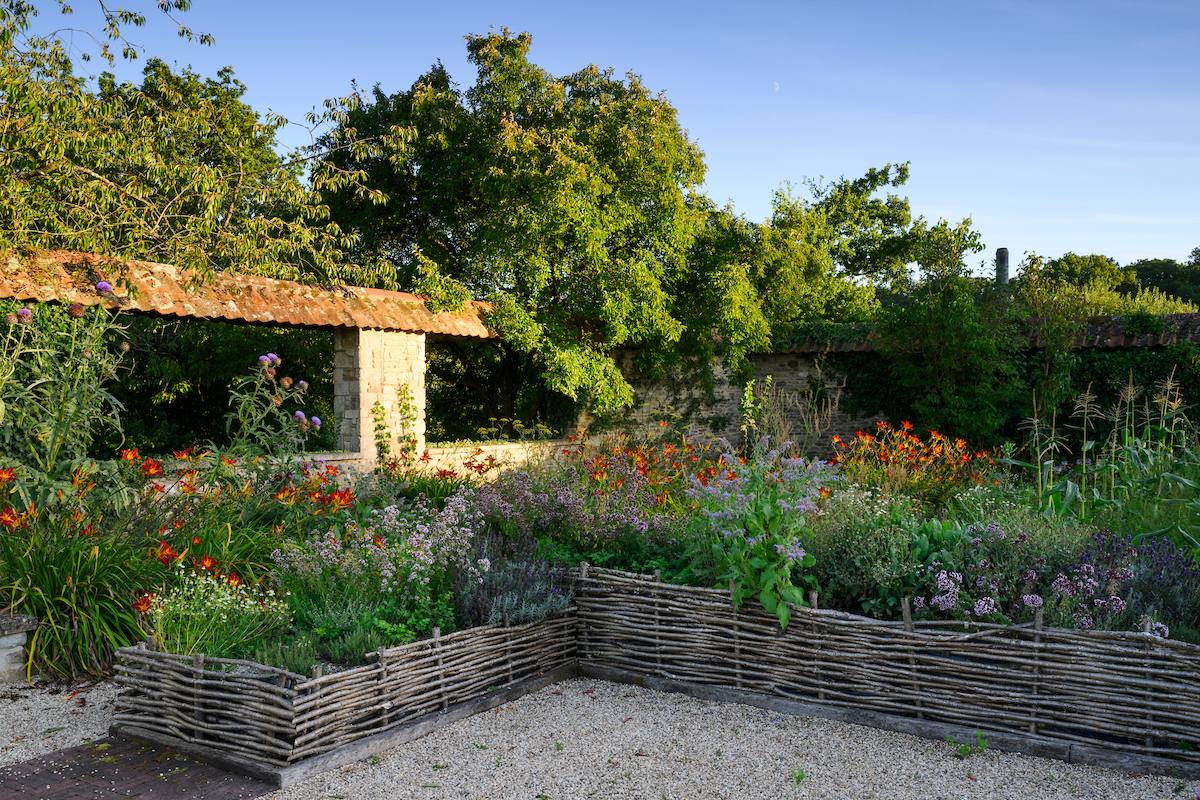
How you finish the top of a wall makes all the difference to look and longevity; a good coping not only ties the design together but protects the structure beneath from water ingress. Both brick on edge and stone are enduring and attractive. A stone coping should have a slight fall back to the bed to shed water. It should project slightly beyond the wall face by 35-50mm and include a drip groove underneath to throw water clear. Special-shaped pieces such as double bullnose, half-rounds or saddleback can also work well; if they lack an overhang, you could add a creasing tile on its side to shed water.
Stone coping is often left sawn for a crisp, modern look, but it’s worth softening the edge with at least a slight ‘pencil’ round to reduce the risk of chips. At our studio, when we do use stone, we go for a minimum of a chunky 50mm-thick coping stone with a bullnose finish, for a classic look. If it turns a corner, think about how that happens; make it a mitre cut.
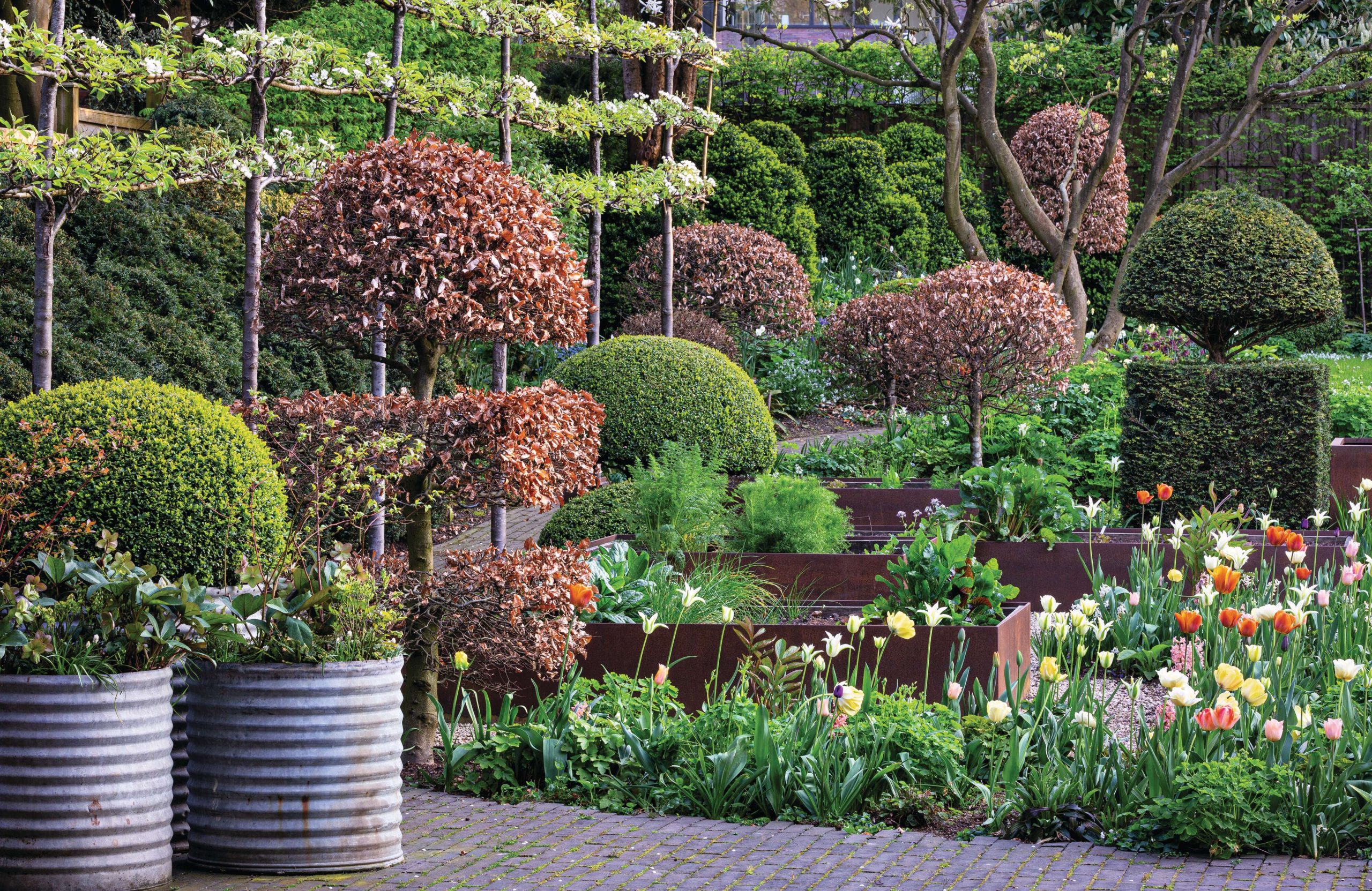
The top edge of a raised bed, especially with coping, can be used as seats and leaning spots when set at 400- 600mm. A height of 750mm suits standing work, but the higher the beds are, the more imposing they look. Beds that are pinched and stingy in width look mean and don’t provide the best conditions for plants to thrive. Too wide is also to be avoided; think about how you are going to garden it. Ideally you will be reaching no more than your arm’s length from any side you need to access it. Wall thickness reduces the internal usable planting space. With long runs of beds made from materials like wood or metal, you may need to consider how these are internally braced.
You may also like
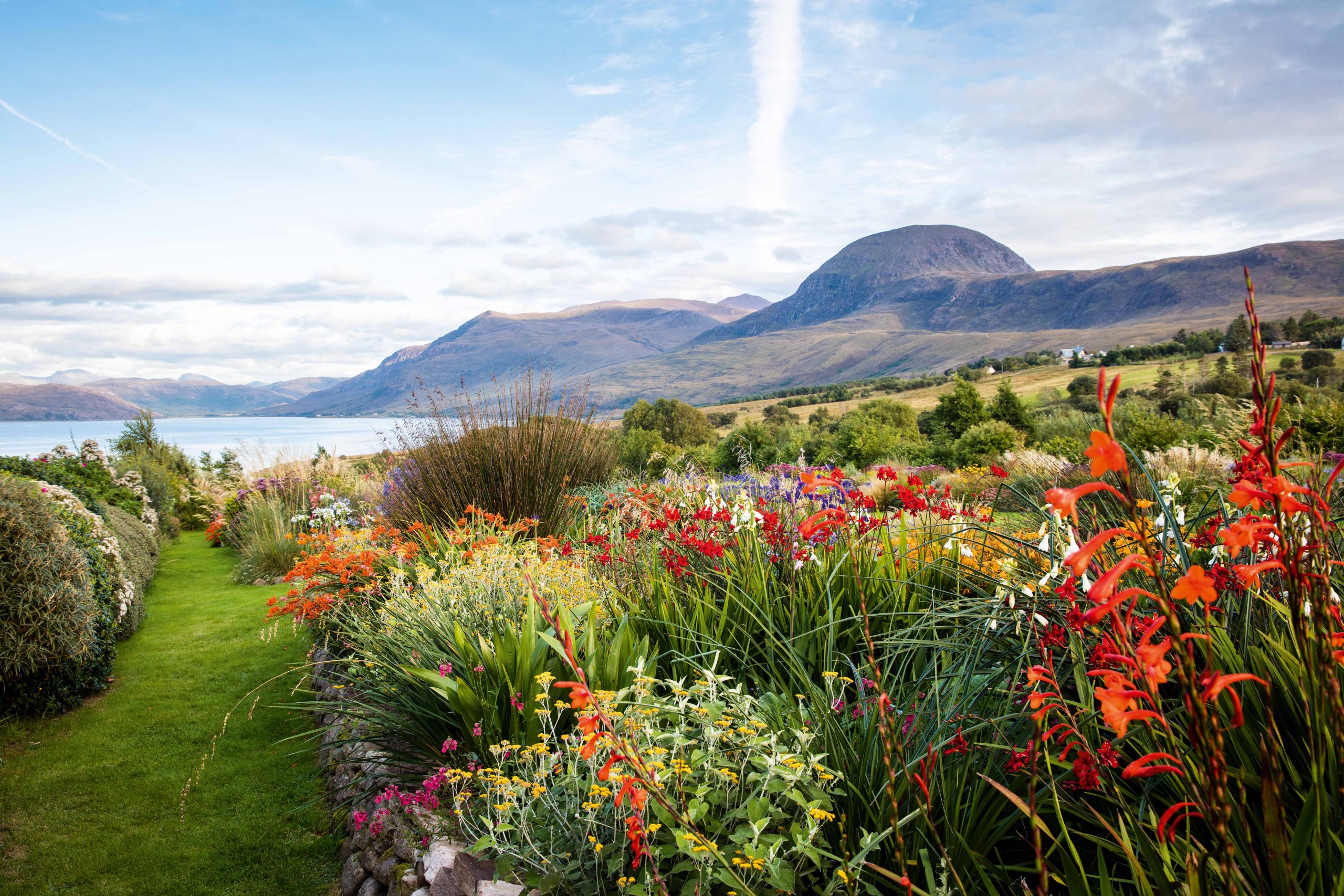
Will Soos and Sue Pomeroy’s coastal Highland garden in Wester Ross, Durnamuck, shows the potential of raised beds, built in the traditional Scottish dry-stone walling style to create freer-draining conditions. By varying the growing medium and with careful positioning of the beds and windbreak shrub planting, they’ve been able to push into South African and Mediterranean species with real success. The beds are not high – it’s just a gentle lift to provide a little more drainage.
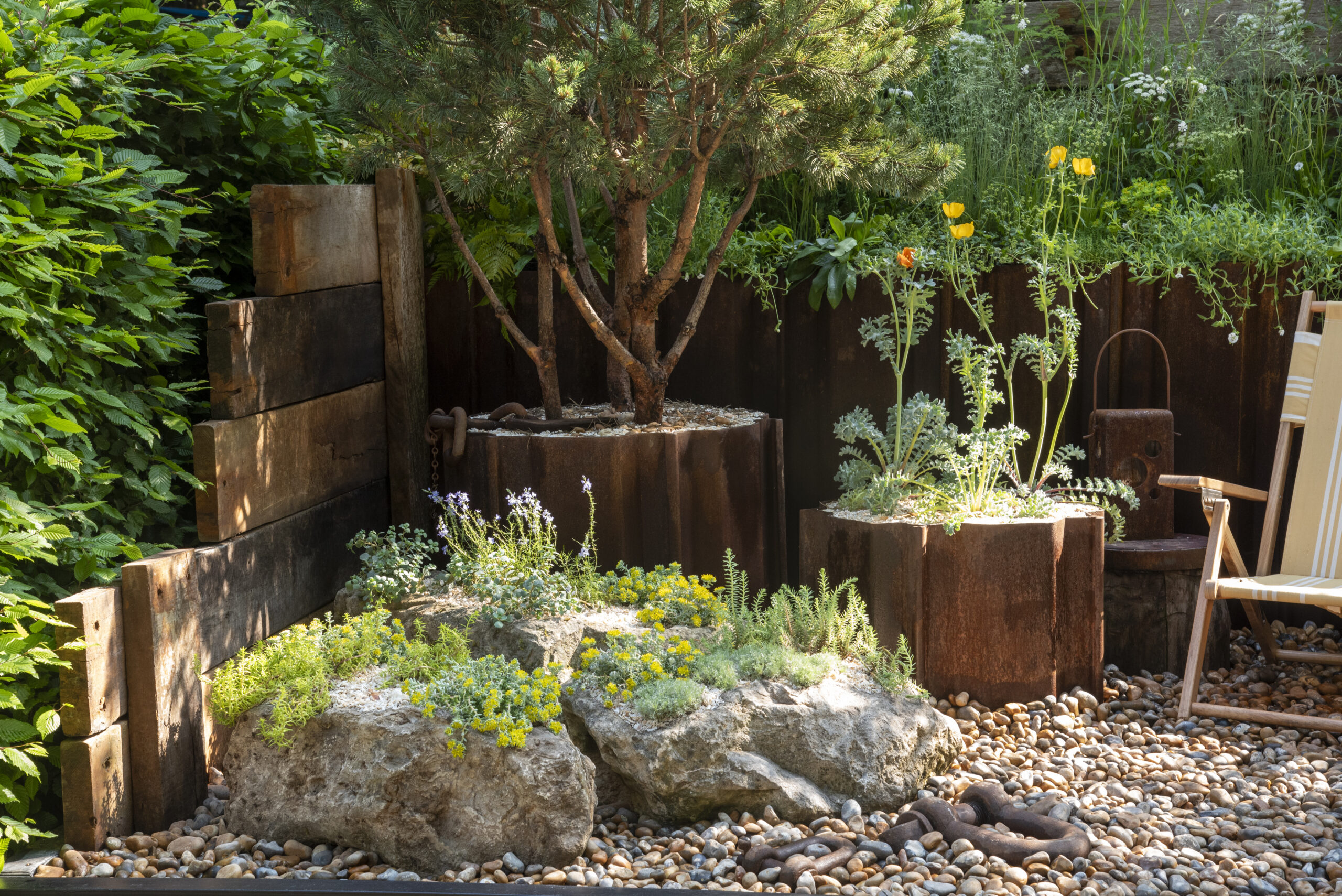
I also liked Lucy Mitchell’s inventive use of secondhand sheet piling for her seaside container garden at RHS Chelsea in 2024, not only as a retaining edge but also repurposed as planters. Moving and cutting a material of this heft won’t be for everyone, but the point is that with a bit of ingenuity we can choose materials that feel right for a space and carry that language through to the planting pots. Look at what’s already out there in salvage yards and online. Allotmenteers are the experts at this, in my opinion. In Lucy’s design, the pots were simply steel sides open to the ground. Where containers do have bases, make sure there are plenty of drainage holes, and don’t hesitate to drill extra. Raise pots up on feet or spacers for airflow.