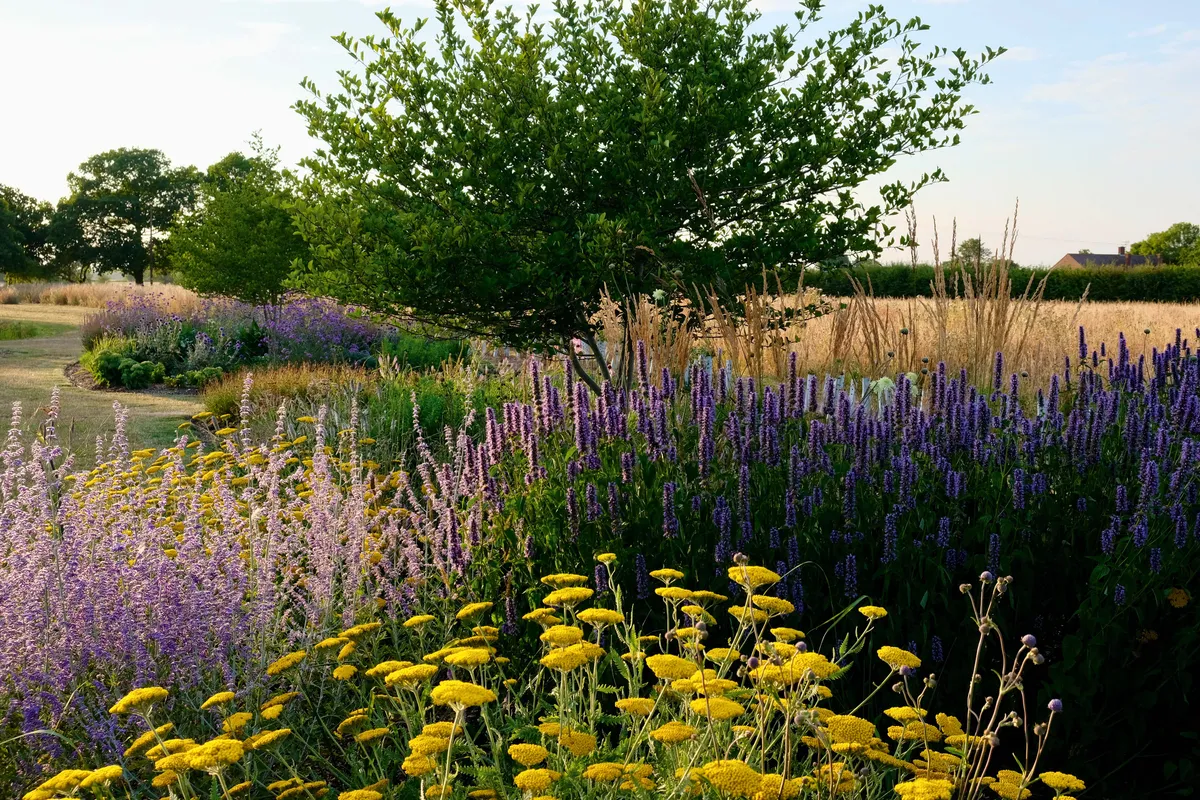
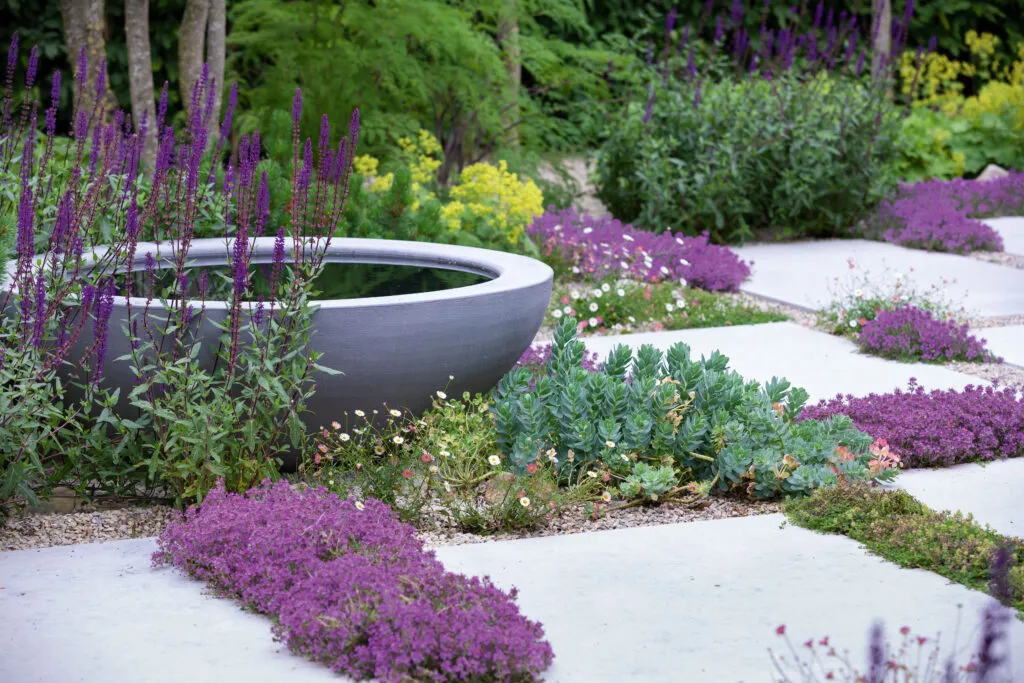
Each garden designer will have a unique way of working and create spaces that reflect their own tastes. However, there are some rules that guide every designer, and knowing them could help you to make your garden more beautiful.
Good garden design is rarely the result of a single idea. More often, it comes from a set of clear principles applied with care and consistency. Whether the space is large or small, urban or rural, the same fundamentals tend to shape the most successful designs.
We spoke to several garden designers who are members of the Society of Garden and Landscape Designers about their golden garden design rules. They are not rigid instructions, but practical guidelines used by experienced professionals to create spaces that feel coherent, functional and lasting.
From aligning the garden with the architecture of the house to choosing plants that suit the conditions, each rule addresses a key aspect of how a garden looks, works and evolves over time. Taken together, these principles highlight a straightforward aim: to design gardens that belong to their setting, support the way people live, and improve with age rather than decline.
You may also like
9 golden garden design rules
Tie the garden to the house
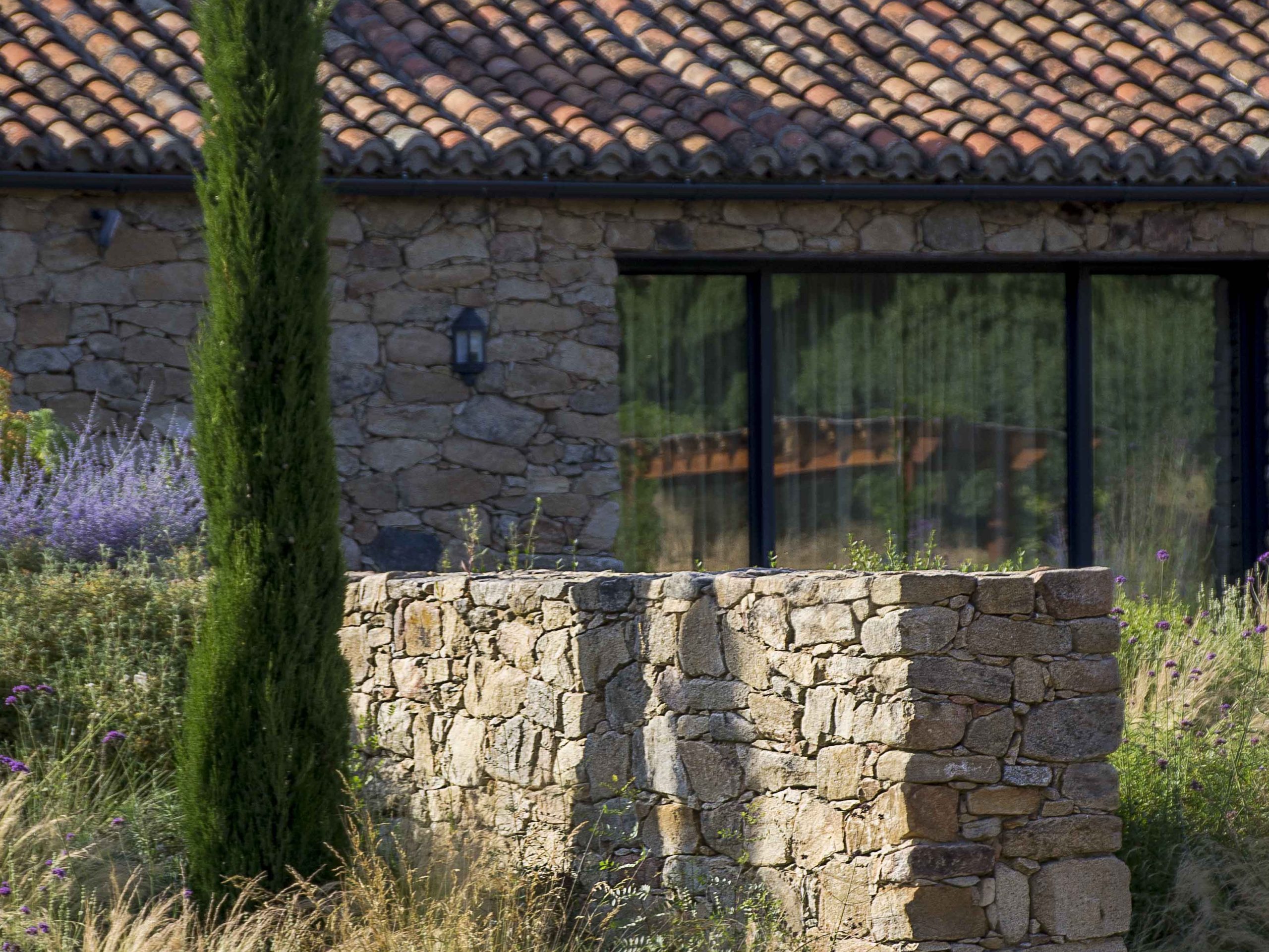
Almost everyone we spoke to mentioned the importance of tying the garden to the house. “The garden should be anchored to the house by lining to the building’s doors, windows and walls, whether it’s based on linear or curving geometry,” says Lynne Marcus of Marcus Gilbert Studio. “Views should be composed from windows and doors, into the garden and not blocked.”
Gonzalo Morillio of Locus Landscape also mentions this, saying: “A garden is not an isolated composition. It must resonate with the architecture it belongs to. Alignments, materials and spatial sequences are orchestrated to create a seamless experience between interior and exterior.”
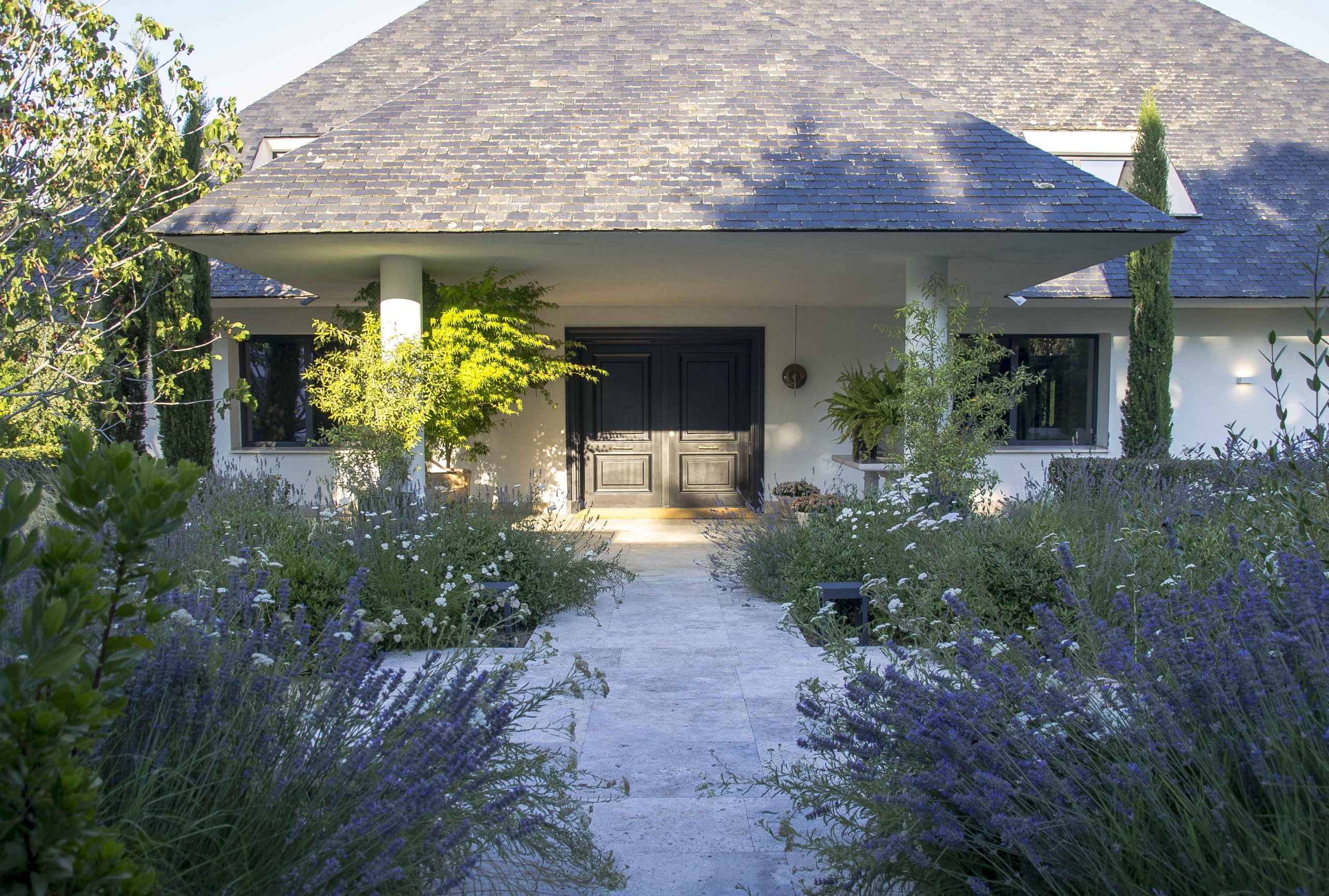
The house can also give an indication of the style preferences of the client, says Paul Dracott of Paul Dracott Garden Design. “One of the strongest factors to affect the initial way I approach a design layout is the house itself,” he says. “Not only is the type of the house a good indicator of the clients’ style preferences but it also drives the ground pattern of the design.”
You may also like
- 7 garden design rules you can break and the one you never should
- How to design a family friendly garden
“In my designs, edges of paths, lawns or terraces often line up with corners of the building or with window and door reveals,” says Paul. “Spaces may be designed to have the same proportion and shape as an element of the house such as a feature window or brick panel. Sometimes a jaunty angle within the architecture will inspire a totally uniquely shaped design. I like to treat the entire site, house and garden, as a composition.”
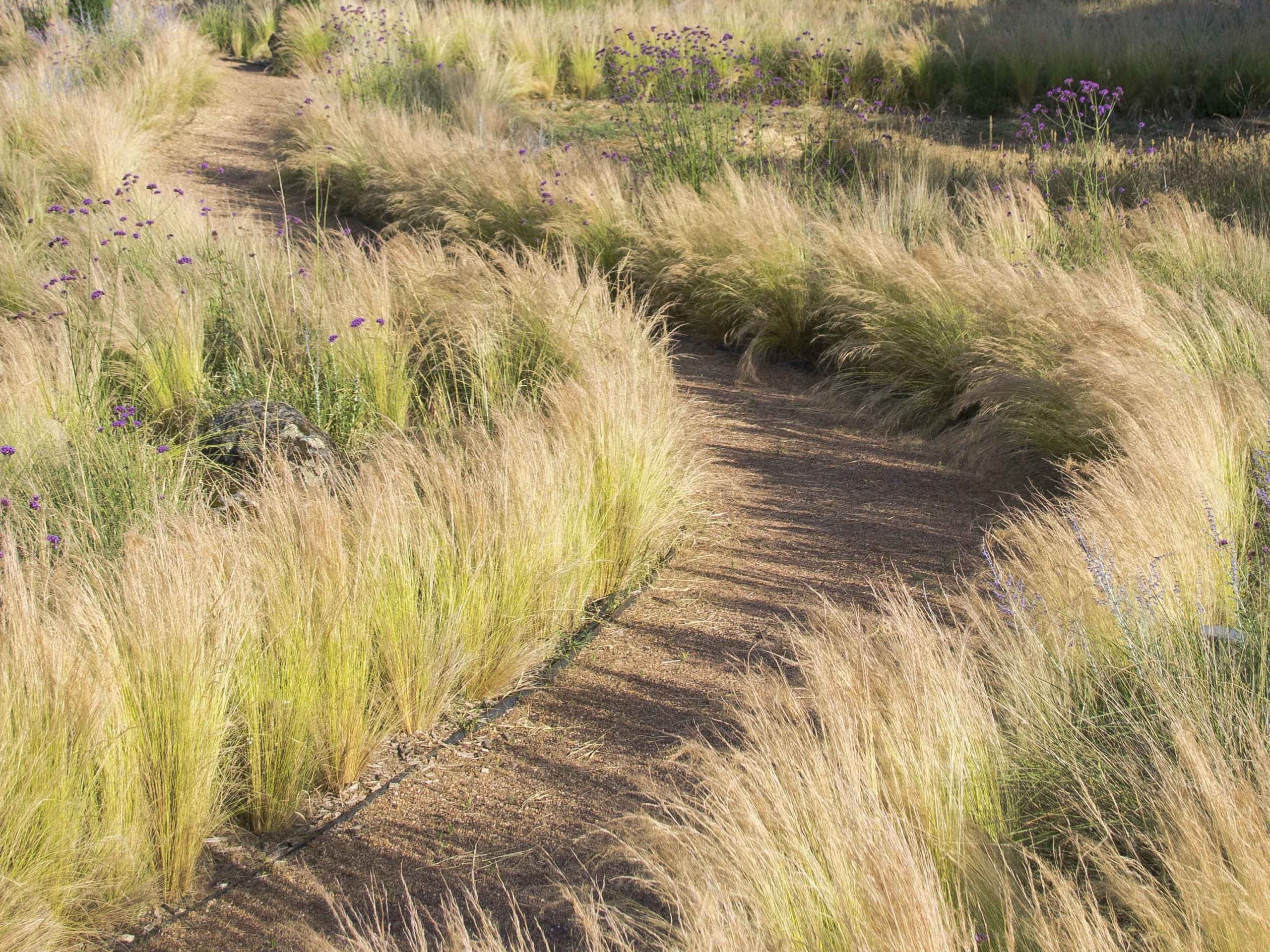
Connect the garden to its surroundings
As well as the house, the garden design should consider the local surroundings too. “Every garden sits within a bigger story,” says Katrina Kieffer-Wells of Earth Designs. “Ignore that, and it will feel disconnected.” Her advice is to borrow views and frame them intentionally, echo local materials and planting styles and where possible, blur boundaries with layered planting, level changes and hedges.
“Successful gardens feel as though they belong,” says Michelle Brandon of Garden Design Collective. “Look to the local vernacular: which materials recur, which trees thrive, what defines the character of the area? These cues should inform the design in a subtle, almost subconscious way. From the front garden through to the rear, there should be a quiet continuity.”
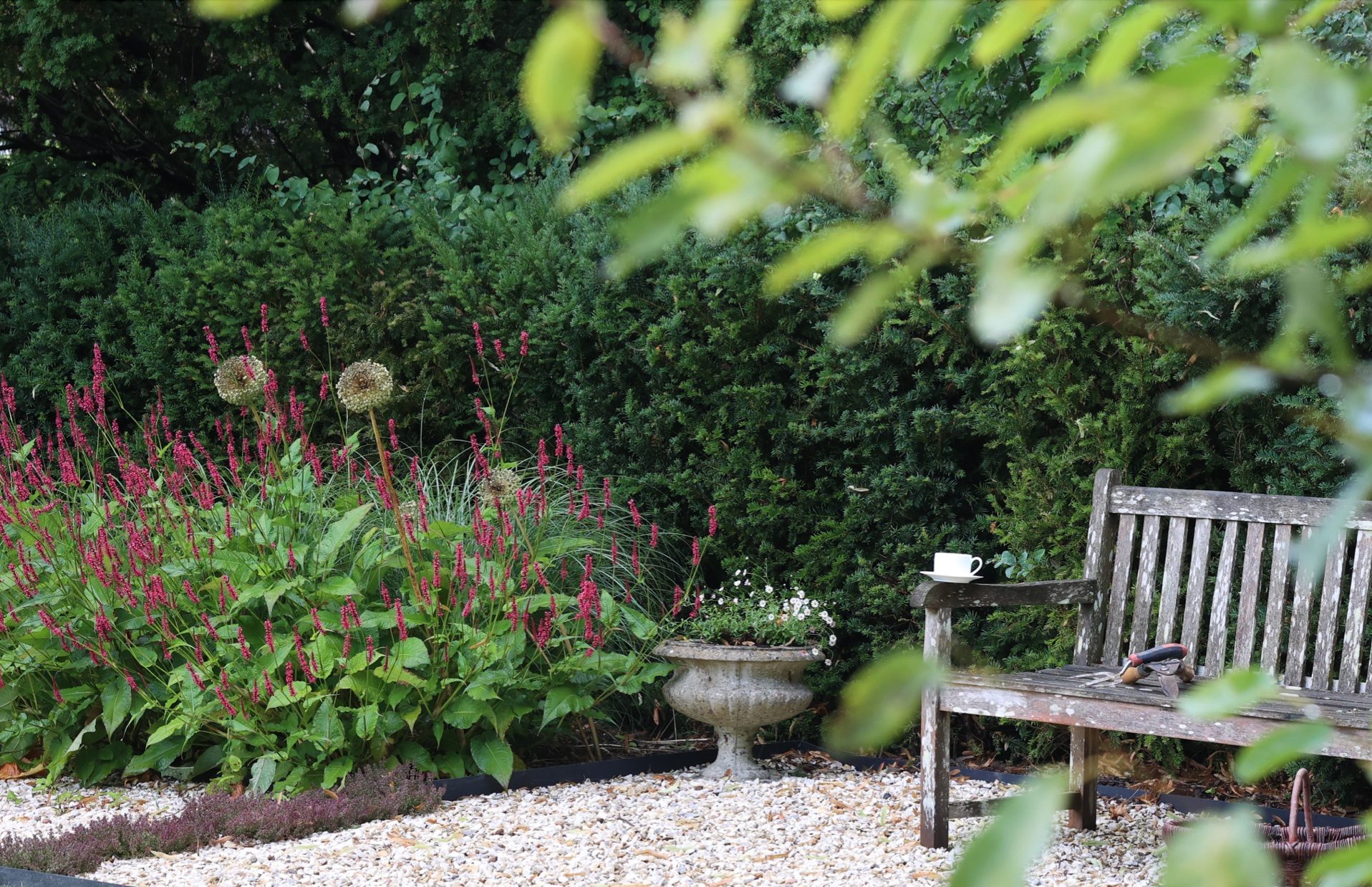
James Scott of The Garden Co. echoed Michelle’s sentiments. “I focus on creating a strong sense of place,” he says. “This is a principle I never compromise on. A garden should feel intrinsically connected to its setting, not imposed upon it.”
You may also like
He continued “With my design team, I study the architecture, the surrounding landscape, and importantly the unique combination of light, soil conditions and aspect, ensuring that every element - materials, layout, and planting - works in harmony.”
Gonzalo Morillo of Locus Landscape agrees: “Even when structured or formal, planting is designed to gradually dissolve into its surroundings. Species, colours and textures are carefully selected so that boundaries become blurred rather than abrupt. The garden should not feel imposed but gently anchored within its wider landscape.”
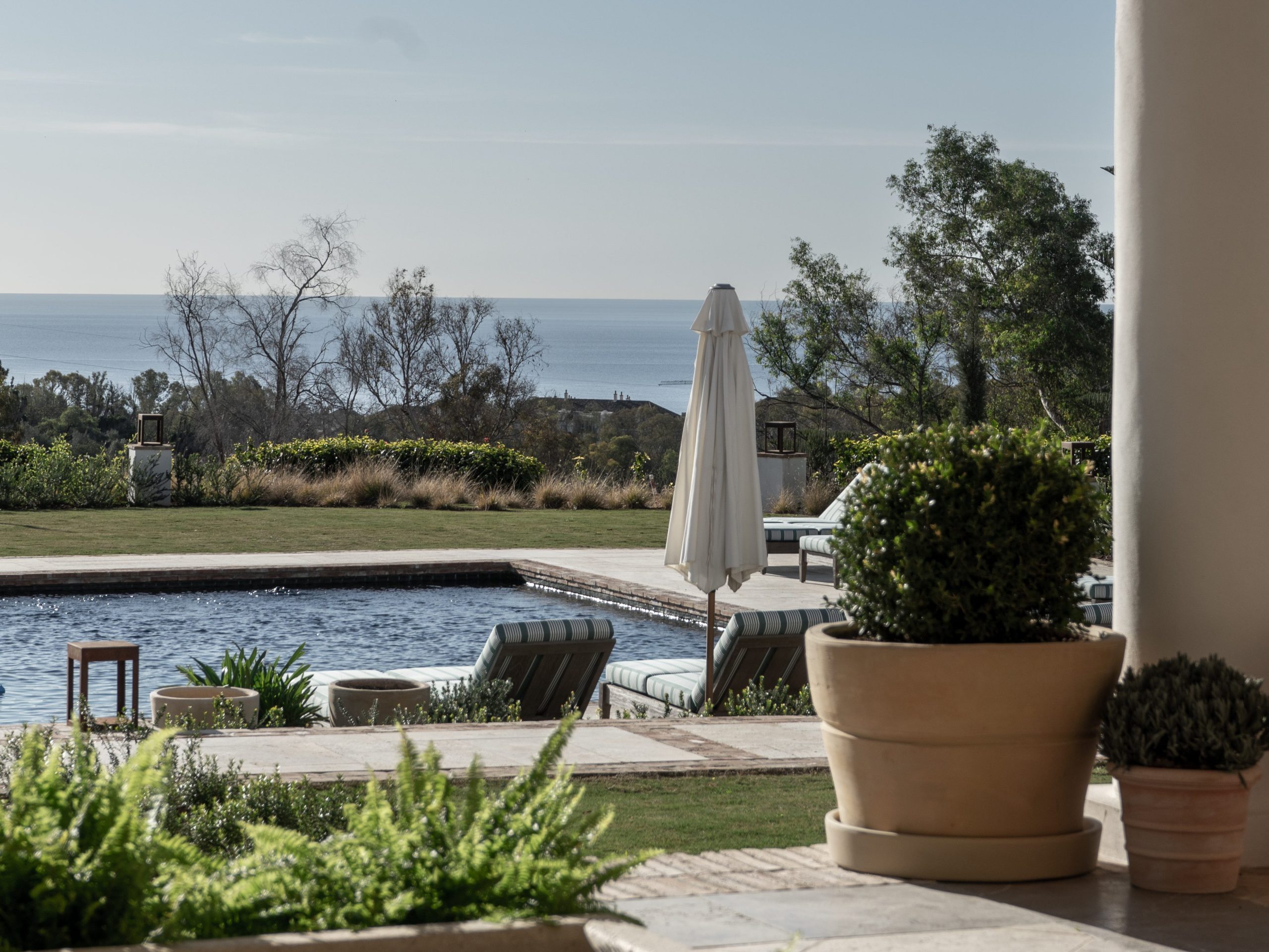
Visual direction and journey
“I work on the principle conceal and reveal,” says Lynne. “A garden looks much bigger if you don’t see it all at once and it leads you on a journey.”
Focal points can help to draw the eye around a garden. These could be a tree, sculpture, water feature or a framed view, suggests Katrina. The important thing is to “guide the eye from space to space.”
In larger gardens, designers often talk about dividing the plot into ‘garden rooms,’ but even in smaller spaces, a sense of discovery can be created. “Design clear routes and purposeful spaces rather than leftover corners,” says Katrina.
James agrees, “In practical terms, design layout and flow are foundational. My early sketches always prioritise how a space will be experienced - how you move through it, where you pause, and how different areas connect both visually and physically."
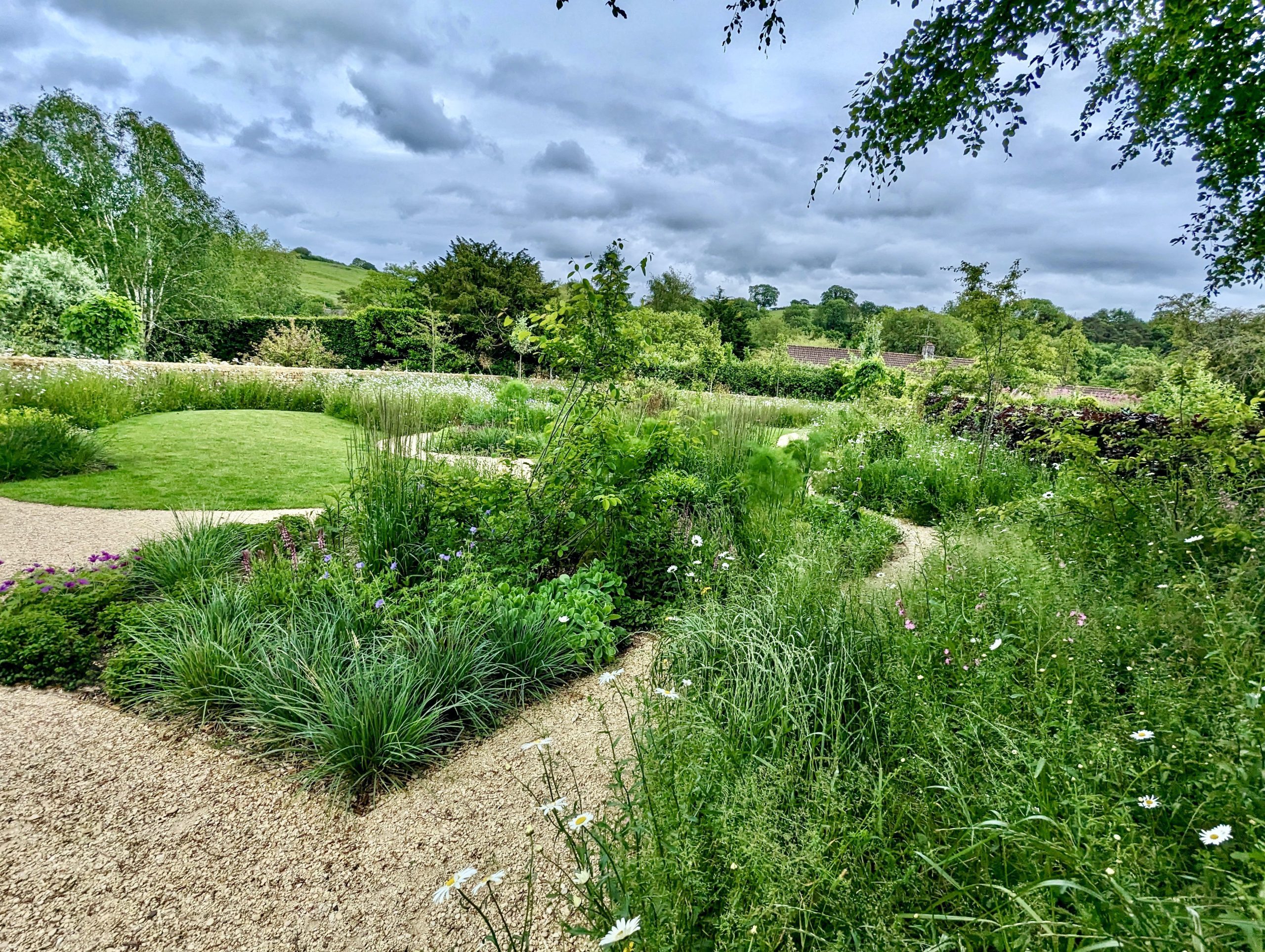
It is also important to consider the way that the garden will change as people move through it. “In the city or the country, the design tends to become less formal and more ‘organic’ as you progress through the garden space. Finding a long view to focus on always extends the garden into its surroundings, whether it’s a tree in a neighbour’s garden in the city or the rolling hills of the South Downs,” says Lynne.
Balance hard and soft landscaping
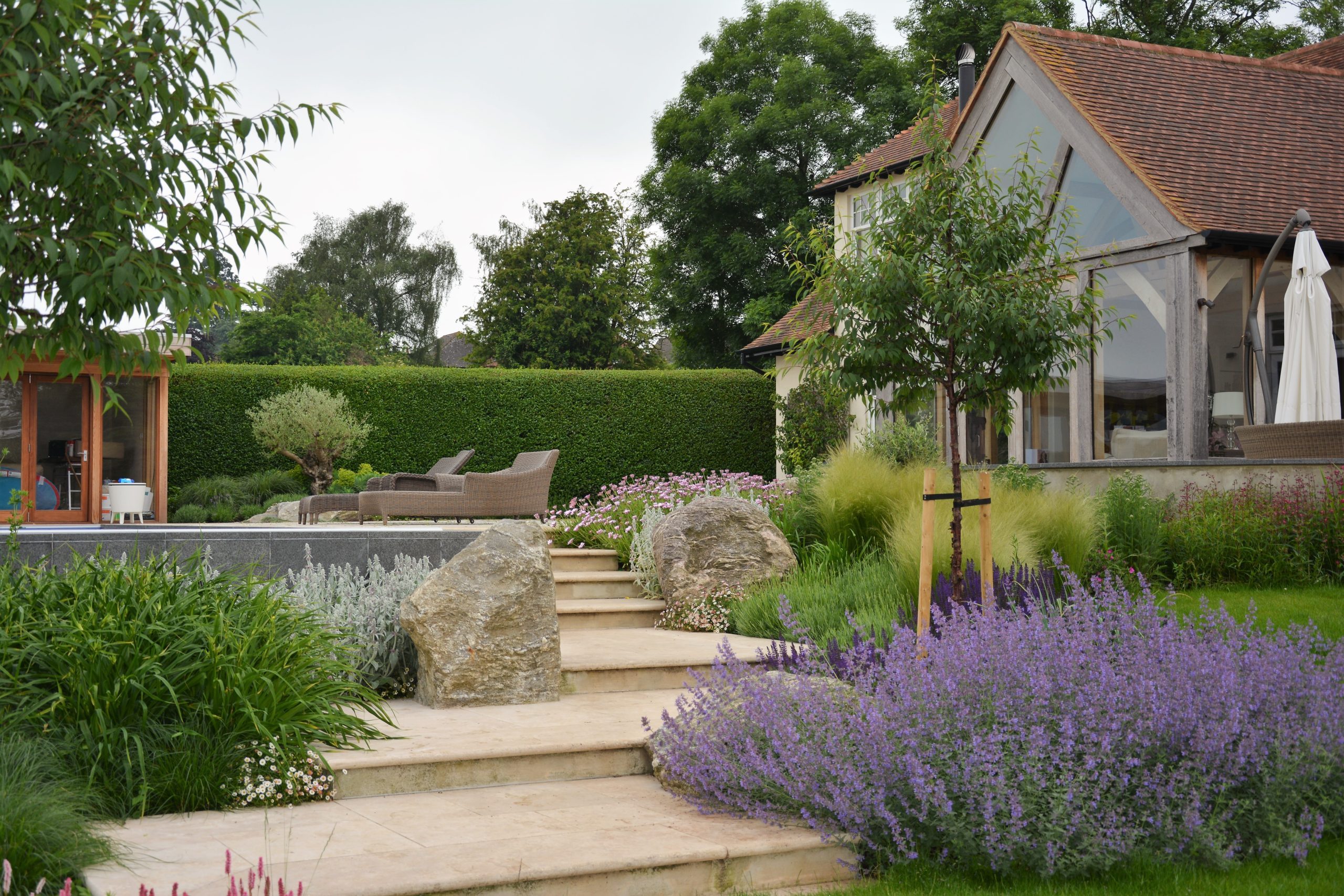
All the designers we spoke to talked about balancing hard and soft landscape elements in a garden, but not everyone had a concrete rulebook to follow. “We do not separate hard and soft landscaping,” says Gonzalo. “Built elements establish geometry, proportion and use; planting introduces time, atmosphere and change. A garden succeeds when both are interdependent. We do not work with fixed proportions.”
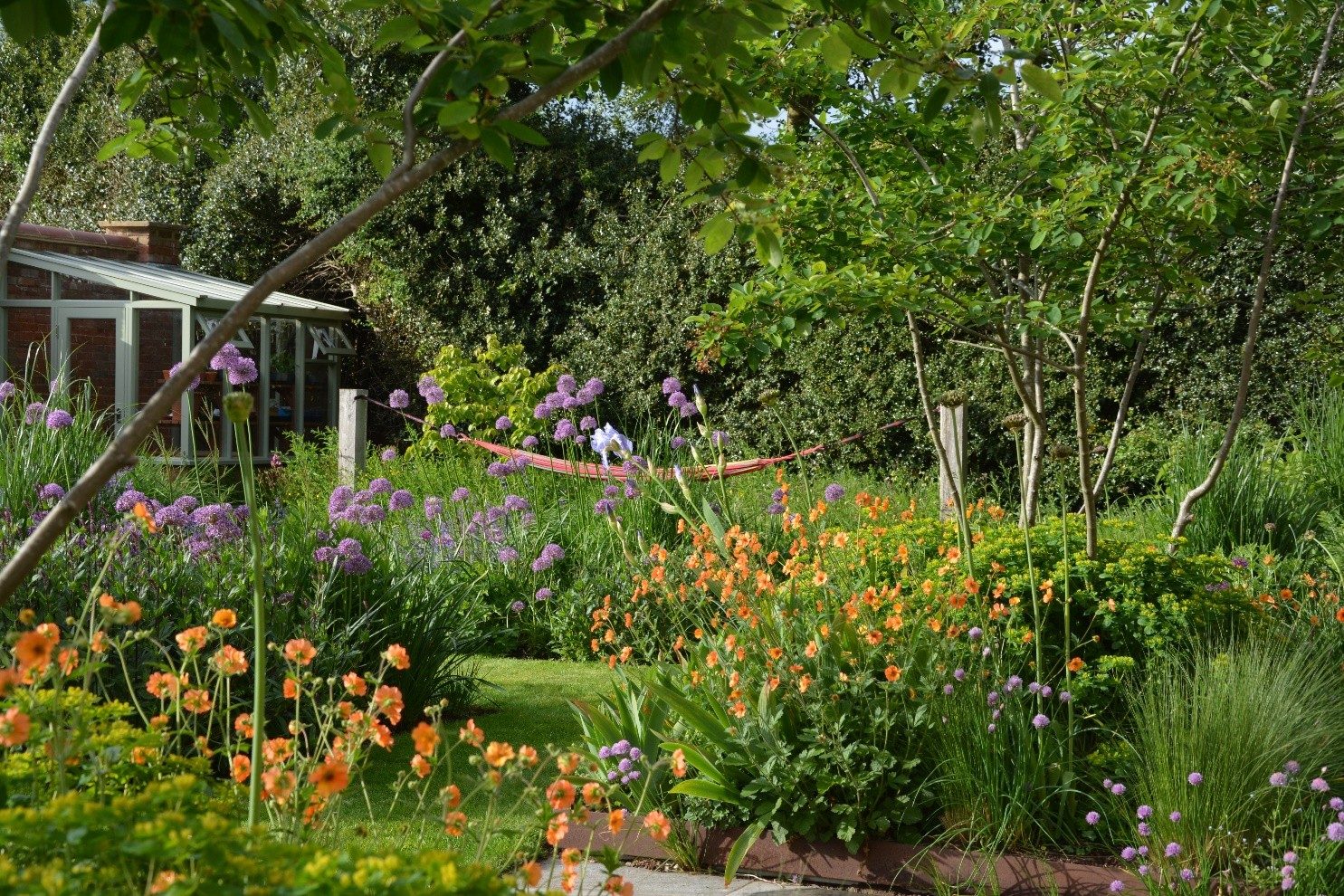
“Achieving the right balance between hard and soft landscaping is less about formula and more about feel,” agrees James. “Hard landscaping provides the underlying structure. But these are always balanced with planting, which brings softness, movement and seasonal variation. I often lean towards more planting, allowing the garden to provide year-round interest and evolve over time too.”
Most designers advise that planting should outweigh hard landscaping. “The ideal planting ratio is at least 70 per cent soft landscaping,” says Lynne. “Creating a haven for biodiversity and pollination is essential.” Katrina also aims for 60 – 70 per cent planting. “Too much paving makes a garden hot, lifeless and expensive,” she says. “Plants should soften, blur and animate the built elements.”
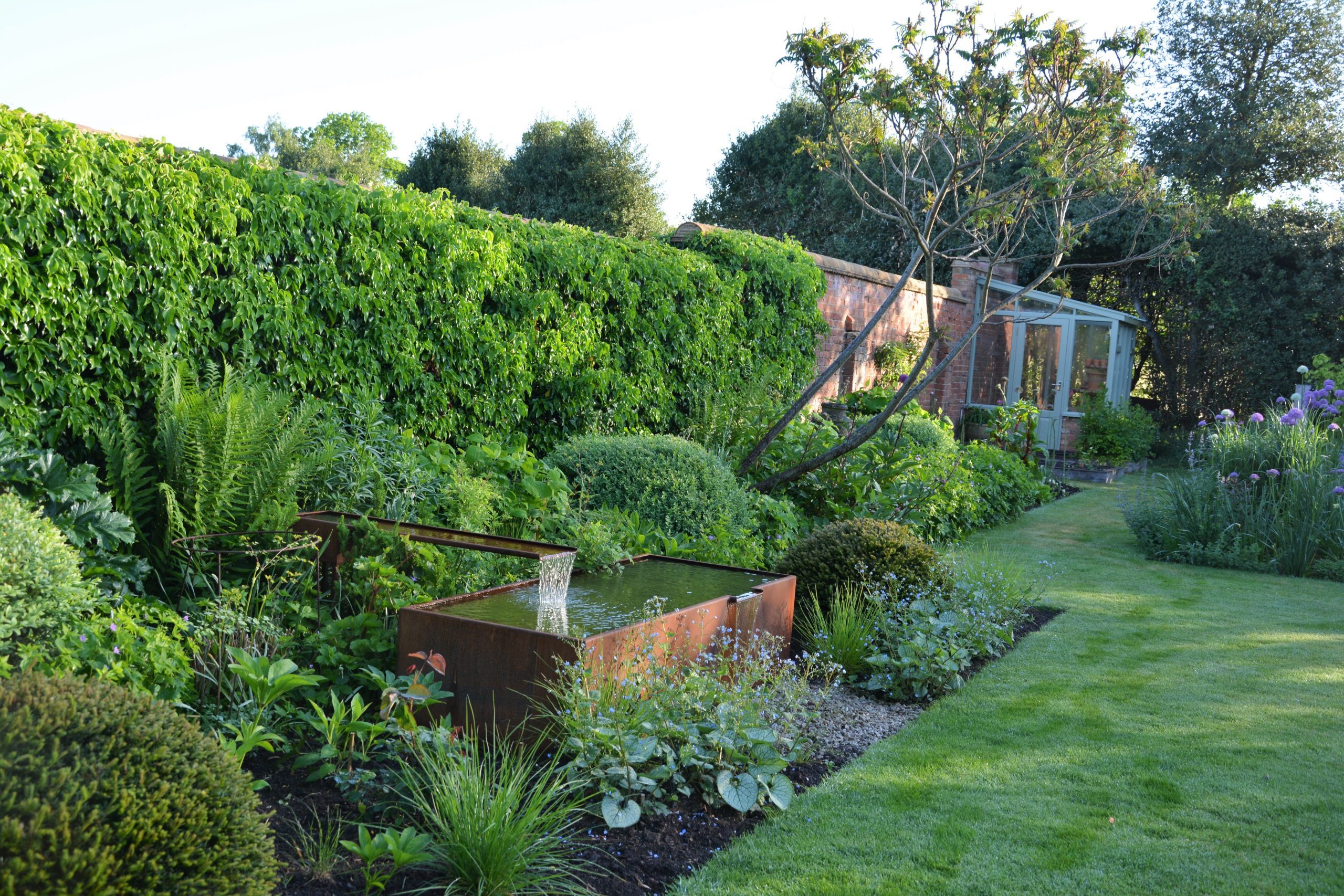
However, she was keen to add that going too heavy on the planting is detrimental to the design as well. “Too much planting without structure,” Katrina says. “Feels chaotic and high maintenance.”
Michelle Brandon from Garden Design Collective agrees with this, saying “while 60–70 per cent soft planting is often ideal, it’s important to remember that a garden is ultimately a man-made space—one that, historically, offers both refuge and protection.”
“Humans are instinctively drawn to what’s known as ‘prospect and refuge’ - the ability to look out over open space while also feeling sheltered. Too much planting can feel overwhelming, even anxiety-inducing. A seating area entirely enclosed by greenery rarely allows the body to fully relax. Instead, we respond best to room-like spaces—structured, intentional, and offering both openness and security.”
Listen to the client and their needs
“A garden should be deeply personal,” says Michelle.” I never compromise on ensuring it reflects the people who use it. That might be a tree that evokes a meaningful memory, or a space designed around a passion or ritual.”
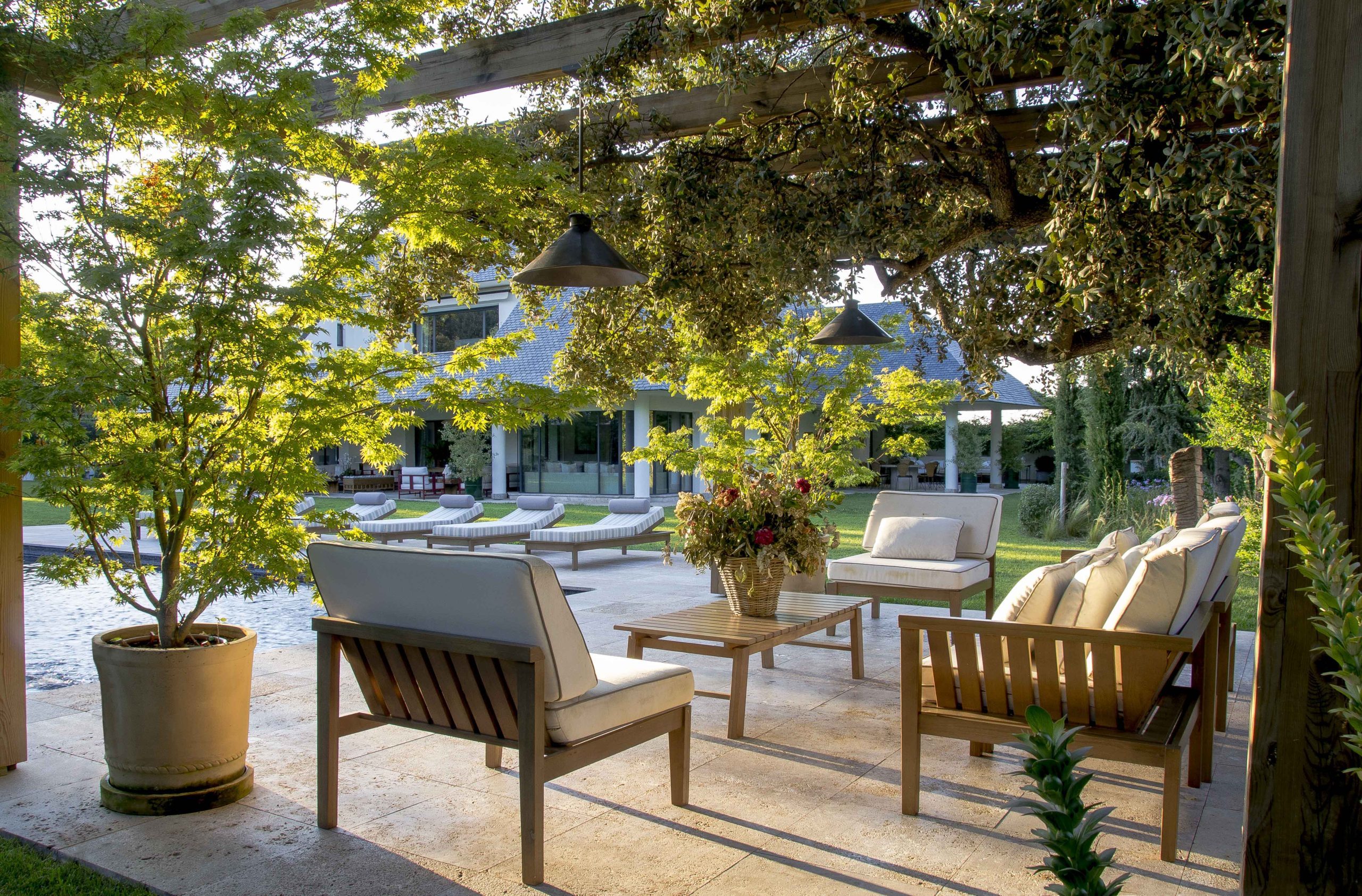
Katrina agrees with this principle. “A garden isn’t a show room,” she says. “It’s a lived in space.” She advises placing seating where people want to sit, in sun or shelter and with views, making the route through the garden intuitive and comfortable and to consider daily rituals such as morning coffee or space for kids to play.
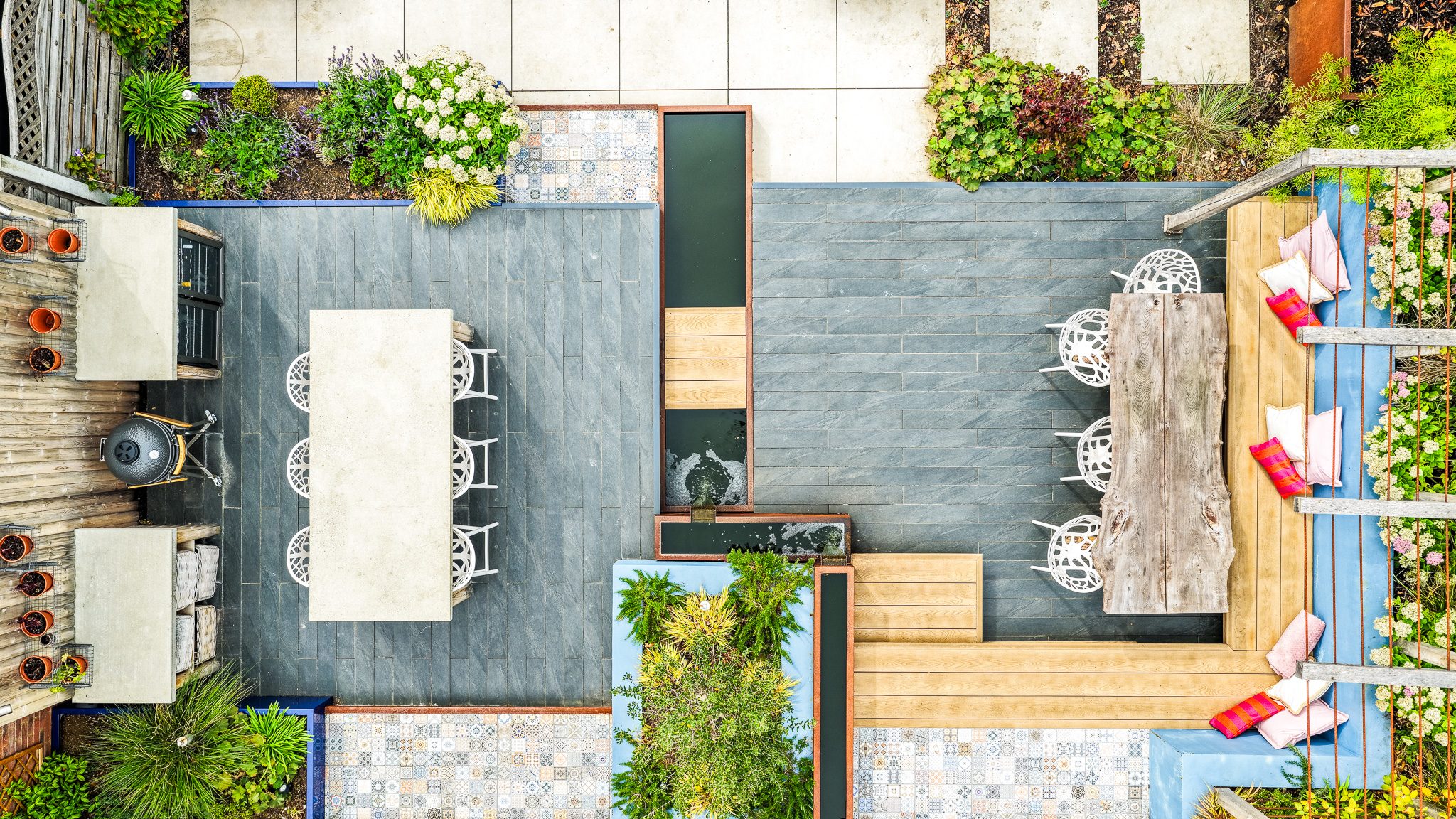
“At the heart of my work is a simple but vital question: what does this garden need to do, and how should it feel?” says James. “Every design brief - from private residence to public place - begins with understanding how people want to spend time in the space. For some, that means spaces for family life and play; for others, it’s about entertaining, or finding a quiet, restorative connection to nature. These functional needs are never separate from design - they actively shape it.”
“The human experience is central,” adds Gonzalo. “Structured spaces are always embedded within a green atmosphere—sometimes more formal and mineral, sometimes looser, denser and more textural. What matters is achieving a precise equilibrium between use and immersion.”
Limit the palette
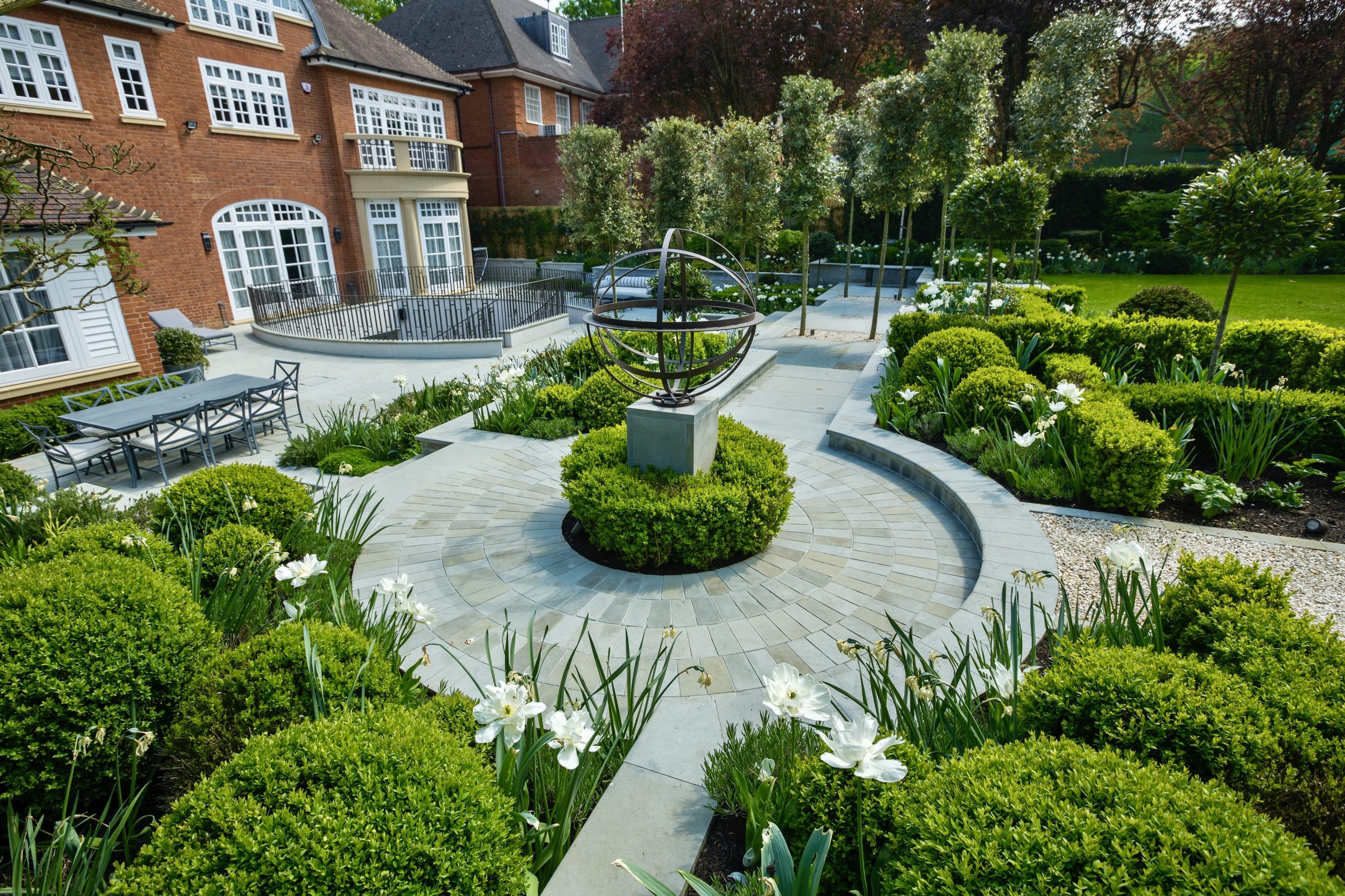
“Material selection is another guiding rule of thumb,” says James. “I limit the palette to ensure cohesion - typically no more than three materials underfoot - and prioritise natural, vernacular choices that will age gracefully. Craftsmanship is critical here; the detailing, junctions and finishes are what elevate a scheme from good to great.”
“Repetition is what separates designer gardens from random ones,” adds Katrina. “Repeat key materials, plants and forms, edit ruthlessly to limit the palette and use rhythm to guide the eye through the space.”
Favouring a limited palette of materials and species is key to creating a coherent garden. “We focus on precision rather than abundance,” says Gonzalo. “This allows light, shadow, proportion and texture to emerge with clarity. Simplicity, when rigorous, produces richness.”
Right plant, right place
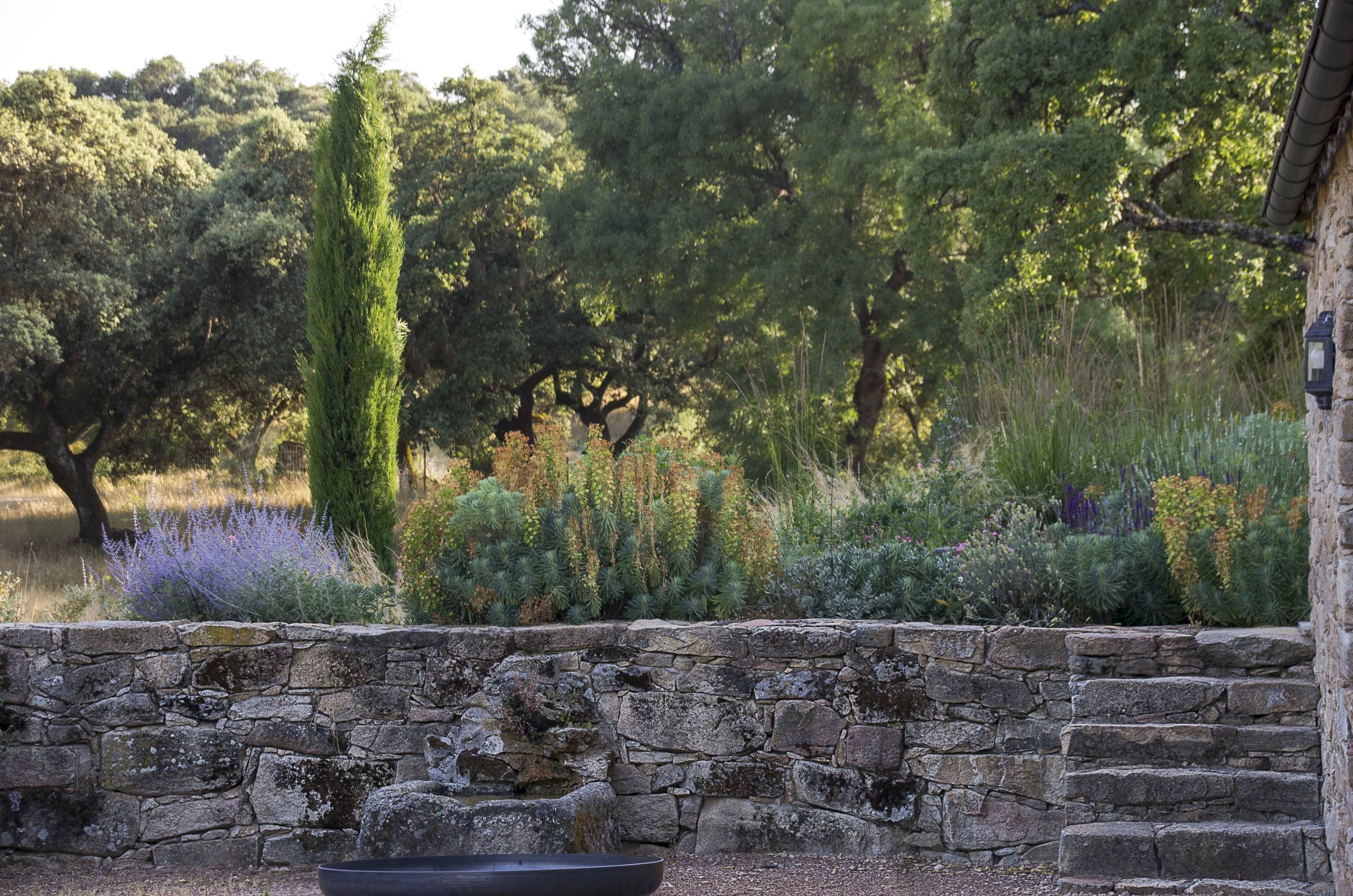
This a motto uttered by all gardeners and designers alike – plants are the bedrock of a beautiful garden and if they look out of place or can’t thrive where they’ve been planted, this will impact the overall design.
“This is non-negotiable,” says Katrina. “Plants should be matched to soil, light, exposure and moisture. Maintenance can be reduced by working with conditions rather than against them.”
“Planting is never decorative. It is organised in layers that respond to soil, climate and water, and that develop over seasons and years,” says Gonzalo. “A garden should mature, not peak at completion.”
Consider the garden over the whole year
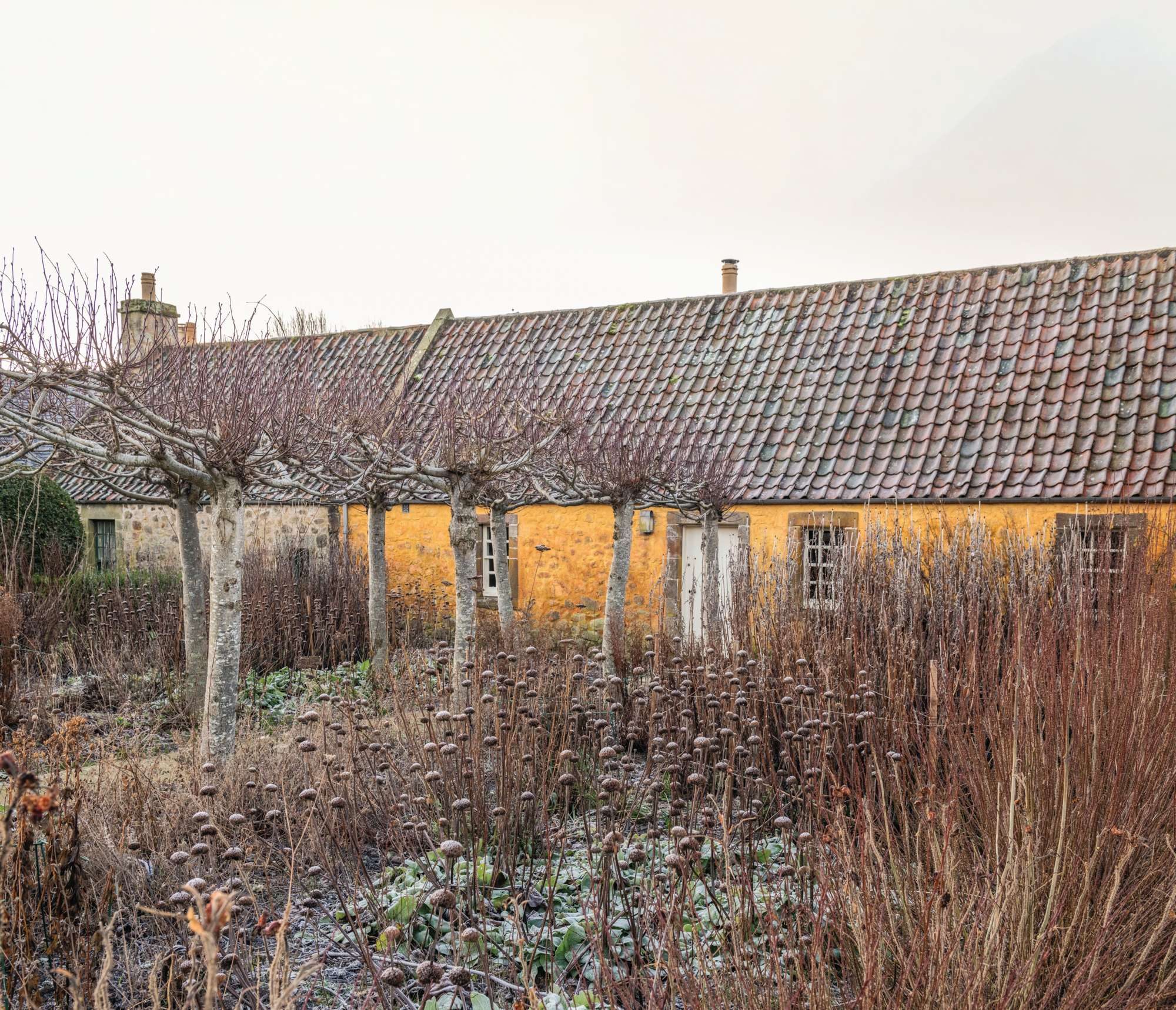
Gardens should be designed to look beautiful at all times of year, which is easier said than done. “A garden should invite curiosity, wonder and fascination—through every season and every month,” says Michelle.
You may also like
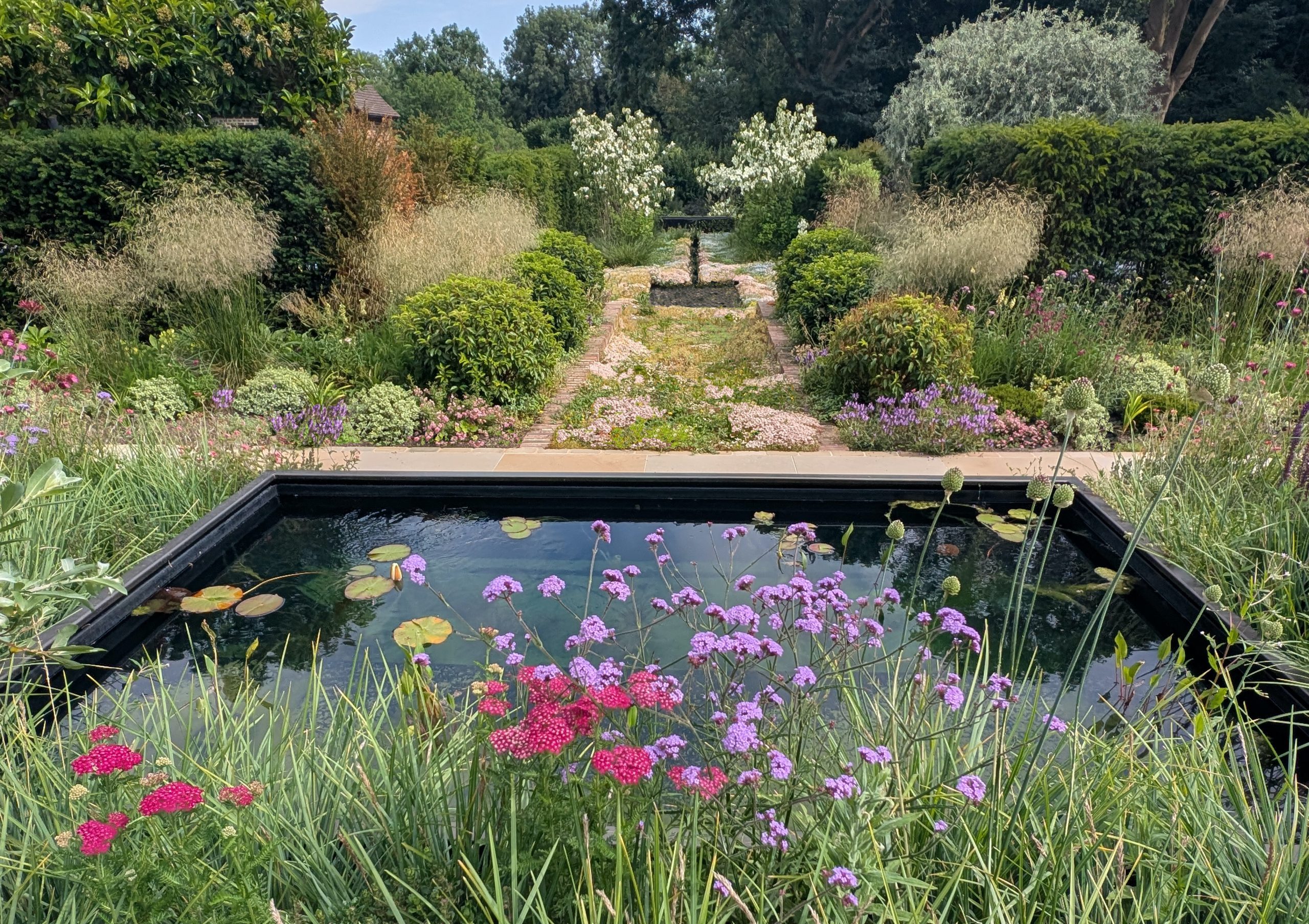
“A great garden works for twelve months of the year,” agrees Katrina. This can be achieved by using plants that have flowers, fruit and foliage in all four seasons. “Include evergreen structure and winter silhouettes,” says Katrina. “Use grasses, seed heads, bark and form for off-season interest and consider light shadow and texture in the colder months.”
Sustainability underpins design
Many of the designers we spoke to said that sustainability was one of their biggest guiding principles. “A garden must be resilient and capable of long-term balance with its environment,” says Gonzalo.
Everything from water management and hydrozoning (grouping plants based on water requirements) to the use of local materials are considered in depth.
Katrina’s guiding sustainability considerations include: choosing materials that age well, not just ones that look good new; designing with realistic levels of maintenance in mind and allowing space for the plants to mature rather than overcrowding.
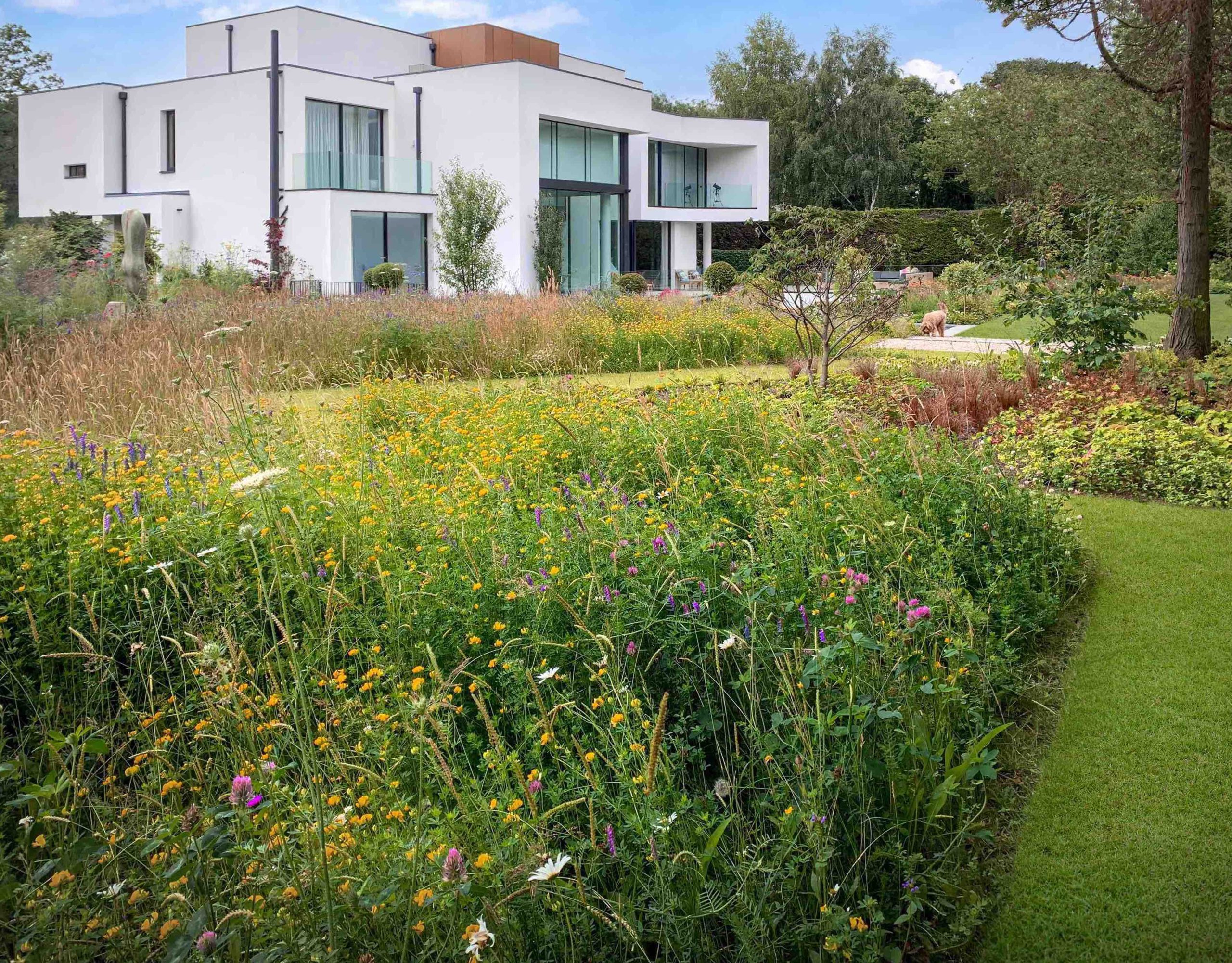
“Sustainability underpins every design decision,” says James. “My team and I favour planting-rich schemes, locally sourced materials, and designs that support biodiversity and reduce long-term maintenance. Ultimately, our goal is to create gardens that are not only beautiful and functional, but resilient: spaces that mature over time, enriching both their surroundings and the lives of those who use them.”