

The healing garden: how thoughtful planting can support everyday wellbeing
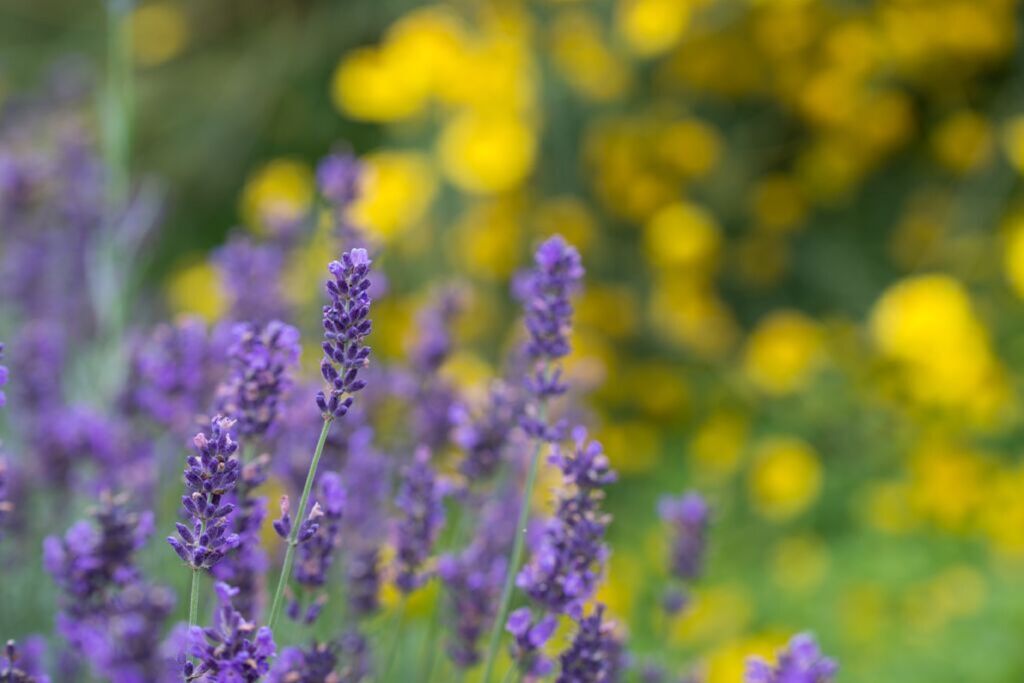
As gardeners, horticulturists and nature lovers, we know that being among flora in wild spaces brings calm, wellbeing and a sense of natural healing. The design and structure of a garden can take us on an emotionally therapeutic journey – sparking joy and contemplation or offering quiet respite – while colour and scent guide our emotions. The purple hue of lavender and salvia is known to have a calming effect, while the scent of rosemary is thought to sharpen focus and the aroma of citrus plants, such as lemon, is known to be invigorating.
Recent research carried out by the University of Utah found that as little as 10 minutes in the garden can see short-term mental health benefits, confirming what every horticulturist knows without doubt: gardens are good for us.
Wisdom rooted in history
That instinct is nothing new. The ancient Persians deeply admired both the beauty and benefits of a garden. They would grow plants and herbs for their healing properties as well as their aesthetic charms.
Ayurveda, the ancient Indian healing system, used plants as medicine and as a way to restore balance between body and mind.
That same thinking shaped gardens much closer to home. Chelsea Physic Garden, founded in 1673, is the oldest botanic garden in London, established by the Worshipful Society of Apothecaries specifically to grow medicinal plants. Today, visitors can find over 4,000 species of edible, medicinal and historical plants. The Garden of Medicinal Plants in the Chelsea Physic Garden includes a World Medicine Collection with plants used by healers, shamans, witch doctors and herbalists over the last 5,000 years.
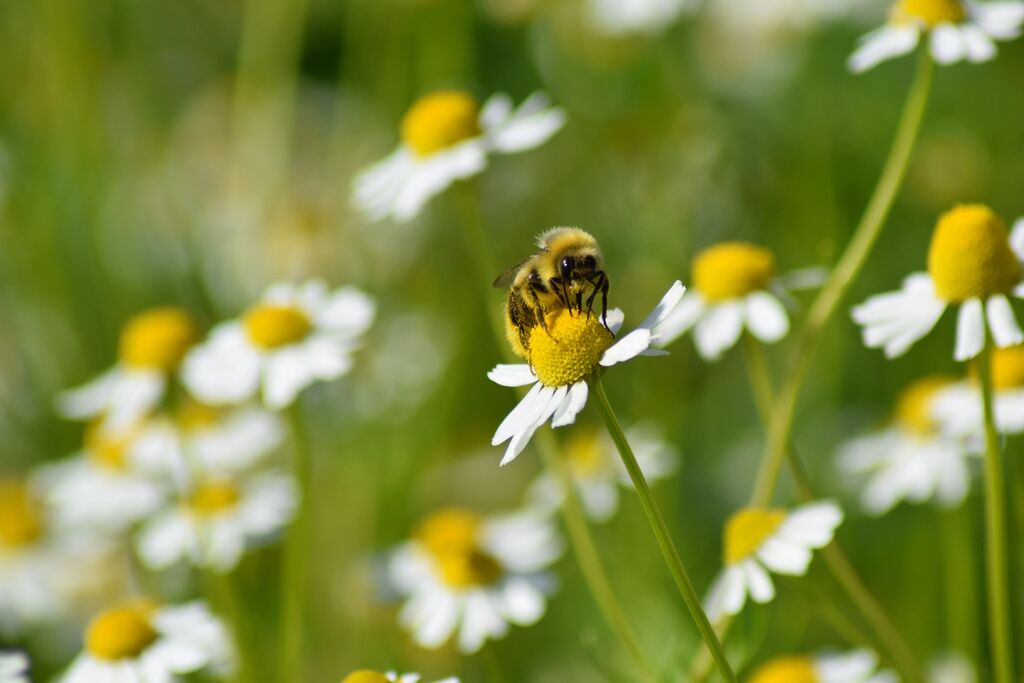
The Chelsea Physic Garden also grows more commonly used plants that are well known for their wellbeing benefits and used in herbal teas, such as chamomile, licorice and mint. All three plants are also used in several Pukka tea blends, an easy and everyday way to enjoy the wellbeing benefits of plants and herbs.
Pukka's range of organic herbal blends are rooted in traditional and Ayurvedic wisdom and blended by herbal experts.

Grow it, enjoy it, drink it
If you’re planning to create a wellbeing area of the garden with plants and herbs, here are three common favourites that will bring scent, colour and calm to your garden.
Tulsi: This herb has been used throughout history in Ayurvedic culture. It has a musky, clove-like aroma and distinctive purple flower spikes.
Pukka tea blend: Tulsi Lemon Matcha balances umami matcha with a bright citrus flavour.
Lemon verbena: an elegant perennial with delicate clusters of tiny white or pale lilac flowers and prized for its fresh, uplifting citrus fragrance.
Pukka tea blend: Lemongrass & ginger blends a citrus zing with the subtle spice of ginger.
Licorice root: distinctive for its sweet aniseed-esque scent and pale lilac flowers set against soft green foliage, this herbal remedy is traditionally used to soothe and create a sense of balance.
Pukka tea blend: Peppermint & Licorice the cool taste of mint is married with the naturally sweet flavour of licorice.
Easy ways to enjoy herbs
However you choose to bring wellbeing into your garden, Pukka offers an easy way to enjoy the benefits of herbs every day. It believes that 'nothing beats nature,' and that the extraordinary power of herbs is the original, simplest path to wellbeing.
