The results of Butterfly Conservation's 2026 Big Butterfly Count are in and it shows that it was a great summer for butterflies, as many gardeners and nature lovers will have noticed. However, the charity warns that this year's hot, dry weather and drought in many areas may have hit caterpillars hard – so there could be fewer butterflies next summer.
You may also like
Professor Richard Fox, Head of Science at Butterfly Conservation, said: "This has been one of the hottest, driest summers on record, and the figures certainly suggest that was good news for many of the widespread butterfly species monitored by the Count. In fact, it was the second-best year in the 16 year history of the Big Butterfly Count.
"Adult butterflies love hot, sunny weather for flying, feeding and breeding, and that's exactly why people saw so many this summer. But a good summer for adult butterflies is not the same as a good summer for butterfly populations.
“What matters far more is what's happening on the ground, to the butterflies’ caterpillar offspring and the plants they depend on. The very same weather that made it a good year for butterflies - lots of sunshine and very little rain - could mean we’re actually on course for a population crash, which could take years to recover from."
Butterfly winners and losers in 2026
During this year’s Big Butterfly Count, 101,565 participants recorded almost 1.4 million butterflies and moths across the UK.
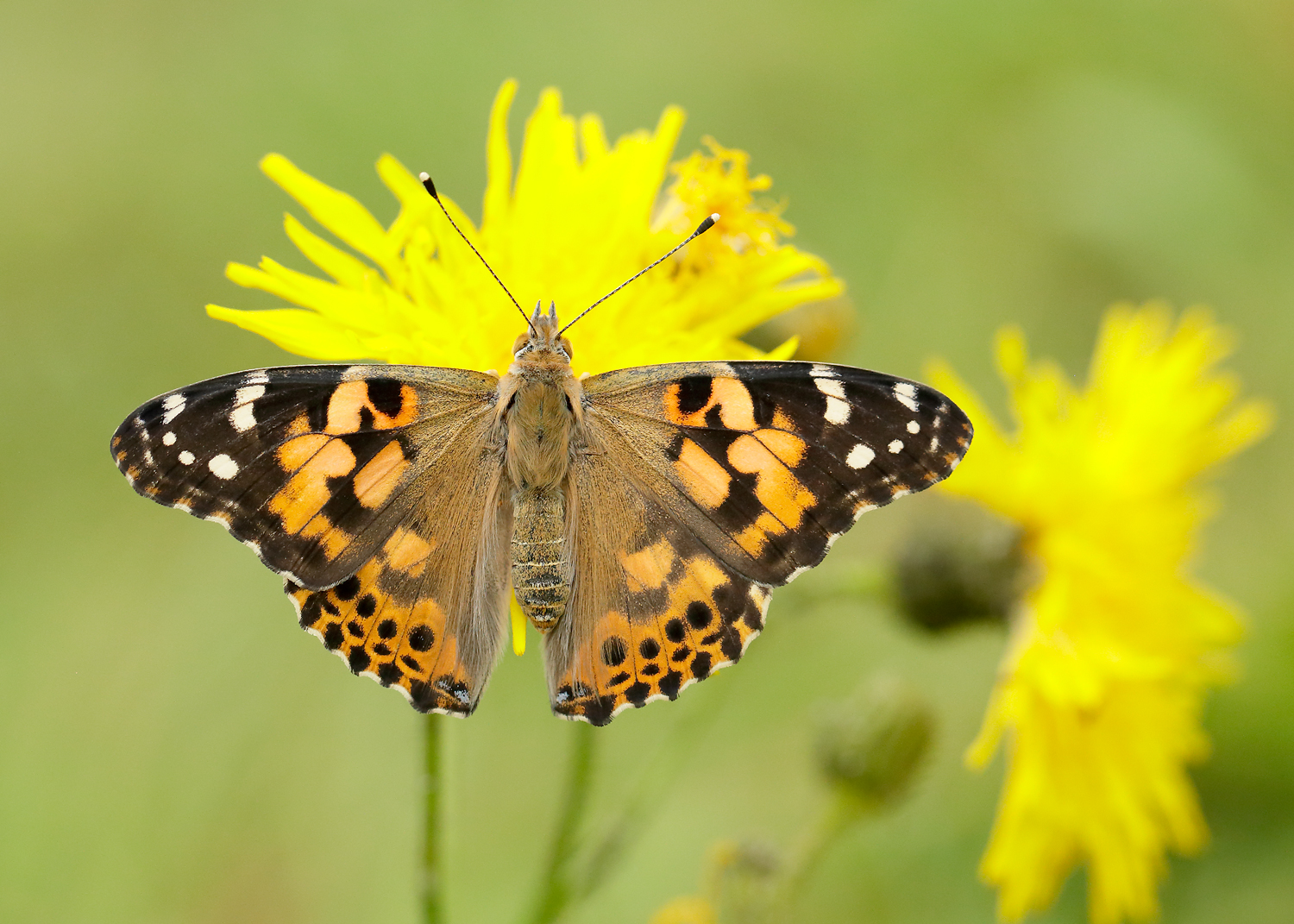
It's been described as a ‘Painted Lady summer’, as the Painted Lady was up 335% on last year. Painted Ladies migrate to Britain via a relay of several generations, each flying a leg of the journey from Africa, across the Sahara Desert and Mediterranean before reaching the UK.
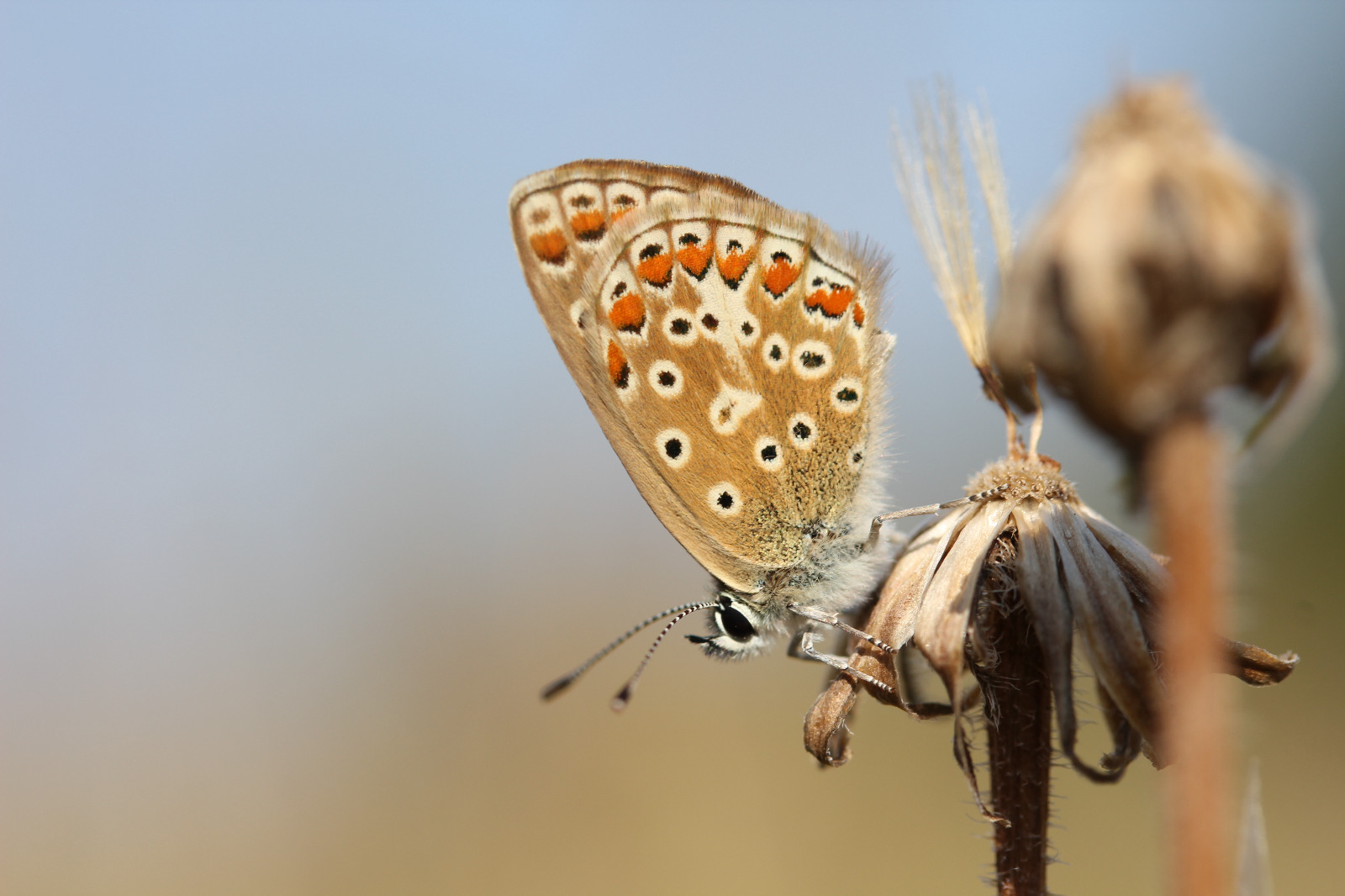
Holly Blue and Gatekeeper both had their best ever Big Butterfly Count results, with the Holly Blue increasing by 42% over the 16 years of Big Butterfly Count. The Small Copper had its third best year and has increased by 93%.
It was the second-worst year for Small Tortoiseshell, which has decreased by 66% since the Count began in 2010. Speckled Wood, Green-veined White and Ringlet – known to be sensitive to drought – showed declines of 44%, 54% and 39% respectively since 2011.
Top 10 Butterflies in 2026
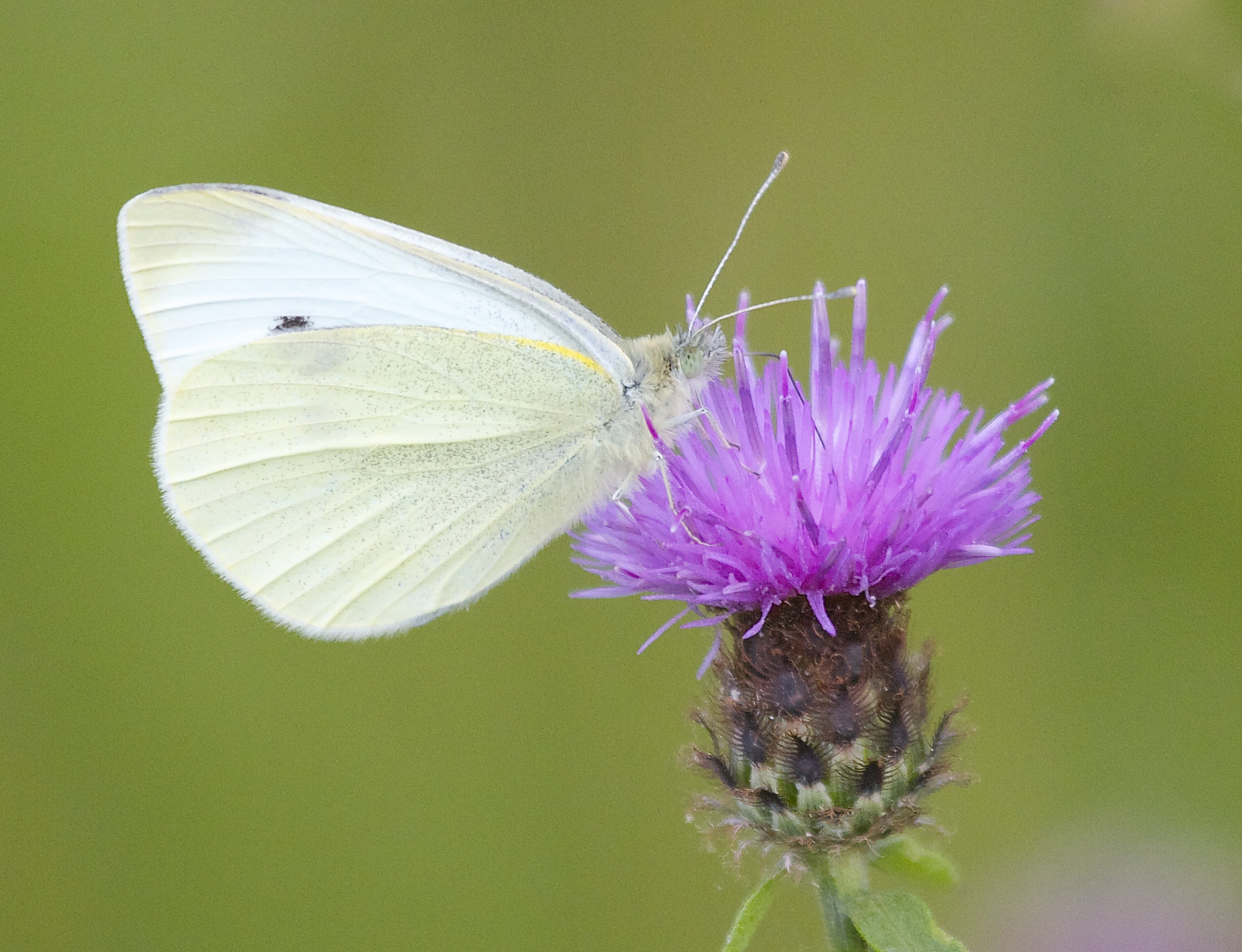
1. Small White
2. Gatekeeper
3. Large White
4. Red Admiral
5. Meadow Brown
6. Painted Lady
7. Common Blue
8. Peacock
9. Holly Blue
10. Small Tortoiseshell
Losses predicted for 2027
Butterfly Conservation's greater worry is the impact of the extreme summer weather across Britain on butterflies next year and in the longer term.
This year, many of the plants that caterpillars depend on had withered or died before the caterpillars had finished feeding on them, which could impact butterfly and moth populations in 2027.
Professor Fox said: "Our real worry isn't this summer, it's what happens next. We’ve been here before and it’s not good; the extreme droughts in 1976 and 1995 had severe impacts on butterfly populations, with some species never fully recovering. And the major problem we have now is that 80% of the UK’s butterflies have declined since the 1970s, so many are already struggling for survival, without these extreme weather pressures.
“With increasingly hot, dry summers and droughts predicted to become more and more frequent due to climate breakdown, degraded habitats and already depleted butterfly populations, some species may be pushed further and faster towards extinction, which is a very sombre thought. They are, quite simply, less resilient to these events, which means we could be looking at very difficult years ahead.”
What can we do?
Butterfly Conservation is calling on people across the UK to take three simple ‘drought-proofing’ actions in their gardens this winter to help caterpillars, and in turn, butterflies and moths.
Plant more trees and shrubs
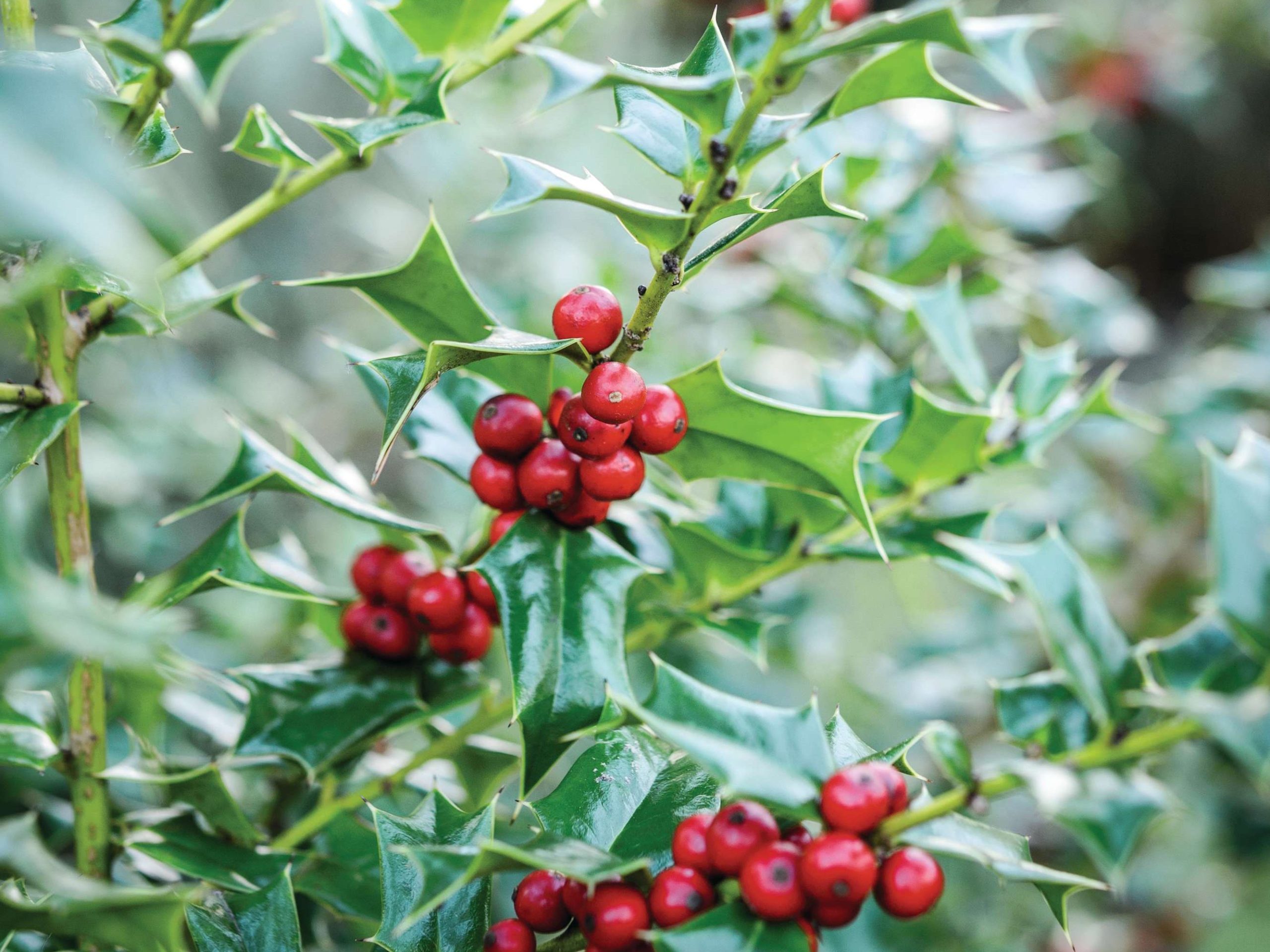
Butterfly Conservation is urging people to plant three common shrubs: holly, ivy and buckthorn. Holly and ivy together support garden favourite the Holly Blue, while flowering ivy is also a valuable late-season nectar source for Red Admiral and Comma, as well as a host of bees, moths and hoverflies. Buckthorns are the food source for Brimstone caterpillars, whose sunshine-yellow butterflies often herald the start of spring.
Oaks, hawthorn, birches, apples and willows all provide homes for caterpillars of a wide array of native moths, too.
You may also like
- Boost your butterfly numbers in your garden by doing this one thing
- Planting to support butterfly and moth caterpillars
Set up water butts
Collecting rainwater through autumn and winter, when it's plentiful, means there's a reserve to fall back on for key plants during a dry summer. With many hosepipe bans in 2026, preparing now could be the key to helping butterflies next year when the hot, dry weather is predicted to return. Watering key plants will prevent them from going over quickly, providing food and nectar for caterpillars and butterflies for longer.
Leave patches of grass to grow long
Butterfly Conservation research has showed that gardens with a patch of long grass saw up to 93% more butterflies, and a wider range of species.
Uncut grass develops deeper roots and stays green for longer than a closely mown lawn, which goes brown fast in a drought. Longer grass also provides caterpillar food plants for species like Speckled Wood, Meadow Brown and Gatekeeper, and creates cooler, damper conditions for butterflies to seek refuge in during heatwaves.
The Big Butterfly Count will return in 2027, when citizen scientists across the UK will be more important than ever before to help discover the true impact of this summer’s extreme weather.
The Big Butterfly Count 2027 takes place from Friday 9 July - Sunday 1 August.


