The name Achillea is derived from the Greek warrior Achilles, who is said to have used the plants to heal his soldiers’ wounds, and it was apparently chosen to reflect the resilience of these plants. While not necessarily long-lived, they’re tough, cold-hardy and tolerant of heat. Well-adapted to any type of soil, even poor soils that would see other plants struggle, so they’re easy to grow if their basic requirements for sun and good drainage are met.
Long-flowering, they have blooms in colours diverse enough to suit all tastes, and the seedheads look attractive during winter. They’re wildlife friendly, too, attracting an impressive array of insects looking for an accessible source of pollen and nectar.
Achilleas are native to temperate regions of the Northern Hemisphere, primarily western Asia and Europe with some species native to North America. They’re found in grassland, woodland and in mountainous regions. Common yarrow, Achillea millefolium, is native to the UK and can be found along roadsides and in lawns and rough grassland.
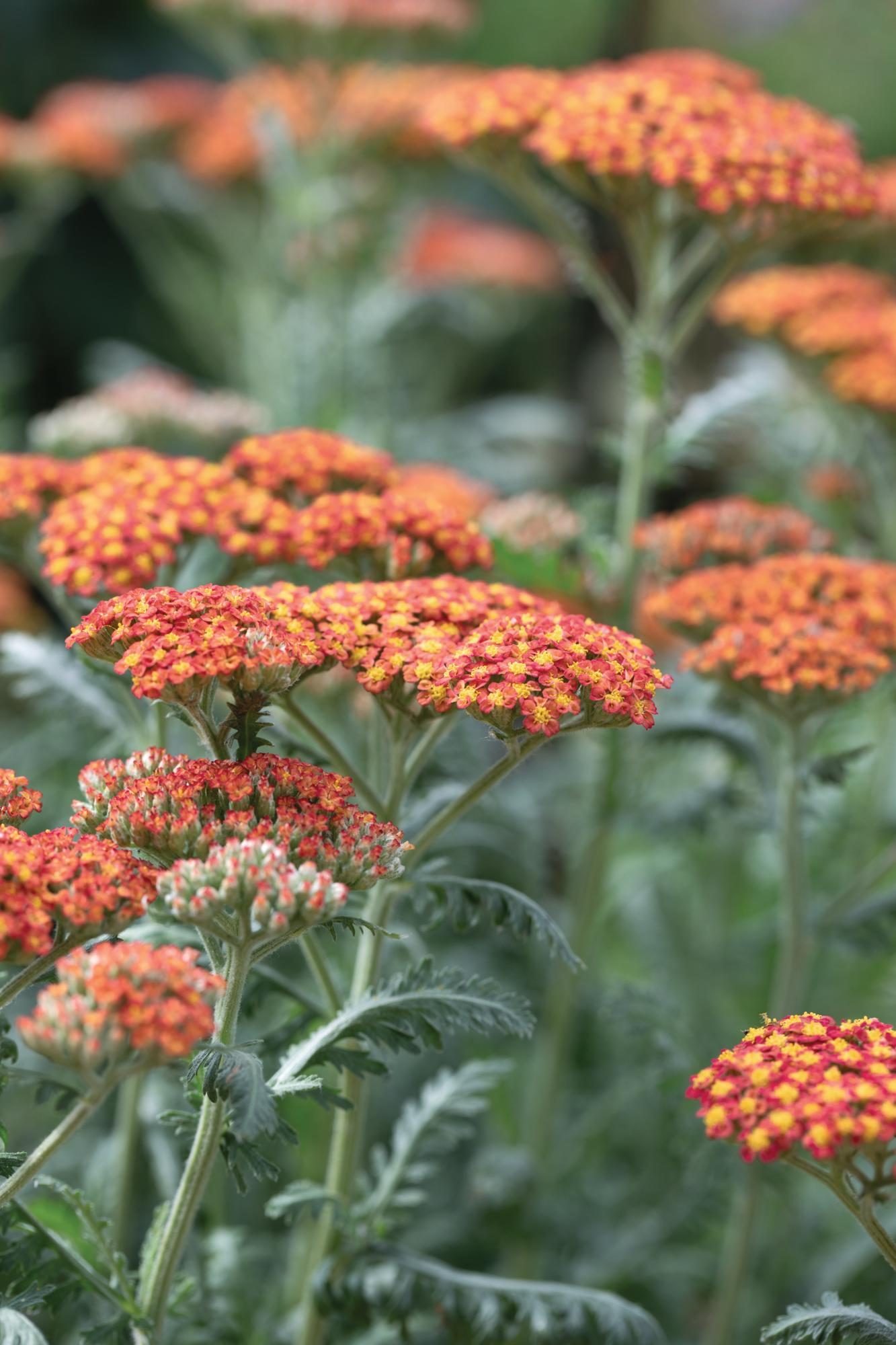
The ferny foliage is a key part of achilleas’ appeal. Plants of most A. millefolium and A. filipendulina
cultivars soon spread into a mat of soft, feathery, green or silvery-grey leaves that create useful groundcover. Stems are stiff and upright, and the flat or sometimes rounded flowerheads are formed by multiple flower-topped stalks growing from the top part of the stem, in a structure called a corymb. These are long lasting and can be left over winter to catch the frost. In the wild, the flower colour range is limited to white or pink, but among cultivars the choice now includes shades of red, orange, pink, lavender and golden or pale yellow. In most cultivars, flower colour fades as blooms age, creating a pretty, multi-toned display as new flowerheads open.
The number of cultivars available increases constantly. Breeding is concentrated on A. millefolium, but often employs other species. Crossing A. millefolium with an unnamed hybrid between A. millefolium and A. clypeolata led to the Galaxy Series. The aim was to create long-flowering plants with pastel flower colours that would be stable, along with stronger and more compact stems. The aims of the more recent New Vintage Series were similar, although with brighter, more vivid flower colours to suit current tastes, while the Sassy Summer Series has aimed for larger flowerheads with stronger stems to hold them, even in bad weather. All these aims are laudable and welcome, but it must be said that some older cultivars still hold their own in comparison to the newer introductions.
One of the key tips for keeping achilleas happy is to choose their growing spot wisely. They need sun for around six hours or more a day to ensure they flower well and don’t become leggy, and they need good drainage. They aren’t fussy about soil type and will grow well in acid or alkaline soil, and in poor soils without needing fertiliser. They can be grown on clay if it is improved so it drains well in winter. The soil at Worth Park Gardens in West Sussex, which holds the National Collection of Achillea millefolium and Achillea filipendulina, has a high clay content, but head gardener and curator Stephen Peters added compost and grit to improve drainage before he and his team began planting the collection.
You may also like
Achilleas add structure to mixed planting in a way that’s relaxed and informal, their flat-topped flowers creating contrast with flowers on spikes and bushier plants. The flower shape works well in the tapestry plantings of perennials and grasses popularised by the designer Piet Oudolf, and you can create this look on a smaller scale using compact cultivars. Their robust constitution makes them ideal for gravel gardens too, combined with euphorbias such as E. griffithii ‘Fireglow’, Verbascum ‘Caribbean Crush’ or V. chaixii ‘Album’, annual poppies and perennial grasses such as Pennisetum orientale with shorter cultivars, or P. ‘Fairy Tails’ with taller ones. In mixed borders and cottage-style gardens, achilleas combine easily with perennials such as hardy salvias, hardy geraniums, heleniums and echinaceas, while agastaches and asters come in a similar range of heights. You could combine Achillea ‘Coronation Gold’ or A. filipendulina ‘Gold Plate’ with Symphyotrichum turbinellum and Agastache ‘Blue Boa’, and shorter
A. millefolium cultivars with Aster x frikartii ‘Mönch’ and Agastache rugosa Beelicious Purple (= ‘Agapd’).
How to grow achilleas
Where to plant achilleas
Choose a site that has at least six hours a day of direct sun. Make sure you dig a hole large enough to accommodate the roots easily, but don’t plant them deeper than they were in the pot. There’s no need to add fertiliser, but you should water well after planting. Any soil type is fine, but it needs to be welldrained in winter and preferably moist but well-drained in summer. Add compost and grit to clay soils before planting.
When to plant achilleas
Ideally in spring, when the warming soil encourages good root development, or early autumn.
Caring for achilleas
Keep new plantings moist until they’re well settled and growing strongly. After that they’re drought tolerant but will flower better if you water them in prolonged dry spells. Feeding can lead to floppiness, so avoid high-nitrogen feeds early in the year. A light, high-potash feed can be used in summer to encourage re-flowering but it’s not usually needed.
Deadhead plants by cutting finished stems at their base in early and midsummer to encourage more flowers. In late summer, leave stems in place so you can enjoy the seedheads. Divide established clumps every few years in spring by digging them up and separating them into smaller sections. This encourages them to keep flowering and keeps their spread in check.
You may also like
- How to keep the colour coming through the summer months
- Four beautiful plant combinations for summer
Propagating achilleas
Plants can be propagated easily by division. Dig up a clump and pull sections apart into smaller pieces, or for dense clumps use a couple of forks placed back-to-back to force sections apart. Replant the sections straight away or pot them up to grow on before planting. You can also sow seeds on the surface of a good seed compost in spring and keep moist and warm (18-25ºC) until they germinate. Prick out and grow on at cooler temperatures before planting out after the last frost. They cross-pollinate freely, so plants from collected seeds will usually differ from the parent.
Problems with achilleas
Aphids and powdery mildew are the most common problems. Aphids are best dealt with by birds and insects. If the infestation is large, try squashing aphids by hand. Drought stress makes powdery mildew infection more likely, so you can reduce the spread by watering plants, and try watering leaves to wet them in the day, as powdery mildew doesn’t like direct contact with water. High humidity and stagnant air help it to spread so try not to let plants become overcrowded or overshadowed by surrounding growth as that reduces air flow and increases the chance of infection.
The best achillea to grow
Achillea millefolium ‘Lilac Beauty’
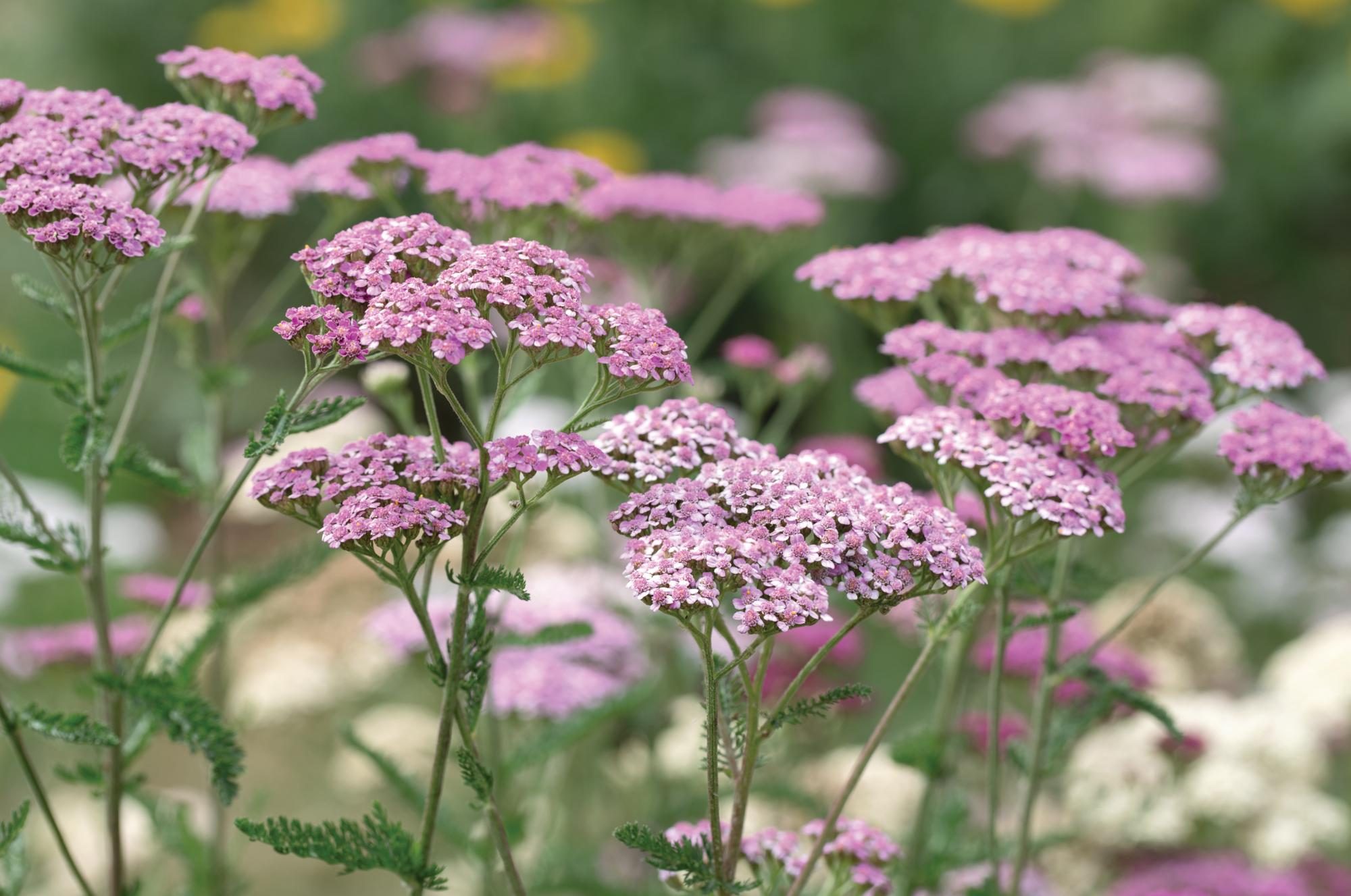
A delicate cultivar with small, frond-like leaves and slender stems that create an airy display of small flowerheads. The lilac flowers fade to paler shades of pink. Height and spread: 80cm x 60cm. RHS H7, USDA 3a-9b†
Achillea ‘Walther Funcke’
With a distinctive flower colour that starts rusty red and fades to shades of terracotta, this popular cultivar has upright stems and large flowerheads. 70cm x 40cm. RHS H7, USDA 3a-9b.
Achillea millefolium ‘Red Velvet’
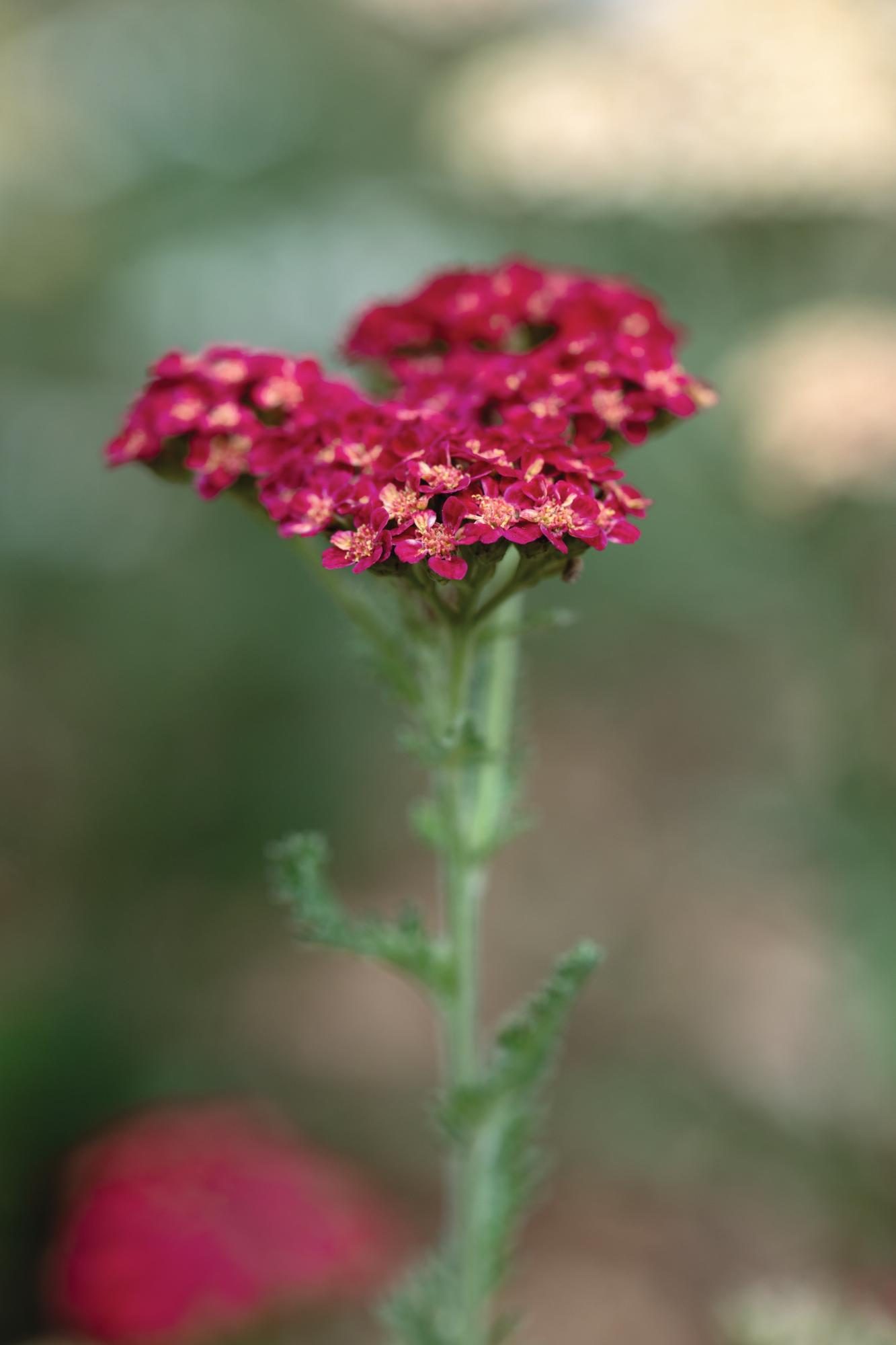
A more mounding shape than many achilleas, it is also unusual in the richness of its flower colour, and how long that colour is retained. Taller than others, and holds its shape well. 80cm x 50cm. AGM*. RHS H7, USDA 3a-9b.
You may also like
Achillea millefolium ‘Rose Madder’
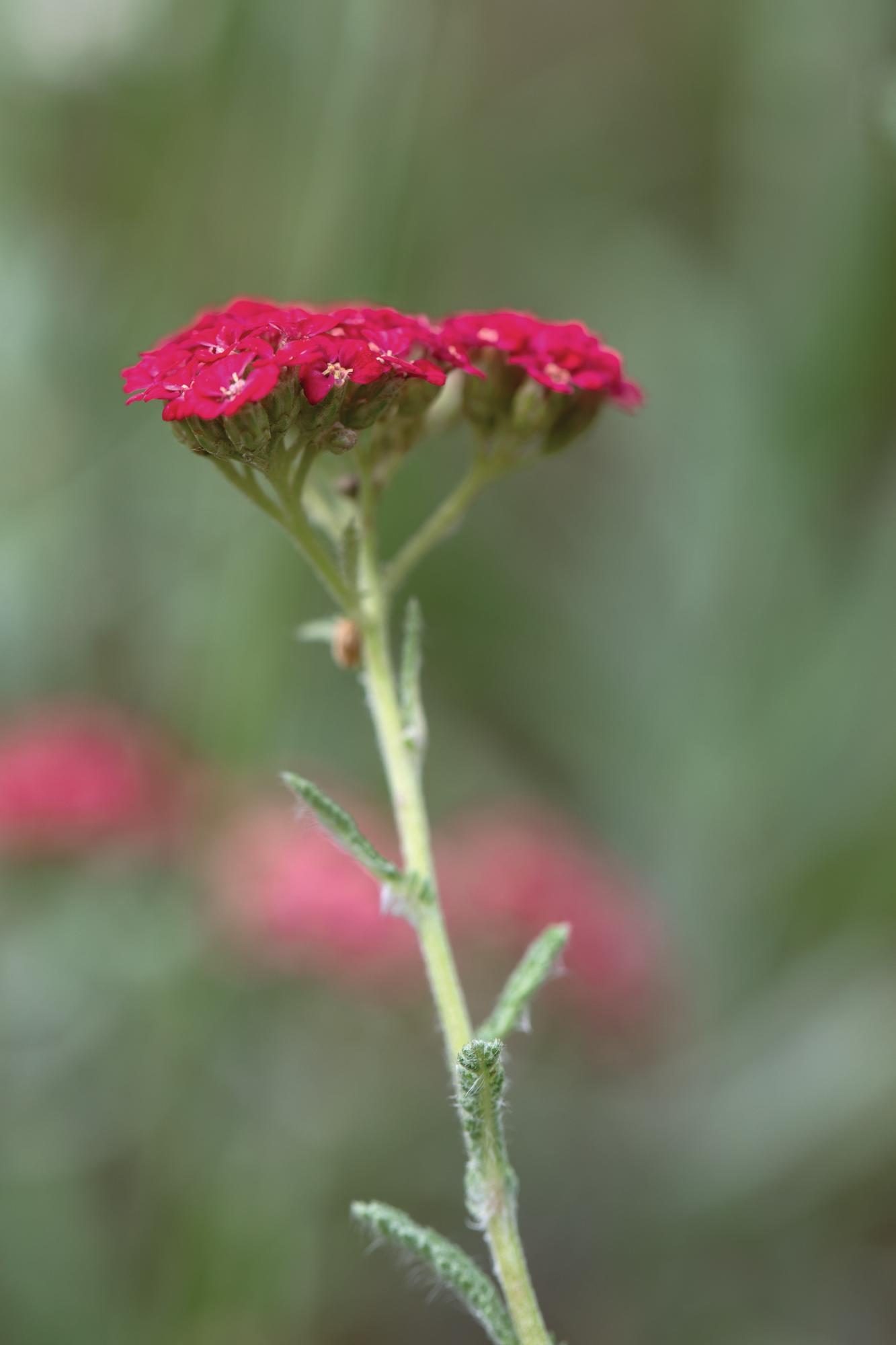
Its bright-pink flowers look striking against dark-green foliage, and then fade to pale pink and white to give a more varied display. An excellent repeat flowerer, it can still be in bloom in November. 60cm x 60cm. RHS H7, USDA 3a-9b.
Achillea ‘Coronation Gold’
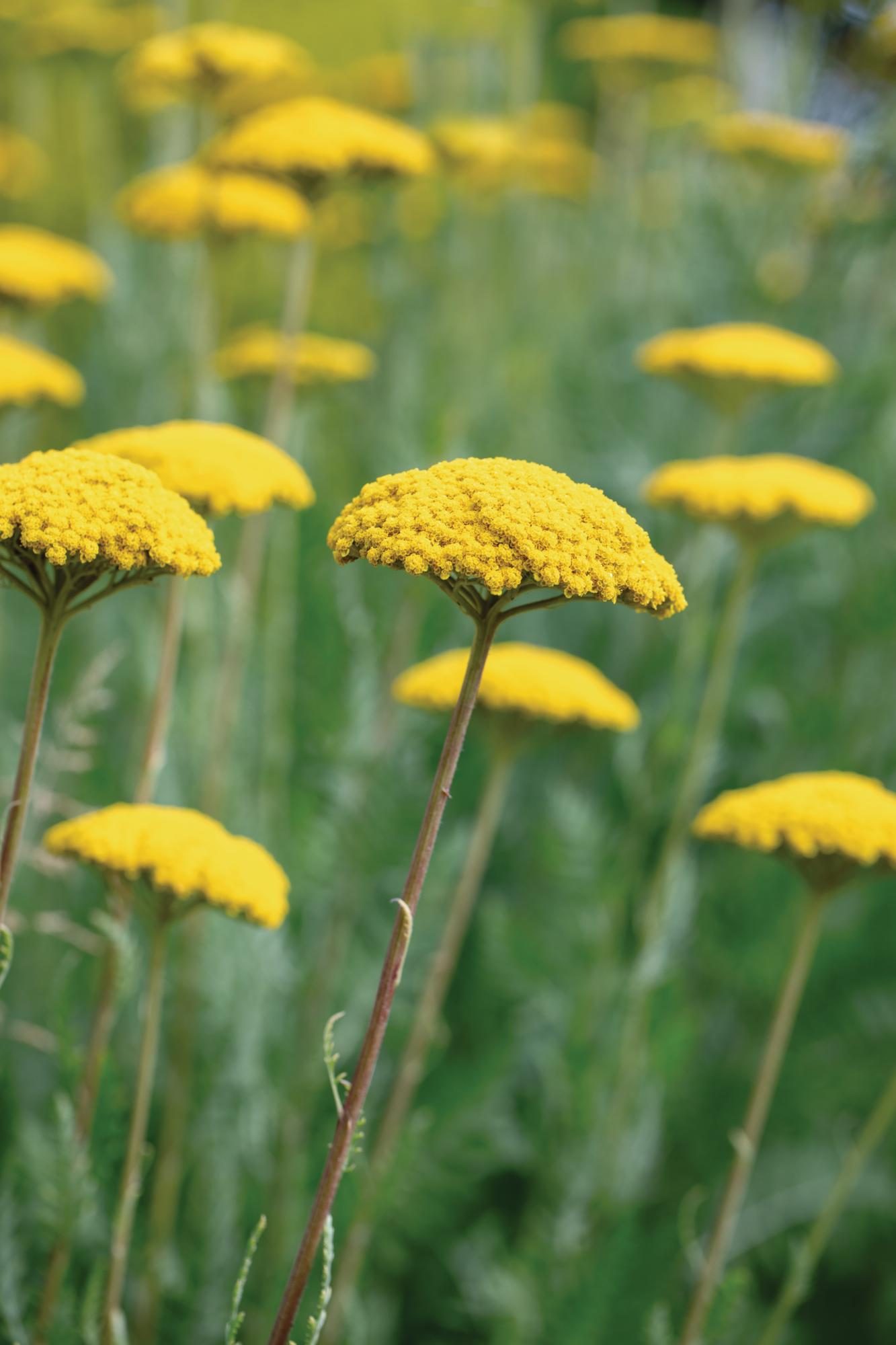
Named for the coronation of Elizabeth II, this hybrid of A. filipendulina and A. clypeolata flowers for months and rarely needs staking. 1.2m x 60cm. AGM. RHS H7, USDA 3a-8b.
Achillea millefolium New Vintage White (= ‘Balvinwite’)
One of the New Vintage Series, introduced by Darwin Perennials, this dainty little plant with greyish-green foliage only fades a little with age. 30cm x 30cm. RHS H7, USDA 3a-9b.
Achillea millefolium ‘Cassis’
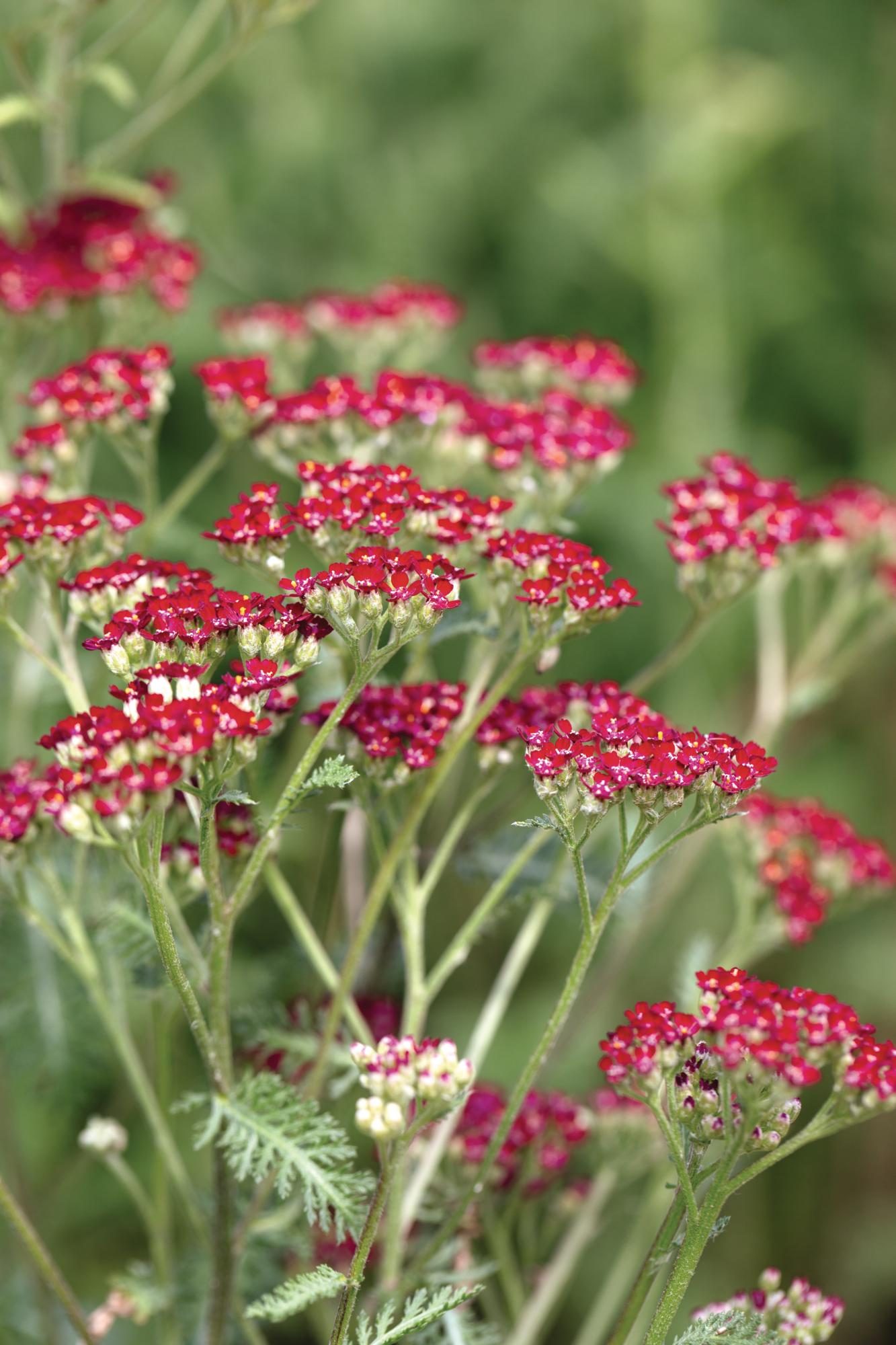
With an intense flower colour that only fades a little, this is a bit of a spreader but has a good shape and a long flowering period. Can be grown from seed. 60cm x 40cm. RHS H7, USDA 3a-9b.
Achillea millefolium ‘Pomegranate’
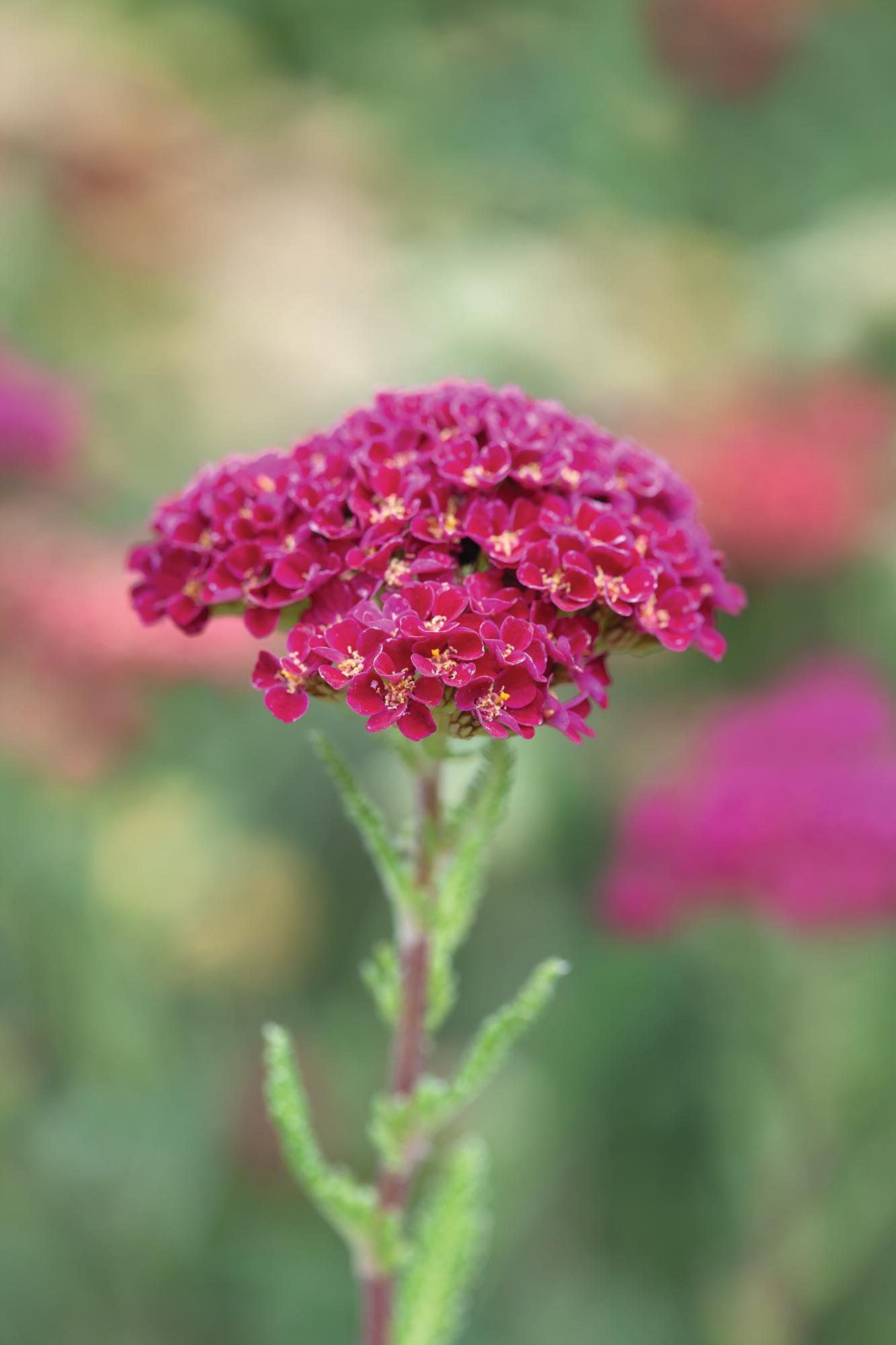
One of the Tutti Frutti Series introduced by Blooms of Bressingham in 2007 Compact but quickly forms a good clump. The flower colour fades to pale pink. 40cm x 40cm. RHS H7, USDA 3a-9b.
Achillea ptarmica ‘The Pearl’
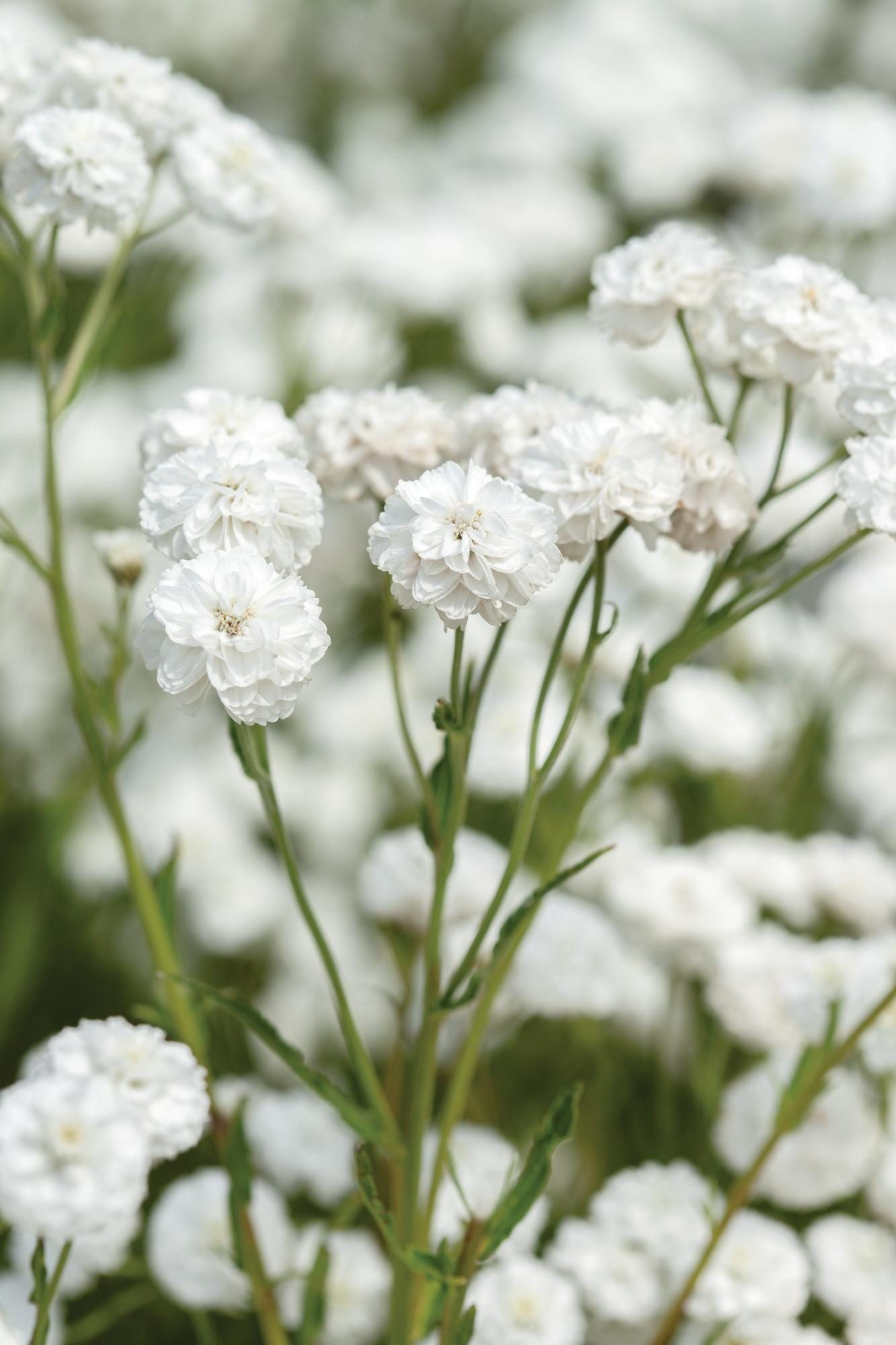
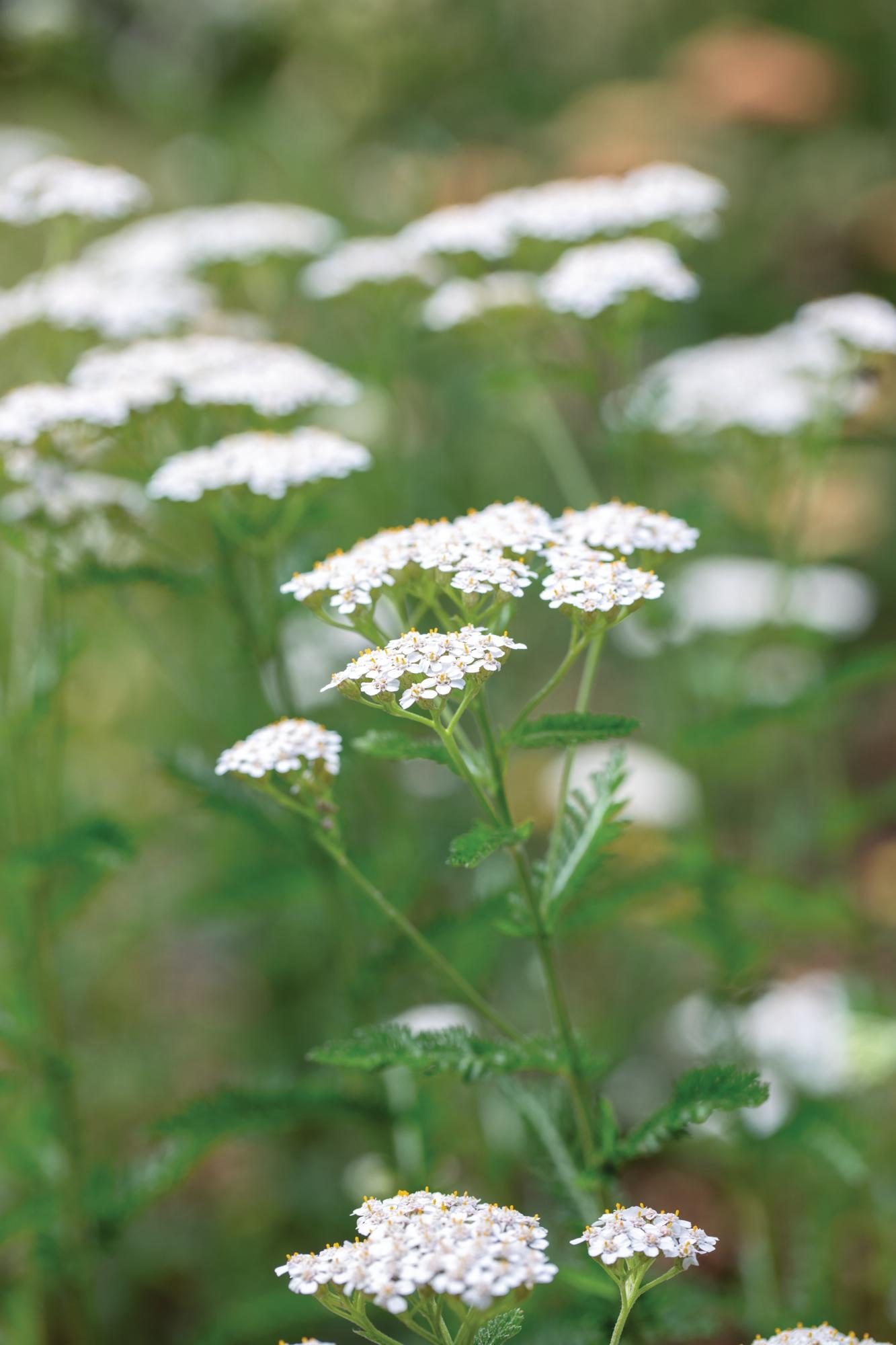
With lance-shaped leaves and semi-double or double button-like blooms from June to August, it grows quickly into a large mound. Better adapted to light shade than other achilleas. 90cm x 90cm. RHS H7, USDA 3a-9b
Achillea ‘Terracotta’
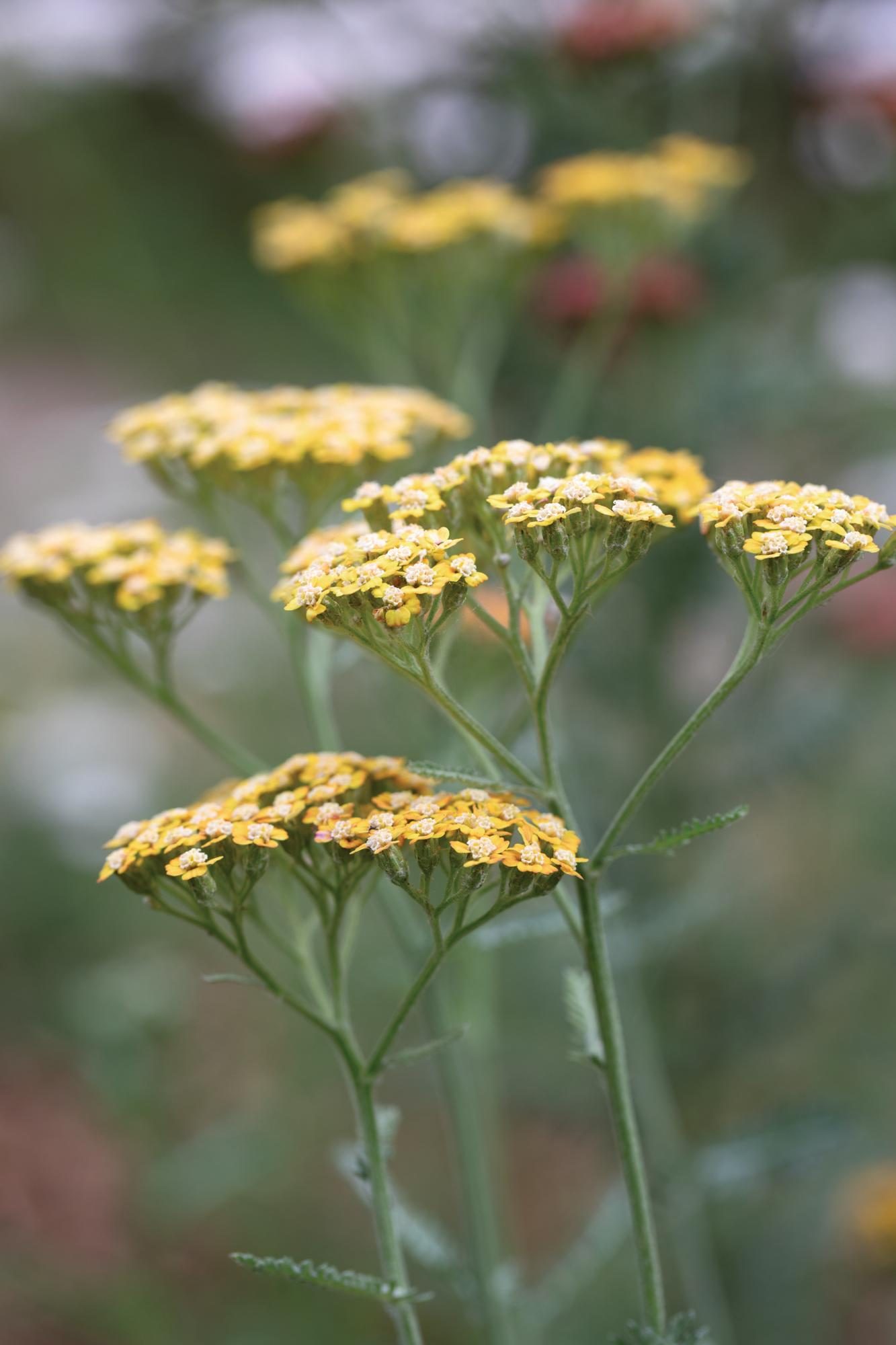
Given the number of blooms on this cultivar, it might be surprising that it holds its shape so well. The colour is invitingly
warm, and it has a long flowering season. Blooms fade to cream as they mature. 70cm x 70cm. RHS H7, USDA 3a-8b.
Achillea ‘Credo’
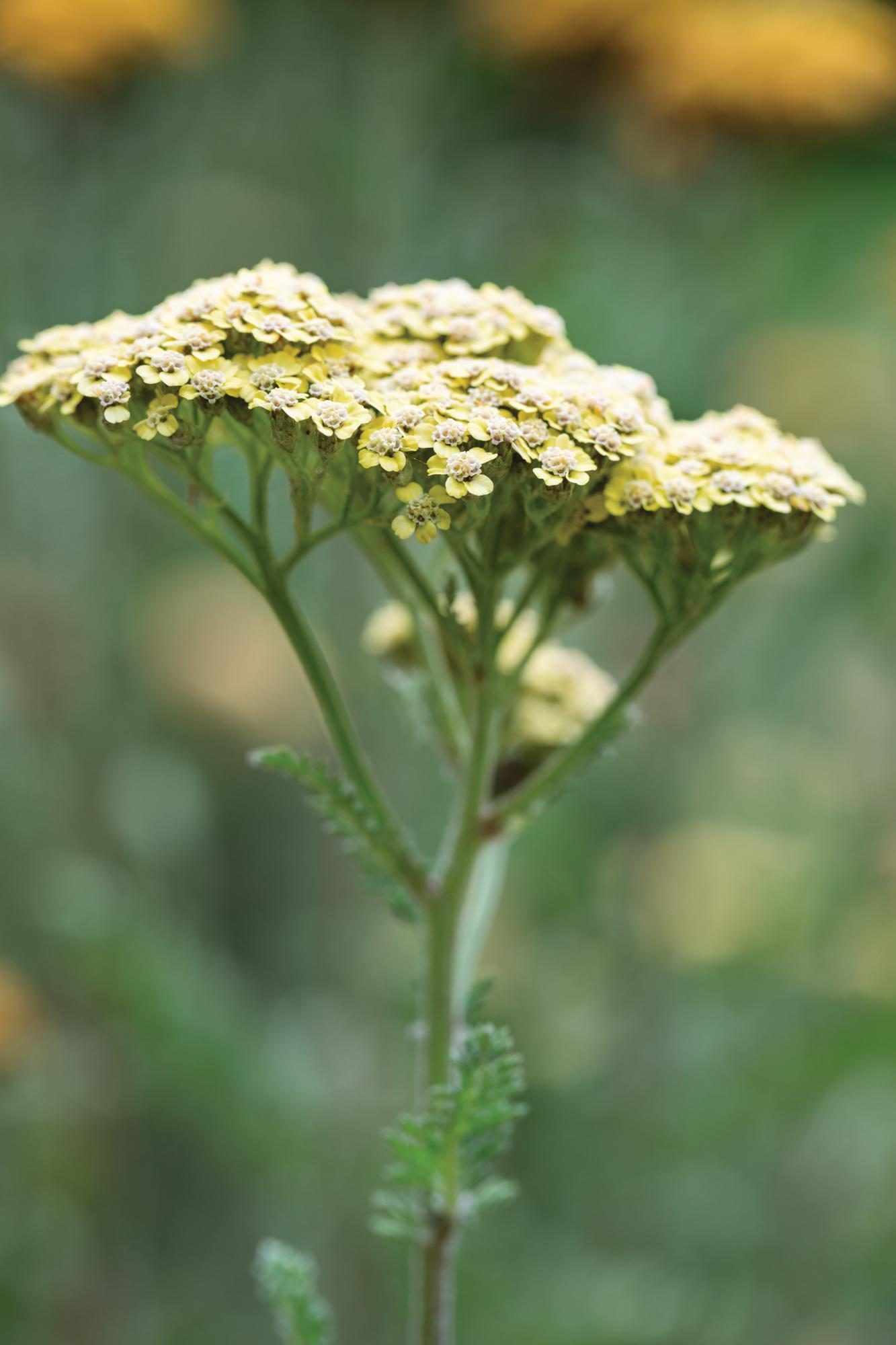
The pale-lemon colour fades to cream with age, and is an easier colour to combine with other plants than some of the bolder yellows. Strong stems hold the flowerheads firmly without becoming floppy. 1.2m x 60cm. AGM. RHS H7, USDA 3a-9b.
Achillea ‘Summerwine’
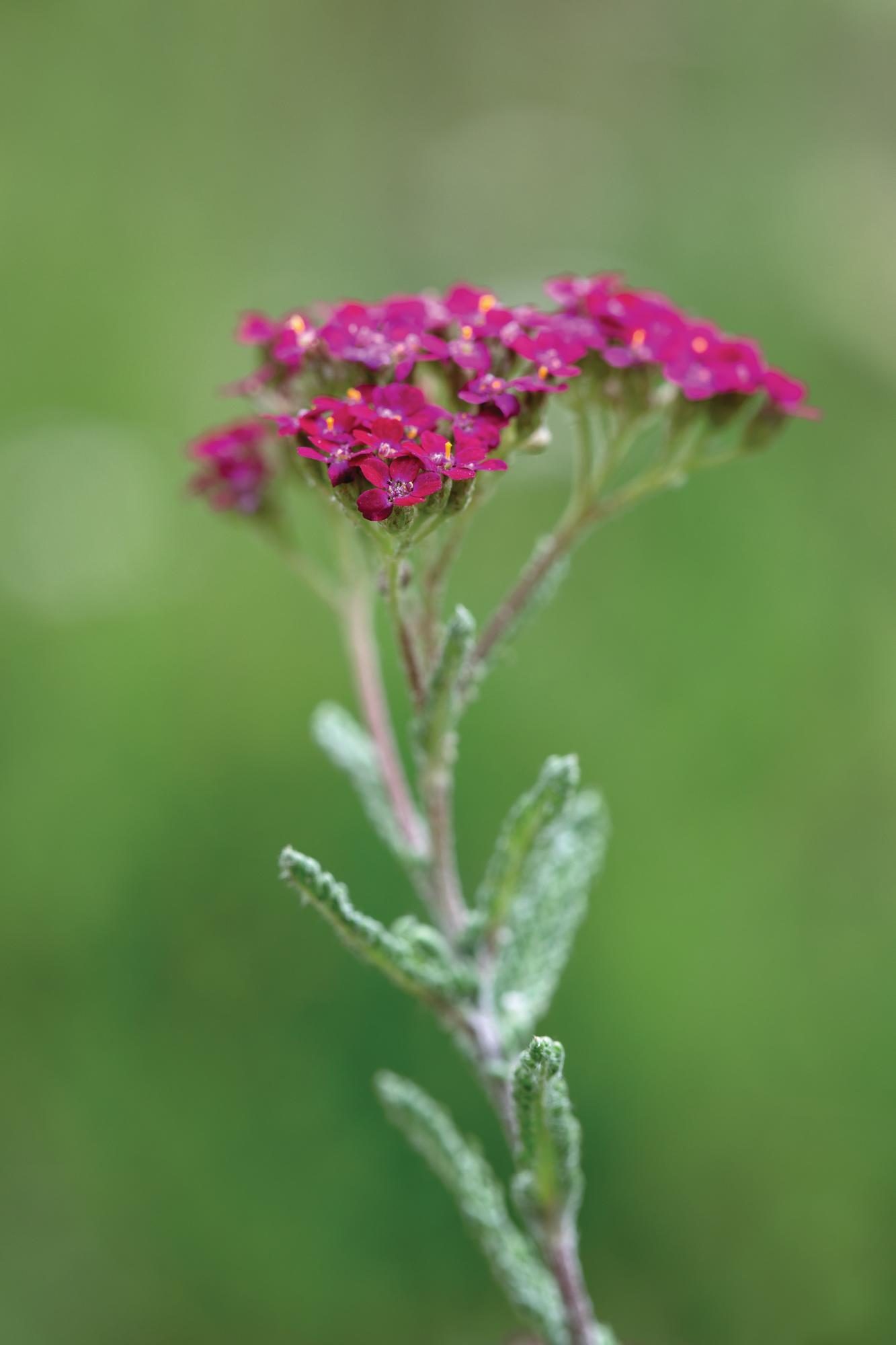
Small flowers, but their impact is enhanced by the contrast of the white eye against dark petals, which fade to buff pink. Tall and slow to spread, it works well in smaller gardens. 90cm x 60cm. AGM. RHS H7, USDA 3a-8b.
Achillea ‘Apfelblüte’
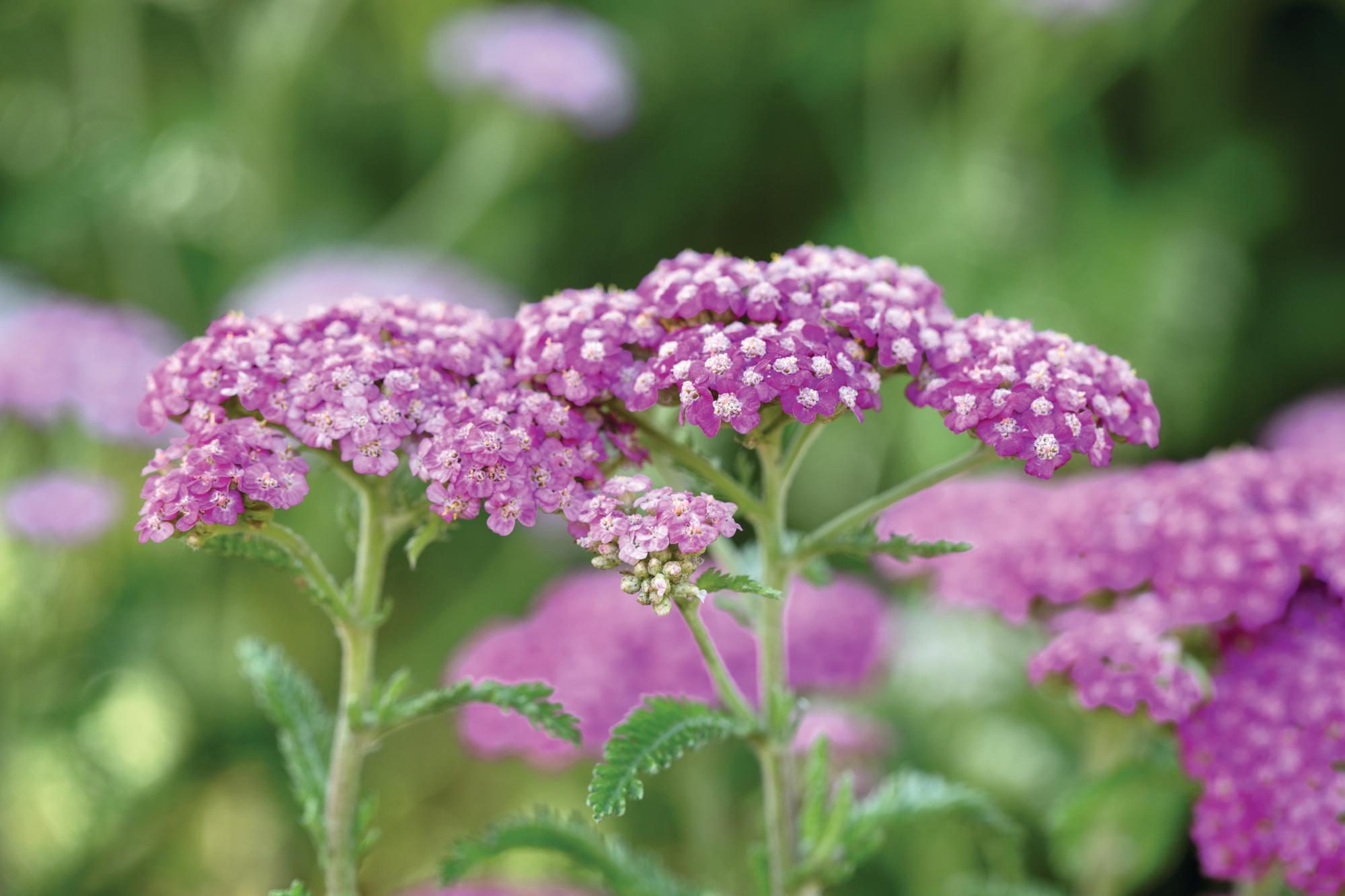
One of the Galaxy Series introduced around 30 years ago. The bright-pink flowers fade to a more apple blossom-like light pink and white. The tall stems are reliably selfsupporting. 80cm x 45cm. RHS H7, USDA 3a-9b.


