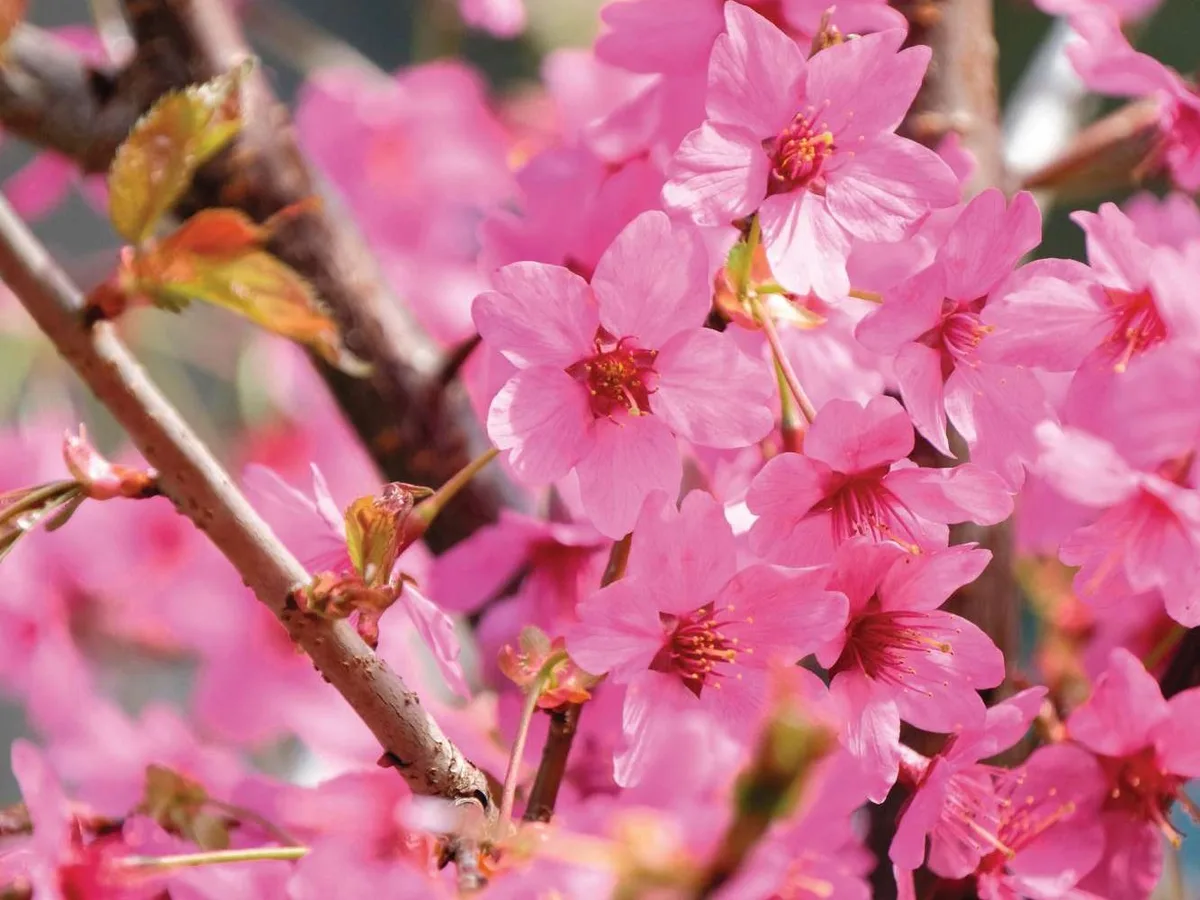
The appearance of the first spring blossom is a much-anticipated seasonal landmark, capturing all the excitement and promise of this wonderful time of year. There is an overwhelming selection of spring-flowering trees and shrubs available, in a variety of shapes and forms, with flowers in a range of colours, meaning that at least one can be found to suit gardens of every size or style. Many are hard-working plants offering structure, shade and shelter, and often more than one season of interest: always an important consideration when gardening with limited space.
Spring blossom should also not be overlooked as an early source of nectar for pollinators. While it’s impossible to discuss all of them, I have managed to choose some of my favourites, which are represented in most large public gardens or arboreta, as well as specialist nurseries.
The best plants for spring blossom
Cercis chinensis ‘Avondale’
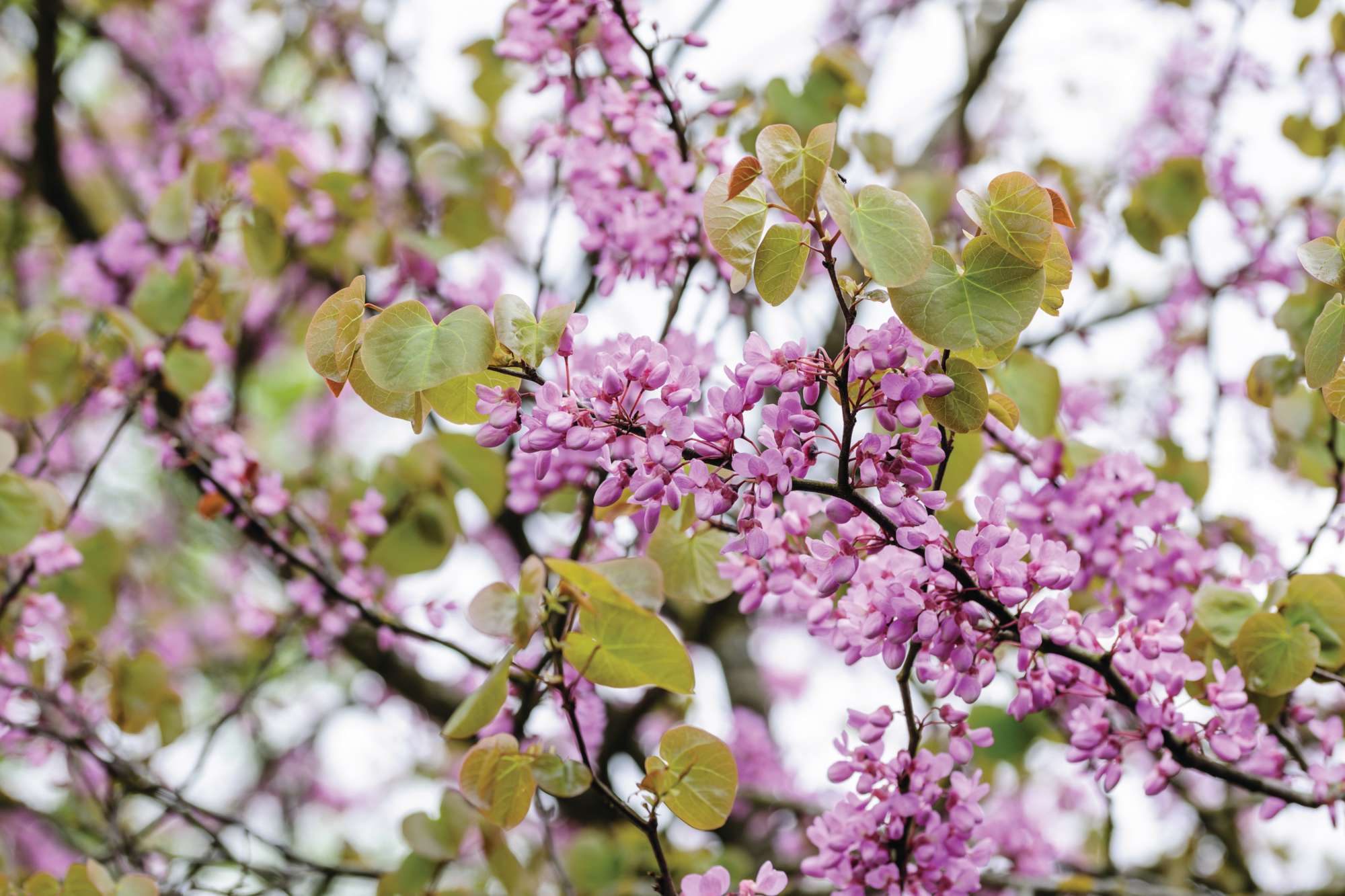
Bright-pink pea flowers emerge from purple buds, along every bare bit of stem. Glossy, green, heart-shaped leaves turn brilliant gold in autumn. Tolerant of heat and drought.
Height and spread 3m x 2.5m. Award of Garden Merit (AGM). Hardiness rating RHS H5, USDA 6a-9b†.
You may also like
- Want beautiful cherry blossom in your garden? Here are 18 of the best cherry blossom trees to plant
- 9 flowers to buy at the garden centre NOW to quickly spruce up your garden
Prunus 'The Bride'
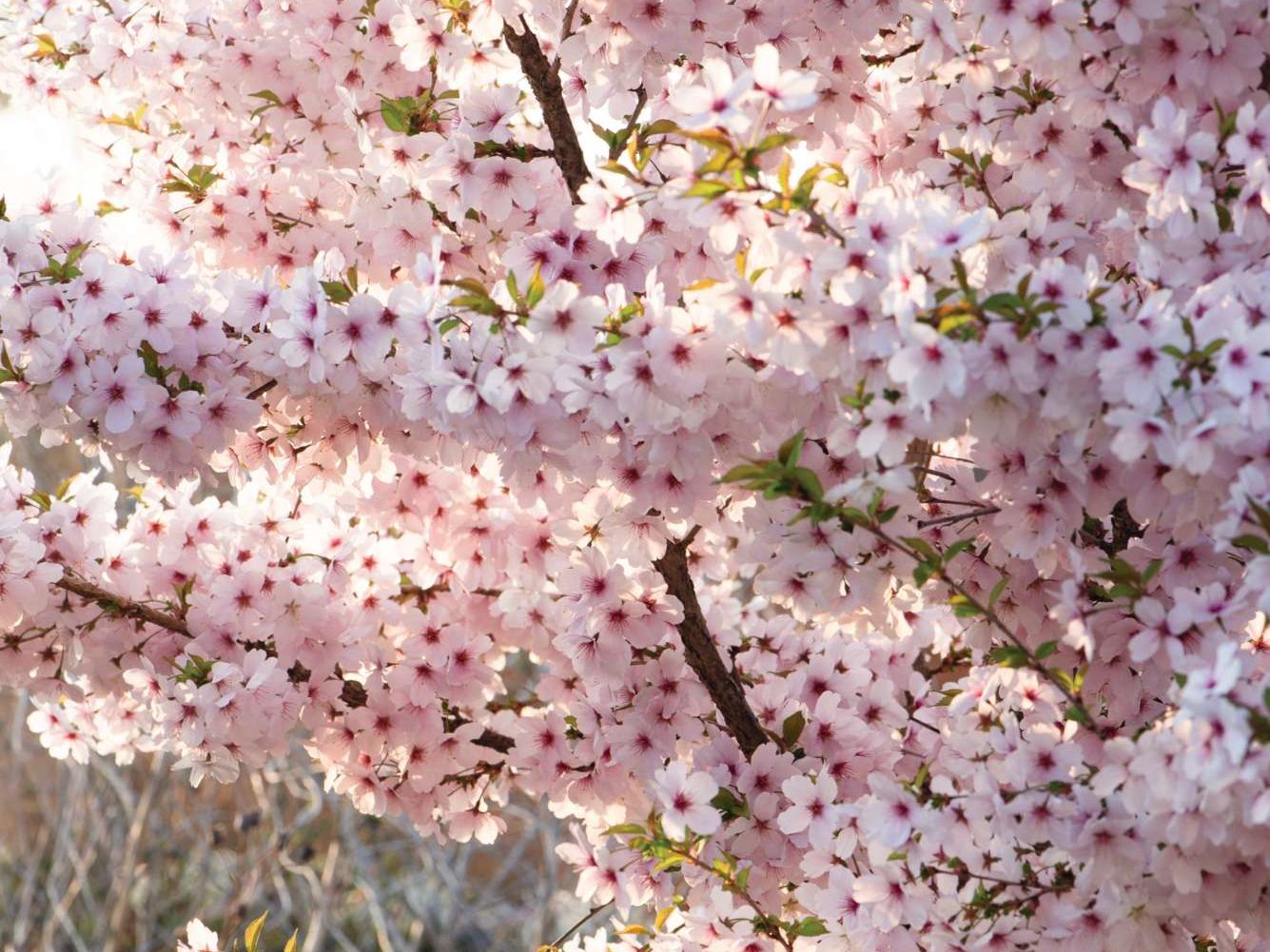
As the ‘poster child’ of the spring blossom season, flowering cherries are quite understandably one of the most popular ornamental trees sold in the UK. Tough, easy-going and spectacular in a range of conditions, they vary from broad, spreading cultivars, such as Prunus ‘Shirotae’, to upright, fastigiate forms such as P. ‘Amanogawa’, ideal for confined spaces.
Prunus ‘The Bride’ would be suitable for growing in the smallest garden and a large container. A favourite flowering cherry for a small garden, making a modest, shrubby tree smothered in masses of the purest white flowers, with reddish-pink centres.
Height and spread 4m x 4m. AGM. Hardiness rating RHS H6, USDA 6a-8b.
Prunus Chocolate Ice (='Matsumae-fuki')
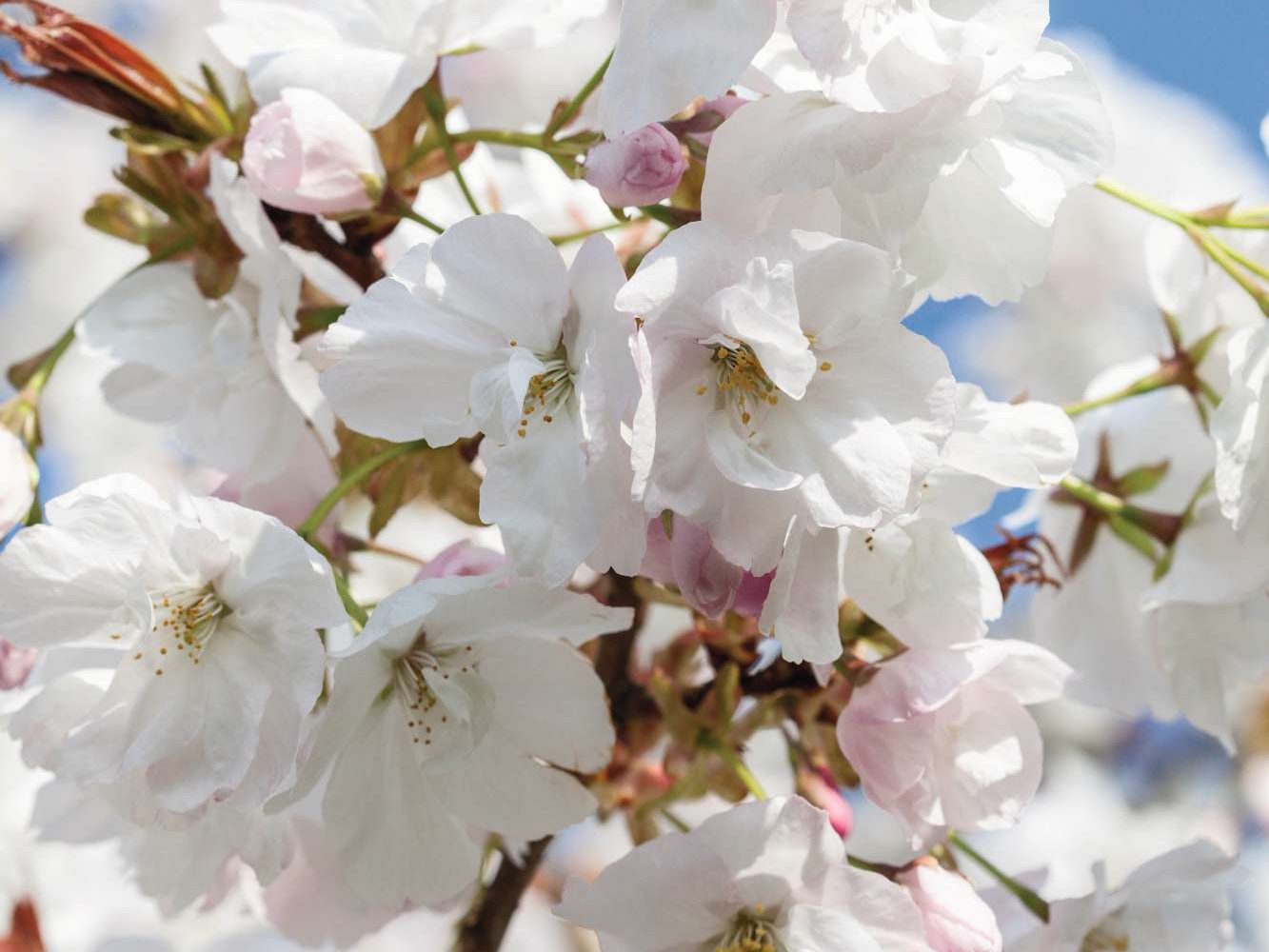
One of the best of the Matsumae cultivars, bred in Japan. I love it for its profusion of large white flowers, set off brilliantly by the saturated redbronze emerging leaves. The Matsumae cultivars are bred by Masatoshi Asari in Hokkaido and come highly recommended, all performing exceptionally well in the UK.
Height and spread 4m x 4m. AGM. Hardiness rating RHS H6, USDA 4a-8b.
Malus brevipes 'Wedding Bouquet'
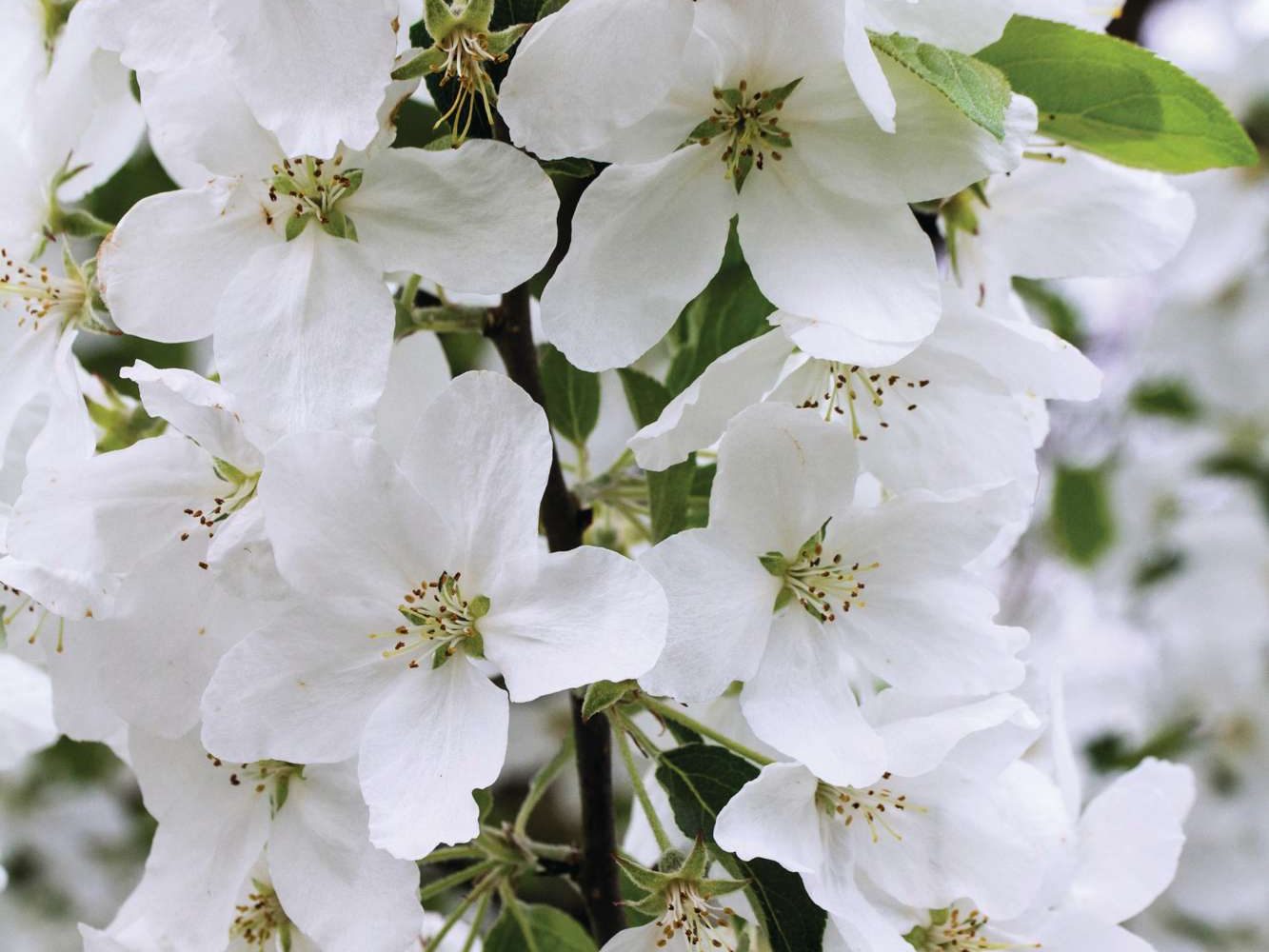
Large white flowers produced in profusion on a small, weeping tree. Reliably followed by an excellent display of small, bright-red fruits, which last on the tree well into winter.
Height and spread 4m x 4m. AGM. Hardiness rating RHS H6, USDA 4a-8b.
You may also like
- Think you want a small tree? You really need a 'trub' - a tree-like shrub - and we've got 13 expert picks
- Bring blooms, colour and scent to your garden right now with the expert’s pick of exquisite early flowering shrubs
Paulownia fortunei Fast Blue (= ‘Minfast’)
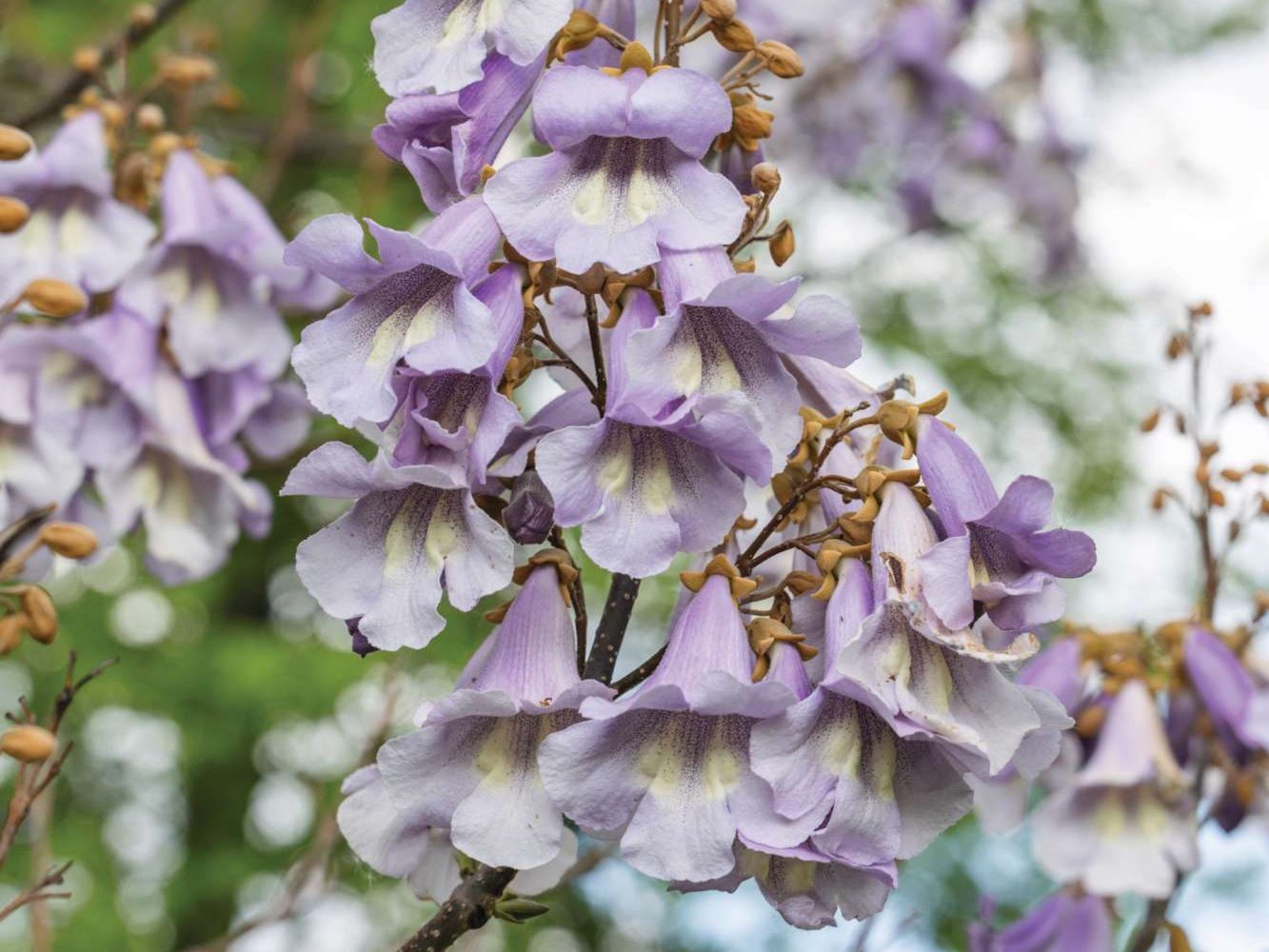
Perhaps the closest thing to Jacaranda we can grow outside in the UK are the foxglove trees (Paulownia). Only feasible in the largest garden or a landscape setting, they can grow very rapidly into a spectacular specimen tree.
The Paulownia fortunei Fast Blue (= ‘Minfast’) at RHS Garden Wisley has done exactly that and has flowered heavily from a relatively young age.
It is an astonishingly fastgrowing tree, with a dome-shaped crown and large foxglove-like fragrant flowers. A spectacular choice. Where such a big tree would not be suitable, a large shrub, such as Cercis chinensis, makes a good alternative.
Height and spread 15m x 10m. AGM. Hardiness rating RHS H5
Malus ‘Princeton Cardinal’
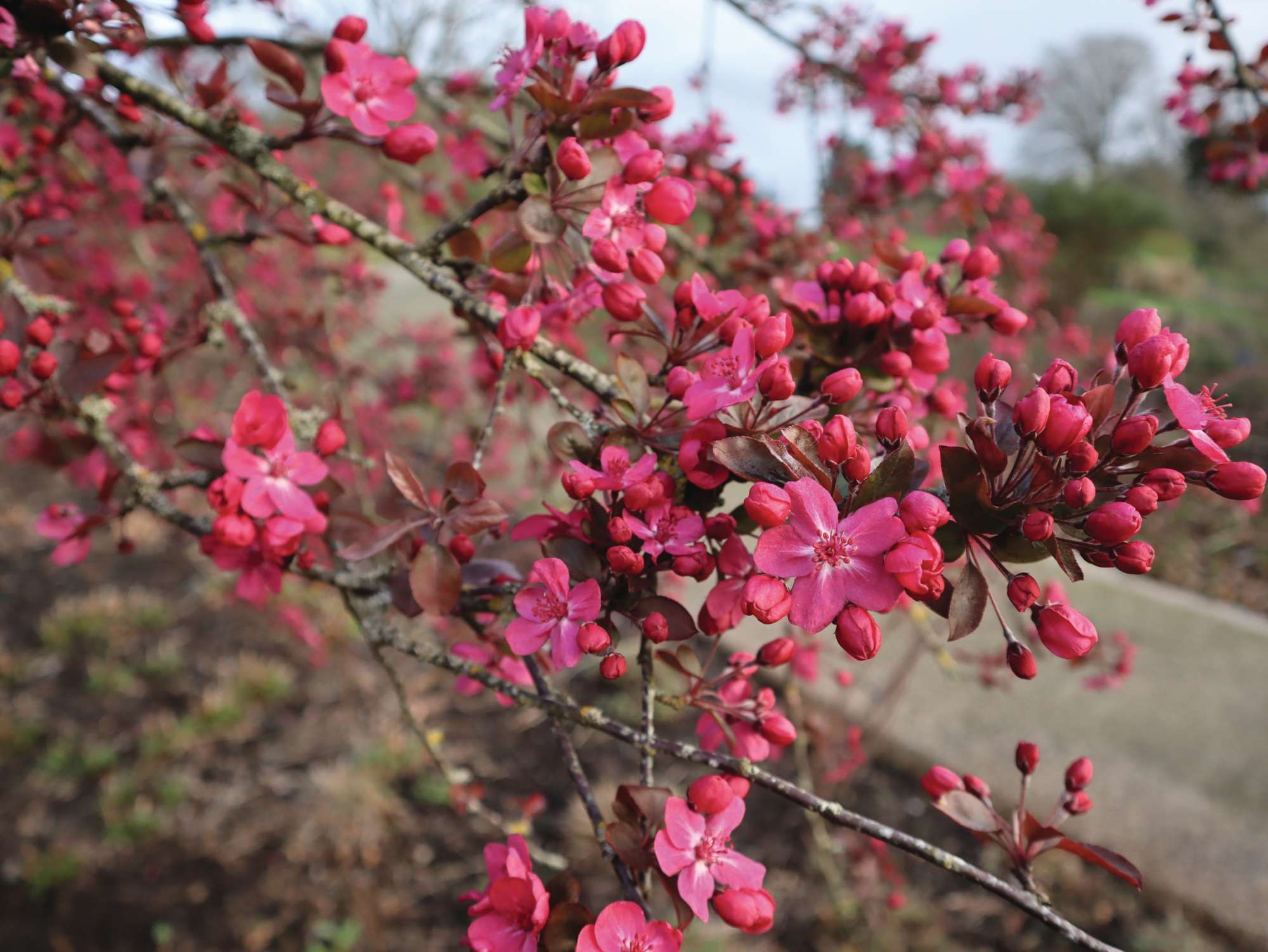
Probably the best of the dark-leaved crab apples. Its purple leaves pair well with the intense redpink flowers. These are followed by small purple fruits.
Height and spread 4m x 3m. AGM. Hardiness rating RHS H6, USDA 5a-8b
You may also like
Magnolia ‘Purple Sensation’
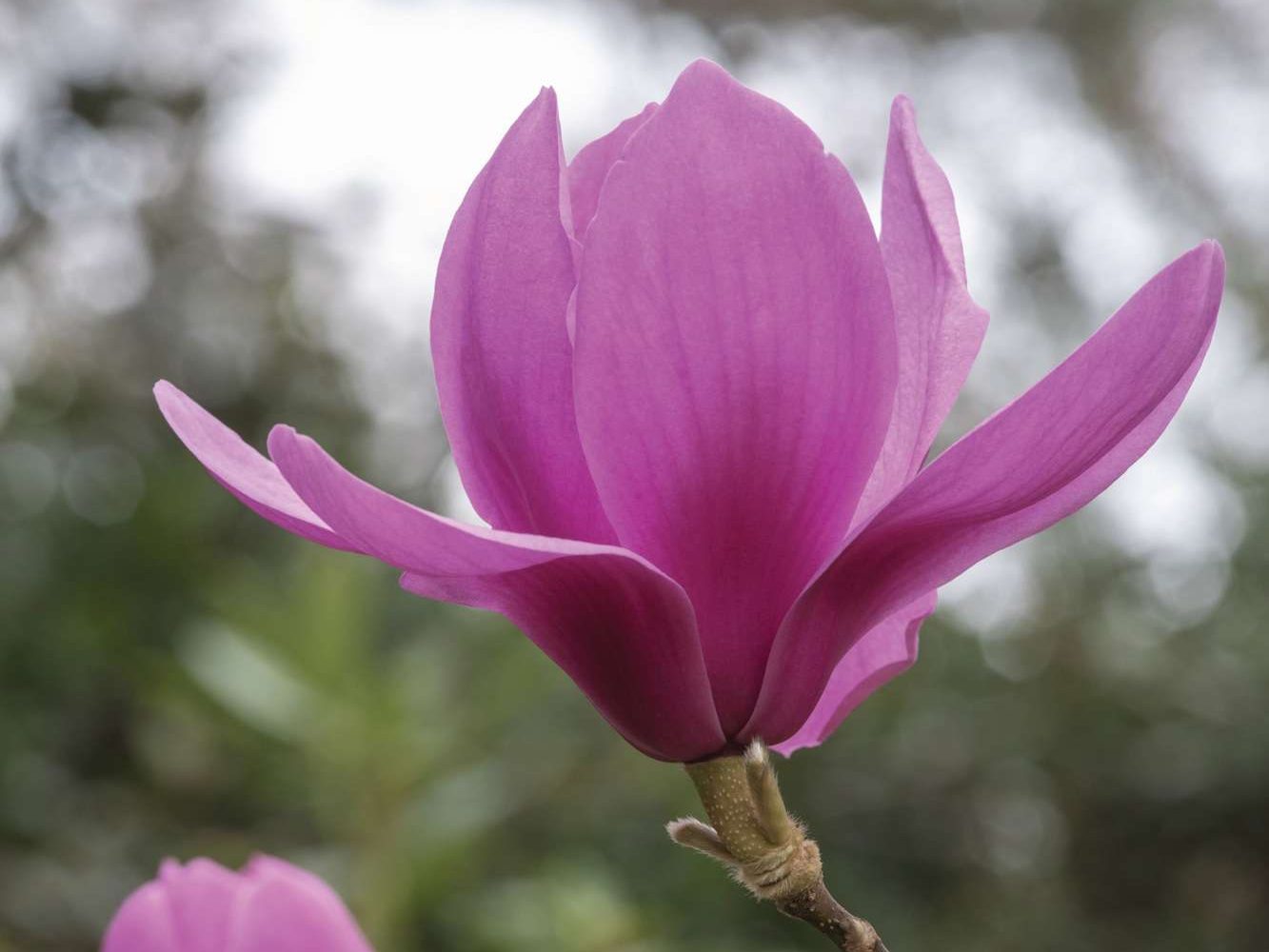
Magnolias are the undeniable aristocrats of the spring garden, from the goblets of Magnolia x soulangeana to the magnificent Asiatic types such as M. campbellii. Again, there is a proliferation of named cultivars to choose from, which, thanks to modern breeding, especially in New Zealand, now include many free-flowering, more weather-proof cultivars in sumptuous rich colours.
Magnolia Felix Jury (= ‘Jurmag2’), M. ‘Ruth’ and M. ‘Purple Sensation’ are among the best of these. 'Purple Sensation' is one of several hybrids from New Zealand that combine the richness of colour of M. campbellii and the toughness and later flowering of M. lilliflora.
Height and spread 8m x 8m. Hardiness rating RHS H4, USDA 5a-8b
Staphylea holocarpa var. rosea
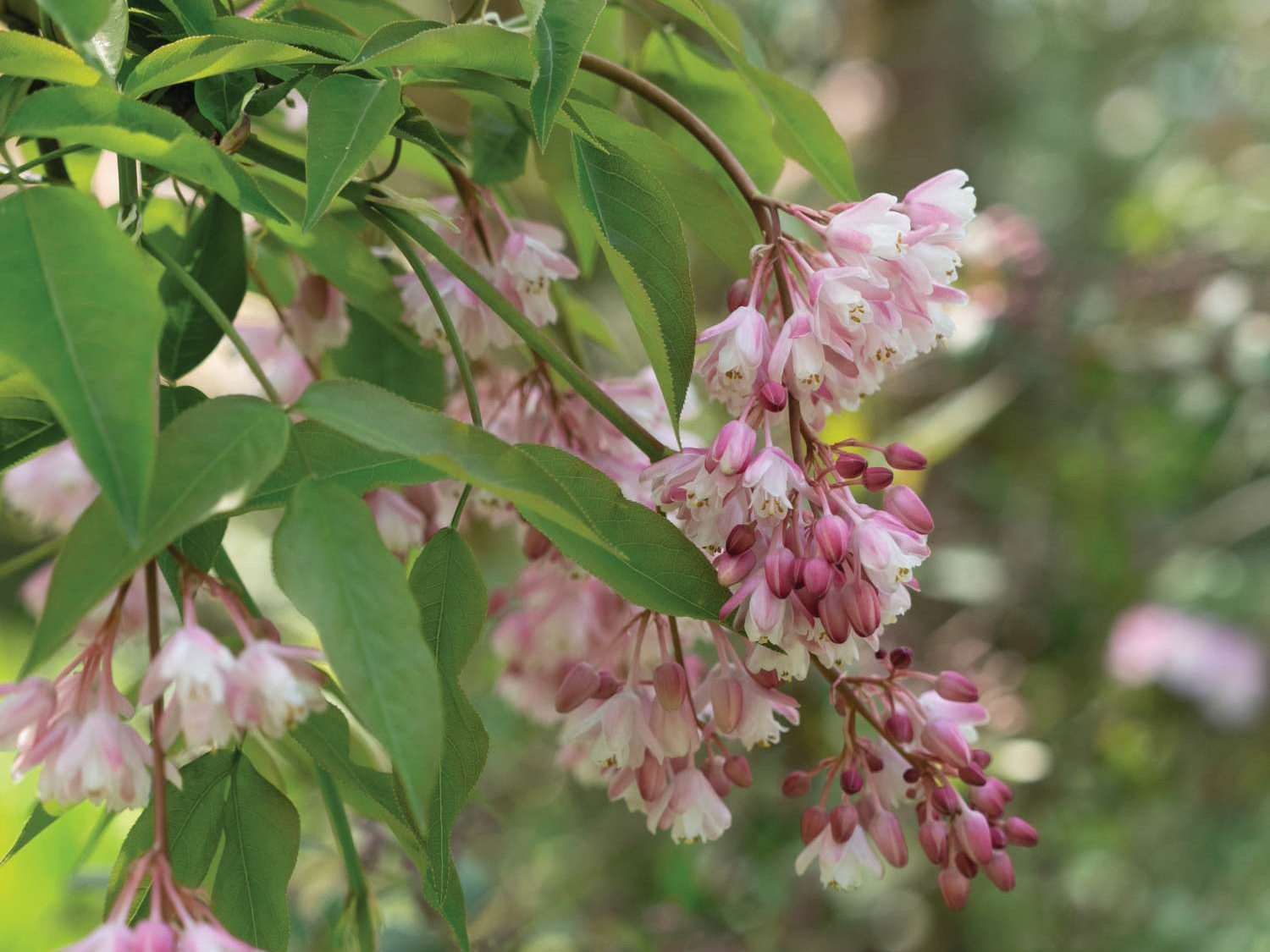
Staphylea, the unfortunately named bladdernuts, are a real favourite of mine. Perhaps the best of the lot is S. holocarpa var. rosea, a splendid alternative to a flowering cherry, covered in pink coral-like flowers in April.
Drooping panicles of soft-pink flowers fill the canopy like clusters of pink coral. Bronze-flushed pinnate leaves emerge after flowering. Good on alkaline soils.
Height and spread 5m x 3m. Hardiness rating RHS H5.
You may also like
- These less common magnolias are perfect for small or large gardens in spring and will survive in many conditions
- I’ve been collecting trees and shrubs for 50 years and these are the best for stunning spring blossom
Prunus 'Collingwood Ingram'

A small, upright tree of neat habit, with the deepest red-pink flowers. Named for the man who is famous for introducing many Japanese flowering cherries to the UK.
Height and spread 6m x 4m. AGM. Hardiness rating RHS H6.
Cornus 'Ormonde'
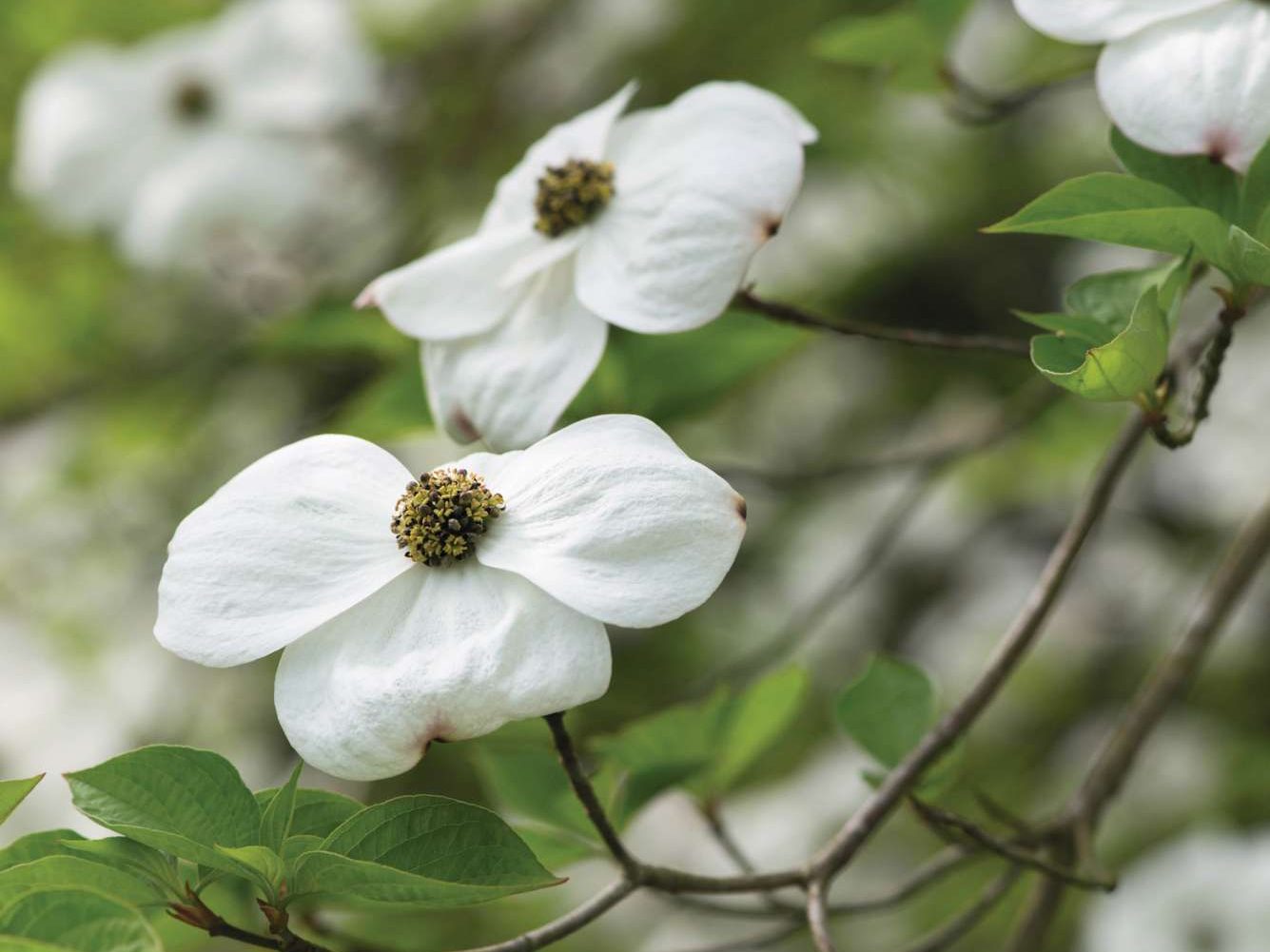
One of the hybrids between C. florida and C. nuttallii that performs better than either parent species in UK cultivation. Often the first dogwood to flower, before leafing out.
Height and spread 5m x 6m. AGM. Hardiness rating RHS H5, USDA 5a-9b.
You may also like
- The best flowering dogwood trees
- You do need to prune dogwoods, but you don't need to do it every year - here's our expert guide on how to prune your winter stems
Magnolia 'Lois'
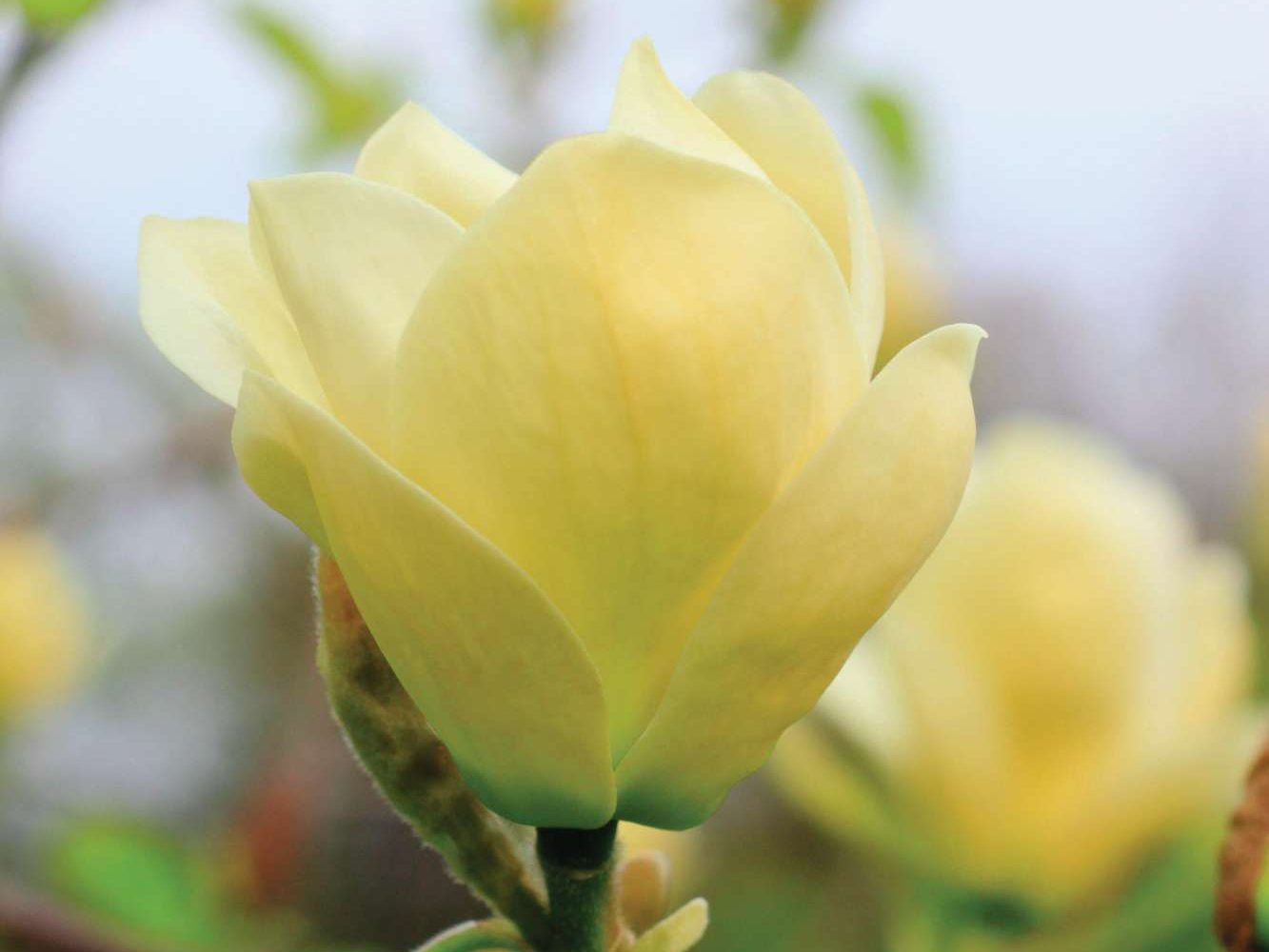
The yellow magnolias, such as M. ‘Lois’, also offer a welcome change and have the advantage of flowering late enough in spring to avoid disastrous late frosts. Buying a grafted magnolia will ensure flowering from an early age. There are many easily overlooked genera that are every bit as special as the beloved stalwarts. This one has the most beautiful clear primrose-yellow flowers, borne over a long period in mid to late spring, meaning they will often avoid damage from spring frosts.
Height and spread 8m x 6m. AGM. Hardiness rating RHS H6, USDA 4a-8b.
Corylopsis sinensis
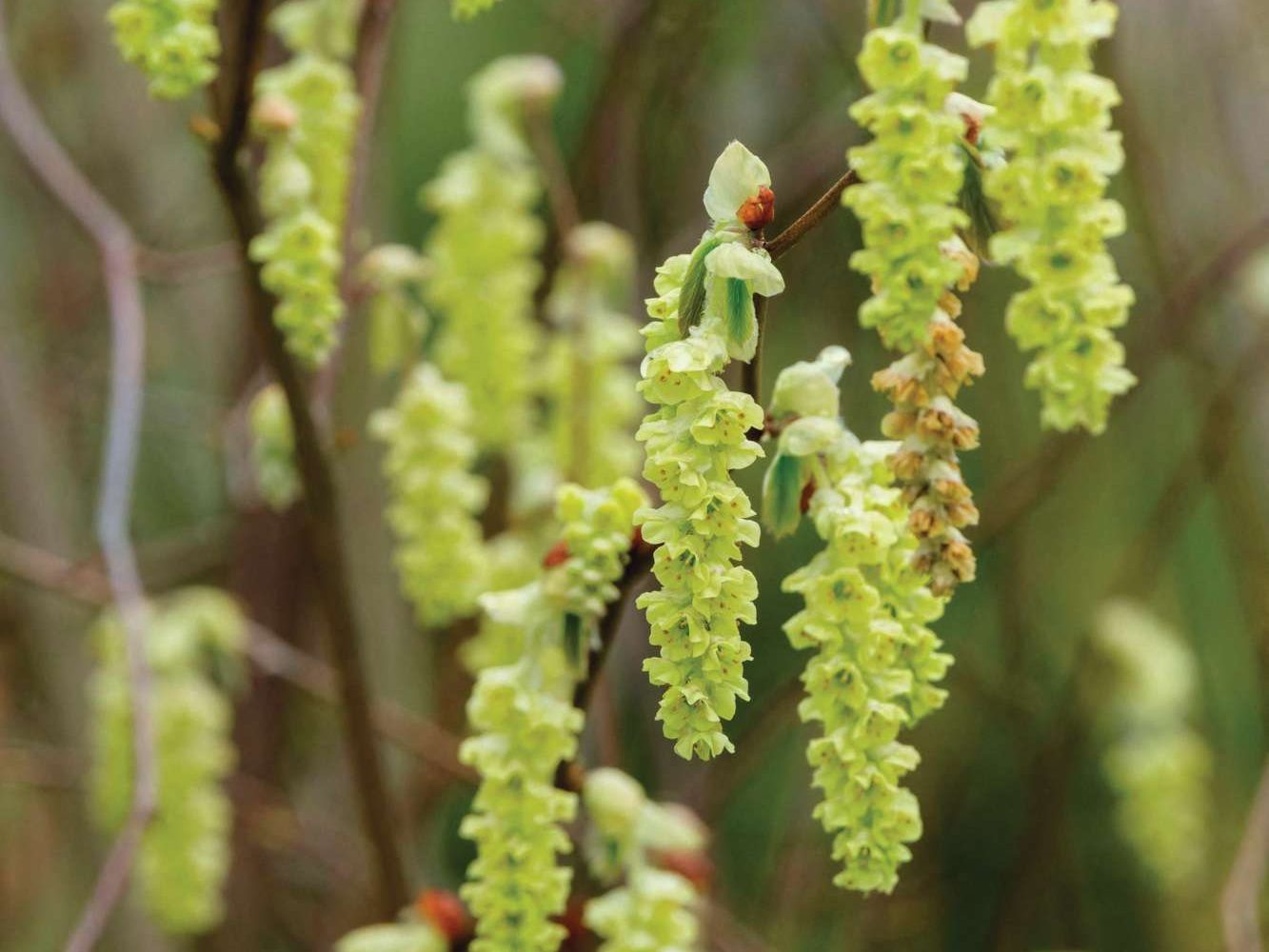
Corylopsis are among the very finest and are some of my absolute favourites. They appreciate some shelter – but will reward this with the most wonderful display of acidic, sherbet-yellow flowers.
Being multi-stemmed, they also allow for light pruning to raise their canopy, allowing for underplanting; a contrasting pool of blue Scilla siberica planted beneath would make a terrific pairing.
Height and spread 4m x 4m. AGM. Hardiness rating RHS H5, USDA 6a-8b.
You may also like
- Evergreen shrubs for sun, shade and how to prune them
- Roses: Our ultimate jargon and myth-busting guide and 49 of the best ones to grow
Halesia diptera Magniflora Group
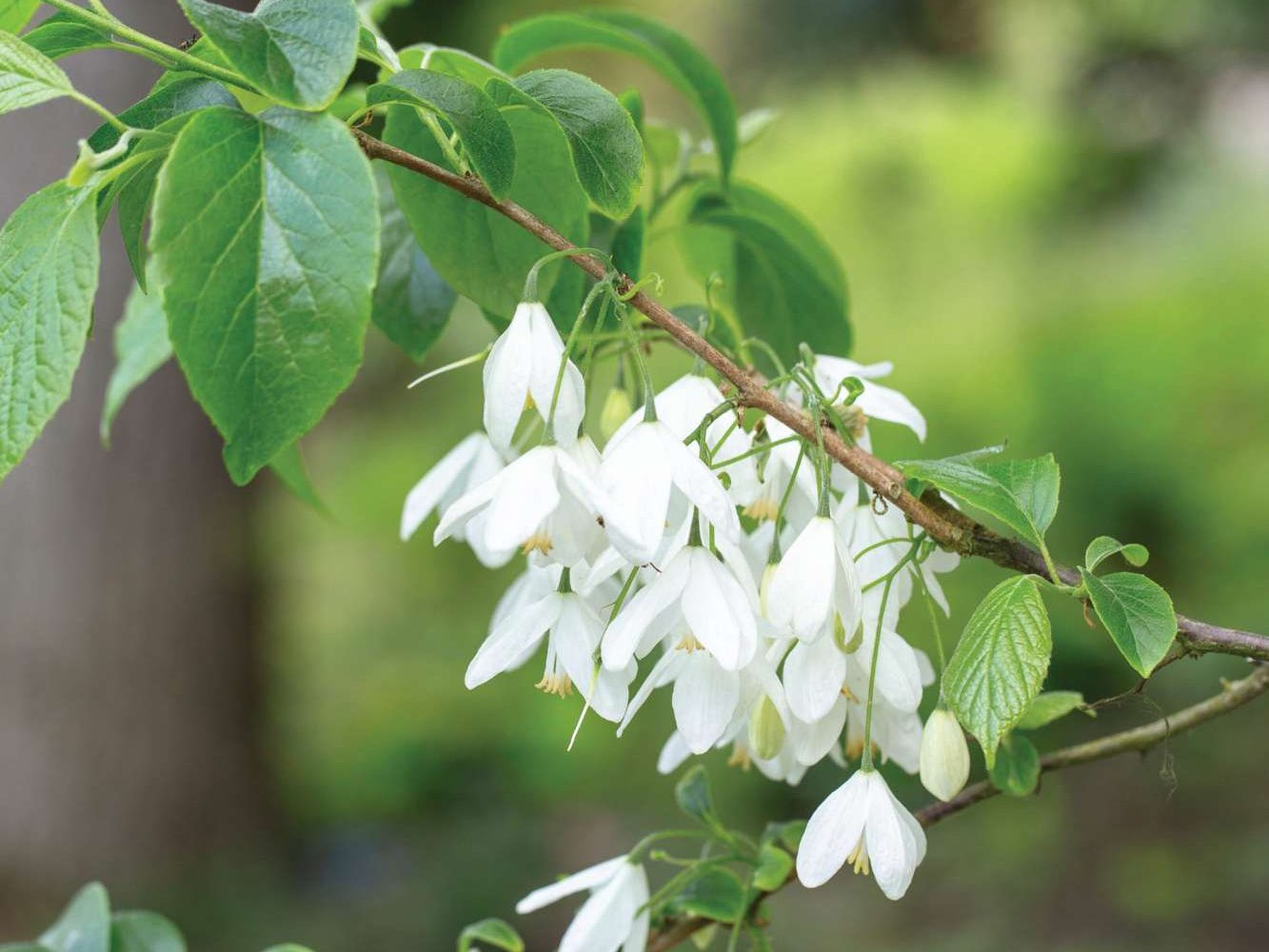
An extremely beautiful and elegant thing, with flowers produced in great numbers along the branches before leafing out. Its weeping habit adds to its elegance.
Height and spread 9m x 9m. Hardiness rating RHS H5, USDA 5a-8b.
Magnolia 'David Clulow'
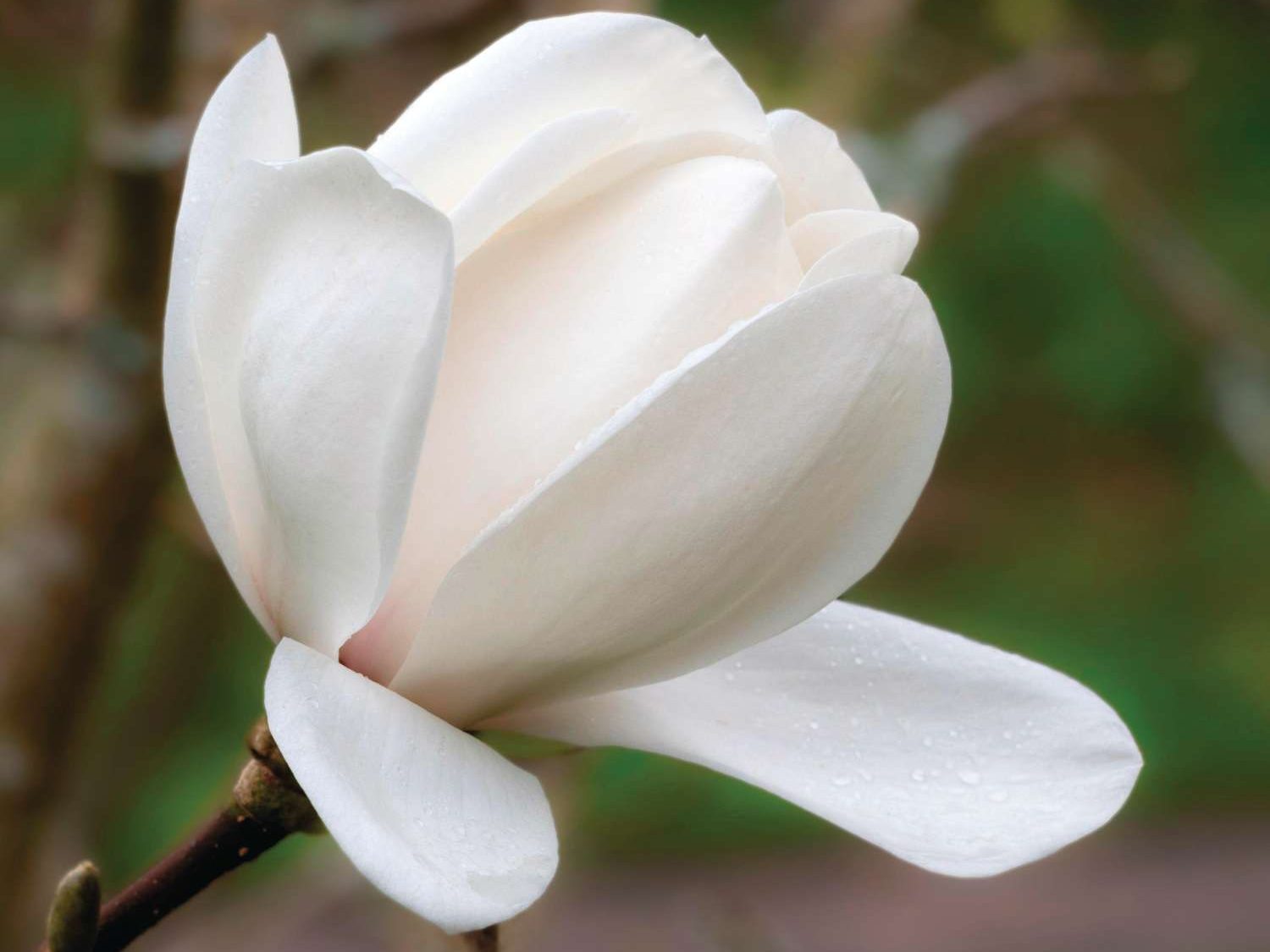
The best white-flowered cultivar. Large, pristinewhite, cup-and-saucershaped flowers, on a medium-sized tree. A Gresham hybrid raised in the USA, it is more weatherproof than some.
Height and spread 6m x 6m. AGM. Hardiness rating RHS H5, USDA 6a-8b.
Azara serrata 'Andes Gold'
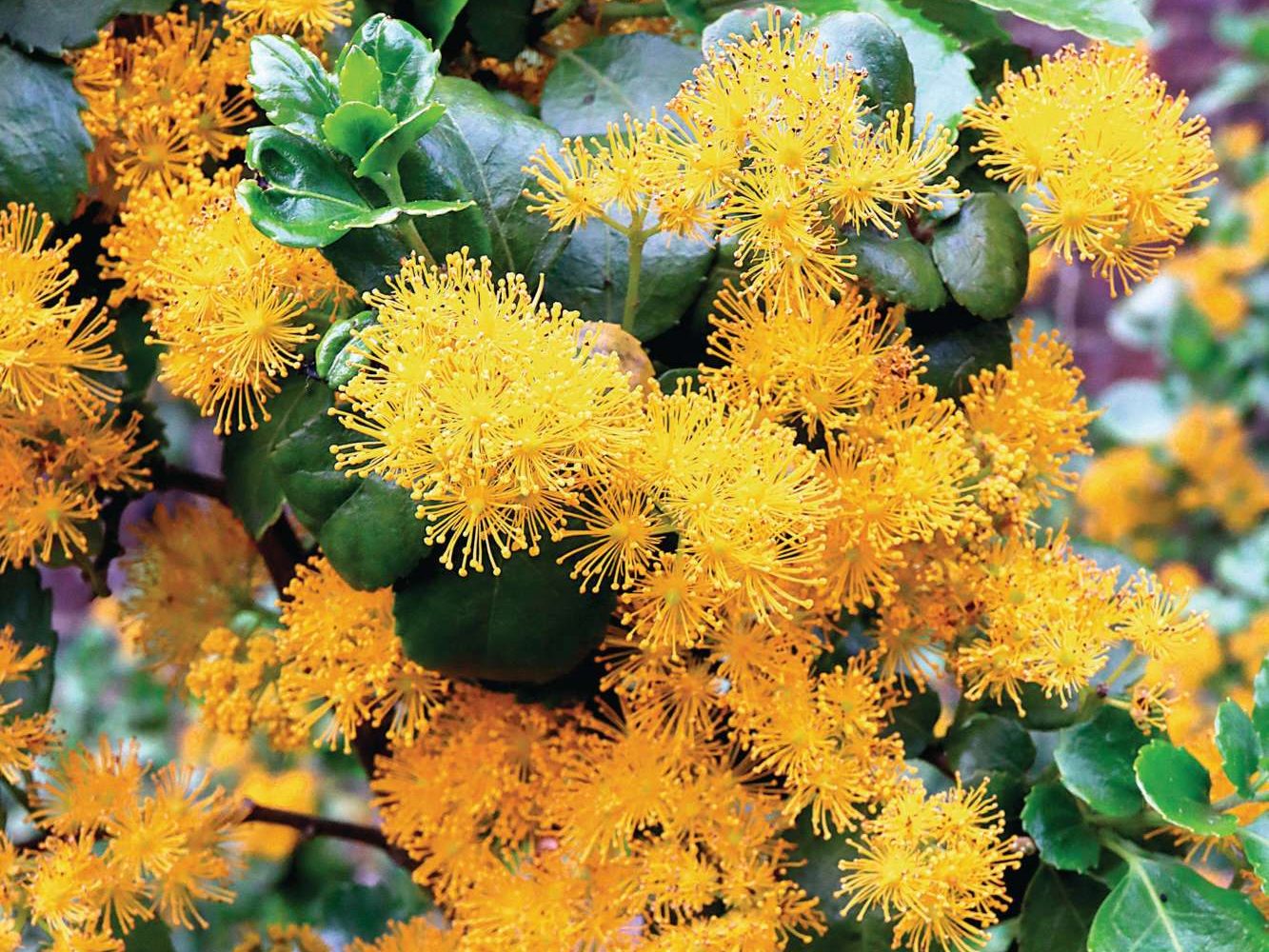
Its mass of intense, mustard-yellow flowers make this an untypical choice for spring blossom. An attractive evergreen tree, with interesting foliage. Flowers best in a sunny position.
Height and spread 4m x 3m. Hardiness rating RHS H4, USDA 8a-10b.
Subscribe to Gardens Illustrated for inspiration dropped on your doorstep every month.