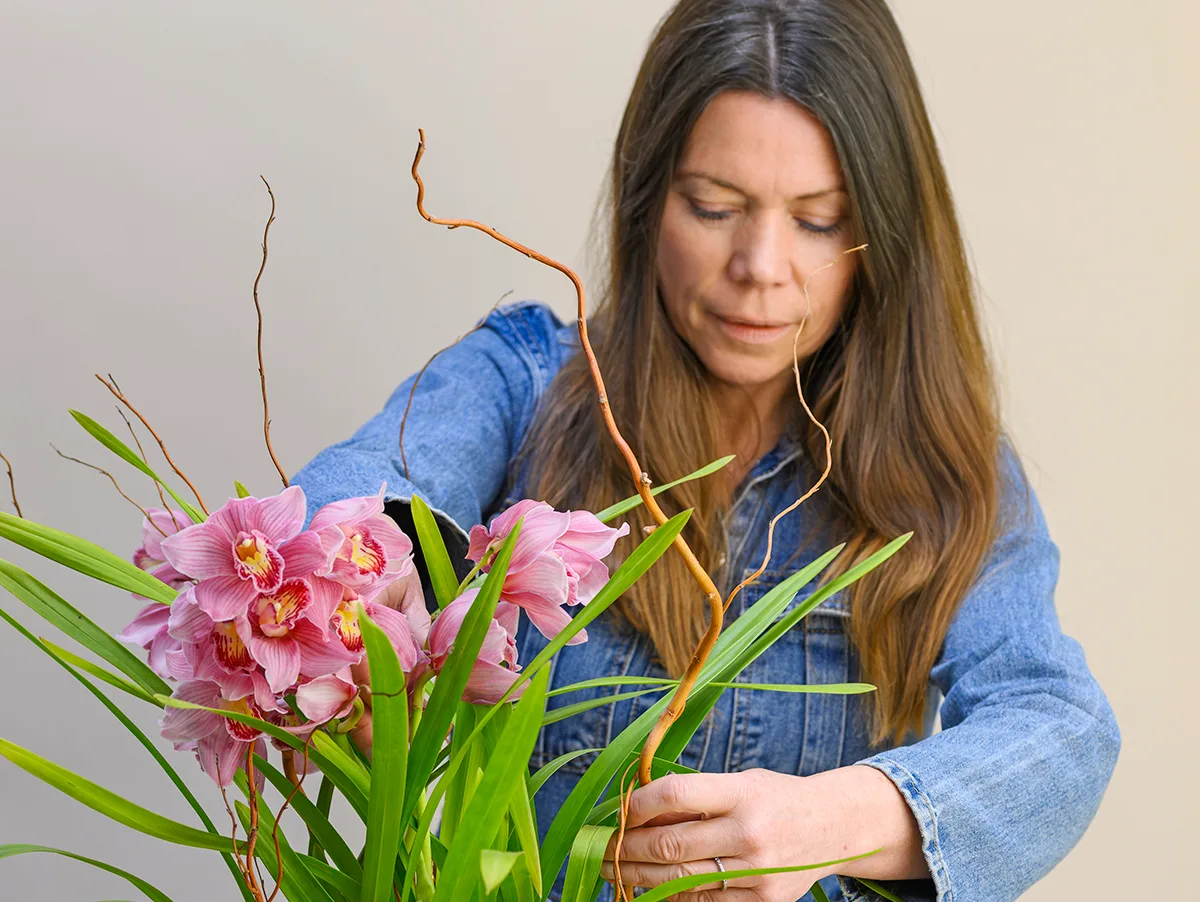
Without question, there are orchids that deserve their reputation for being difficult. Some species are unforgiving of anything less than exacting conditions. But they are only a fraction of the orchid family.
Many others are remarkably adaptable and perfectly suited to life in an ordinary home. With over 31,000 species, orchids are loved for their spectacular flowers, but often discarded after blooming or killed through lack of knowledge.
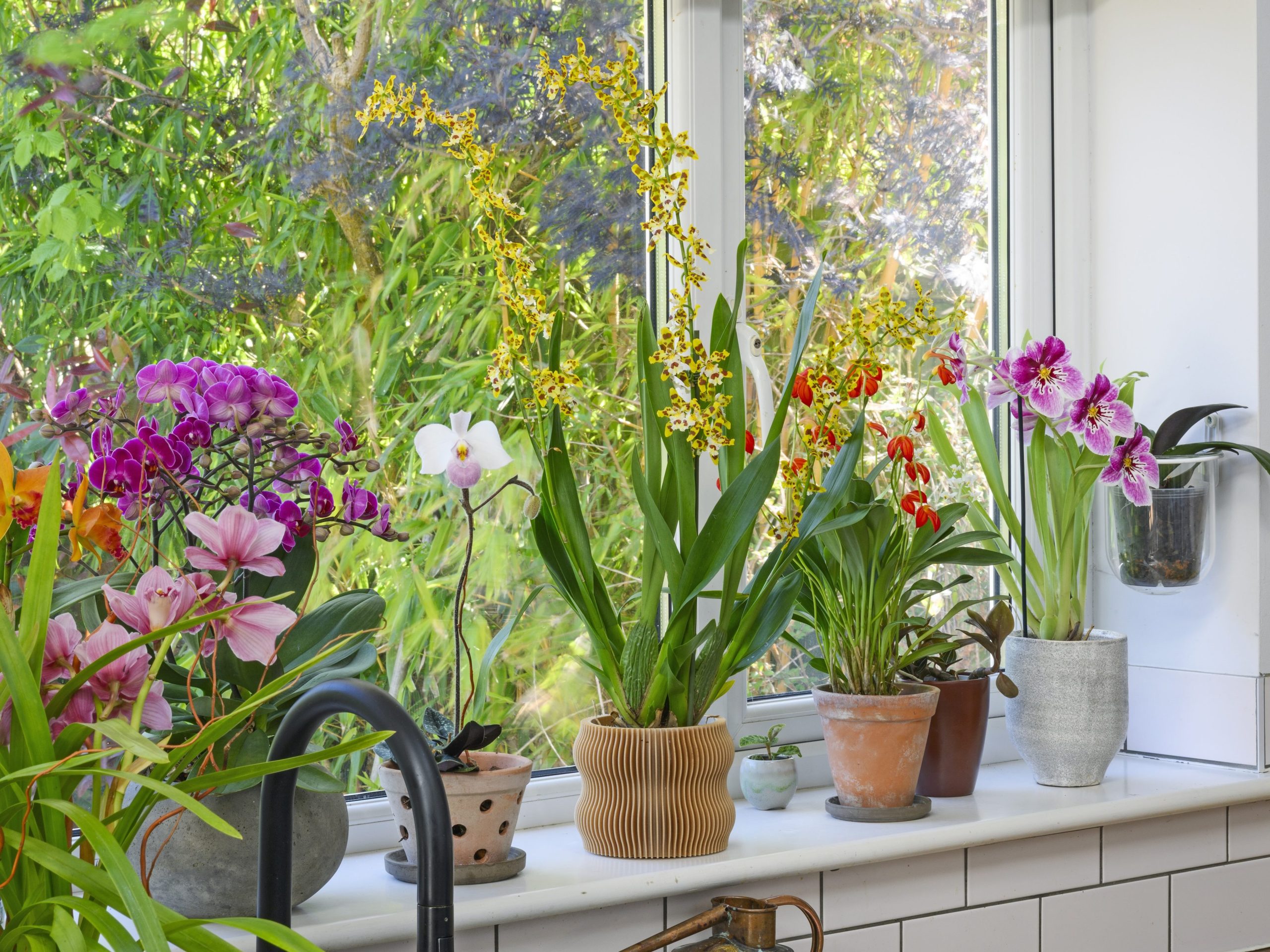
Here are my top picks of beautiful orchid varieties that will fill your home with stunning colours and, in some cases, glorious scents, without causing any drama.
Angraecum – comet orchid
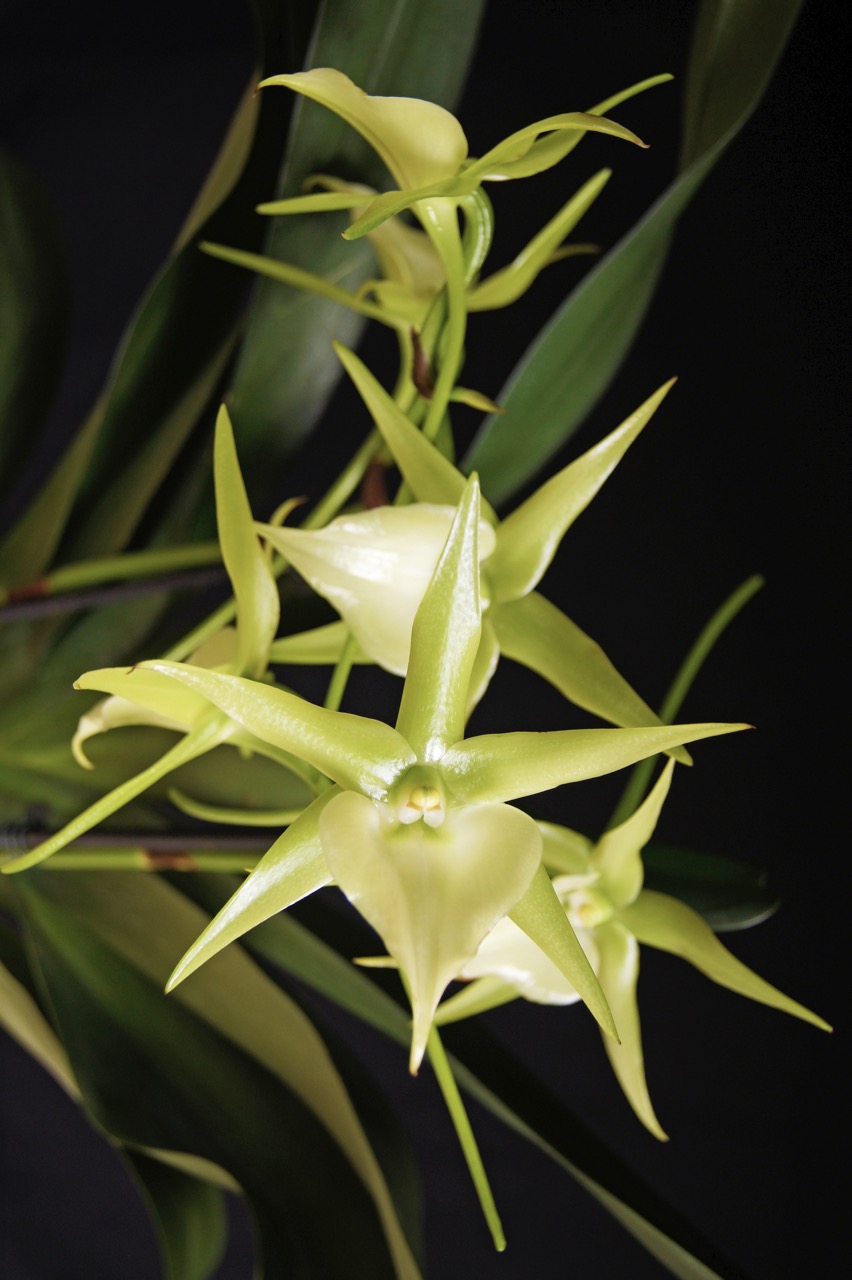
Steady, dependable and forgiving of small mistakes in care, Angraecum may not be a fast grower, but its comet-shaped flowers are well worth the wait. Position it on a windowsill that gets just a few hours of direct sunlight a day, but no more. Allow the growing medium to dry out completely between waterings.
Brassia
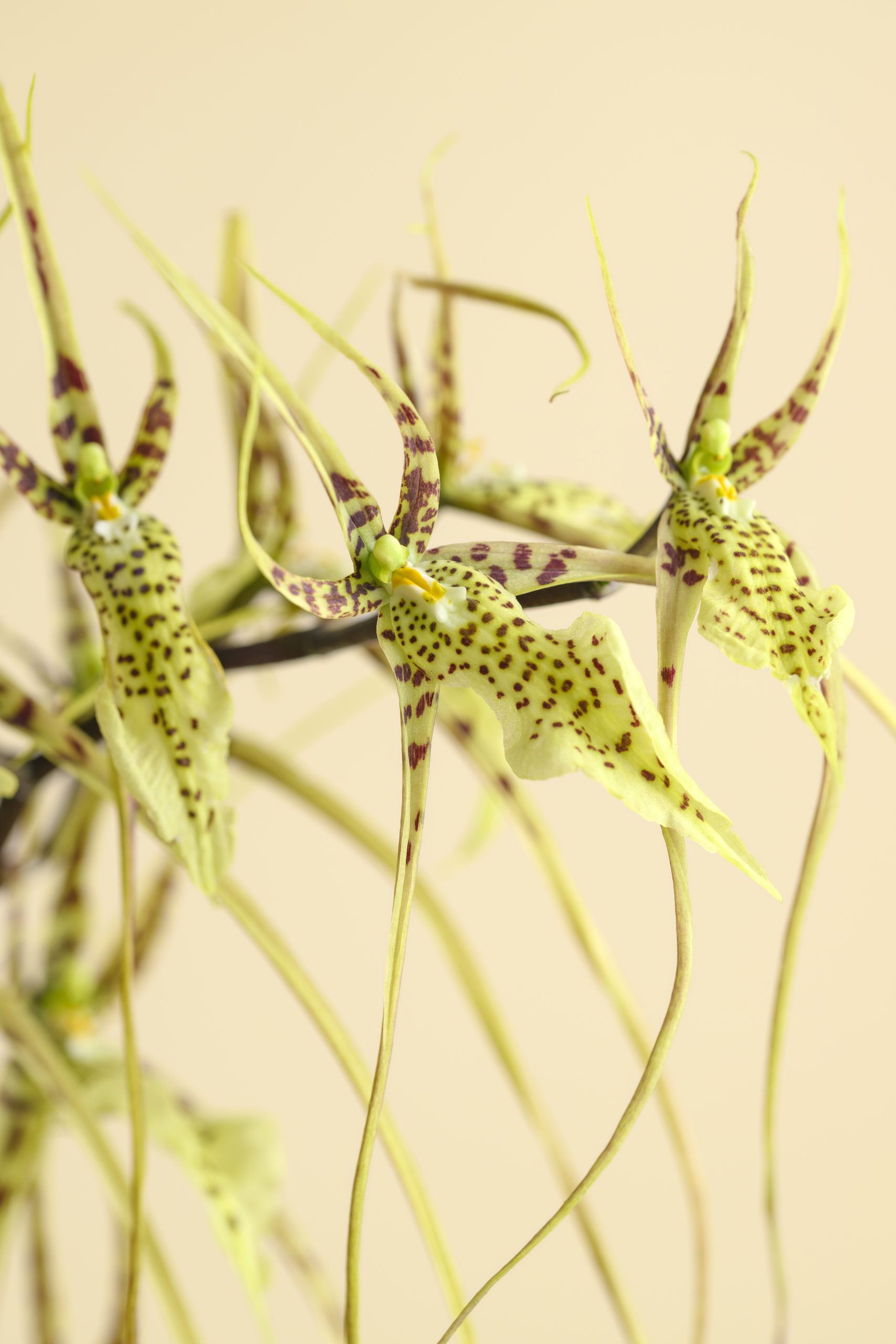
Brassia orchids are commonly known as ‘spider orchids’ due to their long, spindly petals. The flowers are often boldly patterned in greens, yellows and browns, and some are sweetly scented. A bright windowsill without too much direct sunlight is ideal. Allow the growing medium to approach dryness before watering.
Cattleya
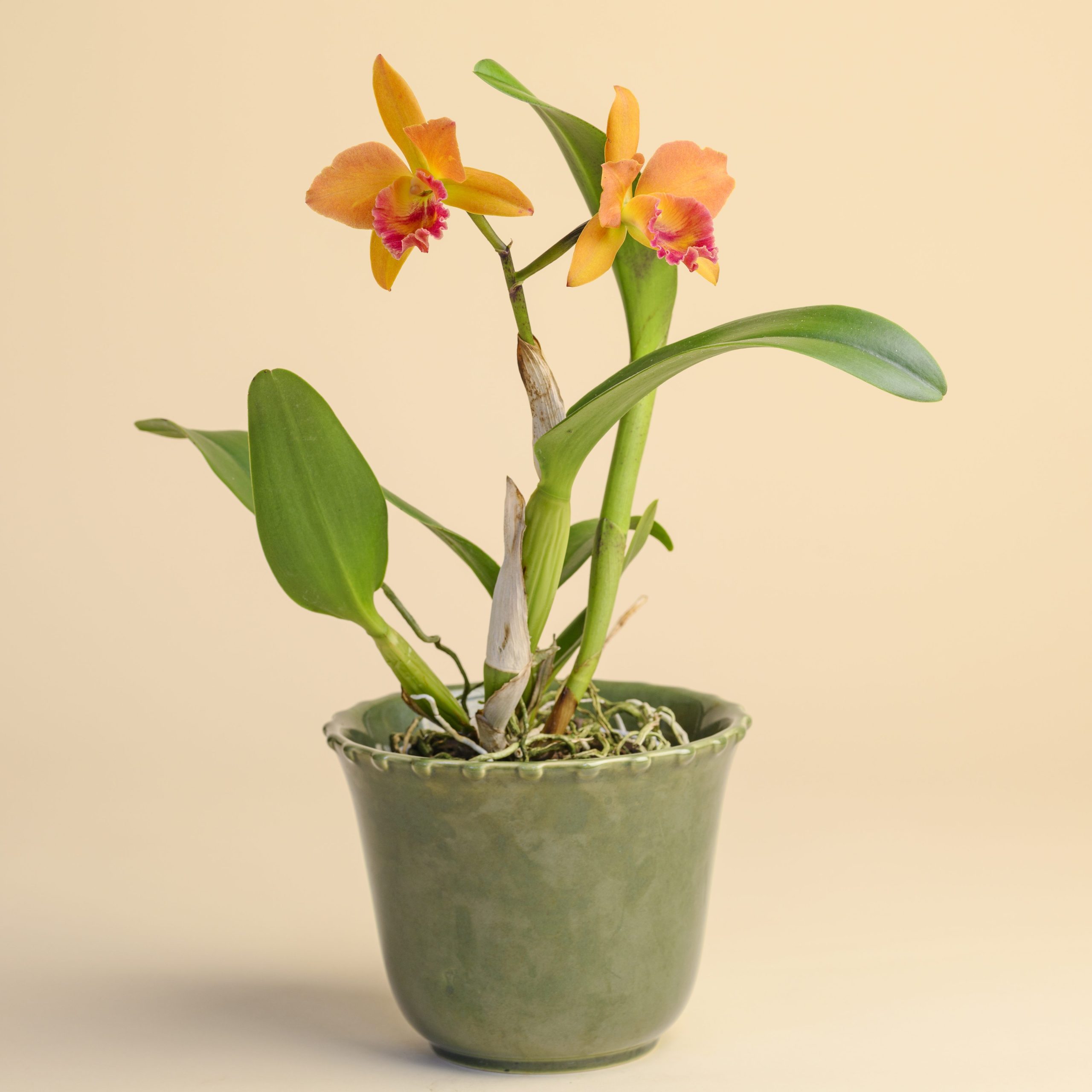
Cattleya flowers are unapologetically flamboyant. Large, often fragrant and richly coloured, they were once considered the archetypal orchid blooms, and for good reason. Allow the potting medium to dry out between waterings. Flowering can be encouraged by shorter daylight hours (approximately nine hours of light per day) and cooler temperatures at night.
You may also like
- Why Plant Rescuer Sarah Gerrard-Jones’s rescued 200 unwanted houseplants and how she saved them from certain death
- 'I'm convinced of the power of plants to help us heal' – meet the Plant Rescuer, Sarah Gerrard-Jones
Dendrobium
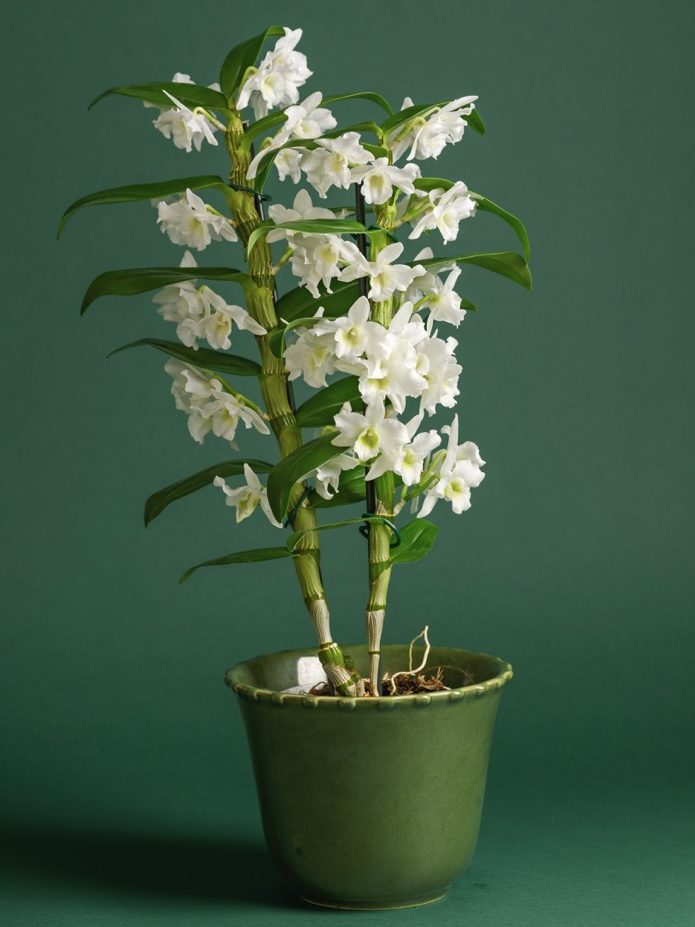
Dendrobium canes are architectural and sculptural in their own right, but when in bloom, they produce an impressive display of flowers in elegant clusters. Some also offer the added bonus of a light fragrance. Most species prefer a bright windowsill that gets just a few hours of direct sunlight a day. Watering should follow the pattern of drench, drain and dry.
Ludisia
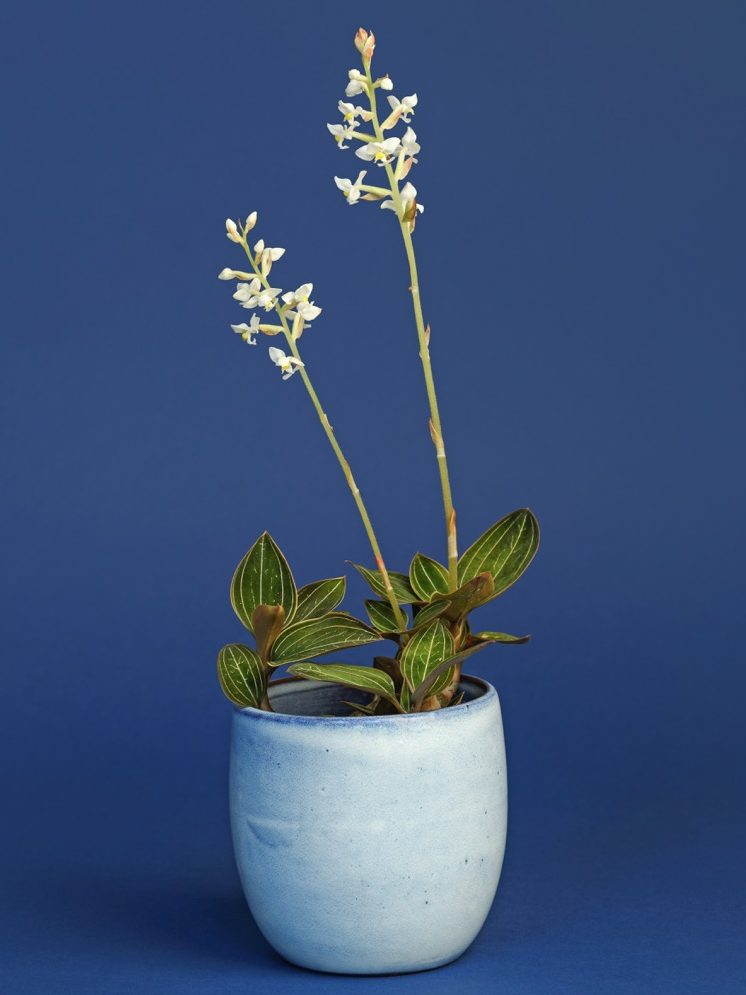
Grown more for its beautiful, deep maroon leaves than for its flowers, although these are attractive too, Ludisia is an attractive addition to any home. Small clusters of white flowers appear on upright spikes, contrasting beautifully with the dark foliage. Unlike most orchids on this list, Ludisia is terrestrial, growing in soil rather than on trees. It does not like direct sunlight or being allowed to dry out, but is otherwise a very easy-going orchid.
Miltoniopsis – pansy orchid
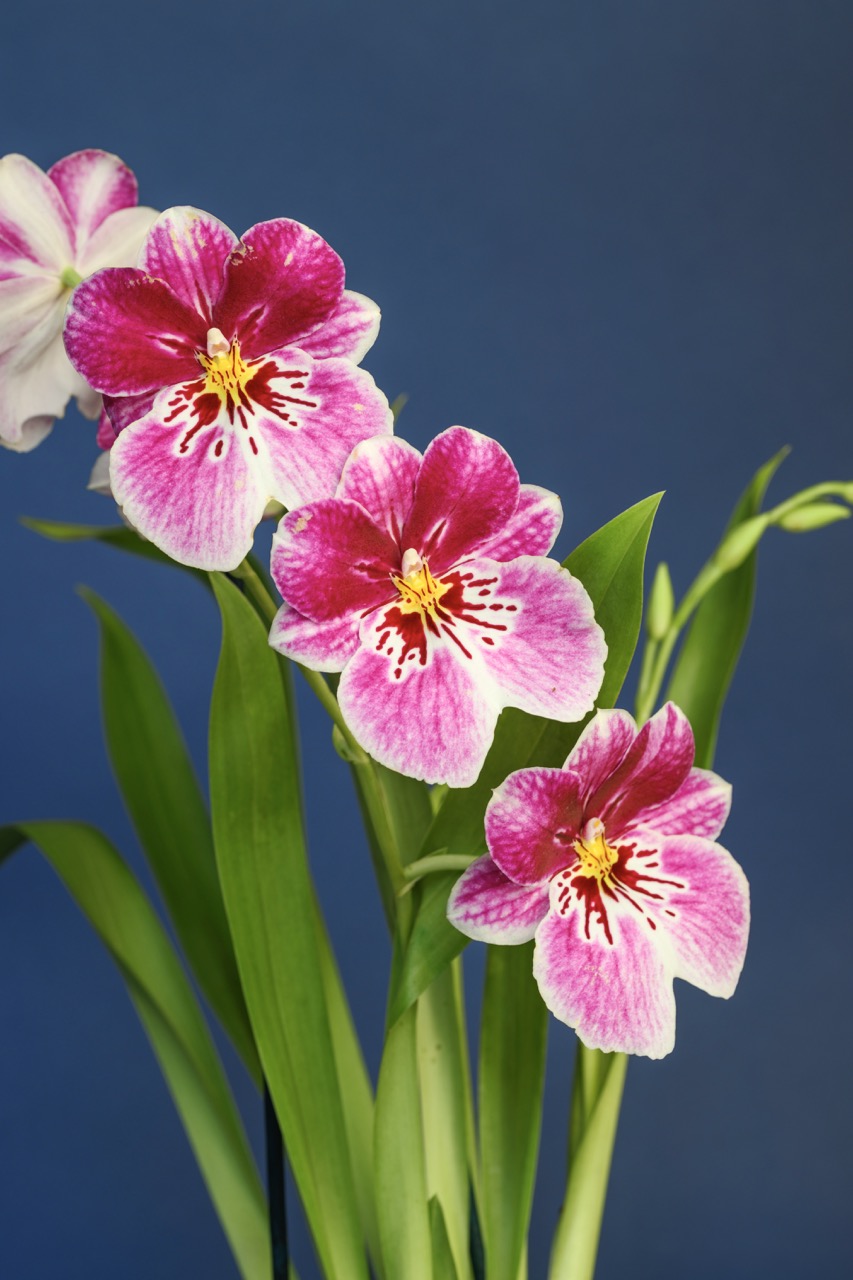
Known as the pansy orchid because of its large, rounded, flat flowers and intricate markings reminiscent of a pansy, Miltoniopsis produces classically elegant and striking blooms. These orchids are quite particular about their growing conditions. Bright light, no more than a few hours of direct sunlight a day, and evenly moist growing conditions should keep them happy.
Phalaenopsis – moth orchids
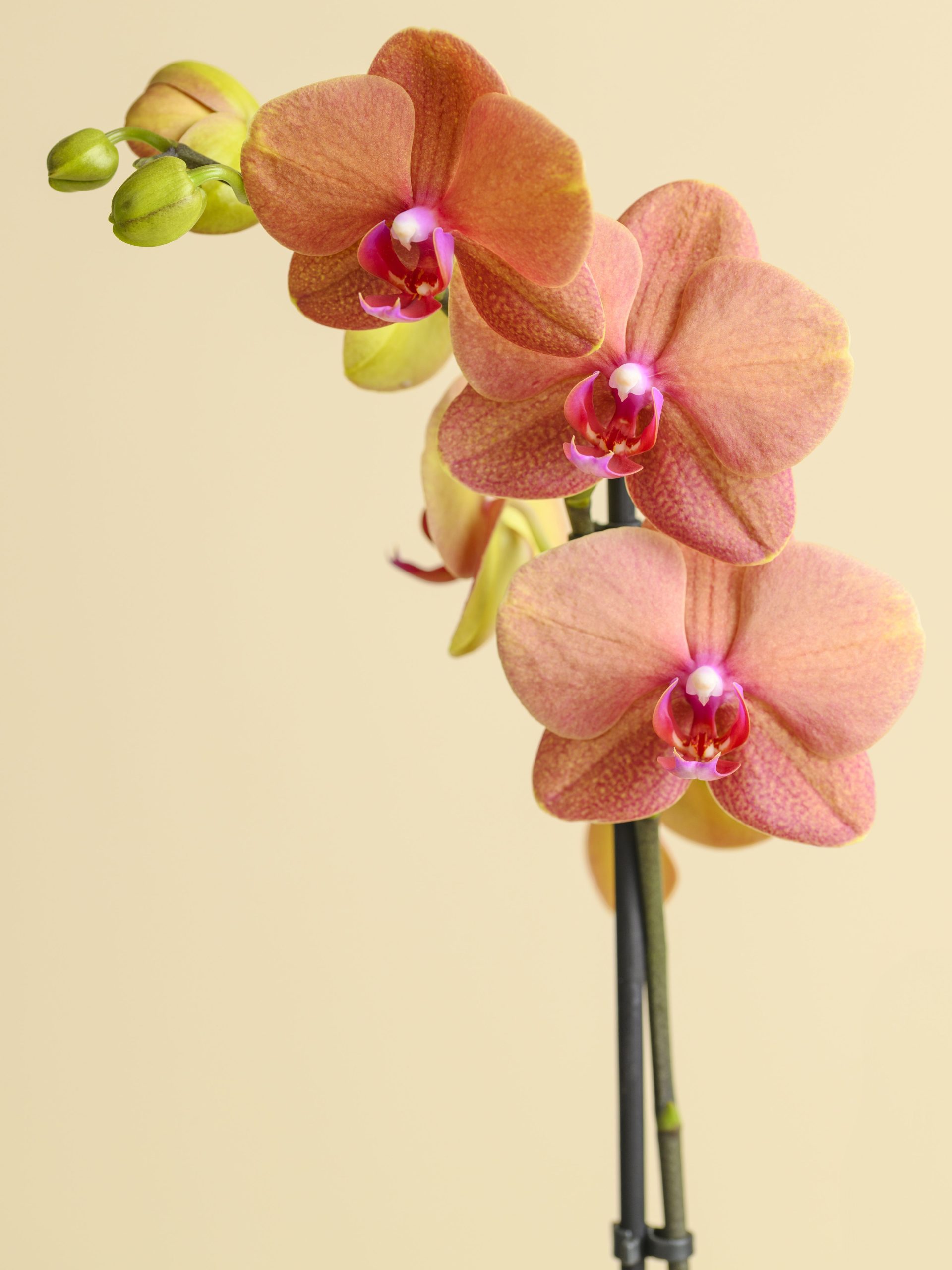
The flowers of the moth orchid are classically beautiful and long-lasting, remaining in bloom for up to six months. This orchid has simple needs and will even tell you when it needs watering: its roots change colour from green (well hydrated) to silver (in need of water).
Although forgiving, Phalaenopsis does not like to be kept far from a window. A lack of light and too much water are among the most common care mistakes and can quickly lead to root rot. A slight drop in temperature may also help to trigger flowering.
Vanda
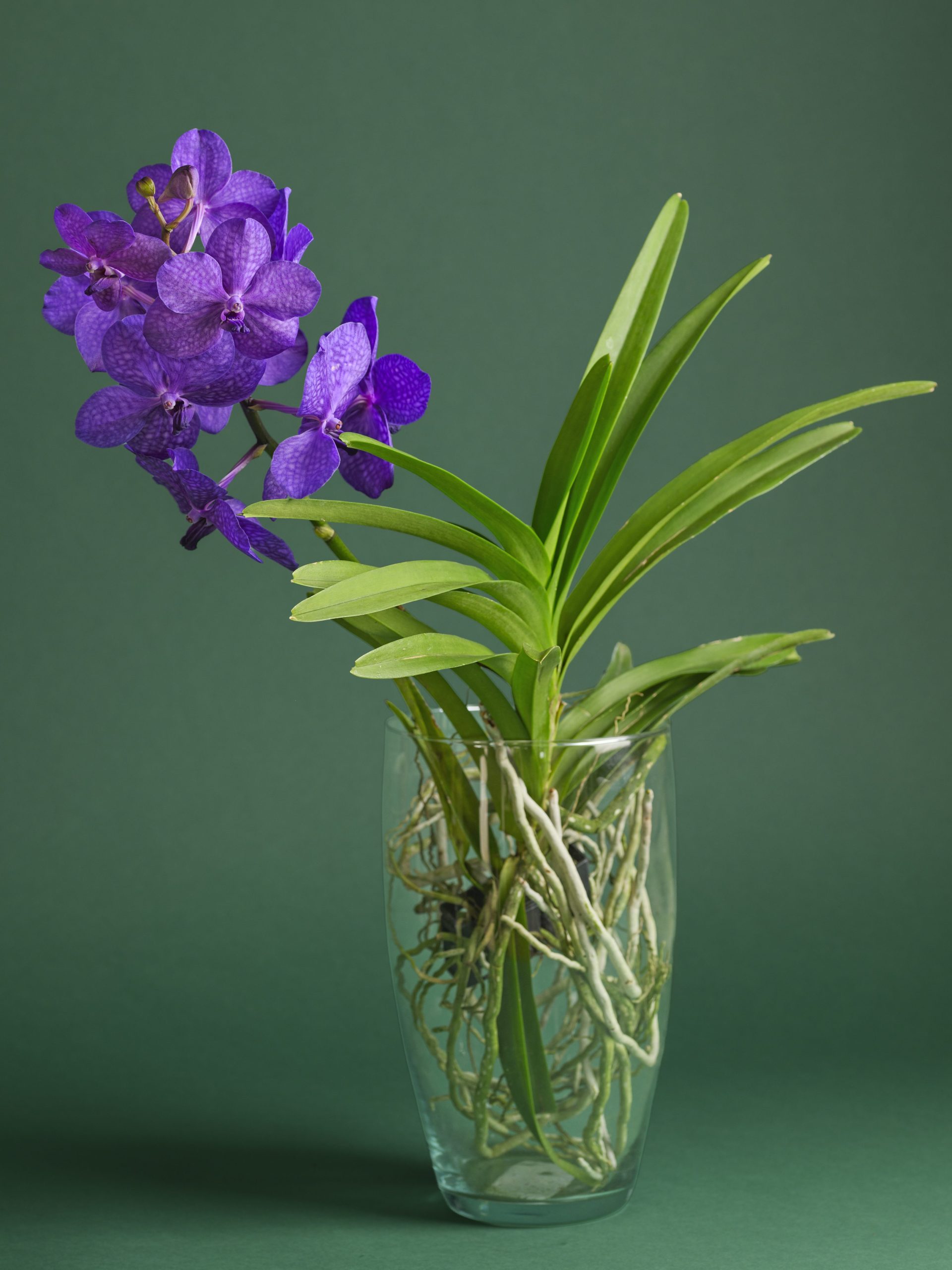
Vanda flowers are vivid and long-lasting. The blooms can be large, with beautiful patterns and a waxy texture that enhances their colour. These orchids prefer warmth and do not tolerate cold. They require plenty of bright light, including direct sunlight, and need to be watered very frequently, often once or twice daily in warmer months.
One way to grow Vanda orchids is to place their roots in a vase. To water them, fill the vase so that the roots are fully submerged. Leave them to soak for a few hours before tipping out the water. You can leave a small amount of water at the bottom of the vase, which will slowly evaporate and help increase the humidity around the roots.
You can find all this info and much more in Sarah’s new book Love Your Orchid, available at all major book retailers (£18.99).
SQUIRREL_14113713