As a dedicated plant geek, I’m fascinated by every aspect of the natural world. One particular niche that always pleases me though is how smutty the plant world can be.
So today, we are going to lift the lid on the dirty world of plants! To get you in the mood, I’ll tell you a couple of gardening techniques and let’s see if you can stifle those sniggers:
Sowing seed - it's just that, but your dirty mind may think otherwise!
Pricking out - the process of lifting seedlings and dividing, then re-planting each one.
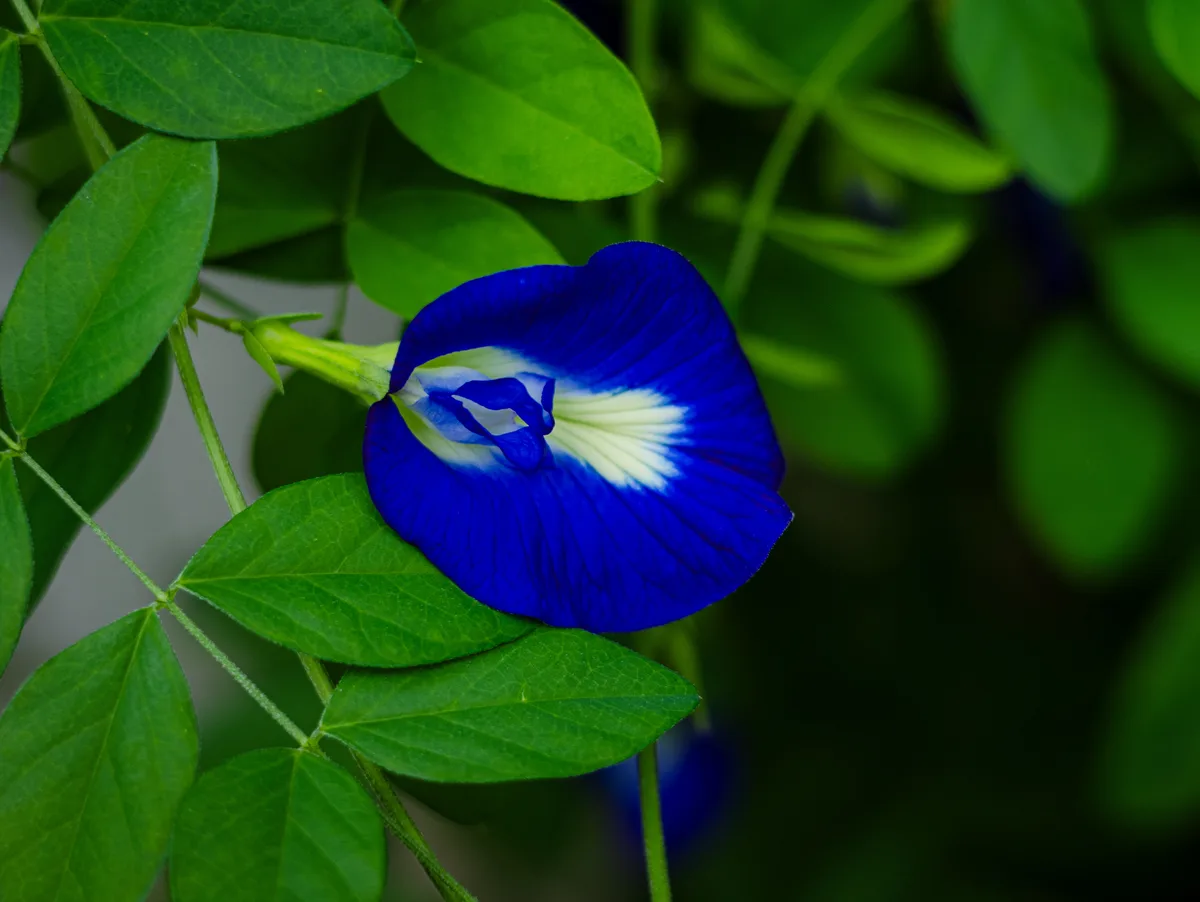
For kinky appearances, step forward Clitoria ternatea, which looks exactly as it says on the tin…
Gomphocarpus 'Hairy Balls' isn't much better, and chilly willy, an heirloom chili plant, is quite a sight, with somewhat stumpy spicy fruits that turn blush red.
You may also like
- 10 of the world's most poisonous plants
- ‘It's a costly crisis': garden centres fight back against shop-lifting epidemic
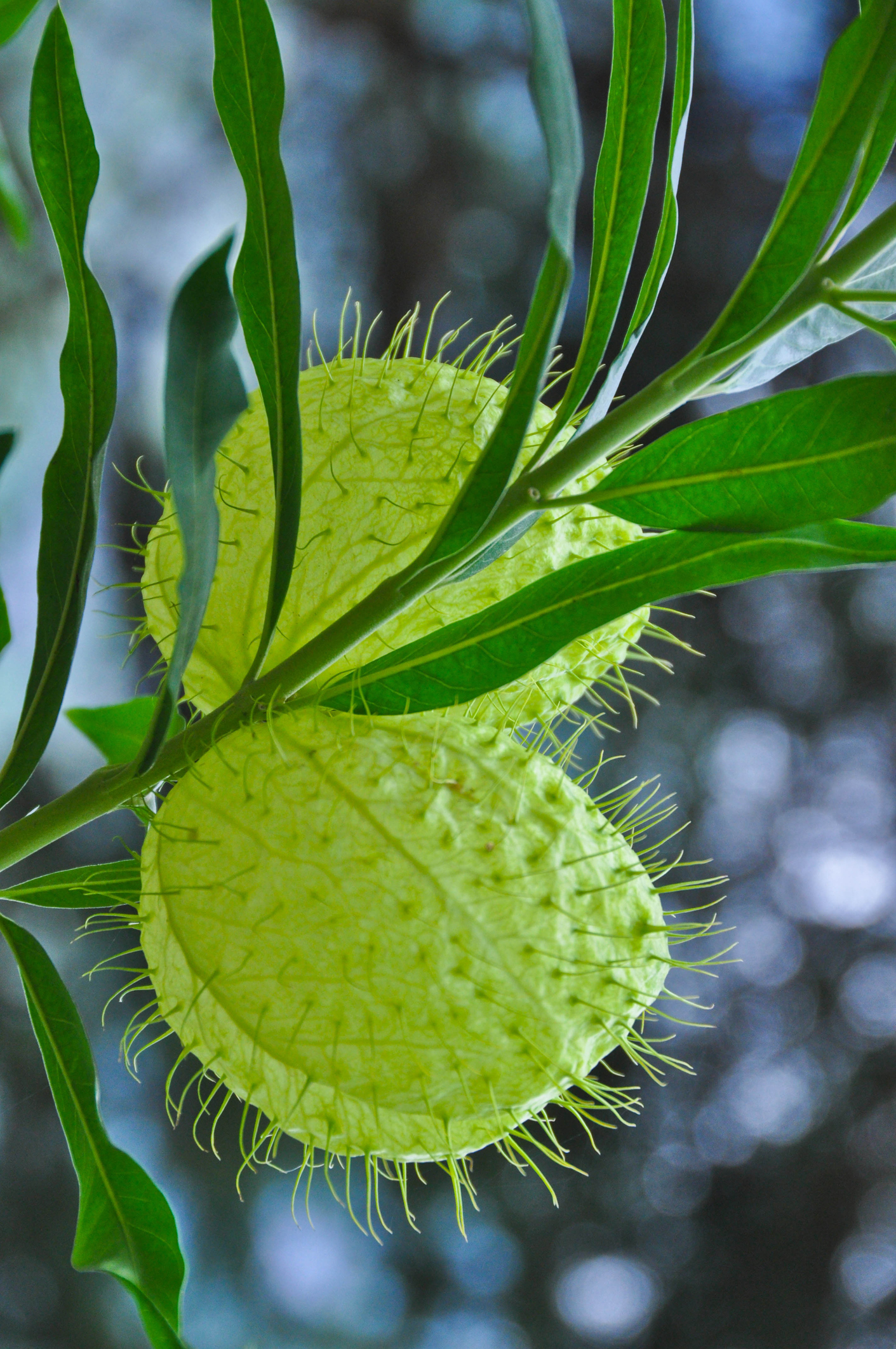
Even worse are some of the names that plants are called. Can you imagine how treacherous it must be to work in a garden centre as customers enter the store asking where they can get a 'Golden Shower' (rose), a Turtlehead, a Stiffcock, Shaggy Soldier - oh yes, these are all real plants!
Do you fancy asking the cashier for them in your local DIY store?
Ever since my college days, these names have been bounced around a classroom endlessly, resulting in rousing laughter from students. But why be so embarrassed? It’s a simple, honest plant name…
The ringleader of those rude Latin names has to be Rubus cockburnianus, and yes- this IS a real plant name. Philadelphus erectus is so called because of the upright, ahem, habit. Then there's the Lilium superbum, which isn't named for its awesome rear - superbum actually means 'super cool' in Latin!
So… if you fancy a bit of a conversation starter in your beds and borders at home, look no further than Mr Plant Geek’s Ultimate Guide to Smutty Plants:
You may also like
#1 Rubus cockburnianus
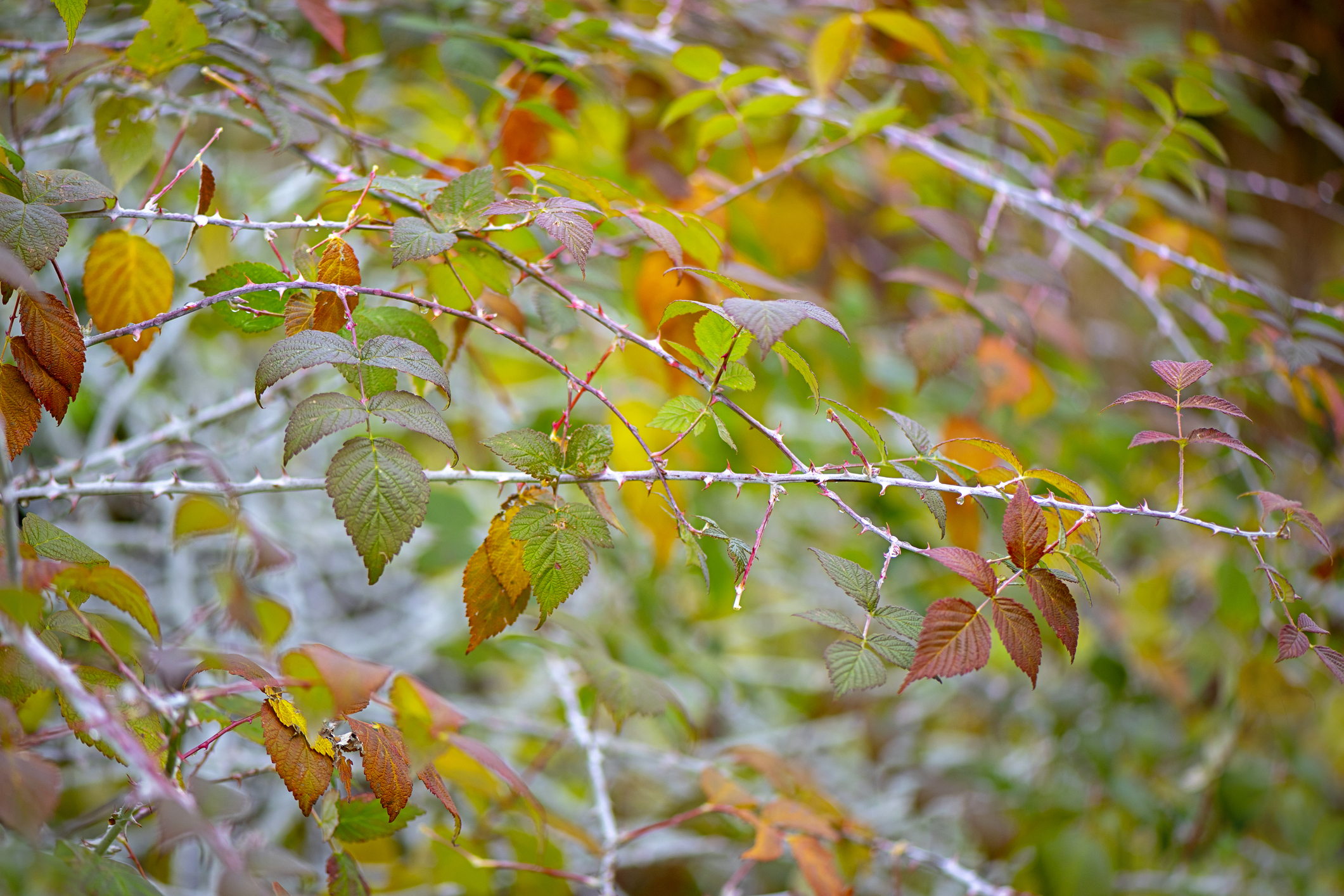
The poster boy for rude plant names: Rubus cockburnianus is, of course, not named because it looks like a burnt bottom.
Let’s get into the Latin - Rubus is genus name for the bramble family, and is thought to come from ruber meaning red- relating to the fruits of many of the Rubus species.
And the plant was named in honour of a chap named Mr Cockburn, who first noted the species. Anus usually refers to “something belonging to”, which explains cockburnianus!
In the case of this species, it’s a dedication, not a description!
You may also like
- Expert's choice: shrubs with colourful winter stems
- A hedgerow you can eat: what to plant for an edible hedgerow
Aside from the sniggers, Rubus cockburnianus is an awesome winter plant. Whilst it stays rather low key through the summer months, with inconspicuous flowers followed by black fruits. But it’s November onwards when it really starts showing off- with luminescent white stems, covered in prickles, as with most of the blackberry family.
It’s a confident plant, growing almost 4 metres in ultimate height, and happiest in a sunny spot and a well drained soil. Nice and hardy, they’ll last for years - plant alongside shiny stemmed Cornus for a real winter theatre show.
#2 Penstemon whippleanus
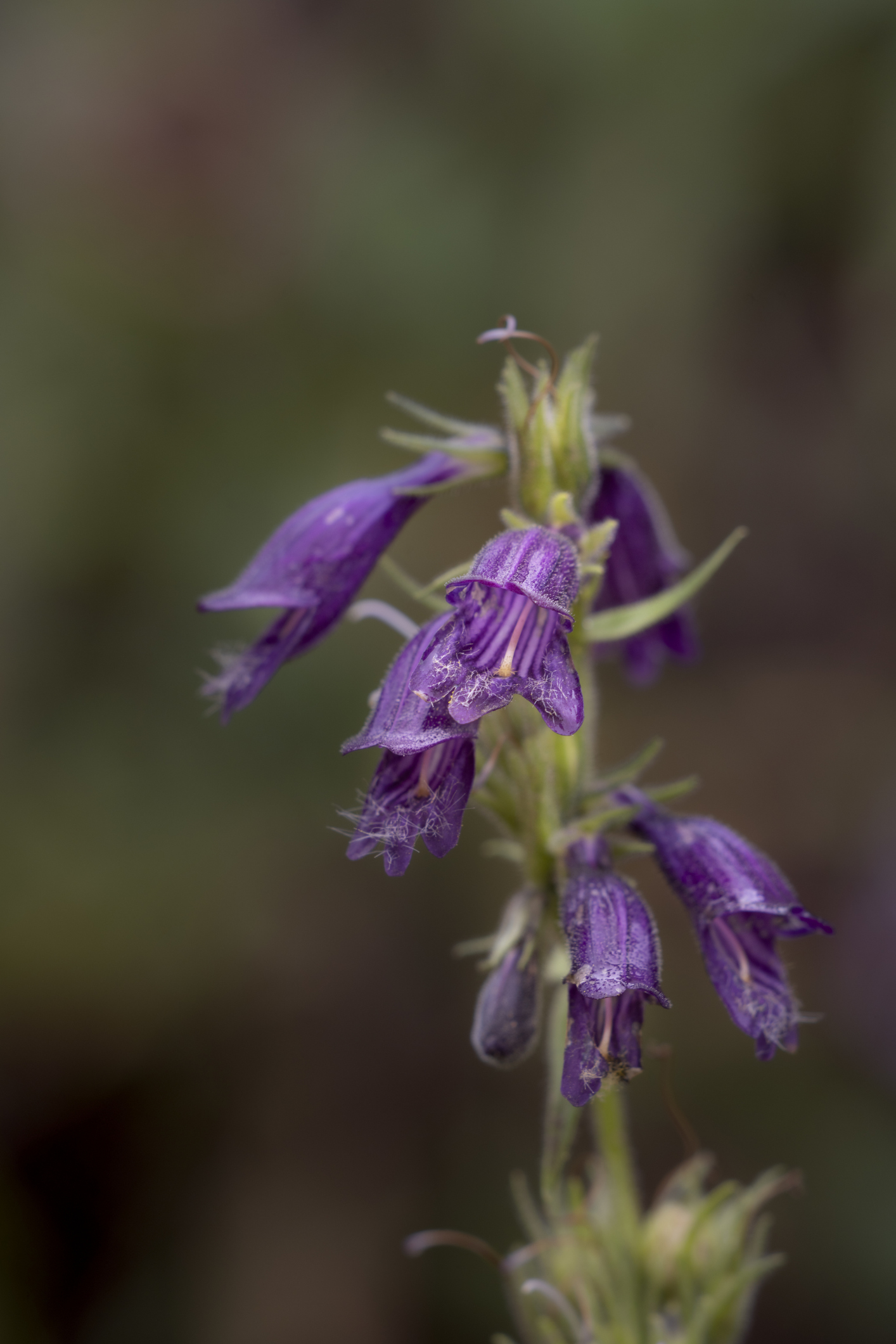
Another “you cannot be serious” plant name! Penstemon whippleanus is a North American wildflower that thrives in rocky spots at high elevation.
A fine plant for a border, yet not as immediately showy as its larger bloomed cousins such as Penstemon ‘Garnet. Yet, look closer and you’ll see the most amazing slender wine-purple flowers. Ideal for ‘goth gardens’, a trend that’s taking North American gardens by storm right now!
But how did it get that saucy name? Apparently named after Amiel Weeks Whipple, a 19th century American army officer and surveyor. Hmm, so nothing to do with S&M? Simply ‘belonging to’ (anus) Amiel Weeks Whipple.
#3 Lilium superbum
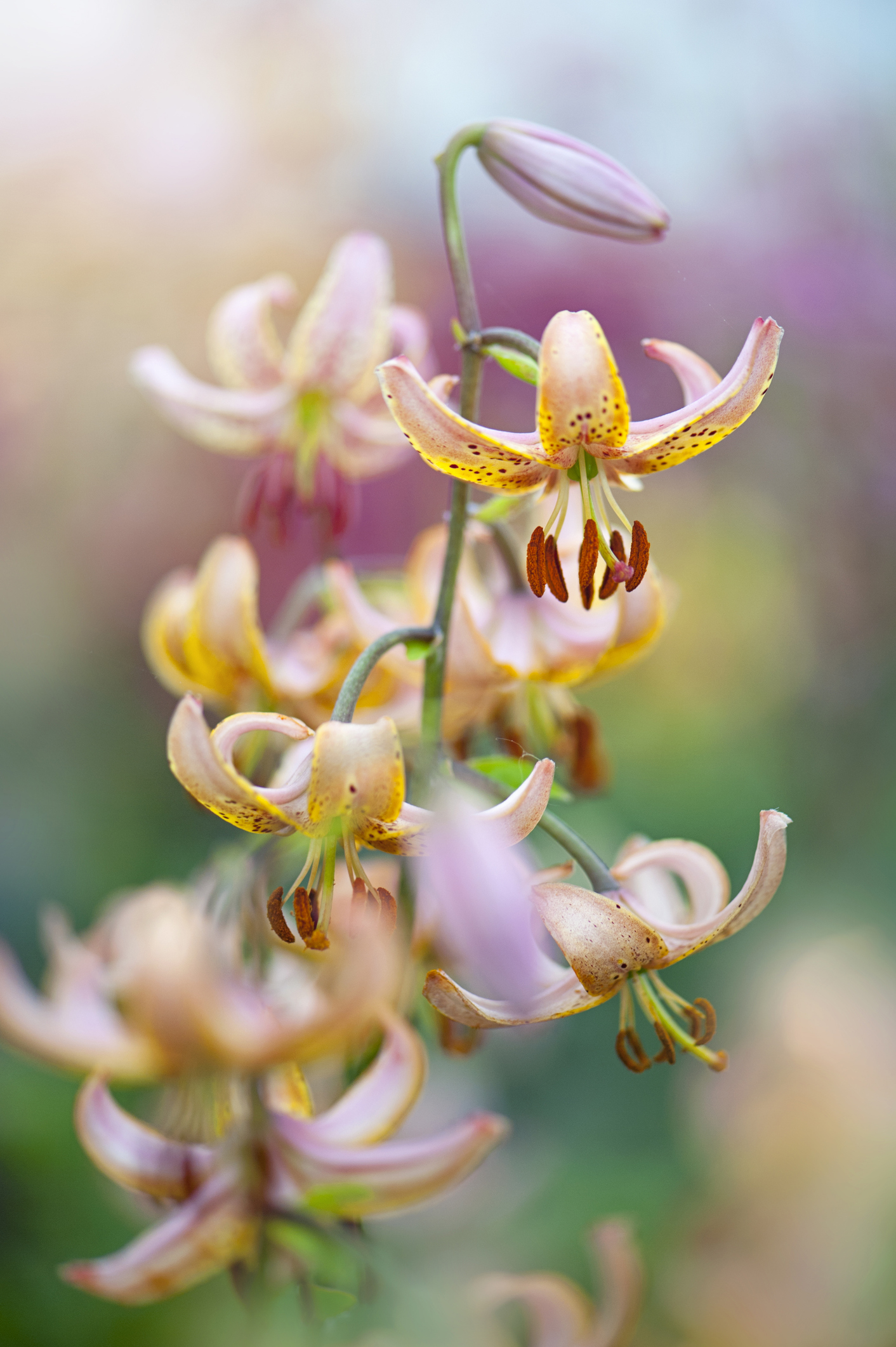
The most beautiful of all lilies (in my opinion) is this Turks Cap Lily, a North American species with a grand stature at 2 metres and stems topped with 20 plus blooms per piece.
The colours are super sexy too, I love the red and orange combo, enhanced beautifully by the bronze spots here and there. Grow it in part shade, especially in hot summers. It’ll attract hummingbirds too, when grown in the right country!
Let’s unpack that name though. Firstly, the common name of Turks Cap is so called as the flower is said to look like a turban. Lilium is the genus name for the family of lilies, and superbum doesn’t refer to the handsome posterior, but actually means ’magnificent’, explaining the awesome appearance of this species Lily!
#4 Sarcococca confusa
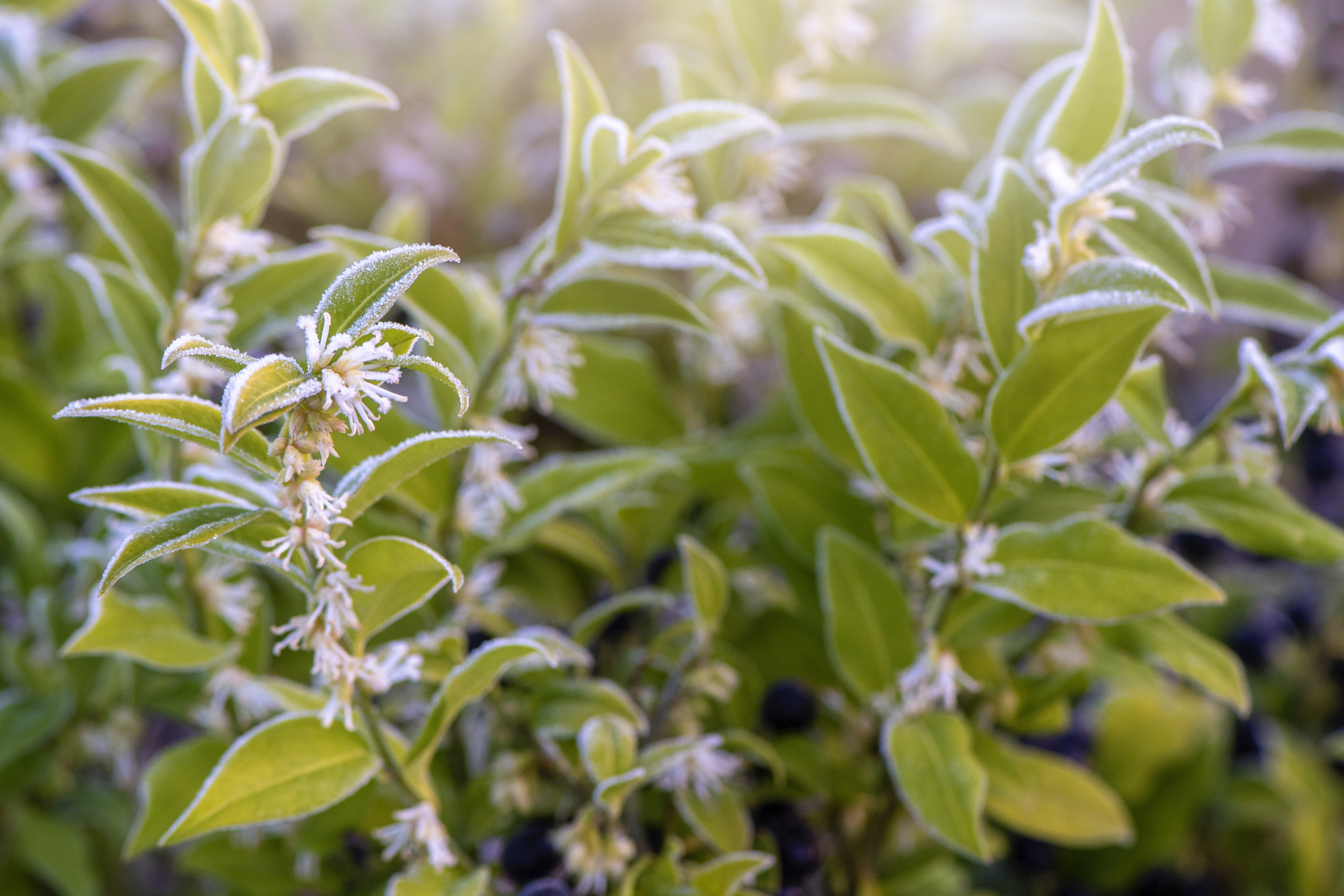
This one seems innocent until you say it out loud! It’s also a bit of a tongue twister, so you may need to practice it a few times too.
Part of the Buxus family - and indeed a valid substitute for the common box, which has been besieged by problems in recent years. Often named Christmas box as it blooms at exactly that time, with a sumptuous scent - described as a mix of jasmine, vanilla, orange blossom and honey. Please bottle it for me!
You may also like
- The best alternatives to box to help you avoid box blight and box tree moth
- Looking for flowers with colour in the winter? These early-flowering beauties could make your garden glow
A plant that you’ll smell before you see, it is often used in parks and gardens by the local municipality. So, next time you’re cruising by the bushes, it may not be aftershave you’re smelling! Evergreen, glossy and a plant I can’t recommend enough!
Let’s expose that name though: Sarcococca. ‘Sarkos’ in Ancient Greek means ‘flesh’ and ‘kokkos’ means ‘seed’, a very simple explanation which refers to the glossy black berries of the plant. Oh, and confusa means just that - it’s how botanists name plants when the species is unclear or close to another.
#5 Clitoria ternatea
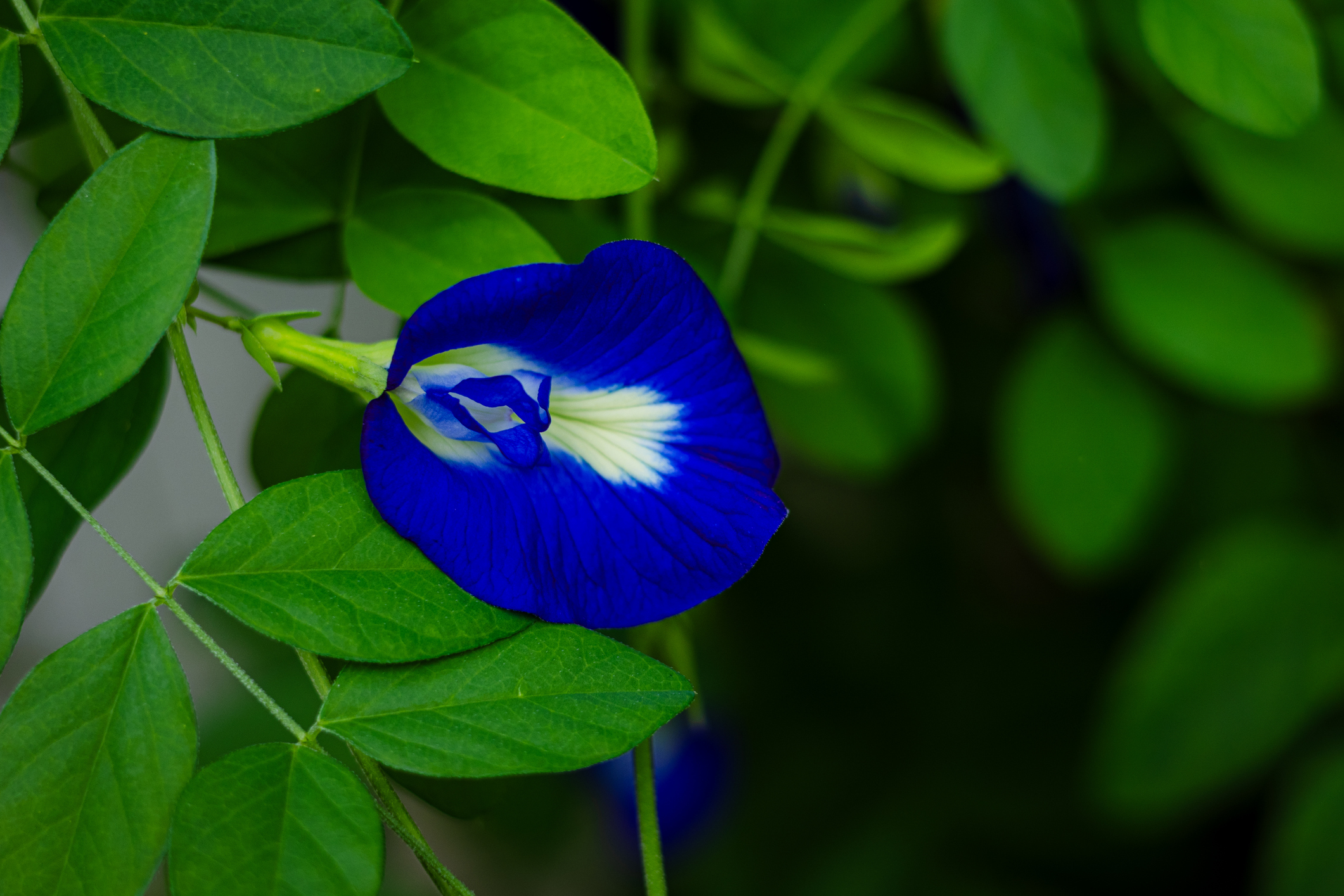
Now, here’s a plant that sounds AND looks rude. Please step forward Clitoria ternatea, just one glance at the flower will explain that name!
As a plant, Clitoria is widespread in the wild across tropical Asia, and forms a rather vigorous twining perennial climber. It can be grown in the UK, and I have done so myself, as a (late blooming) summer climber. I found it be like a ‘poor man’s wisteria’ with similar foliage, speedy growth and a similar coloured bloom. Although that is where the similarities end.
You may also like
- 21 of the best annual climbers to plant
- These delicate, single-flowered roses are perfect for a natural feel in the garden - here's which to grow
Used for many purposes across the world, from medicinal to dyeing of clothes, food and drinks, the anthocyanin pigments (part of which are ternatins - hence the name) give that intense blue flower colour. You can have a lot of fun with these flowers, as the dye turns pink when mixed with something acidic.
Make a cup of Clitoria tea and it’ll turn pink once you add lemon!
And botanists really did point out the obvious when they named this genus of plants - the Greek word ‘kleitoris’ translates directly as clitoris, and refers to the resemblance of the flower to a clitoris.
#6 Sticky willy - Galium aparine
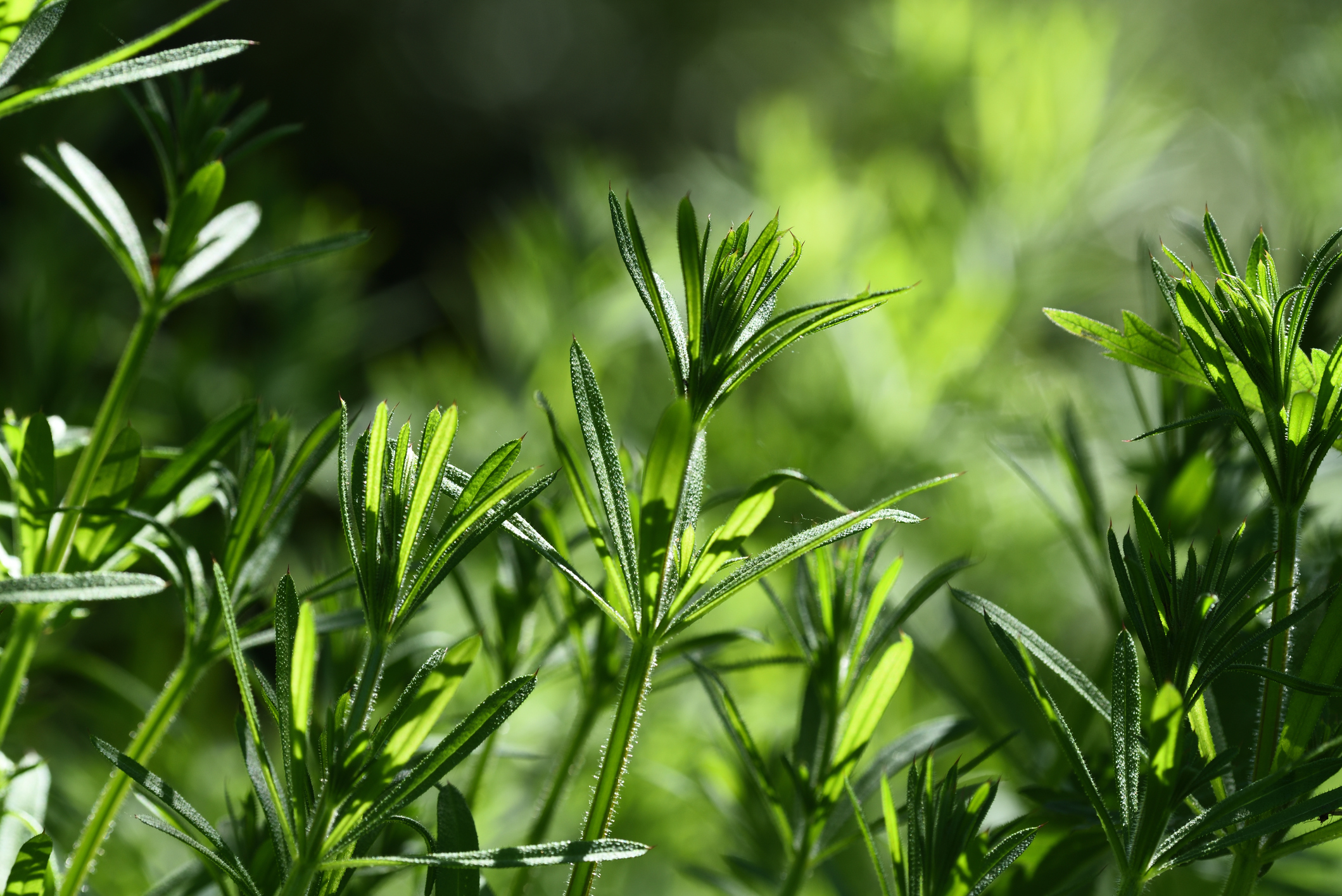
And finally, let’s discuss the male anatomy for a moment, as it’s actually the common name of this specimen which raises eyebrows! Known by many different names, some of which are regional, Galium aparine is most widely known as sticky willy!
A plant you’ll often spot in hedgerows up and down the UK, looking at its best in late spring, and covered in backward pointing hooked hairs, which mean it’ll stick to any surface it comes into contact with. That’s its method for dispersing its seed, as it can easily hitch a lift on an animal's fur, for example.
A plant said to have great health benefits, the seeds have also been ground down to make coffee over the years. The Latin name of Galium aparine is made up of Galium - gala meaning milk (referring to the inner sap) and aparine, meaning clinging plant, which it indeed does. And sticky willy, nobody quite knows how it got that name- but I do rather like it!