James Hitchmough has created gardens around the world using sustainable, long-term, naturalistic and often seed-sown plantings. He is best known for projects such as London’s Queen Elizabeth Olympic Park and Knepp Walled Garden, and is an emeritus professor of horticultural ecology at the University of Sheffield.
You may also like
James is currently developing his own garden in Somerset with particular focus on a planting palette for a changing climate. These are the ten plants that he uses most often and the ones that he could not possibly live without.
James Hitchmough's endlessly useful plants
Agapanthus inapertus
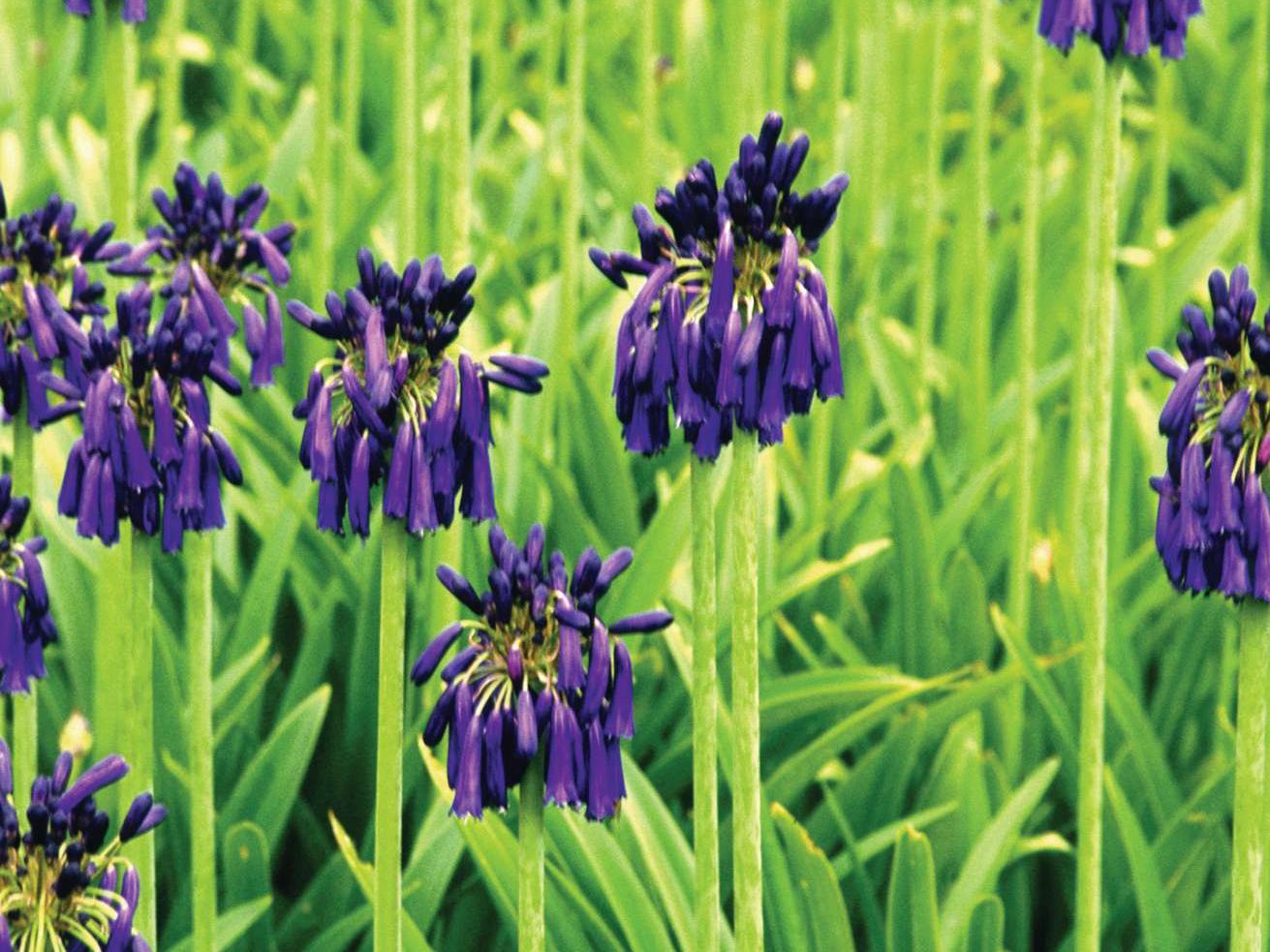
Mid- to dark-blue, 7cm-long bells on very tall, bolt-upright stems, with many selections. Wonderful with acid-yellow Patrinia scabiosifolia and highly drought tolerant. On balance, ‘Tallboy’, with its dark blue tubular bells, is my favourite cultivar; and yes, it is really tall, reaching up to 1.5m.
Height 1.2m. Spread 70cm. Plant type Perennial. Conditions Well-drained, moist to dry soil; full sun. Season of interest Late July – August. Hardiness rating RHS H4, USDA 8a-10b.
Anemone blanda
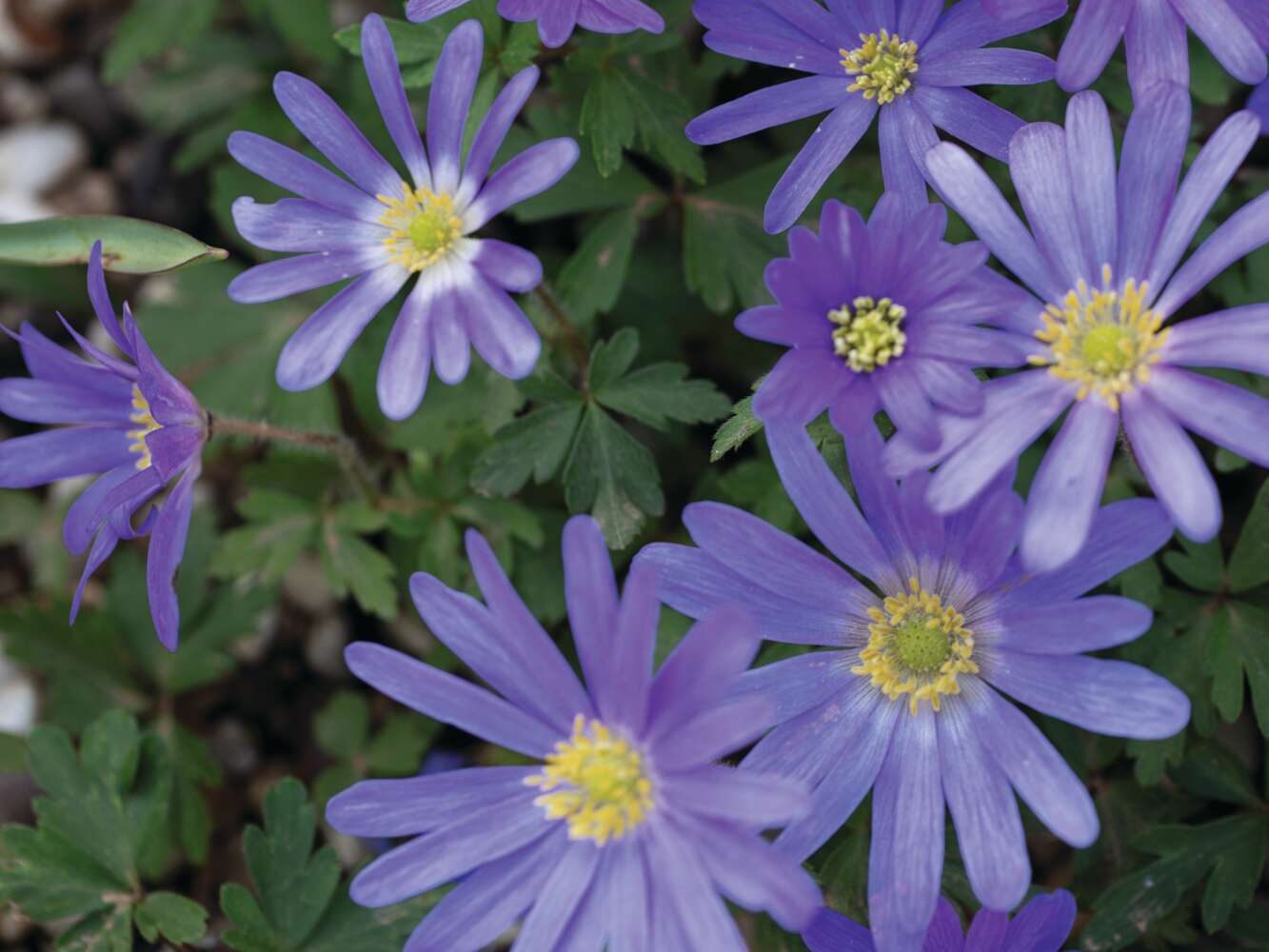
One of the best-value spring geophytes, it offers lavenderblue ‘daisies’ for ages, and is wonderful with creamy yellow primroses and almost everything. There are white and pink ‘strains’ too. It self-seeds, but it’s not much of a threat to anything else. Easy to grow, it needs sun from February to April, but full shade under trees or taller herbaceous plants is fine after that.
Award of Garden Merit. Height 5cm. Spread 15cm. Plant type Bulb. Conditions Well-drained soil; full sun to part shade. Season of interest March – April. Hardiness rating RHS H6, USDA 5a-8b.
Asarum europaeum
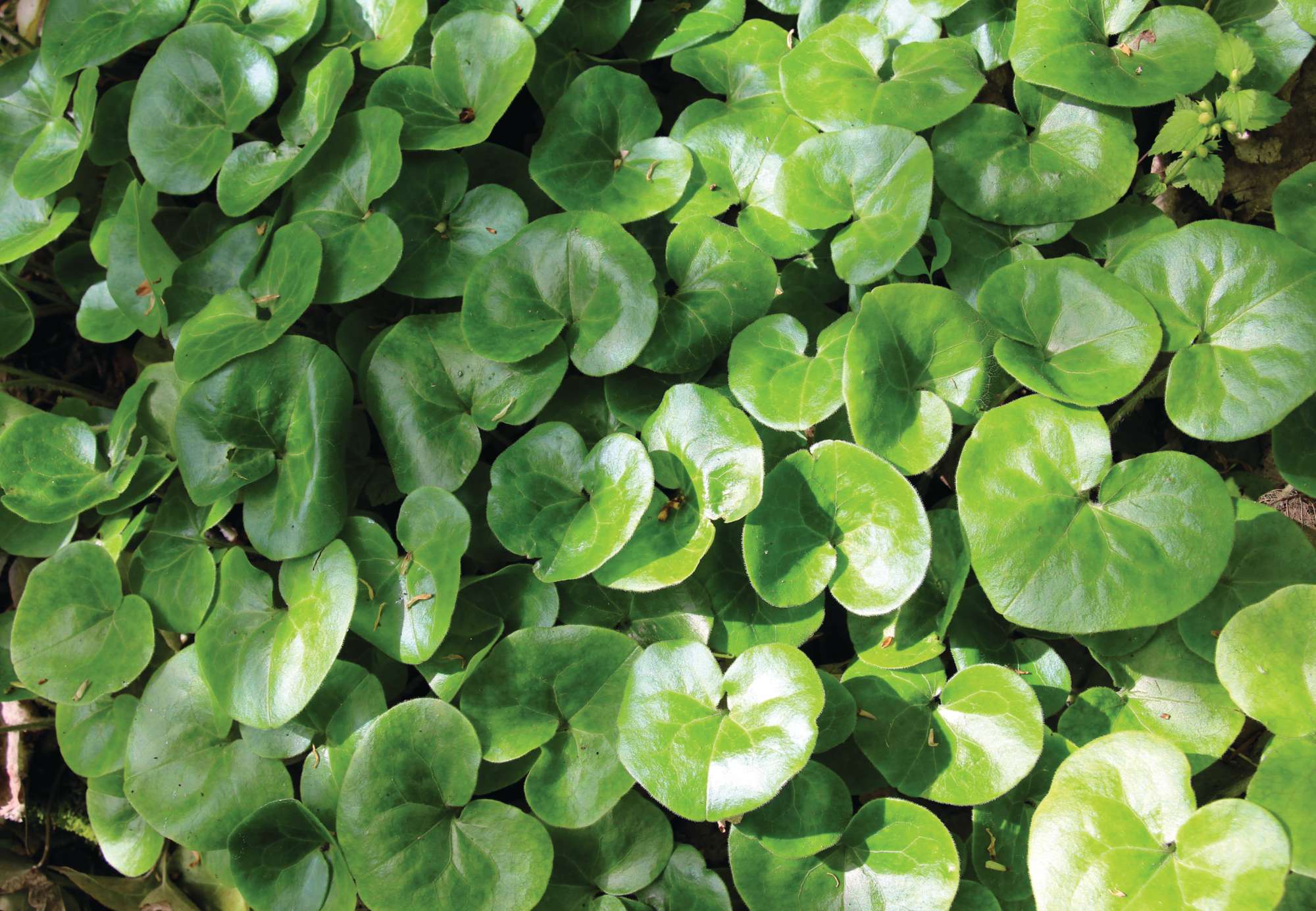
A chunky low dome of rounded, glossy evergreen leaves gives visual solidity to shady underplanting. Can be infuriatingly slow, but gently self-seeds when happy. Eventually you will be looking for homes for some of these if you want to preserve smaller things. Leaves can be more or less concave-convex depending on nursery stock.
Award of Garden Merit. Height 15cm. Spread 40cm. Plant type Perennial. Conditions Well-drained moist soil; part to full shade. Highly drought tolerant in shade. Season of interest Year round. Hardiness rating RHS H6, USDA 4a-7b.
Aster amellus 'Veilchenkönigin'
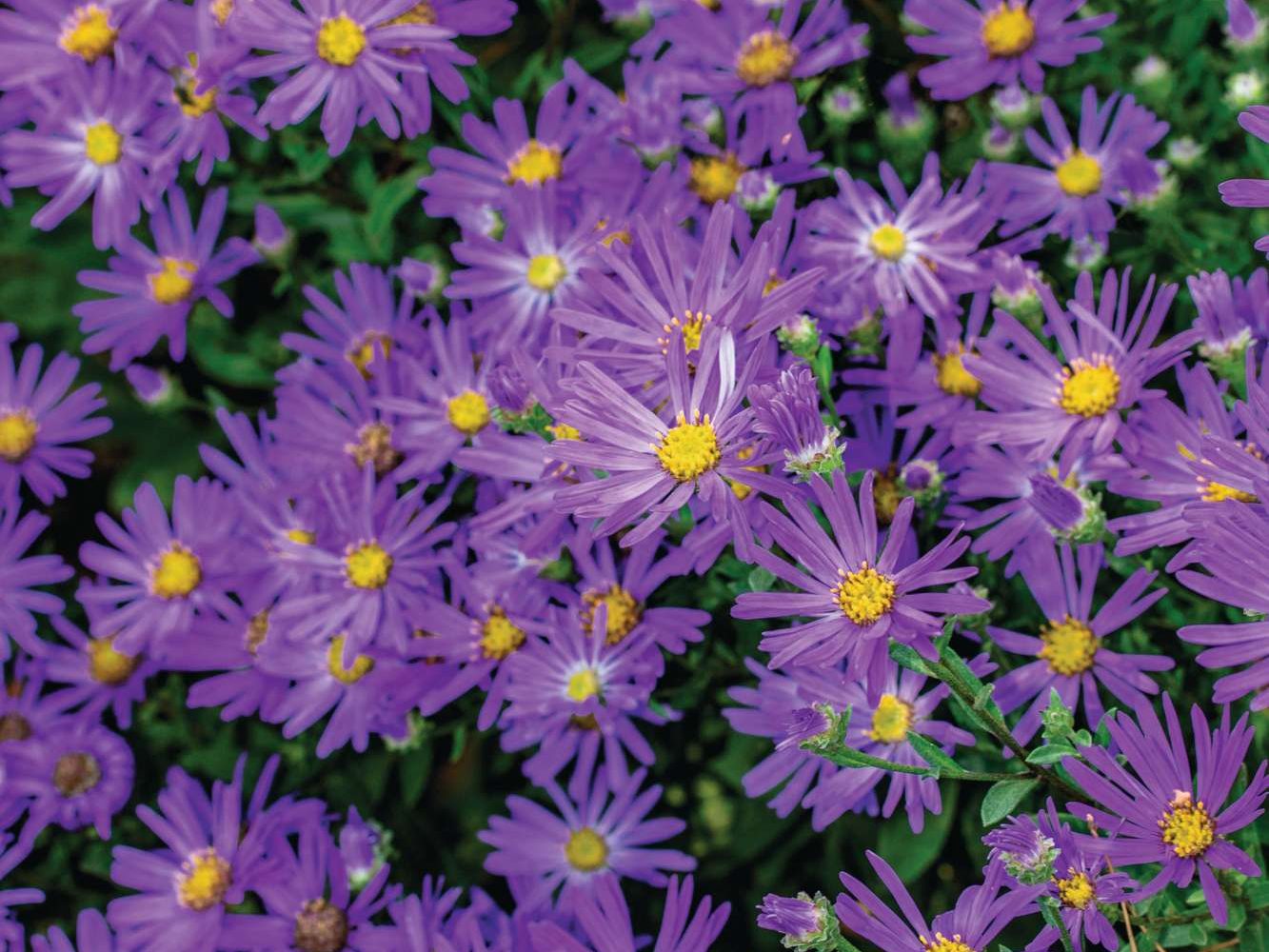
This hummock-forming, zero-mildew aster never flops. Super attractive to both people and pollinators, best used as a repeating mound and wonderful with pink nerines. One cannot have too much.
Award of Garden Merit. Height 40cm. Spread 60cm. Plant type Perennial. Conditions Well-drained soil; full sun to light shade. Good drought tolerance. Season of interest Early August – end of October. Hardiness rating RHS H7, USDA 5a-8b.
Begonia grandis
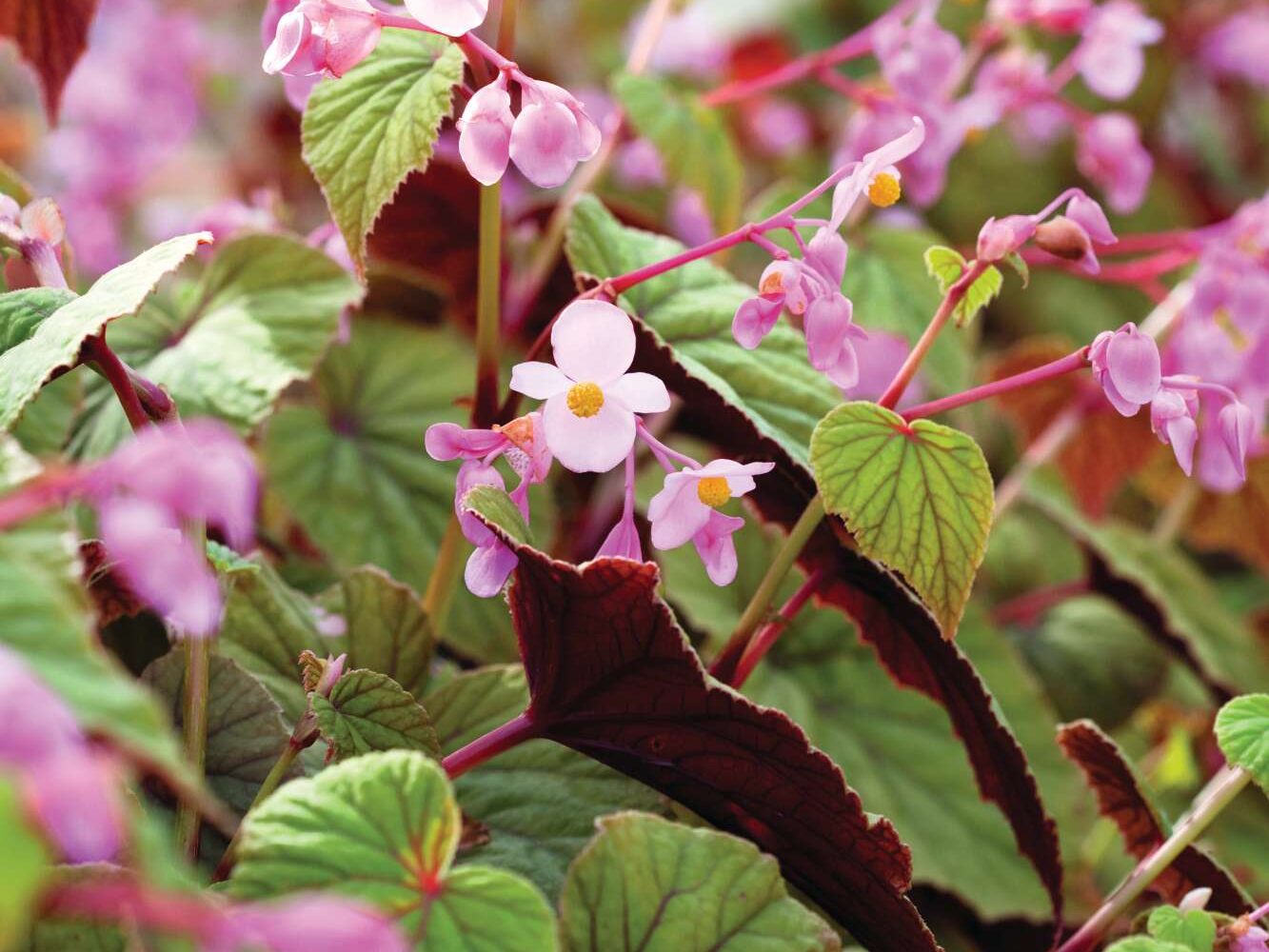
Late flowering, with wonderfully large leaves, often burgundy on the underside, and exploding star bursts of flowers in pink or white. In shade, it is much more drought tolerant than you might expect. Space share with spring-flowering, early dormancy plants such as Primula sieboldii and Pulmonaria ‘Blue Ensign’.
Height 60cm. Spread 60cm. Plant type Perennial. Conditions Good moist soil but hangs in when dry; most luxuriant in shade. Season of interest July – end October. Hardiness rating RHS H6, USDA 6a-7b.
Bergenia emeiensis
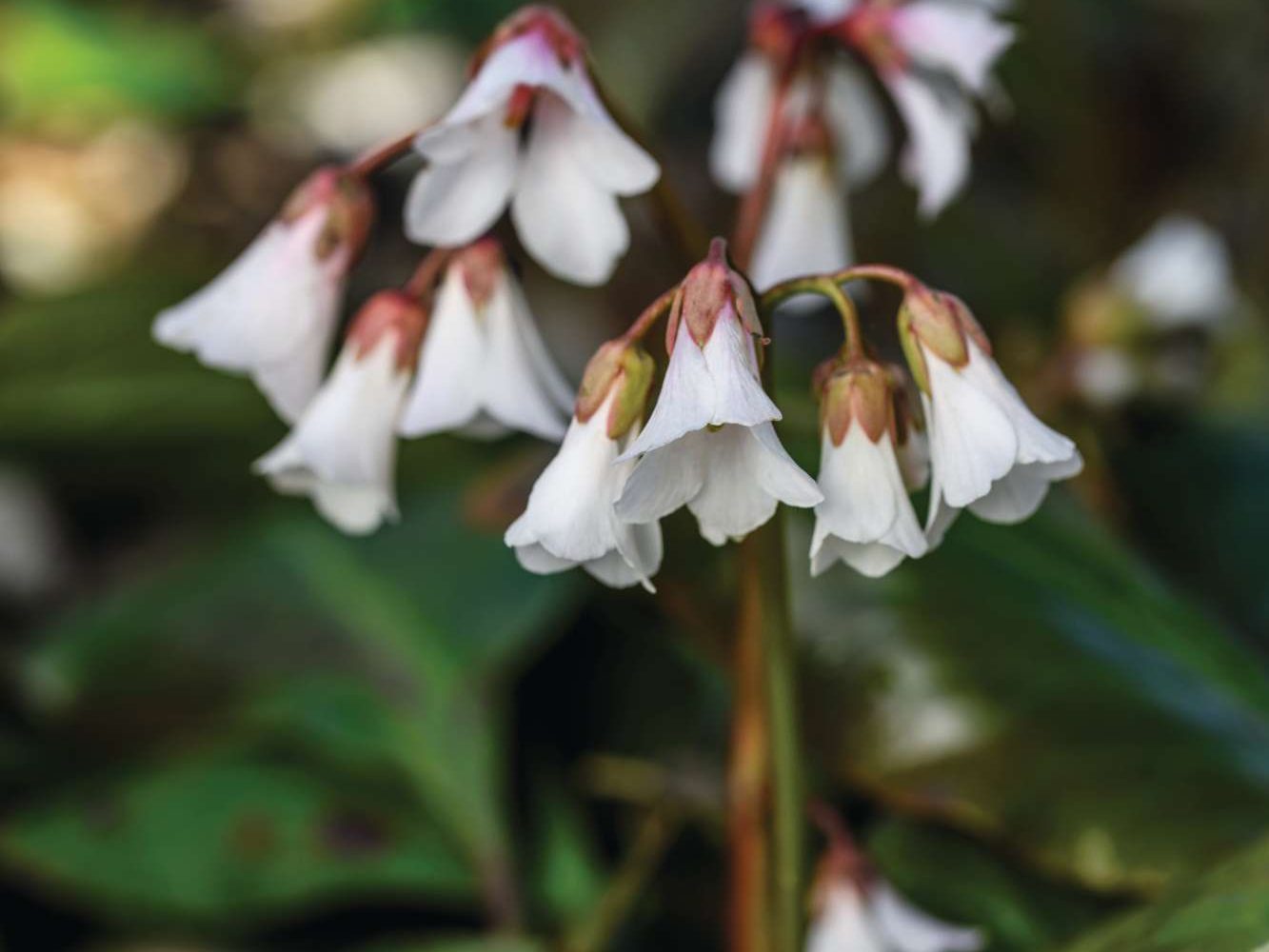
Rounded evergreen leaves in svelte, groundcovering rosettes, which unlike some others don’t look too much like a cabbage. Very attractive in flower; the forms with white flowers and red calyces are the best. Not much winter leaf colour and a bit slow. Loved by vine weevils when in pots.
Height 15cm (30cm in flower). Spread 30cm. Plant type Perennial. Conditions Moist good soil, but tolerant of drought in shade. Highly tolerant of the latter. Season of interest Year round, March – April (flowers). Hardiness rating RHS H7, USDA 5a-9b.
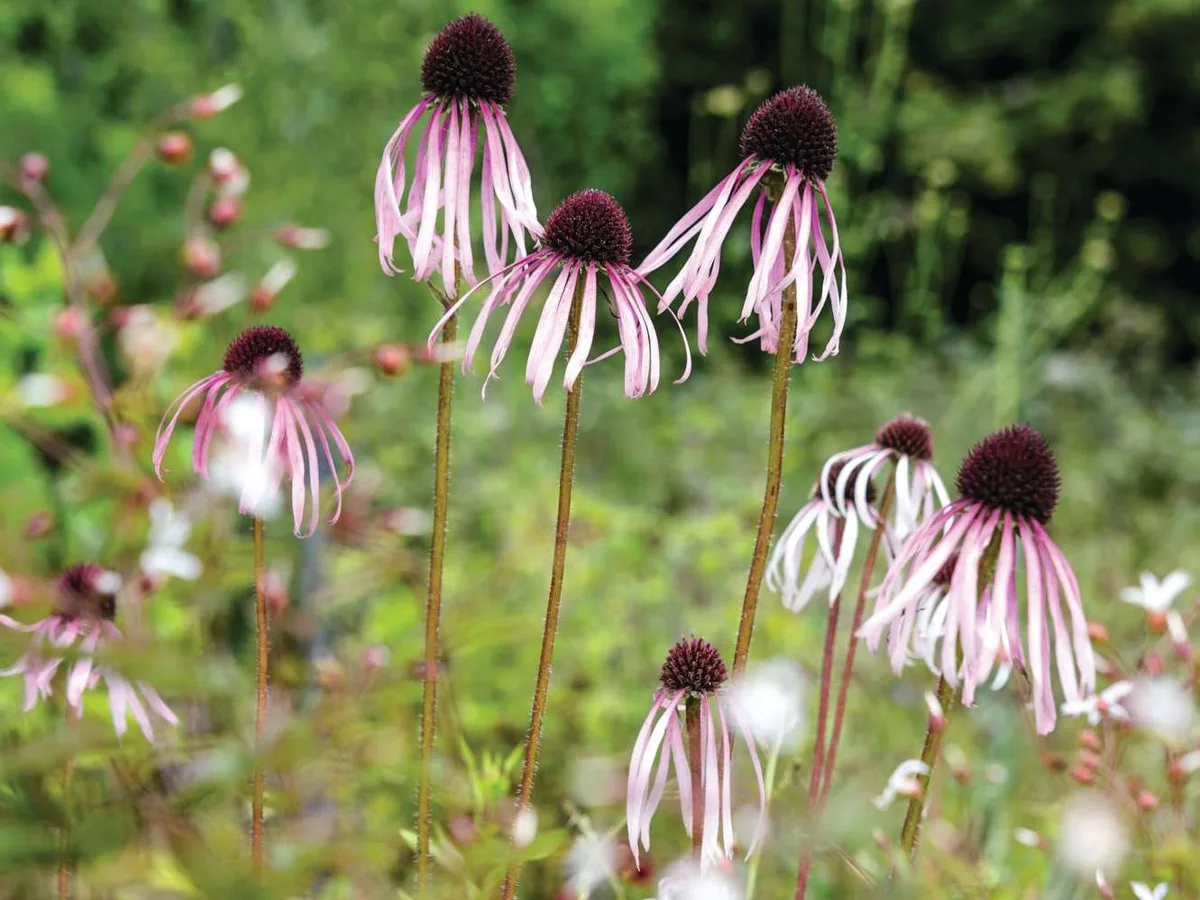
Echinacea pallida
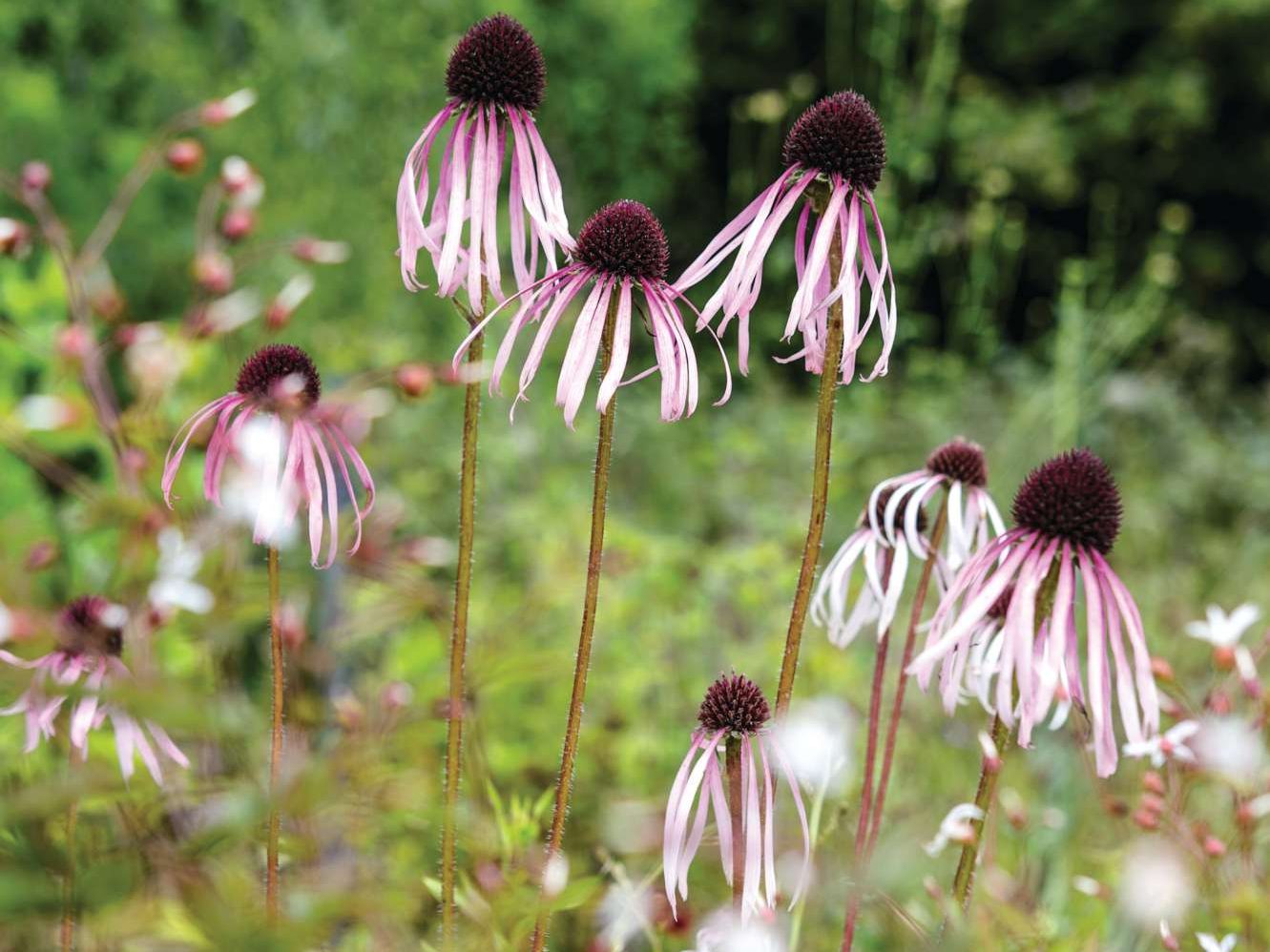
Tall, naked stems topped with pointy cones and vertical, hanging, strappy-pink petals and neat plantain-like basal foliage. Wonderful emerging out of lower planting. In late October the by-then black seed cones are still good. Best in dry soil, where molluscs grazing on emerging shoots are less abundant.
Height 75- 90cm (in flower). Spread 40cm. Plant type Perennial. Conditions Well-drained soil; full sun. Season of interest Late June – August (flowers). Hardiness rating RHS H5, USDA 3a-10b.
Patrinia scabiosifolia
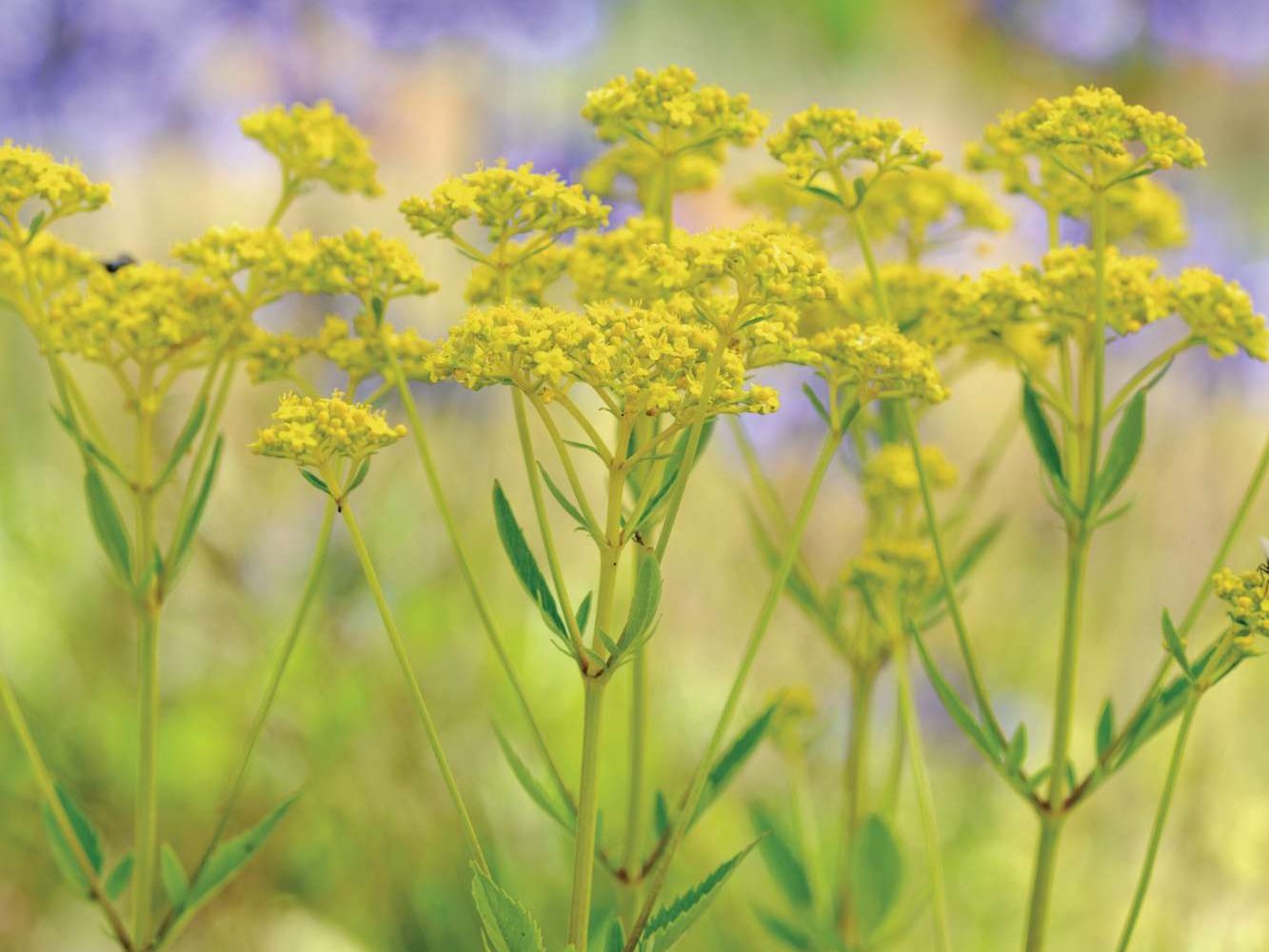
Deciduous herbaceous plant with chunky basal foliage and tall see-through stems in late summer. Flat plates of acid-yellow flowers float in space; this is the architectural twin of Verbena bonariensis. Ochre-yellow seedheads continue the effect. Good autumn leaf tones.
Height 1.5m. Spread 60cm. Plant type Perennial. Conditions Moist but welldrained soil; full sun to part shade. Moderately drought tolerant. Season of interest July – late September. Hardiness rating RHS H6, USDA 5a-8b.
Primula vulgaris
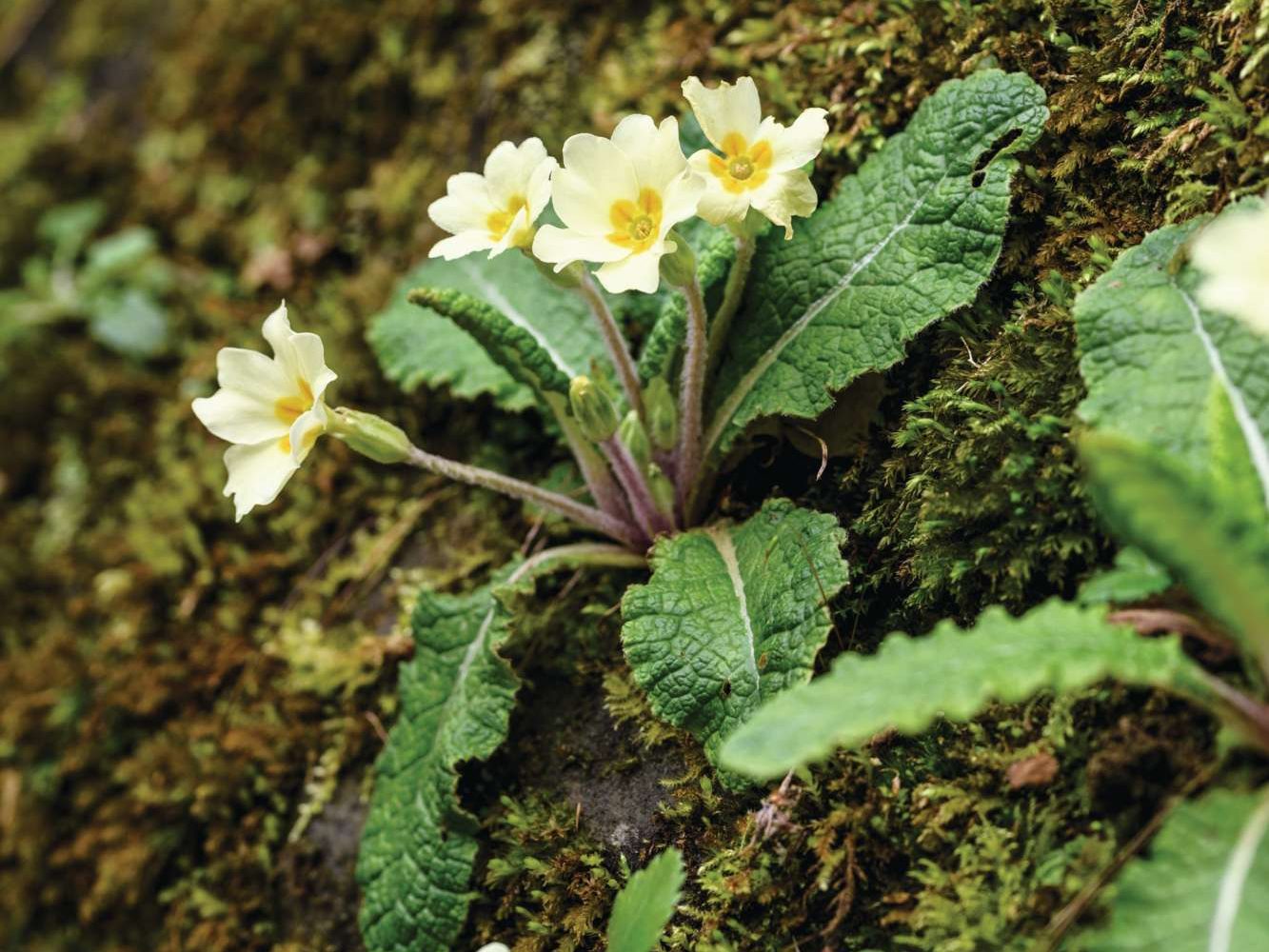
Ubiquitous, sublimely lovely creamy European woodland/ woodland edger. Evergreen rosettes from autumn to early summer, dormant in summer, self-seeds like crazy, but fabulous for a groundcover under taller herbaceous and woody species. Don’t mix with small treasures.
Award of Garden Merit. Height 10cm. Spread 30cm. Plant type Perennial. Conditions Moist soil; full sun to heavy shade. Incredibly tolerant of everything. Season of interest March – May. Hardiness rating RHS H7, USDA 4a-8b.
Saxifraga 'Wada'
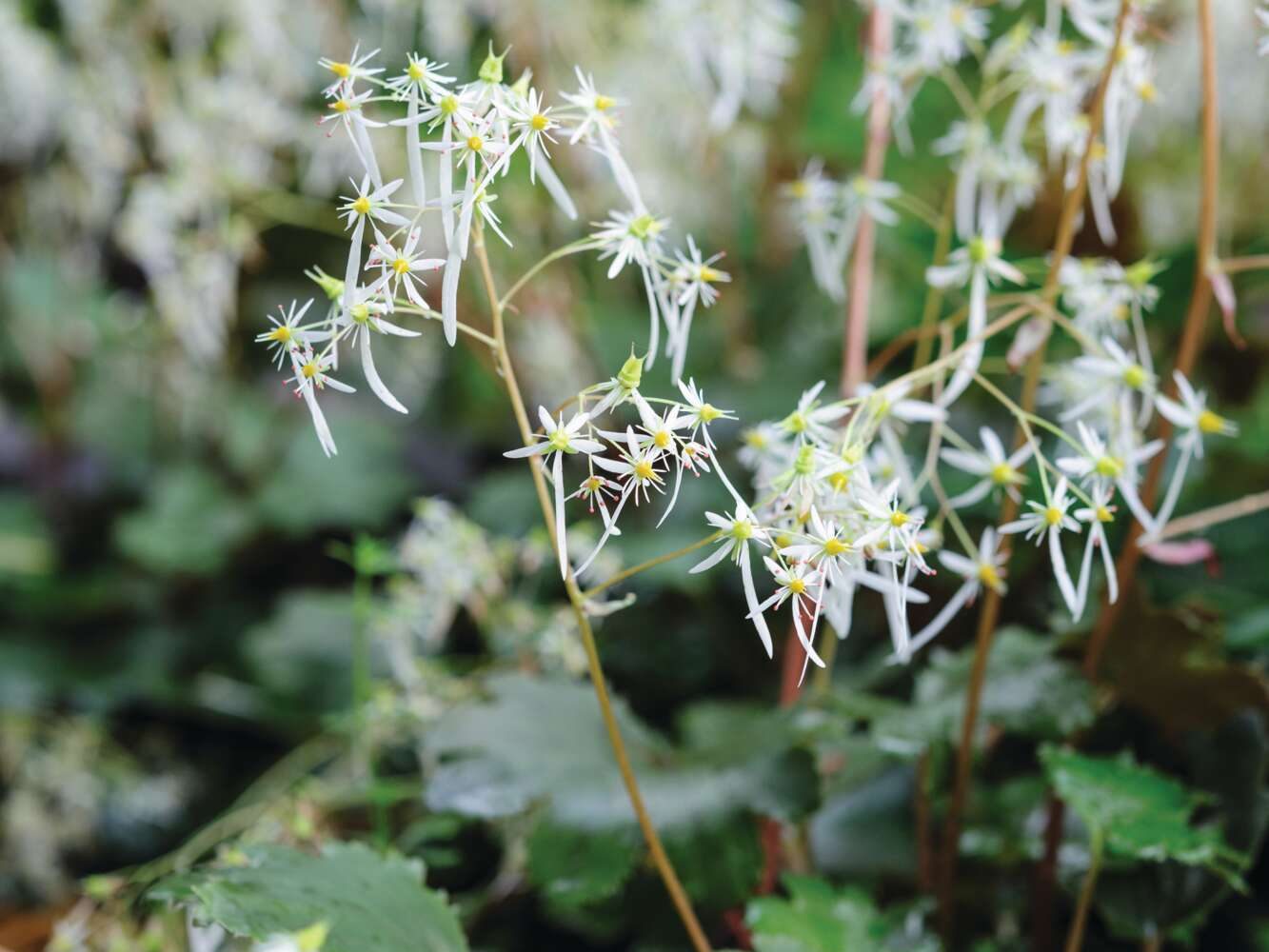
The freshest plant in the late-autumn garden. This winter-deciduous woodland perennial has astoundingly handsome, heuchera-like, fleshy, bronze-green leaves and a storm of pure-white candyfloss in October. Sometimes sold with vine weevils attached, so water with a nematode pre-planting or you can wave bye-bye.
Height 30cm. Spread 40cm. Plant type Perennial. Conditions Moist soil; part to full shade. Season of interest April – October (foliage); October (flowers). Hardiness rating RHS H4, USDA 6a-8b.
Subscribe to Gardens Illustrated now to have inspiration dropped on your doorstep each month.