
Britain’s woodland wildflowers: a tour of the forest floor
There are few sights in nature quite as magical as a woodland floor as it shifts through the seasons. In autumn, Britain’s woods enter one of their most enchanting phases. Fallen leaves settle into rich red, gold and copper carpets beneath the trees, fungi emerge in extraordinary shapes and colours, and pockets of evergreen moss provide a bright and vibrant contrast to the shades of warmth.
These incredible seasonal displays tell a story, one that reveals the history of a landscape, supports a wealth of wildlife and reminds us why our ancient woods are among the most precious habitats in the country.
The Woodland Trust, the UK’s largest woodland conservation charity, cares for more than 1,000 woods across the UK, protecting and restoring these living landscapes so future generations can experience them too.
Find out how you can help support the Woodland Trust and become a member today.
Reading the woodland floor
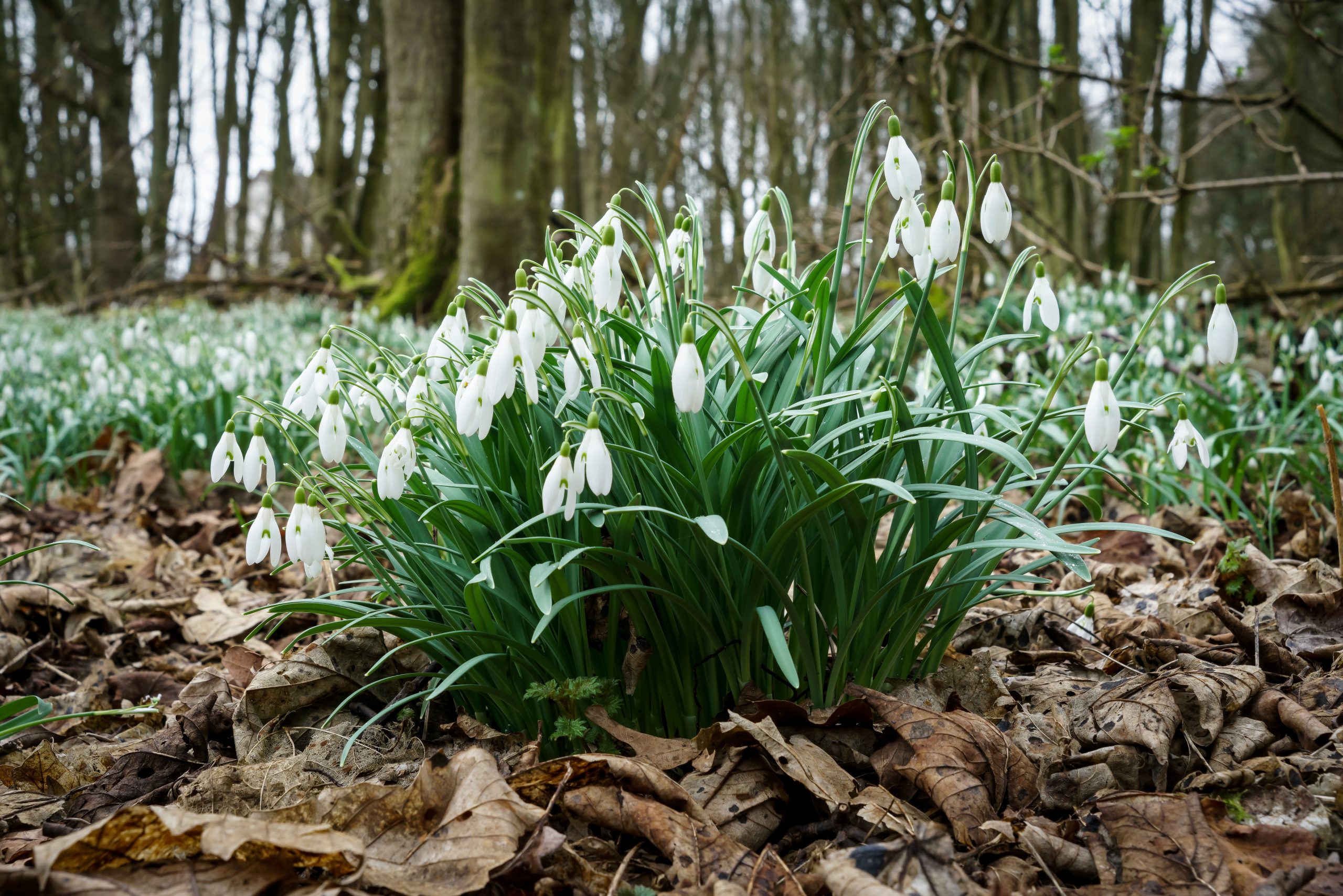
Many of Britain’s best-loved woodland plants are known as ancient woodland indicators. These species are slow to spread and thrive in habitats that have remained continuously wooded for centuries. Spotting them can be a sign that a woodland has a long and rich history.
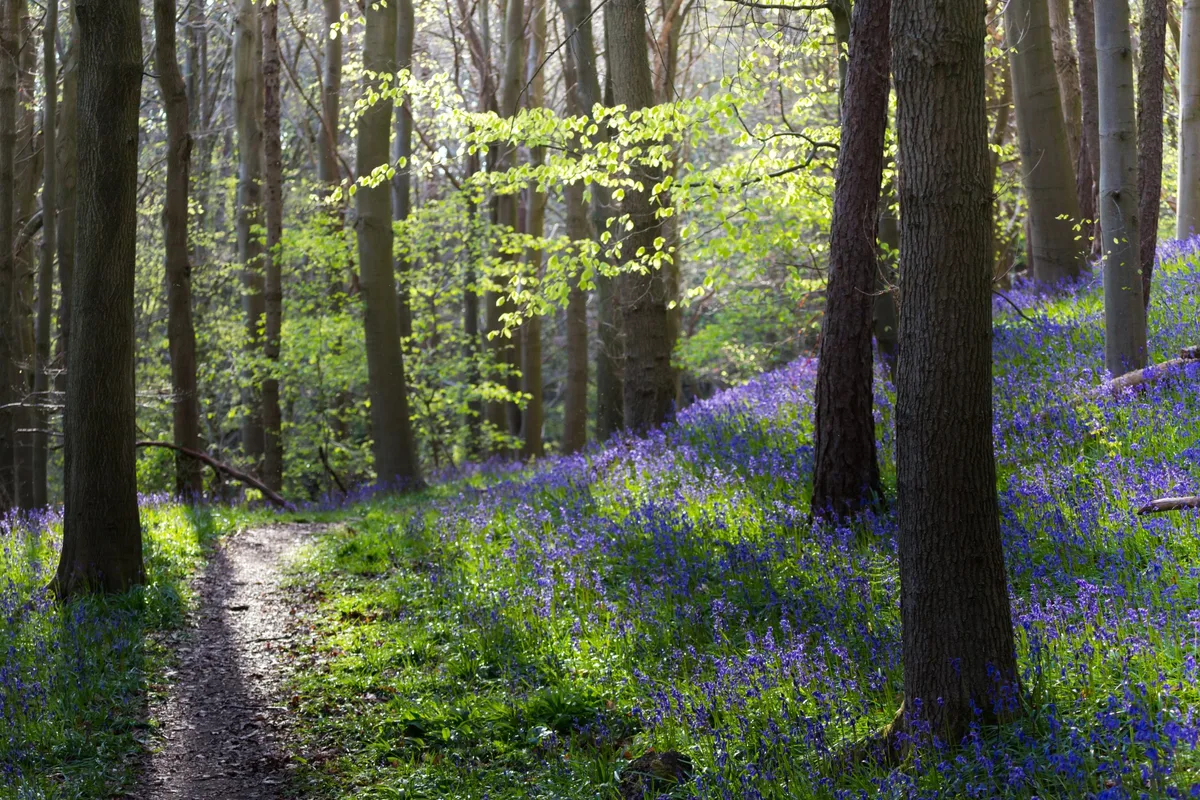
At Marden Park in Surrey, spring brings one of the season’s most enchanting displays, as native bluebells mingle with other woodland flowers beneath the canopy.
Further west, Credenhill Park Wood in Herefordshire showcases another side of the woodland floor, with woodland flowers like foxgloves and honeysuckle flourishing alongside veteran trees, creating a diverse habitat where plants, insects and other wildlife depend on one another to thrive.
Meanwhile, Lang Craigs, overlooking the Clyde Valley in Scotland, is home to a fascinating variety of flora, including the ivory of hawthorn flowers and the purple haze of common dog violets. Its rocky woodland landscape supports an everchanging tapestry of plants, demonstrating how different woodland environments create opportunities for unique species to flourish.
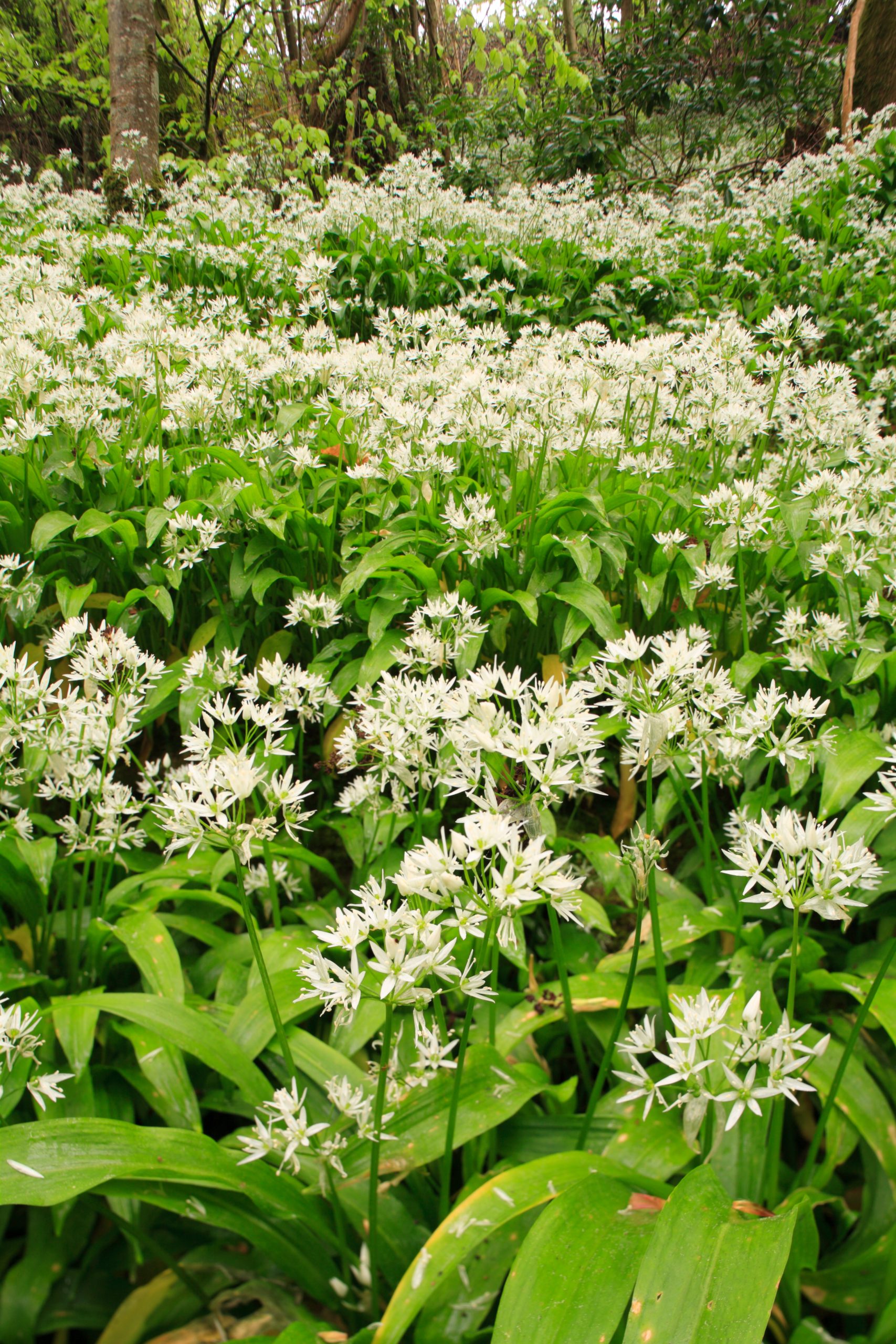
Across these sites, and hundreds more in the Woodland Trust’s care, visitors can discover countless other native treasures such as wood anemones, yellow archangel, dog’s mercury, wild garlic and primroses.
For gardeners used to perfectly planned planting schemes, ancient woodland offers a masterclass in natural design. Every species occupies its own niche, creating layers of colour, texture and ecological value.
Find out more about woodland wildflowers and where to find them.
A feast for pollinators
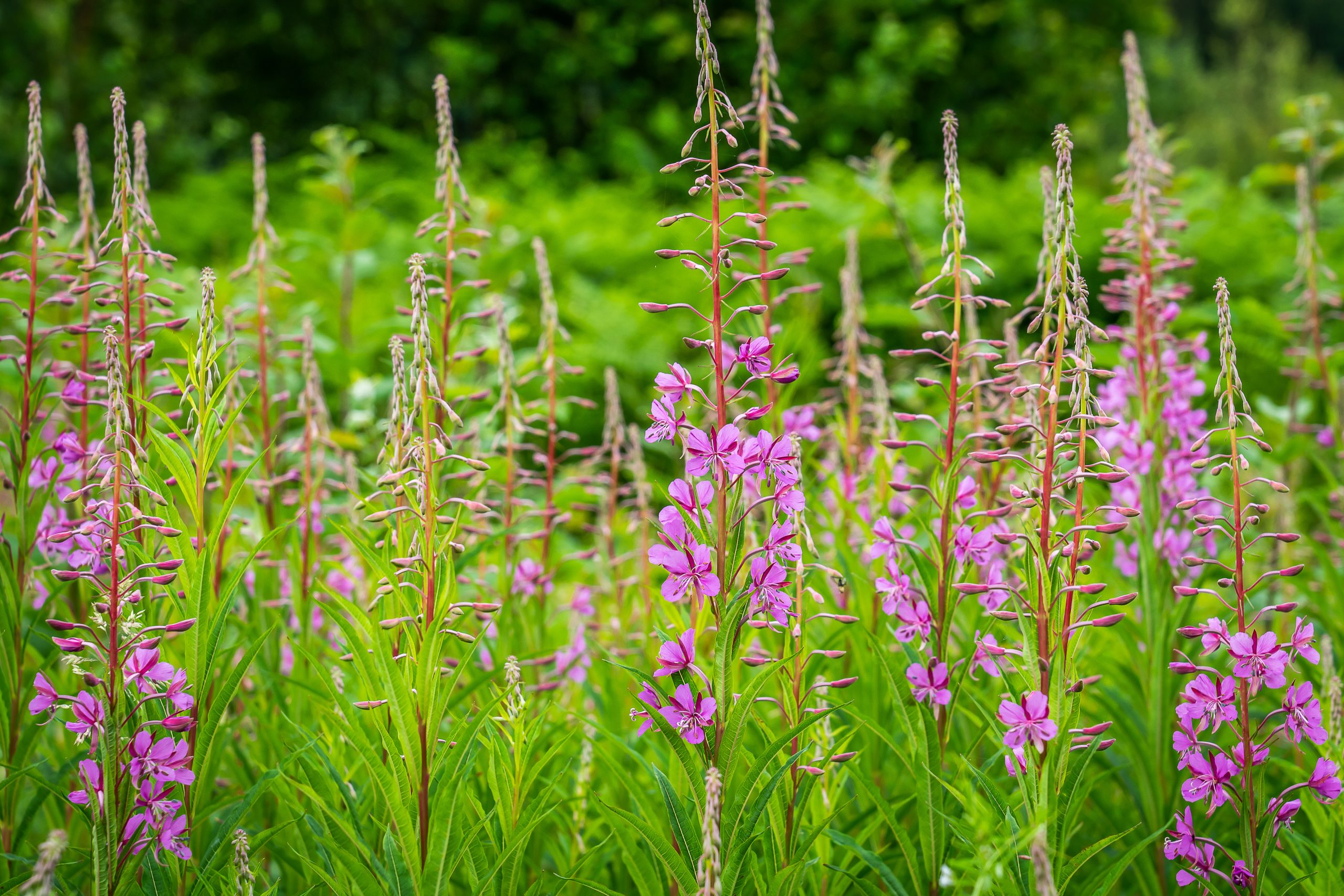
Early spring can be a challenging time for pollinating insects emerging from winter and woodland flowers provide some of the first vital sources of nectar and pollen when not much else is available.
Bluebells attract bumblebees, butterflies and hoverflies. Primroses help sustain early pollinators, while wild garlic flowers that appear later in the season provide an abundant source of nectar for insects. Together, these plants form a web of life that supports everything from beetles and moths to birds and mammals higher up the food chain.
Therefore, protecting woodland wildflowers means protecting entire ecosystems.
This is one reason why the Woodland Trust’s work is so important. The charity protects woods and trees from loss and damage, restores ancient woodland habitats and creates new native woodland for the future.
Find out how you can help support the Woodland Trust and become a member today.
Helping Britain’s wild garden thrive
Woodland flowers demonstrate the power of planting that works with nature, rather than against it. They remind us that healthy ecosystems are among the most beautiful gardens of all.
But these habitats face growing pressures from development, disease, climate change and neglect. Ancient woodland is among Britain’s most precious natural assets, yet it covers just 2.5% of the UK. These woods have evolved over centuries and support rich communities of plants, fungi and other wildlife that cannot simply be replaced once they are gone.
That’s why support for organisations such as the Woodland Trust is so important. Membership helps the charity protect threatened woods, restore damaged ancient woodland, care for the more than 1,000 woods it already manages and create new native woodland for the future.
Most importantly, it helps protect the places where nature stories begin. Like the first sighting of a red squirrel, a spring walk scented with wild garlic, or a child’s first discovery of a bluebell-filled glade.
These moments are waiting in Woodland Trust woods across the UK and by becoming a member from just £4 a month, you can help protect them for generations to come.
Find out how you can help support the Woodland Trust and become a member today.


