Right now, it's National Allotment Week (10th to 16th August 2026), so to mark the occasion, we're looking into a recent report on allotments in the UK, which suggests the situation for those stuck on a waiting list may be improving.
According to The State of the Market 2025 report from the Association for Public Service Excellence (APSE), 63% of local authorities report average waiting times for allotments of more than 18 months, while the National Allotments Week survey 2025 revealed nearly one in five people waited over two years for their plot.
Fully subscribed sites are the norm in the South East and the Thames Valley. However, local councils are taking steps to ease the situation.
Read more:
Why is demand growing?
The National Allotment Society says allotments are more relevant today than they have been at any time in recent history. More people are seeking out allotments as spaces to grow food and spend time in nature. As many live without access to outdoor space, allotments are vital for those who want to grow their own fruit and veg or create a garden space. Amid the rising cost of living, increasing food prices and decreasing food security, growing your own can save money throughout the year too.
Allotments also offer the opportunity to garden for physical and mental health, and socialise with others in the community, which has become even more important as more people now work from home and value the time spent outdoors and among other people. According to the National Allotments Week survey, although 47% of respondents said their sites had no designated social spaces, 80% said their allotment has helped them build social connections.
What's more, having space to grow fruit and veg gives parents the opportunity to teach children where food comes from, as well as gardening skills, teamwork and problem-solving.
In 2023, over 174,000 people were on an allotment waiting list. Bristol had the longest one, with 7,630 people waiting for a spot.
Some good news
Local authorities are now taking steps to ease waiting lists for allotments. According to the report, over three quarters have made plots smaller, a controversial approach but one which the report says has been mostly welcomed by new tenants. Plus, more than half of local authorities now restrict plots to just one per person or household, and include policies protecting and providing allotments in local plans.
As a result, although 63% of councils report an average wait time of over 18 months, the numbers suggest demand is starting to plateau, as the proportion of authorities with over 1,000 people on their wait lists remains steady.
There's more good news, too. Four in five councils now create wildlife areas on allotment sites, and pollinator-friendly planting is being encouraged more often than in 2023.
Also, over half of allotments now have provisions for those with disabilities, such as raised beds and accessible pathways, and 60% offer concessionary rents for vulnerable groups, including pensioners and those on low income.
“In the face of acute demand and budget pressures, local councils are not just maintaining allotment services but actively reimagining them," said Matt Ellis, author of the report and APSE principal advisor for parks. "By creating smaller plots, they are making them accessible to a new generation of gardeners with busy modern lifestyles, all while championing biodiversity and inclusivity.”
New developments
With more local authorities recognising the importance of allotment space, some developments now incorporate allotments as part of community infrastructure. One such project is Woodhurst Park in Berkshire, which includes allotments within its 65-acre country park with nature trails, a pond and a village green.
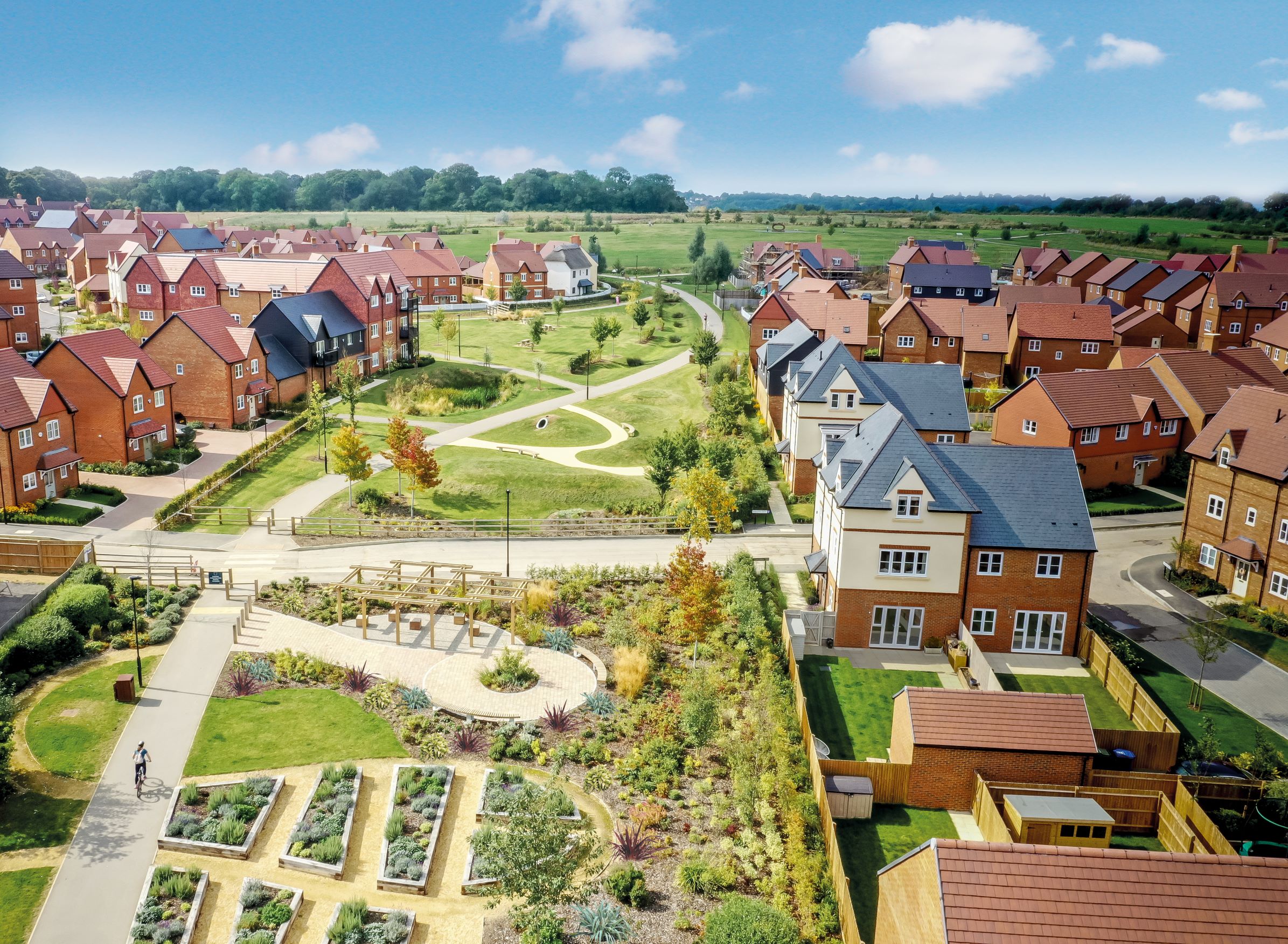
There is a conflict here; giving over space to allotments reduces capacity for houses on the site, but they should be seen as valuable infrastructure, says Tim Foreman, land and new homes group MD at the estate agency group LRG. According to Tim, it's important allotments are more than an afterthought in new developments, as they need proper access, a water supply and decent soil quality, as well as ongoing management.
Providing allotments or food-growing areas as part of housing developments is still not the norm, and as gardens in in the UK seem to get smaller, demand for separate allotments remains high.
“Councils have prioritised other facilities, for example housing, instead of setting aside land for allotments," said writer, allotments historian and artist JC Niala. "It is possible to do both, but the years of under-resourcing means that it is taking time to catch up with the rise in people's interest in growing their own food.”
Looking to the future
In areas where demand is particularly high, new allotment sites are popping up for those who are willing to pay more than the council fees. Roots Allotments advertises itself as offering 'Allotments With No Waiting List', and now has more than 20 sites across the UK.
On the outskirts of Bristol, Roots has recently set up a 700-plot site with prices starting at £9.99 per month for a 12-square-metre patch (already higher than the average £45 per year council price). But for this amount, members get organic seeds and plants, shared tools and practical growing guidance. Plus, site managers look after allotments while people are away, with optional watering services in high summer.
Local councils are not just maintaining allotment services but actively reimagining them
– Matt Ellis, author of the report
These private sites have attracted criticism, as some suggest they send a message to councils that the problems is being dealt with externally, but at the time of writing the Bristol site is proving popular, running at 90% capacity with just 28 patches available.
Nearby, there has also been encouraging news in Bath, where the landowner of Combe Down Allotments gave warning they intended to end the lease in 2025. This summer, it has been confirmed the council is working to acquire the allotments and save them for the future.
The reports show it is a time of significant change for allotments across the UK, so although waiting lists are still lengthy in some places, there is reason to be hopeful for those waiting to get their own plot.
Read more about allotment waiting lists and how to request growing space from the local council.


