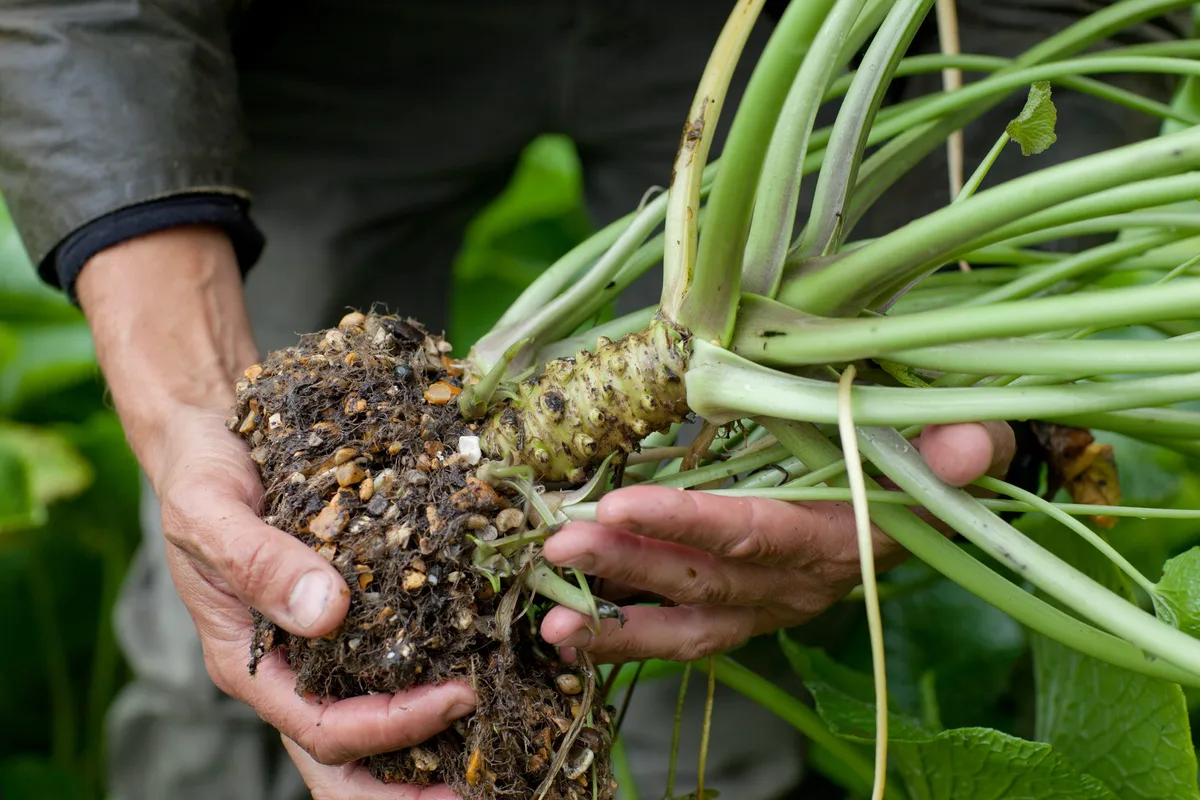
Many of us think we know wasabi – the bright green paste that goes with soy and sushi and packs quite the sinus-clearing punch if you take too much in one go. But unless you live in Japan, it’s very unlikely you’ve had real wasabi at all. And if you have, it probably cost a pretty penny.
The wasabi plant native to Japan is Wasabia japonica, also known as hon-wasabi. It’s a member of the brassicaceae family that also covers types of radish, horseradish and mustard plants. The wasabi most of us in the West are used to eating is seiyo-wasabi, or wasabi-daikon. This is a much plainer, white/greenish horseradish that is then dyed green to match its rarer cousin.
There is SOME genuine wasabi in the packaged western versions, but often as little as 1-3 per cent. Akemi Yokoyama is a Japanese food specialist, chef, presenter, writer and Principal of the Sozai Cooking School. She suggests that some cheap wasabi could have more than 5 per cent wasabi in it, “but that’s using a part of the wasabi that’s not normally used such as stems and leaves”.
You may also like
- Jake Hobson, the cloud-pruning guru and founder of Niwaki
- Creative plant supports you can make at home this spring to turn your garden into a work of art
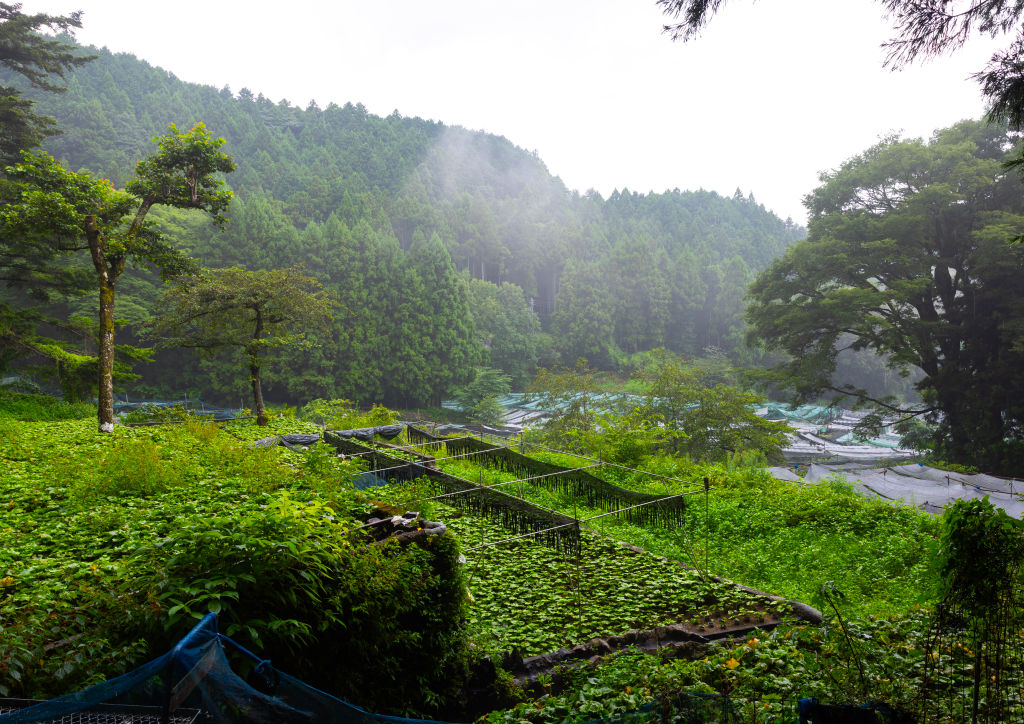
Wasabia japonica grows predominantly on river edges in Japan, and around 70 per cent of it comes from just a single region, Izu, in the Shizuoka Prefecture. The conditions it needs to grow well commercially are so specific that trying to farm it anywhere outside this handful of Japanese regions is incredibly tricky, verging on the impossible.
You may also like
“Wasabi does have a reputation of commercially being one of the hardest plants to grow. You need the right circumstances,” explains Jon Old, founding partner of The Wasabi Company, the first commercial wasabi grower in the UK. Their unique set-up means wasabi has found a natural home next to his main crop. “We’re a watercress farm with gravel beds and lots of water flowing through our system.”
Become a wasabi master
The rarity of finding all the right conditions together in one place, even in the UK’s largely temperate climate, is why genuine wasabi is so expensive to buy. A single 80g rhizome costs around £20, while similar-sized stick of horseradish costs a tenth of that.
But what if you could get your own supply of wasabi by growing it at a fraction of the cost? And even better, it’s actually easier for home gardeners to grow than for the professionals.
Aside from the cost saving, there’s the taste. Connoisseurs say that genuine wasabi has a much more refined heat and flavour than its ersatz wasabi-daikon version. Akemi insists that there is a world of difference, not just between genuine Wasabia japonica and mass-produced wasabi, but also between the different varieties themselves. “The huge difference is the aroma. You could use all the chemicals to try and create something similar but the real thing tastes so much better.”
In the UK, growers do have to be choosy about the variety, given the climate is not as suitable. However, there are two in particular that stand out. Wasabia japonica ‘Daruma’is noted for resilience, particularly to disease. It isn’t as pungent as some but is judged to be a good all-rounder. Wasabia japonica ‘Mazuma’, on the other hand, has both stronger heat and flavour.
You may also like
- Top designer tips for hiding 8 common garden eyesores
- Tired of digging, weeding and controlling pests? Meet the veg growers who are doing things differently
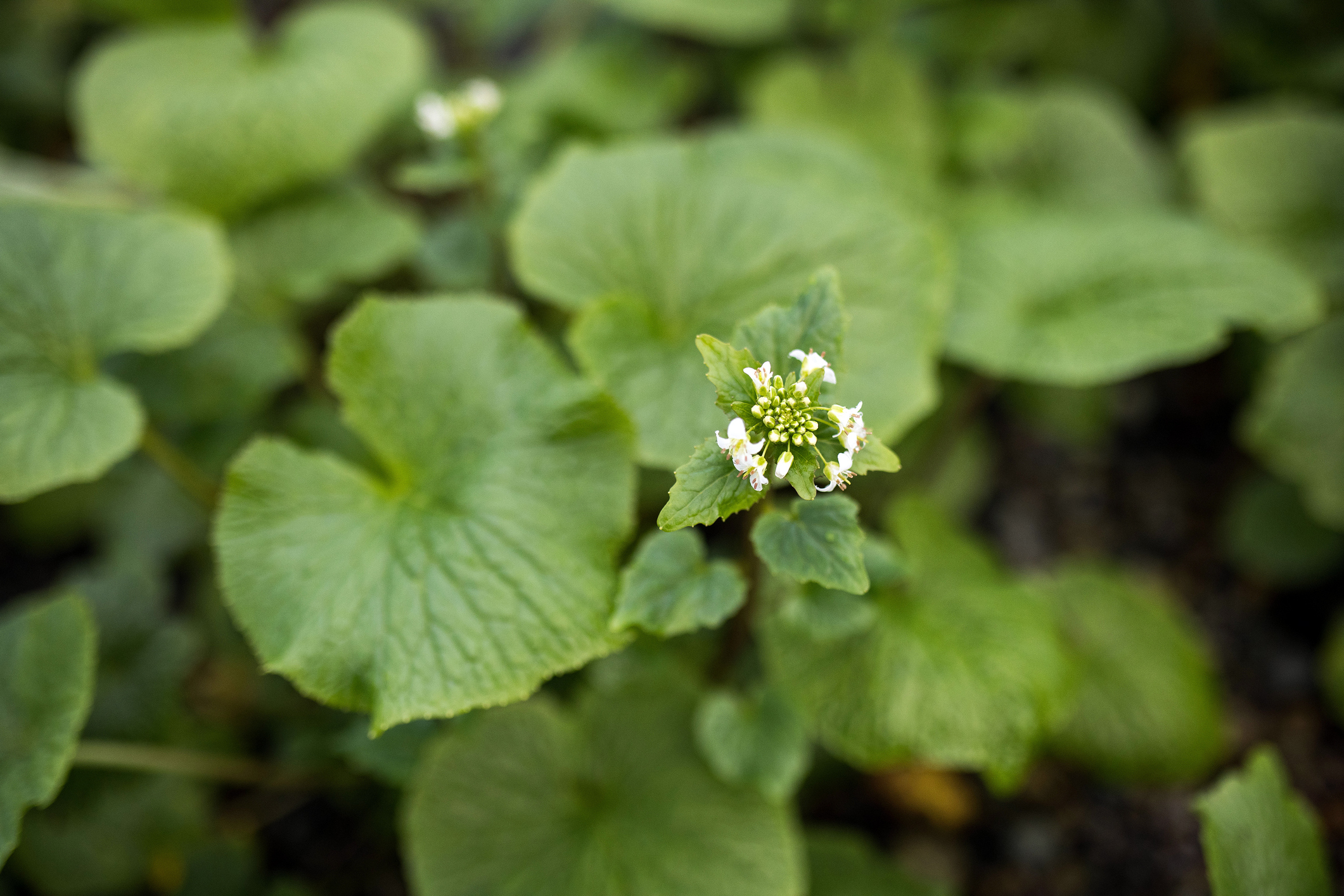
Of course, there’s also a certain satisfaction in growing something you genuinely cannot buy in the supermarket. It makes a very striking foliage plant with delicate white blooms in spring that look similar to garlic scapes (the flowers of the wasabi plant have little flavour in comparison but are also edible).
On the health front, Wasabia japonica has also been praised for its digestive, anti-inflammatory and preservative benefits. These are no throwaway claims. There is evidence to suggest that wasabi was used over a thousand years ago as a food preservative to kill bacteria. Montréal’s McGill University reported that its antimicrobial properties, specifically ‘6-(methylsulfinyl) hexyl isothiocyanate’ could help counter E.coli and tooth decay.
Growing for gold
Provided you can match a couple of its preferred conditions, wasabi is quite easy to grow in a garden border or pot.
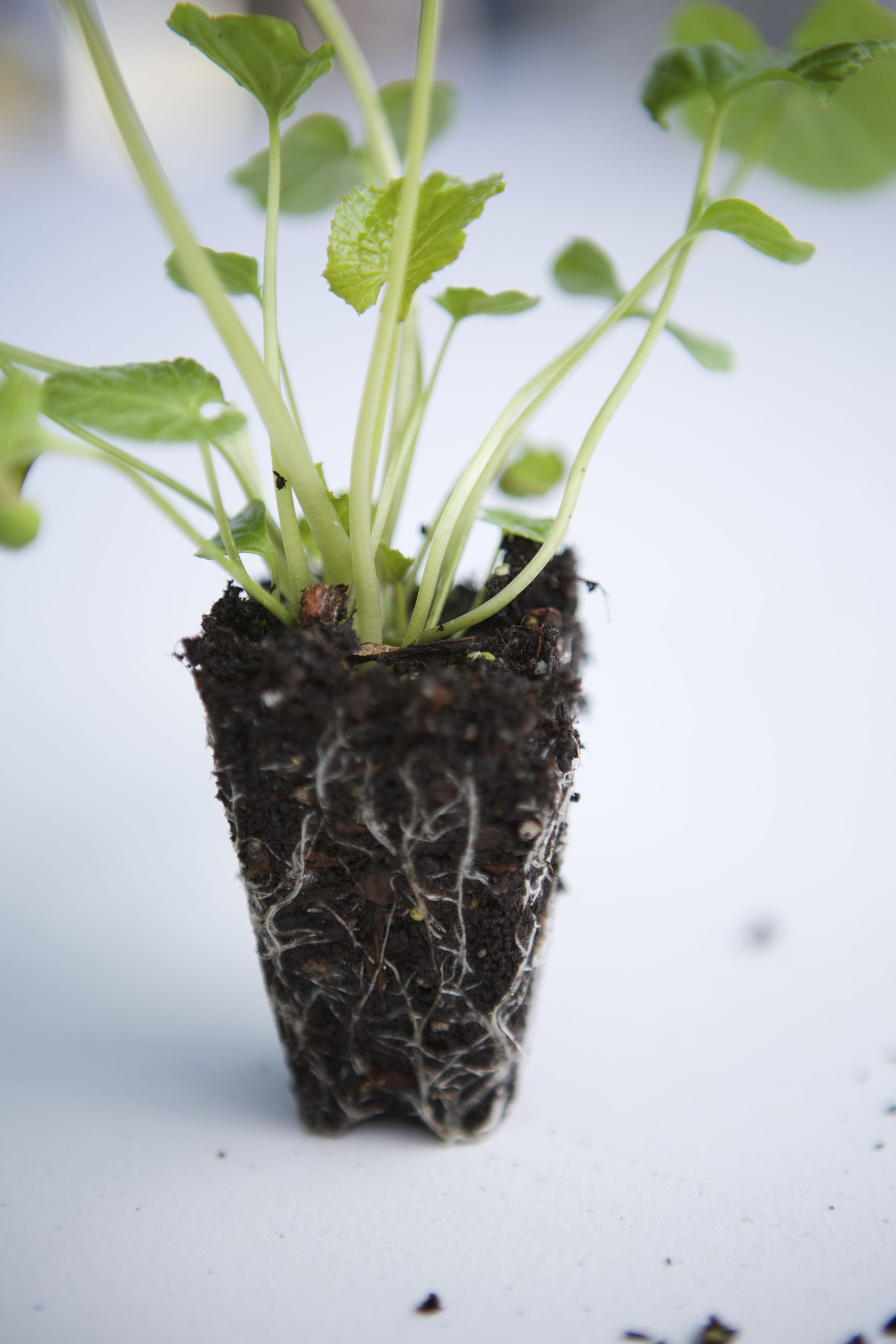
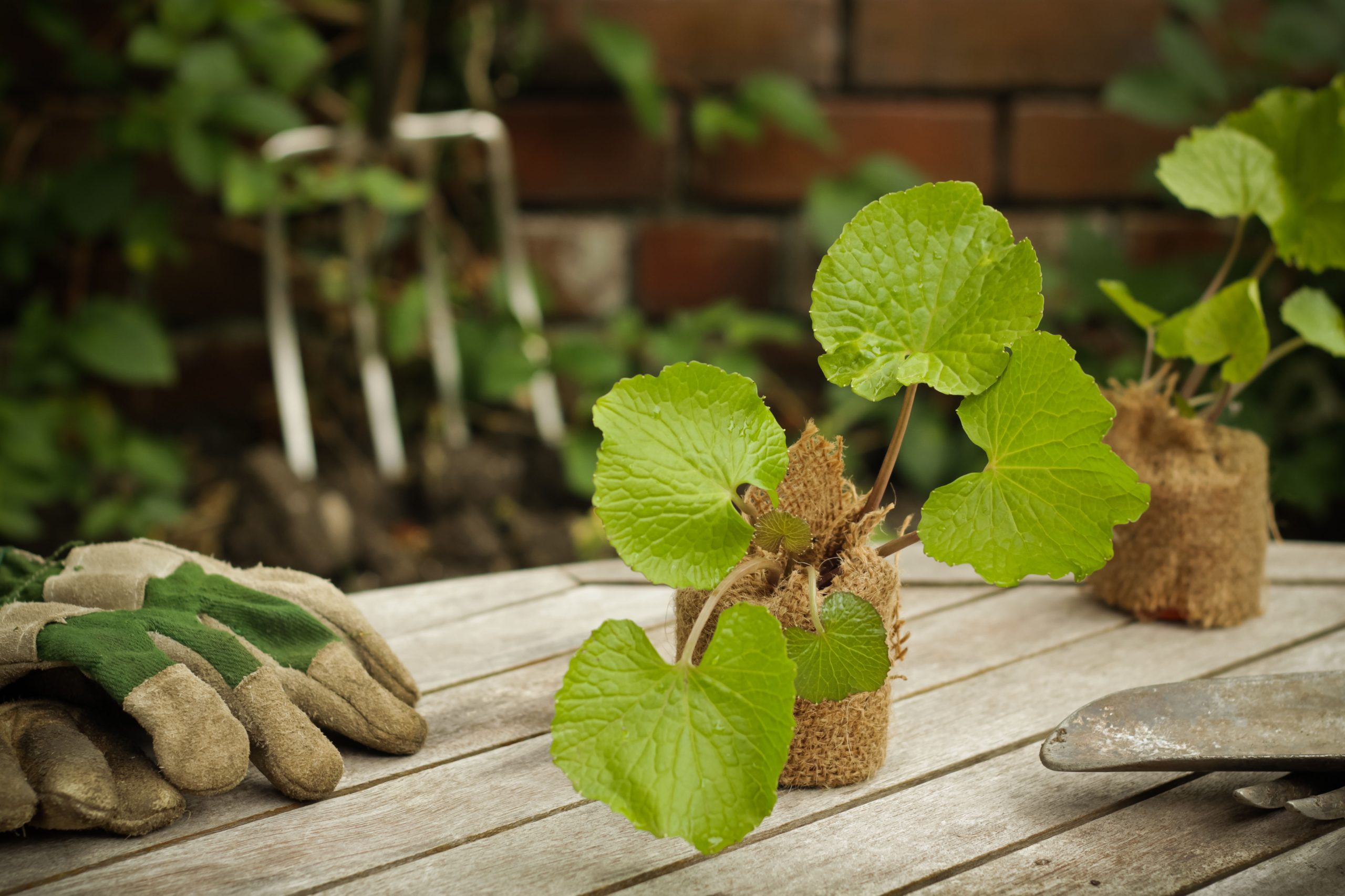
Perhaps surprisingly, given its diva demands for fresh, flowing water at a commercial level, ordinary soil will do the trick just fine at home. Simply take a plug (you can’t chop up a wasabi stem and plant it) and pop it in a pot like any other starter plant. Jon, whose company sells wasabi starter plants to individual growers as well as commercial buyers, advises, “standard tomato compost is good, but wasabi isn’t overly fussy”.
You may also like
- Slug-proof veg: the ultimate list of 17 vegetables that slugs and snails won’t eat
- Don't play it safe with your tomatoes this year – here are some new, unusual and exciting varieties to grow
The fact that it’s an aquatic plant that grows happily in soil can confuse some people and is the main reason that people complain wasabi is too tricky for them to grow at home. The reality is, most novice growers kill wasabi by overwatering it. “Once it’s in soil, it doesn’t want a lot of water,” Jon warns. “The mistake people make is they put water on every day because they think it needs the compost to remain damp. Actually, it likes to dry out. Its roots behave like a normal potted or garden-grown plant.”
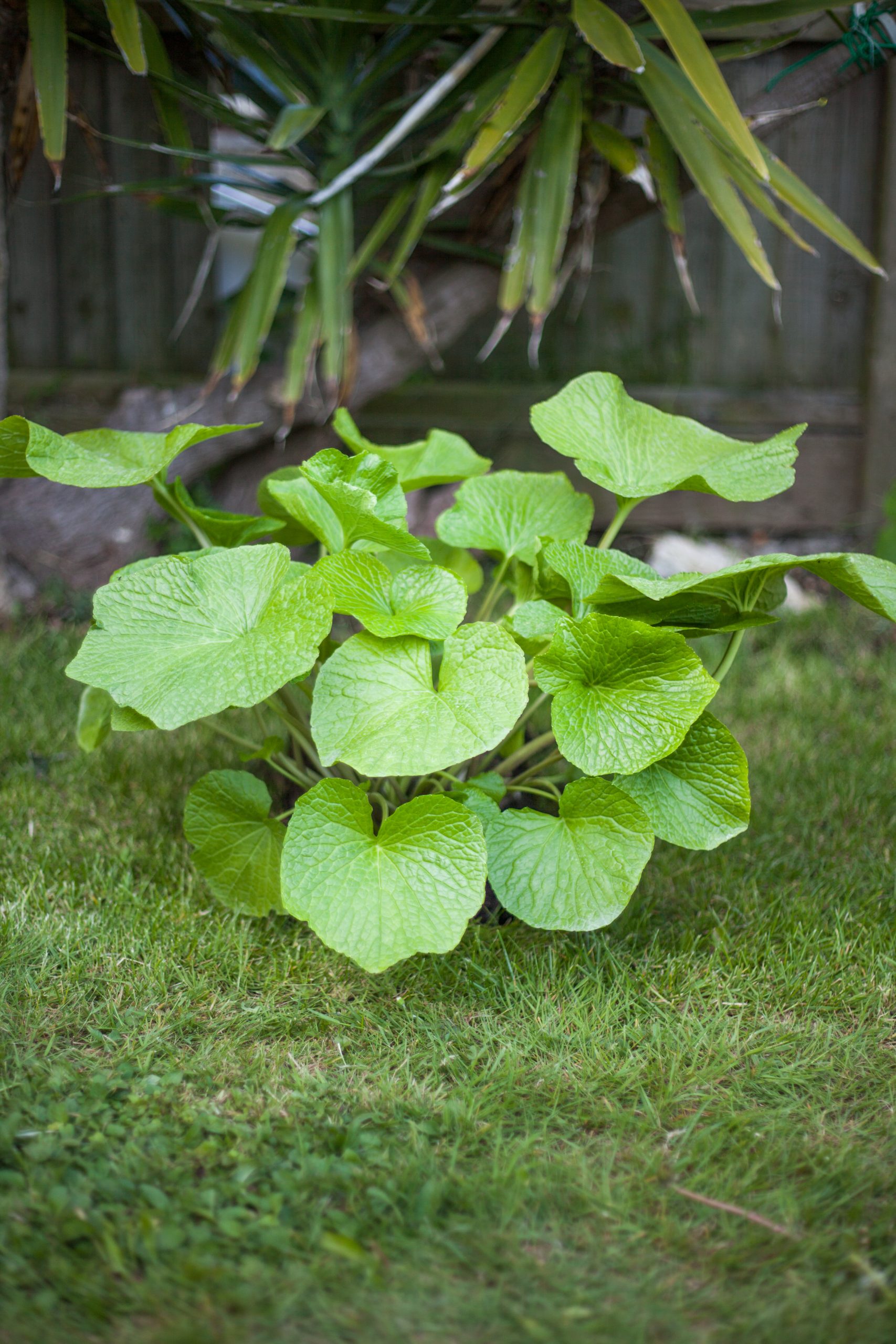
A cool customer
Despite being easier to grow at home rather than for sale, wasabi is still a bit picky. “Too much sunlight is bad,” Jon warns. “If we have another one of our scorching summers, wasabi will suffer. It won’t kill it, but it will bleach the leaves and stunt the growth. In the Japanese mountains it grows under [light and airy] cedars, or blossom trees which are deciduous. You get the winter sun and summer shade.”
While it doesn’t like it too hot, wasabi is reasonably tolerant of the cold. “You don’t want it to get much lower than minus three if you can help it. If it is by a fence, wall or has bushes growing round it then it will be protected. If you’re worried, you can put some straw over the crown,” he adds.
Oddly, the plant is more at risk from frost as it matures, because there is more of the stem (the part you eat) exposed above ground. It can be protected by the big dense leaves it produces but these too tend to die back in winter. Because wasabi does well in a pot, you could move it around your garden to provide it with ideal conditions seasonally.
Don’t be in a hurry to harvest
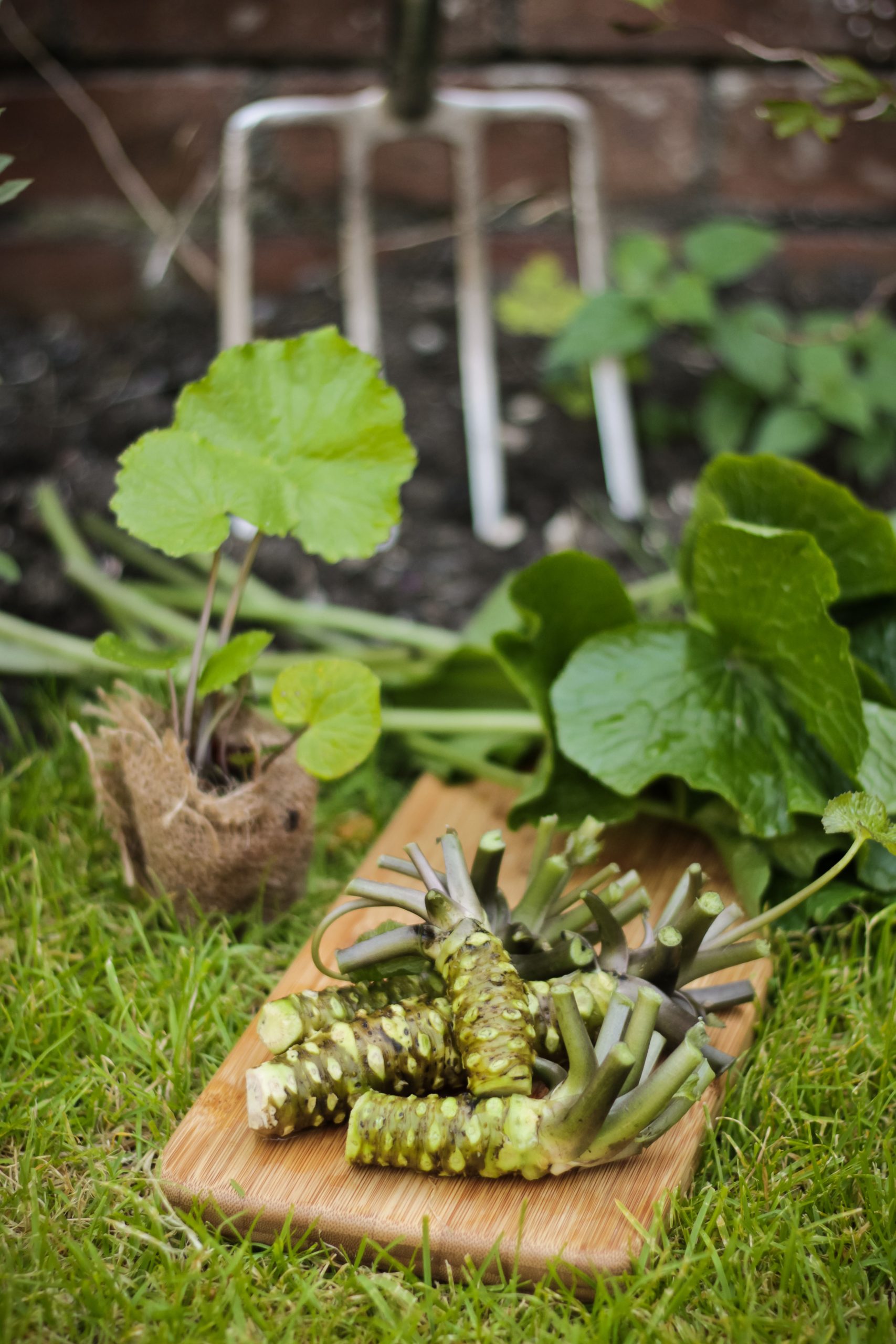
Wasabi demands patience. If grown from a small plug plant, it can take 18 months to three years before there is enough stem to harvest. And in harvesting the plant you take the whole thing up in one go. To get more, you’ll have to plant new plants all over again. But there are ways to ensure you get a regular supply of this zingy garden gem.
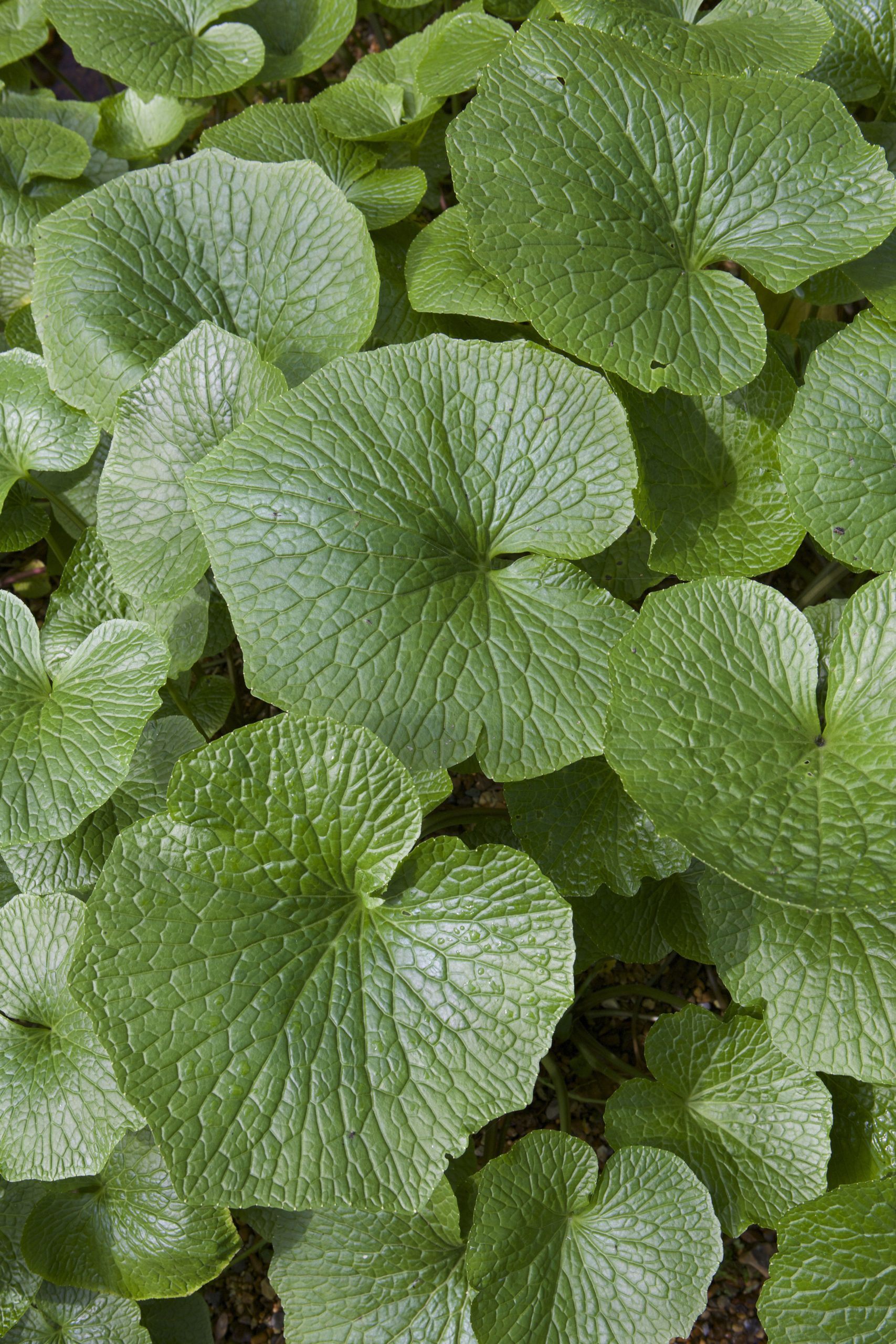
“Once you’ve got six leaves on your plant, you can pick one to eat – and if you have a happy wasabi plant you’ll have lots of leaf. They can be the size of a dinner plate,” reveals Jon. “The flowers and the leaf stems are all edible too.”
You may also like
- Wondering what no-dig gardening is? Let the expert explain
- UK gardeners NEED to know about these 10 underused plants
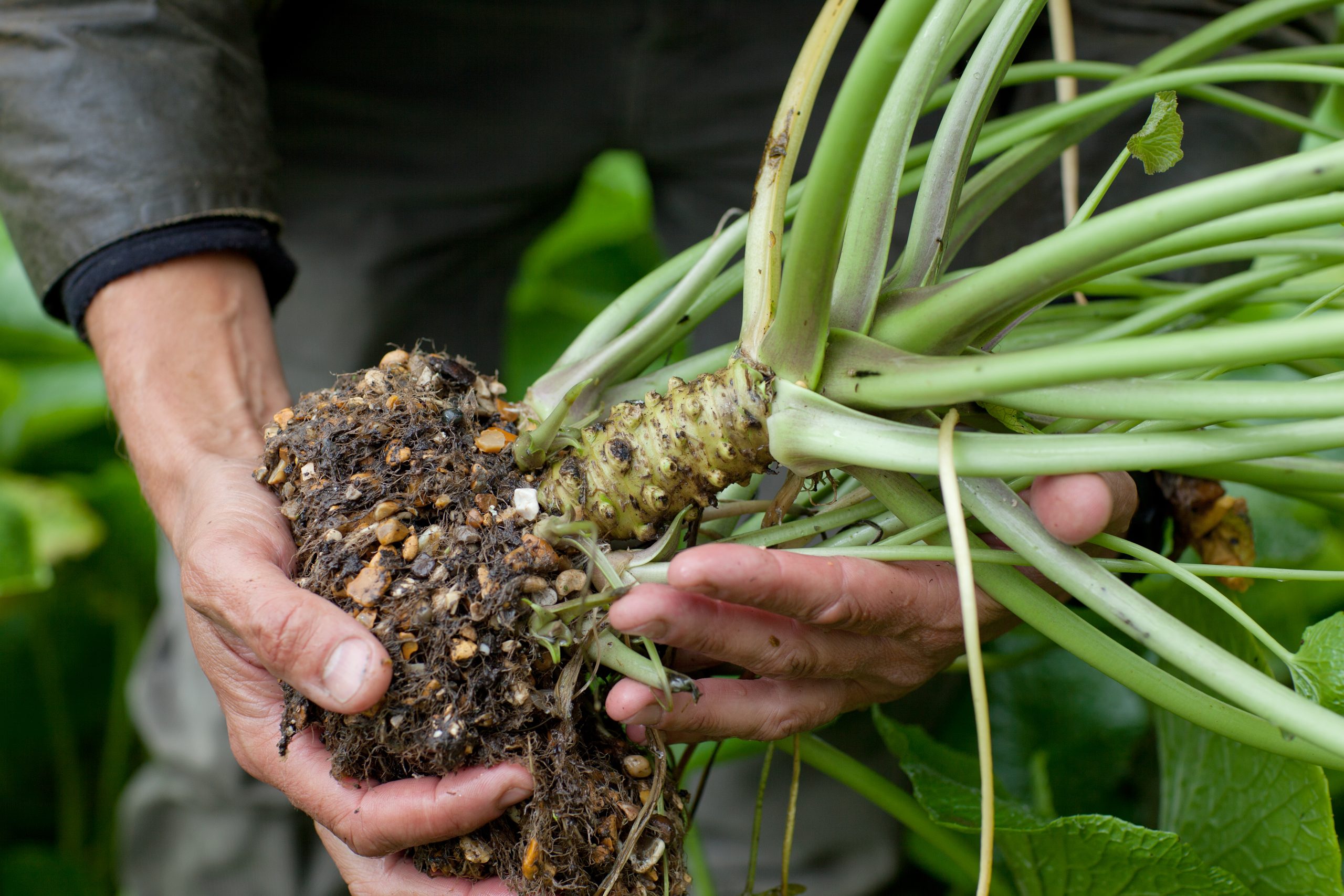
But even if you eventually harvest the whole plant, it will still give you numerous opportunities to grow your own again. “If the plant has been successful and gets to a decent size, you may get 10 or even 20 plantlets or shoots with a separate crown that you can put into a small pot and start growing on again,” Jon suggests. If you get a bit of a rhythm going, you could have a steady supply of wasabi stem in rotation after about three or four years.
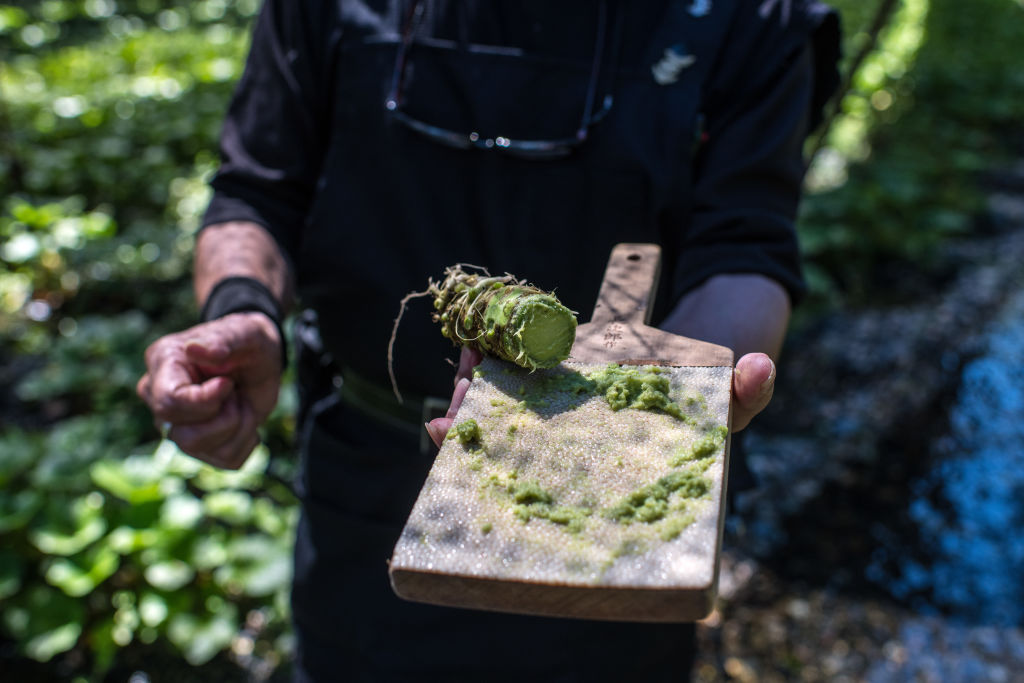
Enjoy the fruits of your labour
When you do begin harvesting, you will want to make the most of your green gold. The first thing to know is, once harvested, Wasabia japonica needs to be used as fresh as possible.
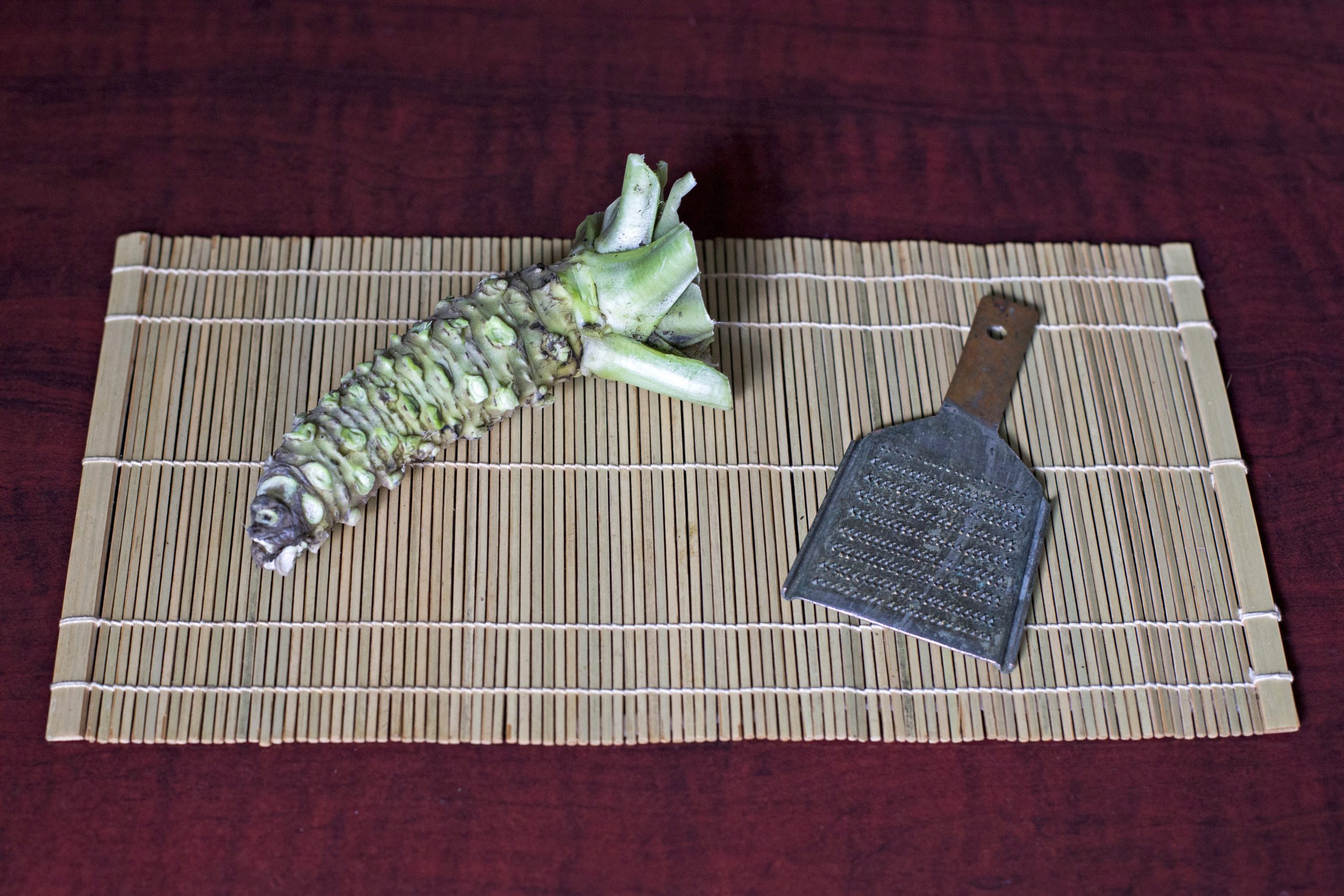
You don’t really need any special equipment to extract and enjoy wasabi but for the fully authentic experience, you might want to try using an oroshigane grater. This is a fine-toothed, typically metal grater designed for wasabi as well as ginger and citrus zest. It is less coarse than standard western graters and better at creating the smooth paste you want. Really authentic oroshigane can be made from sharkskin but for various reasons, not least cost and availability, you may want to stick with the metal version.
So you don’t waste any of your hard-grown plant, Akemi suggests taking any offcuts or ends, chopping them up and making a pickle using soy and mirin. “We can also pickle it in sake lees, the mash that’s left after sake is squeezed from the rice. Simply mix the chopped-up pieces of fresh wasabi, mirin, salt and sugar and leave it for a couple of days. It’s so delicious.”
Akemi also outlines what could be described as the perfect wasabi bar snacks and drinks. “I know a few people who would be delighted to just eat fresh grated wasabi with soy on top of plain rice. And when you’re drinking sake – a more dry type or one with character - you could take it with a bit of wasabi and soy sauce and sip.”
Subscribe to Gardens Illustrated for inspiration dropped on your doorstep every month.