Whether you’re establishing a new garden from scratch or looking to update your current space, there’s always a quandary about how much to spend and where to spend it. Every garden will be different, but there are some universal truths.
Not least, that the cost of everything is still on the up. According to RHS award-winning designer Zoe Claymore, “landscaping is about 50 per cent more than it was pre-pandemic for the same garden”.
So to help you make the most of your budget and spend it wisely, we asked four experts where they would splurge and save on their projects.
WHERE TO SPLURGE
Garden design
“Obviously I’m going to say design is worth paying for to get some proper plans. The really expensive thing is to end up doing something twice,” Zoe warns.
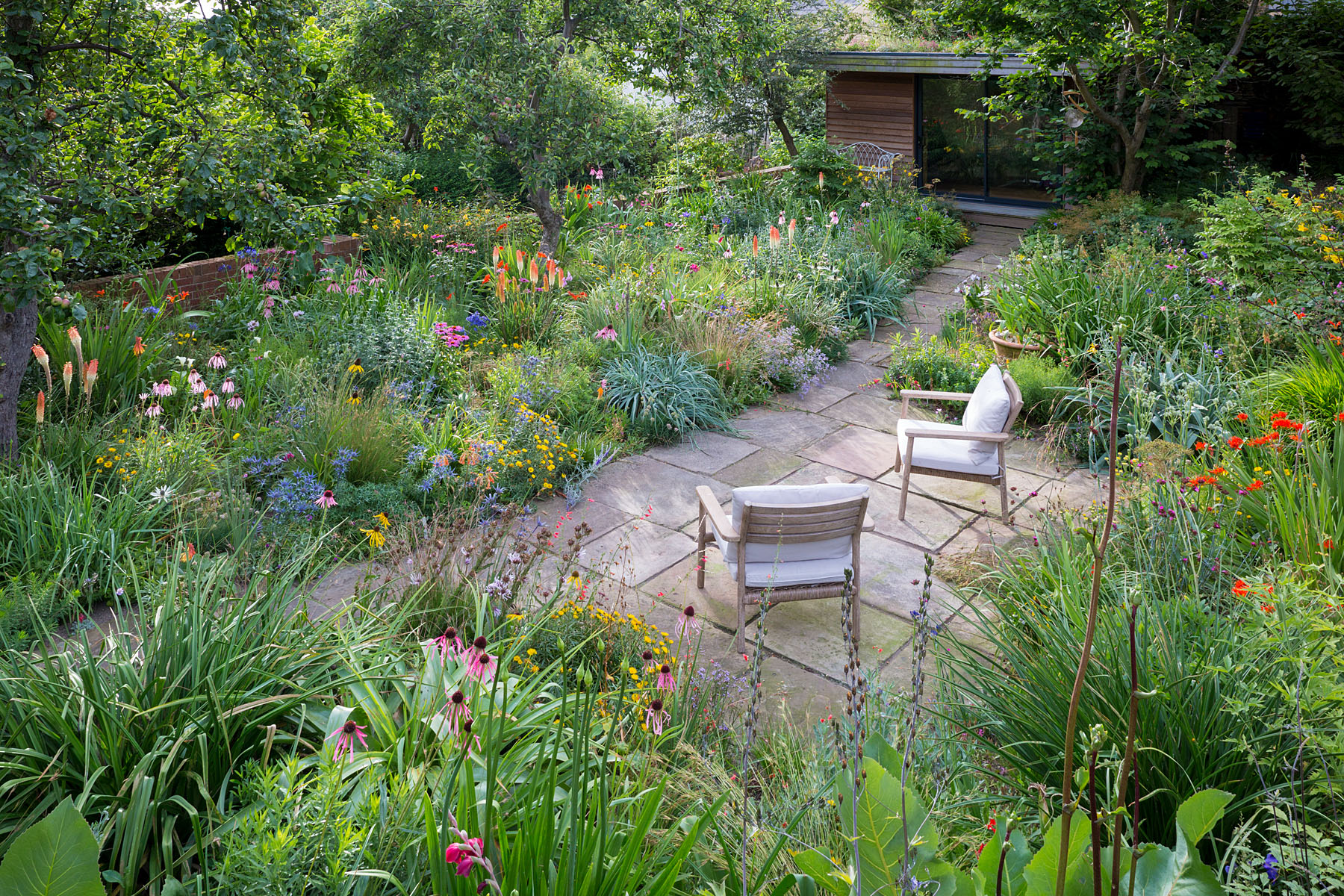
A designer will help you understand how you use your space and guide you towards decisions that don’t just copy what everyone else does, such as not putting your patio right outside your door. “They create areas you want to be in, as opposed to just seeing it all from your kitchen window,” explains Isobel Spandler, founder of Wiltshire Garden Design. “The whole point of making a plan is to reduce stress and optimize the results of your build.”
If you really don’t have the budget for a fully-fledged garden design service, it is possible to get some initial thoughts from a designer through one hour or fixed time consultations.
Construction
Unless you’re going to do the work yourself, engaging a contractor is going to be another significant investment and again, costs have risen steeply over the past few years. You want to make sure that you do your due diligence when it comes to hiring the right team.
“There are different contractors for type of job and budget. As long as the work is good and the skill level is there, that’s the important bit,” Isobel insists. “But they’ve got to also be willing to offer some post-contract service,” she adds. “You want someone who has a reputation for coming back to resolve issues. If they’re not happy to do that, it doesn’t show any pride.”
You may also like
Hardscaping
“About 70 per cent of what you spend in the garden will go into hard landscaping and 30 per cent will be on soft works,” Zoe reveals. “Spend wisely on hard landscaping. If your budget is small, minimise the amount of hard landscaping you do, but there’s no point scrimping on it. Make sure you get someone who is reputable, who can put in proper drainage and foundations. Otherwise, you will be staring at a wonky patio in five years.”
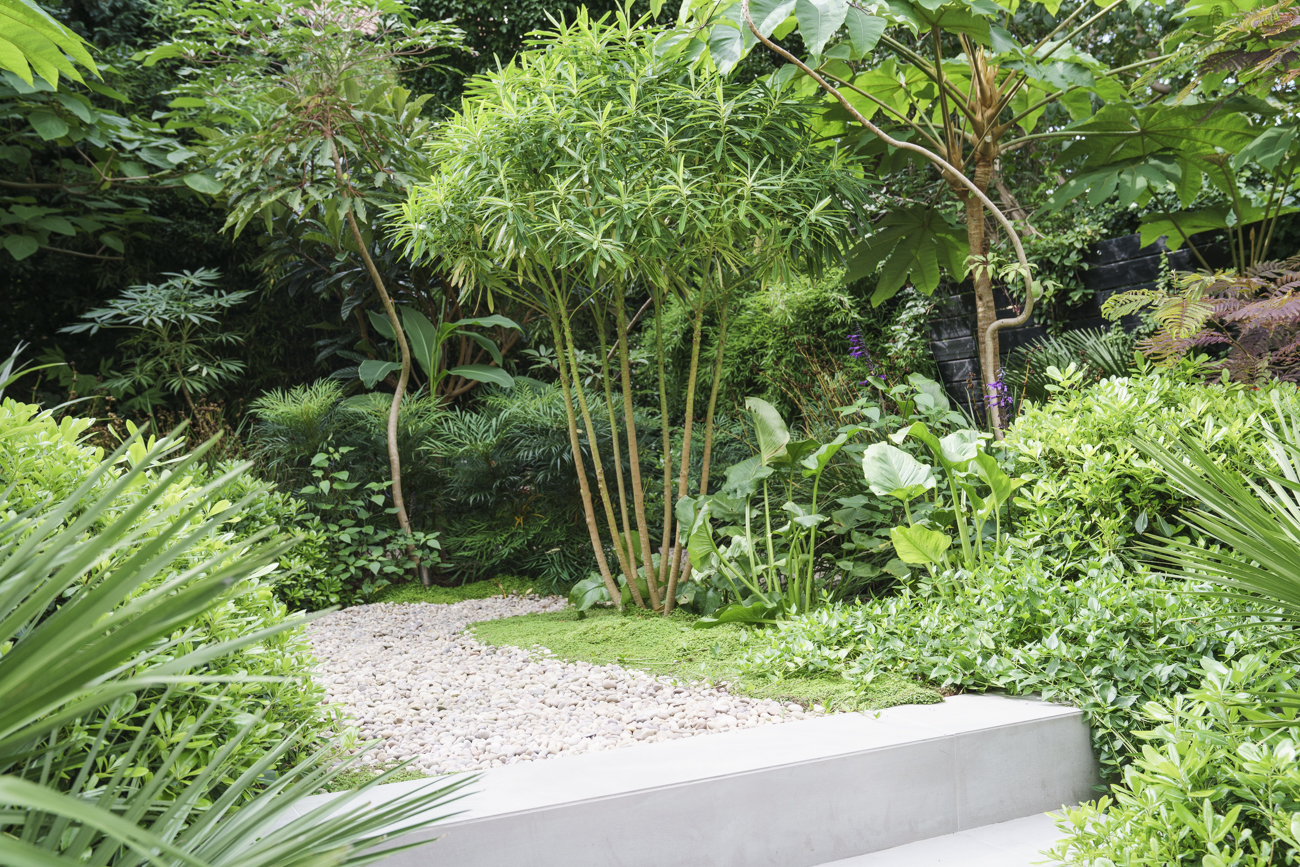
One alternative is to reduce the amount of expensive stonemasonry involved, adding planting or gravel to soften the edges as well as the financial blow. “Paving can be a bit of a minefield, costing anything from £30 a square metre to £300,” Isobel explains. “Reducing the area of paving with stepping stones and creeping paths is one way. Or you can change your choice of paver. Don’t go with the standard 450mm square that developers use but get a large format paver in similar colours gives a more expensive feel than lots of contrasting colours.”
Garden buildings
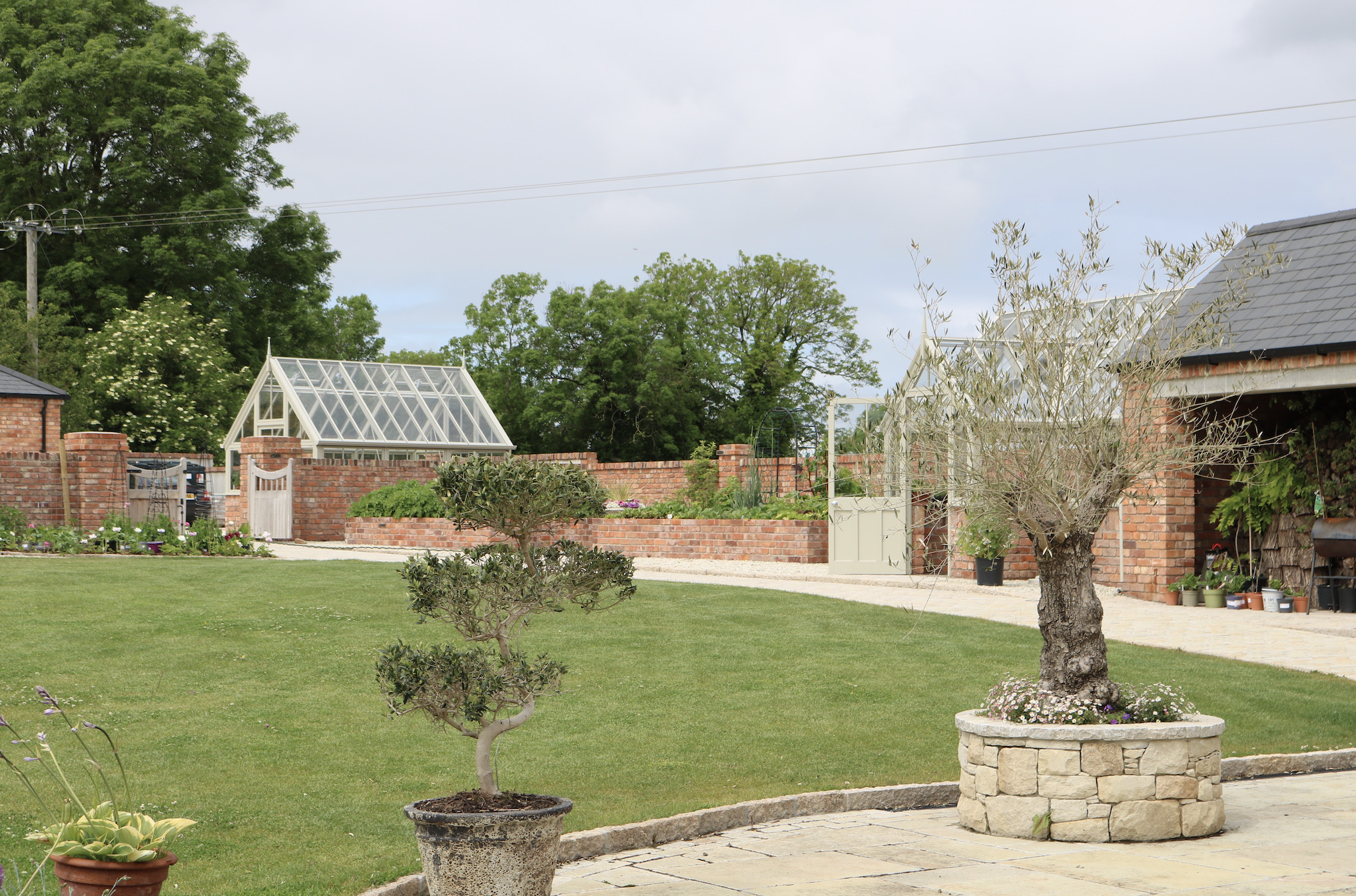
Another significant cost in the garden is putting in a structure or building, whether that’s a pergola, designer shed, garden office, summerhouse or greenhouse. You can buy functional buildings, but if you want your structures to add to the overall aesthetic appeal, you need to be prepared to pay a bit more.
Celebrated designer Diarmuid Gavin insists on both form and function. “If a gardener is considering in investing in a feature for their garden, I’d go for something which looks beautiful; a building that adds to the fabric of the garden, one which has long-lasting impact and a definite purpose. A well-designed garden needs a strong focal point, a structure that anchors the space and draws the eye throughout the year.”
You may also like
A hero tree
Known for her money-saving tips, author and garden influencer Anya Lautenbach would spend money on a hero tree. “A well-chosen tree adds maturity instantly, supports wildlife, increases property value and lasts decades. Buy the best specimen you can afford. It becomes the backbone of your garden,” she says.
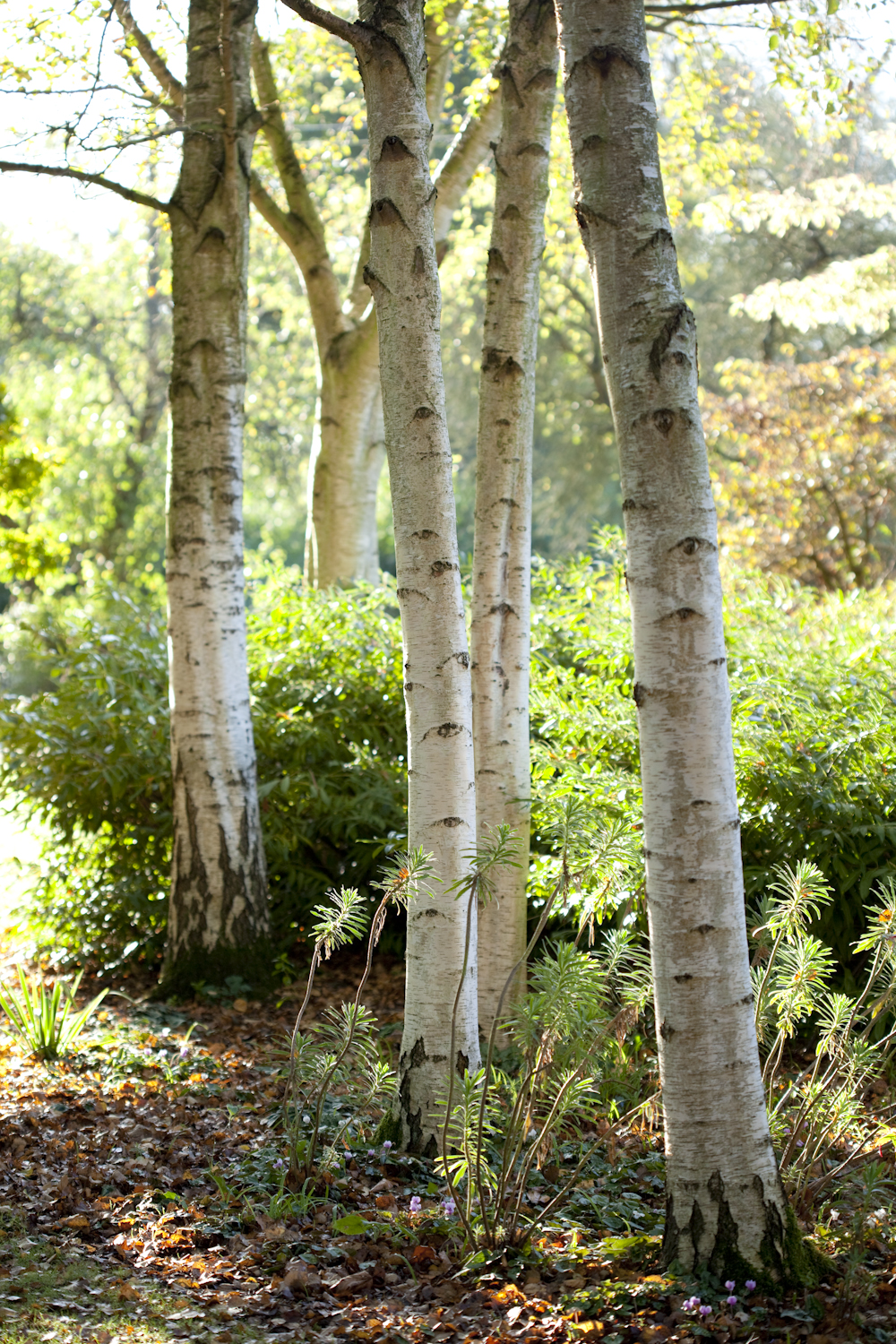
“I always get clients to buy as big as they can in terms of trees and shrubs and go small on perennials and bulbs,” Isobel adds. “Trees and shrubs can give you the most impact for your money.”
Depending on the tree, a mature specimen can take years to achieve its final form and slow-growing species will naturally be very expensive to buy and install if you’re looking for instant impact.
“If you want an evergreen tree, it’s going to take a long time to get there so if you really want one, I’d encourage you to spend your money on that single, statement tree,” Zoe suggests. “But, if a client comes to me and says they want a hazel, a birch tree and a holly, but they don’t have the budget for three big trees, I would buy a small hazel and birch, and a large holly."
You may also like
WHERE TO SAVE
Hedging
Zoe’s practice only plants gardens from mid-September to the end of March because you can buy smaller, ‘bare root’ plants at much better rates. Your garden will have the same, beautiful plants in five years’ time but you get the look at a fraction of the cost. Seasonality of planning will give you a better long-term result.
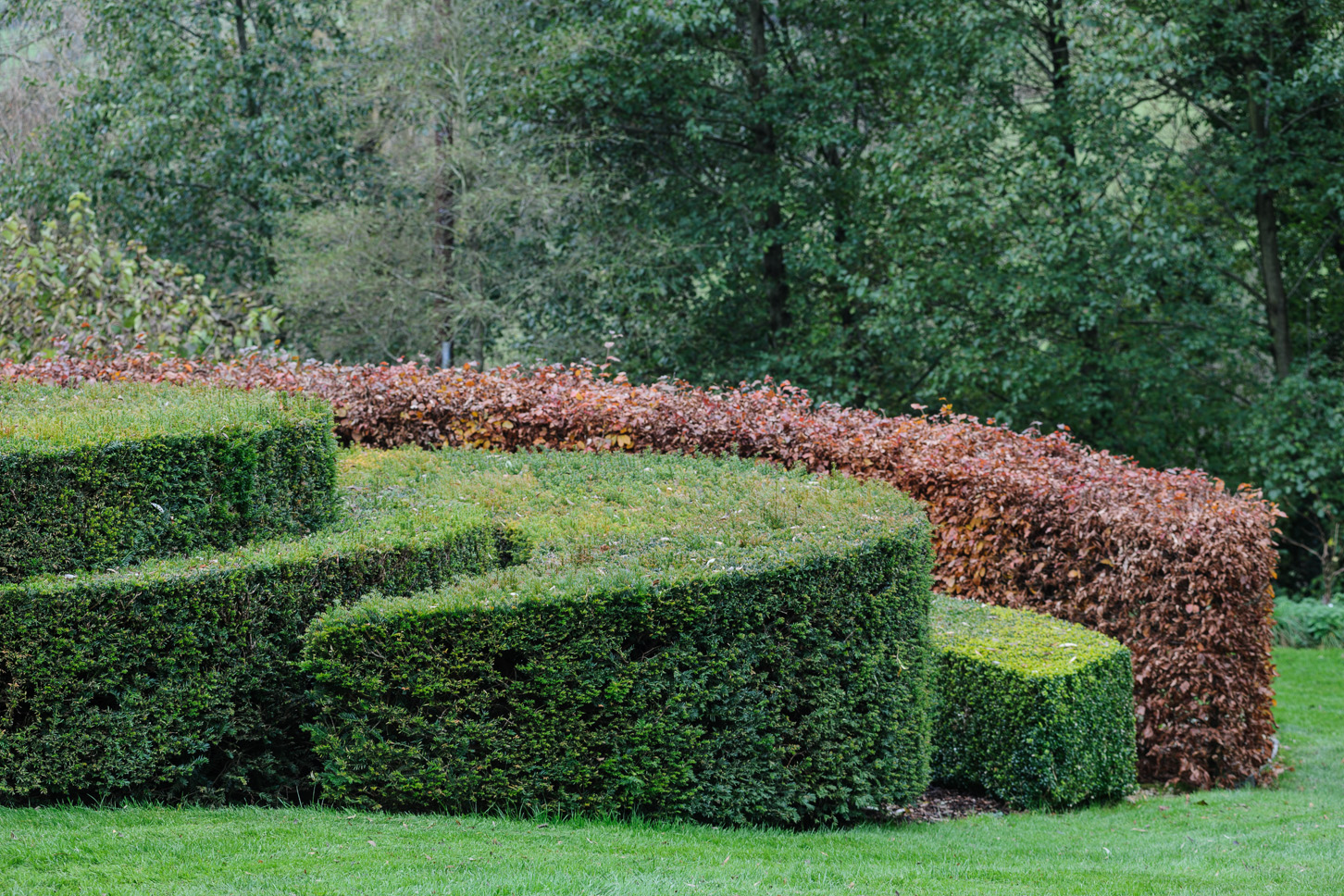
“If one client had bought instant impact hedging, it would have cost them £20,000 just for the hedge. We put in exactly the same design bare rooted because we did it at the right time of year and the hedges cost less than £2,000,” she notes.
Containers
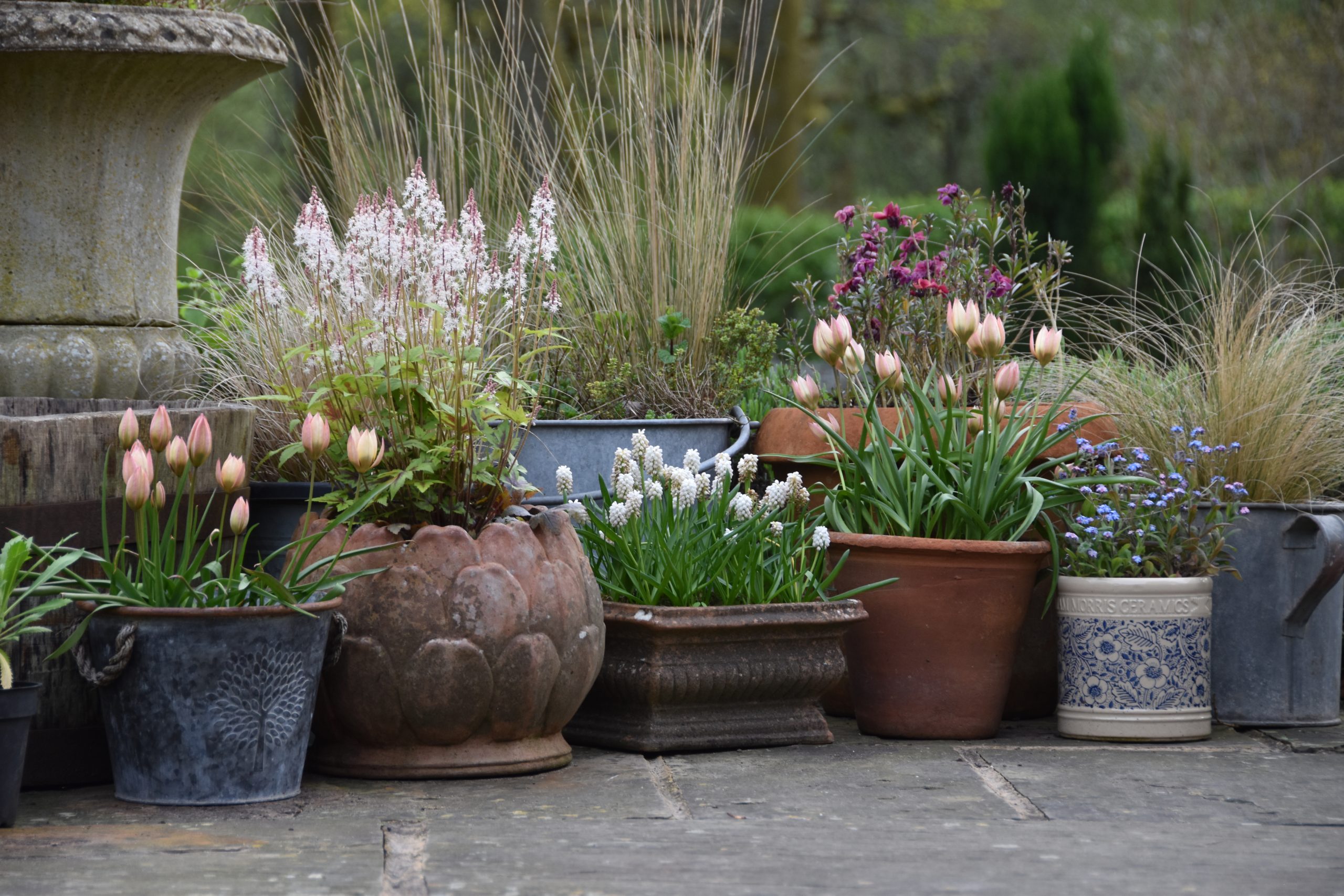
Container planting has multiple benefits. It adds variety and seasonality to the garden without making an expensive, permanent change. Pots and containers, if sourced carefully, can also be a very cheap way of introducing a refresh, to the extent that Anya has just released the latest in her Money Saving Gardener series, a book on container planting.
“The best containers are often hiding in plain sight,” Anya claims. “Facebook Marketplace, car boot sales, salvage yards, charity shops, industrial yards (ask for old buckets or troughs) and even your own shed.”
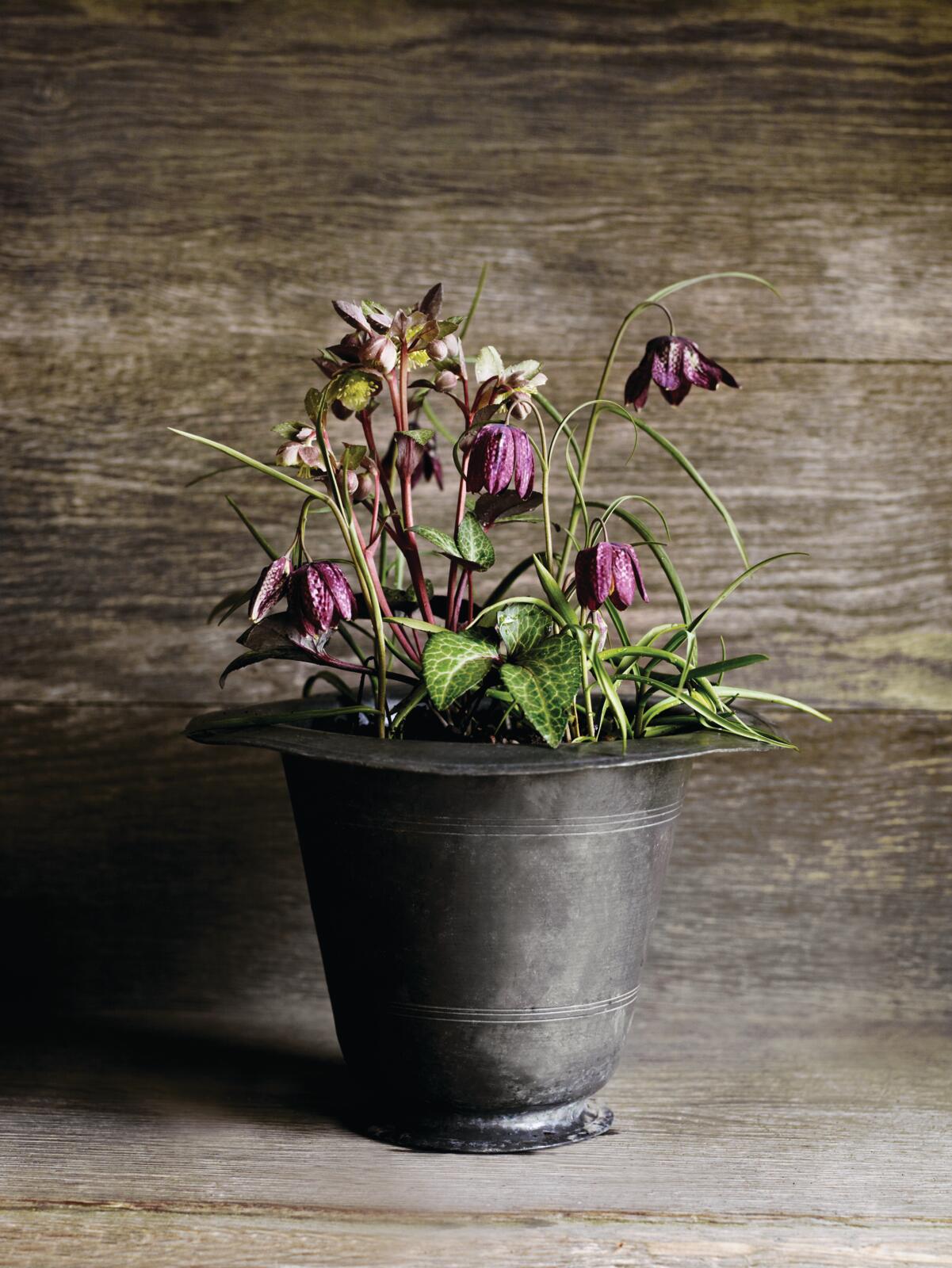
Even here, you may end up spending slightly more to achieve a really dramatic effect. Isobel recommends going as expensive as you can: “You’re better off with three or four really big pots as the best you can afford rather than lots of little ones scattered around.” And beware, cheap terracotta may be a false economy, with a tendency to crack in frost and retaining a ‘mass produced’ look. However, at a slightly higher price point, even secondhand, Anya points out “old terracotta ages beautifully”.
You may also like
Small plants
If you want to go as big as possible when it comes to trees, buying as small as you are willing to put up with in planting such as perennials will reap rewards later on. Zoe advises not being tempted to go for too much instant impact from the garden centre. “If you can buy 9cm pot for a fraction of the cost of a 2 or 3L pot, and it’s only 18 months behind. In four to five years, you won't notice the difference.” She adds that growing from small in your own garden is also much better from an environmental standpoint.
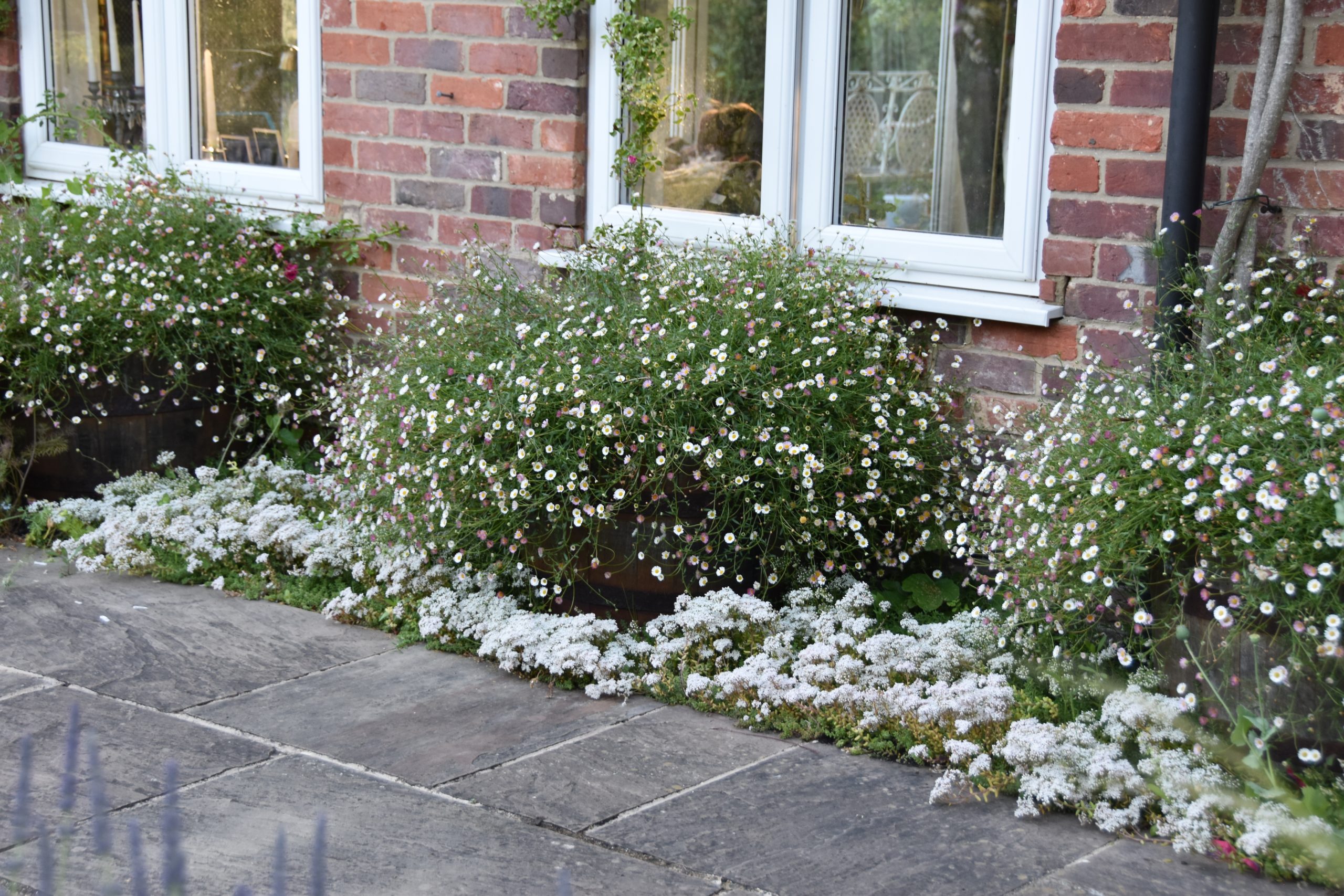
Patience is indeed a virtue and Zoe also points out that you could theoretically fill a garden with only £100 if you stuck to growing from seed. While we may not all have the patience or skill for an entirely seed-sown garden, we can make the most of the freebies nature provides. “Let nature work for you. Leave seed heads in winter. Allow self-seeders to surprise you,” Anya suggests. “A garden that moves and evolves saves money because it fills itself.” It also has the benefit of creating a naturalistic look with little effort and through a combination of judicious dividing and repositioning, you can also achieve the drifts of plants so beloved of today’s designers. “Repetition is the secret to a designer look, not rarity,” Anya confides.
Lighting
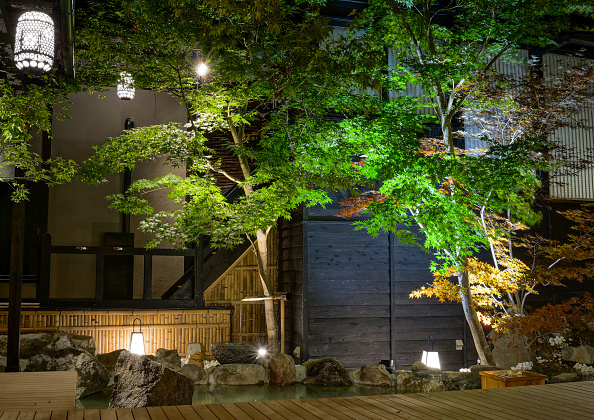
Illuminating garden spaces has become big business. Estimates put the LED garden lighting market in the UK at over £1bn. But you don’t need to sink a fortune in electricals into your garden to achieve a glowing effect – and nor, perhaps, should you.
You may also like
Permanent lighting features do come with convenience and the ability to flip your illuminations on and off easily but professional installation does come at a cost. Isobel would advise any wired-in lighting design to happen during the creation of a new garden but adds: “I wouldn’t go digging up an existing garden for the lighting. There are some really good rechargeables now.” However, she adds, “solar is still a little clunky because there isn’t enough light in winter.”
Zoe is also a fan of rechargables, noting that there’s little danger of a fox getting in and chewing up your carefully laid cabling. “Many are pretty portable and LED lights can save you a fortune. Plus, you only use it for the nights you need.” This is an important point – the cost of electricity notwithstanding, dark skies legislation means obtrusive exterior lighting could be considered a statutory nuisance.