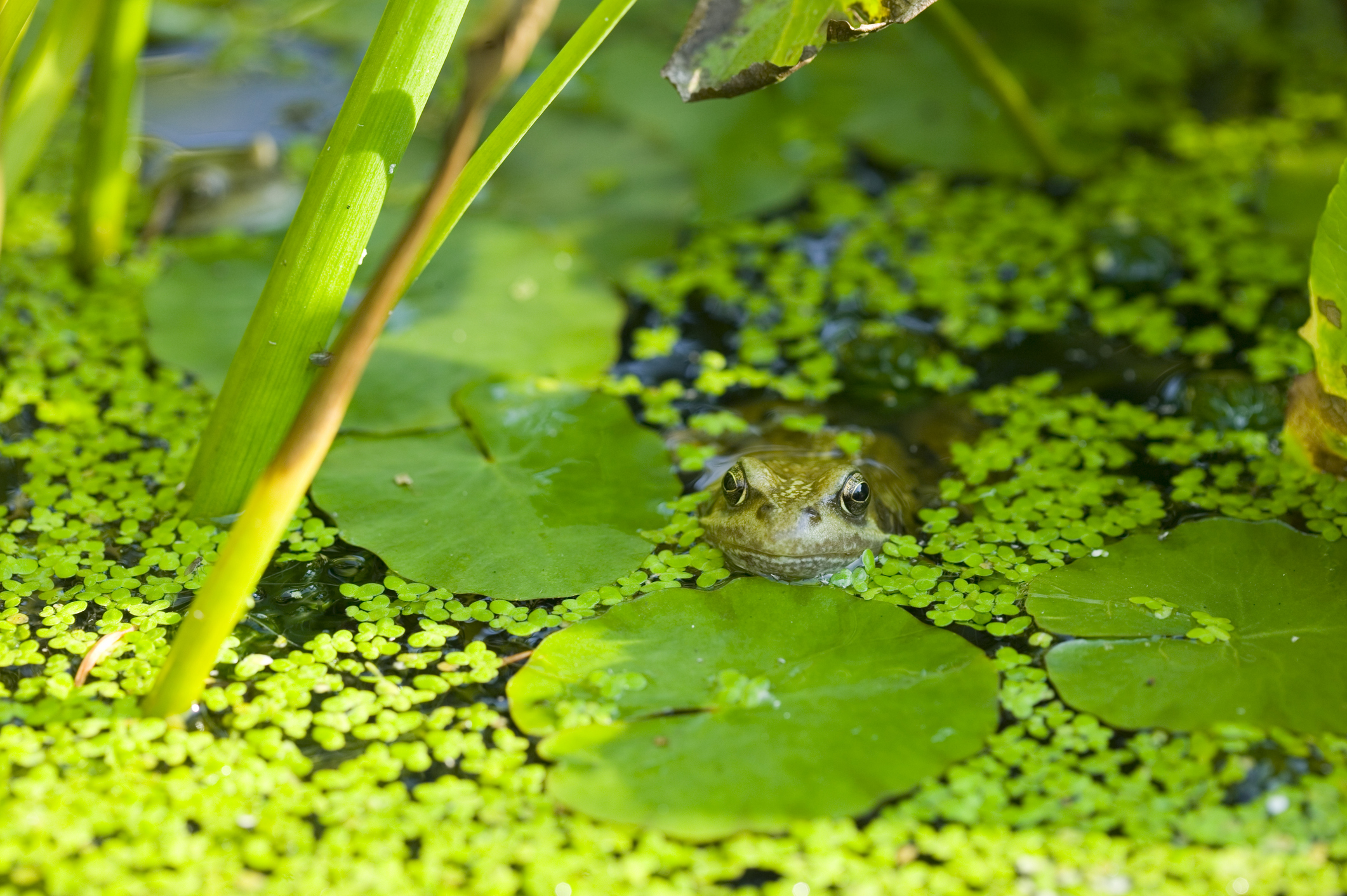
There are many advantages to building a garden pond. Not only can they look great, they boost biodiversity by offering support to wildlife. Birds, insects, newts, toads and mammals will use your pond as a place to drink, breed or live and it will quickly become a hive of activity.
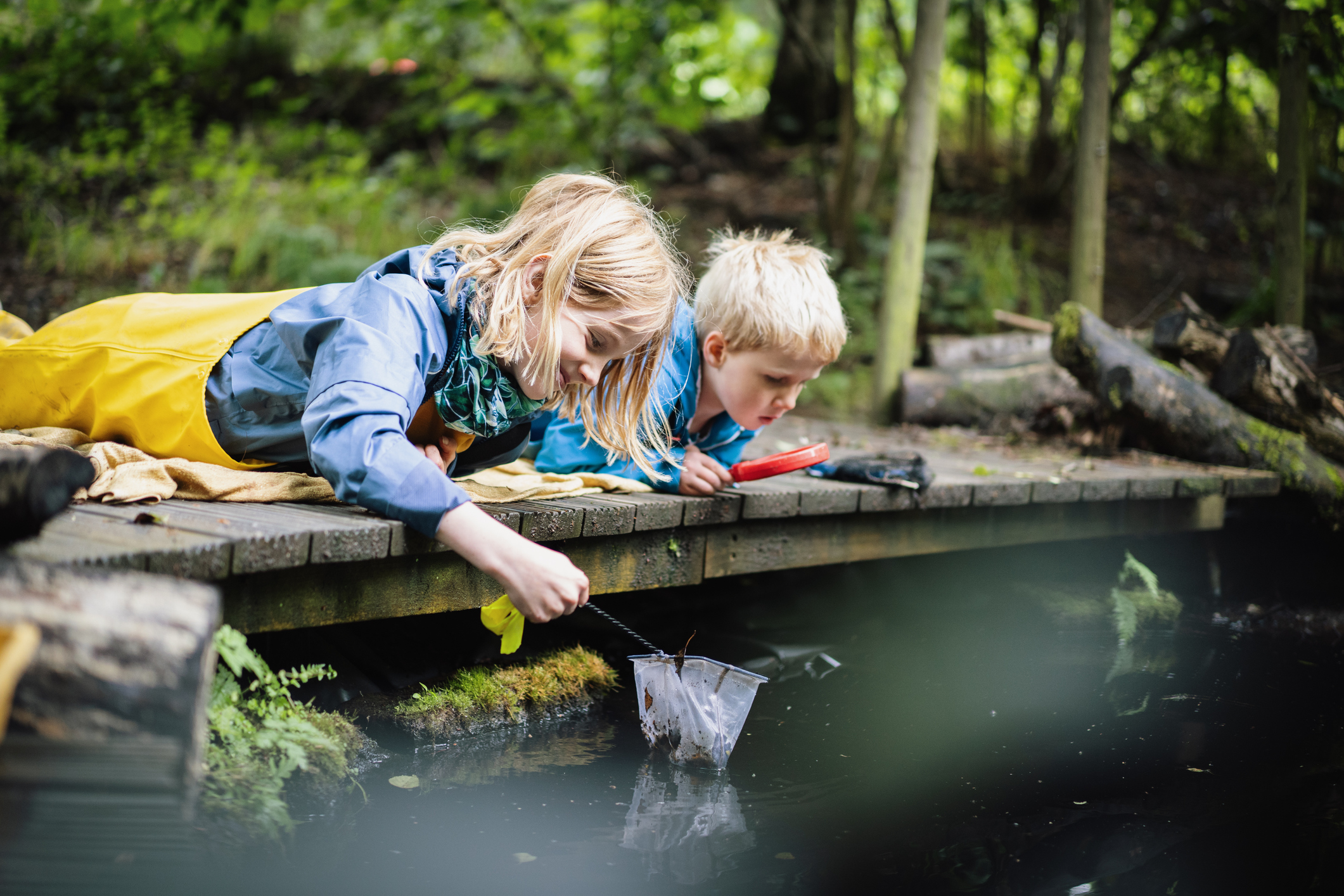
This wildlife activity is fascinating to watch. If children are supervised by the water, they will learn so much by studying the comings and goings of wildlife. Sitting by a pond is not only educational but relaxing and a great way to de-stress.
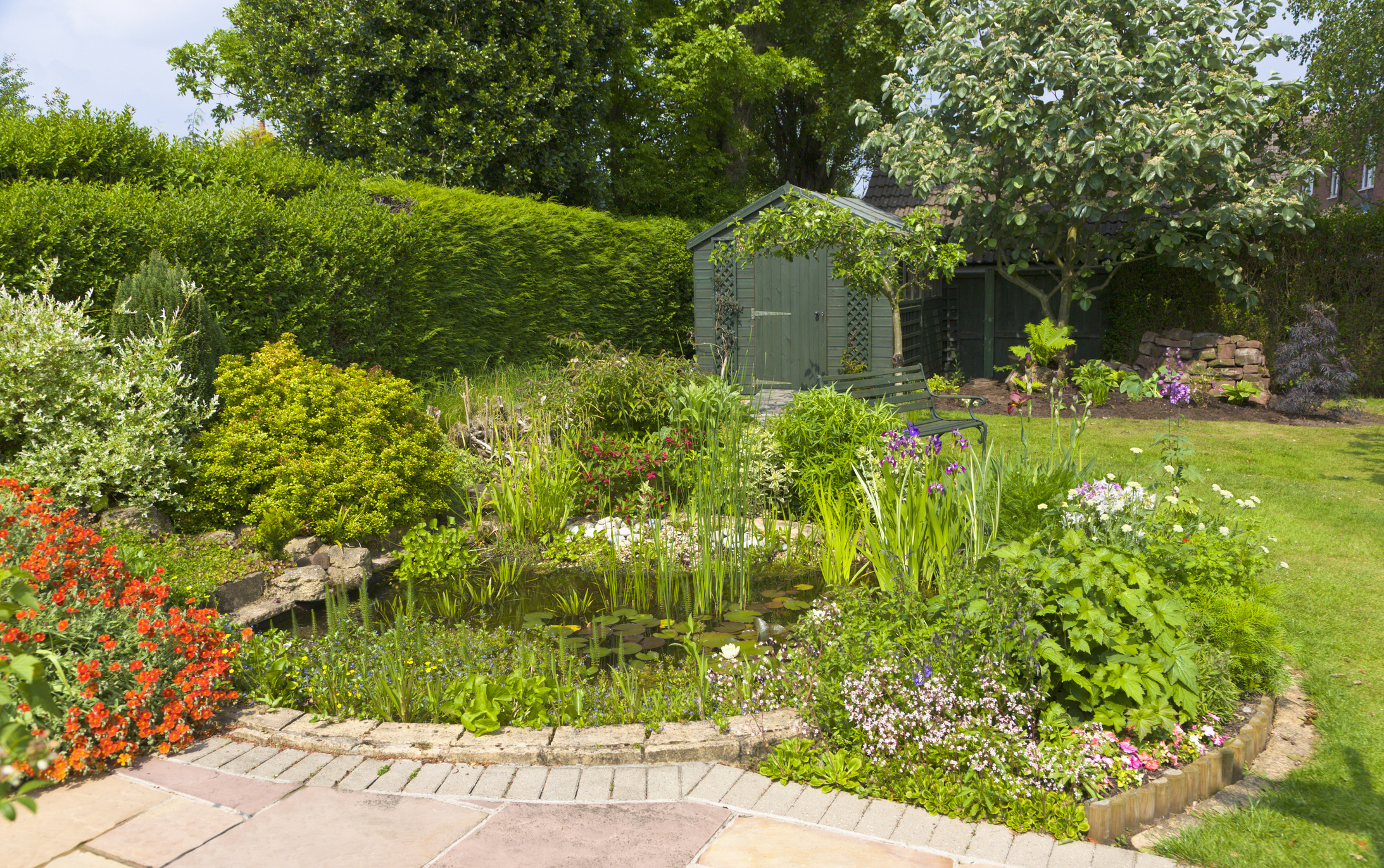
Plant lovers will appreciate being able to plant aquatic and bog plants in their garden or enhancing the design of their plot with clever placement of a pond. Water features can be in pots, running like a stream or still and reflective. If moving water is incorporated the sound will add to the tranquillity of the garden and draw visitors to the water.
You may also like
How do I choose the right location for a pond?
Ideally a site that offers about 5 hours of sunshine a day is perfect. A site in full sun all day encourages the growth of algae and offers wildlife little respite from the heat of the day. Complete shade will reduce your plant choice, and the water is likely to be too cold in spring for spawning frogs and toads.
Too much leaf litter dropping in the pond can also encourage algae, so avoid positioning near overhanging trees. Ponds exist in both sun and shade in nature though, so if you only have one or the other, don’t be put off.
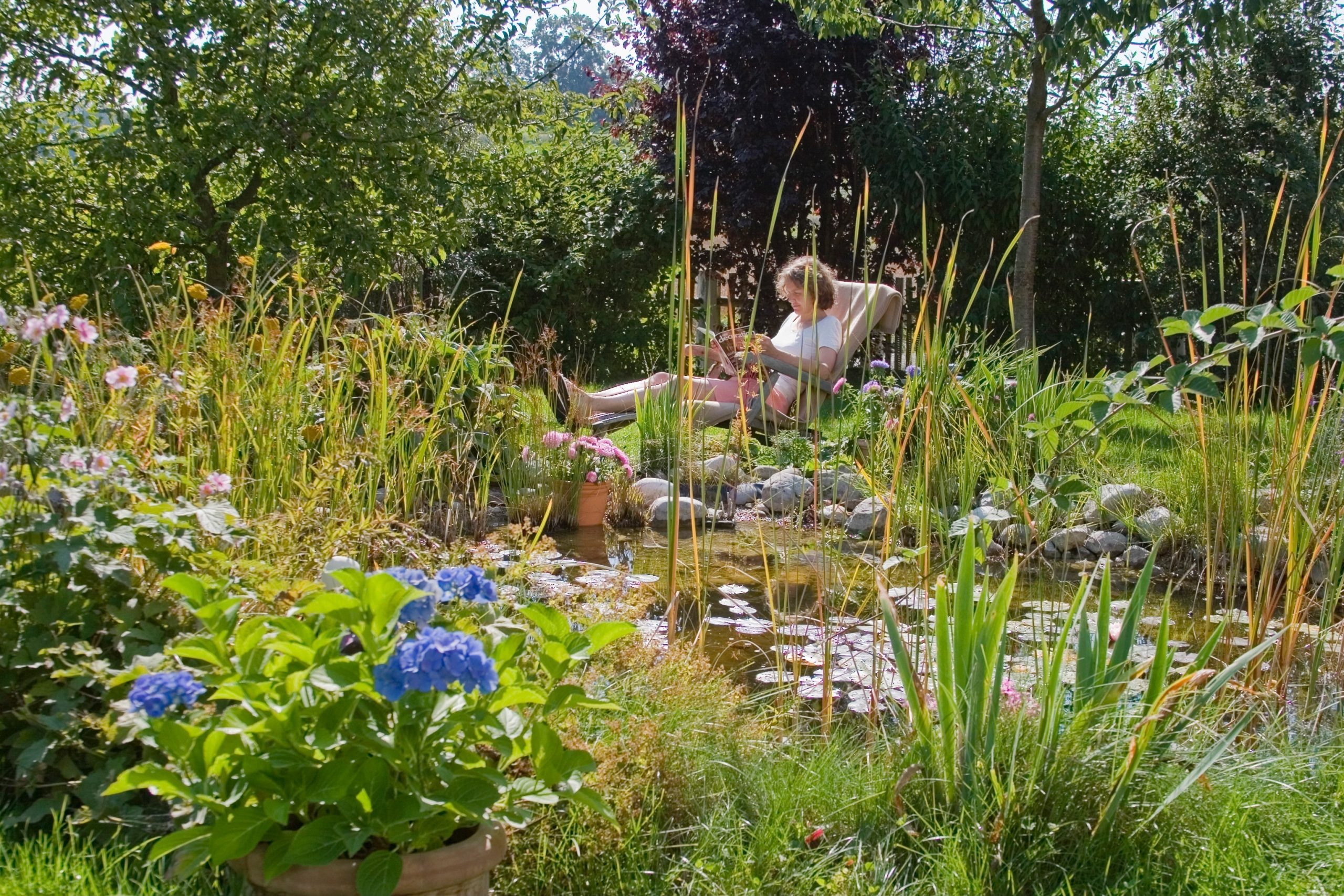
Wildlife ponds often suit the lowest part of the garden where they sit naturally in the plot, but formal gardens might be more suited to rills or raised ponds. Choose a quiet location that you are likely to visit often and possibly one you can see from the house so that wildlife can be admired all year round. If you have children, it is vital that the pond is highly visible or fenced off.
You may also like
- How to do a biodiversity audit in your garden
- Getting wildlife into your garden is not just about the plants
What do I line my pond with?
Ponds come in all shapes, sizes and designs so whether you use a flexible pond liner or a pre-formed mould is up to you. Moulds are made of rigid plastic or fibreglass, so you’ll need to dig the hole to fit the mould. Transporting a large, moulded liner to your home can be a challenge!
If more flexibility is required when it comes to shape butyl or PVC liners are ideal. This is a sensible option for larger ponds. Choose a quality liner that has a long lifespan and be very careful not to pierce it. Placing old carpet under the liner will reduce the risk of stones piercing the liner when full of water.
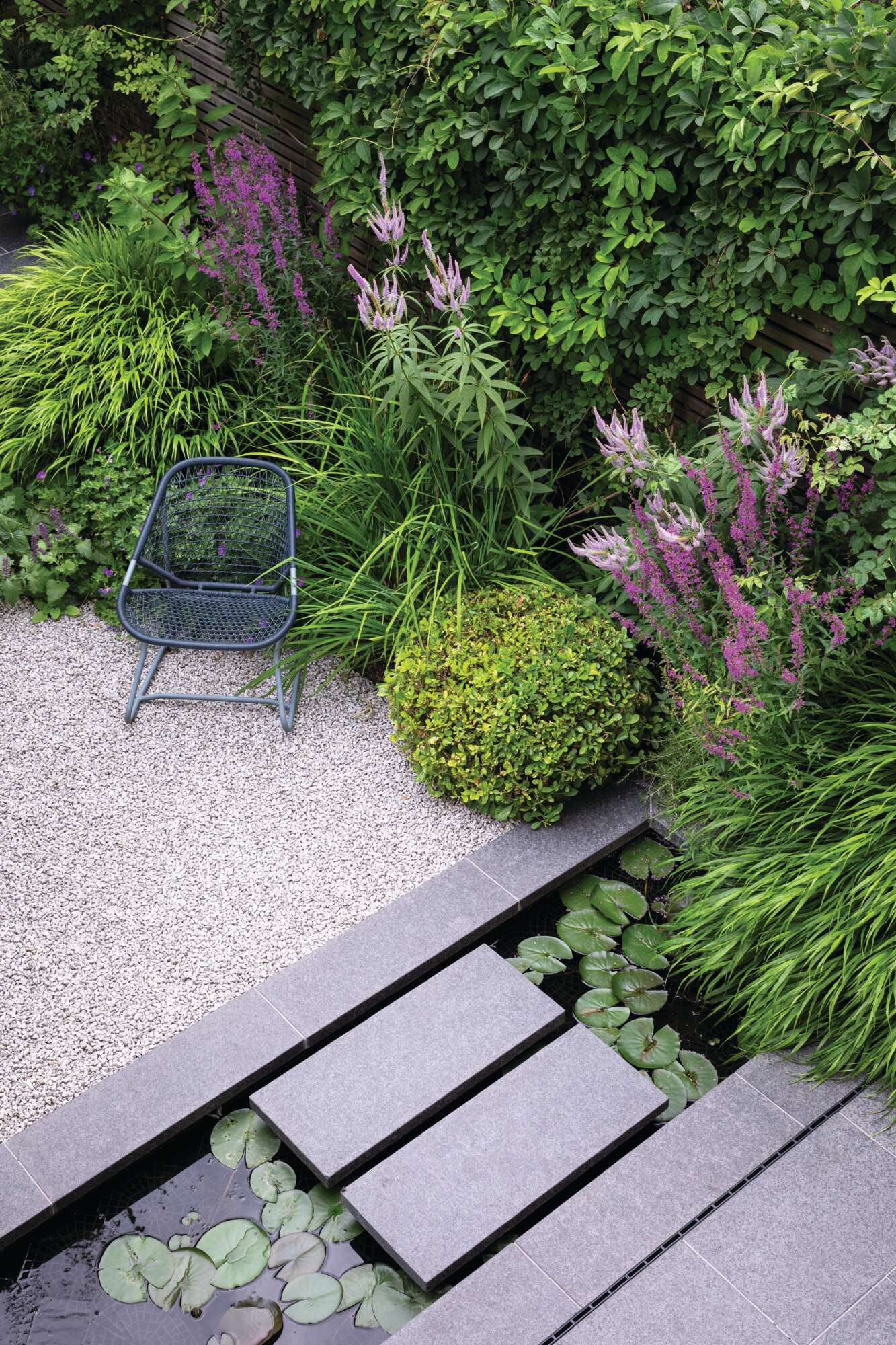
Formal ponds are often lined with concrete. This is a job for a professional builder or a DIY enthusiast. They will need to be sealed with a pond friendly product before filling with water.
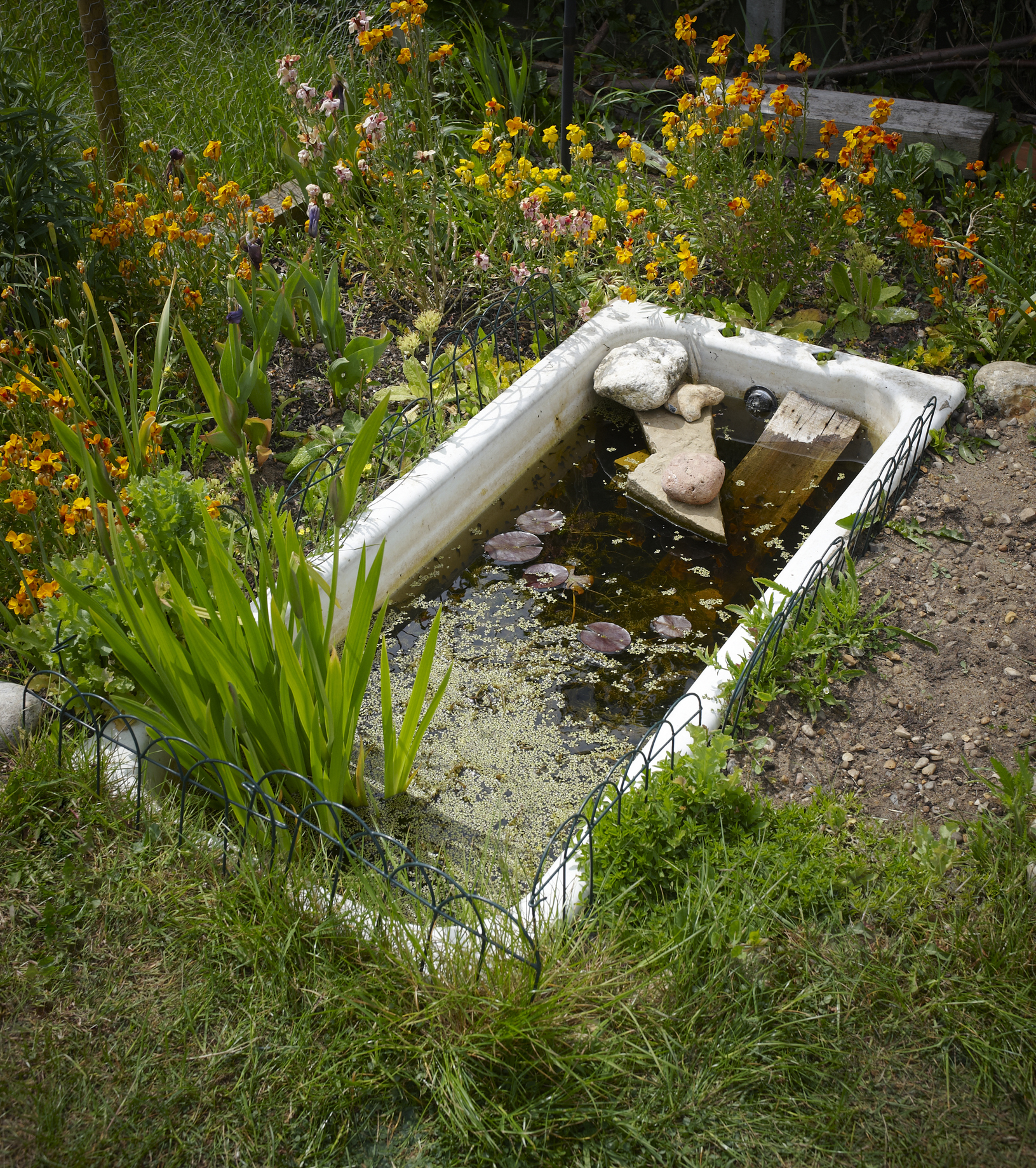
Gardeners that have a heavy clay soil might be able to line their pond with clay. This is a technique known as ‘puddling’ which is when moist clay is compacted to make it watertight. Very small ponds can be made by upcycling old sinks or troughs.
What is the easiest way to dig a pond?
Choose a time of year when the soil is moist but not wet. Autumn is ideal. Avoid very dry, wet or frozen soil.
Mark out the pond with spray paint or sand, lift and remove the turf (this can be stacked to rot and added to the compost heap). You might need some of this turf to place around the completed pond.
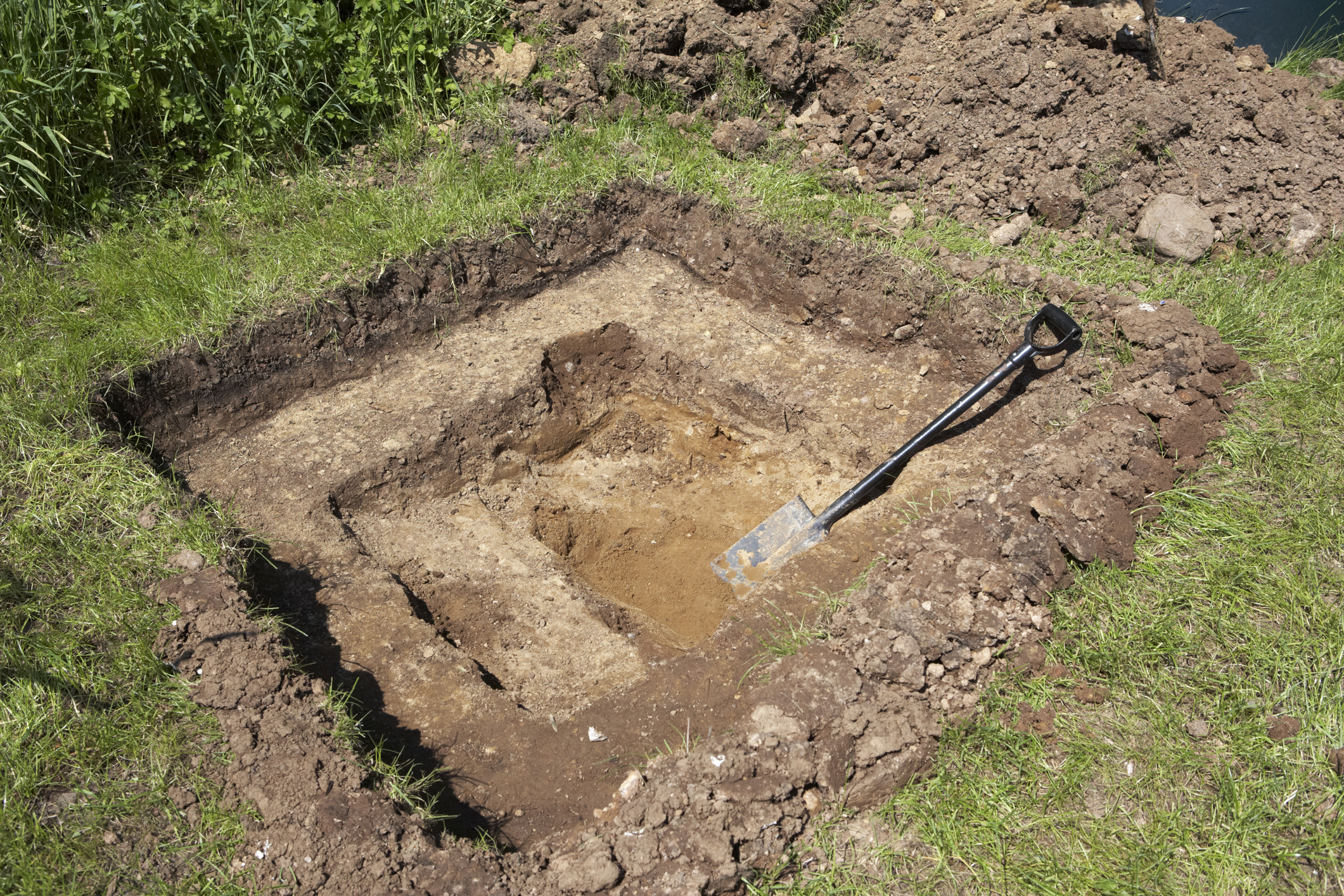
Start in the centre to get your depth – you are aiming to create shelves and not a hole of equal depth. If using a mould measure the depth of each shelf. Wildlife ponds don’t need to be deep. Check the pond is level with a long piece of wood and a spirit level.
Large scale ponds are best dug with mini diggers but make sure you aren’t disturbing pipework or cables. Once the hole is dug, check the pond is level and compact the soil so moulds don’t sink due to ground movement.
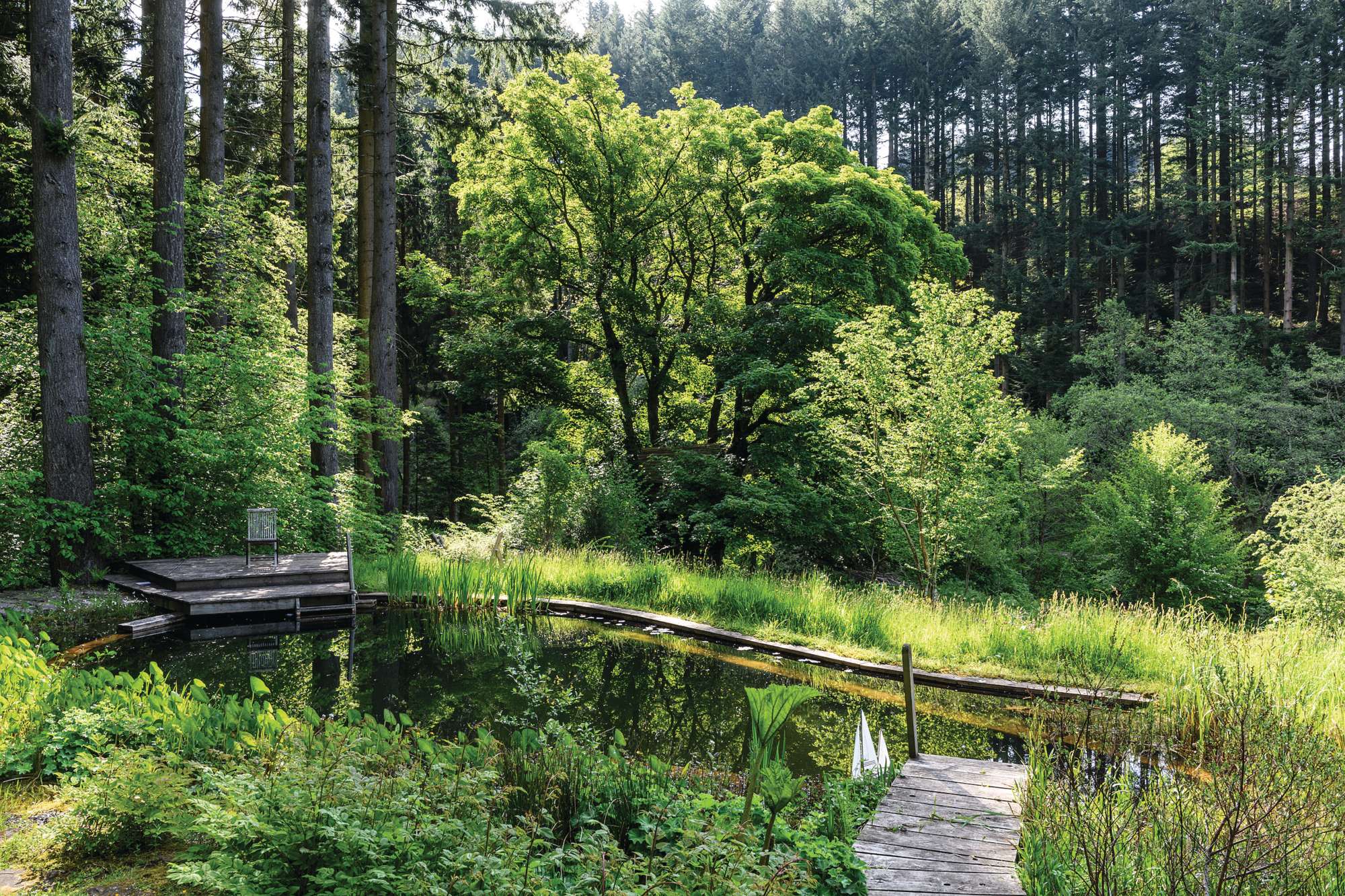
How and when do I plant the pond?
Introducing plants helps disguise the edge of your pond, encourages wildlife and ensures the pond sits comfortably in the garden. Mid spring is the best time to plant.
There are different types of pond plants and like other garden plants each has different requirements and water depth preferences. Some pond plants can be invasive so head to a specialist aquatic plant nursery for advice.
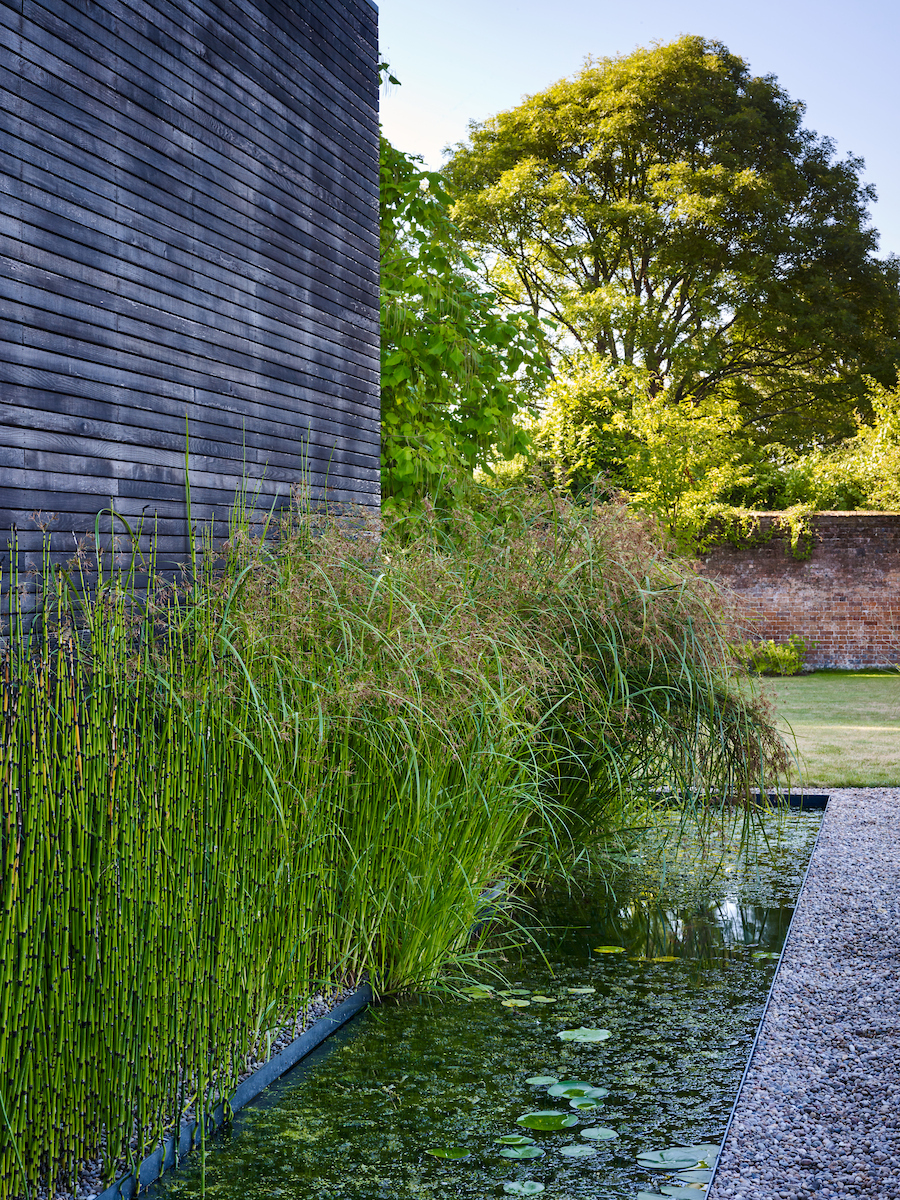
Choosing plants to suit the size of your pond is vital. The commonly used terms for pond plant are: aquatics, marginal/bog, floating aquatics and oxygenators/deep water aquatics.
Plant those that require their roots in the water in aquatic pond baskets using an aquatic compost. To stabilise them place a stone at the bottom of the basket before planting.
Do I need a pond pump?
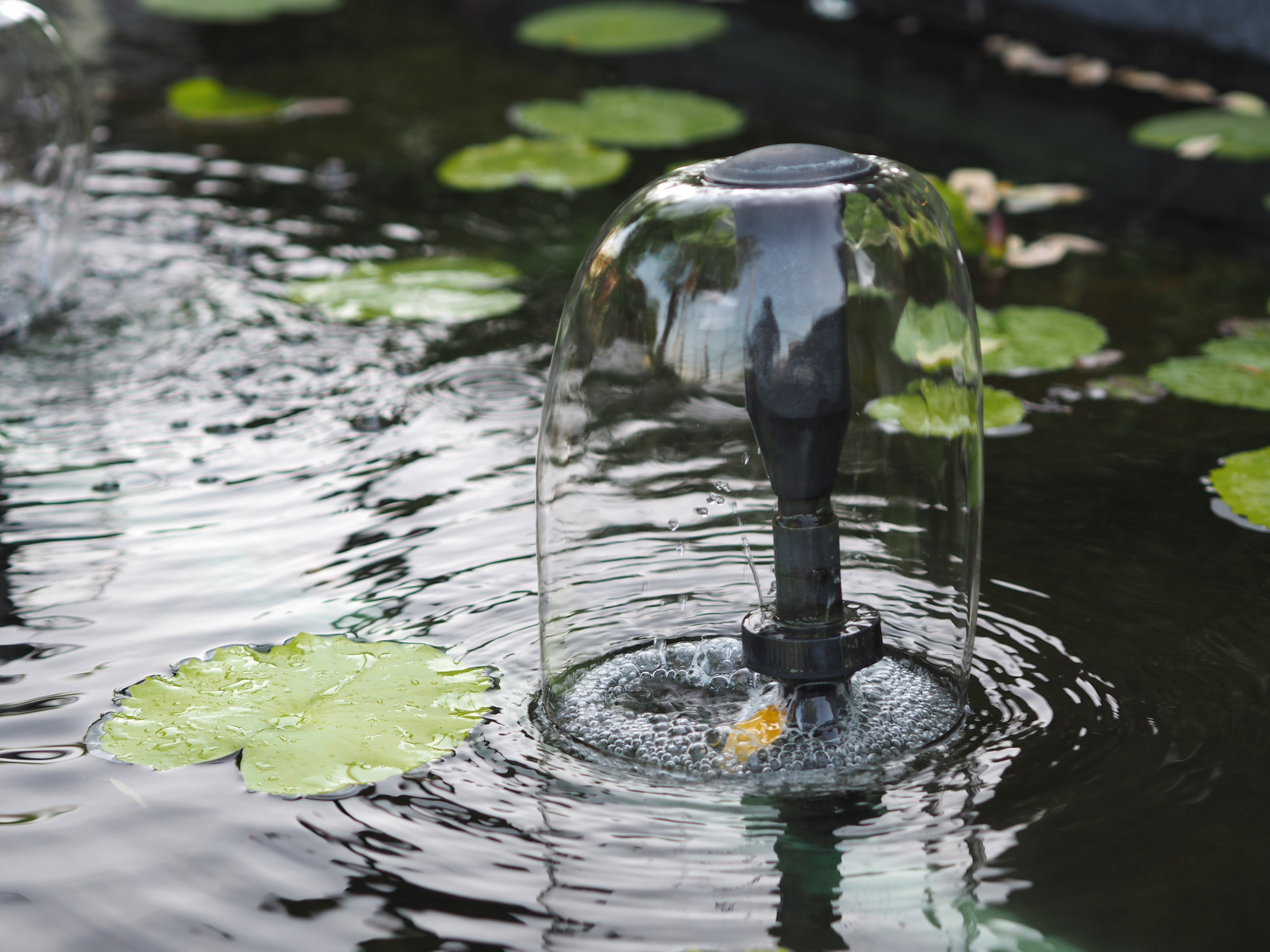
You don’t need a pump to create a wildlife pond. However, pumps are essential for adding movement to water which can greatly increase the appeal of your pond. They also aerate the water, reduce algae problems, prevent stagnant water and help to create a balanced environment which is important if your pond is home to fish.
There are many factors to consider when choosing a pump. Pumps offer different functions from fountain pumps, filter pumps, submersible pumps for subtle underwater movement or aerator pumps for fish ponds. Before shopping for a pump, you’ll need to know the volume of water in your pond and how you want to power it – solar or electric. All electrical pumps should be installed by a qualified electrician.