As the days get shorter and the days cooler, it’s tempting to give up on your garden in autumn – especially as during the long, hot, dry summer, it was a challenge to keep our gardens looking good. You might just want to shut the back door and think about the garden again next spring – and we get it. But what if that ‘back to school’ feeling of autumn applied to the garden too?
You may also like
“For me, September heralds the start of the gardening year,” says Tim Stretton, head of gardens at Mounton House in Monmouthshire. “The focus turns to new possibilities, new plants and design alterations as we process the year that’s been – the successes, failures, new ideas. We take a deep breath and start afresh. The work and planning that we put in between now and late winter really sets the tone for the year ahead.”
And the changing climate means that gardening in autumn is more important than ever. After a summer of drought and heatwaves, the RHS is calling on gardeners to rethink the traditional spring rush and see autumn as an equally important season for planting. “Spring may be the season when Britain traditionally gets gardening, but hotter, drier summers mean autumn more than ever also has a crucial role to play,” says Leigh Hunt, Principal Horticultural Advisor at the RHS.
The cooler, wetter days mean that gardening in autumn can be a real pleasure. If you want to feel smug next spring, read on for our key jobs to do now.
Key gardening jobs for autumn
Plant trees, shrubs, climbers and perennials
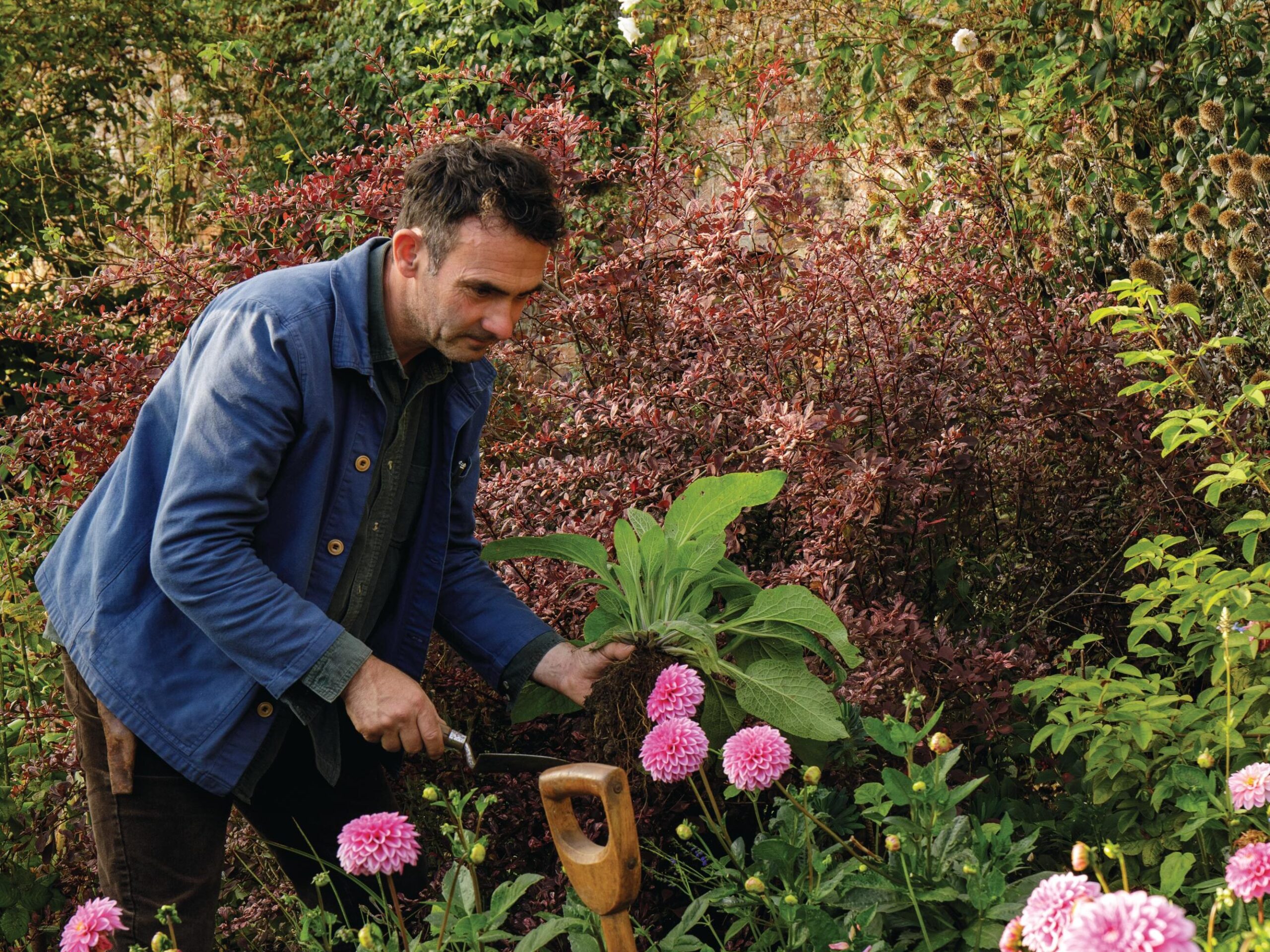
“If we want gardens to survive longer, hotter dry spells, we need to make autumn planting part of the new gardening calendar,” says Leigh Hunt of the RHS. The horticultural charity is now advising that trees, shrubs, climbers and non-woody perennials should be planted in autumn. Biennials, of course, can also be transplanted into their final positions.
The moist, warm soil encourages root growth and winter rains keeps the soil moist, so that by spring and summer, plants are well established and have stronger root systems, making them more resilient to heat and drought. There are also fewer weeds and pests around to bother your plants in autumn, too.
Planting in autumn also means that your plants will be more mature by the time next year rolls around, filling their space and flowering sooner. “I love to plan and plant borders in the autumn,” says designer Pollyanna Wilkinson. “The plants have time to settle and put roots in before the cold weather kicks in, which often means they get a six- to seven-month head start on those planted the following spring.”
Sow seeds
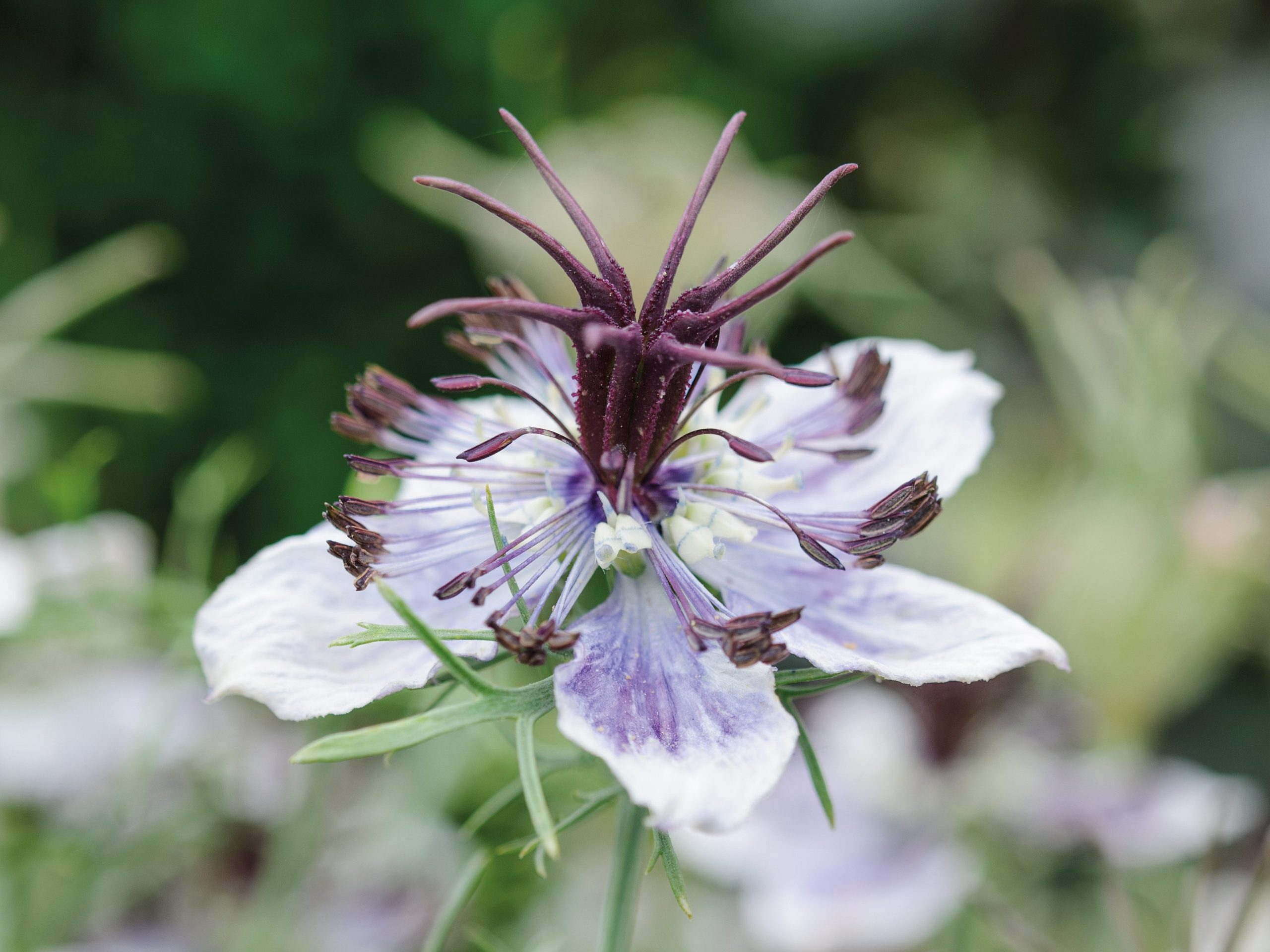
“Traditionally, hardy annuals are sown in early spring, but we are sowing an increasing number, such as Ammi, Nigella, Centaurea, Atriplex, Orlaya and Cosmos in September and October,” explains Troy Scott Smith, head gardener at Sissinghurst. “Not only will these late-summer sowings provide earlier-flowering and larger plants, but it is another way in which we are adapting our gardening to a changing climate. Autumn-sown plants are planted out in early February and by flowering time in April and May they are well established and more able to cope with periods of drought than the spring-sown annuals.”
Read more about autumn at Sissinghurst
Get your lawn shipshape
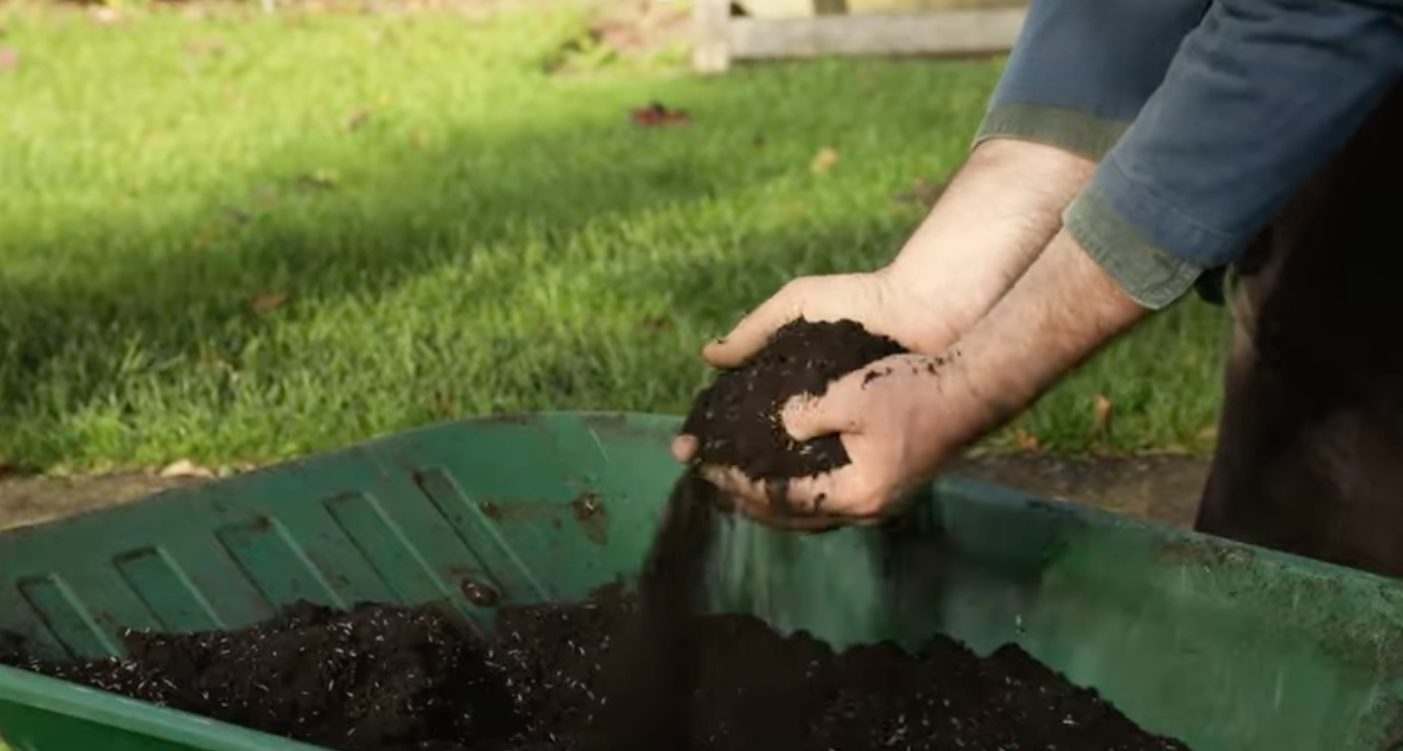
Autumn is the perfect time to renovate your lawn, especially as it may not be looking its best after the summer drought. For a light touch, you could simply mow, edge it and reseed any bare areas – more rainfall at this time of year means the seed will germinate quickly. To avoid the seeds being eaten by birds, try a trick from Troy Scott Smith. He mixes grass seed with compost in a wheelbarrow about a week before he spreads it over the bare areas, so that it has pre-germinates. He says that for some reason, birds do not seem interested in eating the pre-germinated seed.
Lawn expert David Hedges-Gower does not believe that scarifying a lawn is necessary, unless you want a manicured lawn. He does however recommend aerating it – but not by wiggling a garden fork all over it, as many of us do. He says a hollow tine should be used, once a year: “You’ll remove thousands of plugs, which allows the ground to collapse in on itself, altering the soil structure.”
Book a designer or building work
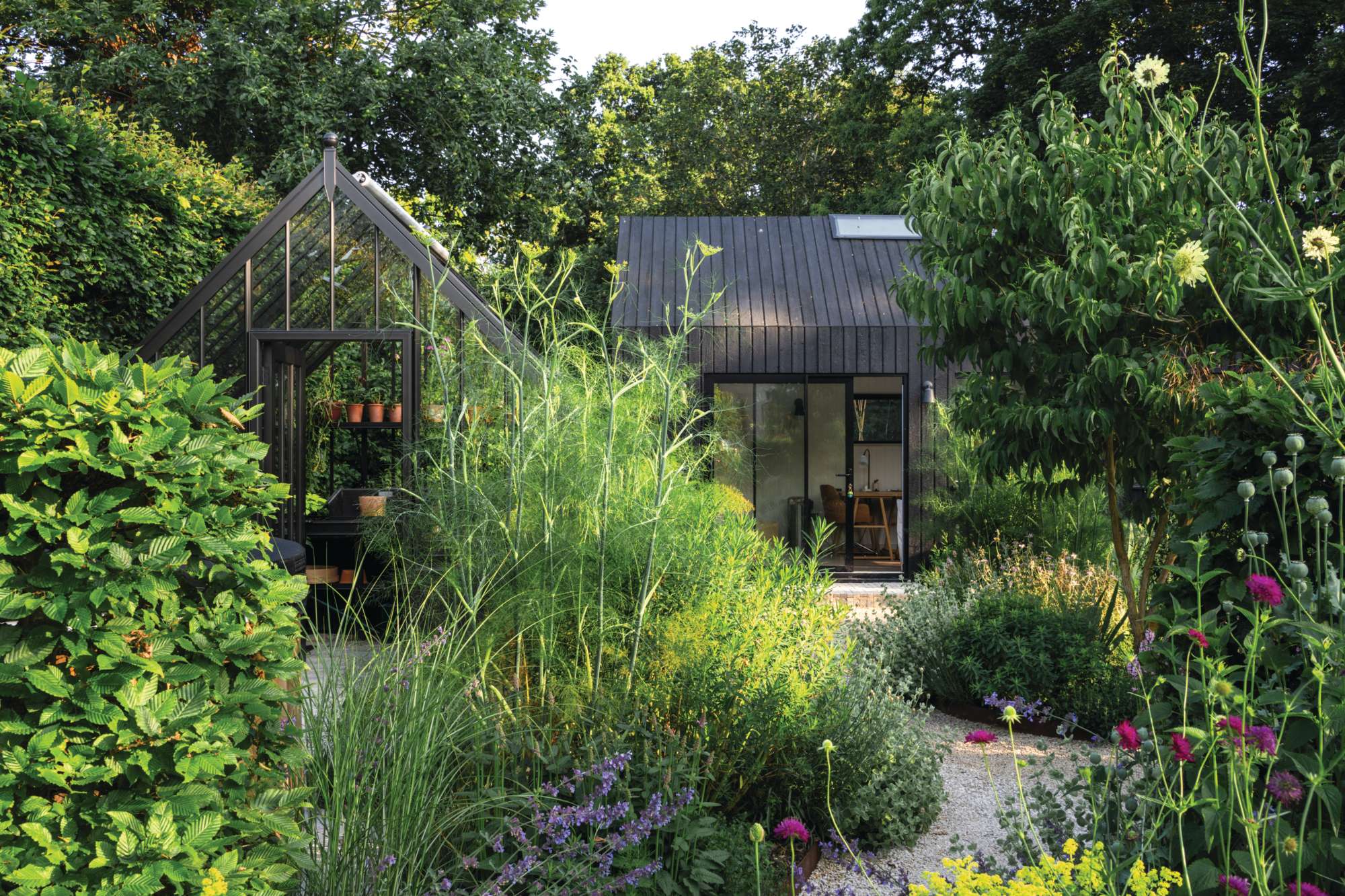
Landscapers and garden designers typically get lots of enquiries in spring, when everyone is thinking about their outdoor space again, but in fact, autumn is the perfect time to think about making big changes. “It’s a fairly classic pattern to see a huge uptick in demand for design and landscaping work in spring when the weather starts to improve,” explains designer Pollyanna Wilkinson. “Its understandable, as our attentions turn to the outdoors when the weather improves. But unless its a very small-scale planting project, it’s far too late to do anything meaningful in time to enjoy it that summer.”
She explains: “Designs can take months to create and the build often even longer, ranging for three to twelve months plus, so rushing it ‘in time for summer’ is similar to those doing a renovation ‘in time for Christmas’. There’s just no point rushing it. Try not to be dictated by a deadline and instead just do it once and do it right. Equally for more minor improvements to the garden rather than full scale rebuilds, it can be beneficial to book in landscapers or place orders for elements such as greenhouses now, so that you avoid the spring rush.”
Prune hedges and topiary
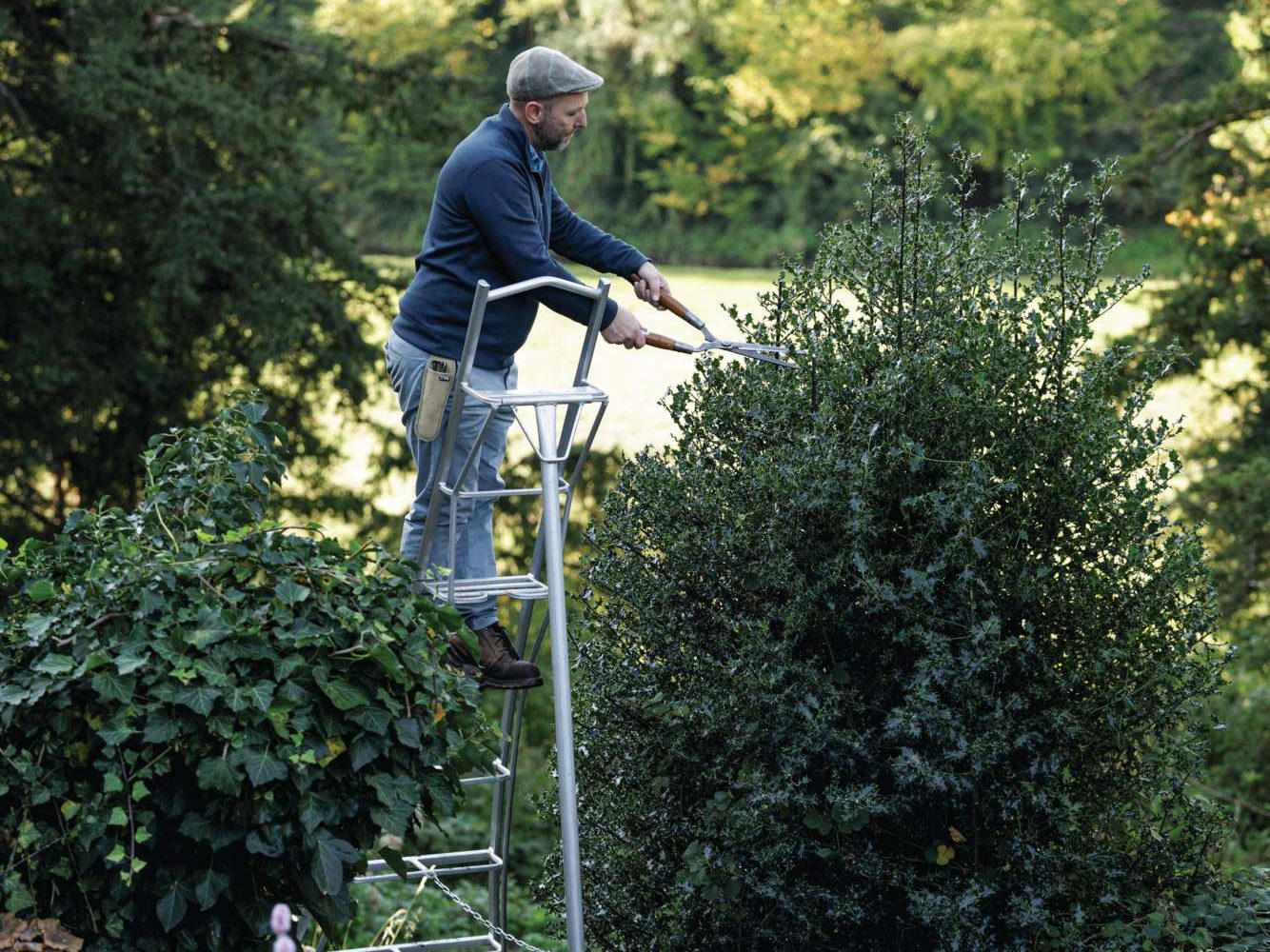
Give hedges and topiary a final cut now and they’ll look crisp all over winter and into spring – and you'll avoid bird nesting season, which runs from March to August. Yew, beech, hornbeam, holly and privet, bay and olives will all benefit from a trim.
Box can also be cut now: "For box, we have shifted to a late autumn/winter cut (when not frosty or wet), with an idea that it is helpful to disrupt the overwintering box caterpillar," says Troy Scott Smith.
“It’s wise to regularly take a step back and view the work from several angles to check on progress,” says Tim Stretton. “We try not to clip too hard in the beginning - we can always reduce sections further but we cannot put back what is already cut.”
Troy Scott Smith advises on cutting both sides of the hedge before the top, and working from the bottom up. “When it comes to the top of the hedge, you have two choices – to cut level with the land or to cut using a spirit level. With very sloping ground it is best to cut with the slope.”
“We will often create templates with flexible pipes or strong wires where more accuracy is required, such as with yew domes cut to the same exact measurements,” says Tim Stretton. He also uses good quality, clean and sharp hand tools to ensure an accurate cut and prevent the spread of disease. “We regularly dip the shears into a bucket of natural disinfectant based on citrus extracts.”
Tidy borders – but don’t cut everything back
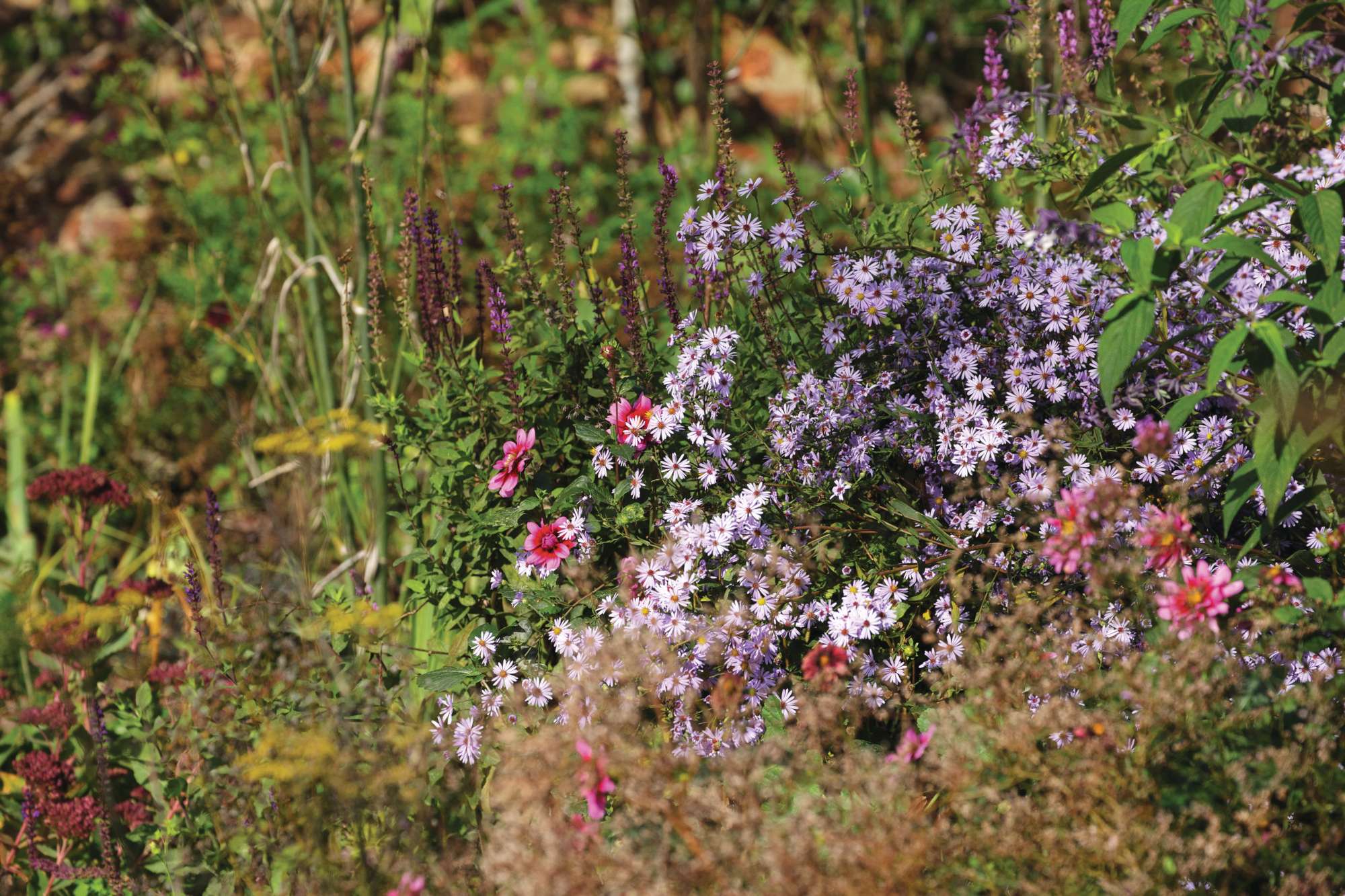
Gone are the days of “putting the garden to bed” in autumn by cutting everything down to the ground. Nowadays, plants are left standing to provide winter interest and shelter and food for wildlife. "To keep the borders looking fresh and tidy, we cut back here and there,” explains Tim Stretton. “Editing the borders little and often key. We concentrate on cutting back the plants that tend to have little autumnal value or late winter structure. While cutting these back, it’s also an opportunity to lift and divide clumps if they are becoming unproductive or encroaching into other plants too much.”
At Sissinghurst, dahlias would have previously have been lifted and stored in autumn. "We now either leave them in, planting them a little deeper so as to fill the space above with spring plants, or we still lift them, but later. In this case, we plant them further apart so we can add biennials to the spaces with the dahlias still in situ," explains Troy Scott Smith.
Plant bulbs
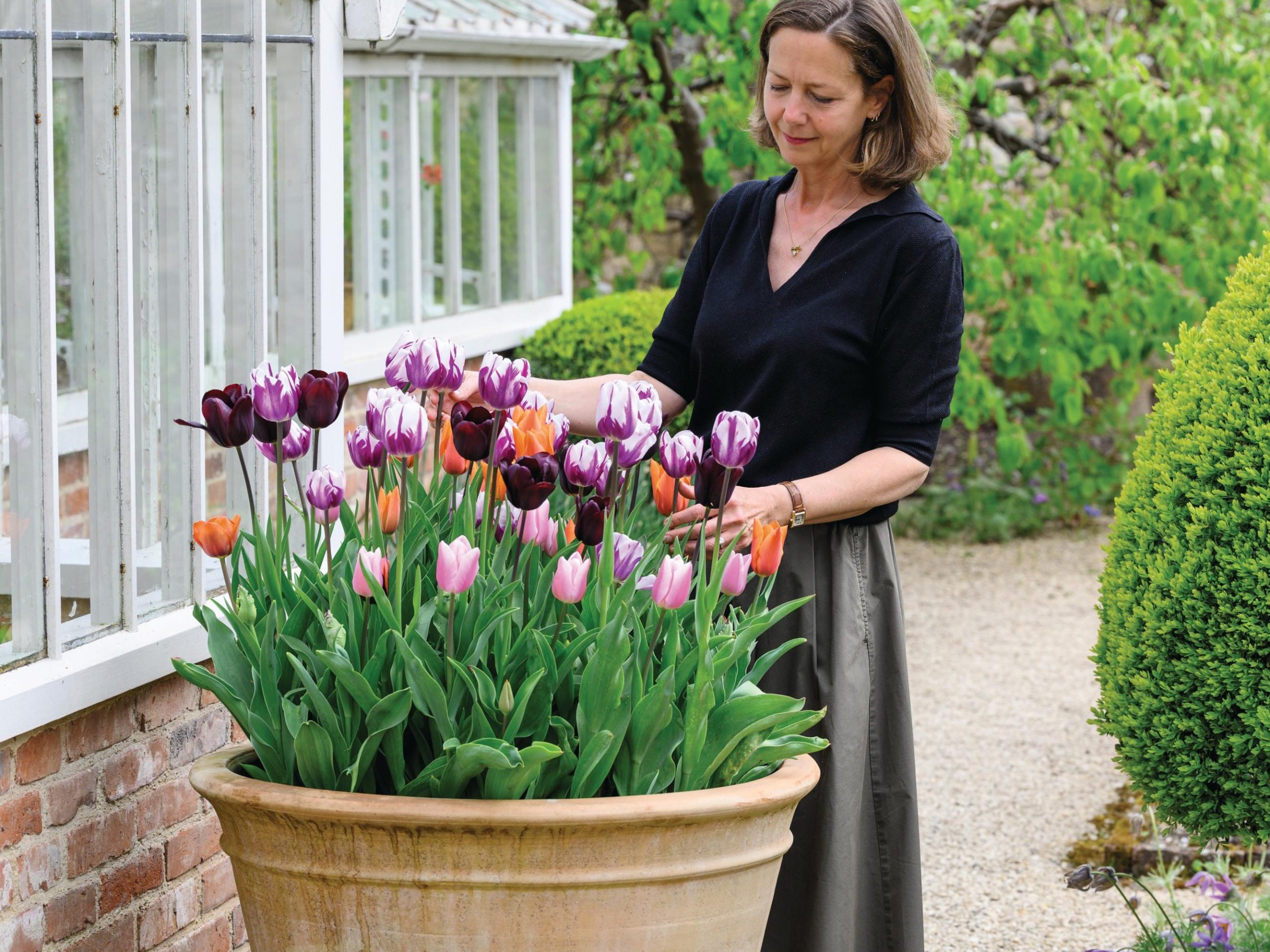
Autumn is of course bulb planting season – plant now for a magnificent display from February right through to May.
Plantswoman Sarah Raven is currently increasing her focus on daffodils (narcissi) – not what she calls the ‘rubber duck’ bright yellow types, but the paler or white varieties. She says that narcissi seem to cope better with wet winters, and that different types will flower from February to May. They also come back reliably year after year.
Nothing can beat tulips for a splash of spring colour, but they can also be affected by the fungal disease tulip fire, which thrives in wet conditions and low light levels. Troy Scott Smith has dug up all of the tulip bulbs at Sissinghurst due to the disease, switching to narcissi and other spring flowers instead.
Tulip expert Polly Nicholson of Bayntun Flowers in Wiltshire is switching to a more sustainable approach. “The idea of introducing chemically treated bulbs into our rich, black soil and throwing them away afterwards no longer appeals,” she says. “These days I grow only species tulips in my herbaceous borders, and annual tulips are planted in oversized containers throughout the garden. The bulbs are recycled elsewhere in the garden after their first year of flowering.”
“I rely most heavily on Viridiflora and Lily-flowered types for their ability to produce healthy-sized bulbs for the following year, including Tulipa ‘Très Chic’, ‘Green Star’ and the multi-flowered ‘Chameleon’. I also dip into old favourites, such as Tulipa ‘Havran’, ‘Mystic van Eijk’ and ‘Menton’ from the Triumph, Darwin Hybrid and Single Late divisions.”


