March can be unpredictable. At one moment, the flooding of sap-swelling buds and unfurling leaves feels like spring, and in the next your lawn is flooded by incessant rains, or a blanket of snow carried on searing cold winds from the near continent can cover the garden like a duvet, plunging it back into winter.
Flexibility is key. It’s best to have several tasks ‘on the go’ at any one time and freely switch between them if required to do so by a change in the weather.
We've gathered together advice from four experts to put together the ultimate list of gardening jobs for March. Kitchen gardener Aaron Bertelsen and head gardeners Benjamin Pope, Troy Scott Smith, and Tim Stretton recommend doing these jobs now to get your growing year off to a great start.
You may also like
March gardening jobs
Sow seeds under glass

March is a key month for sowing seed, pricking out and moving seedlings around. If you are lucky enough to have a greenhouse, it is a busy time of year, but you can also manage just fine on a windowsill, and there is plenty you can sow direct now too.
Hardy annuals: The first flush of annual weed seedlings is a good indicator that soil temperatures have warmed enough for growing cultivars of hardy annuals, such as Agrostemma githago, Centaurea cyanus and Papaver somniferum. These will germinate well from a direct sow outside, straight onto the soil, along with many umbels including Ammi majus, Bupleurum rotundifolium, and chervil and dill, which benefit from the cooler temperatures.
Vegetables: For the vegetable patch, there are broad beans and peas to start off, though tender borlotti, French and runner beans should be left until the risk of frost has passed. Sow Swiss chard undercover. As we reach the end of March, you can direct sow beetroot, carrots, parsnips and radish, and we sow kohl rabi, rocket and lettuce in succession to ensure a long harvest period. It’s also a great time to plant any hardy modular-grown vegetables such as garlic and onions.

If you have heavy clay soil, sow pea seeds under glass and then move the seedlings outside. This system is also useful for spacing, so you know how many plants you need and that you have enough.
Before you even think about planting out early sown seedlings, however, you need to put up supports. Check how tall your plants will ultimately get, and remember that when your pea plants are in full growth, the supports will have to hold a lot of weight, so consider using posts as well as pea sticks and brushwood to hold it all up. Once planted, watch out for birds and snails eating the young growth. It is worth using fleece over the young plants until they start to climb up the supports.
Read our expert guide to planting seeds.
Divide perennials and grasses
Now is a great time to lift and divide many herbaceous perennials and ornamental grasses, and plant new ones, including bareroot additions such as Convallaria majalis pips and strawberry crowns.
Sweet pea care

It’s a good time to ‘build’ sweet-pea wigwams of hazel, using three well-branched stems around 2m in length to create each wigwam. Prior to planting (six peas per wigwam), enrich the soil using home-made bokashi compost. This provides both the nourishment and water-holding capacity that the peas need to keep flowering.
For a longer display and tougher plants, if you can you should sow sweet peas in autumn and overwinter them in cold frames. This allows you to plant really early in the season, just as the soil starts to warm up - as long is the soil is not frozen or waterlogged. Keep an eye out for slugs and snails.
You may also like
- Growing sweet peas: advice from a cut flower grower
- The best scented sweet peas
- Meet this remarkable sweet pea breeder from Auckland, New Zealand
Create peony supports

To stop these blowsy flowers from flopping onto the soil later in the season, it’s a good idea to do stake your peonies. At Sissinghurst Castle Garden in Kent, head gardener Troy Scott-Smith has developed his own way to create these supports. “In addition to looking good, I hope this method will avoid the delicate peony roots getting damaged by conventional staking, which relies on pushing supports in among the roots.”
You may also like
Feed plants
If you like to feed plants in pots and borders regularly now is the time to start doing so with various organic and natural fertilisers such as Maxicrop or other seaweed feeds, as well as plant health stimulants and potassium-based tonics for roses, peonies, delphiniums and irises.
Tidy up
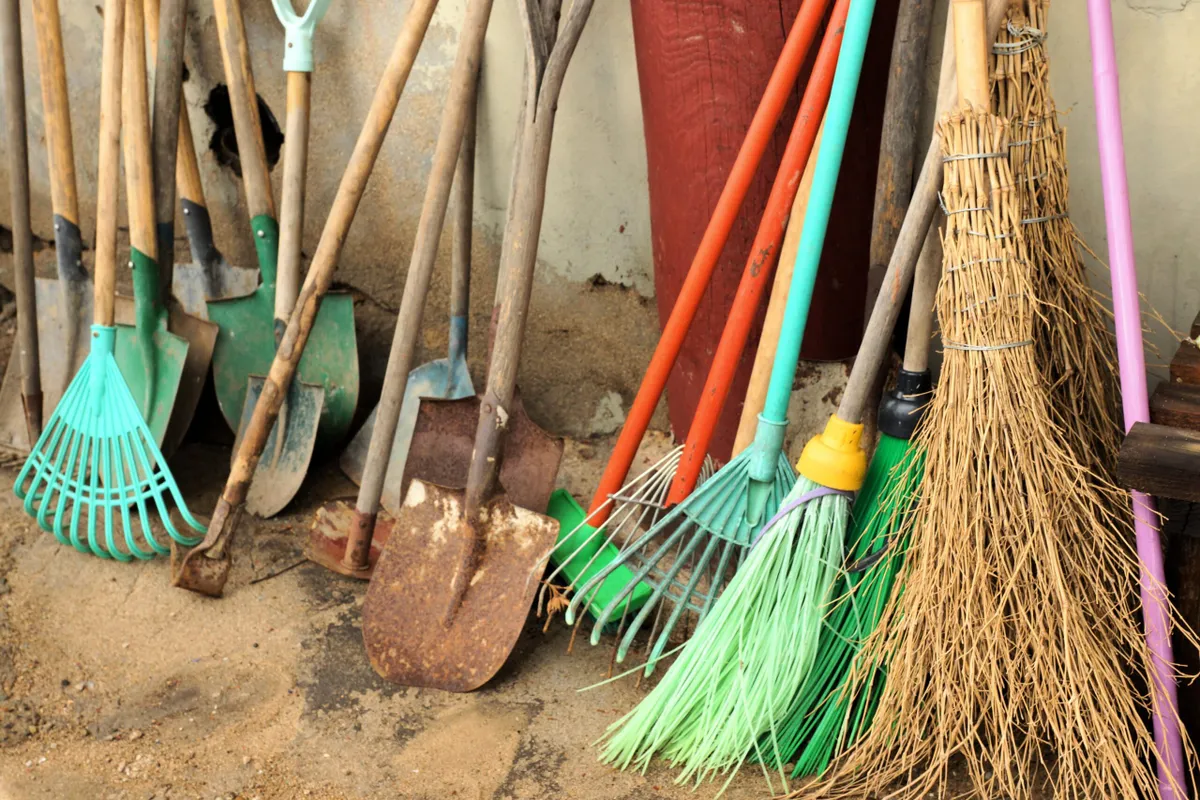
March is the last chance for tidying before the growing season starts. Go through your pots and remove any sad-looking foliage, and chuck out plants that haven’t made it through the winter. Top dress those that remain with a sprinkle of food, such as organic chicken manure pellets, and a layer of fresh compost.
Check your rhubarb

If you are forcing rhubarb, remember to keep it well watered. Sitting under cover, it’s easy to forget about, but regular watering will stimulate growth and keep the stems tender, just as they should be. Remove the rhubarb forcers after the first few harvests to allow the plants to recover.
You may also like
Start the weeding

As the growing season begins, weeds will also spring into life. Run a sharp hoe down the rows to make short work of them and keep things looking tidy.
Prune shrubs

Although much pruning, particularly roses, is carried out through winter, delay pruning tender shrubs or sub-shrubs until the risk of severe frost has passed, usually around mid-March. This applies to Mediterranean plants such as lavender, santolina, phlomis, sarcopoterium and salvias, which should all be pruned now.
You can also focus on plants grown for winter-stem interest or large summer foliage to ensure you get the best display this year. Pleach limes, coppice willow, Catalpa and Paulownia, and hard prune Cotinus, winter-stem Cornus and Rubus.

In mid-March, prune and tie in various wall-trained shrubs such as solanum, myrtle, abutilon, garrya and Magnolia grandiflora.
Order and plant summer-flowering bulbs
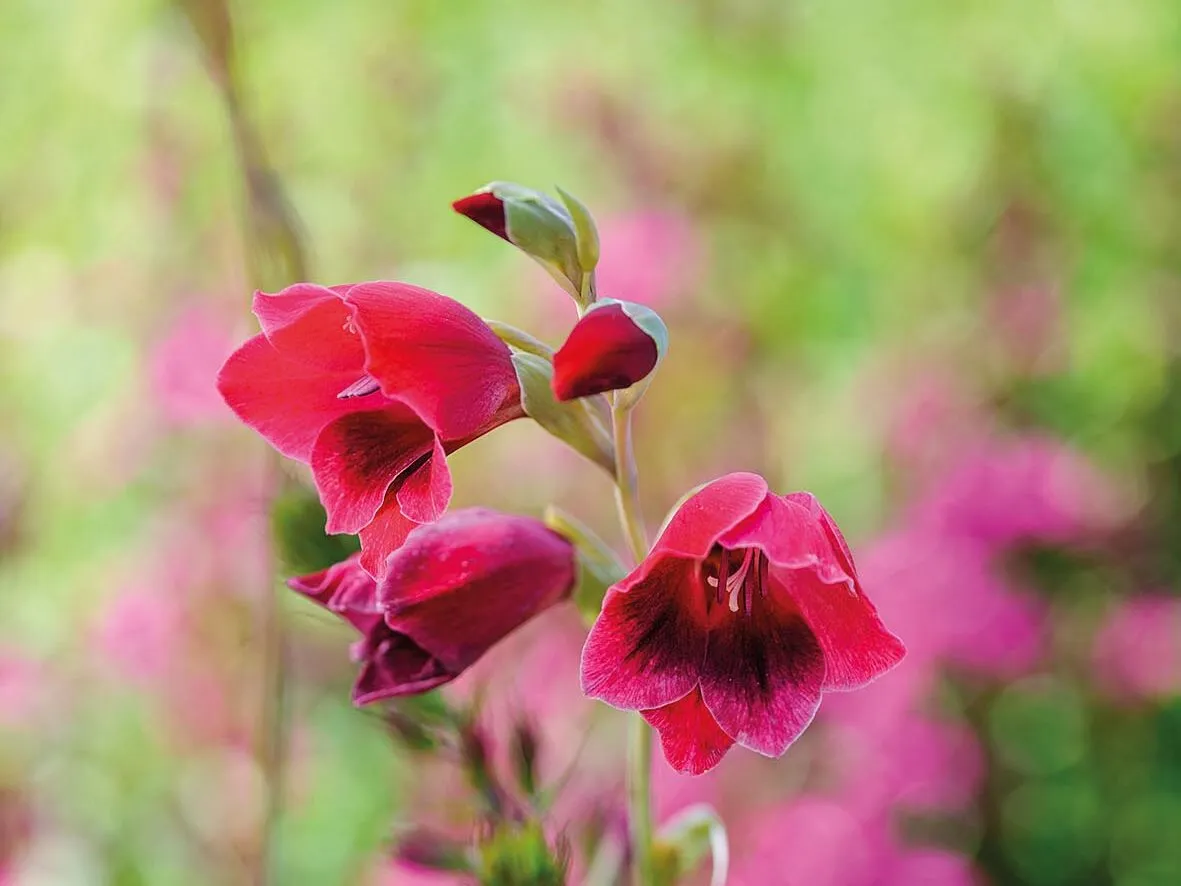
Get your orders in for dahlias, gladioli and lilies. If weather is still too cold to plant out, store somewhere cool and dry or pot up and grow on somewhere sheltered before planting.
Here's more on when to plant summer bulbs and the best to choose
Plant in the green
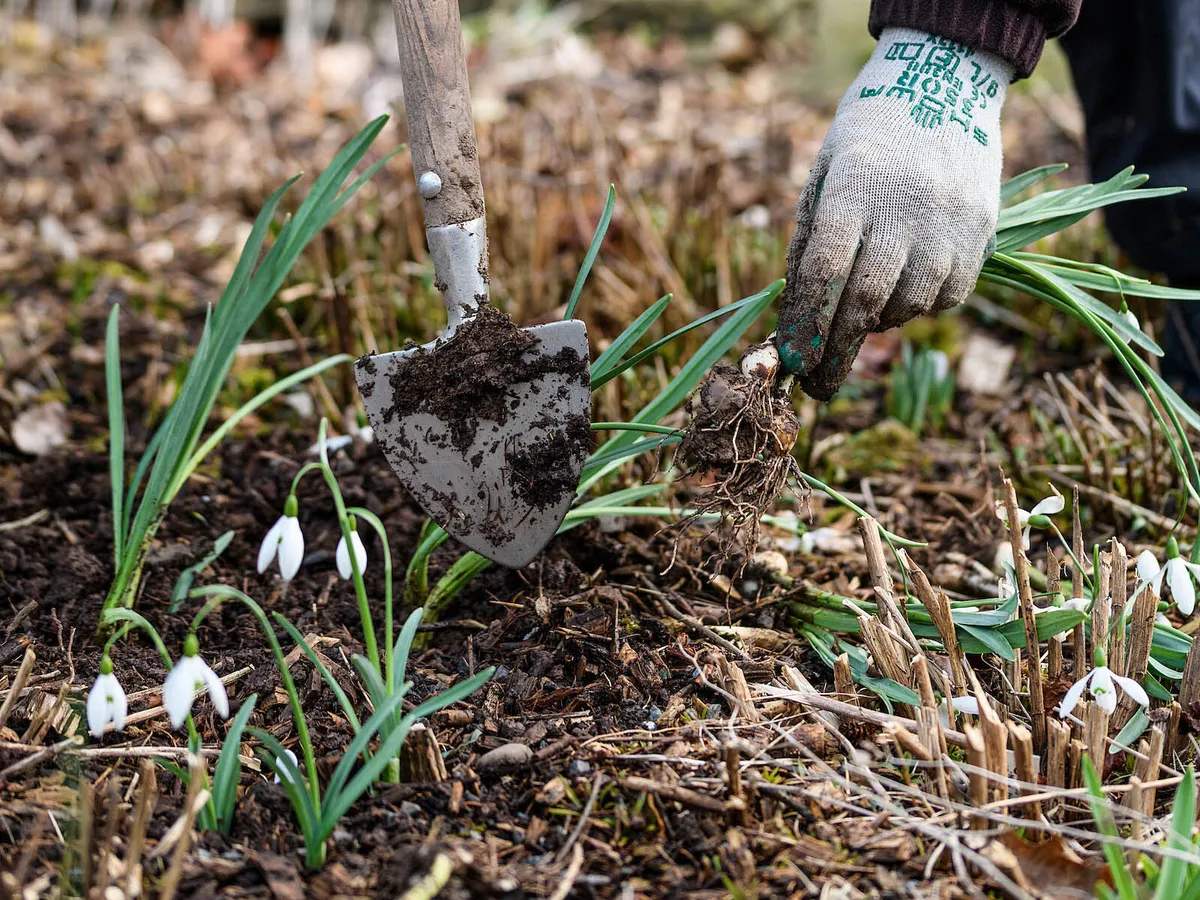
Gently lift, divide and replant large clumps of winter aconites and snowdrops to establish larger swathes. Alternatively, these can be purchased and planted as bareroot ‘in the green’ plants.
You may also like
Define turf edges
Redefine your lawn edges using a half moon or spade to cut a clean line between borders and lawn, making it quicker and easier to trim with edging shears while instantly creating a smart appearance.
Protect crops

If you have issues like rabbits and pigeons, or your garden is prone to frosts, be ready to run out with the fleece or netting very quickly to give a level of protection for a specific crop such as Ranunculus in the cut flower patch or brassicas on the allotment.
Cloches are a great investment to guard against rabbits and even slugs to protect precious delphiniums and dahlias.
Rose spraying
As an alternative to chemical spraying, you can spray old roses with a mixture of essential oils, including mountain savory, tea tree, thyme, clove and orange.

Dilute 0.2ml of each in 10ml of rapeseed oil and 3ml of Castalia black soap. Mix this base in one litre of water with a pH level of 6.5-7. At Sissinghurst, the first spray is generally in early April as the new foliage begins to break and thereafter twice a month until October.
Pot up dahlias

Bring dahlia tubers out of winter storage and pot them up, keeping them in the polytunnel if you have one, ready for planting out after the final frosts. Water gently and sparingly while the tubers develop leaves, as they can be prone to rot.
Deadhead bulbs
For aesthetics, from now until May you can remove the faded blooms – but not the leaves - of narcissus and then later in spring those of early and late tulips, to ensure long-lasting colour.
Mulching
This is key for beds and borders as it helps with the retention of water in summer and generally improves the health of the soil. It’s wonderful if you can use your own compost.
Buy your compost
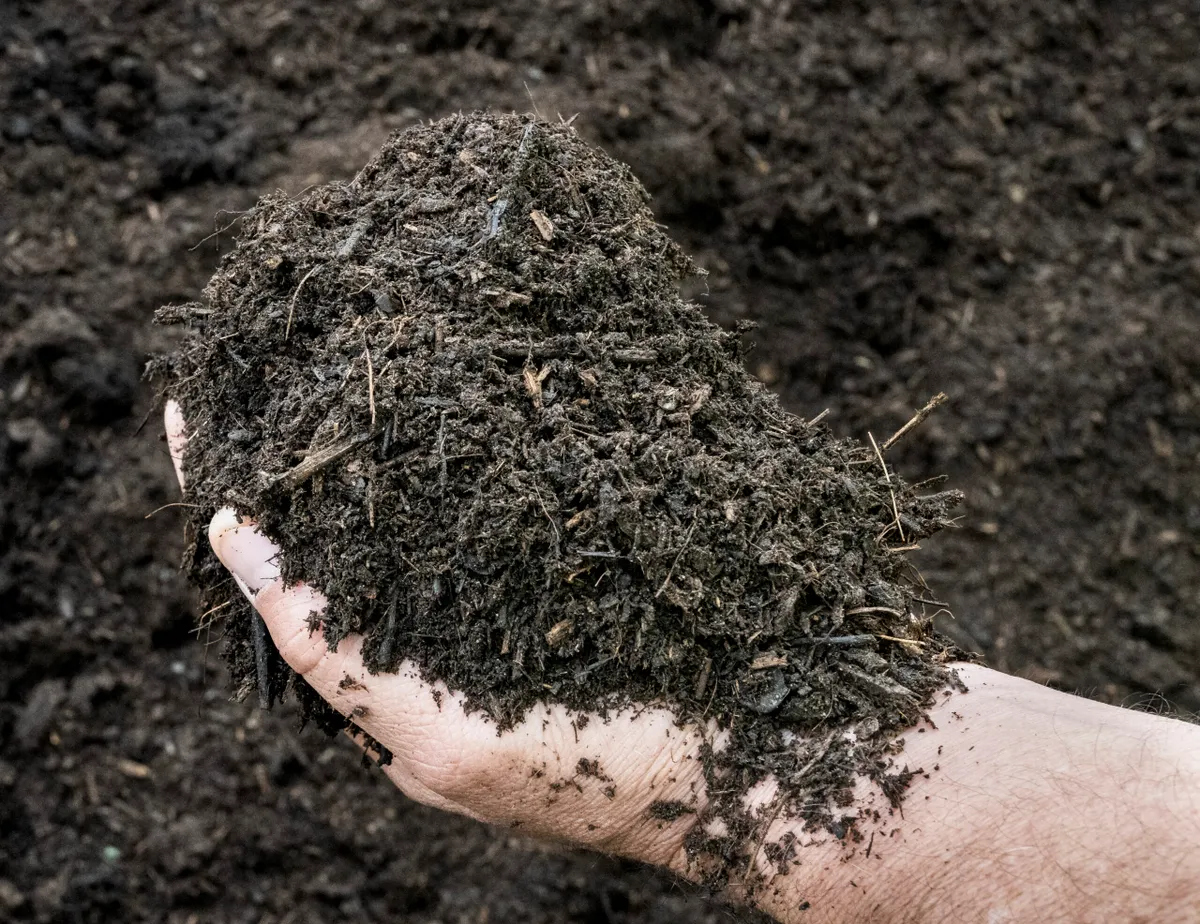
Now is the perfect time of year to stock up on compost, particularly for sowing seeds ands potting on seedlings.
You may also like
Editor's note: This feature was edited on 23 February 2026 to include more advice from expert gardeners.