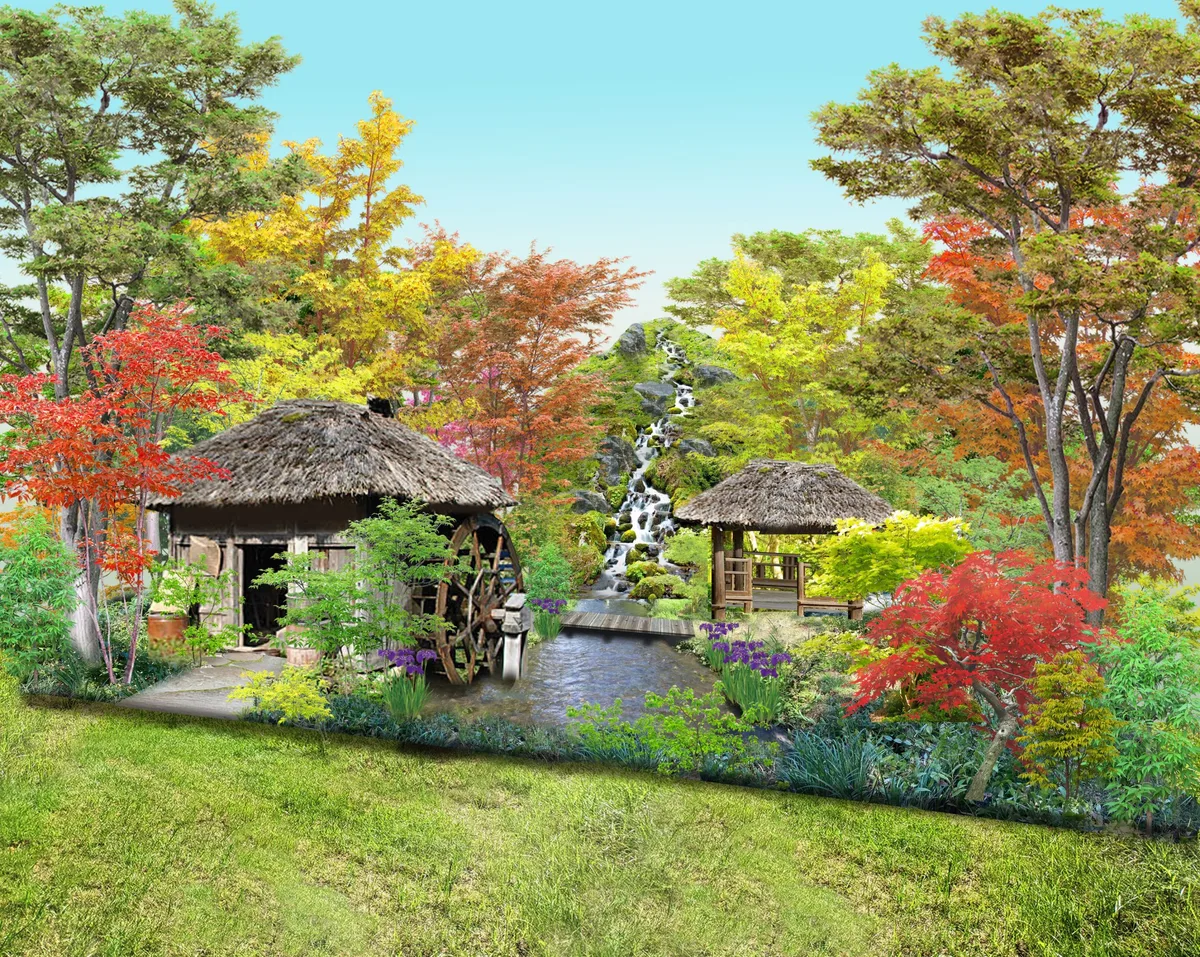
The RHS has announced Japanese garden designer Kazuyuki Ishihara will be returning to RHS Chelsea Flower Show in 2027 with a new garden, Volcanic Blessings – A Garden Born from the Earth.
Celebrating the life-giving power of volcanic land, the garden will aim to reframe visitors' understanding of volcanoes, often associated with destruction. Inspired by the volcanic mountain landscape of Unzen in Nagasaki, Japan, Kazuyuki Ishihara's design will showcase how volcanic landscapes create fertile soils, water sources and ecosystems – and the importance of recognising and protecting the environmental processes supporting the planet.
Read more:
- Everything we know about RHS Chelsea Flower Show 2027 so far
- Surprises for RHS Chelsea 2027 as three Project Giving Back gardens announced
The designer
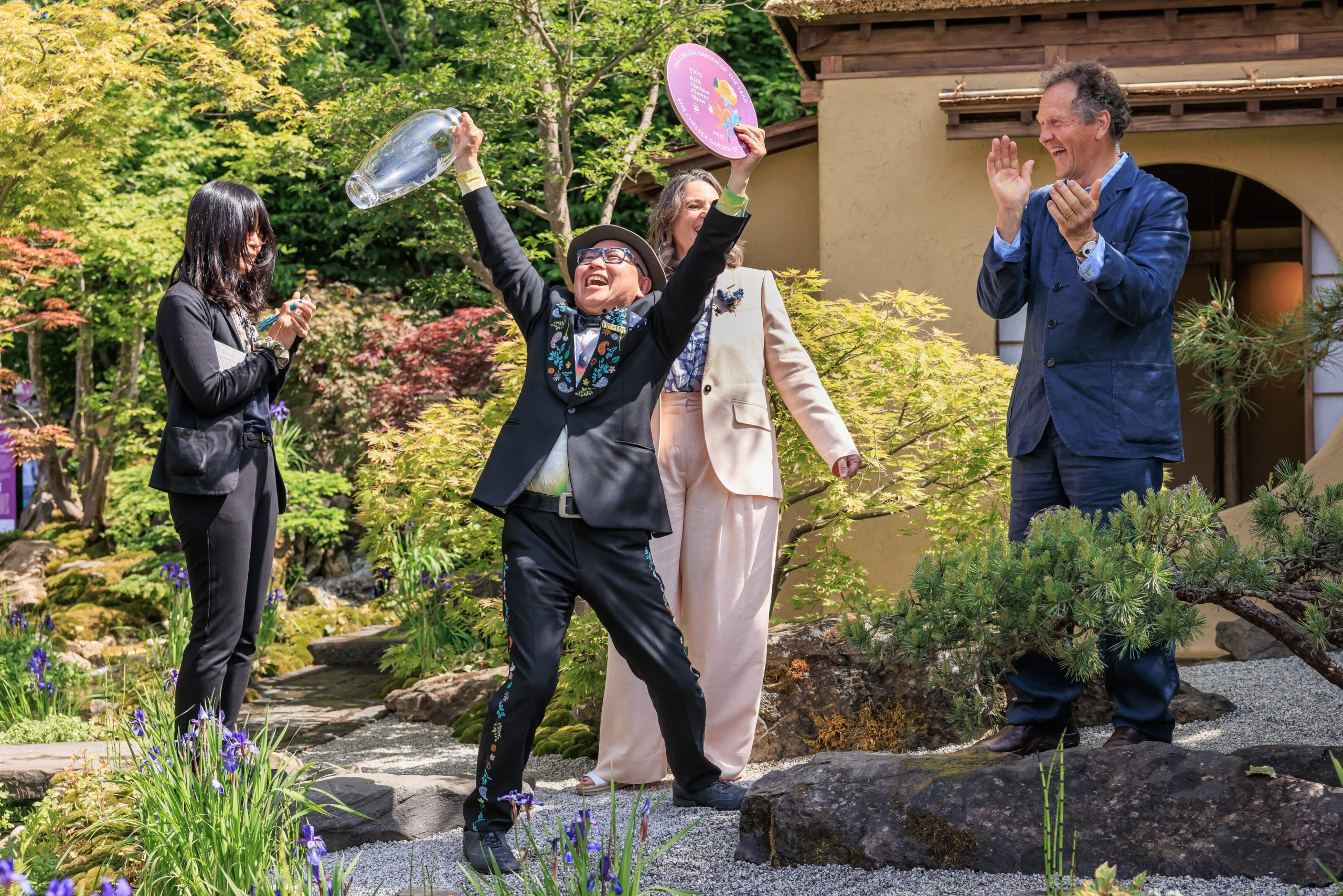
Kazuyuki Ishihara has been designing Chelsea gardens since 2004, having been impressed while visiting the show in 2003. In 2025, he won both Garden of the Year and the People’s Choice Award for his much-admired Cha No Niwa Japanese Tea Garden.
The designer was also at RHS Chelsea 2026 earlier this year, winning a silver-gilt medal for his Tokonoma Garden – Sanumaya no Niwa, which he designed with Paul Noritaka Tange.
The design
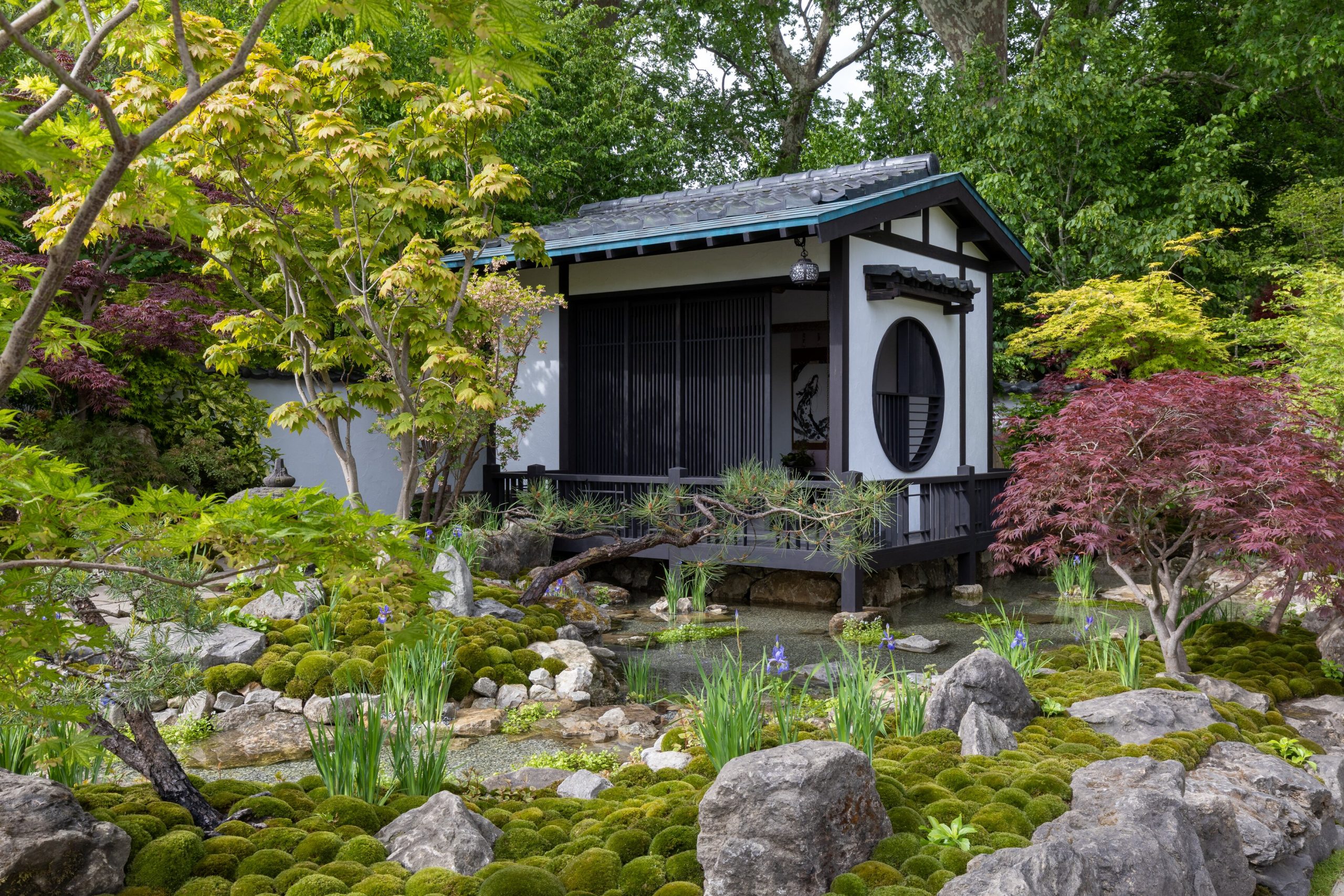
The garden will feature dark, layered volcanic stone illustrating geological layers, while atmospheric mist will represent geothermal steam and mountain fog. There will also be flowing spring-like water and moss-covered rocks, which support landscape regeneration.
With natural stone, water and layered planting, the garden should create a peaceful space where visitors can reconnnect with nature and consider the relationship between humans and the environment, and the natural cycles happening underneath the earth's surface.
In creating this garden, Kazuyuki Ishihara hopes to encourage visitors to think about how they can use balance, texture and an understanding of nature to create their own meaningful garden, looking beyond 'strong colour and elaborate decorations'.
The construction team will also use traditional Japanese construction techniques to minimise the amount of waste created.
The planting
The garden's planting will contribute to the quiet, peaceful feeling of the garden. Visitors can expect to see varying tones of green, leaf shapes and textures, with mosses, ferns and Japanese maples to reflect the landscape of Unzen in Nagasaki, Japan.