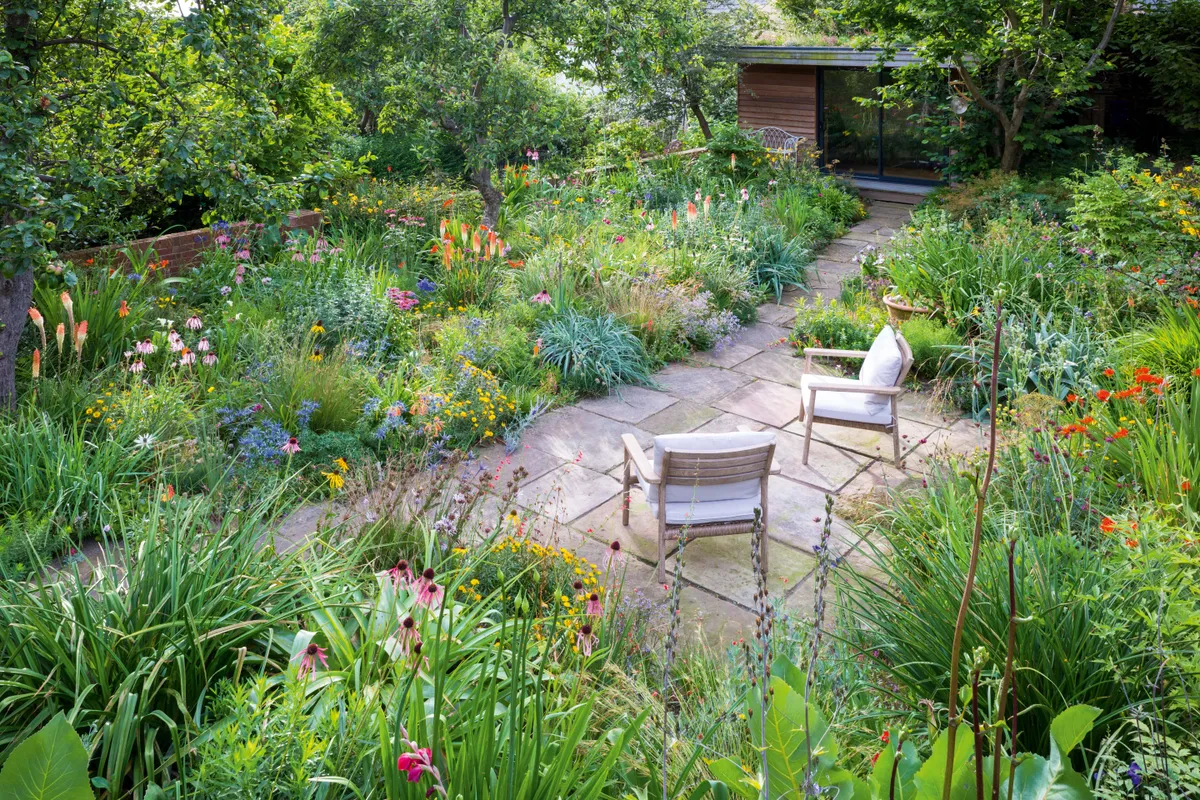
James Hitchmough has created gardens around the world using sustainable, long-term, naturalistic and often seed-sown plantings. He is best known for projects such as London’s Queen Elizabeth Olympic Park and Knepp Walled Garden, and is an emeritus professor of horticultural ecology at the University of Sheffield.
You may also like
- James Hitchmough's 10 endlessly useful plants
- Nine types of plant you never knew you needed
- Is your garden boring? These experts think so
James is currently developing his own garden in Somerset with particular focus on a planting palette for a changing climate. These are his favourite feature or specimen plants that will offer the most wow-factor focal points in a garden.
James Hitchmough's plants for maximum impact
Cornus kousa var. chinensis
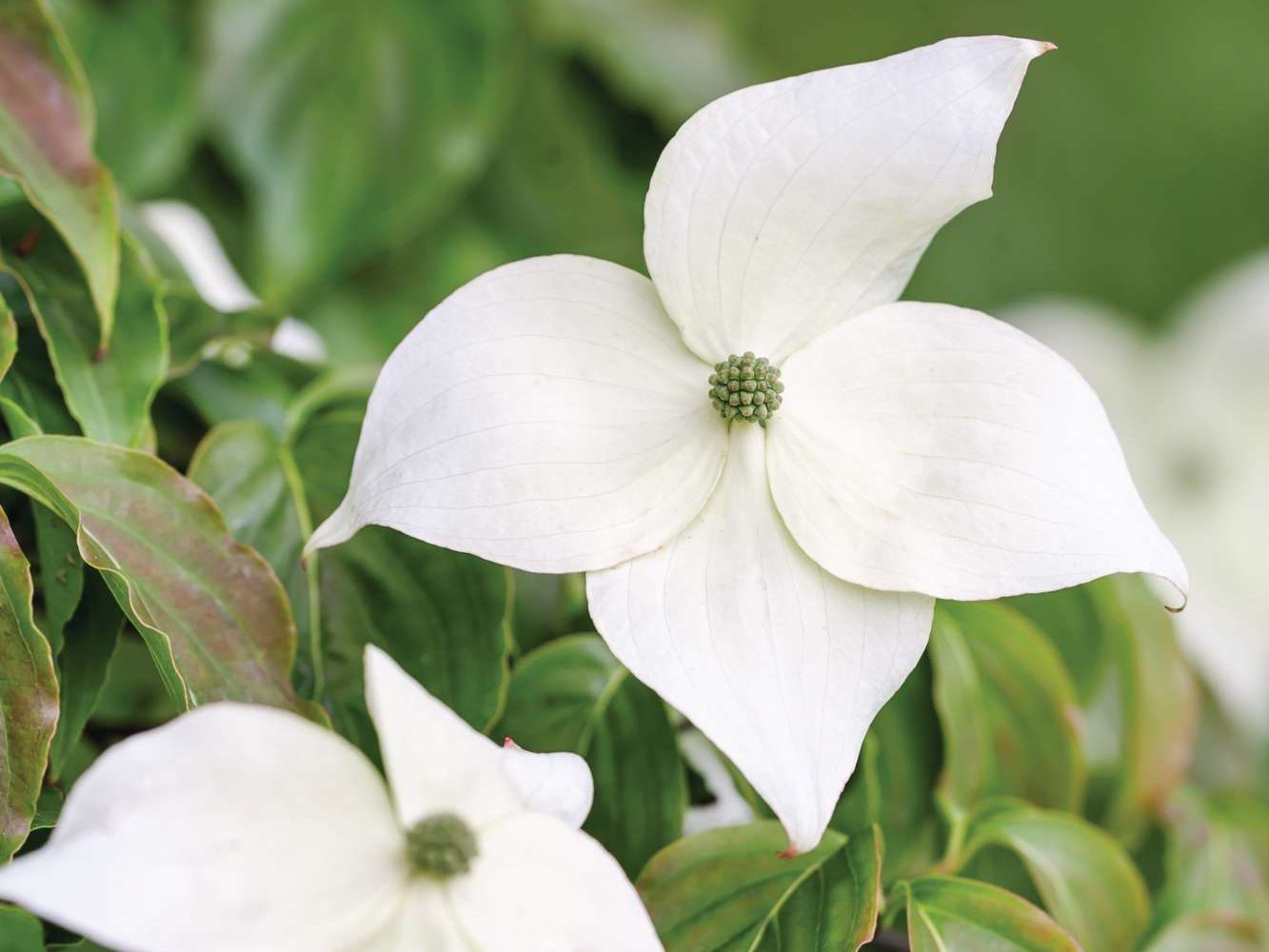
A woodland-edge plant that has it all – great branch tracery, attractive bark, flowers and autumn colour. Alas, it’s highly drought sensitive, so is an emerging climate-change loser in southeast England, but still OK for those in the west and north, or on shady north slopes. Hates compaction and waterlogging.
Height 6m. Spread 6m. Plant type Tree. Conditions Good moist soil; sun (if moist) to part shade. Season of Interest Year round; peaks in May and October. Hardiness Rating RHS H6, USDA 5a-8b.
Eremurus himalaicus
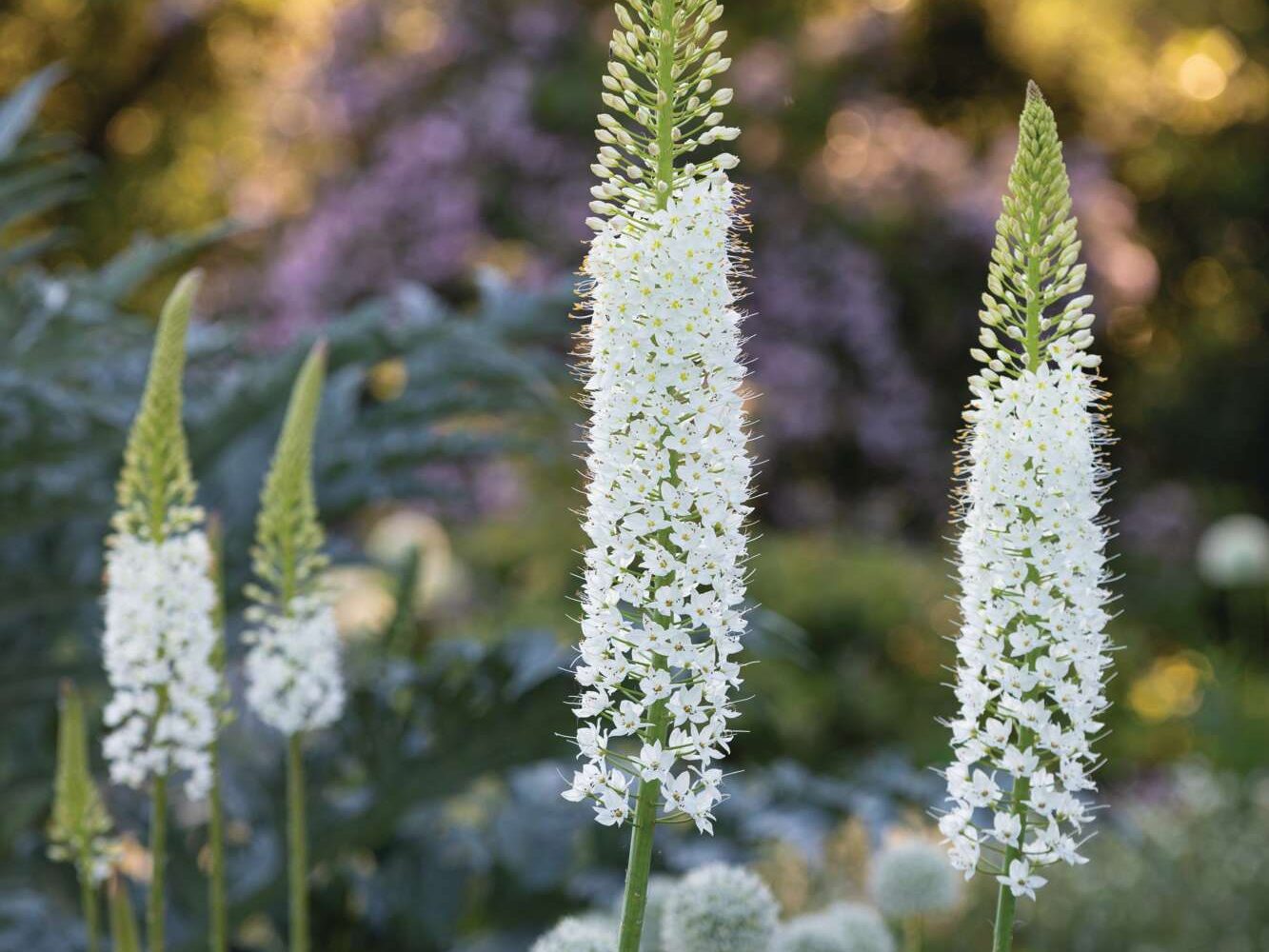
Improbable, gigantic, white bottle-brushes above a mop of basal foliage. Extraordinary punctuating the emerging spring foliage of other herbaceous perennials. They are a bit unpredictable, and you have to pretend the dirty-white end of flowering isn’t really happening.
Height 2m. Spread 60cm. Plant type Perennial. Conditions Well-drained soil; full sun. Season of interest May – June. Hardiness rating RHS H6, USDA 5a-8b.
Eucomis 'Pink Gin'
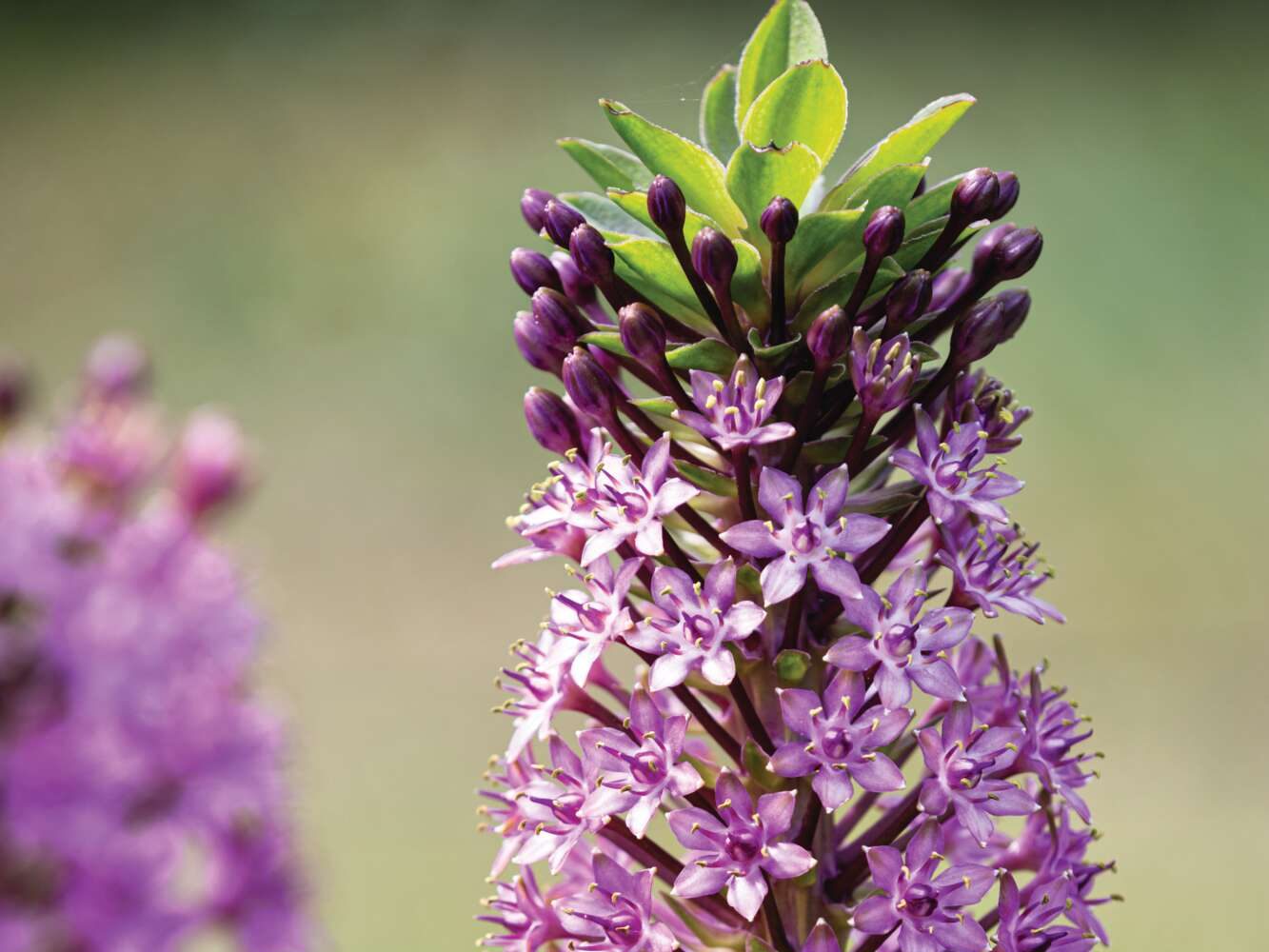
Massive rosettes of 80cm-long, broad leaves (initially bronzepurple) out of which emerge tall spikes of vinous-pink stars. I like to use as repeating individuals spaced more than 3m apart, as they’re just too lurid in big patches. Flowers are followed by more subtle purple-black seedpods. An inevitable late-summer talking point.
Height 1.5m. Spread 80cm. Plant type Bulb. Conditions Good moist soil; full sun. High drought tolerance but leaves splay out when dry. Season of interest August and September. Hardiness rating RHS H4, USDA 7a-10b.
You may also like
Eucryphia x nymansensis 'Nymansay'
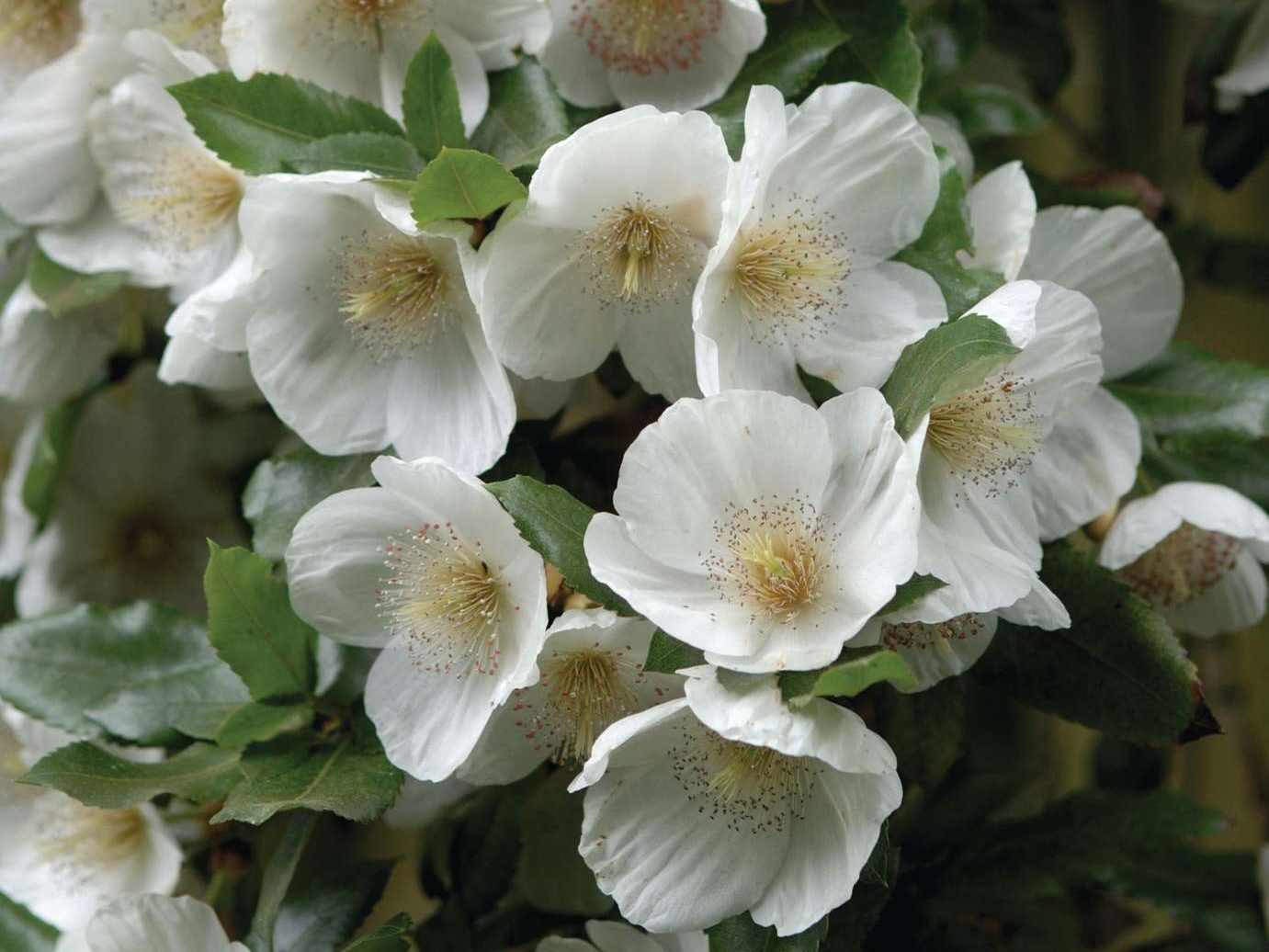
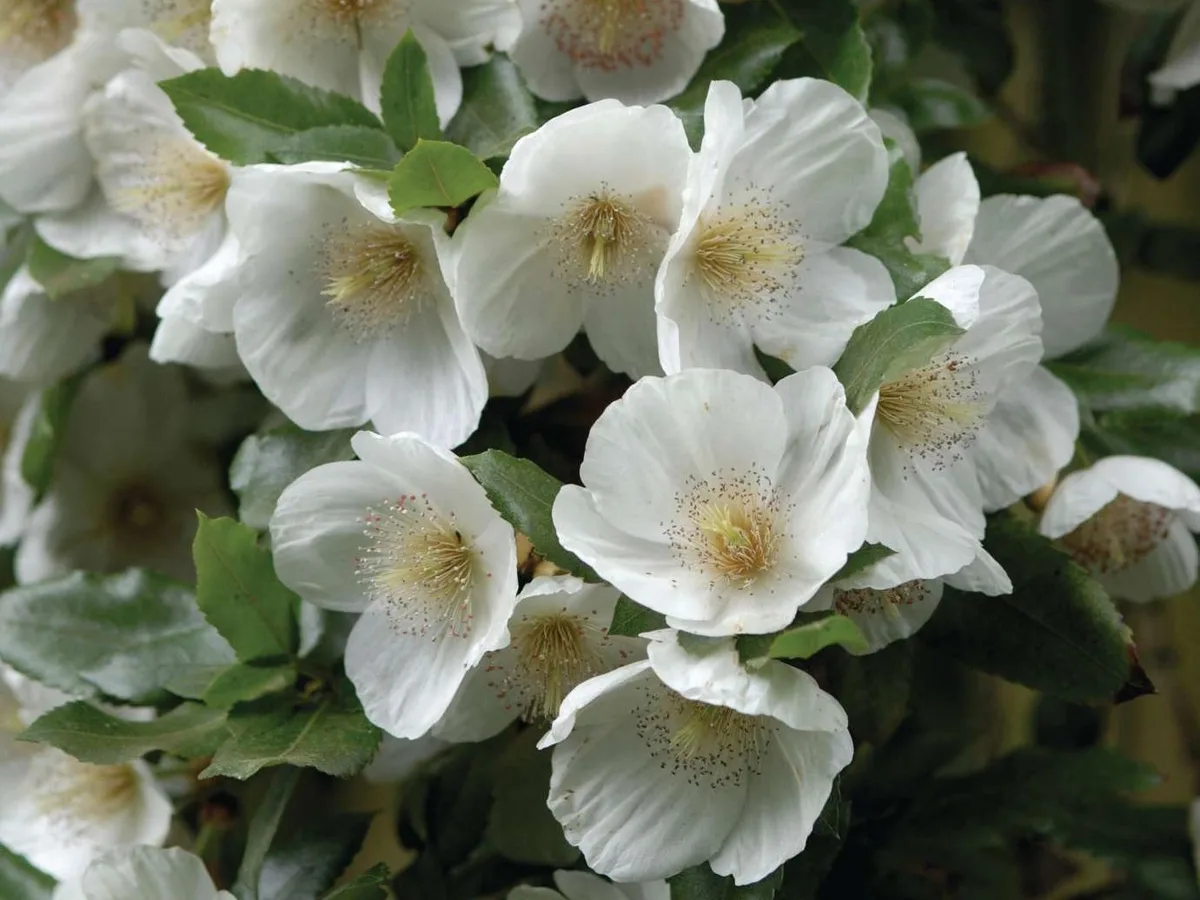
Tall, relatively narrow, small evergreen tree, with respectable foliage and wonderful dog-rose-like white flowers in late July and August. The big boss of stamens is the key: bees love it. Hard to think of a better late-summer flowering tree.
Award of Garden Merit. Height 8m. Spread 4m. Plant type Tree. Conditions Well-drained soil; sun to light shade. Season of interest July – August, but decent year round. Hardiness rating RHS H4, USDA 8a-11.
Ferula communnis
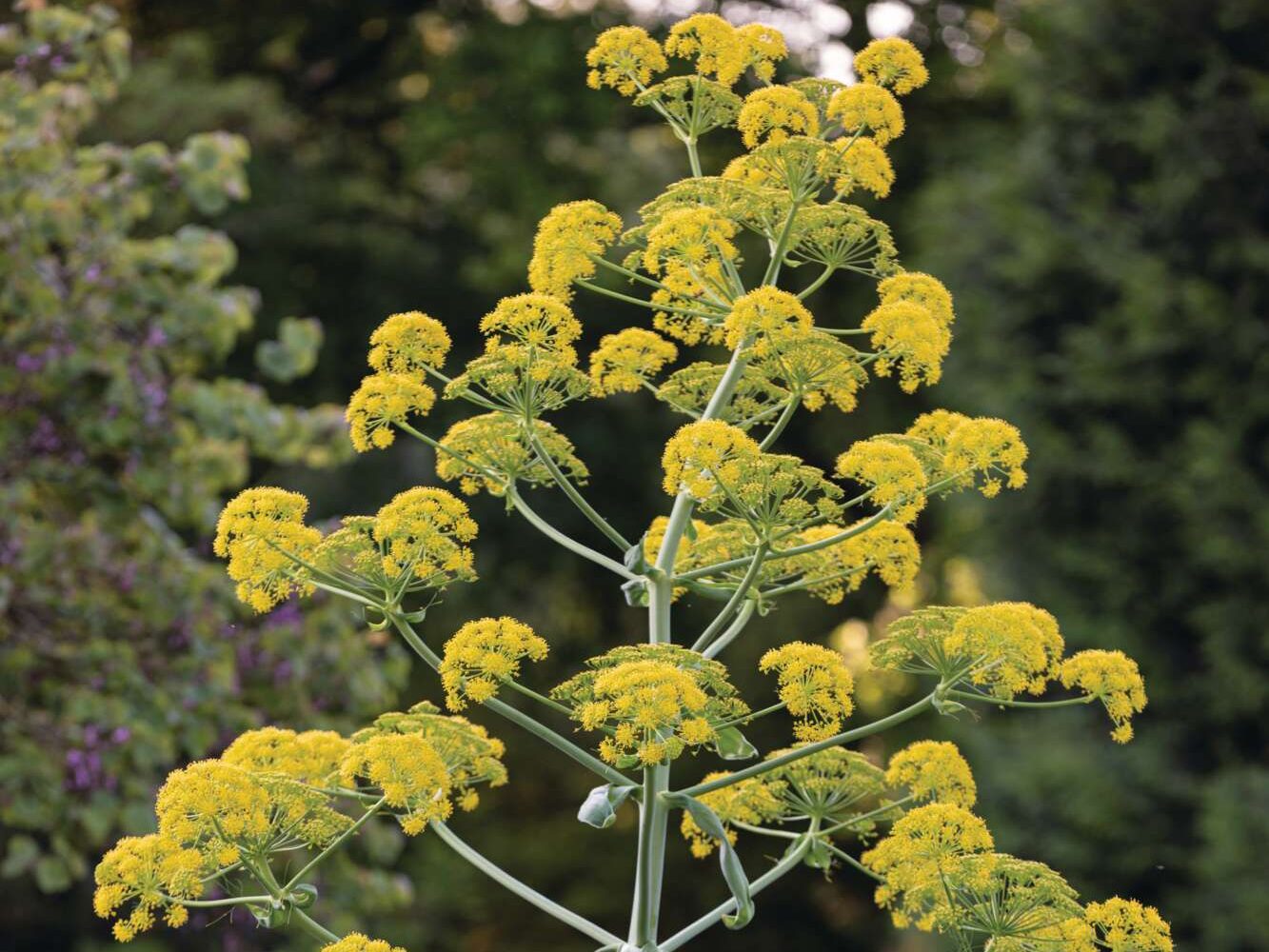
Mounds of dark-green candyfloss from late autumn to late spring with 2-3m-tall, broom-shank spikes of yellow balls. The ultimate wow-plant. Spring decline is a bit sordid, so it’s best with selective cutting and underplanting with June-emerging Begonia grandis to fill the resulting summer hole.
Height 3m. Spread 1m. Plant type Perennial. Conditions Well-drained soil (but wide tolerance); full sun. Season of interest March – May. Hardiness rating RHS H3, USDA 7a-9b.
Kniphofia northiae
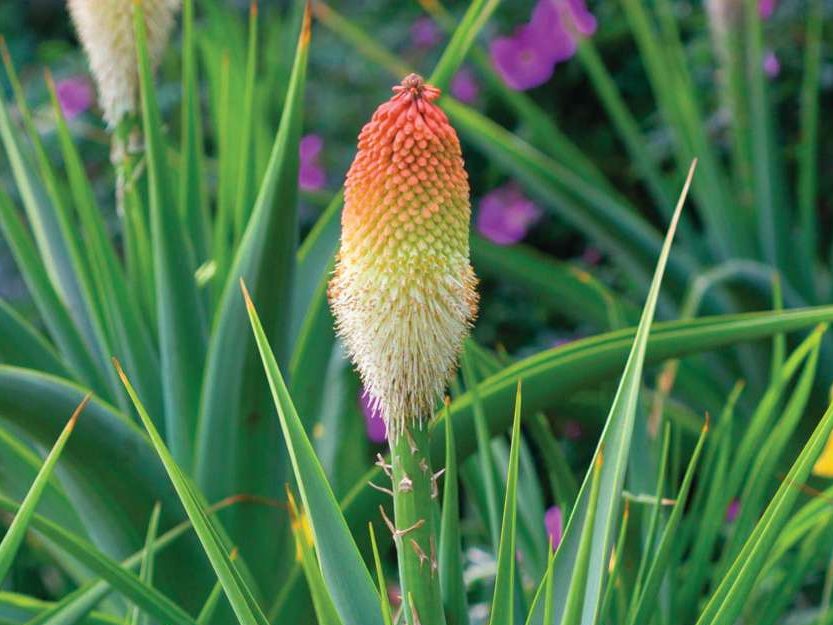
Fat and massive flower spikes (a transient cocktail of lime green, cream and pale orange) with broad leaves, and palegreen flower spikes that have a hint of grey. Imagine a cross between a floppy aloe and a giant star-fish. Best with last year’s scruffy leafage cut away in early spring. Despite its summer-wet wild habitat, it’s fine with moderate summer drought.
Award of Garden Merit. Height 1m. Spread 1.2m. Plant type Perennial. Conditions Well-drained soil; full sun. Season of interest May (flowers); May – November (foliage). Hardiness rating RHS H4, USDA 6a-11.
You may also like
- How to grow Kniphofia and the best varieties to choose
- These less common magnolias are perfect for small or large gardens in spring and will survive in many conditions
Magnolia salicifolia 'Wada's Memory'
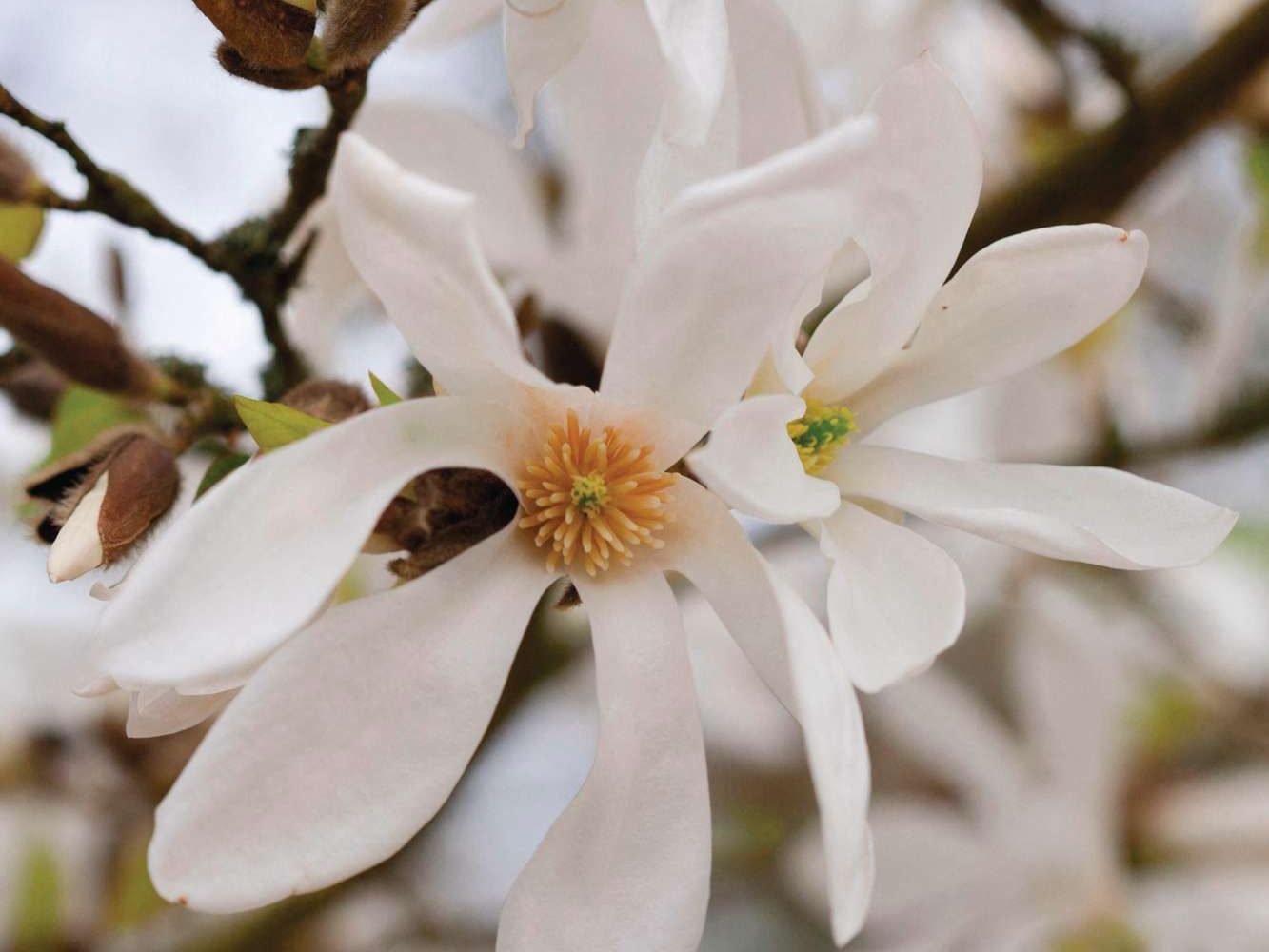
Slow to moderate deciduous small tree with bronzy new leaves. Delicious white butterfly flowers with contrasting dark bud scales give this the visual edge over other magnolias such as M. x loebneri or M. kobus. So fresh and clean.
Award of Garden Merit. Height 5m. Spread 3m. Plant type Tree. Conditions Good, moist, well-drained soil; sun to part shade. Season of interest April, respectable thereafter. Hardiness rating RHS H6, USDA 5a-8b.
Malus hupehensis
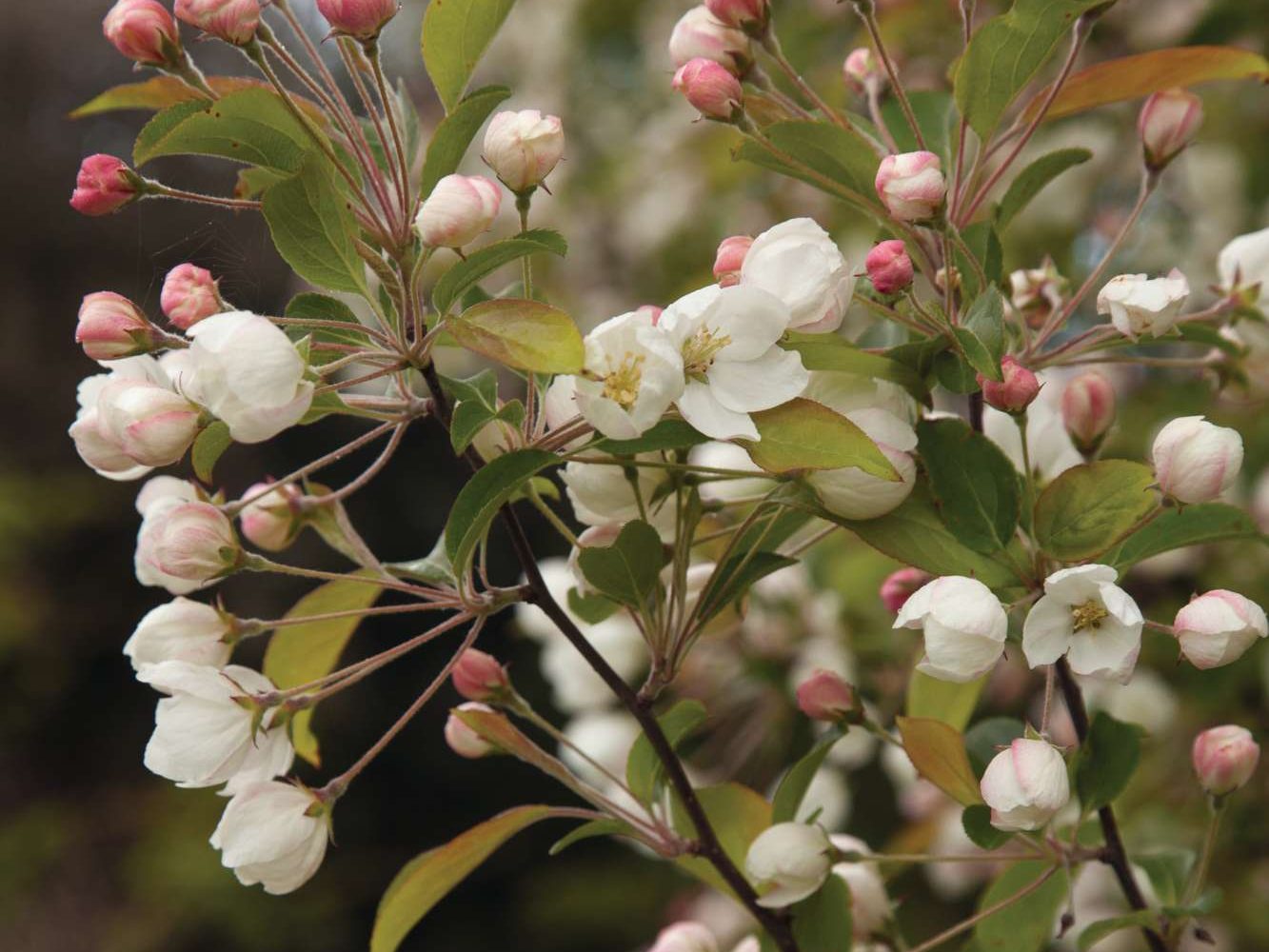
What praise can I add to better that of Dan Pearson, who called this one of the very best blossom trees? A wide-spreading, smallish deciduous tree with cupped, white, slightly flushedpink flowers at astonishing density. Just wonderful. Some clones (it is apomictic) have small, softer fruits, others have larger, harder fruits.
Award of Garden Merit. Height 8m. Spread 10m. Plant type Tree. Conditions Well-drained soil; full sun to part shade. Good drought tolerance. Season of interest May (blossom). Hardiness rating RHS H6, USDA 3b-9b.
Sorbus spendens
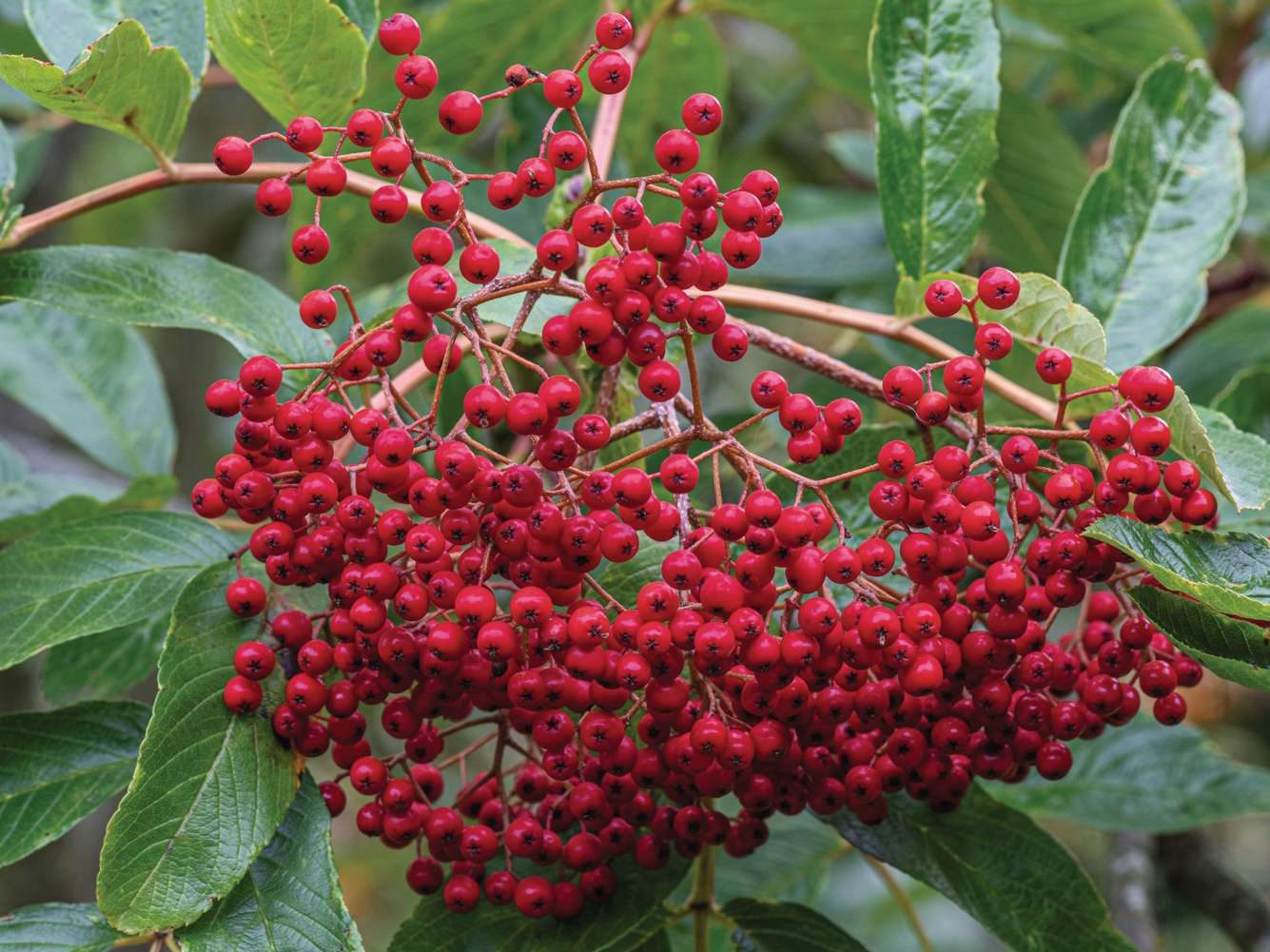
A wide-spreading, relatively open deciduous tree, with large plates of widely spaced, small, red fruits. Beetroot-hued young leaf growth, then glossy, almost tropical-looking dark-green foliage. Dark-red autumn colour. Drought tolerance seems better than average.
Height 5m. Spread 7m. Plant type Tree. Conditions Well-drained soil; full sun to part shade. Season of interest May – June (flowers); autumn (fruits). Hardiness rating RHS H5.
Sorbus ulleungensis 'Olympic Flame'
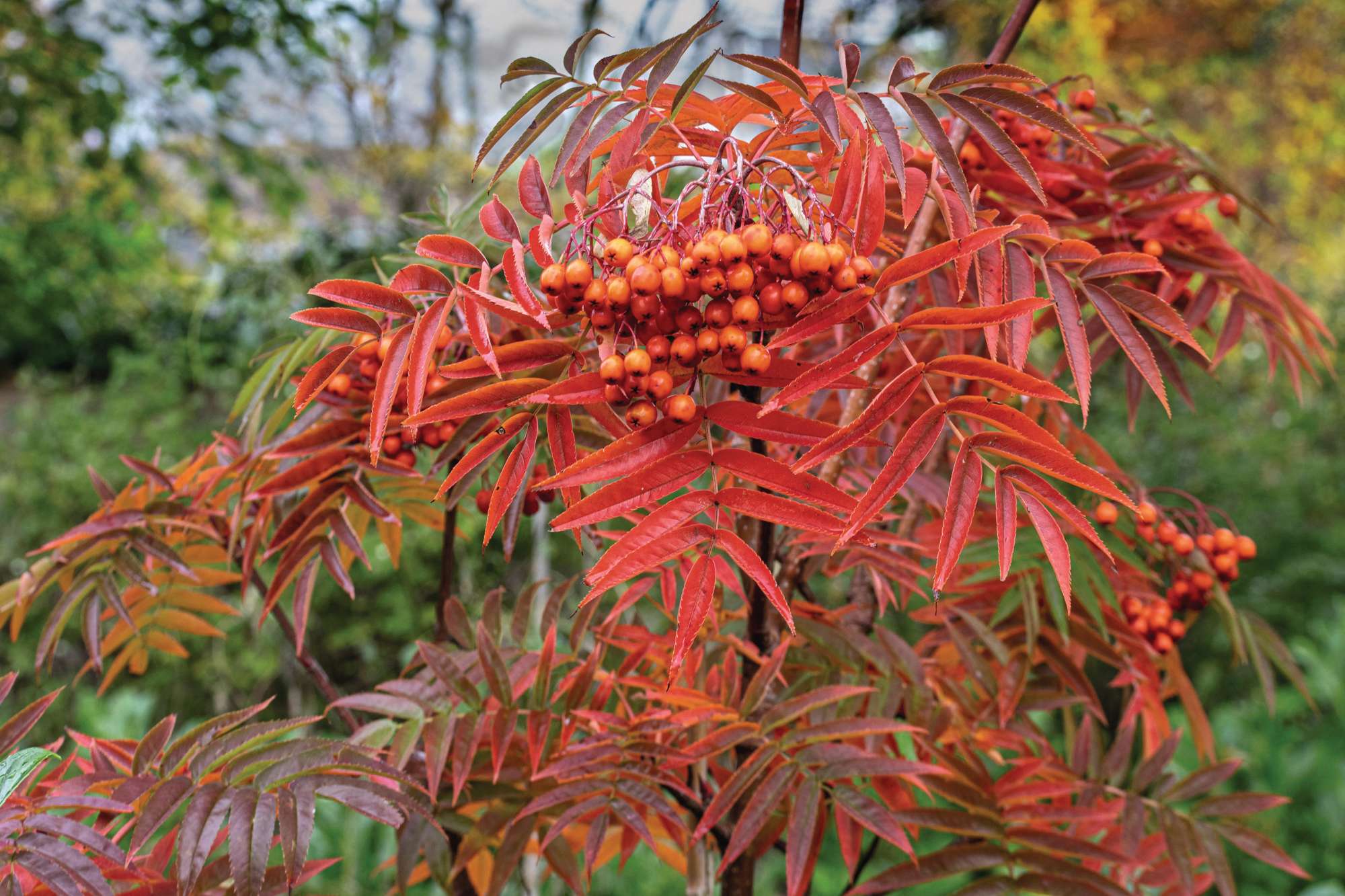
Narrow when young, wide-spreading in later life, this tree has luxuriant deciduous foliage that turns wonderful reds and orange in autumn. The flower plates are large, with big red berries. Grows on rocky soils on Uleung Island, Korea, and has proved to be one of the most drought tolerant of pinnate-leaved Sorbus.
Award of Garden Merit. Height 6m. Spread 7m. Plant type Tree. Conditions Well-drained soil; full sun to part shade. Season of interest Autumn for drama. Hardiness rating RHS H6, USDA 3a-6b.
Subscribe to Gardens Illustrated to have inspiration dropped on your doorstep every month.