Summer is an absurdly busy time of year in the garden. Suddenly everything needs staking and deadheading or harvesting, borders are bursting with life – and not all of it is welcome.
While your plants are flourishing, so are the weeds, insects and spores. Before you know it, it will seem as though everything is out to rot, eat, burrow or smother all your beautiful hard work. And so, as you browse the aisles at the garden centre, there’s a strong temptation to grab one of those cheerily bright bottles of helpful chemicals to keep those nasties at bay. But the advice is now: Resist!
Pesticides are a blunt instrument when it comes to controlling undesirables in your garden. They’re typically non-selective, meaning they’ll kill the weed you don’t want – and the plant you do that’s next to it. Same goes for insects or slugs. They may take down an aphid but they’ll also kill ladybirds (who, incidentally, will deal with your aphid problem a treat). In the process of dealing with one problem, you can end up creating a whole host more.
“There are three main types of chemical – insecticide, herbicide and fungicide. You should try to avoid them all, pretty much for the same reason: They’re going to impact biodiversity,” warns Emma O’Neill, head gardener at Garden Organic. “They’ll impact surrounding plants, soil health and, if you put them on any kind of produce, you’re likely to consume it too.”
You may also like
- 11 easy ways to manage weeds without using chemicals
- 27 features that are making your garden look dated
The attraction of products containing glyphosate (a broad-spectrum herbicide or weed killer (often known by the brand name Roundup) or acetamiprid (insecticide) is that they’re a quick fix. But Emma warns that this isn’t really the case. “With the majority of these items, it isn’t one hit and that’s it. Once you start [using them], you’ve already upset the ecosystem, as well as also killing off any positive elements like beneficial insects or microbials in the soil.”
The National Trust and the Royal Horticultural Society (RHS), which have their own gardens to manage on a scale most home gardeners can hardly begin to imagine, also eschew pesticides in favour of more ecosystem-friendly habits.
You may also like
“Our approach is to garden in harmony with nature, welcoming the many organisms that contribute to a balanced ecosystem,” says RHS director of gardens and horticulture, Tim Upson. “The RHS does not recommend using herbicides or pesticides, instead favouring cultural methods or organic products when plant damage needs to be reduced.”
The 5 main gardening chemicals to avoid
There are dozens of chemical solutions to common garden problems on the market, but just because they are for sale, it doesn’t mean it’s a good idea to use them. These are five of the most well known:
Glyphosate ie Roundup: A herbicide designed to control all vegetation from soft, small weeds to big woody plants like brambles, depending on concentration. According to the Pesticide Action Network, it is also labelled as “probably carcinogenic” by the World Health Organisation, and is the subject of many ongoing lawsuits in the USA between gardeners and groundsworkers and the producer Monsanto.
2,4-D / dicamba / MCPP mixes ie Weedol: A selective herbicide typically found in lawncare packages, allowing the user to target weeds in grass without harming the lawn itself. May also be combined with fertiliser and moss control.
Pyrethroids/Acetamiprid ie BugClear Ultra: Typical off the shelf insecticide aimed at killing common bugs including caterpillars, blackfly, greenfly, whitefly and lily beetles.
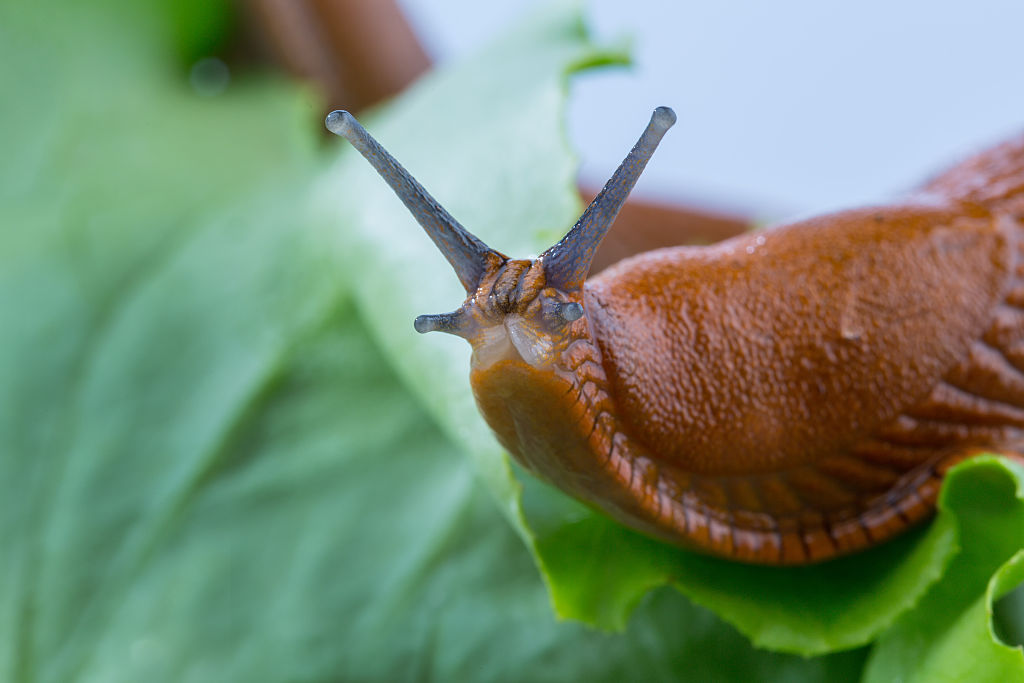
Ferric phosphate ie SlugClear Ultra: A replacement for the now restricted metaldehyde pellets, these are widely sold as a wildlife-friendly slug control solution.
You may also like
Azole fungicides ie Westland Plant Rescue Fungus Control: Typically used to control mildew, rust and other plant diseases. Some are incorporated into insecticides for a dual-purpose spray.
Beat the pests without chemicals
It can be intensely frustrating to plant out some prized seedlings, only to see them decimated overnight by predators or disease, but you can take action to prevent and protect your plants from devastation – without the use of chemicals. Here are your best options.
Nematodes: Nematodes are microscopic organisms, unsegmented roundworms that occur naturally in soil and water. They seek out larvae, enter through an opening and release bacteria that kills the host in a matter of days. Currently, on the market there are nematodes that can deal with around 200 soil-dwelling or wood-boring pests, including chafer grubs, fungus gnats, slugs and vine weevils.
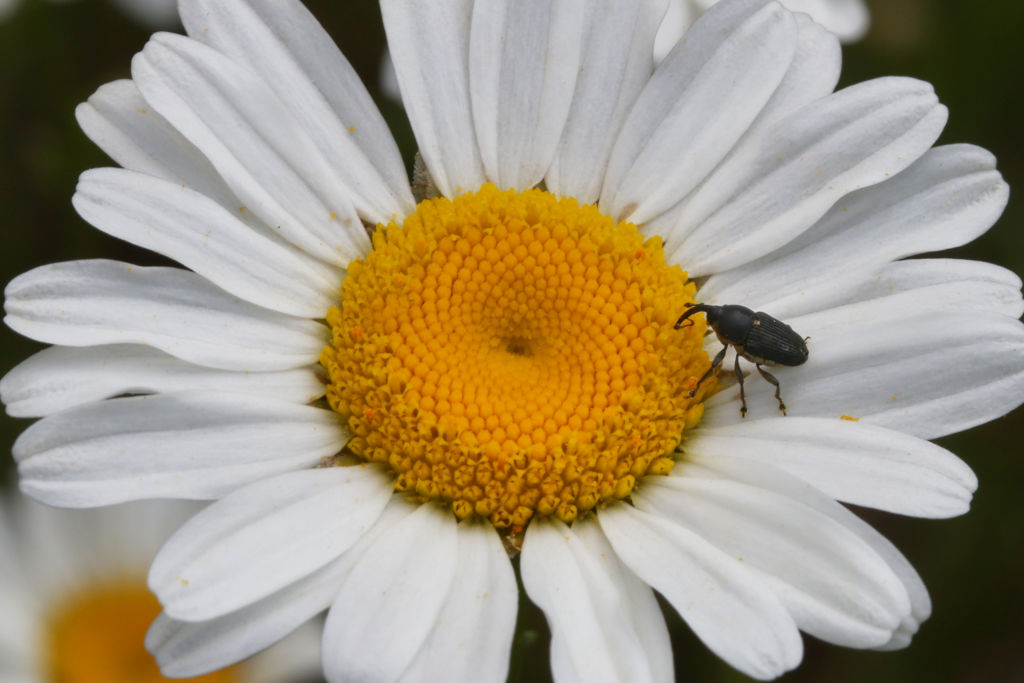
“There are lots of different nematodes for all sorts of things. If we had a serious problem with vine weevils, for example, we wouldn’t have to upend a container plant or dig into the soil to get at all the roots, we could just apply nematodes to the plant,” Emma explains.
Weeding: “For weed control, you now have weed burners or foam but really, the good old-fashioned way is always going to be the best, which is work – hand weeding, digging and mulching,” Emma admits.
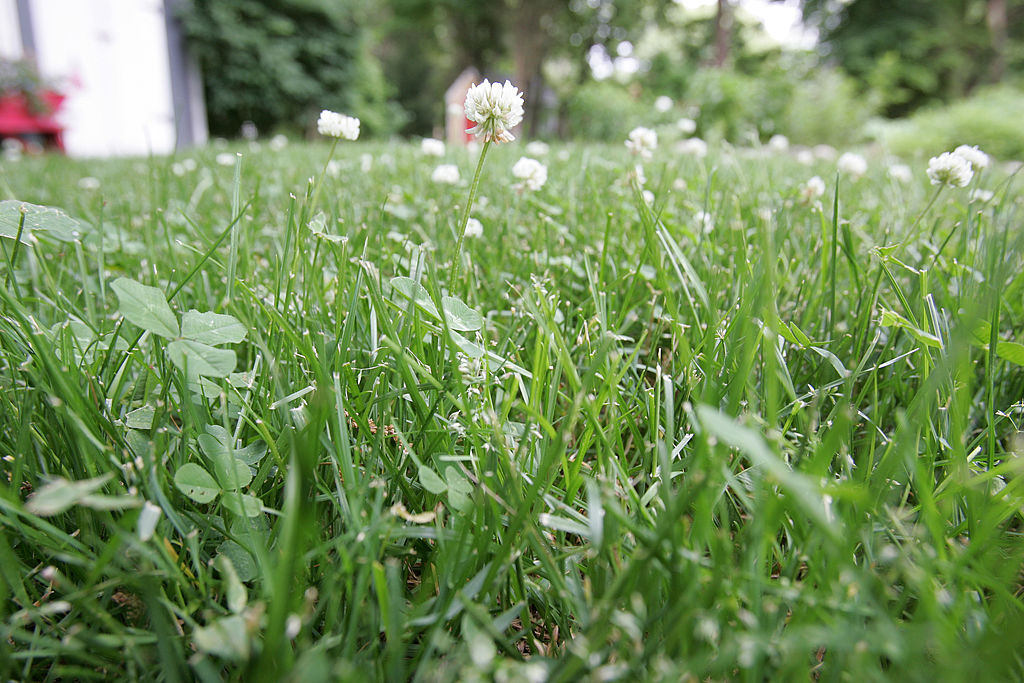
Even bindweed will eventually weaken if you are relentless enough about it. “It has very deep roots and can regrow from a small piece but if you keep going at it, eventually you’ll see a reduction in the weed.”
You may also like
- Can we cope with allowing our gardens to go wilder?
- The ten weeds you need to worry about in your garden
Diversity: “The more diverse planting you have, the easier everything is – weed control, fungus, pests. If you’re keeping your soil healthy, covering it and suppressing weeds, encouraging beneficial insects and pollinators and providing enough air flow, you’ll have healthy plants,” Emma insists.
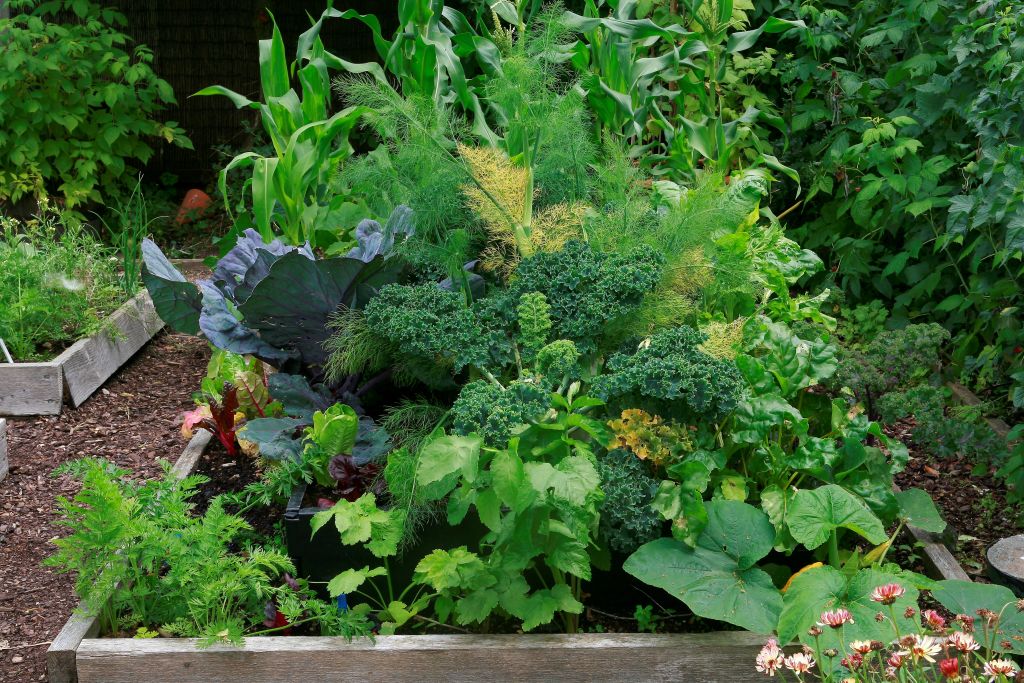
The adage of ‘right plant, right place’ rings true. If you’re trying to place an acid-loving plant in alkaline soil, for example, it will grow weakly, making it an attractive prospect for all kinds of pest.
Tim adds: “Choosing robust, resilient plants suited to local conditions is central to our philosophy. We also value wild plants within our landscapes and when vigorous species need managing we rely on mulching or manual removal."
What about organic controls?
Of course, there are organic weedkillers and alternatives to the chemicals listed above. For a weedkiller, for example, look for ‘Glyphosate free’ on the label. However, these are also non-selective, so will still kill your prized plants as easily as the weeds. Similarly, homemade recipes like a dish soap spray may seem a more environmentally friendly option, but may also kill beneficial insects.
You may also like
- Weeds can help gardeners adapt to climate change
- Arranging weeds - a display using buttercups and sorrel
By deciding not to reach for a bottle of bug spray and thinking more holistically about our planting habits, we can find a way to garden in harmony with nature, rather than trying to fight it.
Dr Tijana Blanusa, University of Reading RHS research fellow in horticulture, has a message: “Your garden may seem like only a small slice of ground, but we British gardeners have extraordinary power to shape the world around us through the choices we make. Thinking about which plants to grow, what products to buy and how to maintain your garden will not only create your own outdoor haven, but can boost wildlife, cut water pollution and floods, and clean the air we breathe. Planning ways to cut out unnecessary chemicals and pesticides is an important part of that decision making.”