Countries from the USA to the UK and from Norway to Spain are experiencing terrifyingly bad wild fires this month. In a recent blog, the UK Health Security Agency stated: "Wildfires are more common in the UK than many people realise, although most are typically small and last a short time.
"Although most wildfires are started by human actions, drought conditions can dry out vegetation, providing fuel for fires and increase the risk of wildfires. Climate change projections suggest we will see conditions more favourable for larger, more severe wildfires."
You may also like
- There is a WRONG time to water your plants in a heatwave. Experts say THIS is when to water in hot weather
- Is there a hosepipe ban in the UK? Here's everything you need to know
Wildfires have occurred across the UK from as early as March 2026, and warnings are in place as dry hot weather continues.
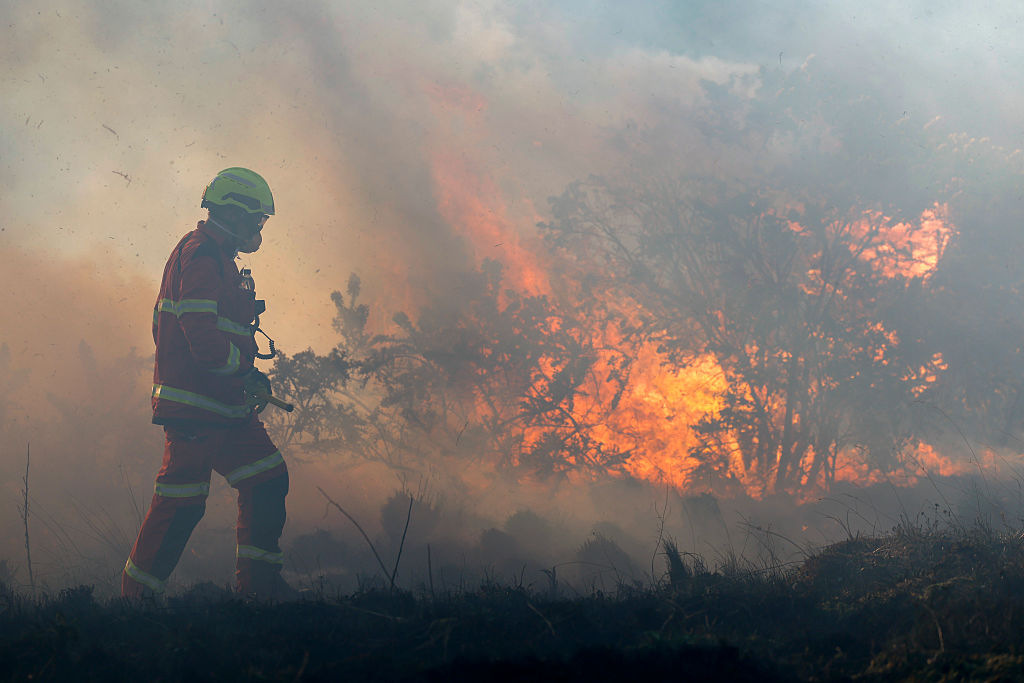
Seven areas of England are now officially in drought, declared by the Environment Agency, brought on by low rainfall and high temperatures. Rivers are running low, farmers are harvesting crops early and wildfire risk has increased.
While drought conditions continue, it's important to take extra measures to prevent wildfires from occurring. Hundreds of blazes have been recorded in the past month across the UK and fire services are encouraging people to stay vigilant. Wildfires can start from a small spark and spread quickly, so taking precautions in your garden can help keep everyone safe.
Tips for preventing wildfires from starting in the garden
#1 Barbecue safely
Summer brings with it the perfect weather to spend time outside and barbecue. However, with unprecedented hot weather it's also important to maintain good safety measures.
- Never leave a lit barbecue unattended
- Place barbecues on flat, stable surfaces away from fences, shrubs, sheds and waste
- Allow barbecues to fully cool before moving them
- Never use petrol or other accelerants on the BBQ
- Don't put hot ashes in the bin
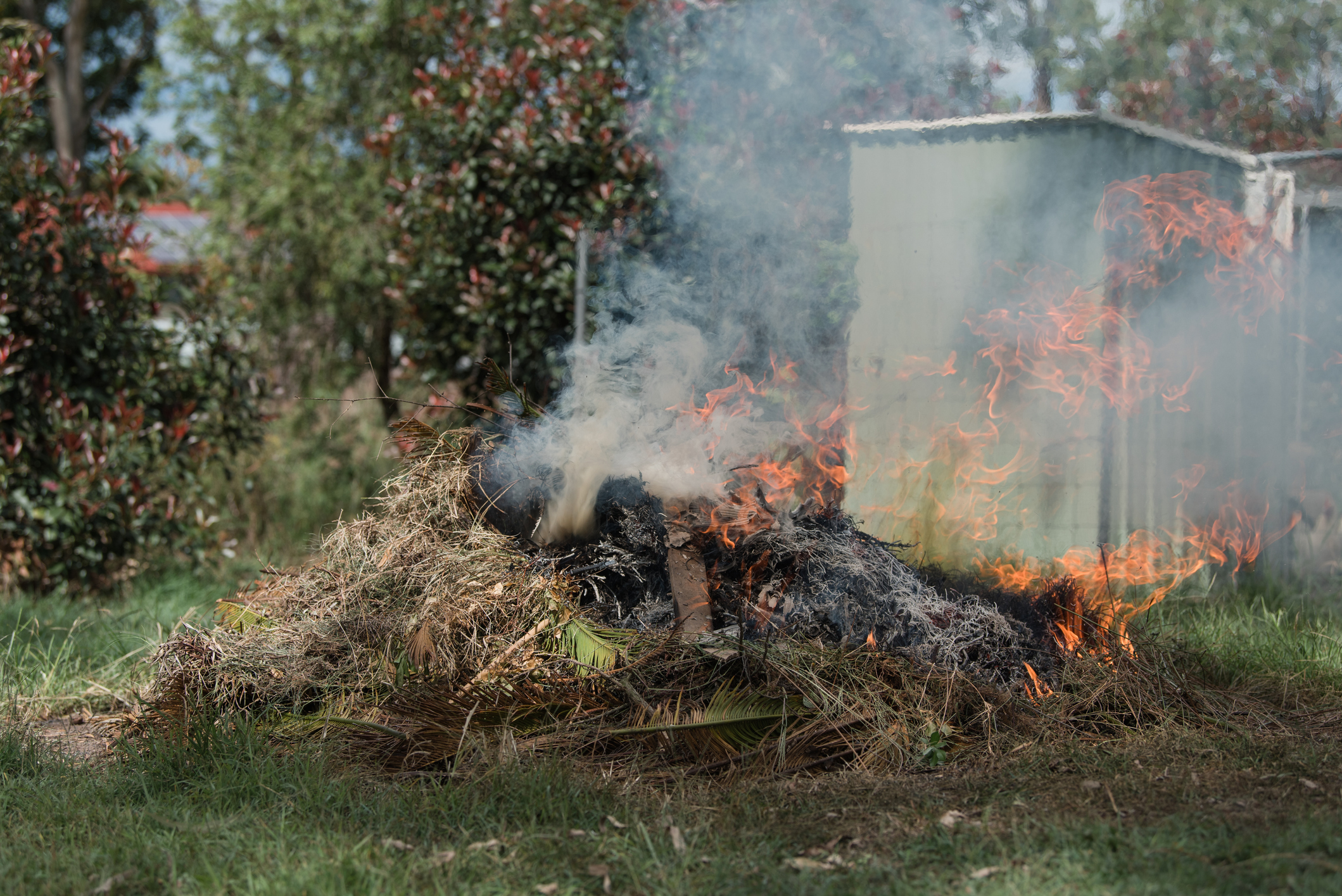
#2 Don't burn garden waste
West Yorkshire Fire & Rescue says on their website: "the safest option is always to avoid burning items in your garden wherever possible. Outdoor fires can spread quickly and unpredictably, especially in dry or windy conditions."
They add that fires can quickly spread and get out of control if left unattended and that they can travel through fences and other structures in minutes. Instead of burning, they recommend:
- Use the local council's waste collection services
- Take garden waste to a household recycling centre
- Compost suitable garden waste safely
#3 Create fire breaks in your garden
The London Fire Service has recommended creating fire breaks in the garden to prevent fires from spreading and getting out of control if they do start. The advice includes:
- Cutting back long grass, trees and shrubs
- Sheds should be positioned away from other flammable materials such as fencing
- Clear flammable debris such as dead leaves from gardens and gutters
- Water the garden to lessen fire conditions (use grey water from the home if hosepipe bans are in place)
#4 Be wary of glass and mirrors in the garden
Glass bottles and other clear materials can start fires if hit by direct sunlight. So be sure not to keep any glass items in your garden. Mirrors can also cause fires by reflecting sunlight onto flammable materials.
Dorset & Wiltshire Fire and Rescue says: "where you have a mirror or any other glass object, such as an ornament, that is curved, this allows the glass to act as a lens. When the sunlight hits it, it becomes concentrated and, if the rays are bounced onto something flammable then a fire can start."
- Don't leave glass objects in the sun
- Don't position mirrors so that sunlight hits the surface

#5 Make sure tools are stored safely
Electric or petrol-powered tools should be stored safely in sheds to avoid fire risks. Power tools must be serviced when recommended and fuel for petrol tools stored in approved containers and kept away from ignition sources and never stored in the house.
Most garden sheds are home to a rag that has been used to apply linseed oil to furniture or decking. The rags create heat as they dry and can spontaneously combust. To avoid this risk, submerge the rags in water in a metal container with a lid, or dry them outside on a flat surface. Avoid grouping your oily rags in a pile and never discard a tissue or rag into the bin that has been used to apply linseed oil.
You may also like
- 7 pro watering hacks that’ll keep your garden lush when the summer heat strikes
- 7 expert tips on helping your garden survive summer heatwaves
#6 Don't discard cigarettes or matches on the ground
The tiniest spark can ignite a wildfire. Be sure to dispose of matches and cigarettes safely, do not drop them onto the ground as they could set fire to dead leaves or other debris.