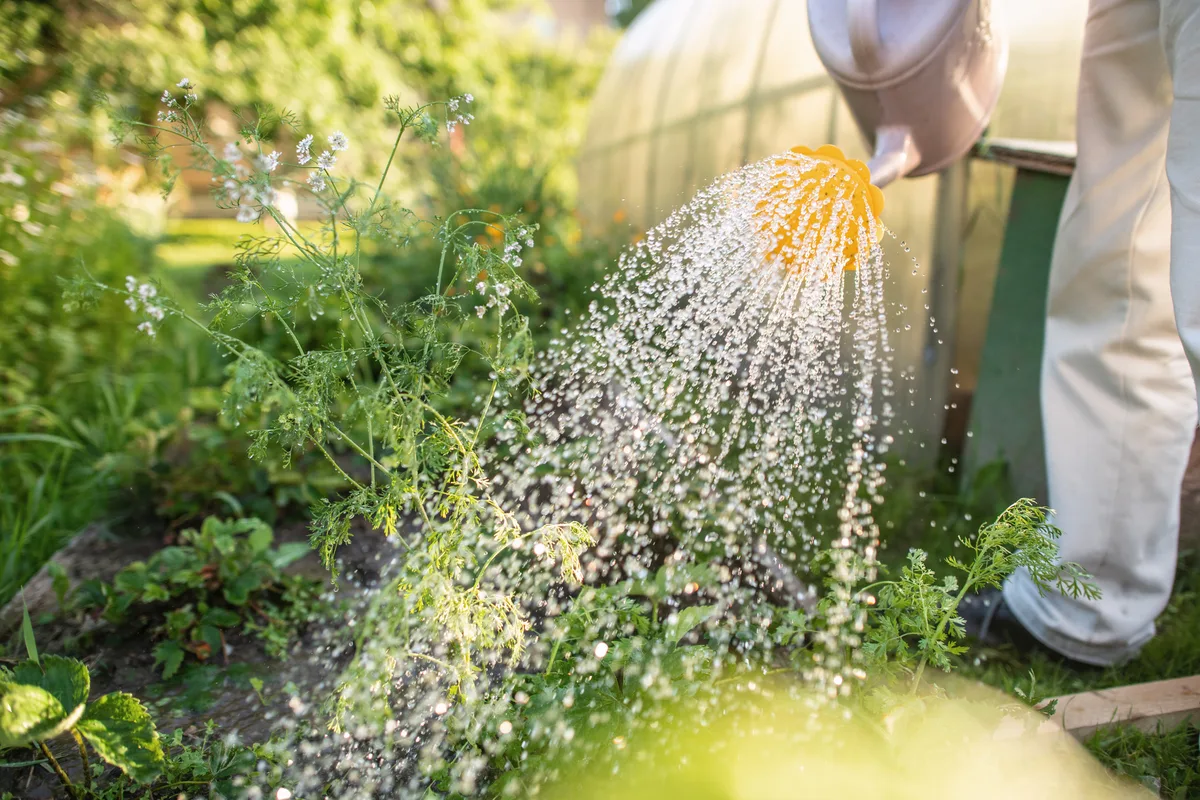
‘Water water everywhere’ goes the poem, ‘and not a drop to drink’. Despite heavy winter rainfall – 13 per cent more than average - 2025 was also the driest since 1976 and officially the hottest, according to the Met Office and due to climate change, this pattern looks likely to continue. As gardeners survey their browning lawns and drooping flowers, we sought expert advice from Garden Organic’s Emma O’Neill and the London Wetland Centre’s Simon Rose on how to adapt your watering strategy – and your garden – to deal with these conditions.
One thing is true, even if you can’t give up the hose completely, watering wisely is key. Not only will it save you time and effort in your garden and create healthier, more resilient plants, it is better for the planet overall. Even simple modifications to your watering routine can make a big difference.
7 top watering tips for your garden
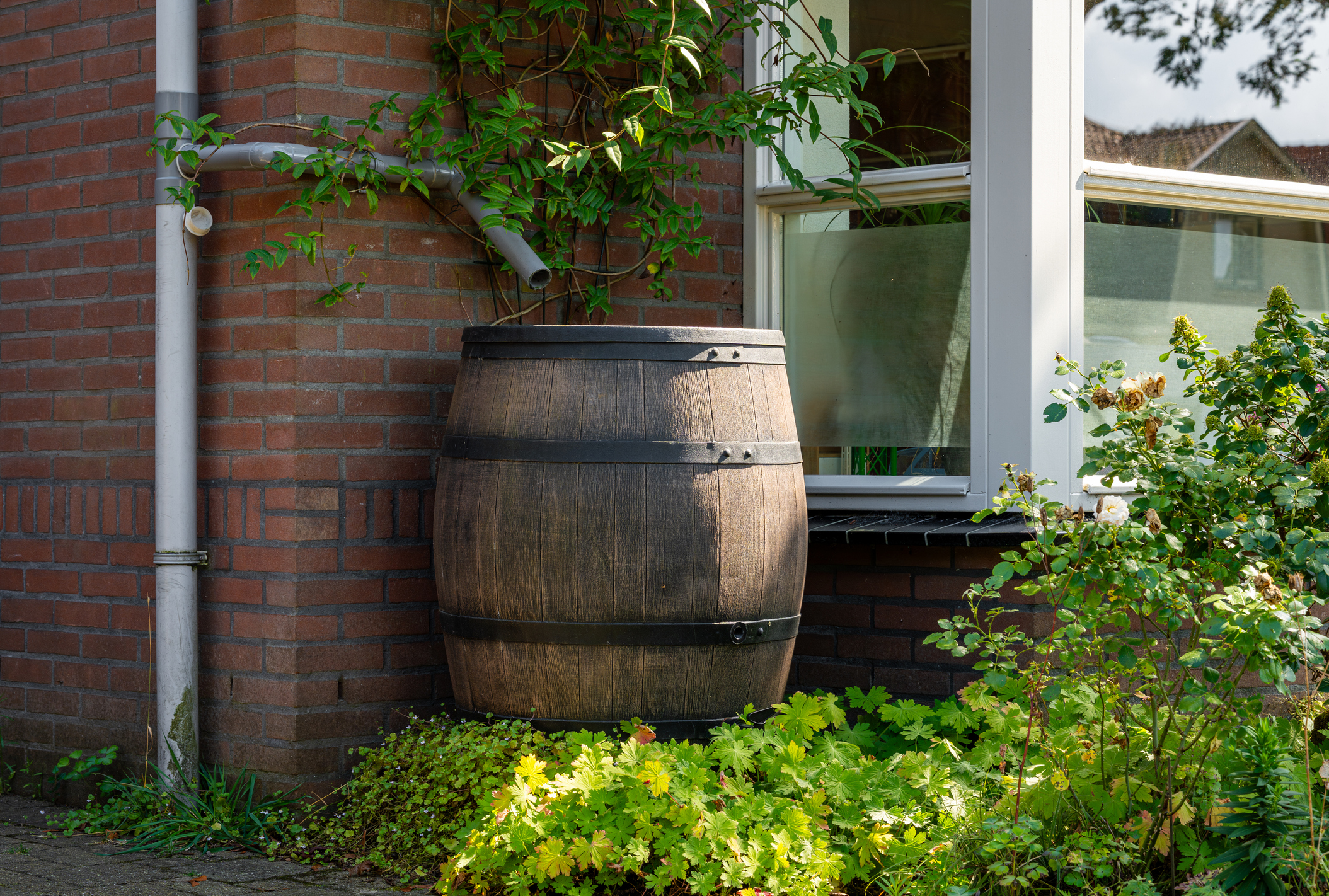
Tip #1: Store rainwater
The first is a no-brainer – when we do get a downpour, being able to store as much of it as possible makes sense. According to the Royal Horticultural Society, a single, full 210-litre water butt can provide enough water to keep 10 medium containers (30cms diameter) going through dry conditions from May to September.
You don’t have to fill your garden with ugly, black plastic either. Some judicious positioning and planting can hide your garden eyesores, while there are some beautiful water storage options including galvanized steel water butts or water storage troughs.
The RHS adds that it’s best to divert water from the roof using guttering and downpipes because, even with a deluge, open containers will only capture a few millimetres at a time.
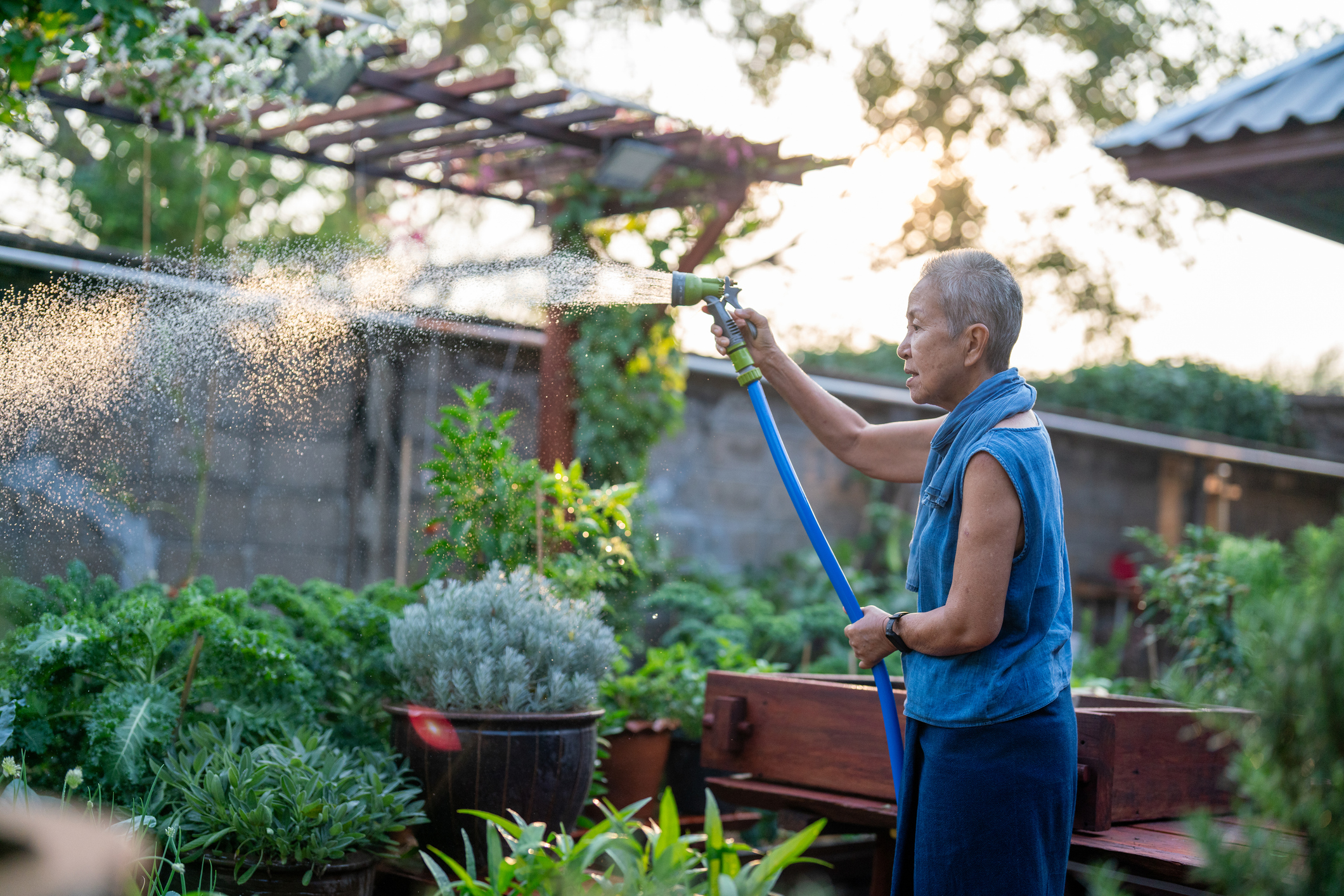
Tip #2: Time it right
By getting your plants in the ground between autumn and spring (being aware of frost hardiness), they can get their roots established before it gets too dry. This will reduce the need to water your plantings.
When you do water, says Garden Organic’s Head Gardener, Emma O’Neill, “water first thing in the morning, but if this is not possible, evenings are the next best thing. Only water established trees, shrubs and perennials in extreme drought. Lawns do not need watering.”
You may also like
- Garden irrigation system - the best for efficient watering
- 7 expert tips for how to garden in a heatwave
There is no real evidence that watering in noon-day sun will scorch your plants – if they’re desperate for a drink, give it to them. But you will waste water as you lose more to evaporation.
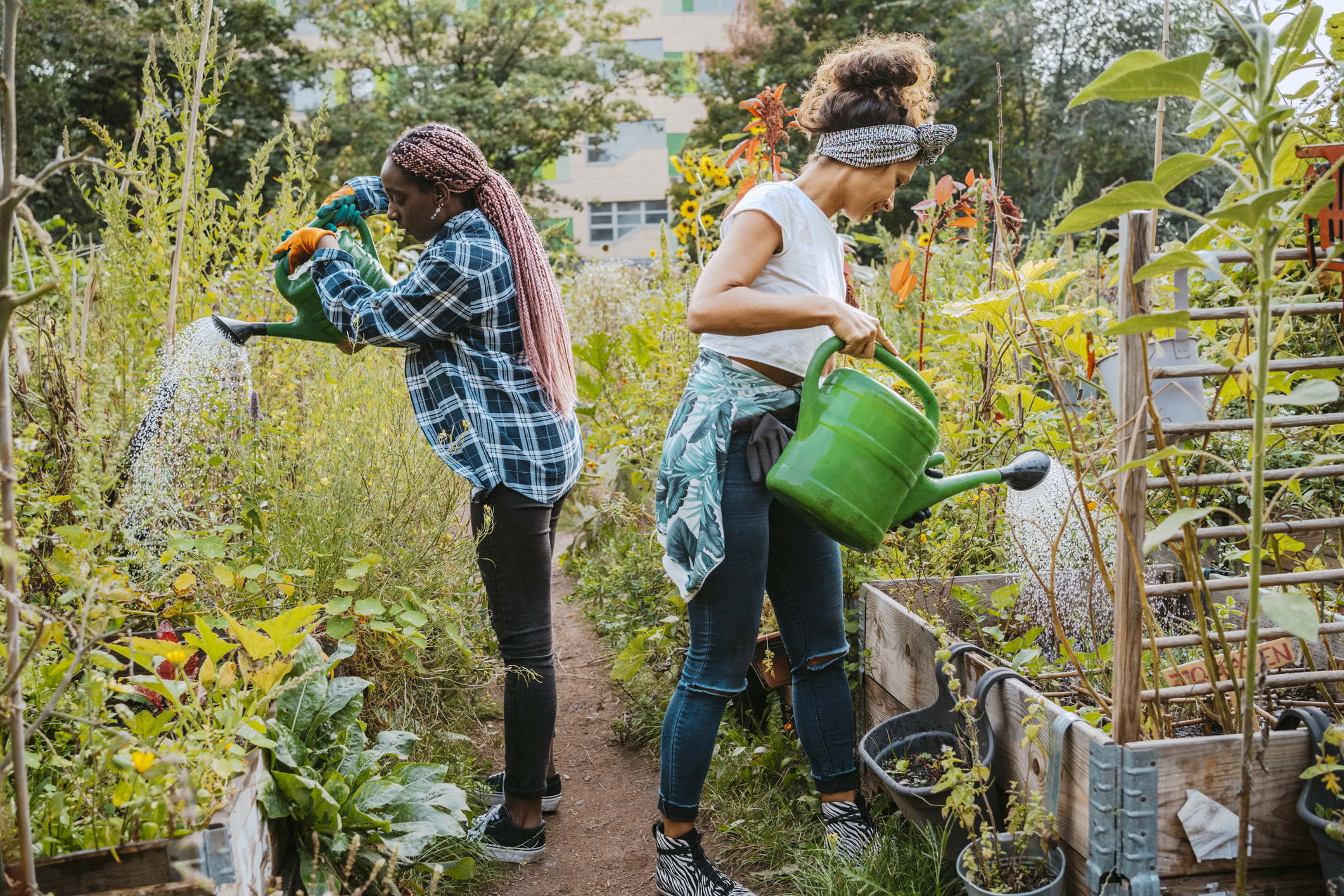
Tip #3: Water considerately
Using a watering can rather than hosepipe or sprinkler may be a bit more labour intensive but it gets the water to where it matters. You could even make little dips in the soil around plants which will let the water pool briefly, helping it get right to the roots.
“Water plants deeply and slowly - not little and often - and at the base of plants. Consistent moisture allows them to dry out in between watering. Do the finger test, if it feels dry 2-3 inches down then water the plants,” Emma advises.
Tip #4: Improve your soil
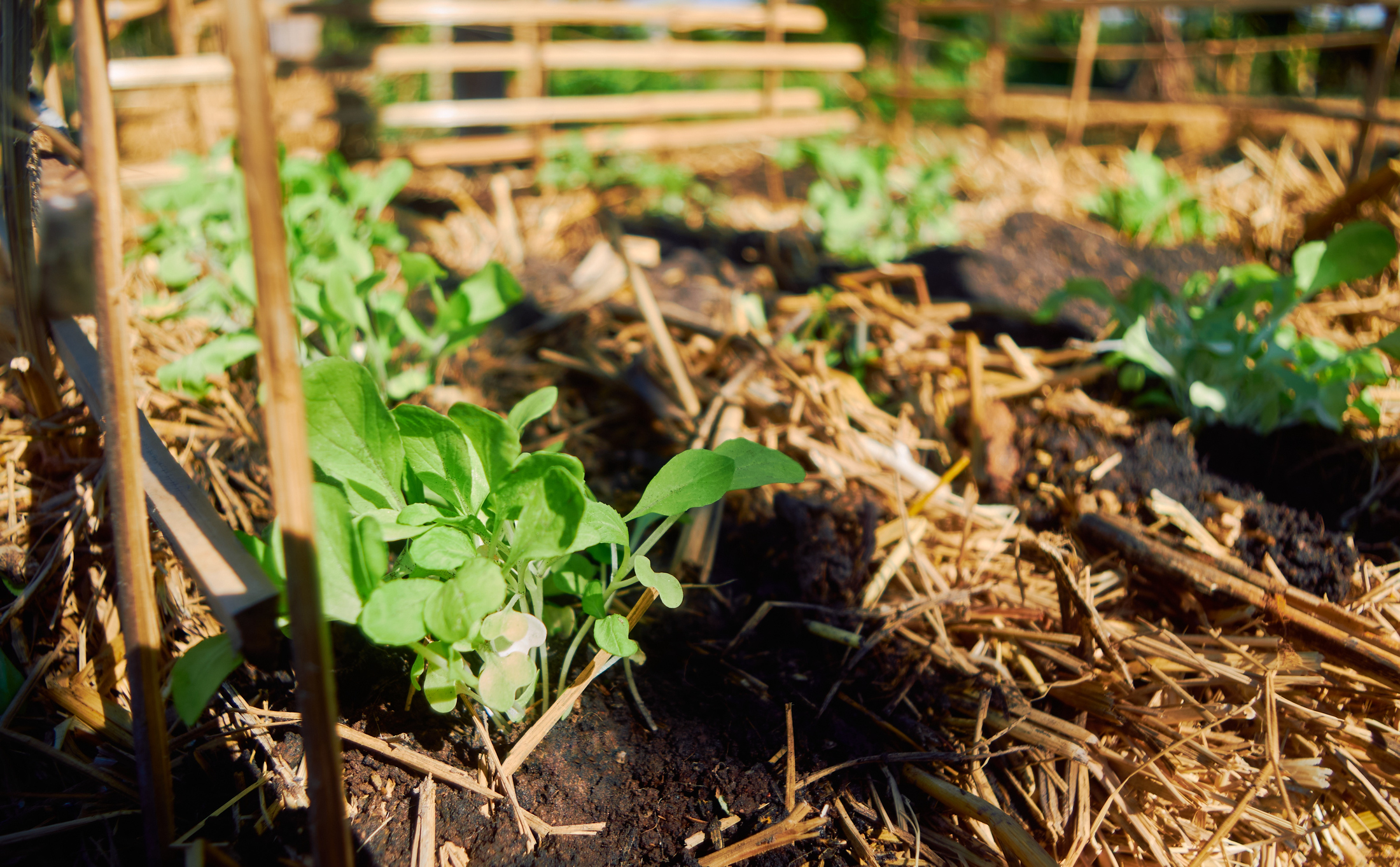
Moisture-retentive soil can really lighten your watering load. With a mulch of well-rotted compost or manure, your borders can hold onto moisture and nutrients for longer.
You may also like
Tip #5: Protect containers
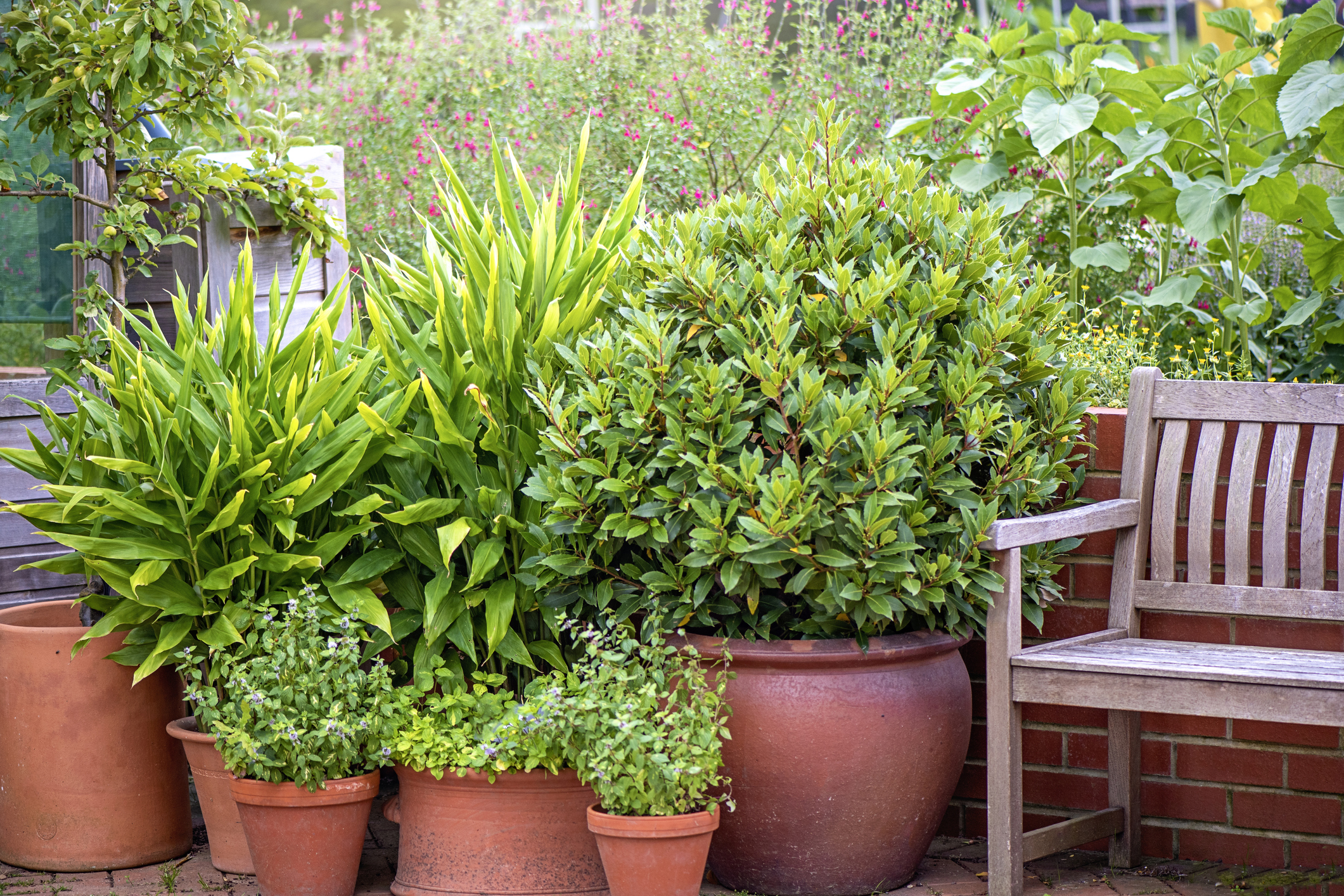
Plants in containers naturally dry out more quickly, especially if they’re in porous terracotta pots. However, they are easier to move out of strong sunlight (although watch out for putting them in the rain shadow of a house). Even if a container’s soil looks dry, it may not need watering. Again, push your finger about an inch below the surface and if it’s moist, there’s no need to water yet.
Garden Organic’s Head Gardener Emma O’Neill has trialled a large self-watering container attached to a water-butt, but you can also buy self-watering containers on a smaller scale from the garden centre, which have a reservoir that plants can draw on when they need it, meaning less frequent waterings.
Tip #6: Treat them mean
Young plants and shrubs do need regular watering to help them establish but once they are, you may be doing them a favour by cutting the watering schedule right back – if not entirely.
You may also like
- 76 resilient plants that have been chosen by experts
- Everything you need to know about drought tolerant planting
“It is received wisdom not to do lots of little waterings. We might do for containers which have to be watered regularly but plants need to be encouraged to root deeply, stress helps them go exploring for water,” suggests Simon Rose, Head of Experience at the London Wetland Centre. “My approach to gardening is to let it suffer, I don’t get the hose out. Once something’s got its roots down it will tolerate a lot of drought.”
Tip #7: Change how you garden
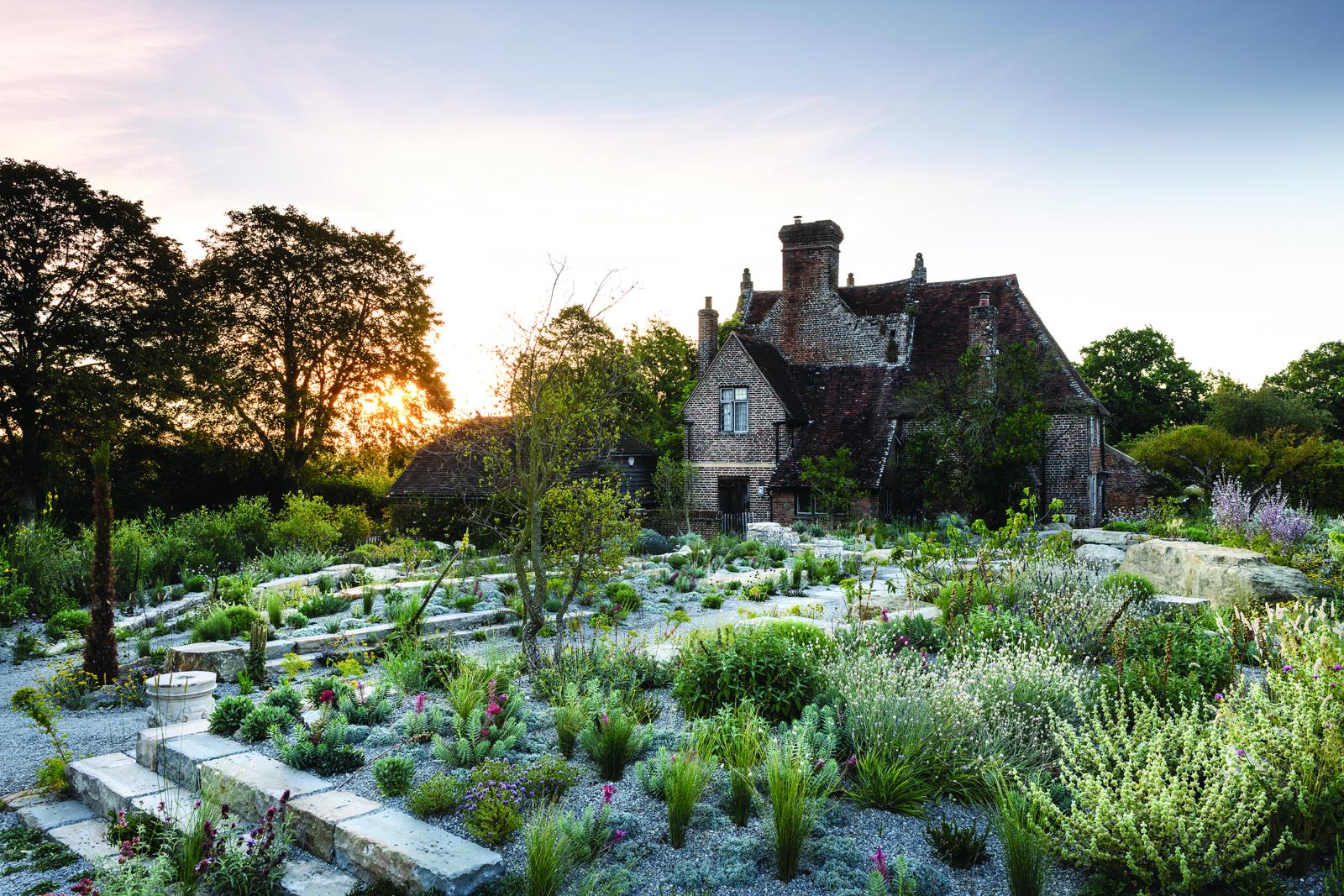
“Plants you would never have dreamt of putting in your garden 30 years ago probably do quite well now,” Simon says. Indeed, many expert garden designers are turning to dry gardens or extensive drought-tolerant planting – although even new ideas draw inspiration from the past.
“If your garden is consistently dry choose plants like lavender, rosemary and rock rose. These can cleverly regulate the stomata or tiny pores on their leaves, closing during droughts to reduce water loss, which means they cope better in hot dry spells without the usual wilting,” Emma explains.
You may also like
If you’re a fan of annual displays, it is also worth reconsidering this, as perennial plants have much lower watering requirements.
Whether you choose to move to drier planting, add water conservation features to your garden or simply change up your routine to water more wisely, we can all be doing more to help our gardens thrive, whatever the weather.