If you are packing your suitcase to head off on a summer holiday, take some time to think about your garden. Leaving your prize plants to fend for themselves is risky unless you make a plan to get them through a few weeks without you.
Keep a close eye on the long term weather forecast so that you are offering the garden the right sort of support. A little forethought and planning will give you peace of mind and the opportunity to forget about everything.
Returning home to parched plants or flagging fruits and vegetables isn’t the welcome back any gardener wants. Many of our solutions require forethought and investment in automatic systems, but once they are in place you’ll be booking another week away in no time.
You may also like
How to prepare your garden before you head off on holiday
#1 Grouping containers
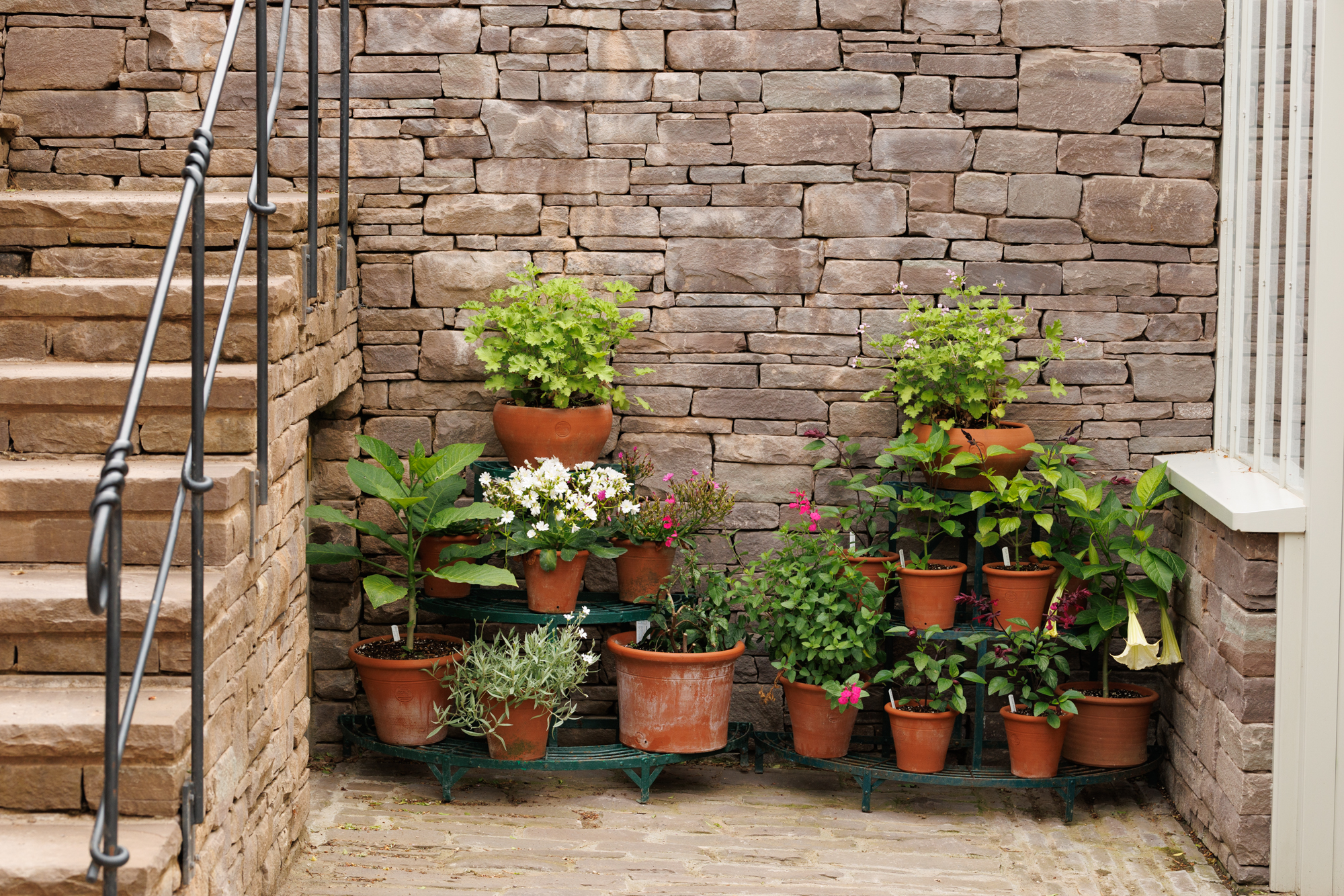
Plants grown in containers are more vulnerable than those in the ground. If the weather is warm, they can suffer within a few days without water. Those planted in small pots are particularly vulnerable to drying out so try to plant in larger pots if you frequently holiday.
To give potted plants a chance gather them all together in a shady north-facing spot. By grouping them you are creating a cooler, more humid microclimate. Place pots on saucers to give plants a chance to draw up the excess water after heavy rain. Shallow saucers are ideal as deep saucers can lead to waterlogging. Don’t leave plants sitting in buckets of water as they will die.
Well-watered pots placed in the shade will probably cope for a maximum of three days in hot weather. For longer breaks ask a neighbour to water well once a day or instal an automatic watering system. Timers with rain sensors that pause watering in very wet weather are now available. Be warned though that a sprinkling of rain is never enough for most potted plants.
If you have plants in pots displayed at a height, bring them down to the ground as wind will cause them to dry out very quickly. You might be wise to move hanging baskets and window boxes to a sheltered, shady spot.
Before you leave give your pots a feed with either a homemade fertiliser or a liquid feed.
#2 House plant care
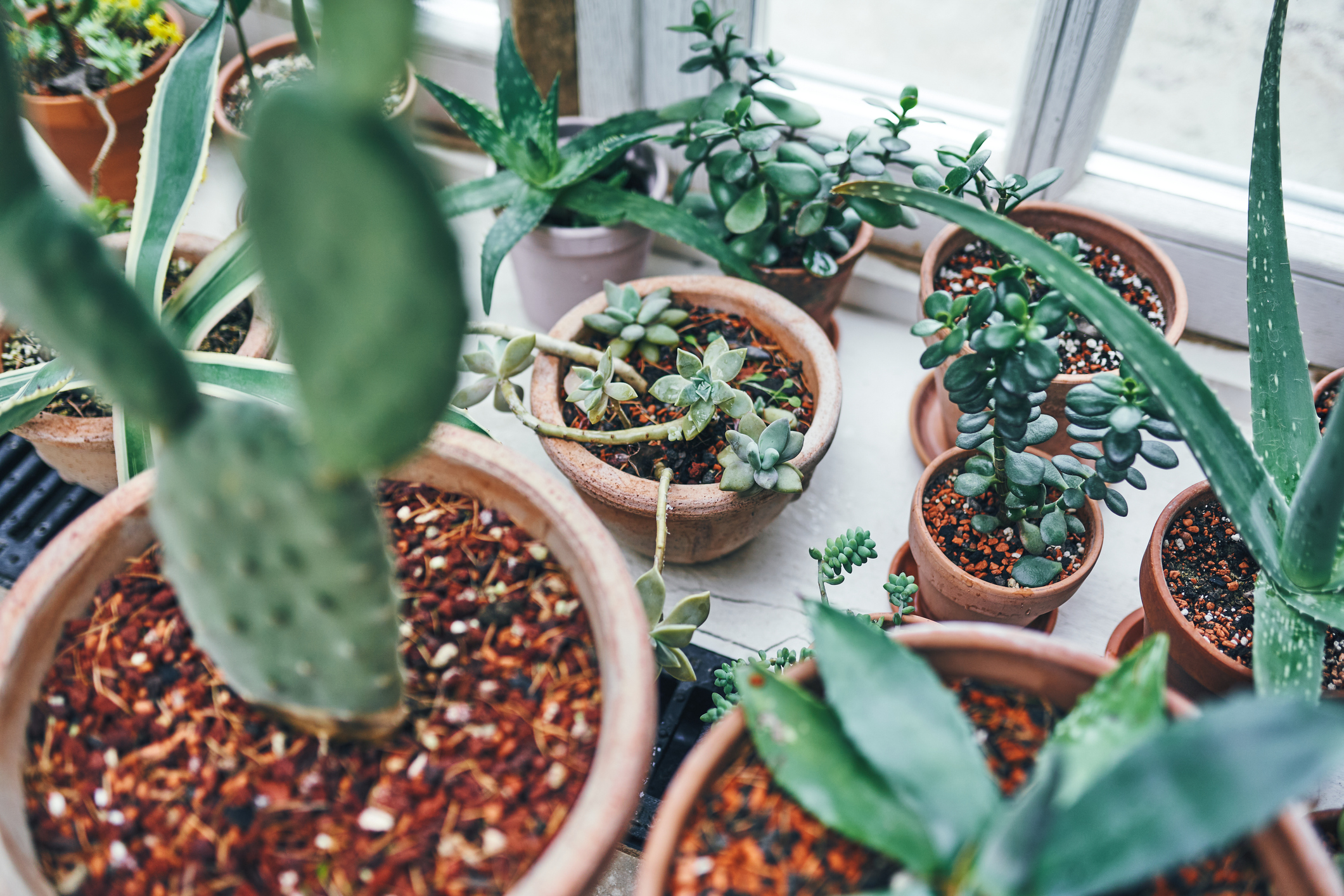
Move house plants out of direct sunlight and give them a good water before you leave. Most house plants are very happy to go without water for a week. Some, such as cacti and succulents, will cope for two weeks or more.
You may also like
There is a danger of overwatering house plants so avoid leaving then sitting in water and instead look to using capillary matting. Simply fill the kitchen sink with water and set the plants on the draining board on top of some capillary matting. Allow one end of the matting to drape into the sink water. The plants will then be able to absorb water from the matting below.
#3 Leaving your lawn
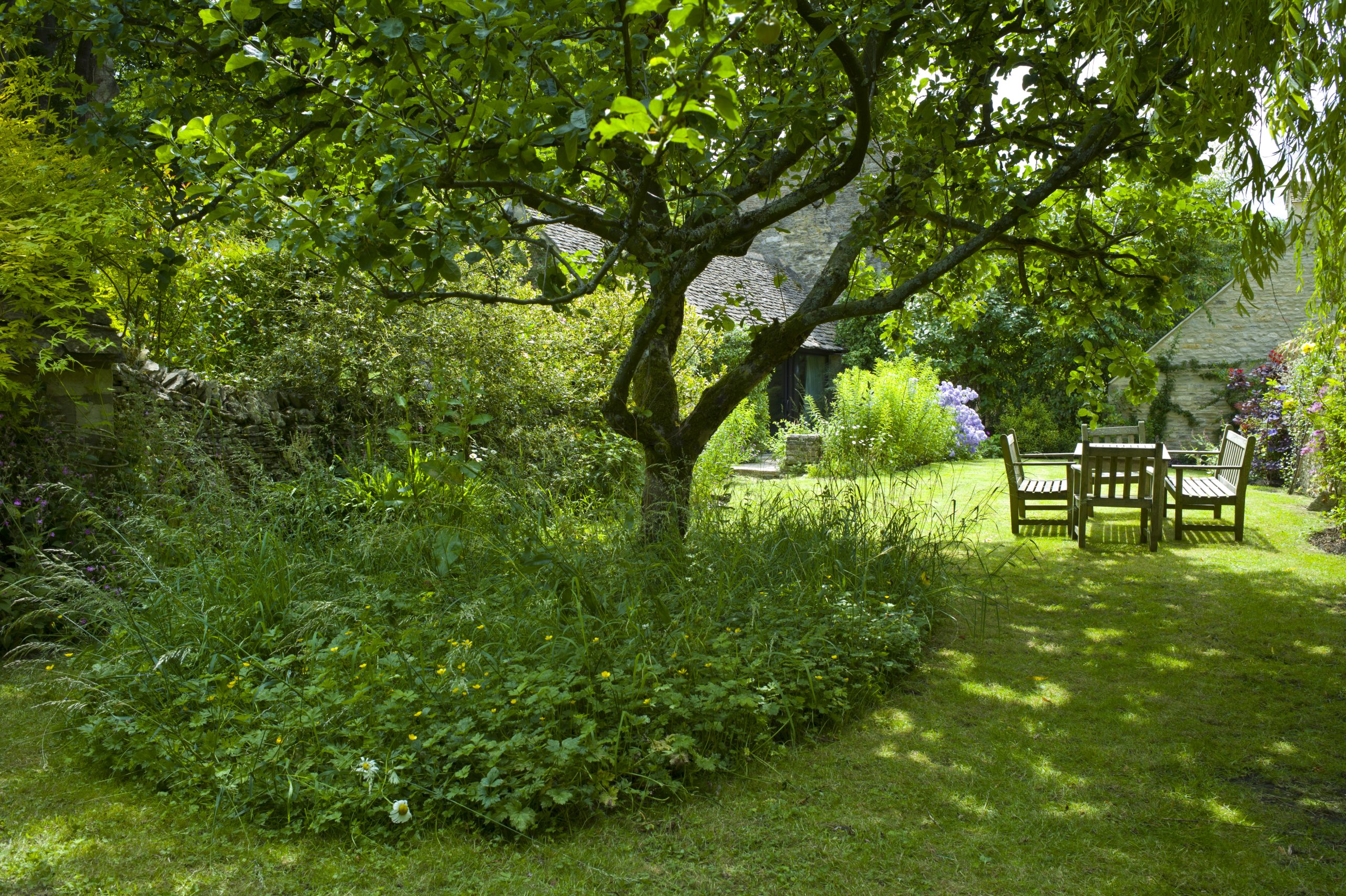
Grass is very resilient and even if it becomes scorched in dry weather it will bounce back. There is no reason at all to use automatic watering systems on lawns whilst you are away.
Cut your lawn with the mower blades set high before leaving to avoid coming home to tricky to mow long grass. If cut too short the lawn will be more vulnerable to scorch if the weather gets hot. An alternative is to buy a robot mower that will keep cutting when you are away.
#4 Flower bed care
Mature flower beds planted with perennials should be able to thrive whilst you holiday. The plants that will need watering are those that were planted recently. If asking a friend to water, put a garden cane near to newly planted plants and ask them to water those very well and leave the rest of the garden to fend for itself.
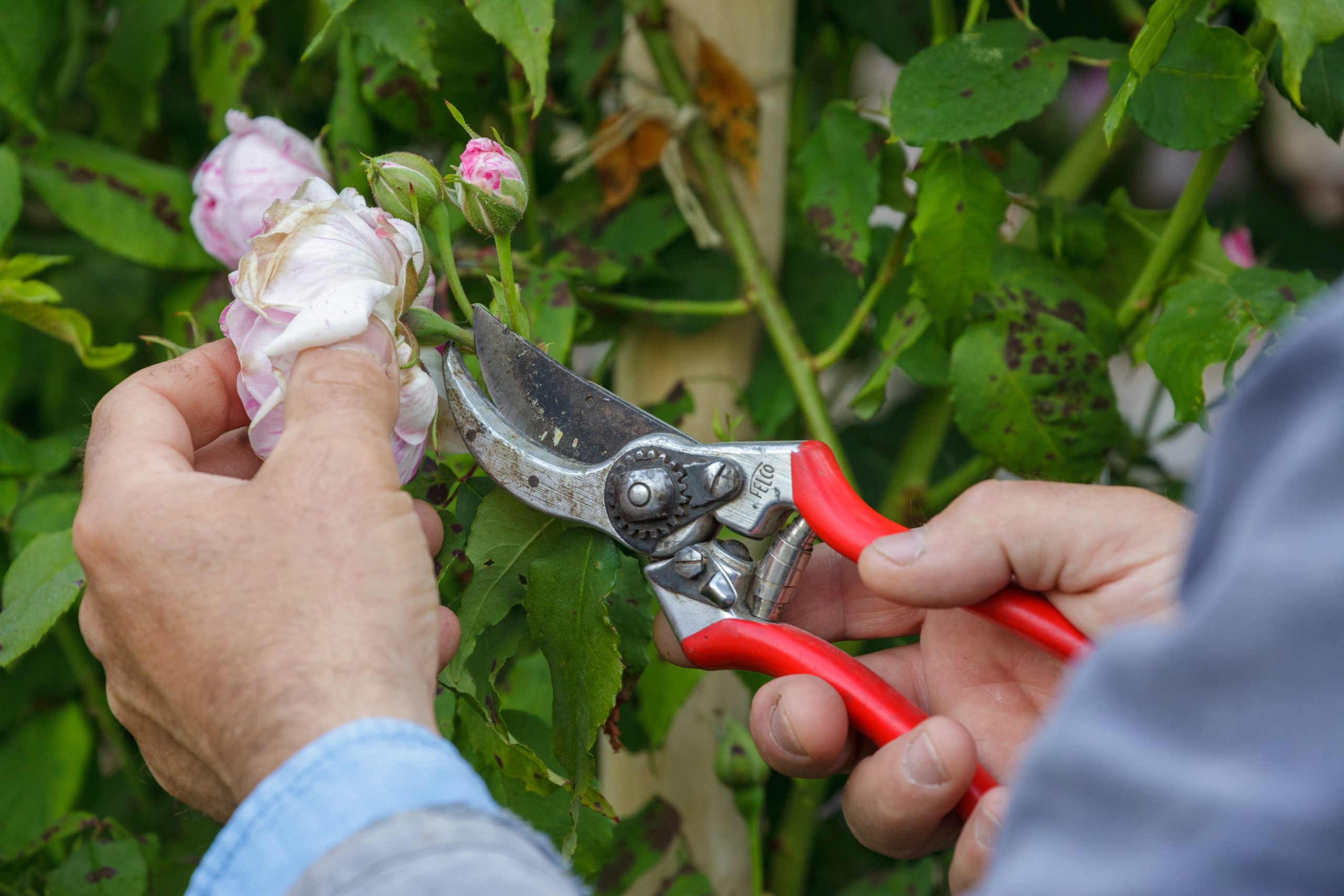
Deadhead your roses and repeat flowering annuals and perennials before you go so you return to a fresh crop of flowers.
#5 Storing water
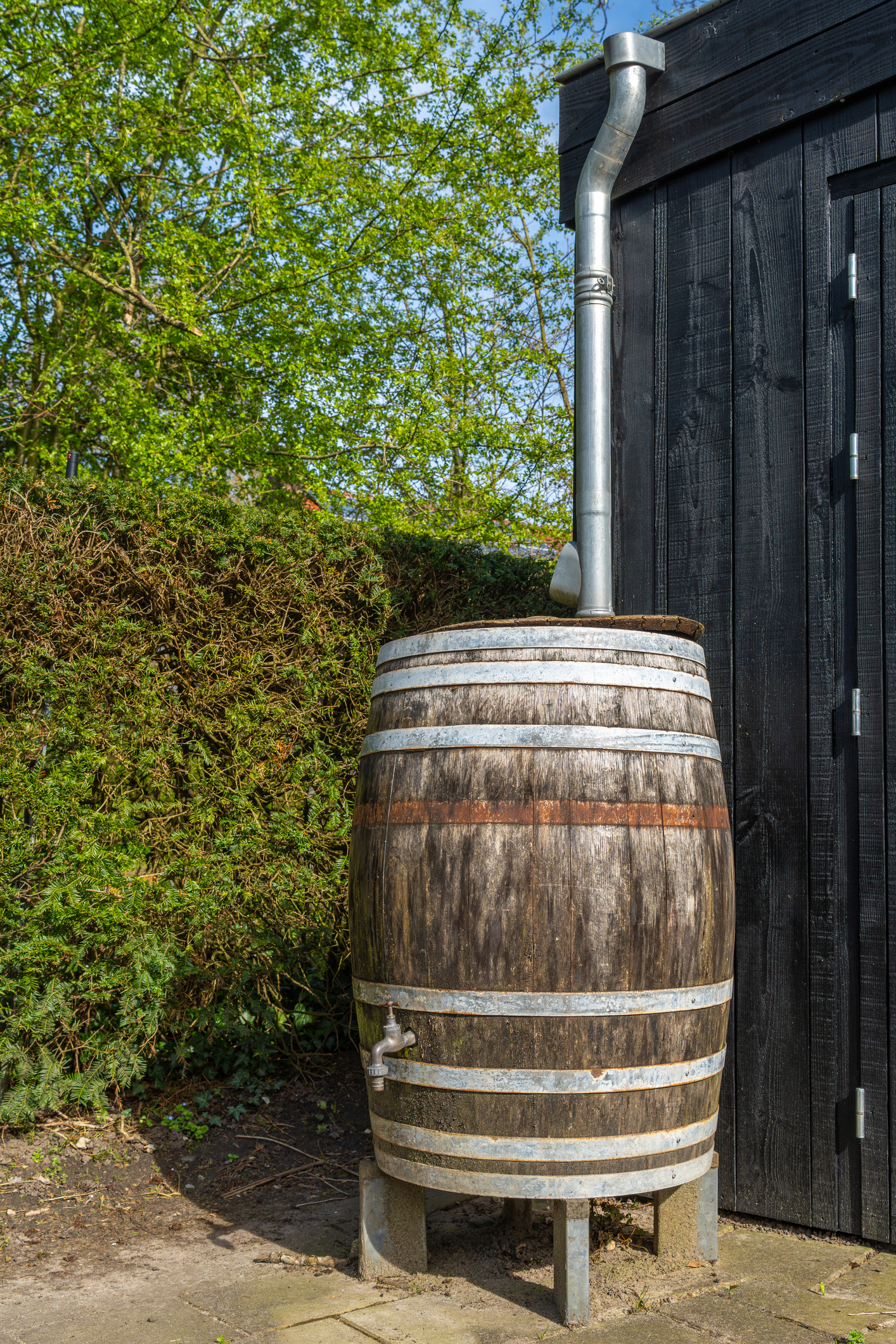
Not everyone has an outside tap but most of us have the option to install a water butt. If you would rather neighbours and friends don’t enter your home when you are away a water butt will allow them to carry out watering, but only if you install early enough in the year for the rain to fill it!
You may also like
#6 Greenhouse care
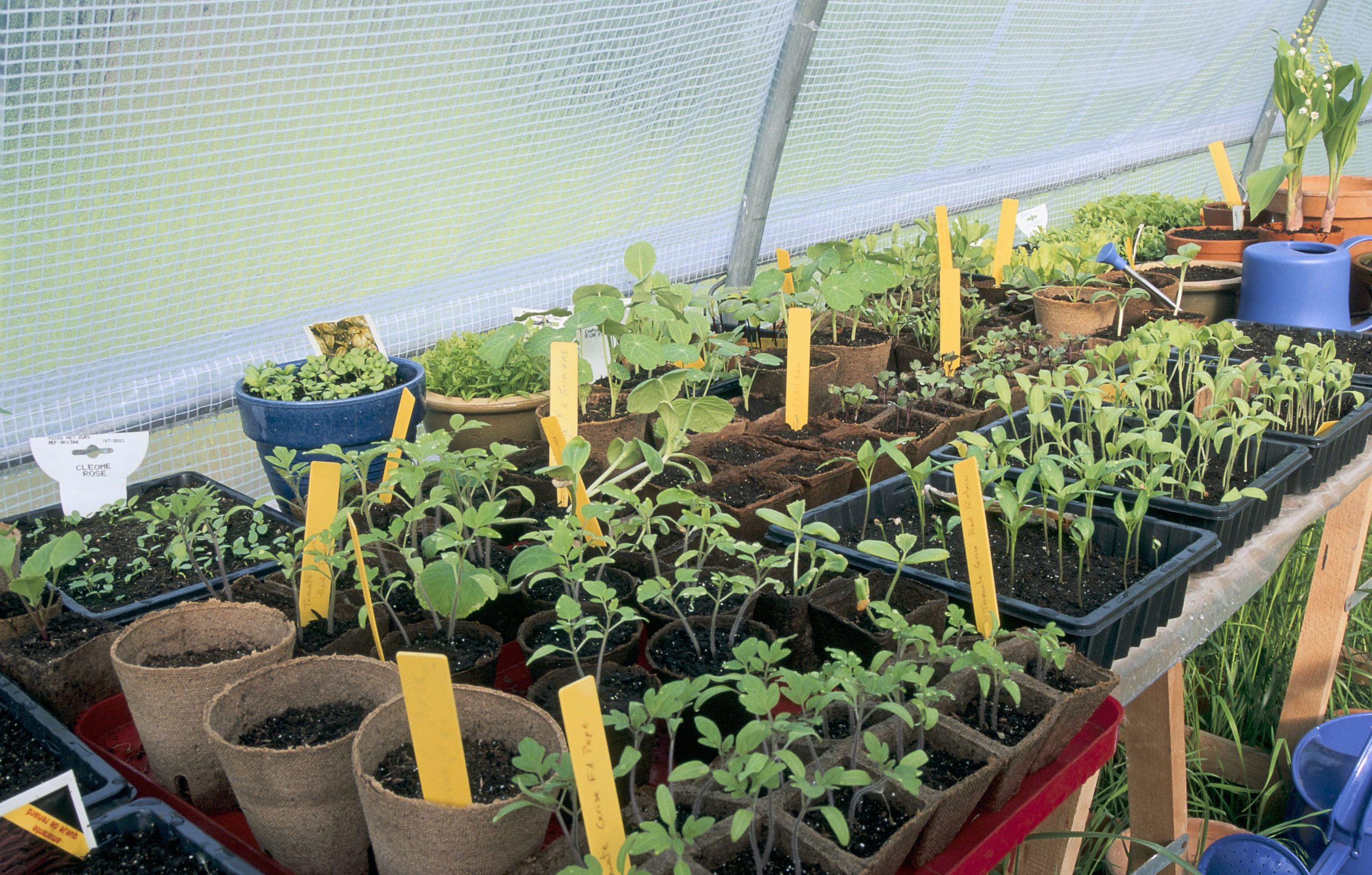
Growing under glass offers so many opportunities but when you go away plants are at real risk of being scorched and parched if uncared for. The temperature under glass can soar very quickly.
If you are unable to find a willing volunteer, then install an automatic watering system and vents that open automatically during the day. You would also be wise to add shading to keep the temperature down.
An option is to move your precious seedlings to a friend’s greenhouse to avoid them having to make a daily pilgrim.
You may also like
#7 Edible crops
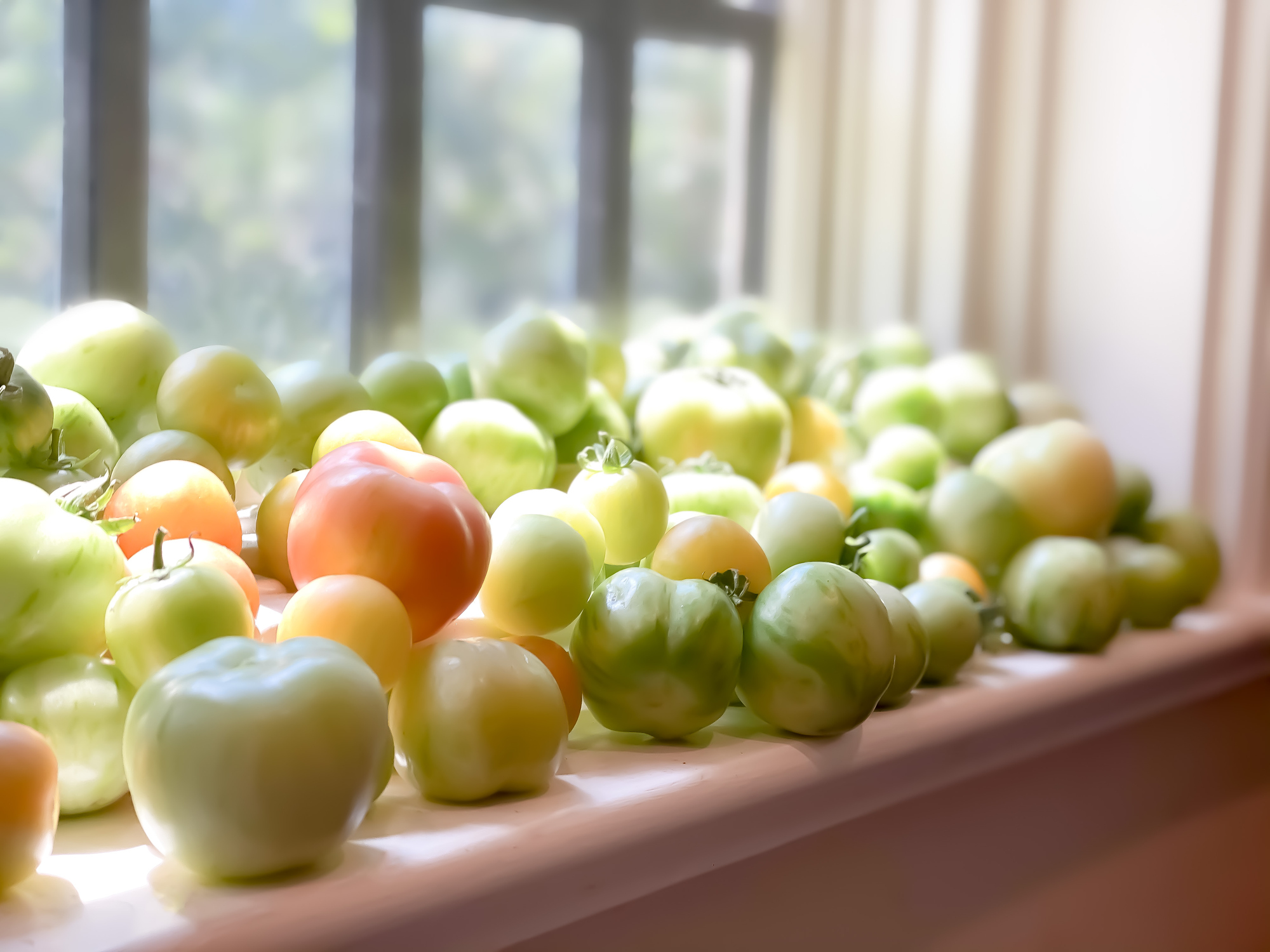
There is nothing worse than letting home-grown produce go to waste. Consider swapping watering duties for fruits or veg picking.
Crops in the ground are often able to cope with hot weather but those in pots will need watering. If you are concerned, then an automatic drip system is ideal.
Make sure you tie in new plant growth on peas and runner beans. If you go away every summer, then mulch your beds in spring so that the soil is more able to retain moisture. Tomatoes can be picked early so they can ripen in the house.
You may also like
Garden birds are likely to enjoy the peace and quiet of your garden and a feast of soft fruits. To protect your fruits, build a fruit frame. Avoid hanging loose netting over the plants as birds can become entangled.
#8 Gardening buddy
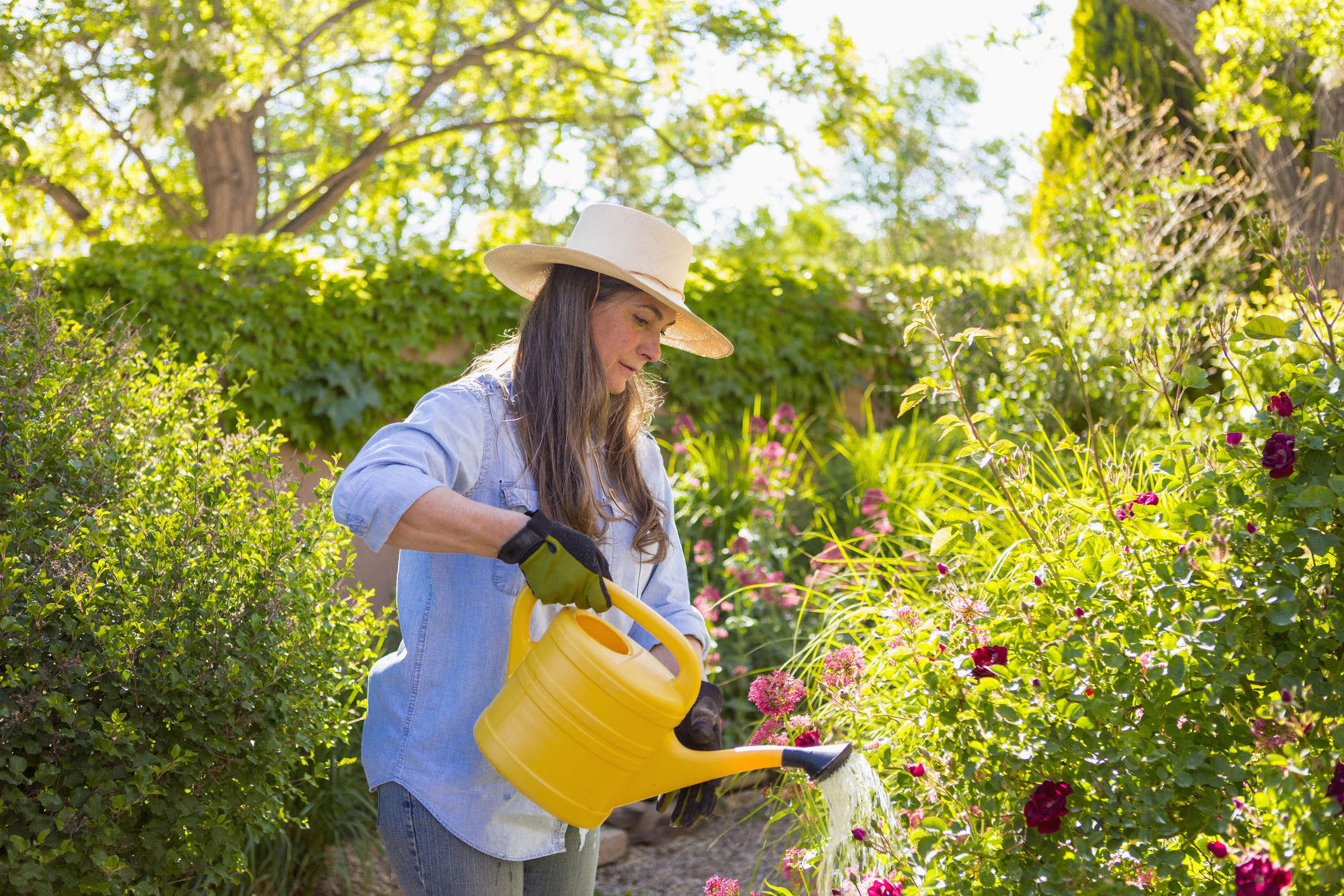
Finding a willing teenager who wants to earn some pocket money could be the answer. Give them a clear demonstration on how to water and maybe hang a reminder sheet up in the shed.
An alternative is to join a local garden club and see if you can look after someone else’s garden whilst they are away, so you help each other.
You may also like
- Designers reveal just ONE change that can transform your garden
- Can we turn the tide on the concrete crisis?
#9 Lock up and leave
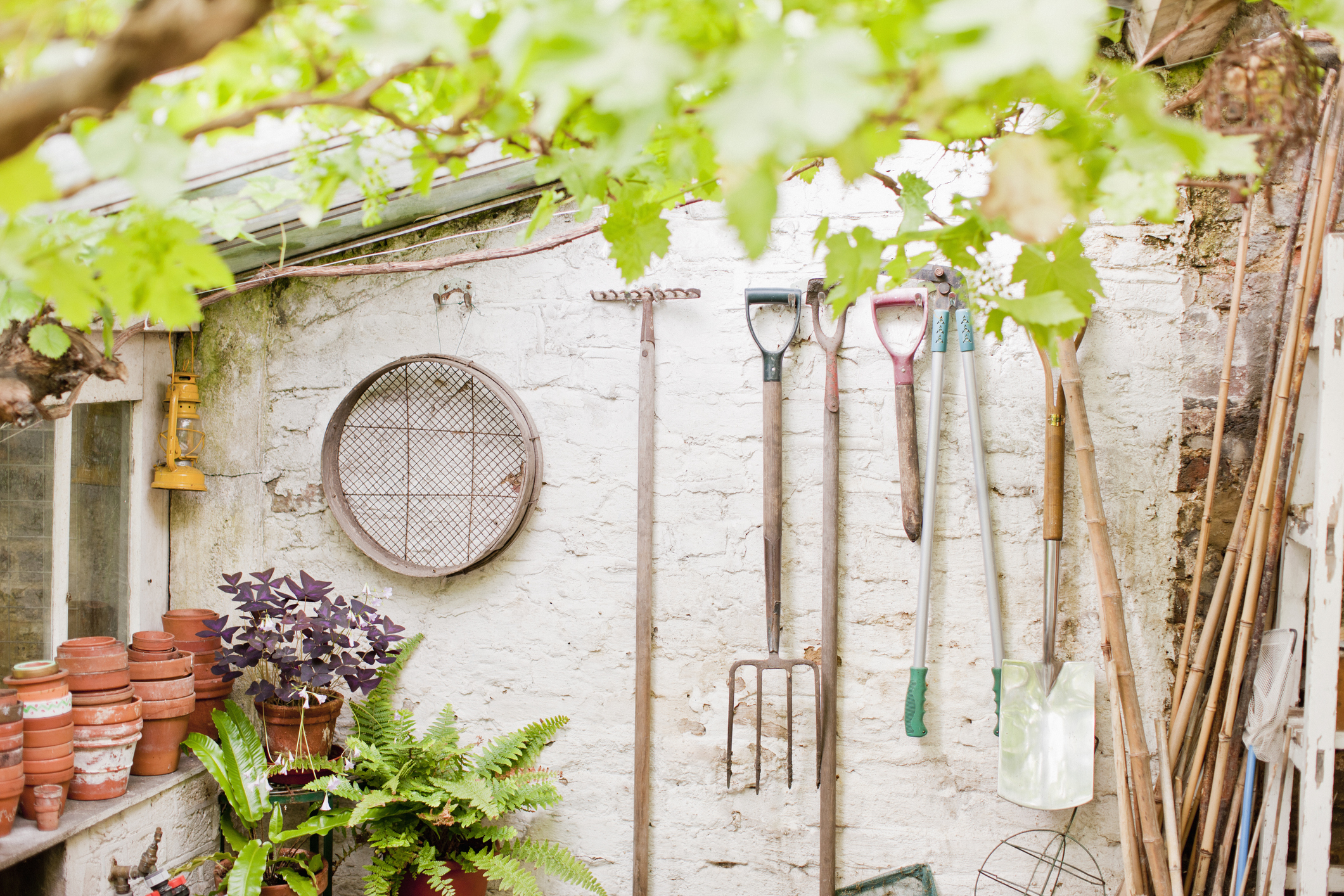
Before you go away ensure that your garden shed is locked and your power tools are marked with invisible ultraviolet security markers. This can assist with proving ownership if they are stolen.
It is also a good idea to take a photo so that you have a record of what you have in your shed.