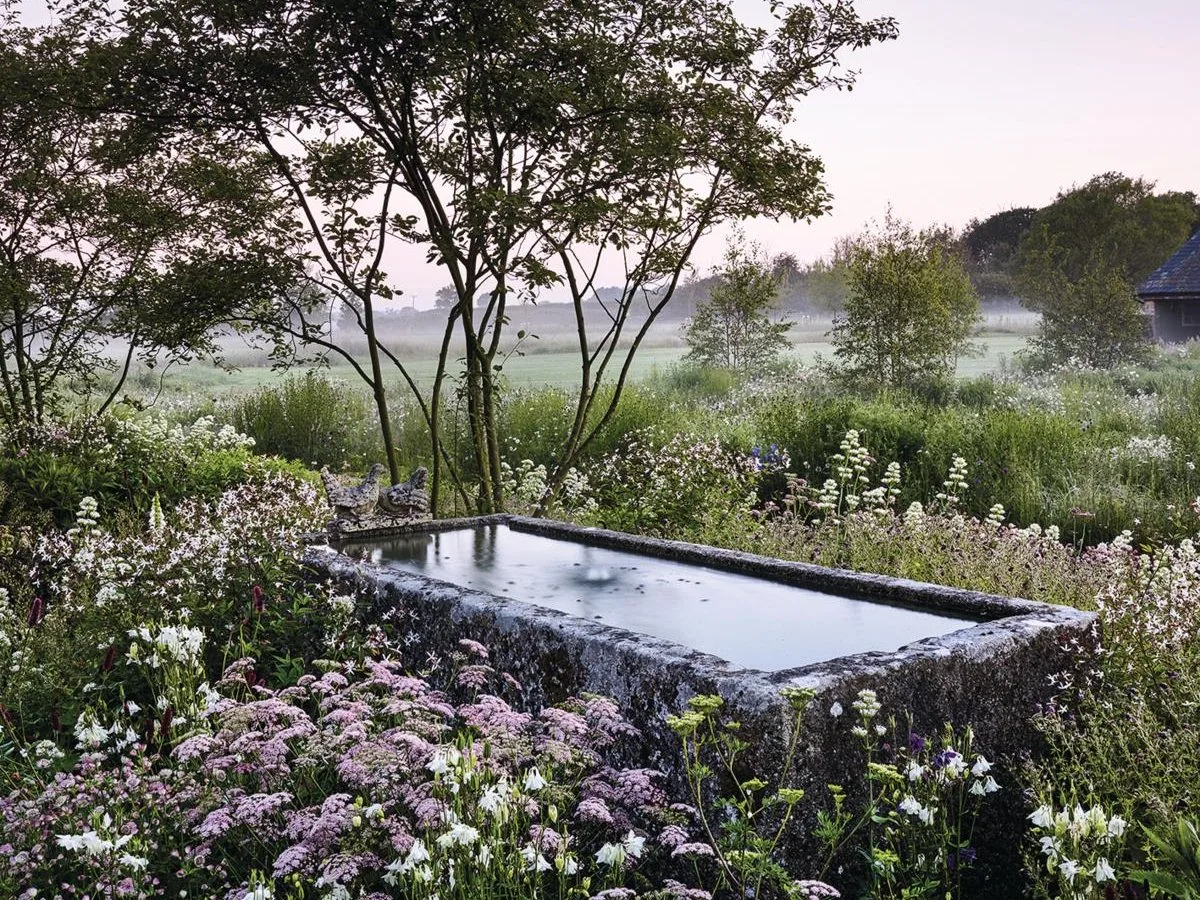
The idea of tackling your garden can be overwhelming. When it comes to a transformation that’s going to make an impact, you may wonder where you can even start.
The good news is you don’t have to rip it all out and start again to make a huge difference to how your garden looks and feels. Making just one change can bring a whole new atmosphere and outlook, revealing vistas you’d never expected.
The opportunity to try something new is exciting when the pressure is off. Read on to discover our experts’ top tips on bringing new energy and life to your outside space.
Deeper borders = bigger-looking space
You may think thin borders round the boundary of your garden are helping you make the most of your usable space. But not only will your plants be struggling in the dry and shady conditions by your fence, you could even be making your garden look smaller.
Designer Lucy Conochie, who has won awards for her small garden designs, advises that gardeners should “consider deeper borders that cut across the width of the garden, and include a range of plants for structure and seasonal interest. This may sound counter-intuitive, but it will make your garden look bigger and offer you a much larger palette of plants to choose from”.
Helen Elks-Smith, an awarding winning landscape designer, suggests that borders should be as deep as the boundary is tall – 6ft or 2m being a typical fence height. “Boundary fences and hedges create strong verticals that draw the eye and create a sense of enclosure, making the space feel considerably smaller. Introducing layers of planting […] help to visually push the boundaries further away and make the garden feel larger.”
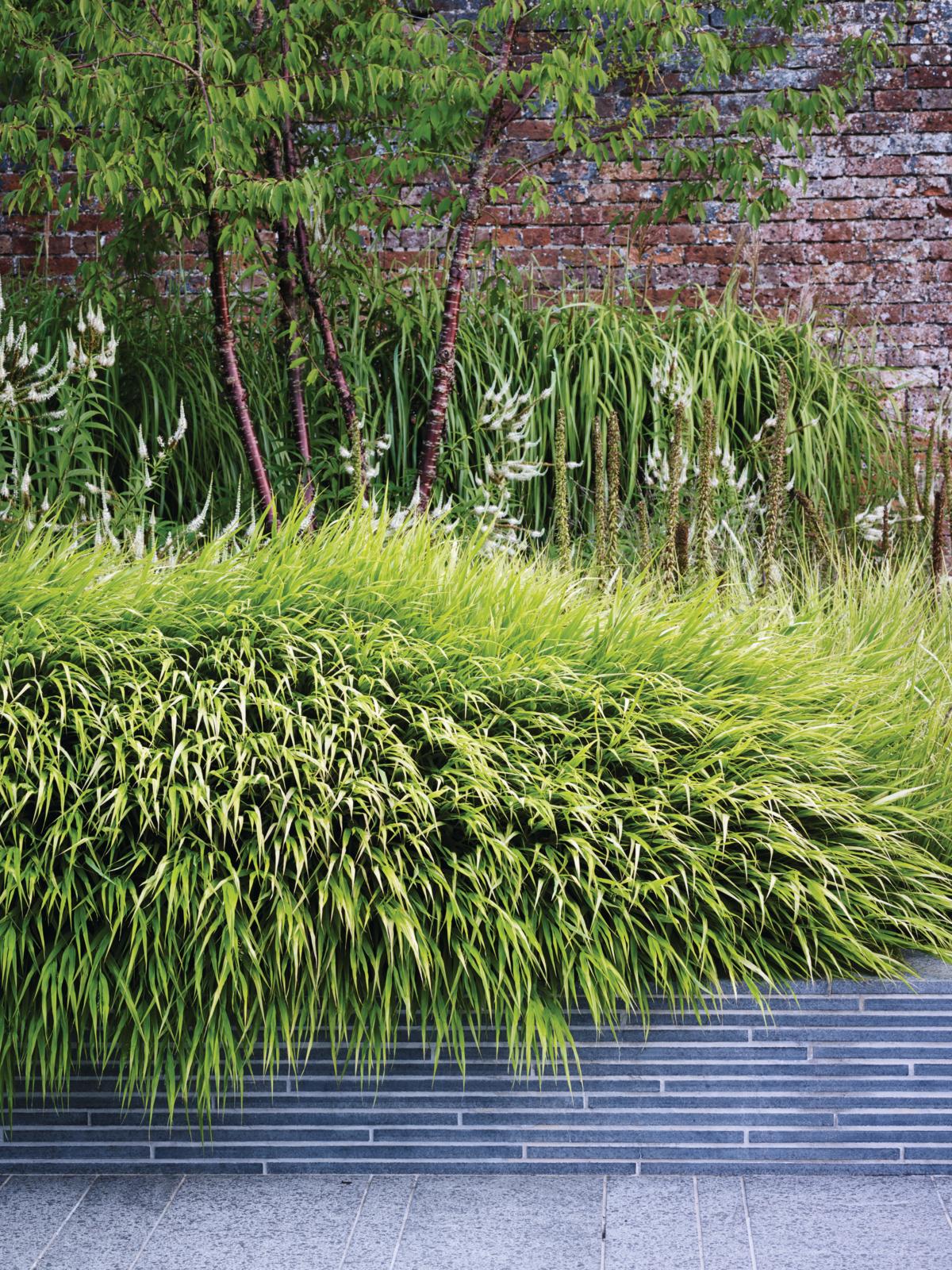
On top of climbers, and perennials such as Veronicastrum virginicum, Elks-Smith suggests adding shrubs to soften boundaries, something narrow borders struggle to accommodate. Good options include Prunus serrula, which provides height and depth, as well as year-round interest.
Introduce height
There is little more striking change to a garden than suddenly there being a tree or trees where there were none. There is a promise of privacy and shade, as well as the potential to attract wildlife to its branches, flowers and fruit.
And don’t restrict trees to the boundaries. “Bring height into the middle of a space, and don’t be afraid of it,” advises designer Katherine Holland, who followed this tenet when creating a balcony garden at the 2023 RHS Chelsea Flower Show. “In a relatively small space (2m x 5m), I used a multi-stem Feijoa sellowiana in a large container. It changes the dynamic of an area and allows you to create more layered interest at height, providing a focal point and allowing your garden to have a more ‘hide and reveal’ feel.”
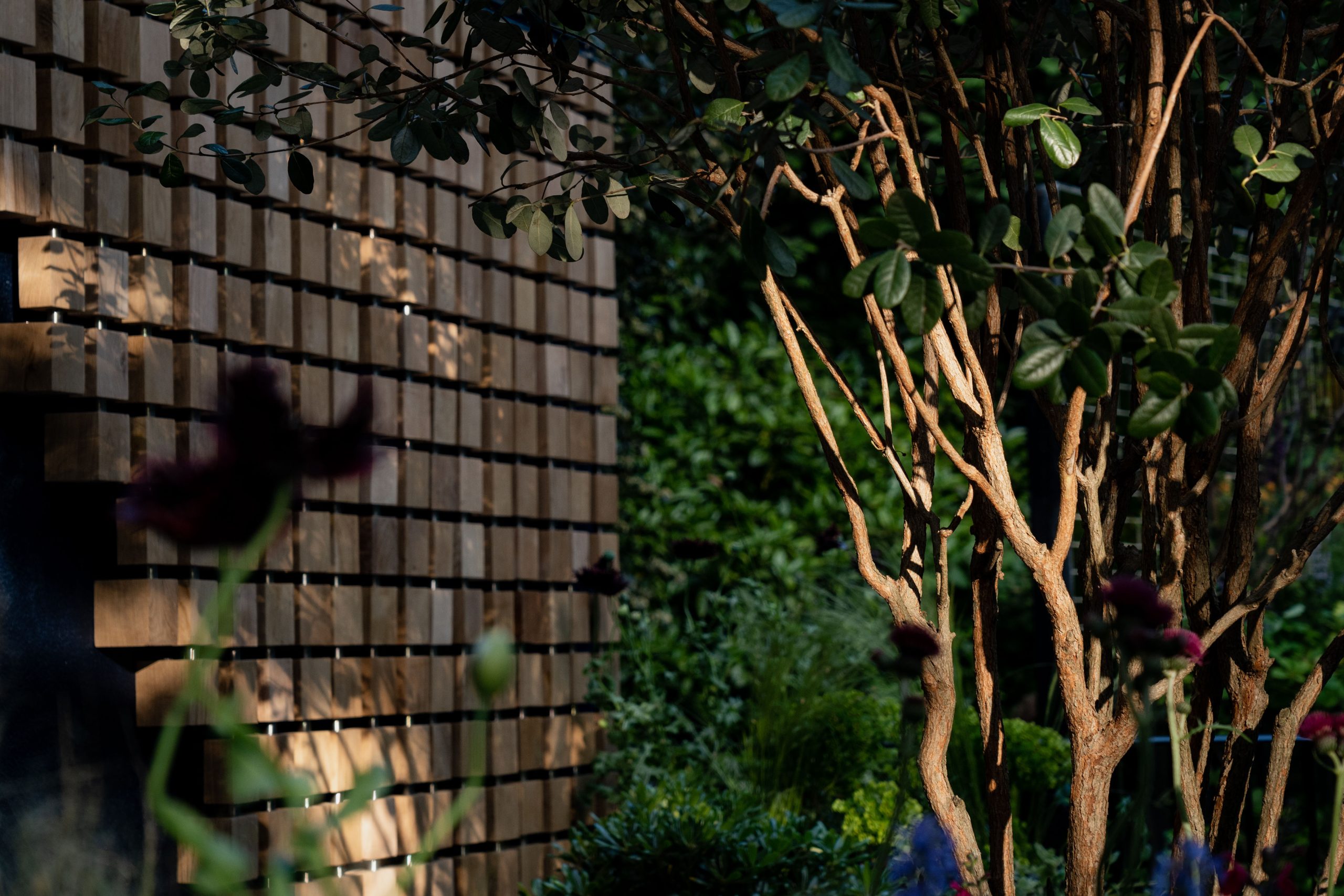
Multi-stem trees are popular, particularly for small spaces. Katherine also suggests Osmanthus burkwoodii as a good evergreen choice. “These filter the view, instead of creating a solid block.”
You may also like
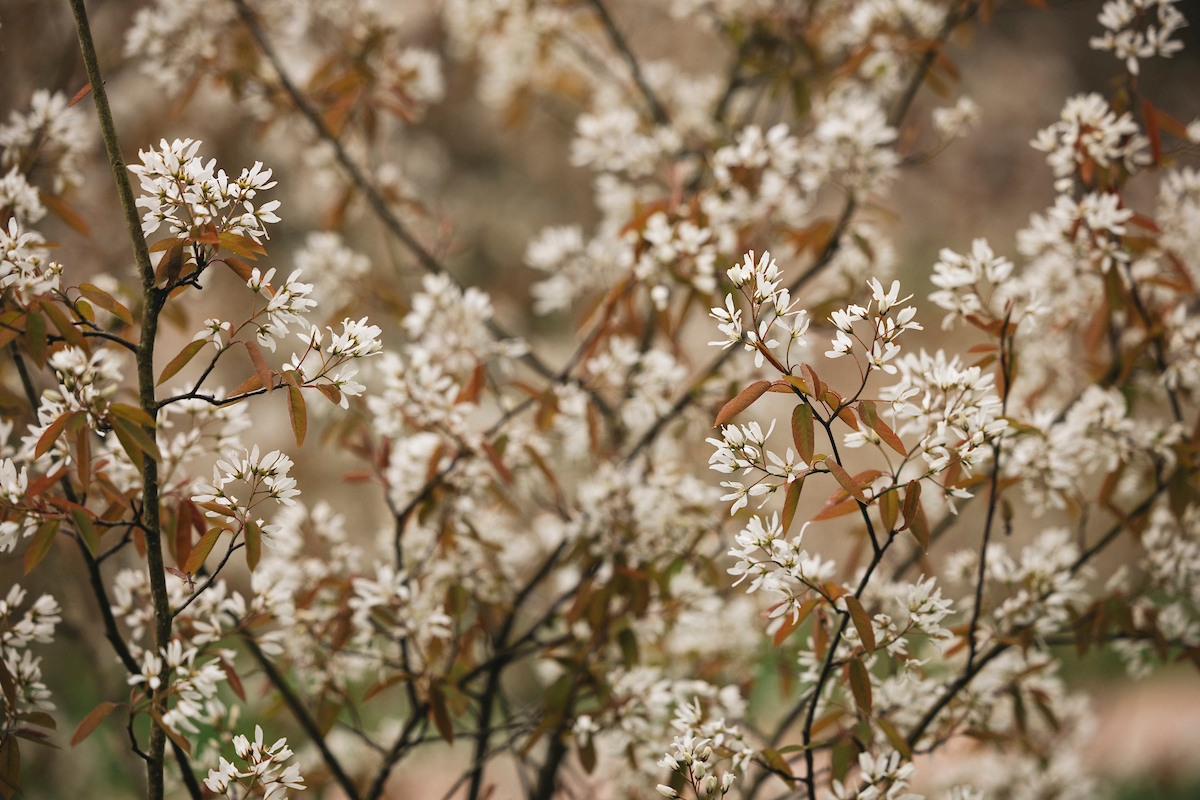
Designer Sarah Price reveals that she used the multi-stem approach to transform a small garden with trees in a single day. “I once planted four mature multi-stem Amelanchier canadensis in a café garden. The modest 7m x 10m space was transformed from a building site into a secret garden, sheltered from the outside bustle of the street and animated not only by sunlight streaming through the boughs, but also by the amelanchiers’ kooky, sinuous stems and later, their April blossom.”
There are some considerations before you go ahead and plant. Remember ‘right plant, right place’ – small gardens can be transformed with large plants, but a fast-growing giant like a weeping willow or leylandii will quickly shade out the garden, suck up all the soil’s moisture and, if too close to buildings, could play havoc with drains and foundations.
Multiple pots means instant impact
Gardening in pots offers a wealth of flexibility for transforming your space, as well as helping you deal with tricky areas. If you want to introduce a wide, new area of planting but the ground is unsuitable – rocky or too much paving to move – then a multitude of pots could be your answer.
You may also like
Take inspiration from the opulent door-front display by the Great Porch at Great Dixter garden in West Sussex. Here, a mass of terracotta pots house everything from spring bulbs bursting with colour at the start of the year, to the jungle-like foliage of hostas in late summer.
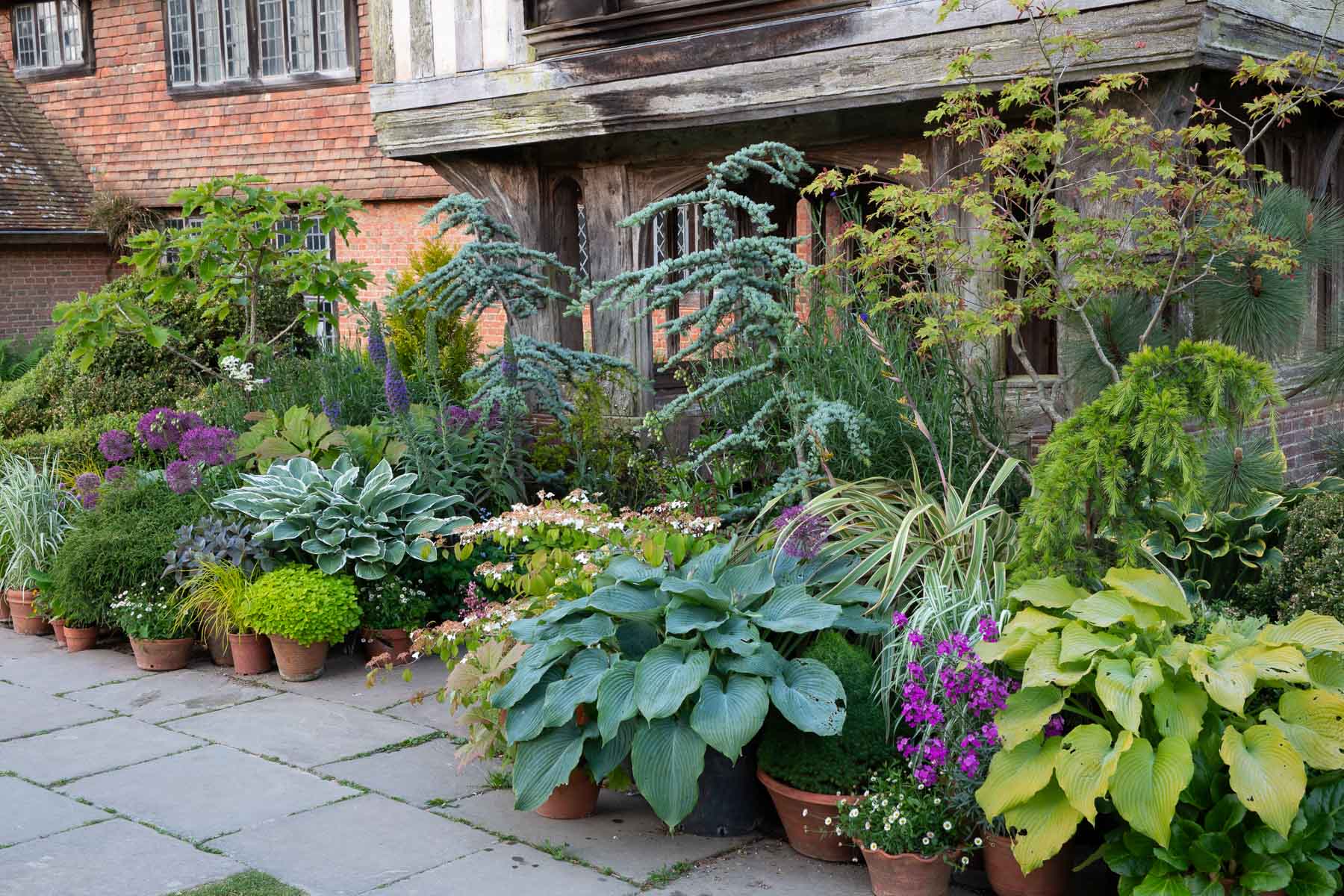
Large-leaved varieties such as Hosta ‘Blue Angel’ and Hosta ‘Blue Mammoth’ will give significant structure and coverage to an otherwise bare area. For height, the Dixter team used Cedrus atlantica ‘Glauca’ here, with stunning glaucous-blue needles giving interest throughout the year. While it can grow to 40-plus feet, it is very slow growing and can be easily contained in a pot while young.
Bring in water
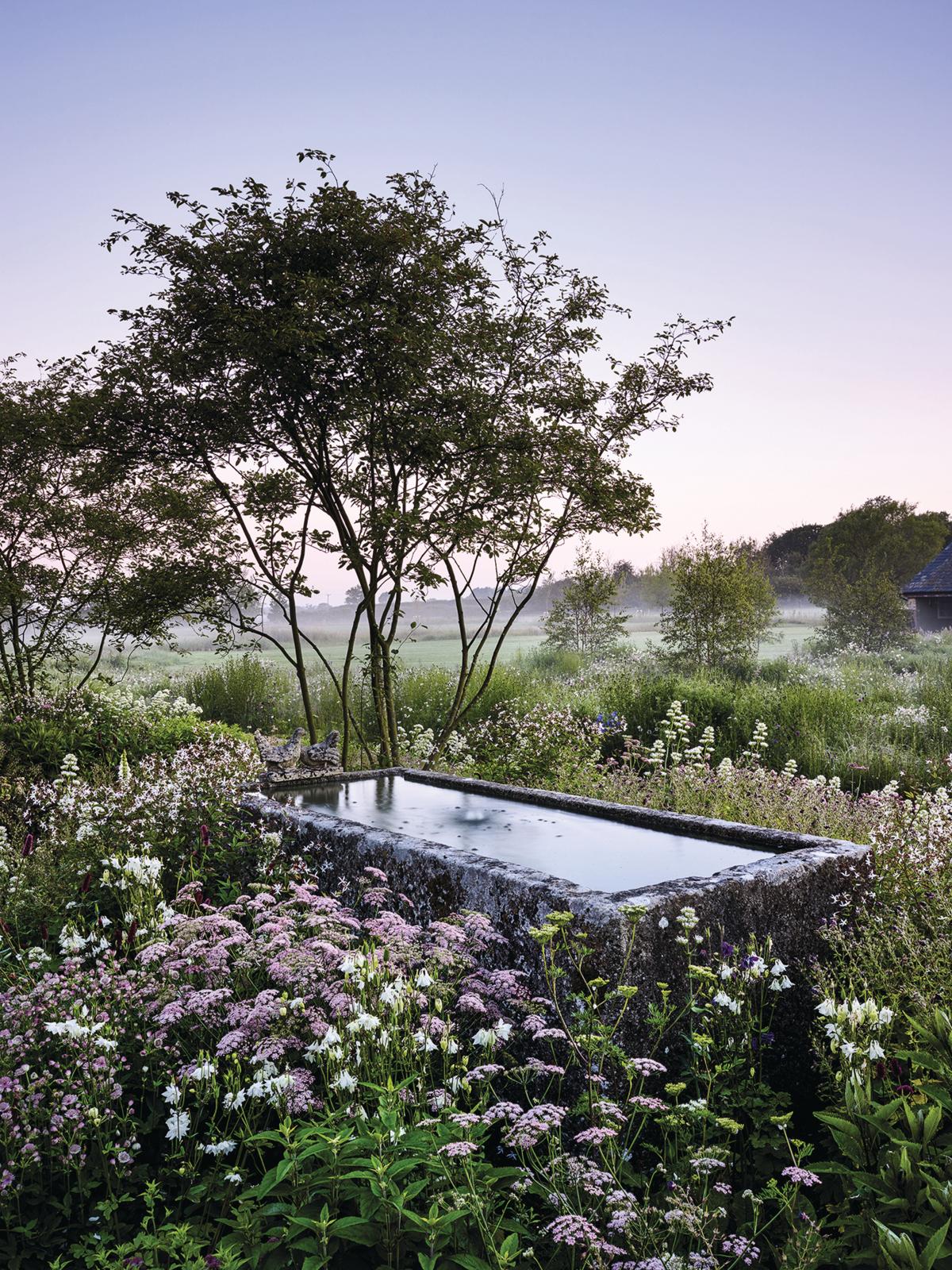
From the calming rills in paradise gardens to a simple bird bath, water has an essential place in our gardens, for wildlife as well as for aesthetics. Any size garden can accommodate a water feature of some kind, but it’s important to consider both proportion and logistics. Small gardens will need a smaller feature, but you also need to factor in how you can get to it to clean it and whether it will need electricity for a pump, for example.
Designer Matt Keightley is a fan of large diameter shallow bowls but notes that these can heat up quickly and grow algae so maintenance is a consideration. He points to the trend for steel tanks, especially in small, urban gardens. “Where space is at a premium, a self-contained unit can be practical and extremely effective. They look very striking when bedded into a voluminous planting scheme. Usually, they won’t even need a water supply, just the right pump and filtration equipment.”
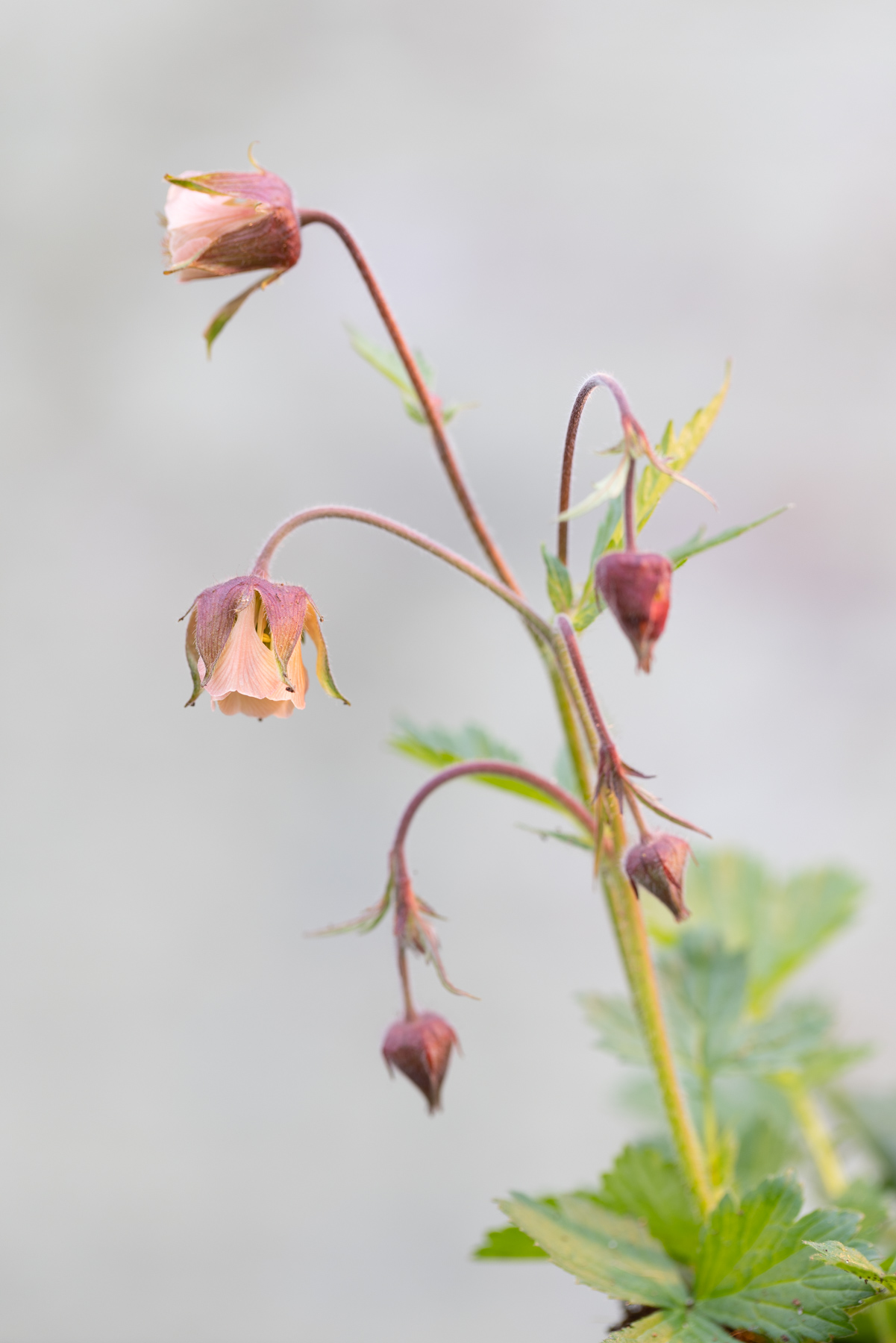
Don’t forget planting in water, as well as around it. By adding aquatic plants, you don’t just help oxygenate the water, keeping it clear and healthy for wildlife, you provide landing and laying spots for wildlife. Aquatic plants enjoy a range of conditions at different levels in the water. Geum rivale is a marginal plant, happy living on the edge of a pond but doesn’t like getting too wet, while Hippuris vulgaris is an oxygenator and can be plunged into the depths.
You may also like
- Parking space vs front garden? It is actually possible to have both
- Simple fixes to elevate your outdoor space fast (without spending a fortune)
Reconsider the lawn
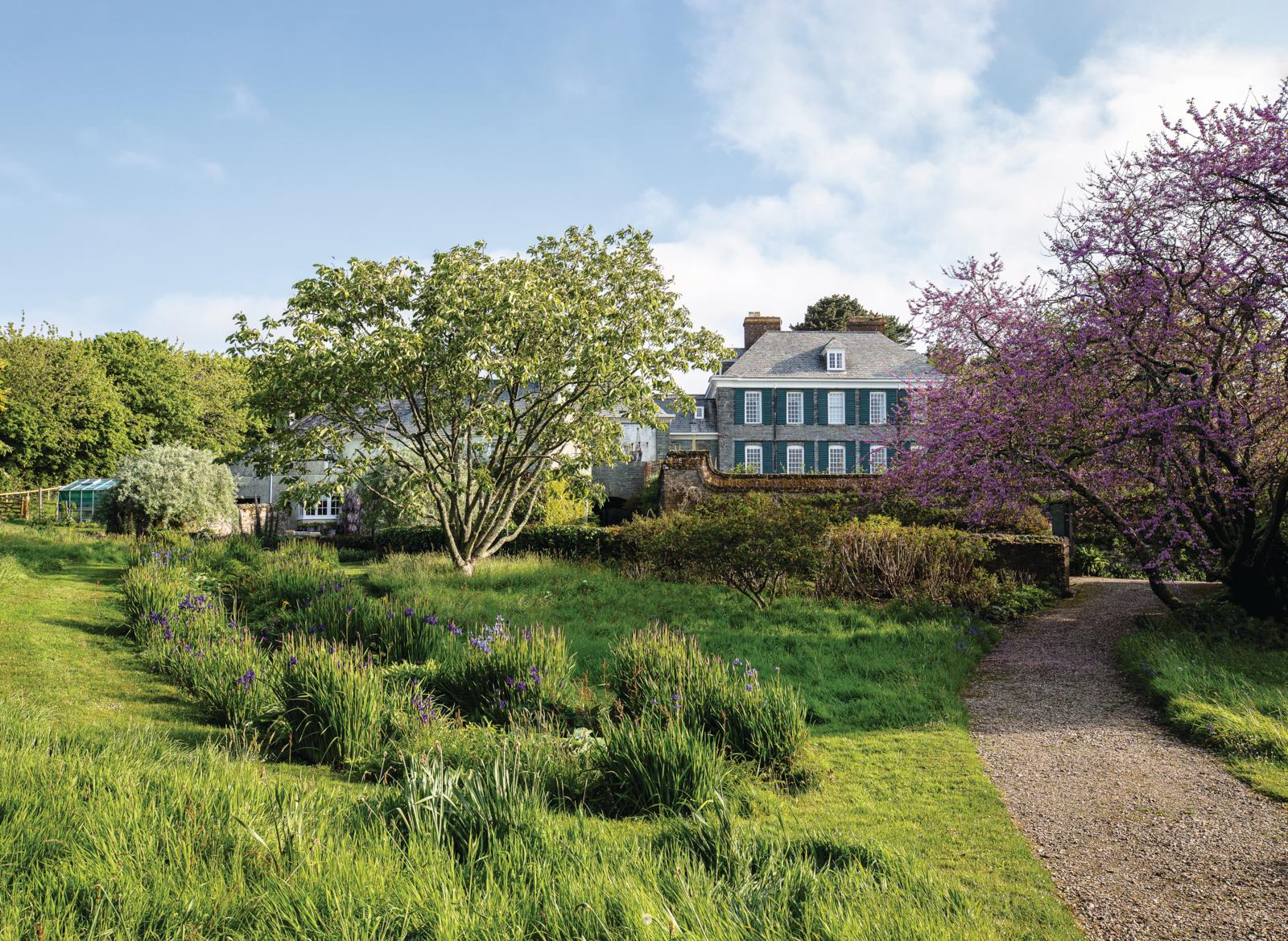
British gardeners particularly cherish their lawns. By 2030, analysts reckon we’ll be spending £2.5bn on lawn care products and tools. But are we fighting a losing battle? Increasingly hot summers and hosepipe bans mean it’s harder than ever to maintain that perfect green sward. Often, lawns are kept for the children, but does that really need to be the case?
Sussex-based landscape designer Joe Perkins says: “I often try to encourage clients to think more creatively about spaces for play and relaxation. A lawn can be high maintenance and often underused - instead, we’ve created gardens with more naturalistic planting, informal paths and open clearings among grasses or meadow-style planting that children can explore and interact with far more playfully than a flat expanse of turf. It also promotes biodiversity and requires less watering and mowing.”
You may also like
Edinburgh-based gardener Libby Webb initially insisted on a lawn for her children when she moved house, but 16 years on she realised it was time for her to have a garden for herself and it is now a plant-stuffed haven. There is, however, still space for play.
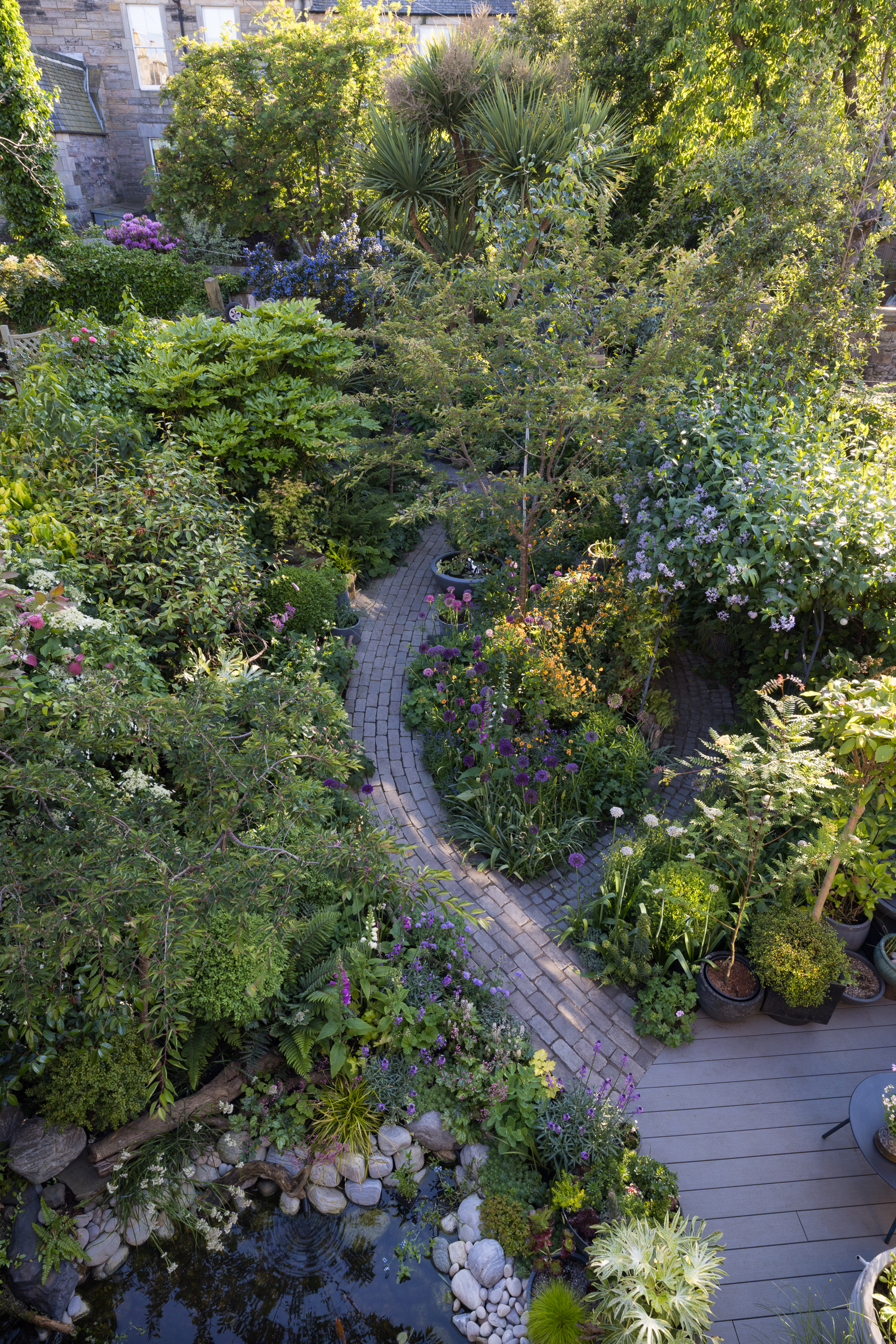
“The overall design actually evolved because it still had to accommodate the family,” she explains. “My son had a slackline at the time – a low tightrope – so I shaped the cobbled sandstone path in a way that still worked for the slackline, and the position of the cross-path was dictated by my husband’s retractable washing line – an absolute non-negotiable. Crumble, our Cavapoo dog, wasn’t 100 per cent happy either, but she usually manages to find a bare patch of soil.”