Across the UK, dry warm weather has become the norm for weeks on end. Some areas have recorded only a few millimetres of rain in July, and several water companies have introduced hosepipe bans. Earlier in the year, temperatures soared with The Met Office recording a 'very rare' occurence of numbers above 30C in May. Bank Holiday Monday was the hottest May day on record, with temperatures reaching 34.8C in south-east England.
As much as some of us might enjoy the heat, it's not really what gardeners want, especially as the heatwaves slide towards droughts. As high temperatures continue in the UK, we asked three RHS horticulture advisors, Nikky Barker, Julie Henderson and Adrian Thorne, their views on what a drought might mean for gardens in the UK this summer and how gardeners need to be adapting to the changes in climate in the short and long term.
Whilst being careful with what you water is an important element of their message, it’s just the beginning of what we can be doing to adapt in the long-term to the extremes of temperature that we are seeing at the moment.
More on drought
- What does drought mean for our gardens?
- Best drought tolerant plants to grow
- Is drought tolerant planting realistic in the UK?
If you have a garden in the UK you should be thinking about several things, including how to build a resilient garden, with plants that can withstand heat and drought, how to save water and how to care for your soil.
Don’t miss our piece on dry garden planting combinations and read more on water saving in garden design.
Will there be a drought?
No area of the UK is officially in drought as of yet, though 40 per cent of England's poopulation are now facing water use restrictions. An official drought was declared last year in the north-west of England on 21 May, and the last to enter drought status was Yorkshire, on 12 June. It is believed that spring last year was one of the driest on record, with 22 days of almost no recorded rainfall in May. June 2025 was England's warmest on record, according to the Met Office, and was the UK's second warmest since 1884.
Although we are receiving consistent high temperatures, no drought has yet been announced by The Environment Agency. Nine parts of the UK have been classified as in 'prolonged dry weather' including Devon, Cornwall and Isles of Scilly, West Midlands and Thames and London.
Ten to 20 years ago a garden would have had more recovery time after a heatwave, but because the hot weather is longer and more frequent, gardens have to work harder.
Temperatures hit 40C in the UK for the first time on record in 2022 and The Met Office also recently announced that the UK has a 50/50 chance of seeing temperatures rise to 40C again in the next 12 years.
What are the long and short term effects of this sort of weather on the garden and wildlife?
A lot of plants will have shorter flowering time. The changes in the temperature earlier in the year could mean there’s not the right plants for when the pollinators need them. Insects adapt much slower to climate change, so where flowers are coming out earlier, insects may be missing out on their food source. And that also has an effect on fruit and veg too – less fruit and vegetables for domestic growers.
Some plants, like hydrangeas, are very susceptible to drought. They need consistently moist soil and are going suffer with the lack of water. Acers too, like a sheltered garden spot, but this weather is scorching the leaves. Cherries need a period of cold in the winter, but if they aren’t getting that then you will see reduced amounts of fruit.
We rely on microorganisms in the soil to keep it healthy, but when it’s very dry, things like worms go very deep, a metre down, to where it is moist. So they won’t be having the same beneficial effect on the soil.
As the climate changes, there will be a change in pests, diseases and fungi. They will be able to survive where they hadn’t in the past. There may be some coming from the continent. If you are changing plants, look for something that will be resilient to possible diseases.
Adapting to drought in the garden: what gardeners should be doing
Lawns
- Lawns are a terrible waste of water and the typical urban grass that we consider to be a lawn is poor for pollinators.
- Pick the right grass mix: in general, the basic seed mixes you find have fine lawns and utility lawns. The fine lawn mixes are usually not good at coping with drought, the grass seed in utility lawns is much better at adapting. Choose your seed mix carefully.
- Don’t cut your lawns too short: lawns are much more drought resistant the longer they are.
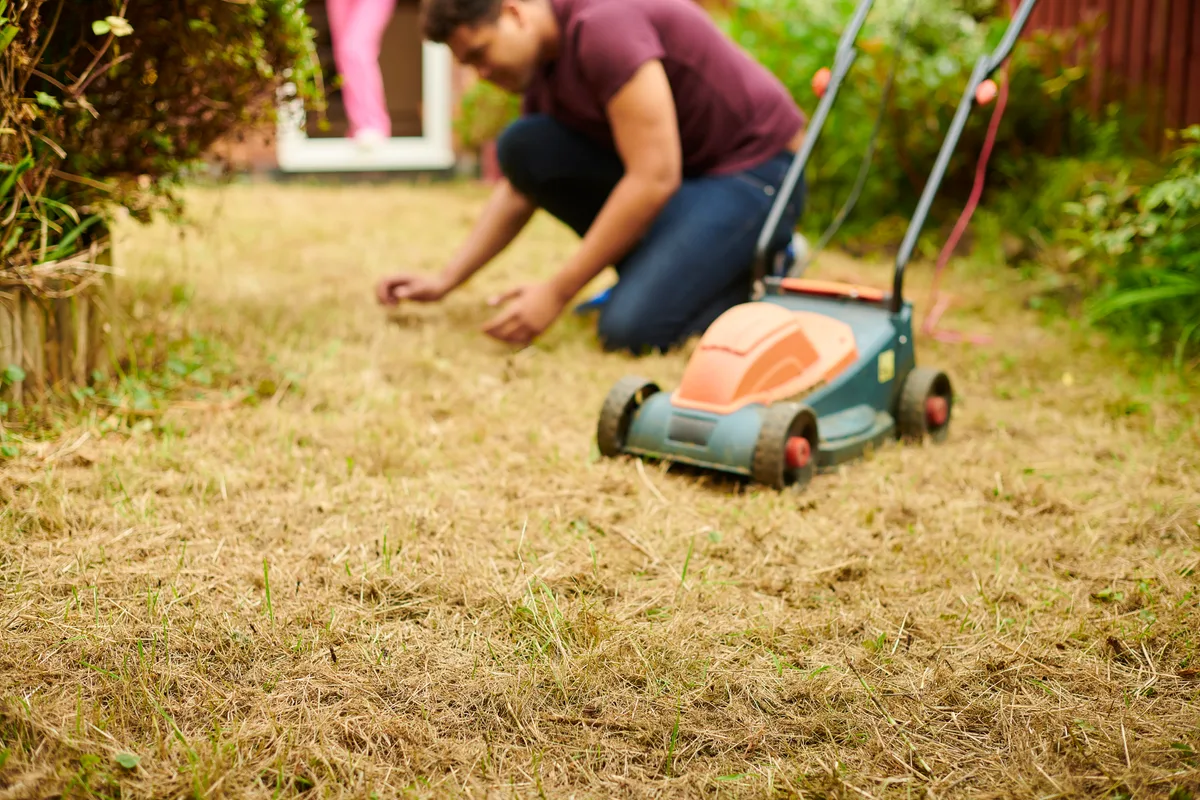
- A brown lawn will grow back once the rains come again. If you’re watering in your garden now, don’t water your lawn.
Watering
- Be very selective in what you’re choosing to water. If you think something will survive, leave that and focus on newly planted things.
- Water right to the roots. Never have a hosepipe spraying on the whole border. It will sit on the leaves and evaporate.
- Water with a watering can – it will make your watering more targeted.
- Install a water meter. You’ll be more likely to use water wisely.
- Install rain water butts from your house drainpipes.
- Use grey water – recycled water from washing machines and baths – only on established plants and not on fruit and veg.
- Water in the morning or evening when it’s cool, otherwise you will loose lots to evaporation. Here's more on when to water in hot weather.
Mulch
Mulching really helps in the long term. It is done mainly in the autumn. Cover the soil with anything from compost to bark. It will keep the moisture in the soil, stopping it evaporating. Bare soil is the enemy of plants. Having it mulched will also help protection from the much stronger winds that we’re seeing through the spring and summer. It will reduce erosion and water loss. Here's our guide on how to mulch.
Heavy rainfall
Although the concern right now is summer droughts, with climate change also comes increasingly heavy, focused rainfalls, especially in the winter, early spring and autumn. Plan for these by creating rain storage to capture the run off, such as installing water butts, which will fill with water during rainfall but be available to you to use for irrigation during hot weather.
Some gardeners are also moving towards rain swales, channels and gardens that can soak up excess water or create temporary ponds after downpours, drawing the water into the garden rather than having it become a flooding risk. It seems odd to be talking about rainwater and flooding during hot weather but part of managing heatwaves in the garden is understanding the holistic systemic changes we are experiencing in our climate and being able to reduce the impacts of this with year round planning.
Change your planting
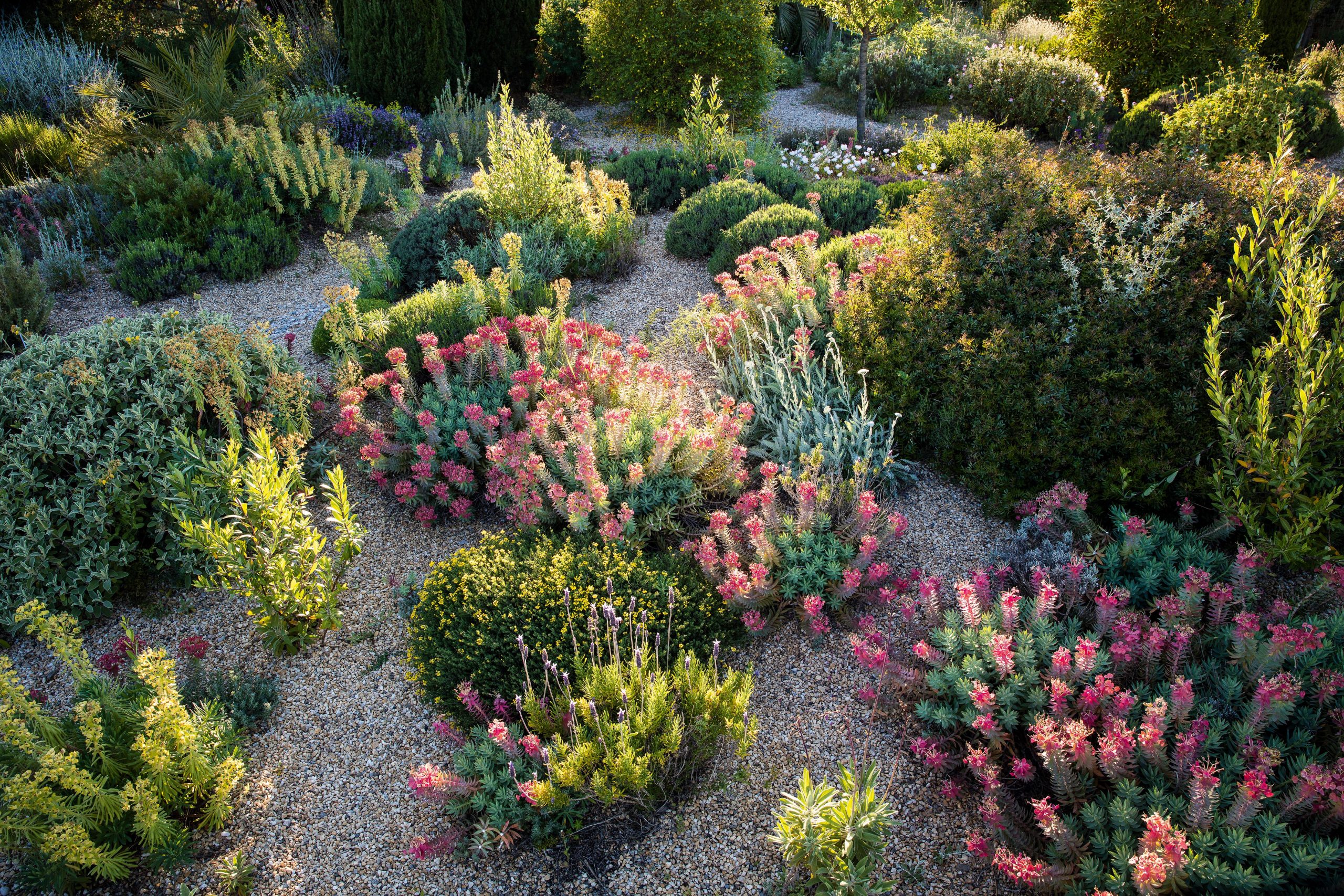
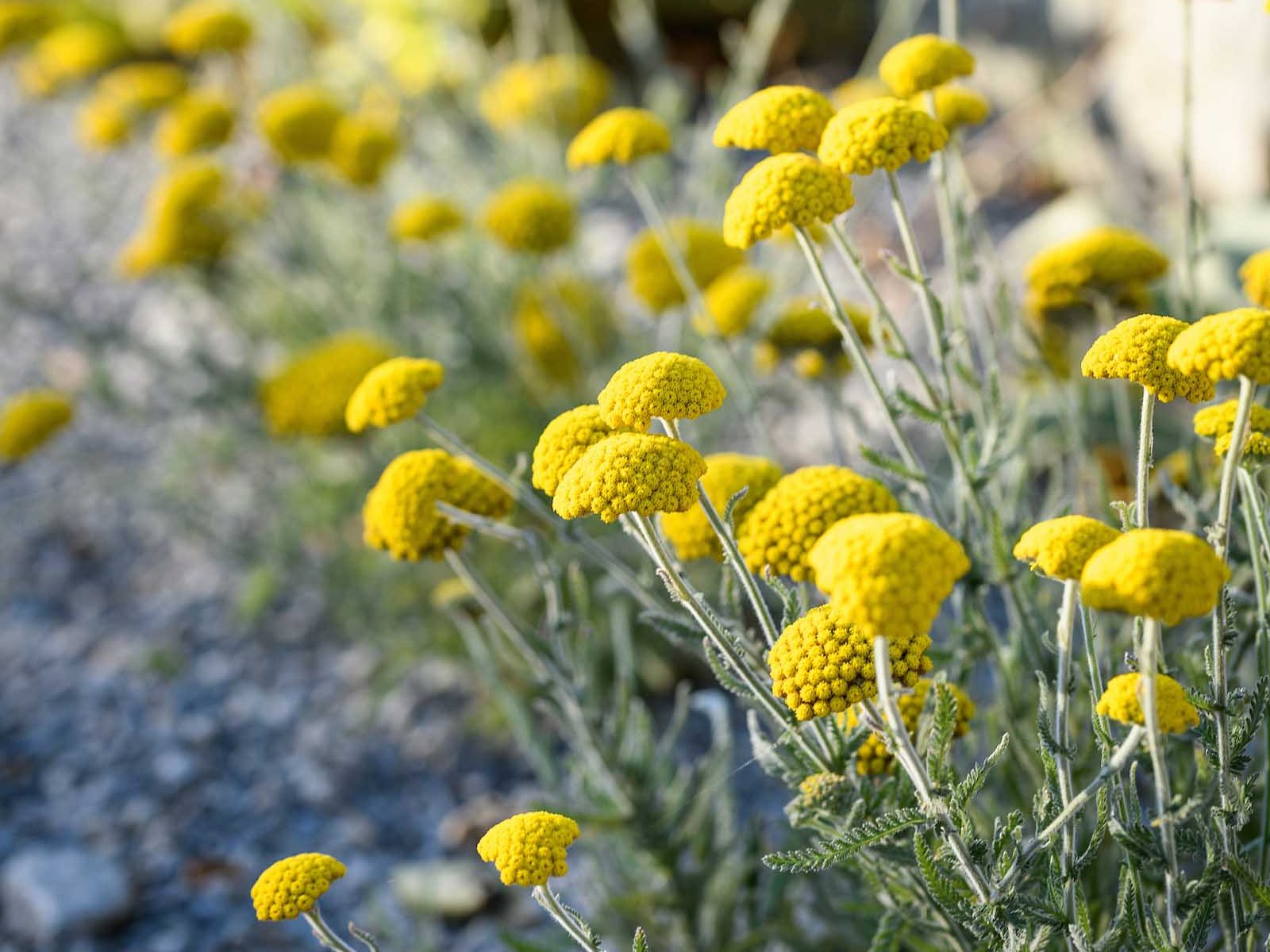
Gardeners have to adapt, but we have been doing this for centuries. Start considering more drought tolerant plants and look to Mediterranean planting. There are lots of exciting plants that couldn’t be overwintered here a few years ago, but now they can – like lemon trees.
If a plant hasn’t survived drought, don’t replace it with the same thing. Choose something that is more resilient. Annuals are usually very tolerant – such as nasturtiums and love-in-a-mist. Choose things that will self seed as they will choose when the time is right to germinate.
Where winter wet is also an issue (more likely to be west and north of UK), adapting the garden to shed and store water is a better option than looking for plants that are both dry and wet tolerant. Raised beds/mound planting and water butts/rainwater harvesting systems are what you need.
Here's our list of the best drought tolerant plants.
Don’t mollycoddle your plants
If you have two genetically identical plants and put one on poor soil and the other on rich soil and only water the one on poor soil when it is first planted, the one that adapts to climate change best will be the one in poor soil. Choose the right plants and toughen them up. Studies have chosen that if you give a plant less water then it adapts to needing less water.
Anti-intervention is the name of the game
We have to be less manipulative and we have to work with the soil and plants that we have. Improve the soil as much as you can without using artificial fertilisers and irrigation. Be more pragmatic: if you have clover on your lawn, you can still walk on it.
Great examples of dry gardens in the UK
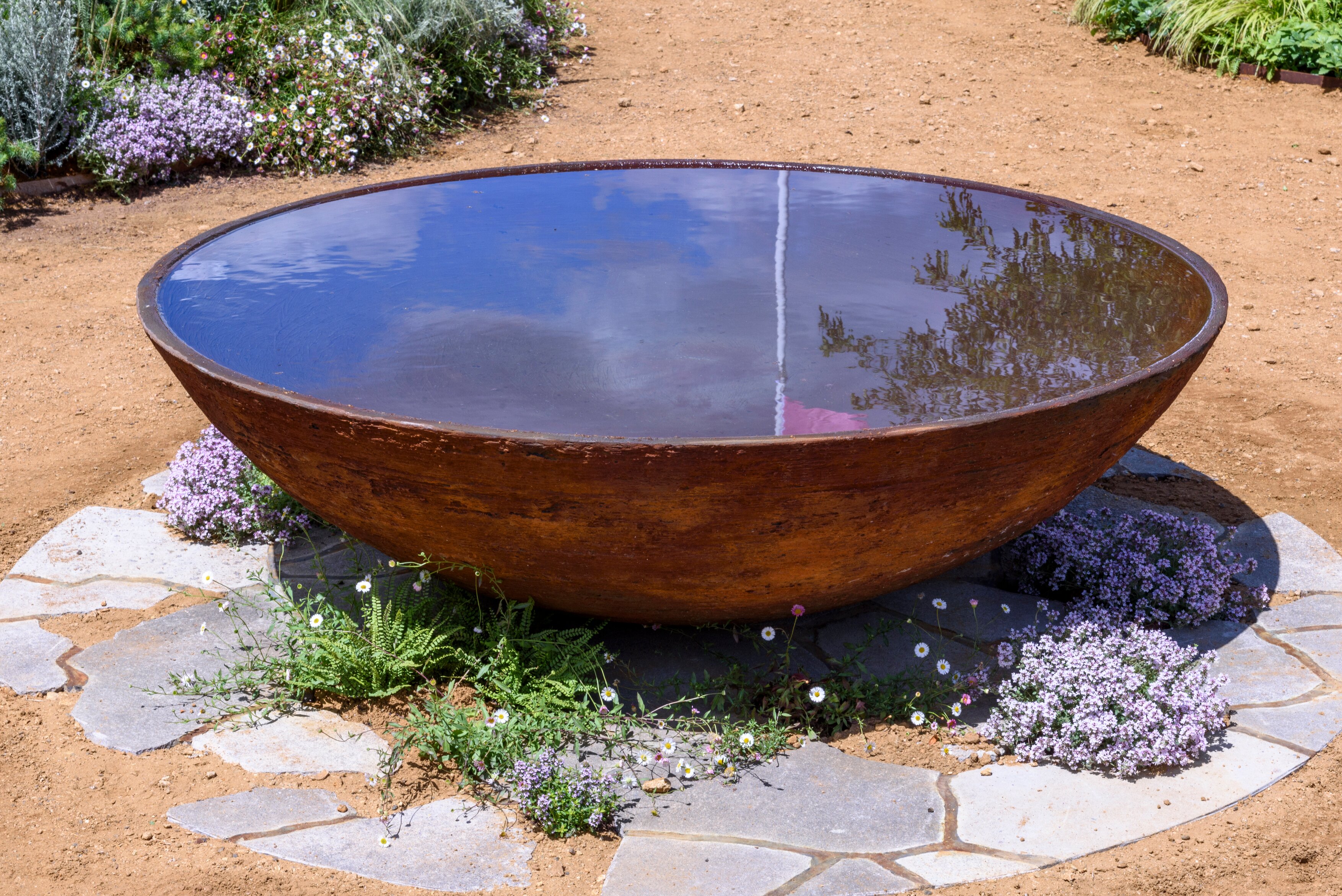
In 2024, Hampton Court Palace Garden Festival showcased several gardens with smart ideas around this topic: The Planet Friendly Garden and the Turfed Out garden. There was no turf in it, it was all made from recycled materials.
Beth Chatto’s Garden was planted in gravel in an old a car park and she watered the plants when she first planted them, but it hasn’t been watered since then. The dry garden at Hyde Hall works on the same principle. Look to the east of the country, which is dryer than the west, so they are ahead of the game in terms of what we have to think about.
Read more about what a drought means for gardeners in the UK