Most people want a garden they love. A place that feels alive in every season, that works hard without demanding everything of you in return, that looks like it belongs — to your property, to the landscape, to your life as it actually is. And yet something always seems to get in the way. Money, time, children, dogs, a tenancy agreement, or possibly, you’re not as energetic as you once were, and you’re finding the garden maintenance has become too much.
The good news is that a beautiful garden does not have to be a demanding one. In fact, some of the best gardens I know — the ones that look genuinely alive and feel completely at ease in their setting — tend to be the ones where the designer or gardener has worked with the grain of the site rather than against it, chosen plants that look after themselves, and resisted the urge to over-manage.

Gardening is a physical act, and the way we are physically able to engage with it changes over time. Kneeling becomes painful. Heavy tools become difficult. The garden that felt manageable at fifty can feel exhausting at seventy. This is one of the most common things I hear, since it will happen to all of us, and it is the one where thoughtful design can make the most dramatic difference.
3 hacks to make your garden less demanding
#1 Stop mowing the lawn so often
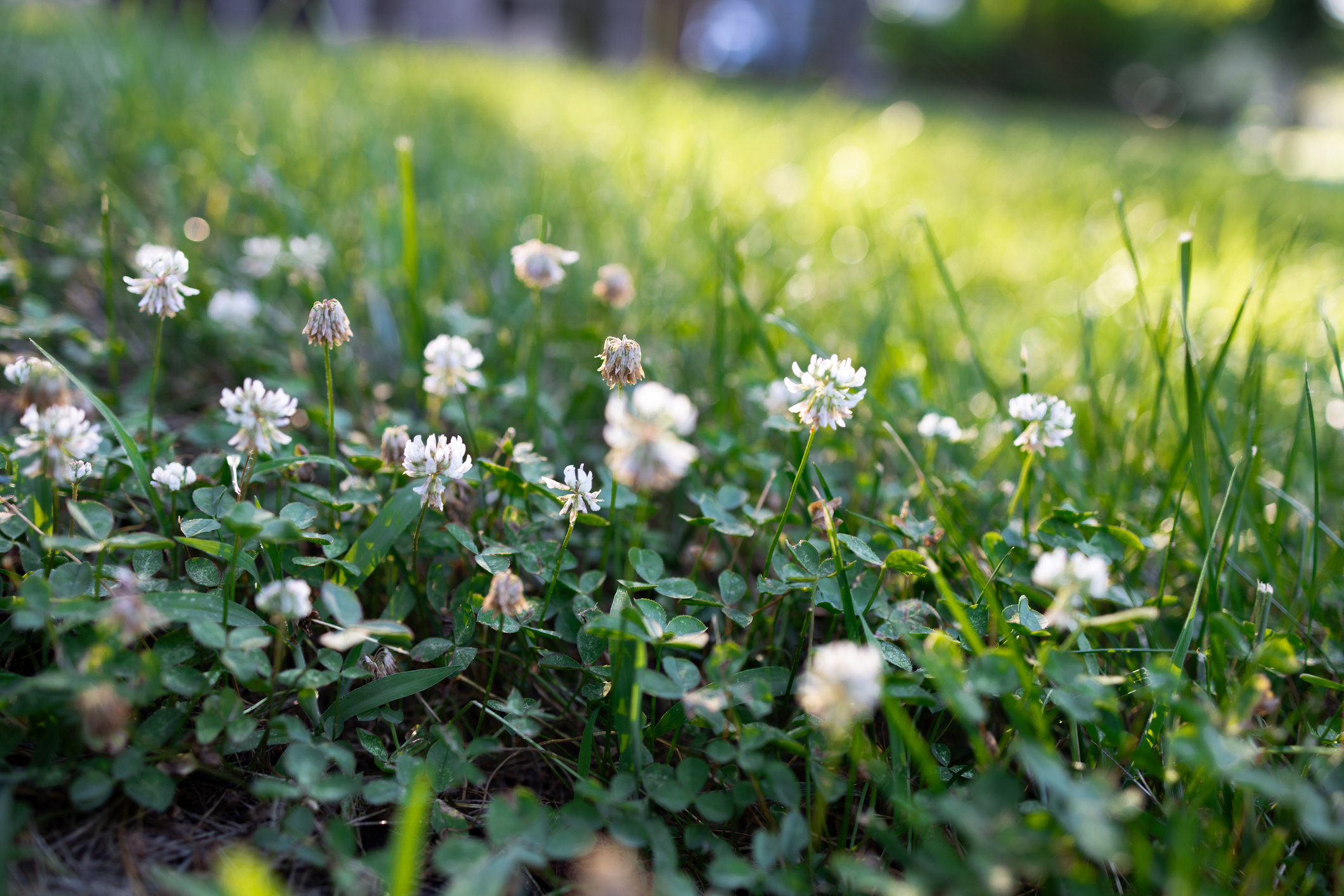
Contrary to what you might expect for a ‘nice’ garden, my advice on the lawn is: leave it. I have left my own, and while it is not perfect in any conventional sense, it has become something far more interesting. An unmown or infrequently mown lawn is genuinely fantastic for wildlife. Let it grow through spring and summer and you will find it fills with clover — a vital nectar source for bumblebees — along with self-seeded wildflowers, grasses flowering at their natural height, and the insects and birds that depend on them.
You may also like
- 10 expert-recommended gardening cheats to give you more time to chill in the garden
- The skiver's list of top easy-to-grow, low to no-maintenance plants
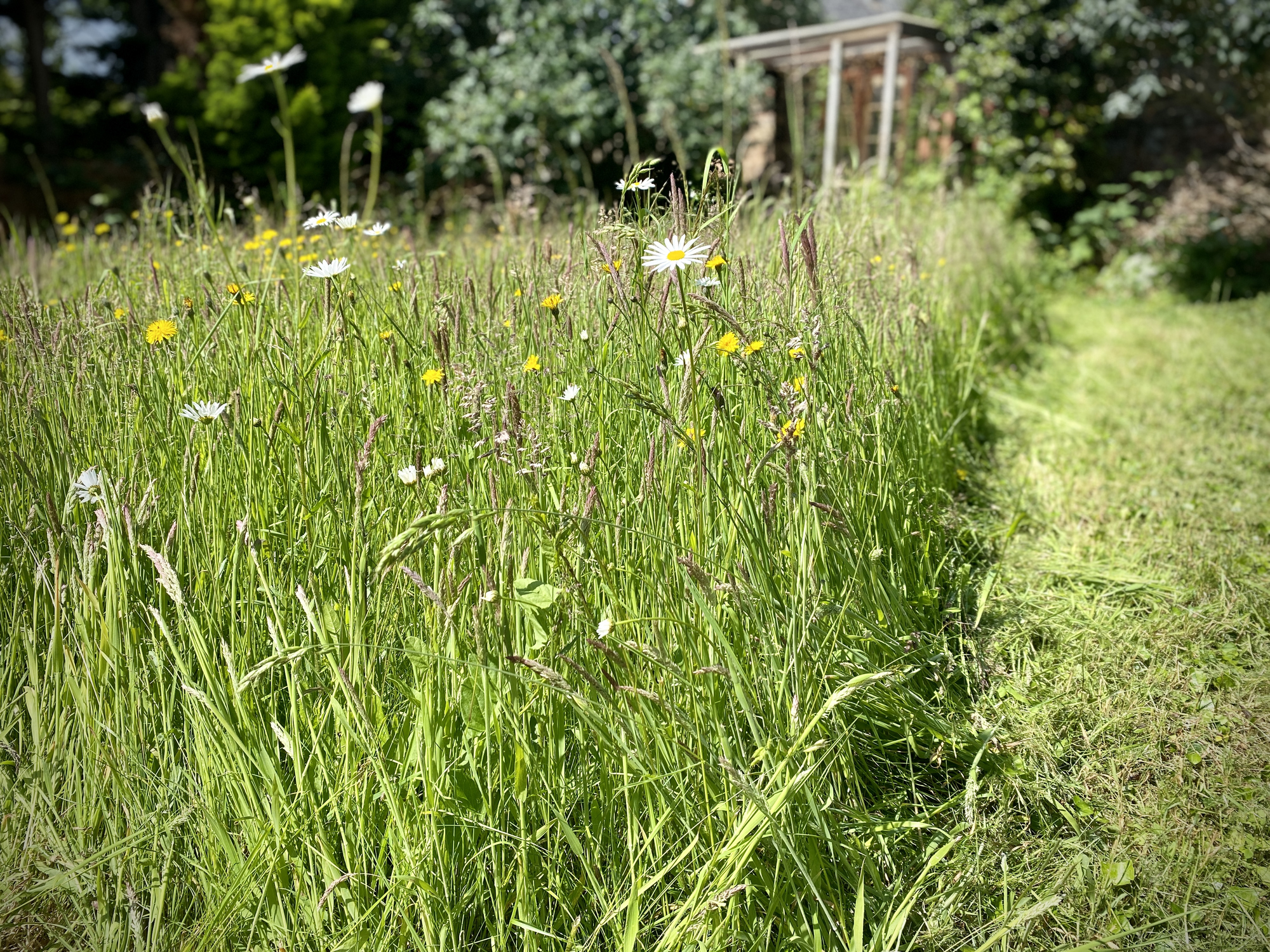
In larger gardens we mow paths through the wildflowers to create shapes or to arrive at a destination. This is the principle behind ‘No Mow May’, but the truth is that the longer you extend it, the better. A lawn managed this way needs cutting perhaps twice a year rather than weekly, which immediately transforms what it asks of you.
#2 Rethink planting in your borders
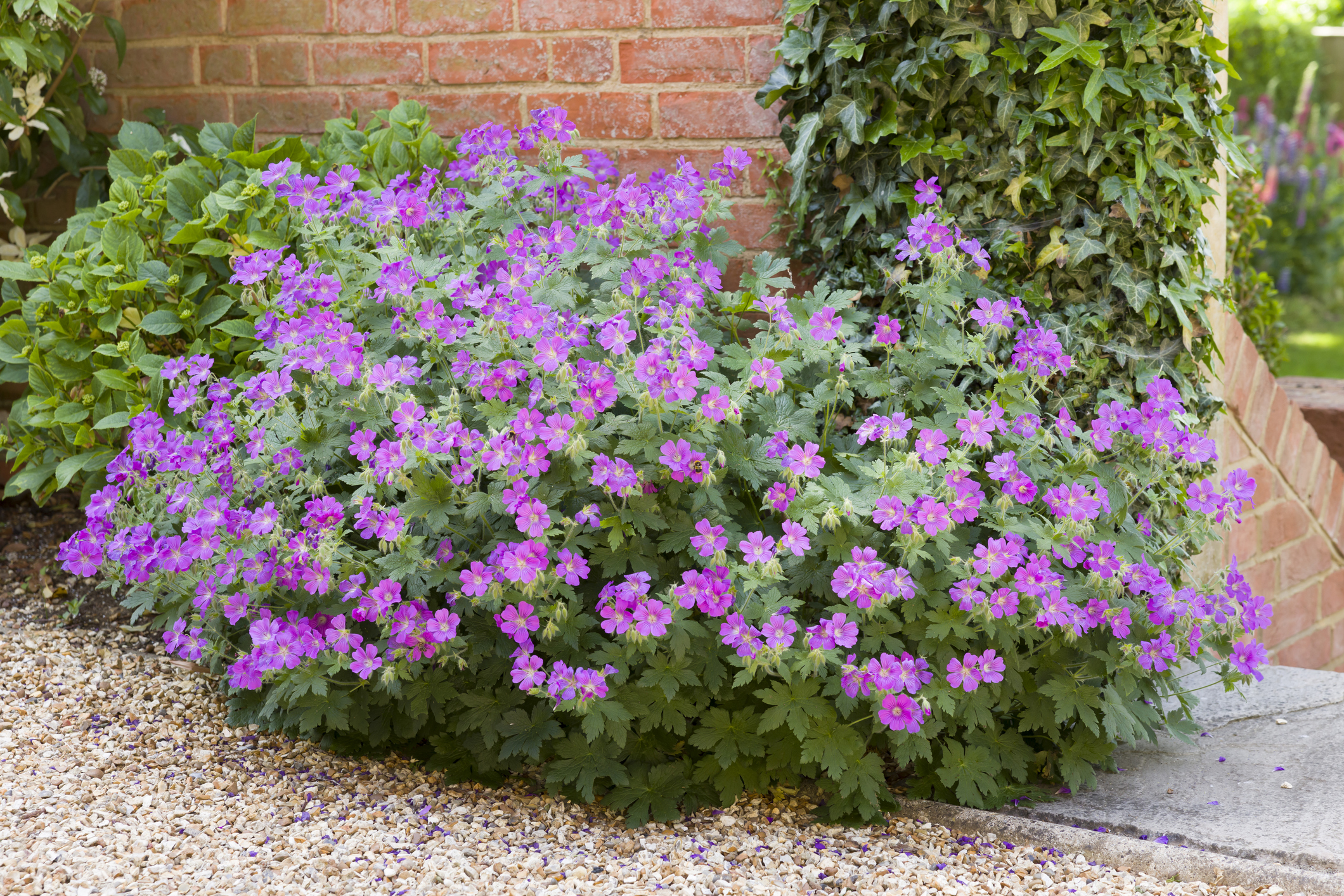
Where you do want to reduce maintenance, focus your design on the borders. Replacing high-maintenance planting with robust, naturalistic ground-covering perennials and clump forming grasses — Geranium varieties, Epimedium, Sesleria, Nepeta — eliminates a lot of the weeding and dividing that traditional borders demand.
You may also like
- Spend less time and effort gardening with these pro-tips
- 8 super quick and easy cheats to make your garden look great
#3 Introduce raised beds
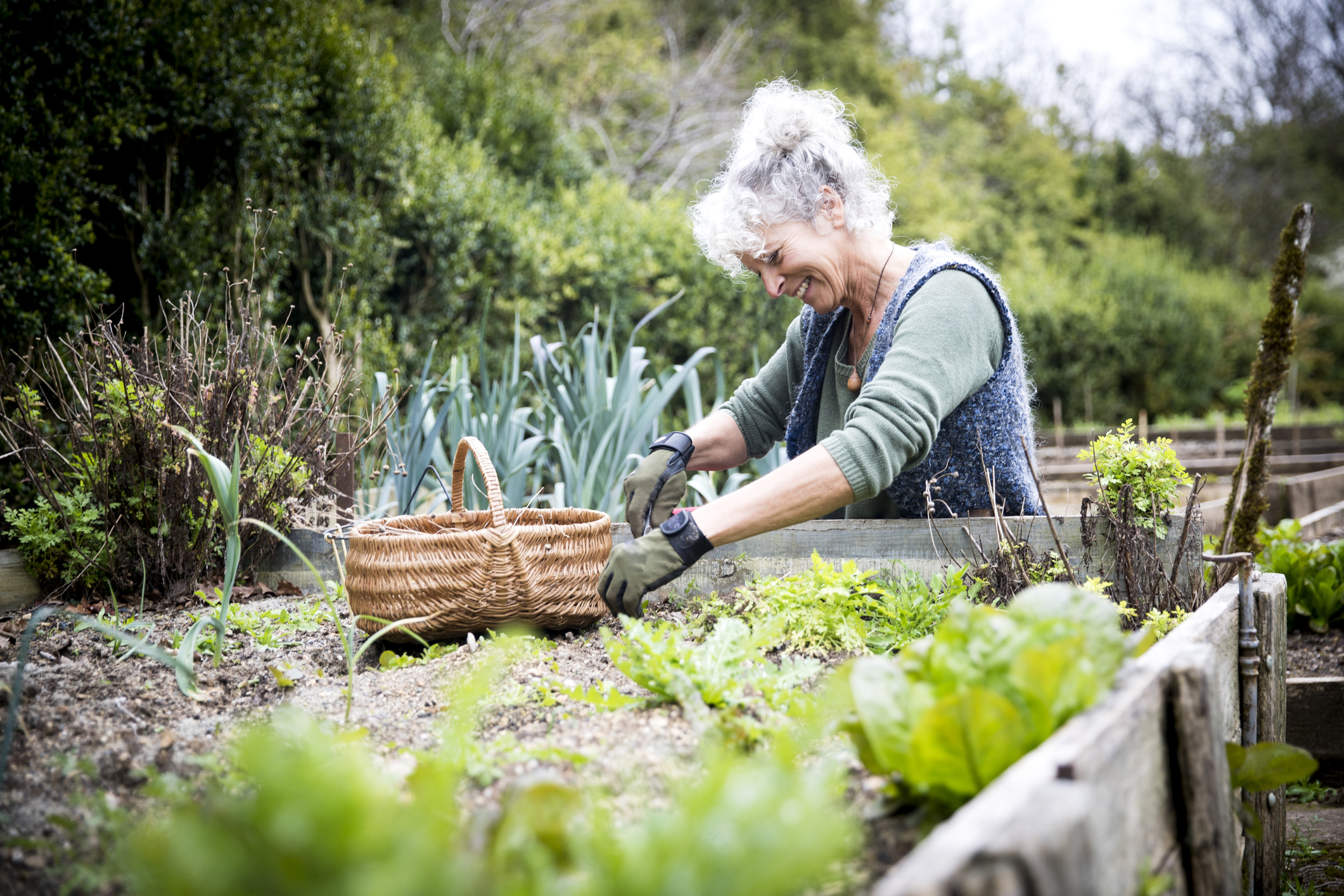
Raised beds are also transformative: Bringing the growing surface to waist height removes bending entirely and keeps productive growing accessible for as long as you want it. Build them from reclaimed brick, naturally durable timber (such as oak) or local stone, keep paths level and generous, and the garden remains entirely yours.
Every barrier to having a gorgeous garden has a solution, and every solution points in the same direction: a garden that works with nature rather than against it, that is designed for the life you actually have rather than an idealised version of it, and that becomes more beautiful with less effort over time. Whatever your situation, that garden is within reach.


