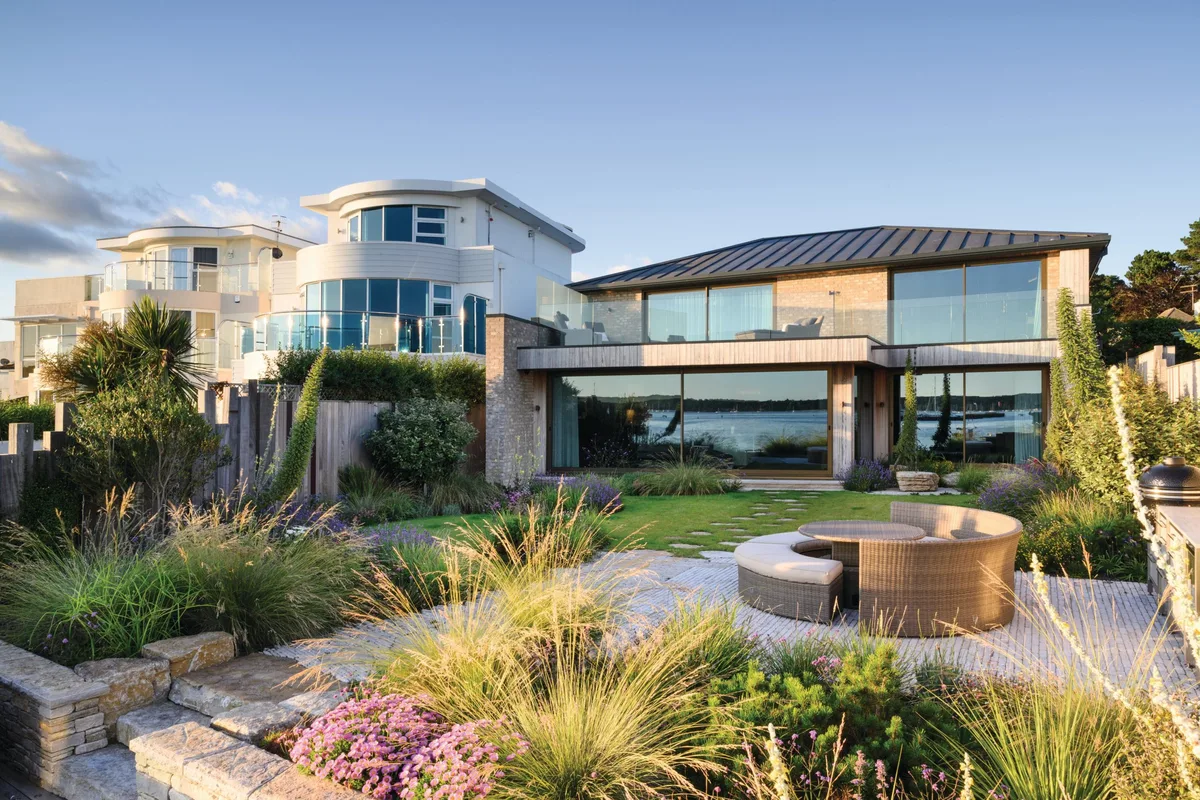
Most people want a garden they love. A place that feels alive in every season, that works hard without demanding everything of you in return, that looks like it belongs — to your property, to the landscape, to your life as it actually is. Being time-poor is one of the most common reasons for not creating or maintaining a garden, and I want to gently question this reasoning.
The good news is that a beautiful garden does not have to be a demanding one. In fact, some of the best gardens I know — the ones that look genuinely alive and feel completely at ease in their setting — tend to be the ones where the designer or gardener has worked with the grain of the site rather than against it, chosen plants that look after themselves, and resisted the urge to over-manage. However little time you have, there is a version of a wonderful garden available to you. Here is how to find it.
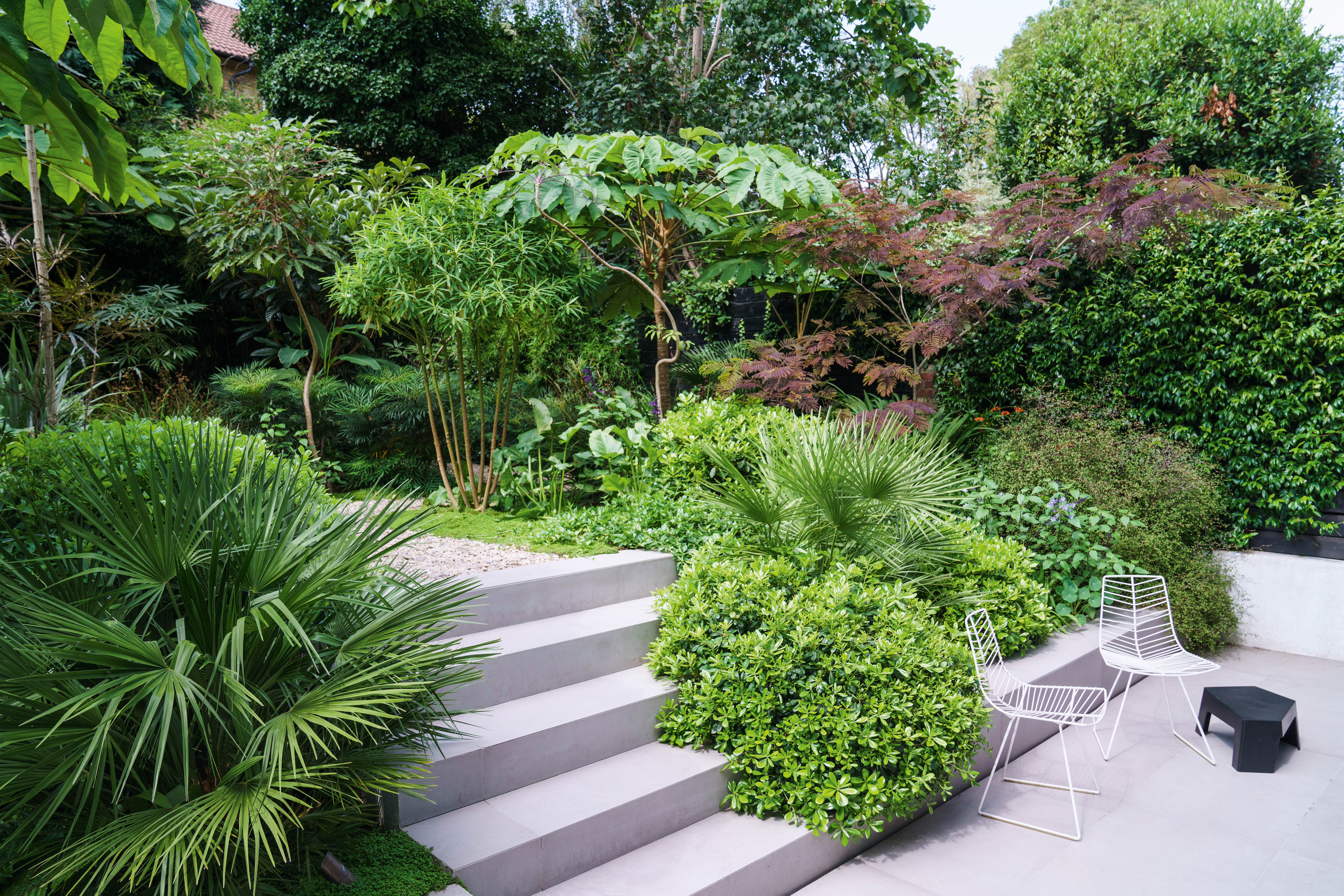
Having no time is the barrier I hear most frequently, and the one where conventional gardening wisdom most reliably lets people down. Gardening advice is full of things you should be doing weekly, monthly, seasonally. For anyone with a full life, that is simply not realistic. It is worth saying clearly, though: there is no such thing as a no-maintenance garden. Anyone who tells you otherwise is being optimistic. What you can absolutely achieve is a far less maintenance-intensive garden — and the gap between those two things is enormous.
You may also like
How to have a nice garden when you don't have any time
#1 Stop watering
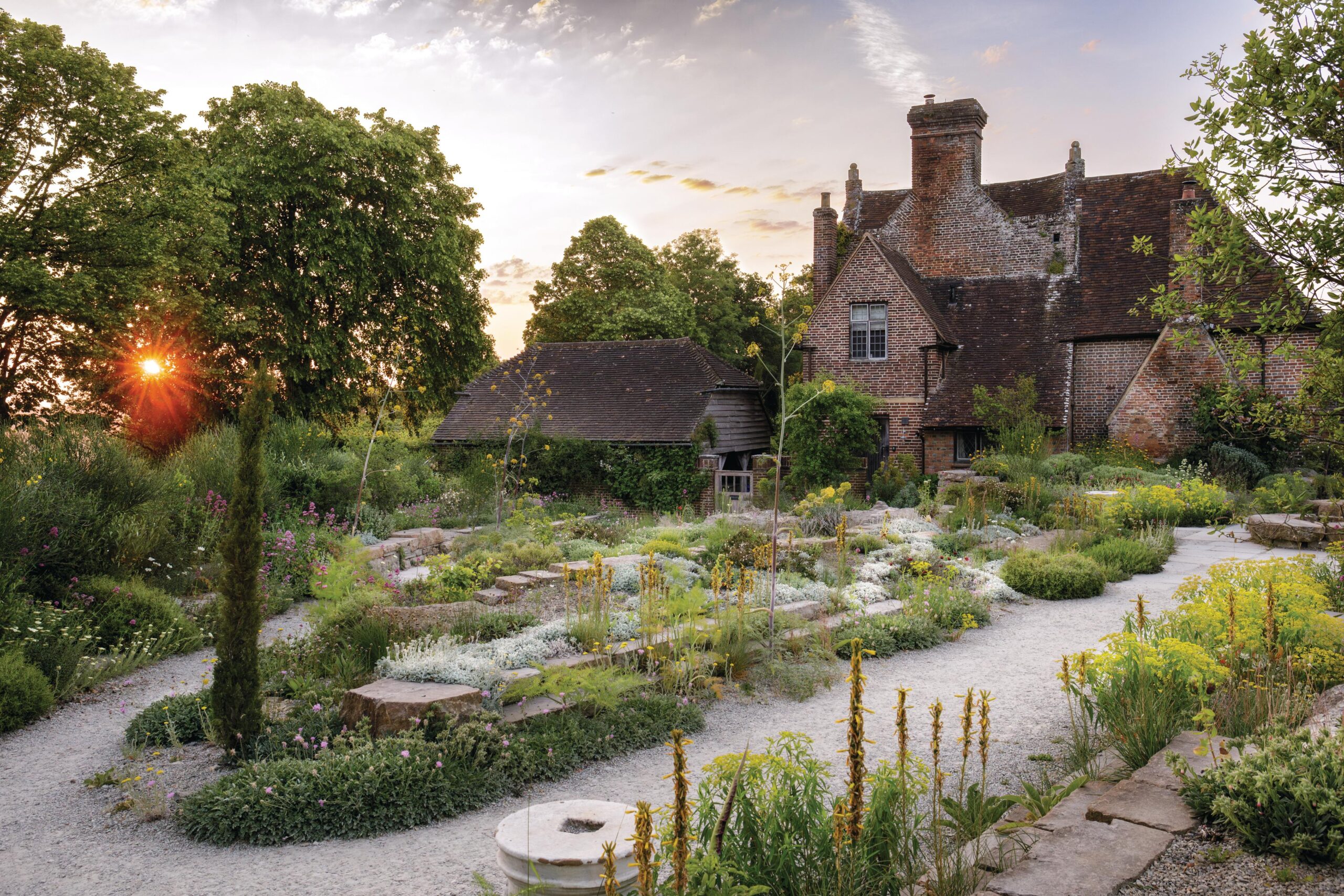
This sounds counterintuitive but it is one of the most liberating things you can do. Plants are more resilient if they have to search for their own water, they develop larger and deeper root systems. A garden designed specifically around drought-tolerant planting — Mediterranean-style schemes with lavenders, salvias, euphorbias and ornamental grasses — will look better without irrigation. Make sure you group plants that have the same moisture needs to avoid problems with individual species.
In the south of England especially, where we are seeing extended periods with no or little rain and much higher temperatures in summer, using drier climate plants can mean that they are naturally adapted to dormancy in extreme drought, which means they will survive without requiring water. They do require very good drainage in the winter, and this condition can be mimicked by using raised or mounded free-draining beds if you have winter-wet soil.
#2 Mulch
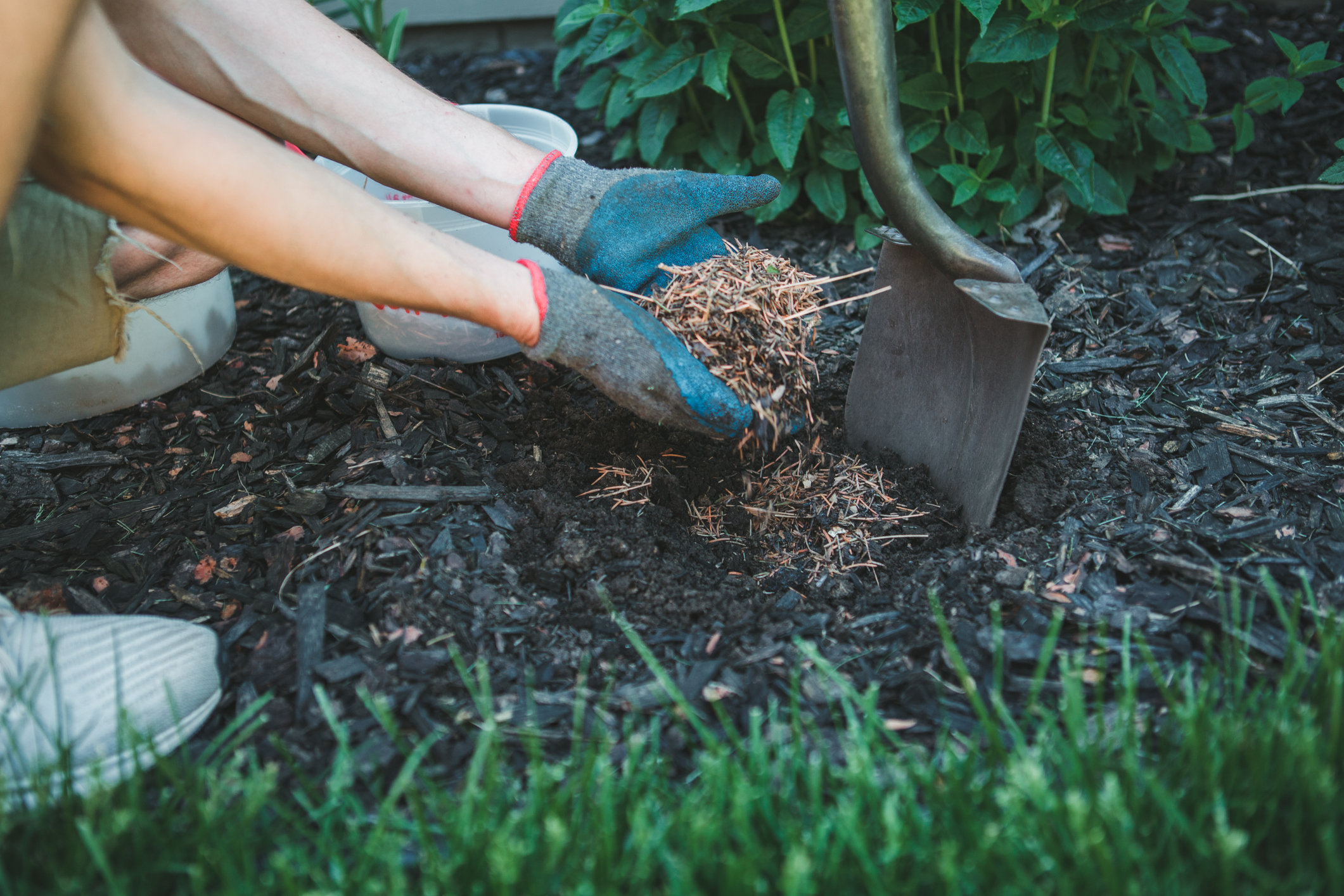
Mulch everything heavily in mid to late spring, once. A good 5 to 7 centimetres (2 to 3 inches) of composted bark or homemade compost suppresses weeds through the growing season and feeds the soil simultaneously. It is one of the single most effective labour-saving acts in horticulture.
You may also like
#3 Prioritise the right planting
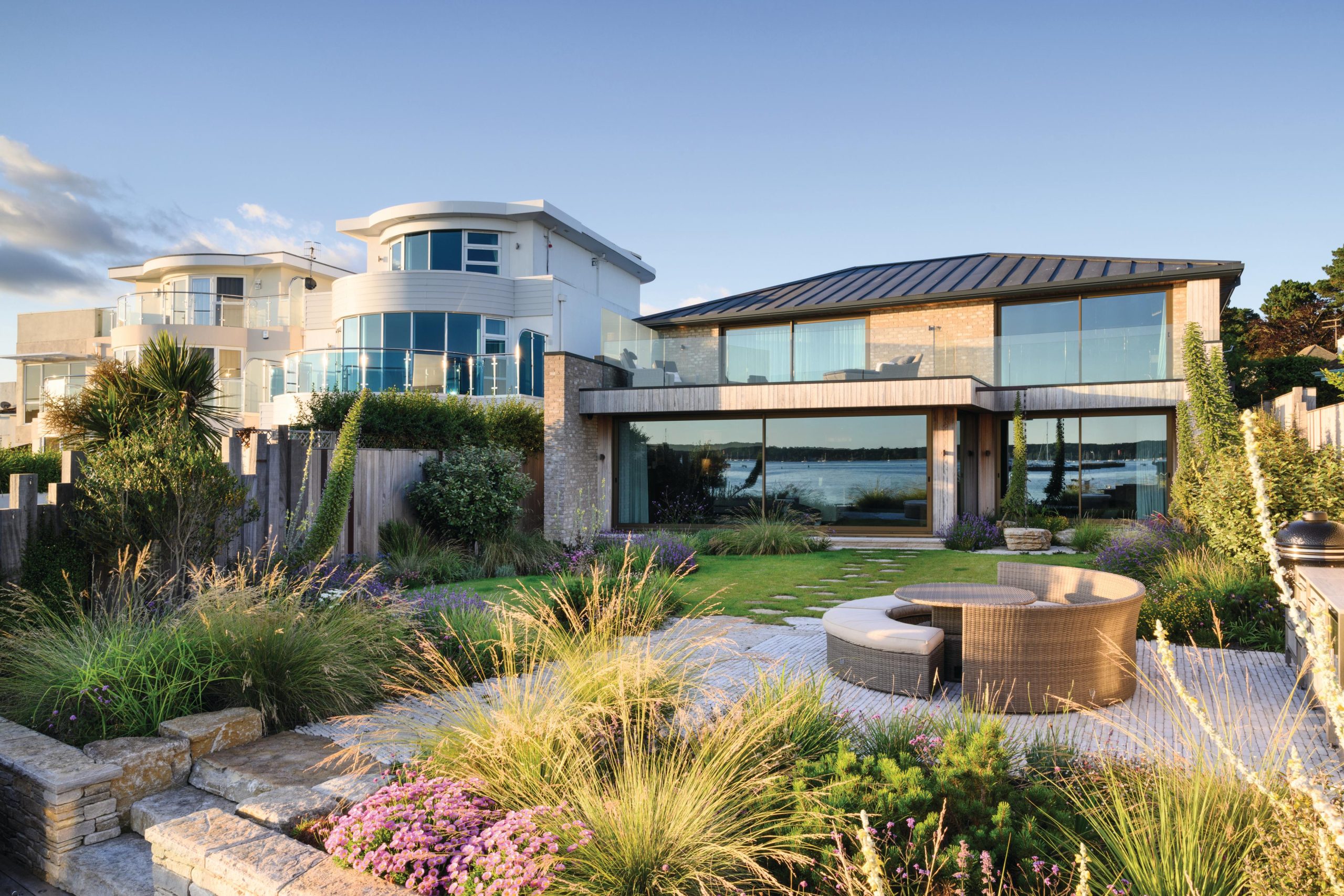
Choose plants that self-seed and naturalise, design with dense ground-covering planting that shades out weeds and reduce the lawn or remove it entirely if mowing is where most of your time goes. From the outset, choose plants suited to your location so that they thrive with minimal care or intervention.